Artwork
Philip IV as a Huntsman
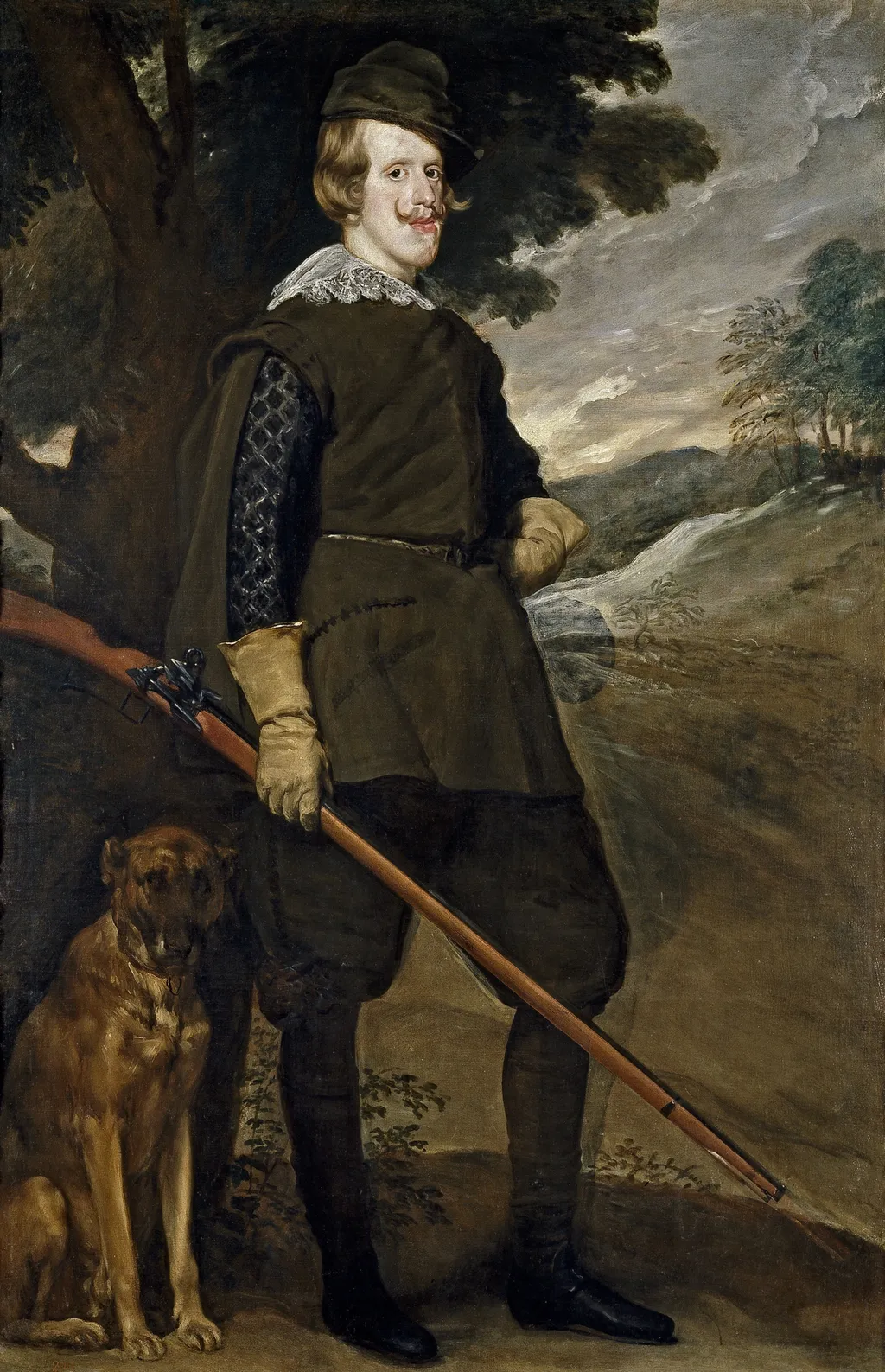
Philip IV as a Huntsman is an oil painting by the Early Baroque Italian artist Diego Velázquez. It dates from 1632 and is held in the collection of the Museo del Prado.
About this work
Subject & Meaning
Contemporary poetry celebrated the king's marksmanship, yet Velázquez focuses on the dignified stillness of the figure rather than the action of the chase.
The painting depicts King Philip IV of Spain as a hunter, dressed in a brown tabard with a Flemish lace collar, dark breeches, and a cap, while holding a shotgun with a mastiff seated at his feet. Created for the royal hunting lodge known as the Torre de la Parada, the work is part of a series that includes portraits of the Cardinal-Infante Ferdinand and Prince Balthasar Charles, all sharing the motif of the cap and shotgun to harmonize the group. The subject represents the monarch's majesty in a serene, unadorned posture, deliberately stripped of traditional royal symbols to emphasize his role in the hunt.
The background features an oak tree, the forests of the Pardo, and distant blue mountains under a cloudy autumn sky. Contemporary poetry celebrated the king's marksmanship, yet Velázquez focuses on the dignified stillness of the figure rather than the action of the chase.
Technique & Style
Executed in oil on canvas, the work measures approximately 189 cm in height and 124 cm in width, though some records cite dimensions of 191 by 126 cm. The painting depicts the monarch in a hunting costume featuring a brown tabard, dark breeches, and a Flemish lace collar, set against a landscape with an oak tree and a grey, cloudy sky. Technical analysis following restoration reveals significant pentimenti, or artist's revisions, which document the creative process. Initially, the figure held a cap in his hand and the shotgun barrel was longer; Velázquez later altered the composition to show the king wearing the cap, aligning him with his hunting companions in the Torre de la Parada series.
These visible underdrawings and changes in the canvas demonstrate the master's method of refining the pose and protocol during execution.
History & Provenance
Commissioned by Philip IV of Spain, this portrait was originally intended to decorate the Torre de la Parada, a hunting pavilion near Madrid remodeled between 1635 and 1637. While some sources date the work to 1632, others place its execution between 1634 and 1636, suggesting it was painted alongside companion portraits of the Cardinal-Infante Ferdinand and Prince Baltasar Carlos. Technical analysis reveals the artist modified the composition during creation; an earlier version depicted the monarch holding his cap, but this was altered to show him wearing it, likely to harmonize with the other figures in the series.
The painting entered the royal collections, appearing in inventories at the Torre de la Parada in 1705 and 1747 before moving to the New Royal Palace by the mid-18th century. It was recorded in the palace inventory of 1772 and transferred to the Museo del Prado in 1828, where it has remained under inventory number P00968. It was formerly owned by Ferdinand VII of Spain.
Legacy
Philip IV as a Huntsman established a precedent for royal portraiture that blended regal authority with recreational symbolism, contributing to the depiction of monarchs in hunting attire. Its integration into the decorative program of the Torre de la Parada reflected the use of hunting imagery within Spanish royal spaces. The work's pentimenti, which reveal iterative compositional changes, have been cited in scholarly analyses as exemplars of Velázquez's working process and have informed conservation study at the Museo del Prado.
Overview
Diego Velázquez painted a portrait of the Spanish monarch Philip IV in 1632, presenting him in the role of a huntsman. Executed in oil on canvas, the work is part of the collection of the Museo del Prado in Madrid.
Context
The painting belongs to a series of works that depict Philip IV in various roles, reinforcing the image of a ruler who embodies both political power and the virtues of the hunt. It reflects the 17th‑century Spanish court’s emphasis on projecting regal dignity through everyday activities.
Own this work as a print
Artist & collection
Artist
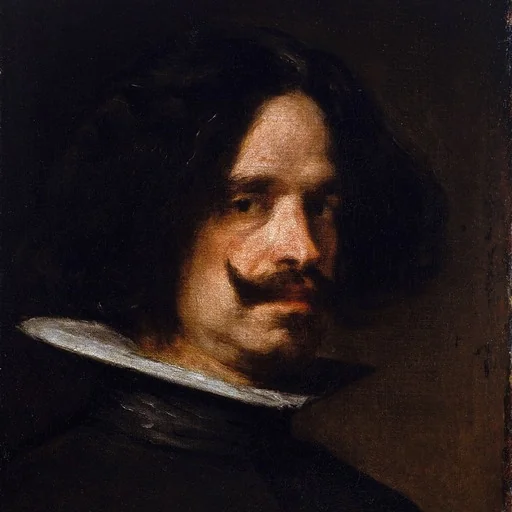
Diego Rodríguez de Silva y Velázquez was a Spanish Baroque painter, the leading artist in the court of King Philip IV of Spain and Portugal, and of the Spanish Golden Age.

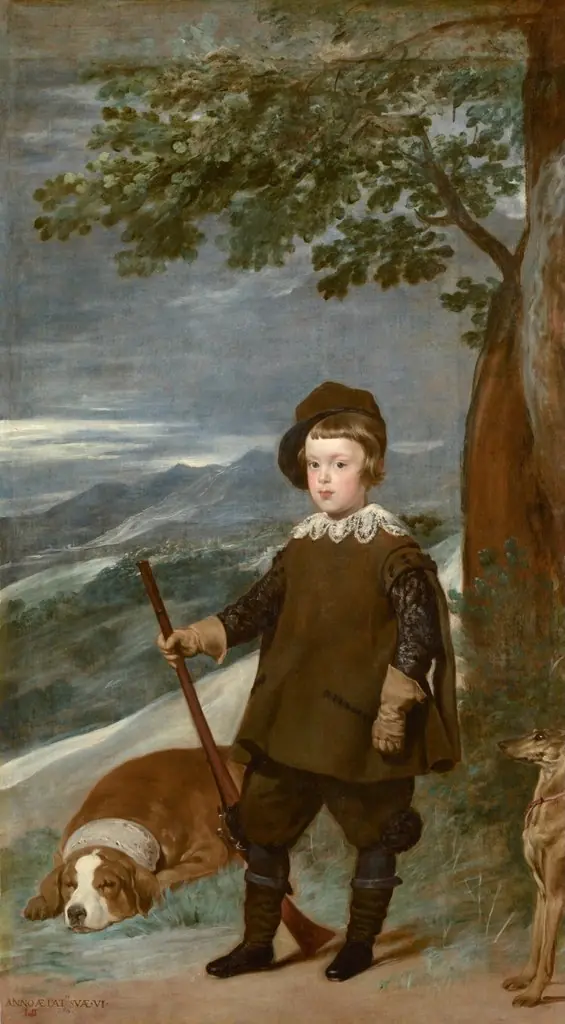 Prince Balthasar Charles as a Hunter
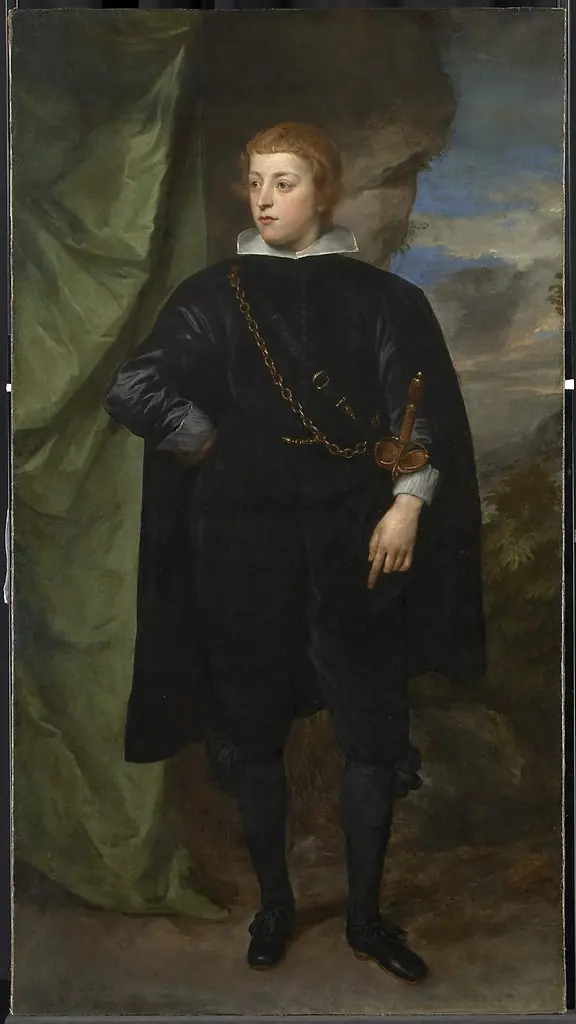 Portrait of Carlo Emanuele d'Este, Marchese di Borgomanero (1622-1695)
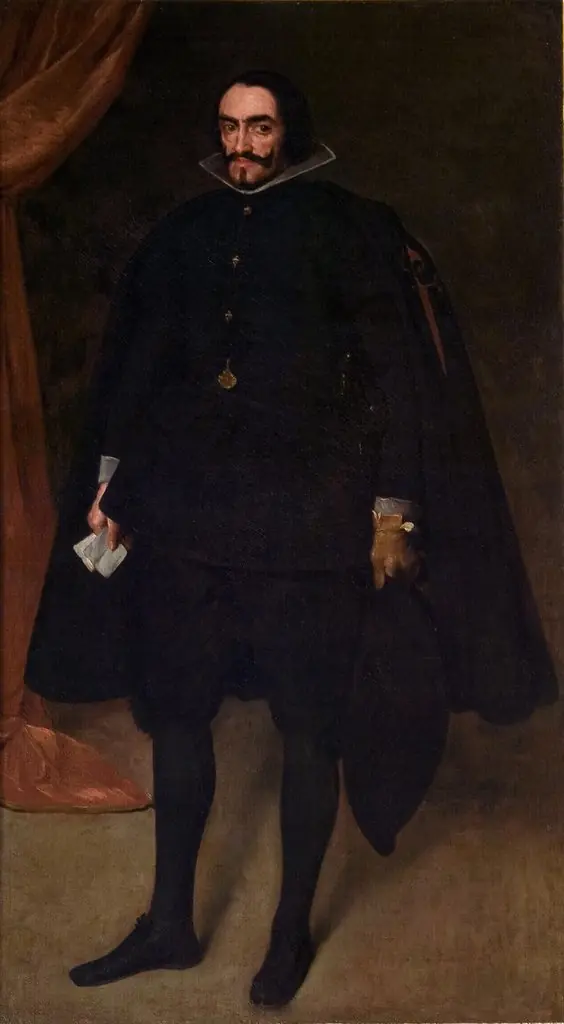 Portrait of a Knight of the Order of Santiago
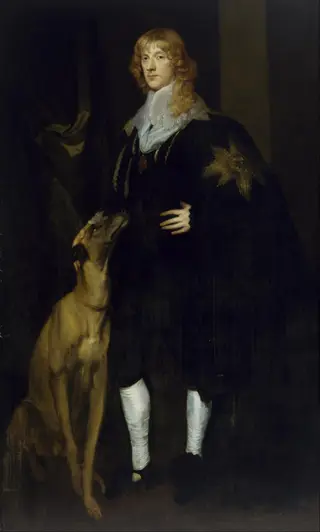 James Stuart, Duke of Lenox and Richmond
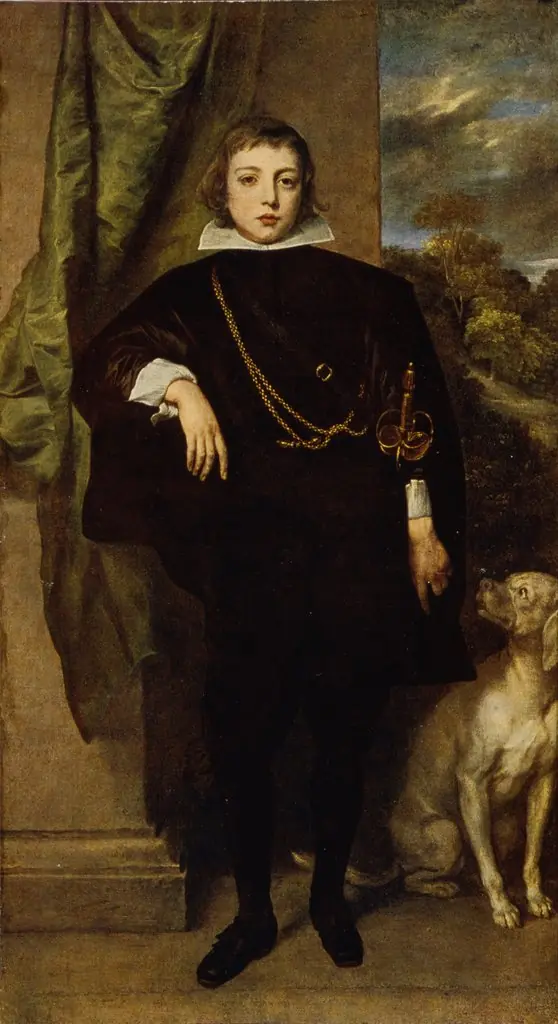 Portrait of Filippo Francesco d'Este, Marchese di Lanzo with his Dog
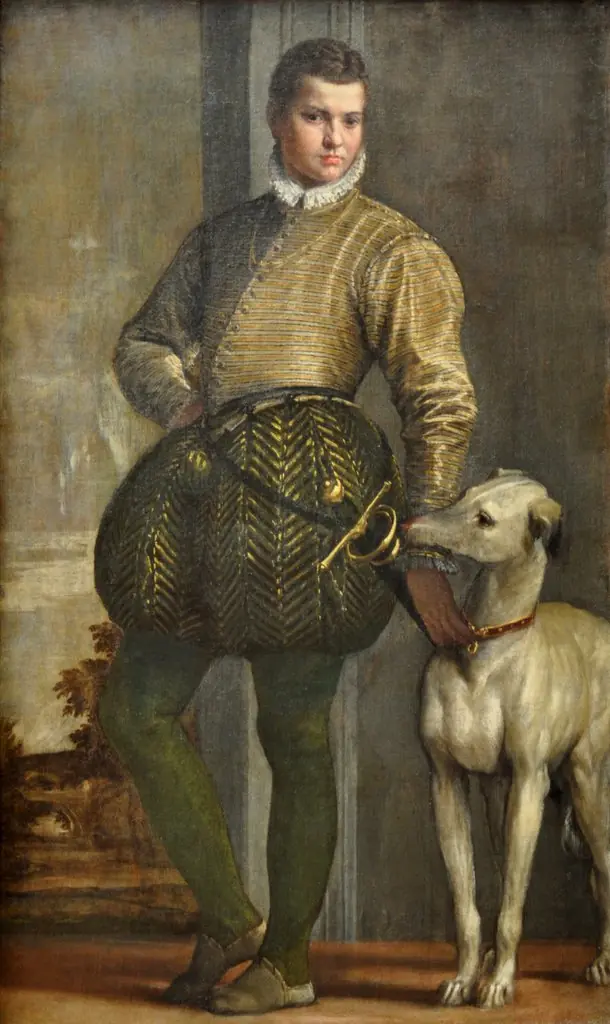 Boy with a Greyhound
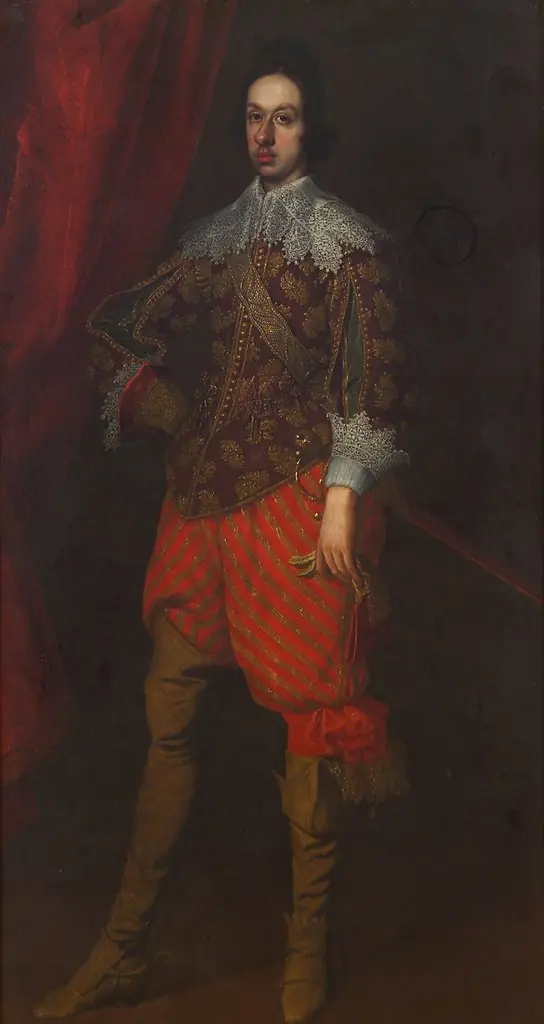 Grand Duke Ferdinando II. (1610-1670) of Tuscany
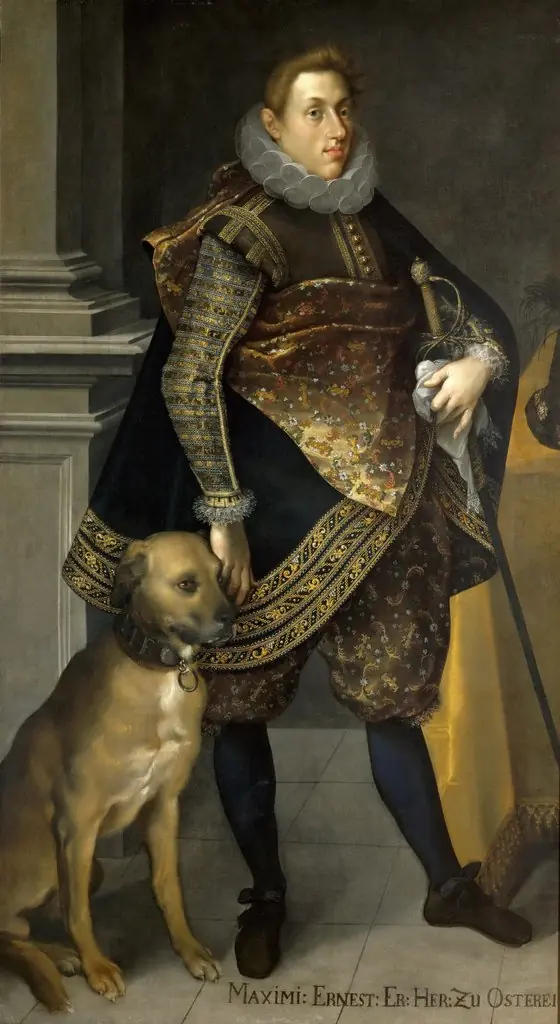 Erzherzog Maximilian Ernst (1583-1616) mit Jagdhund
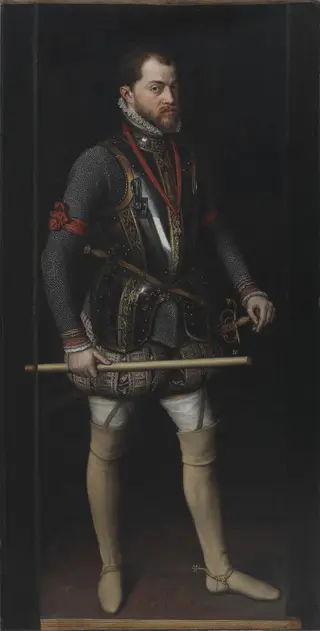 Philip II of Spain