Artwork
The Spanish Singer
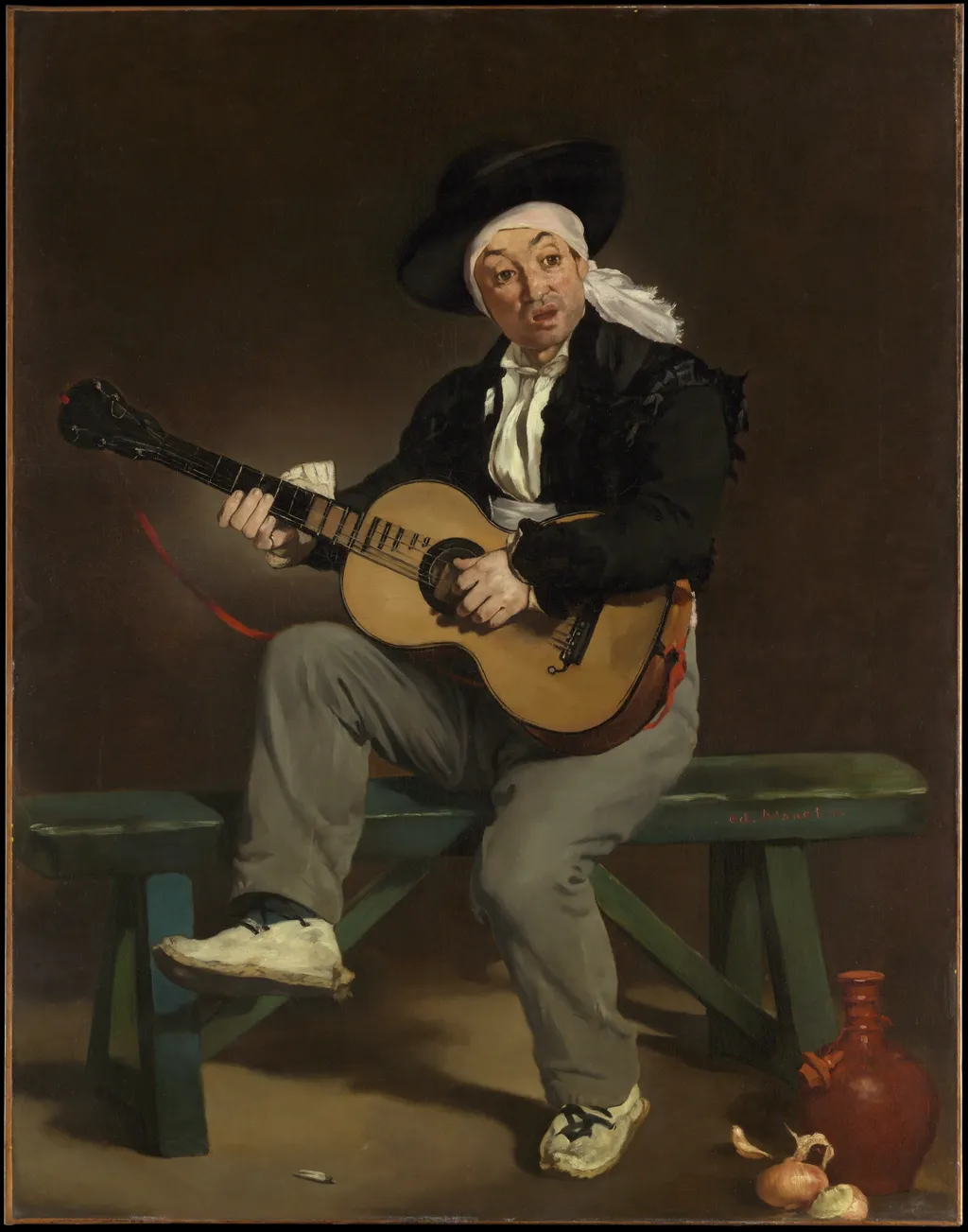
The Spanish Singer is an oil painting by the Academic Art artist Édouard Manet. It dates from 1860 and is held in the collection of the Metropolitan Museum of Art.
About this work
Edouard Manet's The Spanish Singer, also called Guitarrero, shows a man with a guitar. It was one of his first scenes of everyday Spanish life, painted in 1860 though he had never been to Spain, and it helped him stand out in Paris.
Technique & Style
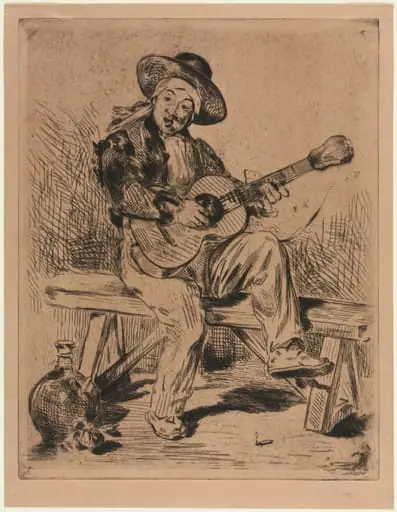
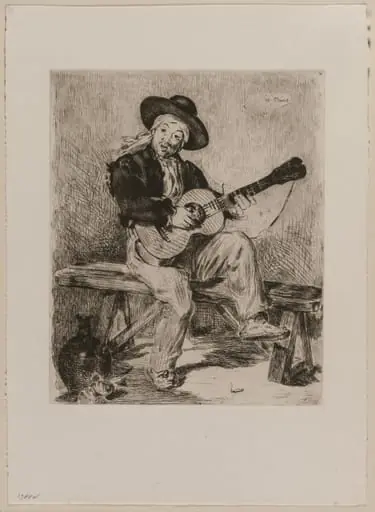
The figure is seated on a green bench, supporting a six-stringed guitar on his right thigh while singing with mouth open and head turned left.
The Spanish Singer is an oil painting on canvas measuring 147.3 by 114.3 cm, executed in Manet's studio from a live model dressed in a black jacket, black hat, and grey trousers, with props assembled from clothing and objects already on hand. The figure is seated on a green bench, supporting a six-stringed guitar on his right thigh while singing with mouth open and head turned left. A small still life at the lower right includes a smoking cigarette butt, a red terracotta wine jar, and two onions.
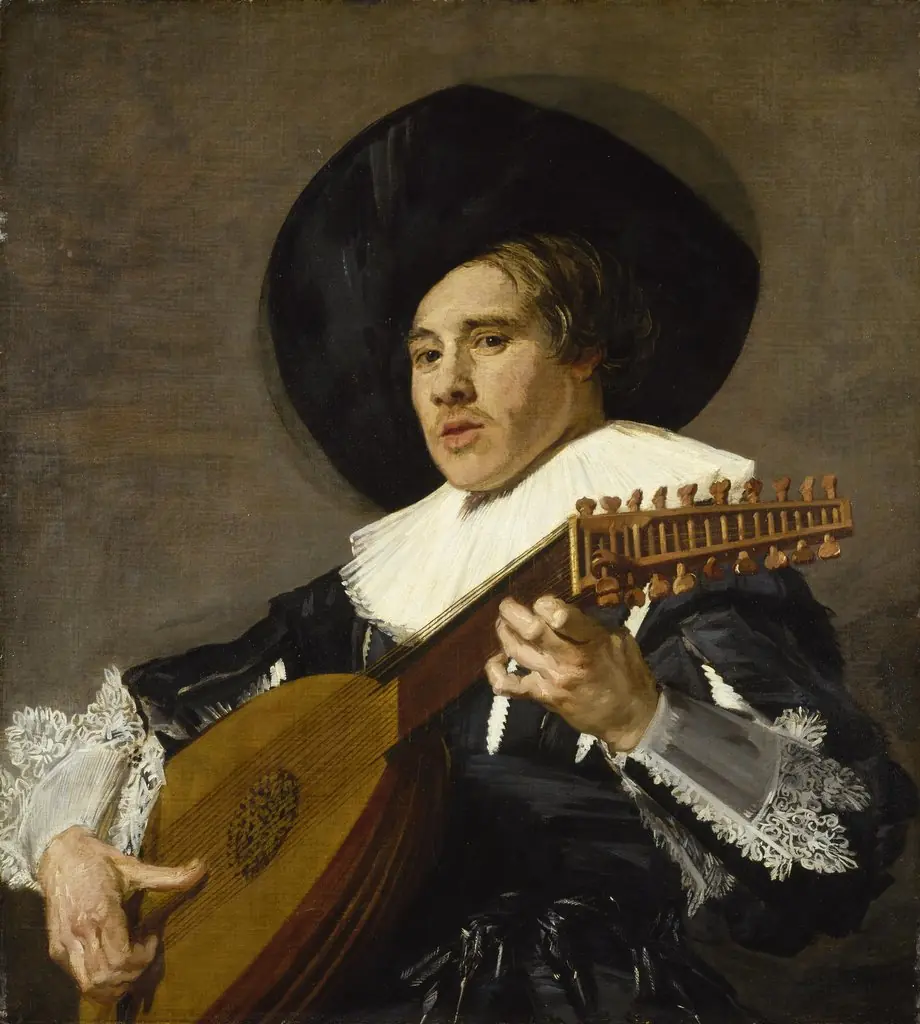
Stylistically, the work reflects Manet's so-called Hispanic period, drawing on the sober backgrounds and restrained palette of Velázquez as well as Frans Hals, with a synthetic, high-contrast paint application. The model was left-handed while the guitar was strung for a right-handed player, exposing the staged nature of the scene. Gautier praised its "very true color" and "vigorous brush."
History & Provenance
Édouard Manet completed The Spanish Singer in 1860 within his studio, utilizing a model and props that appeared in subsequent works. Motivated by the rejection of The Absinthe Drinker in 1859, Manet adopted a Spanish subject to align with contemporary tastes, securing his first acceptance to the Paris Salon in 1861 where it received an honorable mention. The painting's ownership history began in January 1872 when dealer Paul Durand-Ruel purchased it from the artist for 3,000 francs.
Jean-Baptiste Faure acquired the work from Durand-Ruel on January 3, 1873, for 7,000 francs. Faure later resold it to Durand-Ruel on April 17, 1906, for 20,000 francs. On May 2, 1907, Durand-Ruel sold the canvas to William Church Osborn of New York for 150,000 francs. Osborn ultimately donated the painting to the Metropolitan Museum of Art in 1949.
The Spanish Singer is held by the Metropolitan Museum of Art in New York. The work entered the museum’s collection in 1949 as a gift from collector William Church Osborn. Its provenance traces back to purchases by Durand‑Ruel (1872), Jean‑Baptiste Faure (1873), and a 1906 repurchase before Osborn’s 1907 acquisition.
The painting debuted at the Salon of 1861, where it received an honorable mention and was later praised by critics such as Gautier. Since its acquisition, it has been exhibited in the Met’s European paintings galleries as part of the permanent collection.
Context
Exhibited at the Salon of 1861, The Spanish Singer marked Édouard Manet's first official acceptance and earned a mention honorable, his sole state recognition for twenty years. Critics praised its vibrant color and bold brushwork, with Théophile Gautier and Charles Baudelaire lauding the work's realism and vigor. This success, driven by a contemporary fashion for Spanish culture, temporarily established Manet as a leader of the avant-garde, inspiring peers like Henri Fantin-Latour and Carolus-Duran to visit his studio.
Art historically, the painting signifies Manet's 'Spanish period,' reflecting his study of Diego Velázquez and Francisco Goya at the Louvre rather than travel to Spain. However, scholars note the work is philologically inaccurate; the model was a left-handed Parisian posing with a right-handed guitar, and the costume was assembled from studio props. While this official triumph was brief, preceding later scandals, the painting cemented Manet's reputation as a promising modernist who synthesized Spanish old master influences with a synthetic, high-contrast style.
Legacy
The Spanish Singer’s debut at the 1861 Salon earned Manet his first official acceptance and an honorable mention, establishing his presence in the official art world【3†L1-L4】【5†L1-L3】【6†L1-L3】. Contemporary critics Charles Baudelaire and Théophile Gautier lauded its vivid color and vigorous brush, bolstering Manet’s reputation【3†L5-L8】【4†L1-L4】【5†L1-L3】【6†L1-L3】. The painting’s success positioned him as a leader of the emergent avant‑garde, prompting artists such as Fantin‑Latour, Legros and Carolus‑Durand to seek his studio【3†L9-L12】【5†L1-L3】.
Thereafter Manet pursued a series of Spanish‑themed works, and The Spanish Singer remains viewed as a pivotal bridge between Spanish old‑master influence and modern French painting【3†L9-L12】【4†L1-L4】【6†L1-L3】.
Overview
The Spanish Singer, an 1860 oil painting by Édouard Manet, depicts a man with a guitar. This work marked a pivotal moment in Manet's career, being his first acceptance into the prestigious Paris Salon. It showcased his distinctive approach to realism, drawing inspiration from Spanish artistic traditions while presenting an exotic subject. The painting's critical success helped establish Manet as a significant figure in the emerging avant-garde art scene.
Subject & Meaning
Manet's painting portrays a seated figure, a "guitarrero," in a studio setting rather than an authentic Spanish locale. Despite never having traveled to Spain at the time, Manet created a scene of everyday Spanish life, utilizing models and props that reappeared in other works. This exotic yet grounded depiction offered a fresh perspective, contributing to Manet's distinct artistic voice within the Parisian art world.
Own this work as a print
Artist & collection
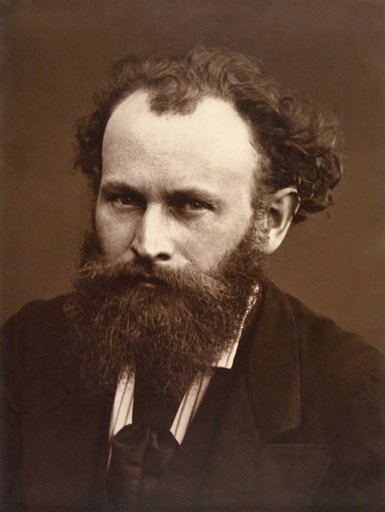
Artist
Édouard Manet was a French modernist painter. He was one of the first 19th-century artists to paint modern life, as well as a pivotal figure in the transition from Realism to Impressionism.