Artwork
Crucifixion of Christ
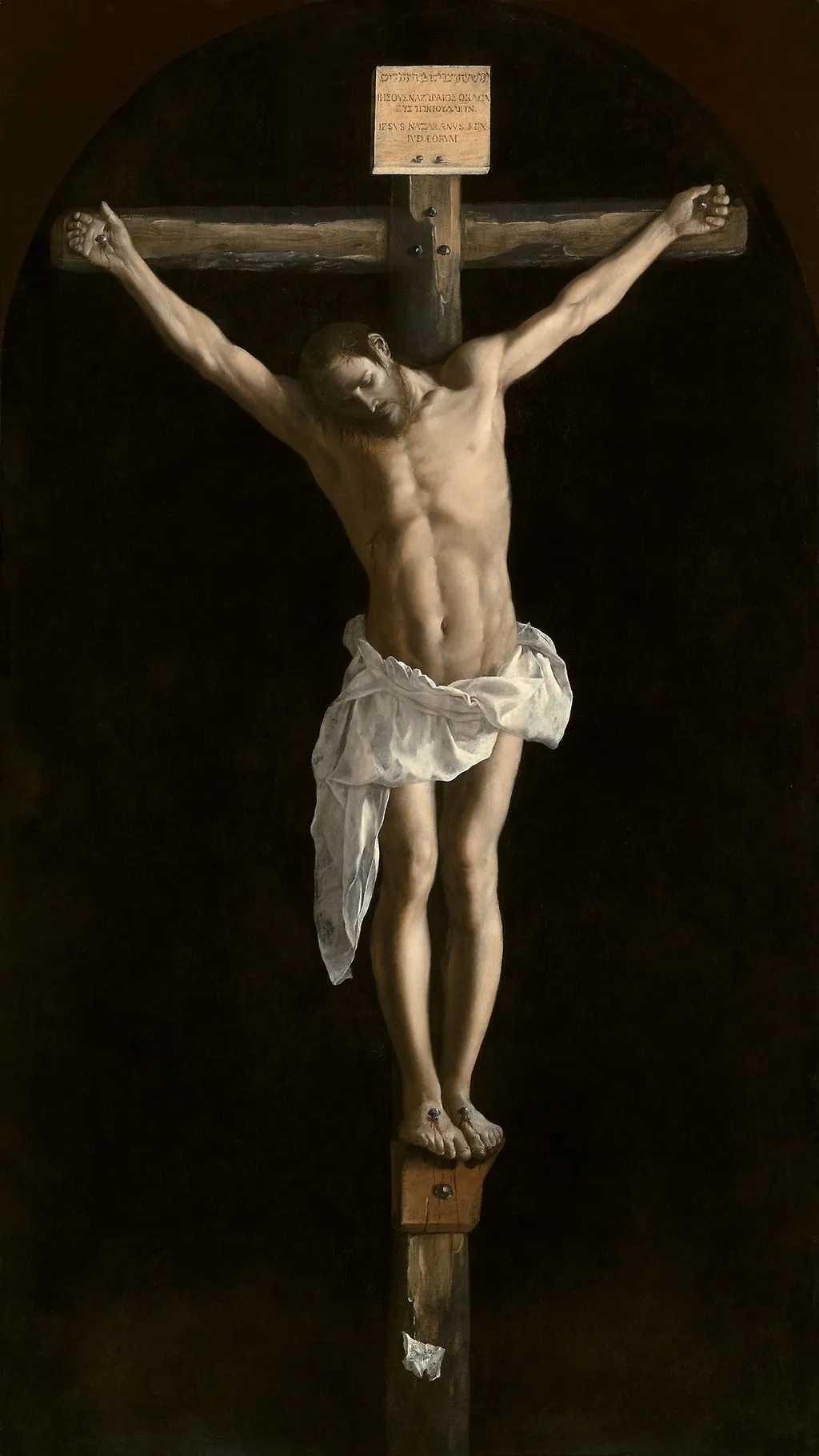
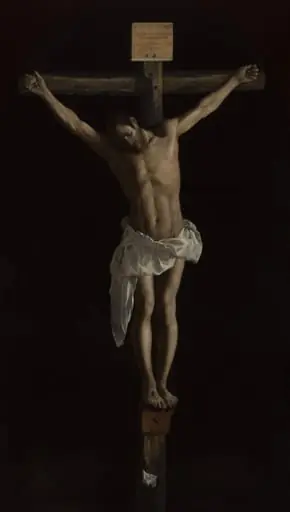
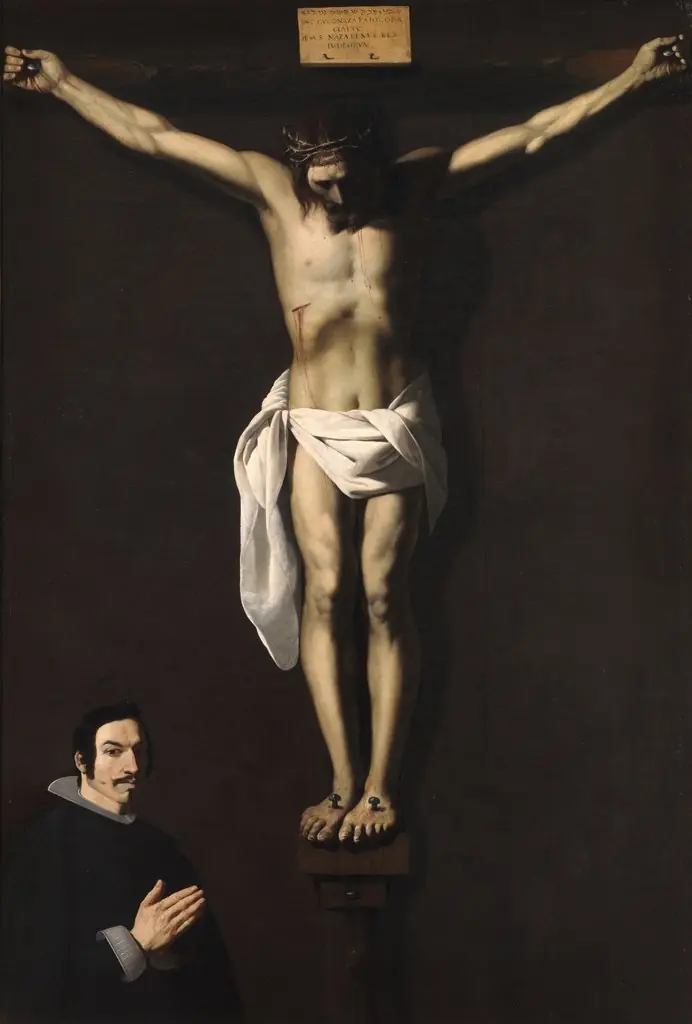
Crucifixion of Christ is an oil painting by the Early Baroque Italian artist Francisco de Zurbarán. It dates from 1627 and is held in the collection of the Art Institute of Chicago.
About this work
Crucifixion of Christ is an oil painting made in 1627 by the Spanish painter Francisco de Zurbarán.
Crucifixion of Christ is an oil painting made in 1627 by the Spanish painter Francisco de Zurbarán. The work shows the biblical scene of Christ on the Cross.
It is part of the collection at the Art Institute of Chicago. Wikipedia notes that the canvas was created by Zurbarán in the early seventeenth century. The painting is done in oil on canvas, a common medium for the period.
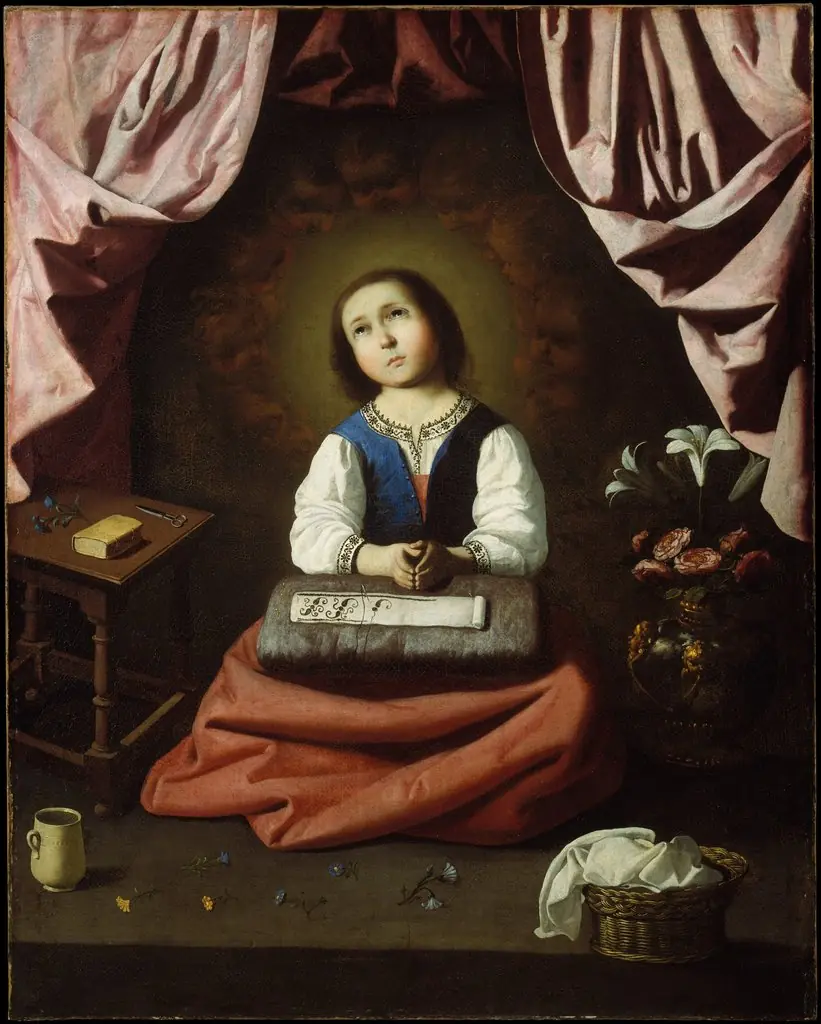
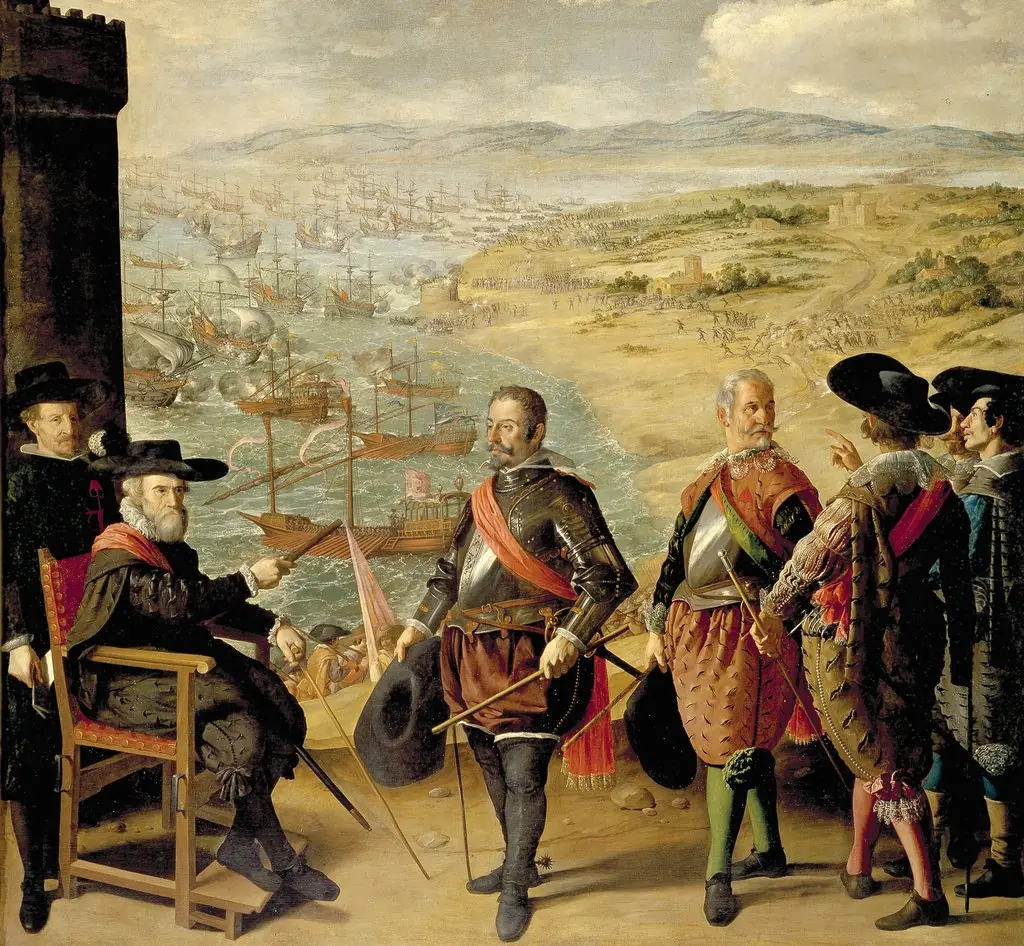
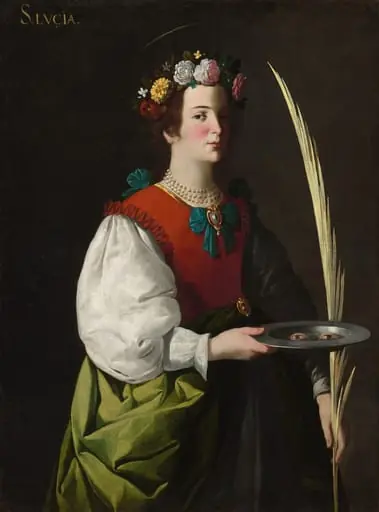
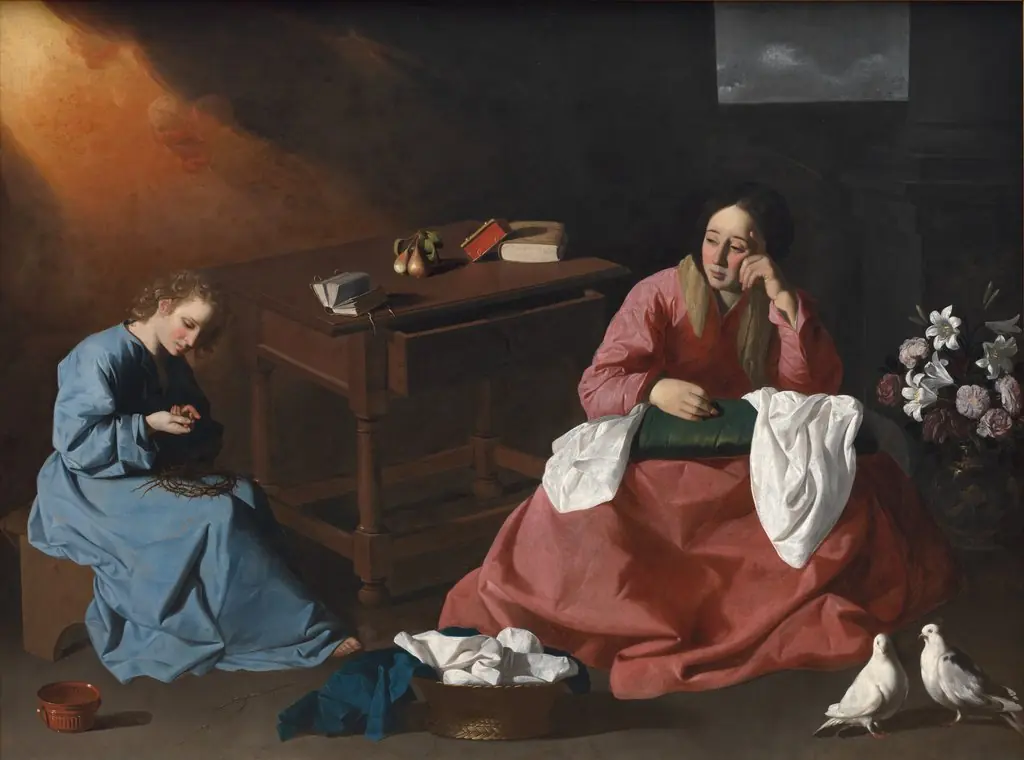
If you liked this, you might also explore the art of Francisco de Zurbarán.
Subject & Meaning
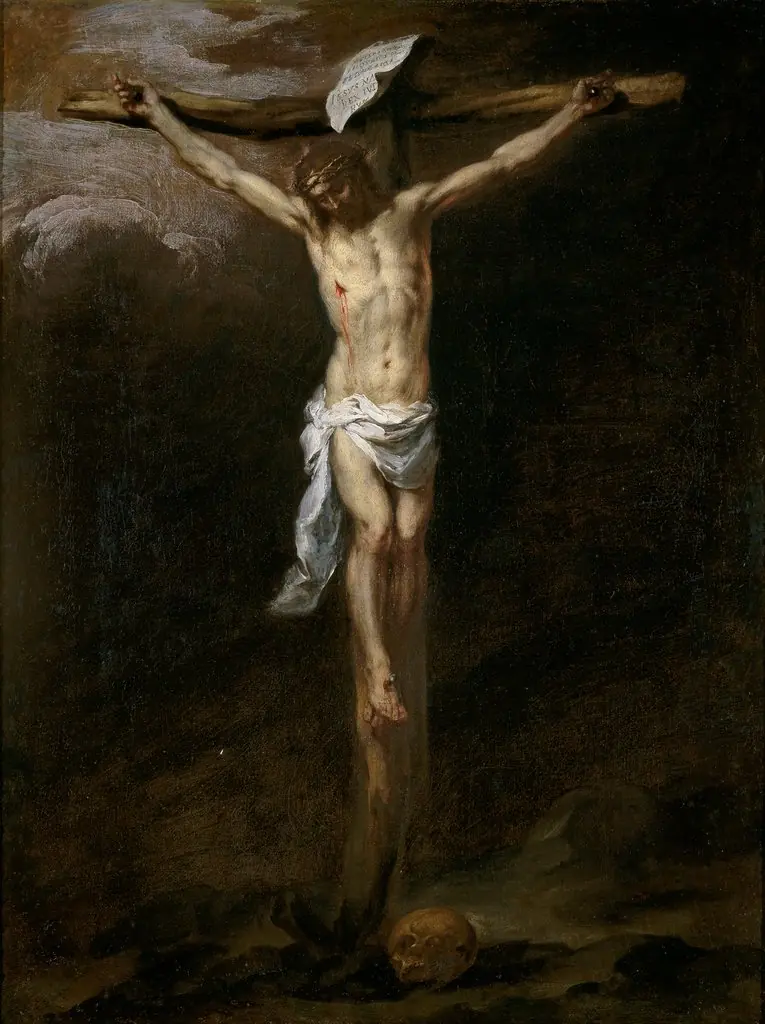
The painting depicts Jesus Christ crucified alone on a rough-hewn wooden cross, adhering to Counter-Reformation directives that favored isolating the figure to focus viewer devotion without distraction. The iconography specifically shows Christ's feet nailed separately, reflecting the theological controversy regarding the use of four nails as described in the revelations of Bridget of Sweden, rather than the traditional three.
Symbolically, the composition contrasts the luminous, intricately draped white loincloth against the realistic, flexible musculature of the body to emphasize physical perfection despite torture. The figure's head tilts onto the right shoulder, conveying a state where acute suffering has yielded to resignation and a foreknowledge of the Resurrection, presenting the body as already glorified.
Technique & Style
The Crucifixion of Christ is an oil painting on canvas created in 1627 by Francisco de Zurbarán. The work measures 290.3 cm in height and 165.5 cm in width and is executed in oil paint on canvas. The composition depicts Christ alone on the cross, his two feet nailed separately, a technique that emphasizes his solitary suffering and aligns with Counter-Reformation preferences for focused devotional imagery. The white linen cloth encircling his waist provides dramatic contrast to the finely rendered musculature of his body, while the chiaroscuro highlights the relief of the figure against the rough wooden cross. The painting reflects Zurbarán’s mastery of tenebrism and his attention to theological detail, such as the use of four nails, a point of debate among contemporaries.
History & Provenance
The painting was produced in 1627 by Francisco de Zurbarán in connection with a contract he had signed on 17 January 1626 with the Dominican community of San Pablo el Real in Seville, under which he was to execute 21 paintings for the monastery within eight months. Although it is unlikely he delivered the entire series, the Crucifixion was painted for the house shortly afterward and, according to a 1629 source, was placed in the oratory of the sacristy. The work's reception by contemporaries was such that the city council of Seville invited the artist to settle there in 1629. During the French occupation of Spain at the beginning of the nineteenth century, all monasteries were suppressed and their artworks seized. The painting was acquired by the French diplomat and general Jean-Toussaint Arrighi de Casanova, Duke of Padua, and later passed to his son, the politician of the same name. In 1876 it was donated to the Collège Sainte-Geneviève in Paris, probably moving around 1880 to St Mary's College in Canterbury, then transferred in 1897 to the Jesuit college at Laval. It subsequently passed through Jesuit colleges on Jersey and at Chantilly before being acquired in 1952 by the Basel dealer Fankhauser. The Art Institute of Chicago purchased it in 1954. The painting is held by the Art Institute of Chicago, where it is recorded as Christ on the Cross with accession number 1954.115. Its exhibition history begins in Seville, where the work was painted in 1627 for the Dominican monastery of San Pablo el Real. After the monastery’s dissolution during the French occupation of Spain, the painting passed through successive private and institutional hands in France and England, including ownership by Jean-Toussaint Arrighi de Casanova, the Collège Saint Geneviève in Paris, St. Mary’s College in Canterbury, and Jesuit institutions in Laval, Jersey, and Chantilly, before entering the Basel art trade in 1952. It was acquired by the Art Institute of Chicago in 1954.
Context
The painting emerged from a major commission Zurbarán undertook in 1626 for the Dominican community of San Pablo el Real in Seville, where he contracted to produce 21 paintings in eight months. It was admired so widely by his contemporaries that Seville's city council invited him to settle permanently in the city in 1629, an event that effectively launched his Sevillian career.
The work is closely associated with the Counter-Reformation aesthetic shaped by the Council of Trent, which redirected artists away from crowded Crucifixion scenes toward images isolating Christ alone. Zurbarán also engaged with the contemporary debate over the number of nails used in the Crucifixion, choosing to depict Christ's feet nailed separately, a decision paralleled in Velázquez's later Christ Crucified (c. 1632). The painting is regarded as Zurbarán's earliest dated work and a defining statement of his mature style, with its luminous white loincloth and tenebrist handling becoming hallmarks of his religious imagery.
Scholarship situates the canvas within Zurbarán's broader series of Crucifixion compositions produced throughout his career, including later versions held in Seville and Madrid.
Legacy
Francisco de Zurbarán's Crucifixion of Christ (1627) became a pivotal work in shaping Spanish Baroque religious imagery and its legacy endures through sustained scholarly and institutional attention. Contemporary accounts noted its powerful impact; the Seville city council reportedly urged Zurbarán to settle permanently in 1629 after viewing the painting, reflecting its immediate acclaim. The work established his reputation for intense spiritual realism and influenced later artists such as Velázquez, particularly in the depiction of Christ's anatomy and compositional focus. Its significance is underscored by sustained presence in major exhibitions, including the 1954 acquisition by the Art Institute of Chicago, where it remains on view. The painting's technical innovation, especially the dramatic use of light on the white perizōmion and the anatomical precision of the crucified form, became a benchmark. Later scholarship, including entries in multiple language Wikipedias and art historical surveys, consistently identifies it as Zurbarán's earliest dated work and a cornerstone of Counter-Reformation art that redefined devotional imagery in the 17th century.
Artist & collection
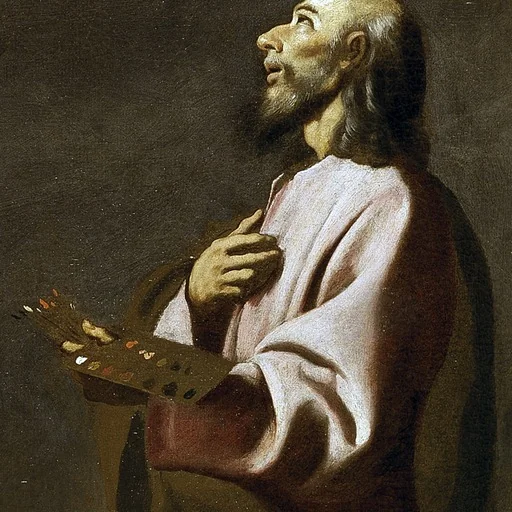
Artist
Francisco de Zurbarán was a Spanish Baroque painter. He is known primarily for his religious paintings depicting monks, nuns, and martyrs, and for his still-lifes. Zurbarán gained the nickname "Spanish Caravaggio",…