Artwork
Francisco Bayeu
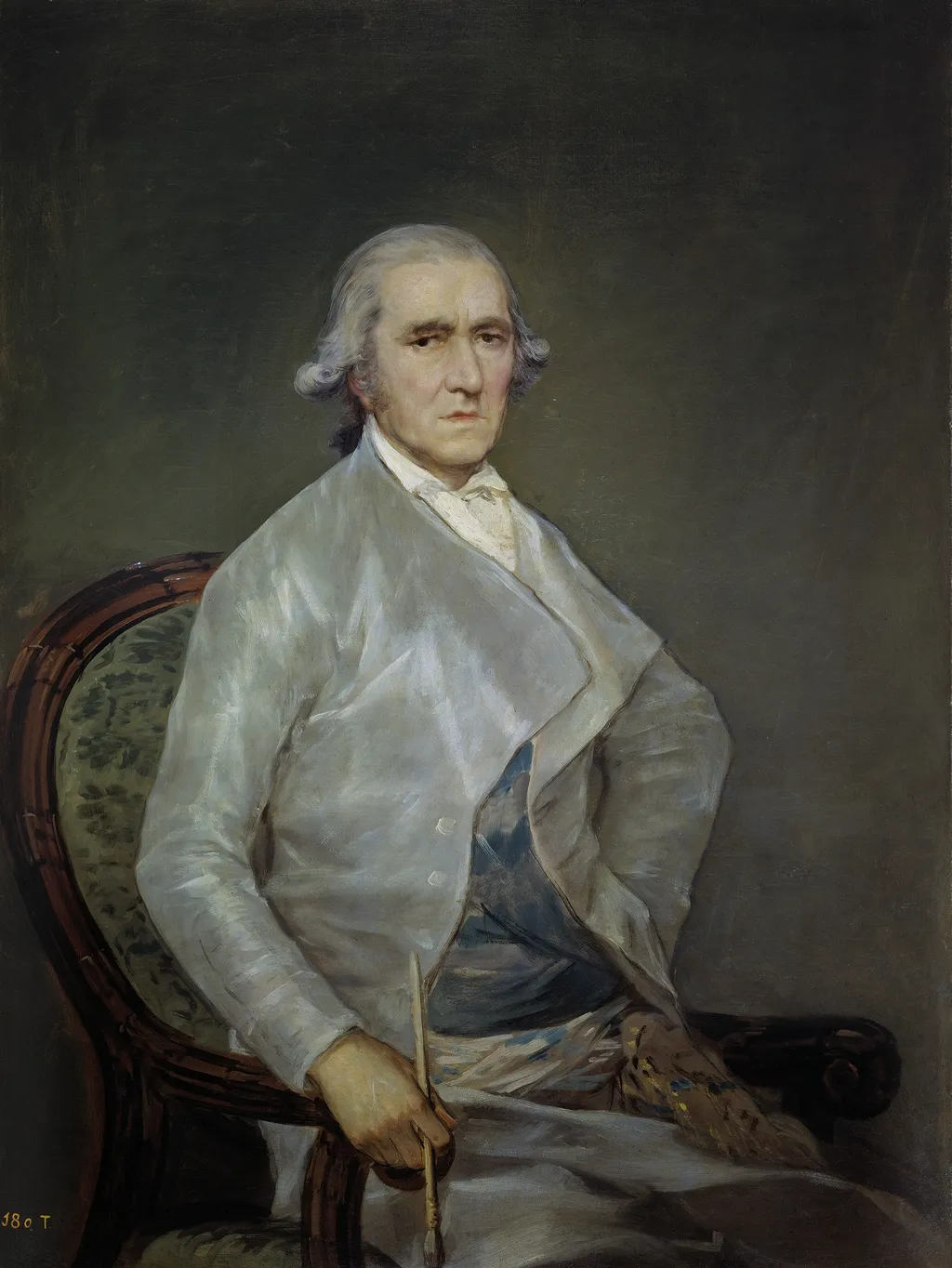
Francisco Bayeu is an oil painting by the Early Baroque Italian artist Francisco de Goya. It dates from 1798 and is held in the collection of the Museo del Prado. Created in 1798, this oil-on-canvas portrait by Francisco Goya depicts his contemporary Francisco Bayeú, a fellow Spanish painter.
About this work
This painting is a portrait of a man with gray hair, dressed in a white shirt and a light-colored jacket.
This painting is a portrait of a man with gray hair, dressed in a white shirt and a light-colored jacket. He is seated in a chair with a green upholstered back, holding a paintbrush in his right hand. The background is a solid, dark color.
The man's attire and the style of the painting suggest that it is from the late 18th century. The artist's use of chiaroscuro, a technique that uses strong contrasts between light and dark to create a sense of volume and depth, adds depth to the portrait.
The painting is a representation of Francisco Bayeu, a Spanish painter. To learn more about the artist who created this work, look up Francisco Goya.
Subject & Meaning
The painting depicts Francisco Bayeu, a Spanish artist and brother-in-law of Francisco Goya. Bayeu is portrayed in a three-quarter view, facing slightly to the left, with a direct gaze that conveys a sense of engagement with the viewer. The composition emphasizes his role as a distinguished figure within the artistic milieu of late 18th-century Spain, reflecting both personal and professional connections between the two artists.
The work serves as a tribute to Bayeu’s standing in the cultural landscape of the time, capturing a moment of mutual recognition between peers.
Technique & Style
Executed in 1795, this portrait of Francisco Bayeu is an oil painting on canvas. The work measures 112 cm in height and 84 cm in width. As a formal portrait, the composition focuses on the depiction of the subject, utilizing oil paint as the primary medium to render the figure on a textile support.
History & Provenance
Francisco Goya executed this oil portrait of Francisco Bayeu in 1795. The work was painted on canvas and depicts the subject as its main focus. While the specific circumstances of the commission and the immediate ownership chain following its creation are not detailed in the available records, the painting eventually entered the collection of the Museo del Prado in Madrid, where it remains housed.
Context
Francisco Bayeu, depicted in a 1795 portrait by Francisco Goya, exemplifies late 18th-century Spanish portraiture within the Museo del Prado's collection. Goya's portrayal of the artist highlights his prominence among Madrid's artistic circles during the reign of Charles IV. The work's canonical dimensions of 112 cm by 84 cm establish its physical presence within the museum's holdings, reflecting the institutional recognition of Bayeu's contributions to Neoclassical painting through Goya's masterful technique.
Scholarly discourse situates this painting within Bayeu's broader context as a key figure in Madrid's Royal Academy, where he taught students including Federico Madrazo. Its creation during a period of political transition in Spain underscores its significance as both a portrait and a document of cultural identity, frequently analyzed in studies of Goya's evolving relationship with institutional patronage.
Overview
Created in 1798, this oil-on-canvas portrait by Francisco Goya depicts his contemporary Francisco Bayeú, a fellow Spanish painter. The work is part of the Prado Museum’s collection and exemplifies Goya’s output during his rise as a leading figure in late‑eighteenth‑century Spanish art.
Own this work as a print
Artist & collection
Artist
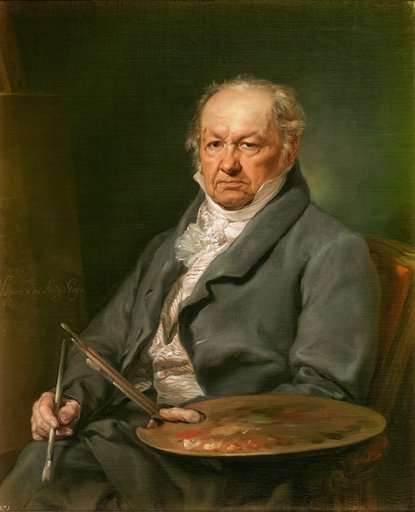
Francisco José de Goya y Lucientes was a Spanish romantic painter and printmaker.

- Ward Nicholas Boylston
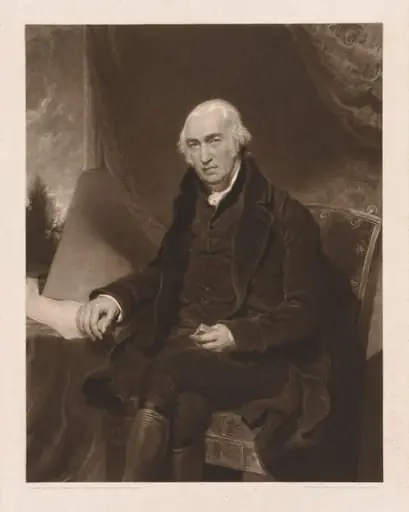 James Watt
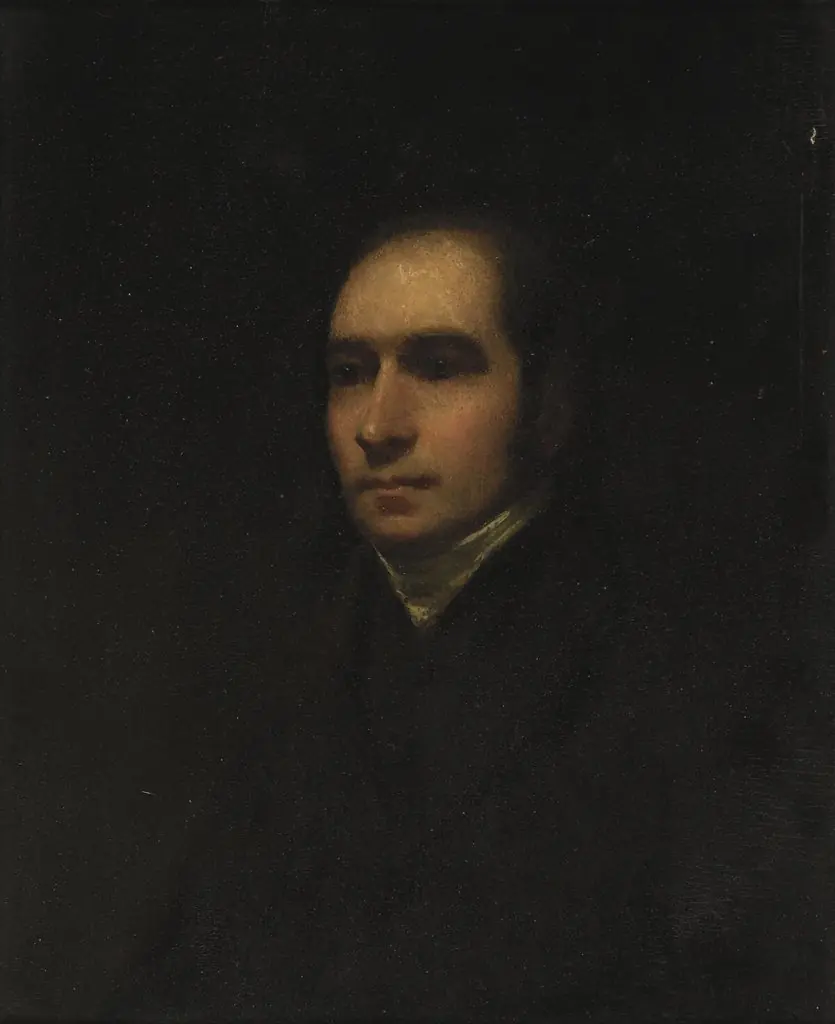 Sir Charles Forbes (1774-1849)
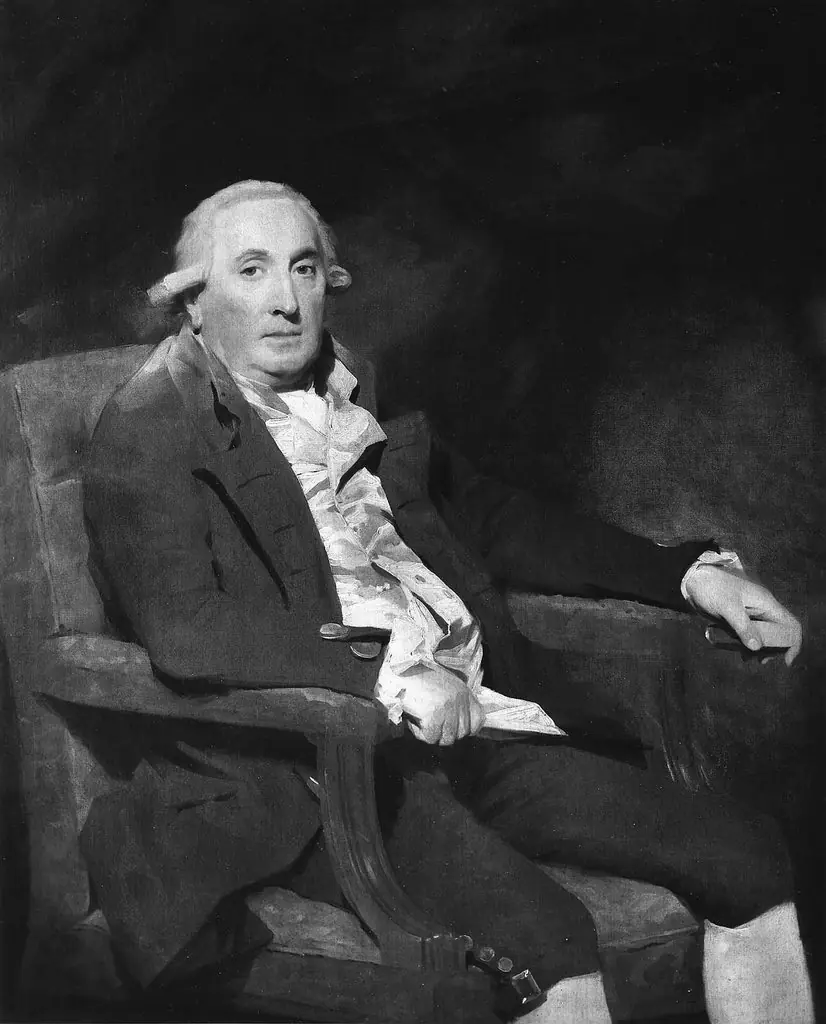 Portrait of a Man Seated in an Armchair (said to be William Fairlie)
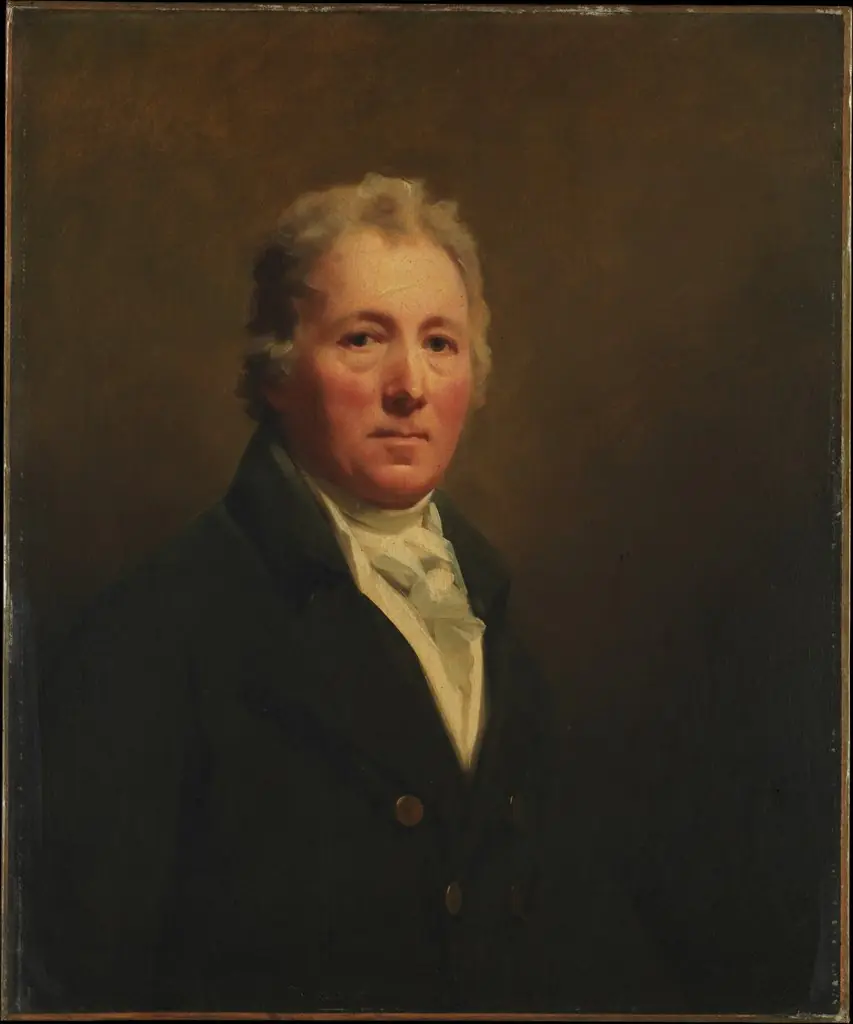 William Forsyth (1749–1814)
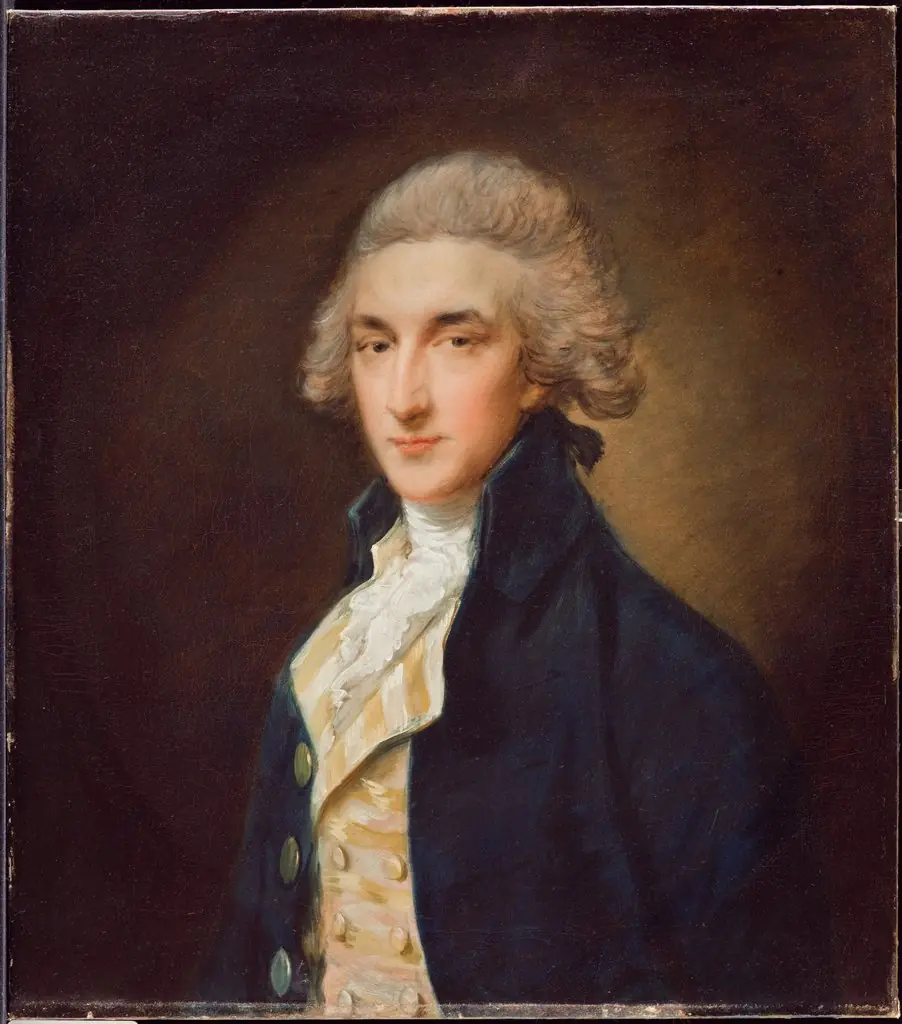 Sir John Edward Swinburne
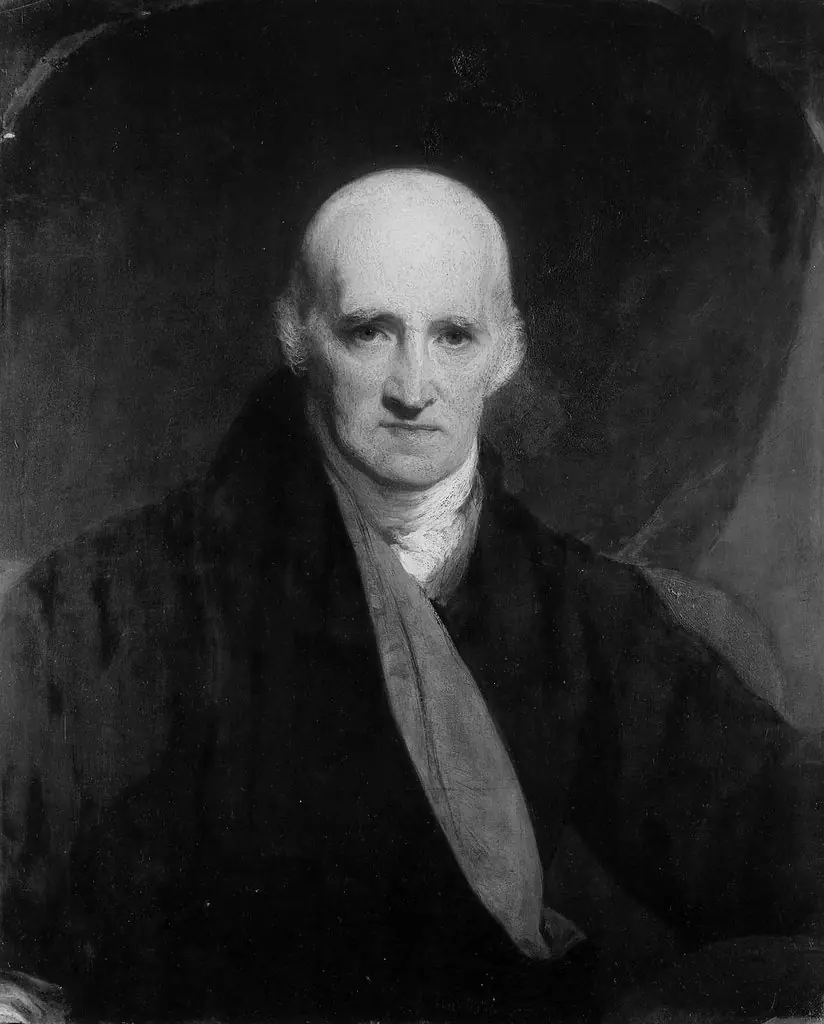 Benjamin West
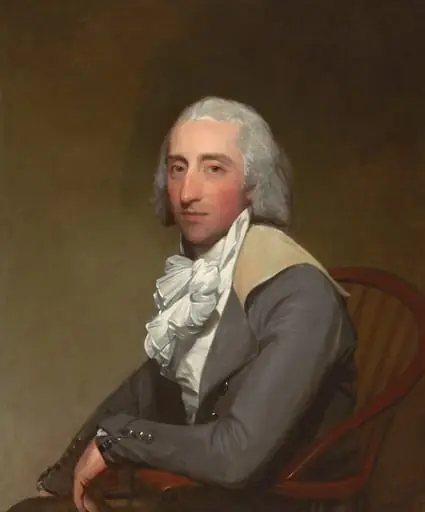 Lawrence Reid Yates
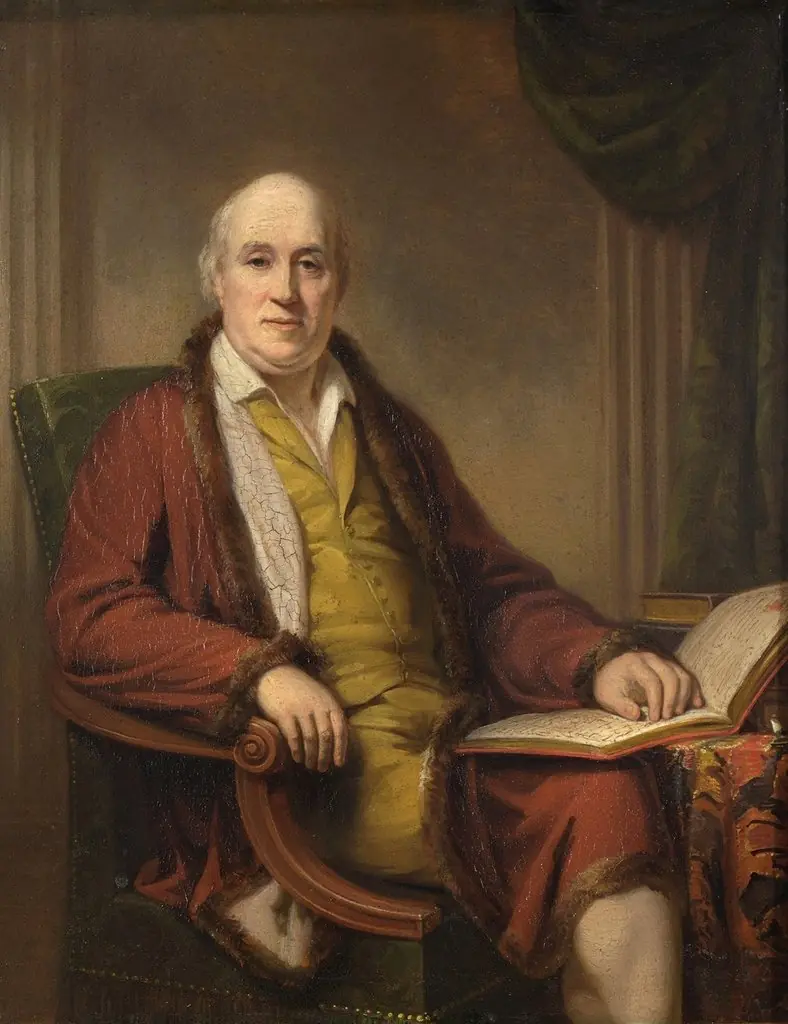 Richard, 7th Viscount Fitzwilliam of Merrion
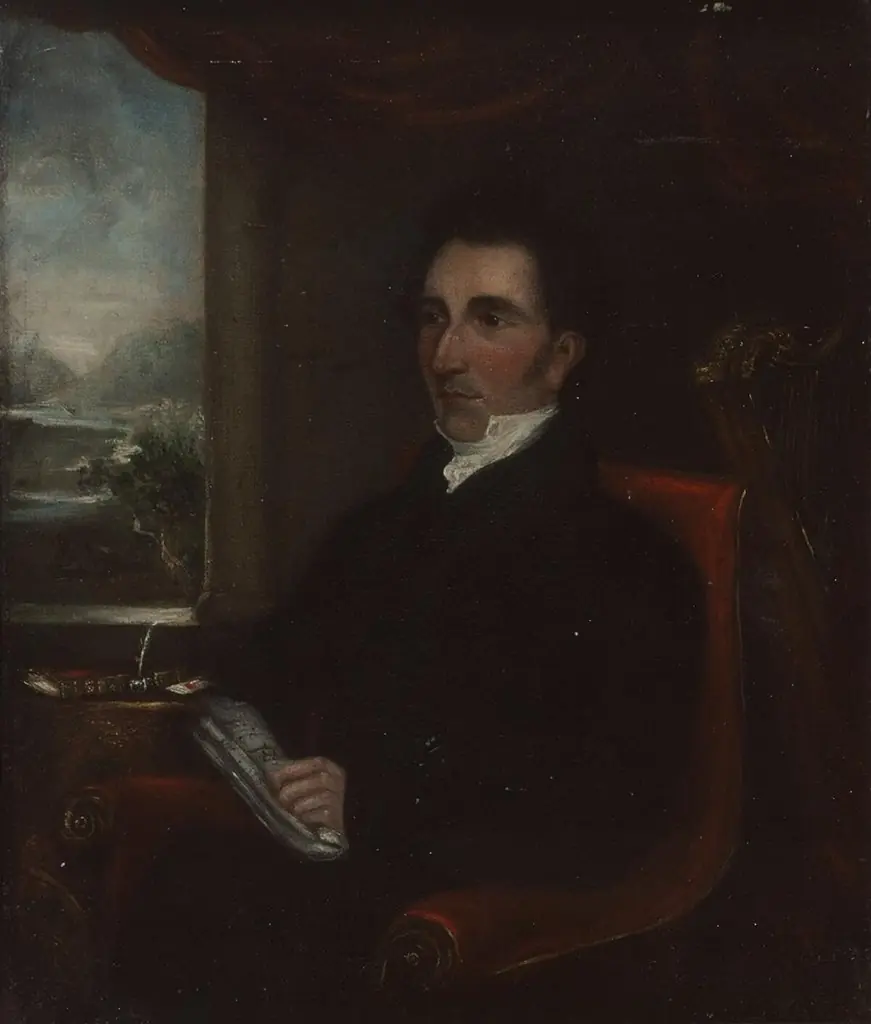 John Parry (1776-1851)
 Rev.Henry Rees
 John Julius Angerstein (1736–1823)