Artwork
Shepherd with a Flute
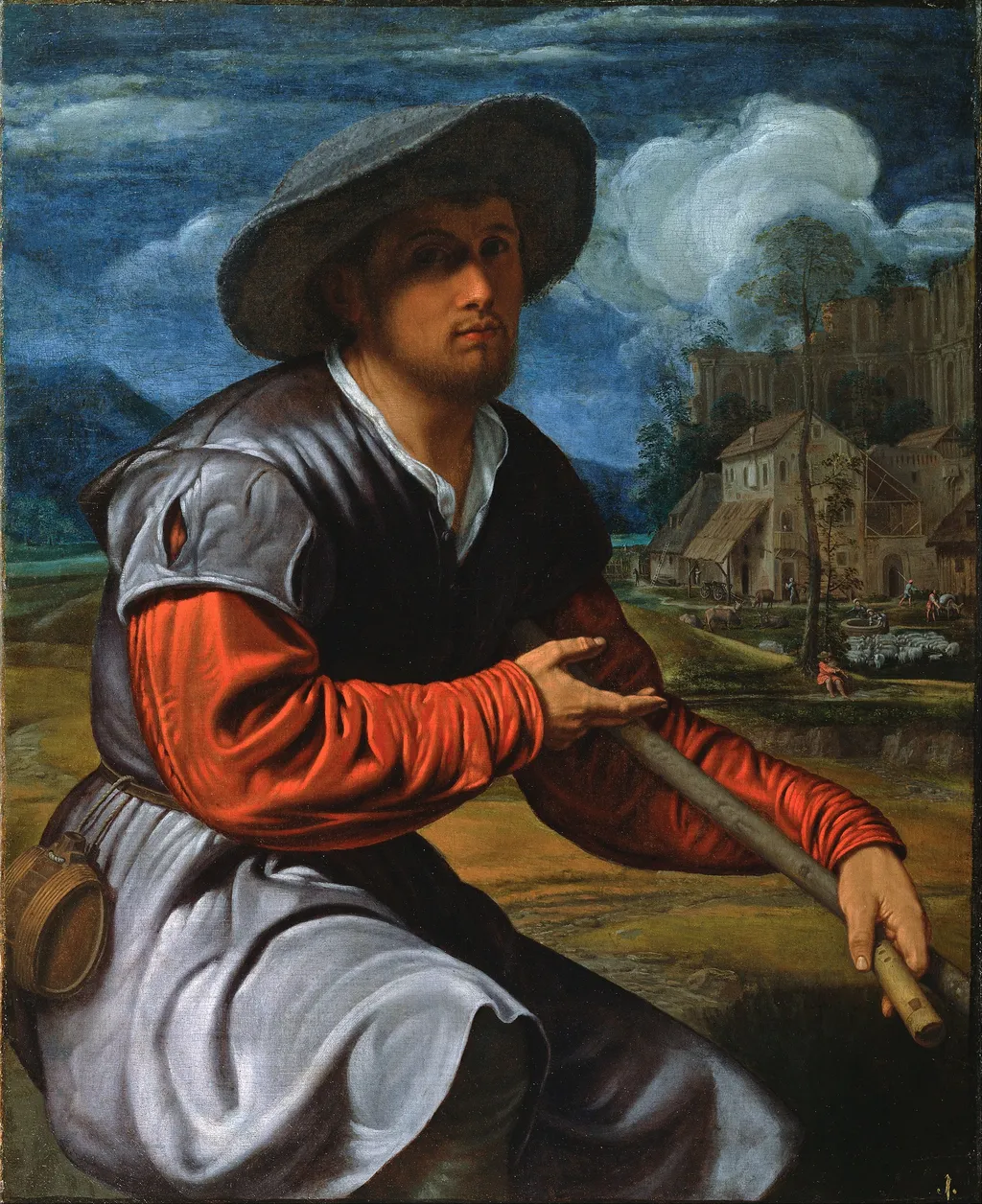
Shepherd with a Flute is an oil painting by the Mannerist artist Giovanni Girolamo Savoldo. It dates from 1540 and is held in the collection of the J. Paul Getty Museum.
About this work
Overview
It stands as one of the rare secular subjects in Savoldo’s oeuvre, distinguishing it from his more common religious themes.
Painted in 1540 by Giovanni Girolamo Savoldo, this oil-on-panel work depicts a solitary shepherd resting with a flute. It stands as one of the rare secular subjects in Savoldo’s oeuvre, distinguishing it from his more common religious themes. The painting reflects the artist’s interest in quiet, observational realism and his mastery of atmospheric light, placing it within the broader context of early 16th-century Italian painting that moved beyond High Renaissance idealism.
Subject & Meaning
The figure, a rural laborer paused in midday rest, holds a flute as if about to play or just finished. His attire, red sleeves, dark vest, broad hat, suggests regional dress and modest means. The distant village with its church steeple implies a connection to community and spiritual life, yet the focus remains on the shepherd’s introspective solitude. The scene evokes contemplation rather than narrative, emphasizing the dignity of ordinary moments.
Technique & Style
Savoldo employs soft chiaroscuro to model the shepherd’s form against a luminous sky, creating depth without dramatic contrast. His brushwork is restrained, favoring muted tones and subtle transitions in fabric and landscape. The sky, rendered with delicate clouds, enhances the calm mood. The composition avoids theatricality, aligning with Mannerist tendencies toward quiet tension and psychological nuance over classical balance.
History & Provenance
The painting entered the J. Paul Getty Museum’s collection in the late 20th century, having passed through private European collections since its creation. Its attribution to Savoldo has been consistently supported by stylistic analysis and technical examination. While little is documented about its early ownership, its preservation in good condition has allowed scholars to study Savoldo’s secular approach with rare clarity.
Context
In the 1540s, Italian art was shifting from the harmonious ideals of the High Renaissance toward more expressive, individualized forms. Savoldo, working in northern Italy, engaged with this transition by focusing on everyday subjects with psychological depth. His use of naturalistic light and subdued color set him apart from contemporaries who favored idealized figures, aligning him with emerging trends in genre painting and northern European influences.
Legacy
Though Savoldo is less widely known than his peers, this work exemplifies his distinctive contribution: a quiet, luminous realism that bridges religious and secular themes. Shepherd with a Flute remains a key example of how Mannerist artists reimagined daily life with emotional subtlety. Its preservation in a major museum ensures continued study of his understated yet influential approach to light, form, and human presence.
Own this work as a print
Artist & collection
Artist
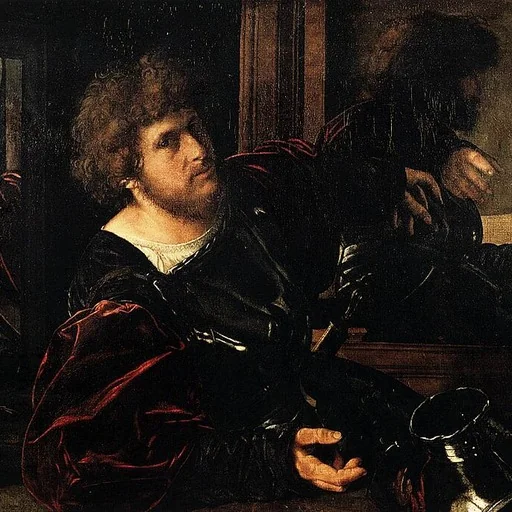
Giovanni Girolamo Savoldo, also called Girolamo da Brescia (c. 1480–1485 – after 1548), was an Italian High Renaissance painter active mostly in Venice, although he also worked in other cities in northern Italy. He is…

- Joseph of Egypt
 San Isidro
 Mowing and Shearing, or The Summer
 Melchior, one of the three Magi
 Saint Christopher
 King Melchior, one of the Three Magi, Pointing at the Star, fragment from An Adoration of the Magi
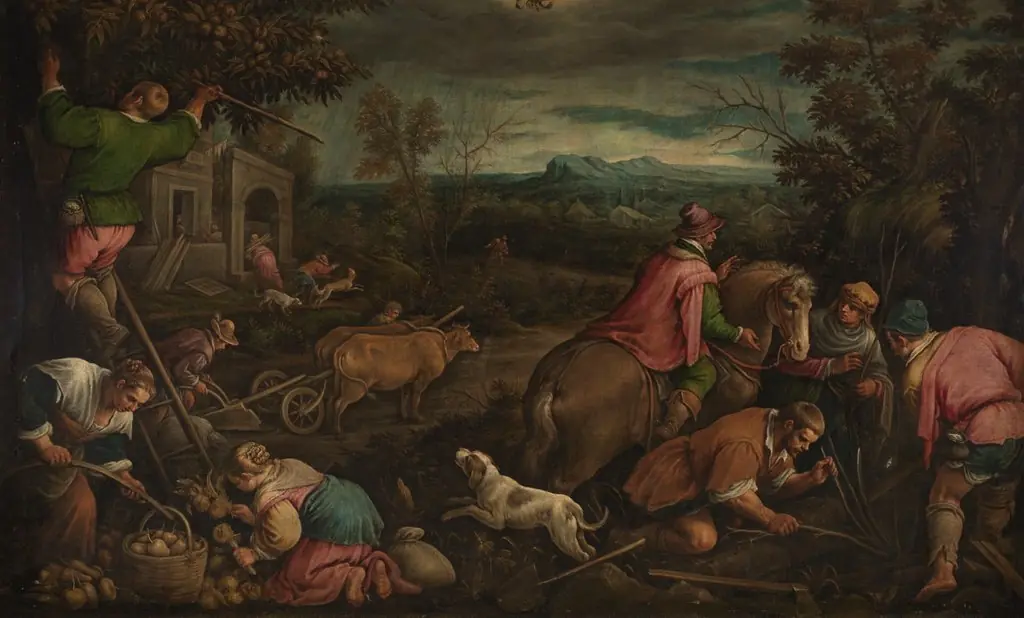 October (Scorpio)
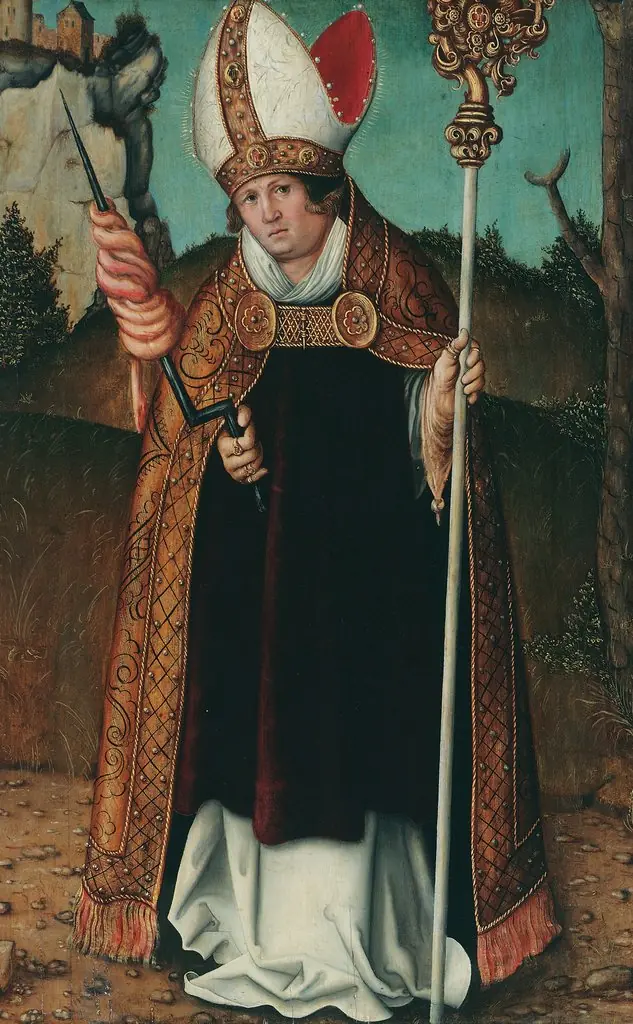 Saint Erasmus
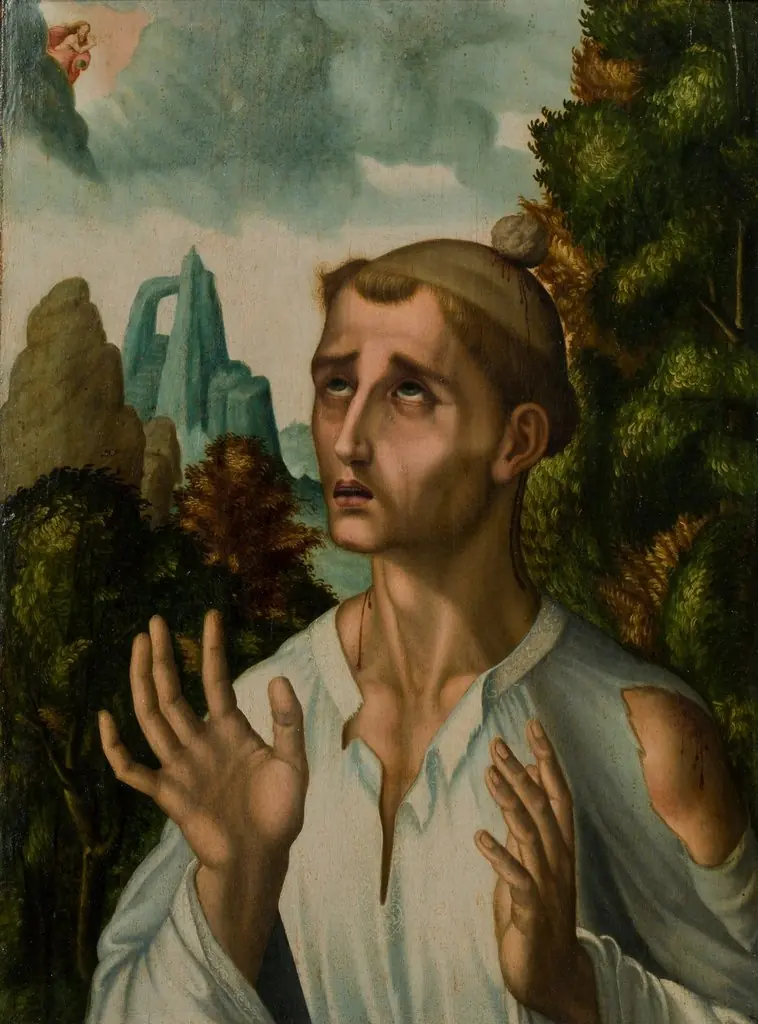 Saint Stephen
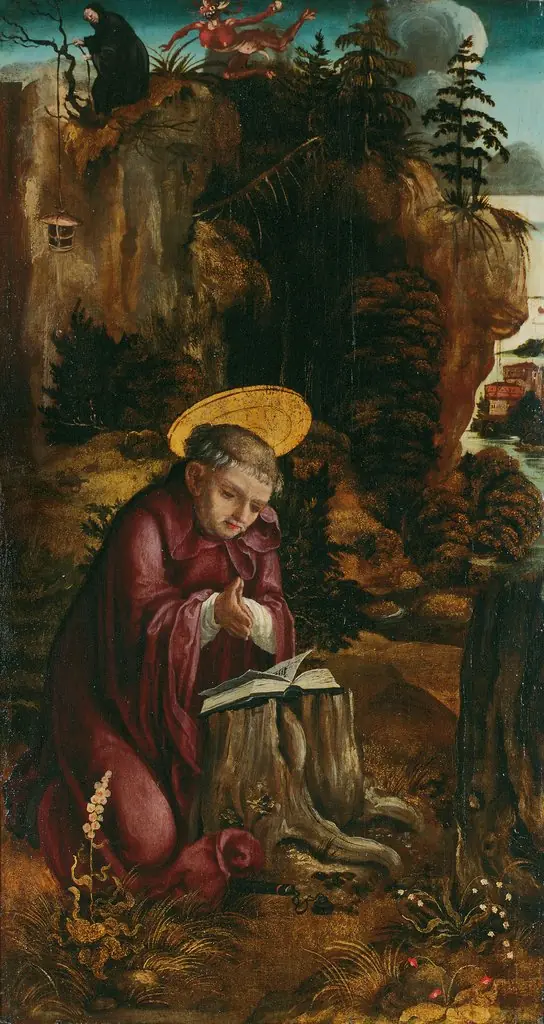 Der hl. Benedikt vor der Höhle in Subiaco
 Sleeping guardian of a grave with sword and halberd
 Jacob meeting Rachel at the Well