Artwork
María Teresa de Borbón y Vallabriga, later Condesa de Chinchón
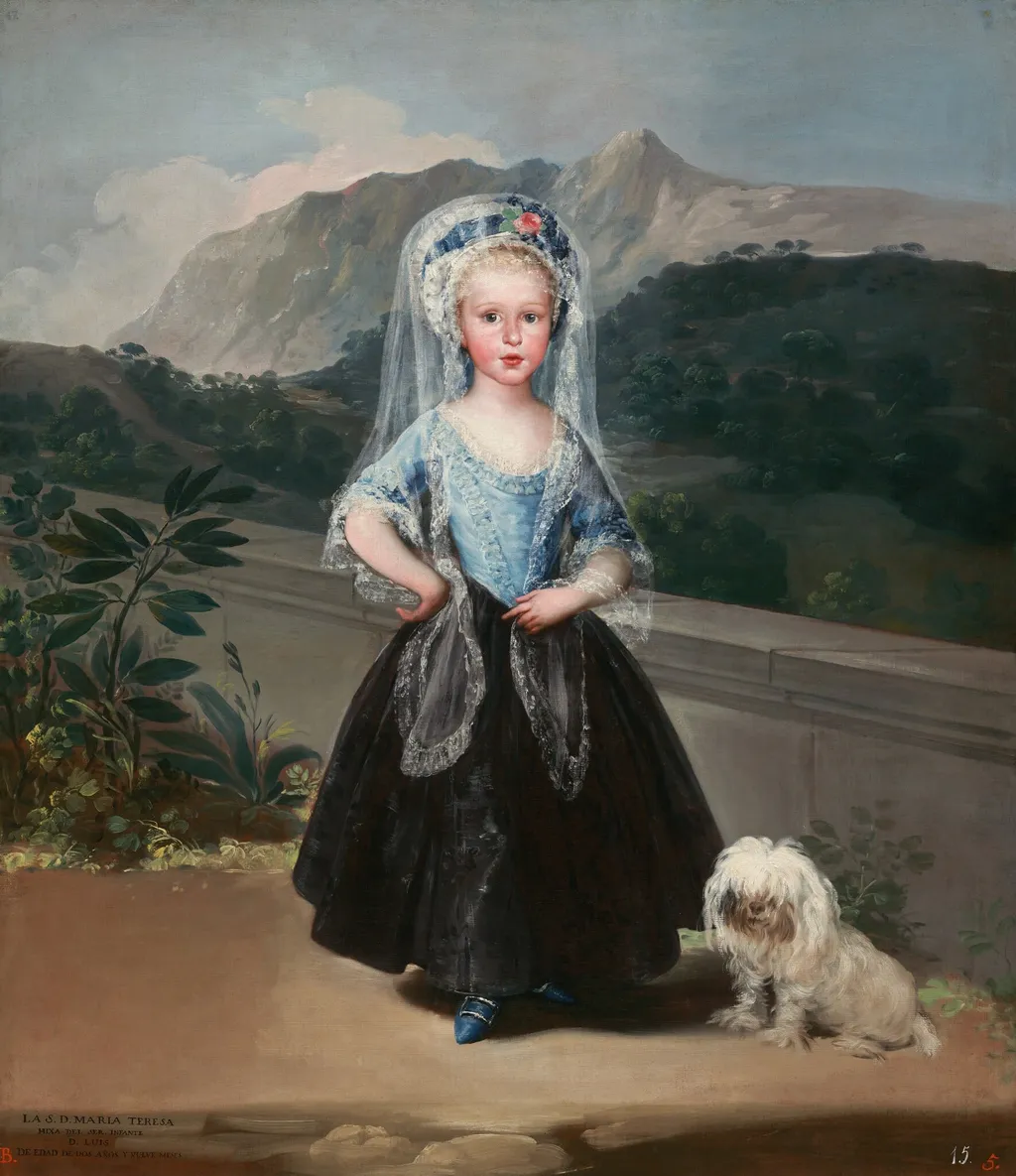
María Teresa de Borbón y Vallabriga, later Condesa de Chinchón is an oil painting by the Rococo painting artist Francisco de Goya. It dates from 1783 and is held in the collection of the National Gallery of Art.
- Inscription
- Inscribed:lower left: LA S.D. MARIA TERESA / HIXA DEL SER. INFANTE / D. LUIS / DE EDAD DE DOS ANOS Y NUEVE MESES (The S[enorita] D[oña] Teresa, daughter of the Most Serene Infante, Don Luis, at the age of two years and nine months); bears inventory marks from the collection at Boadilla del Monte, probably by nineteenth-century hands, at lower left: B; at lower right: 15.5
About this work
Subject & Meaning
A white Maltese dog sits obediently at her feet, serving both to indicate her small stature and to create a friendly atmosphere.
Painted in 1783, this portrait depicts María Teresa de Borbón y Vallabriga at two years and nine months old. Goya presents the child standing on a palace terrace against the Sierra de Gredos mountains, a setting referencing Velázquez's portrait of Prince Baltasar Carlos. Although the sitter is a toddler, she wears an elaborate adult court dress, including a black skirt, blue shoes with gold buckles, and a voluminous cap adorned with a blue ribbon and rose.
Her pose, with one hand on her hip, mimics adult dignity, reflecting the conventional aristocratic treatment of children as 'small adults' while introducing a more natural, enlightened style. A white Maltese dog sits obediently at her feet, serving both to indicate her small stature and to create a friendly atmosphere. The work functions as a pendant to a portrait of her older brother, Luis María, capturing the subject before her later political rise as the Countess of Chinchón.
Technique & Style
Executed in oil on canvas, the portrait measures 134.5 by 117.5 centimeters and was painted in 1783 during Goya's stay at the Infante Don Luis's estate at Arenas de San Pedro. Goya worked with long, light brushstrokes, producing a fluid, illustrative handling that still adhered to the convention of presenting aristocratic children as miniature adults. The young sitter is placed full-length on a garden terrace against the grey-blue Sierra de Gredos, with dark dense forests, silver-lit rocks, and pink-tinged clouds rendered with atmospheric breadth.
The richly detailed costume, a lace mantilla over a voluminous coif tied with a blue ribbon and rose, dark basquiña, and blue shoes with gold buckles, is painted with careful attention to texture, while the rosy face, red lips, and bright blue eyes convey a healthy, lifelike quality. A small white Maltese bichon at her feet adds informality and scale. The slightly low viewpoint lends the small figure a stately presence, echoing Velázquez's hunting portraits of royal children.
History & Provenance
The work was commissioned by the sitter’s father, Infante Don Luis de Borbón, for his palace at Arenas de San Pedro; Goya executed it in 1783 during his stay there. By descent it passed to the sitter, María Teresa de Borbón y Vallabriga (1779–1828), then to her only child, Carlota Luisa de Godoy y Borbón (1800–1886), recorded at the family seat in Boadilla del Monte in 1867 and 1886. It descended to her son Adolfo Ruspoli (1822–1914), Duque de Sueca, and was likely handled in the dispersal of his estate at a Paris sale on 7 February 1914.
It remained in the Ruspoli family through María Teresa Ruspoli y Álvarez de Toledo and her nephew Camilo Carlos Adolfo Ruspoli y Caro (1904–1975). The painting was sold by the family before March 1957 to Wildenstein & Co., New York; purchased on 2 March 1959 by Ailsa Mellon Bruce; and bequeathed to the National Gallery of Art, Washington, in 1970.
The portrait is held by the National Gallery of Art, Washington, D.C., accessioned as 1970.17.1. It was acquired in 1970 as a bequest from Ailsa Mellon Bruce, who purchased it from Wildenstein & Co., New York, on 2 March 1959. Prior to 1957 it formed part of the Ruspoli family holdings in Madrid and Paris.
The painting has not been recorded in major Goya retrospectives; its exhibition history centers on Washington, where it has remained in the Gallery’s permanent collection since 1970.
Context
The portrait belongs to a group of at least sixteen paintings Goya produced for the Infante Don Luis and his wife during his August–September 1783 stay at their estate in Arenas de San Pedro, where the couple served as both protectors and patrons. Painted alongside individual likenesses of the family, it functioned as a pendant to the portrait of the sitter's elder brother, Luis María. The full-length composition, set outdoors against the Sierra de Gredos, consciously echoes Velázquez's Prince Baltasar Carlos in Hunting Dress, a work Goya had previously copied in chalk from the royal collections.
While still working largely within the convention of depicting aristocratic children as "little adults," the canvas marks a transitional moment in Goya's approach; in subsequent child portraits he moved toward emphasizing individual personality and age-appropriate dress. The painting was later incorporated into the larger Family Portrait of the Infante Don Luis the following year, and Goya returned to the sitter herself in 1800, when she was married to Manuel Godoy and expecting her first child.
Legacy
The portrait of María Teresa de Borbón y Vallabriga, painted by Francisco de Goya in 1783, entered the National Gallery of Art collection in 1970 after being sold by the Ruspoli family to Wildenstein & Co. in 1957 and acquired by Ailsa Mellon Bruce in 1959. Its documented provenance from the Infante Don Luis’s palace through successive inheritances of the Condesa’s descendants illustrates the painting’s long‑standing presence in aristocratic circles and underscores its historical significance. As a notable example of Goya’s early portraiture of aristocratic children, the work is frequently cited in scholarship on the artist and has been displayed in exhibitions focusing on Spanish Enlightenment art, reinforcing its recognized reputation within art‑historical discourse.
Overview
Francisco Goya painted this oil on canvas portrait in 1783, depicting María Teresa de Borbón y Vallabriga, who would later become the Condesa de Chinchón. This work exemplifies the Rococo style prevalent at the time, presenting its subject in a formal setting. The painting offers a glimpse into the life of a prominent figure through the lens of one of Spain's most significant artists, early in his distinguished career.
Own this work as a print
Artist & collection
Artist
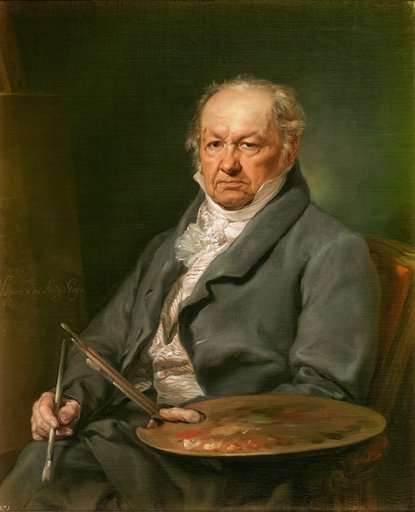
Francisco José de Goya y Lucientes was a Spanish romantic painter and printmaker.

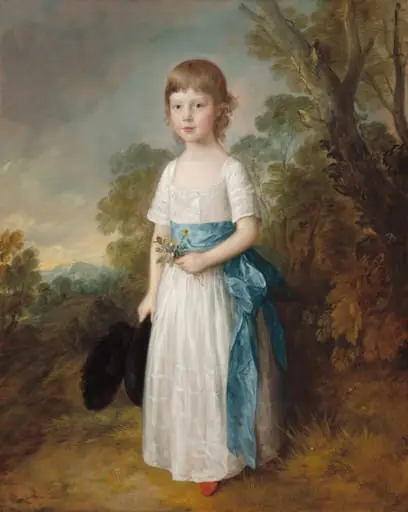 Master John Heathcote
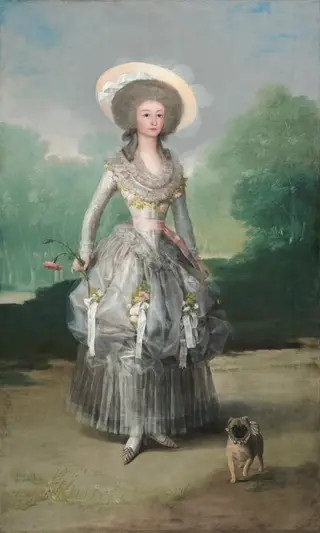 The Marquesa de Pontejos
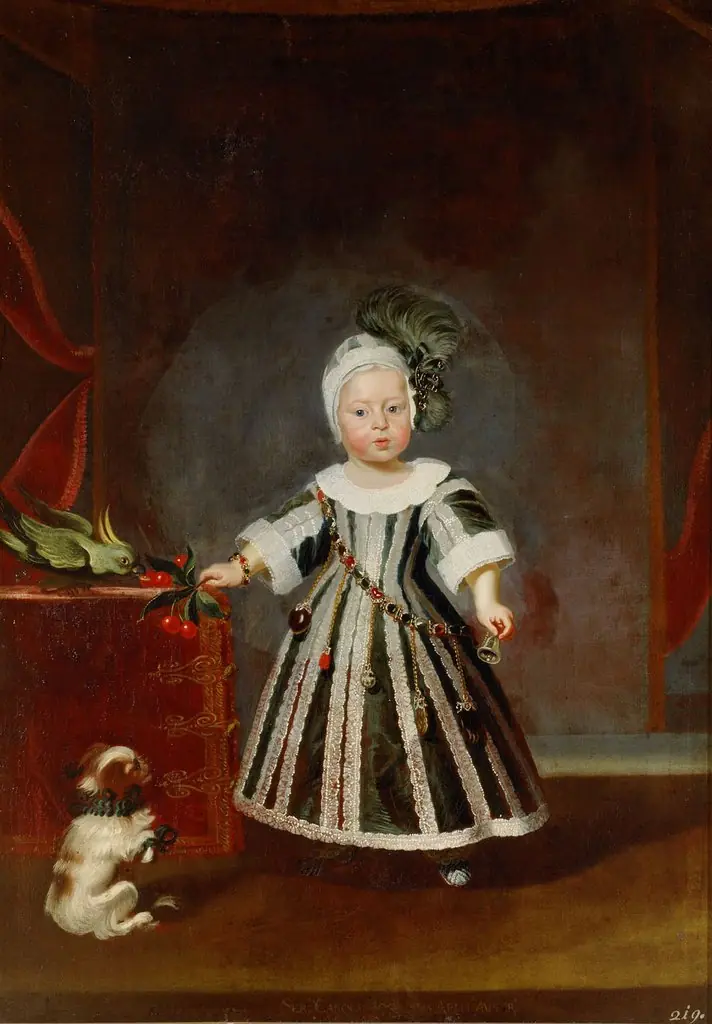 Portrait of Charles Joseph, Archduke of Austria (1745-1761)
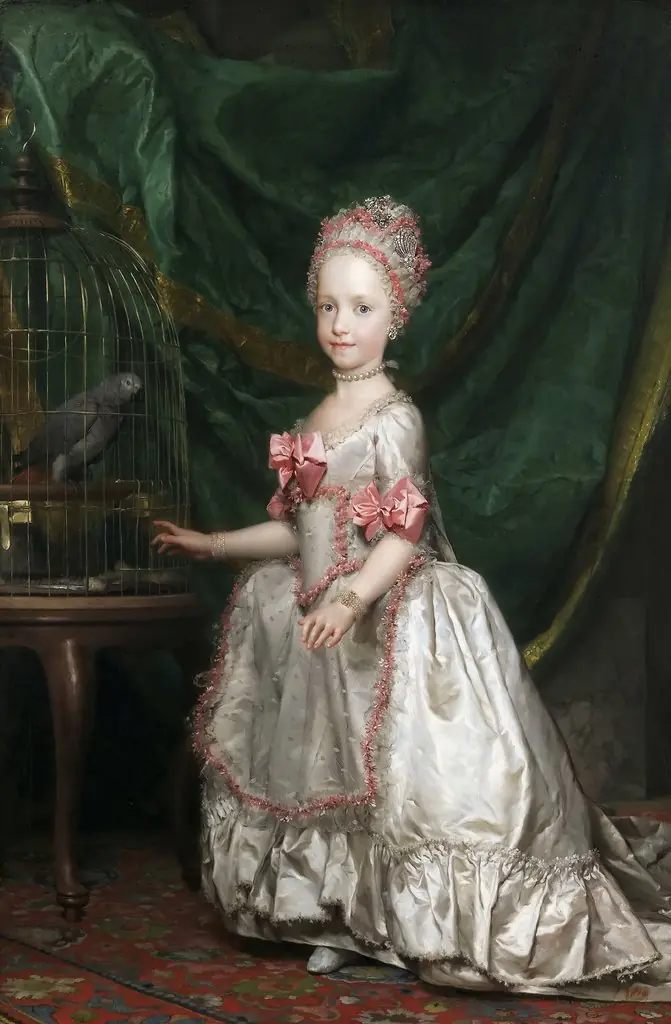
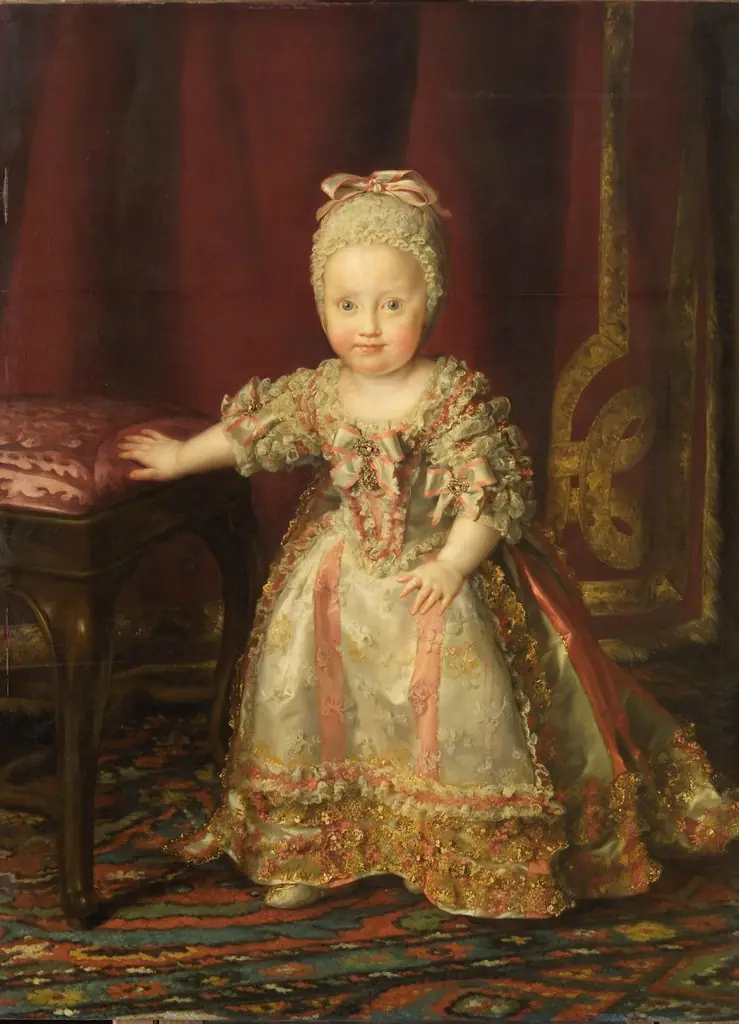 Infantin Maria Theresa von Neapel (1772-1807)
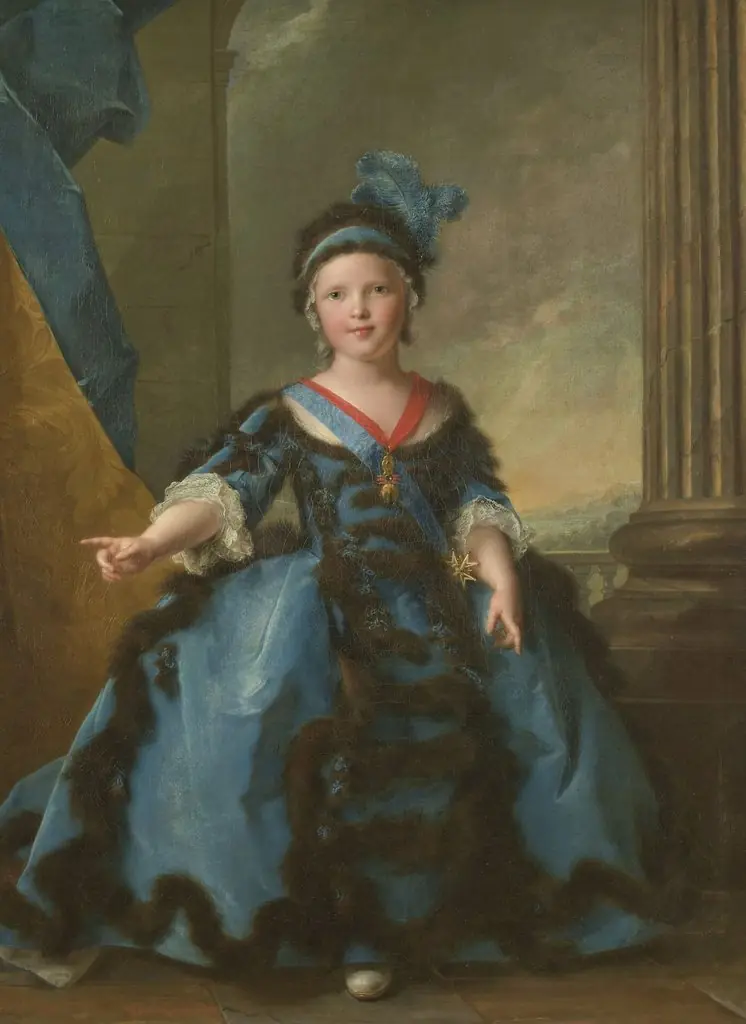 Louis-Joseph-Xavier de France, Duke of Burgundy (1751–1761), son of Louis, Dauphin of France
 Vicente Osorio de Moscoso, hrabia Trastamara
 Francesco Saverio e Antonio Pasquale di Borbone
 Portrait of a girl