Artwork
Sine Cerere et Libero friget Venus (Without Ceres and Bacchus, Venus Would Freeze)
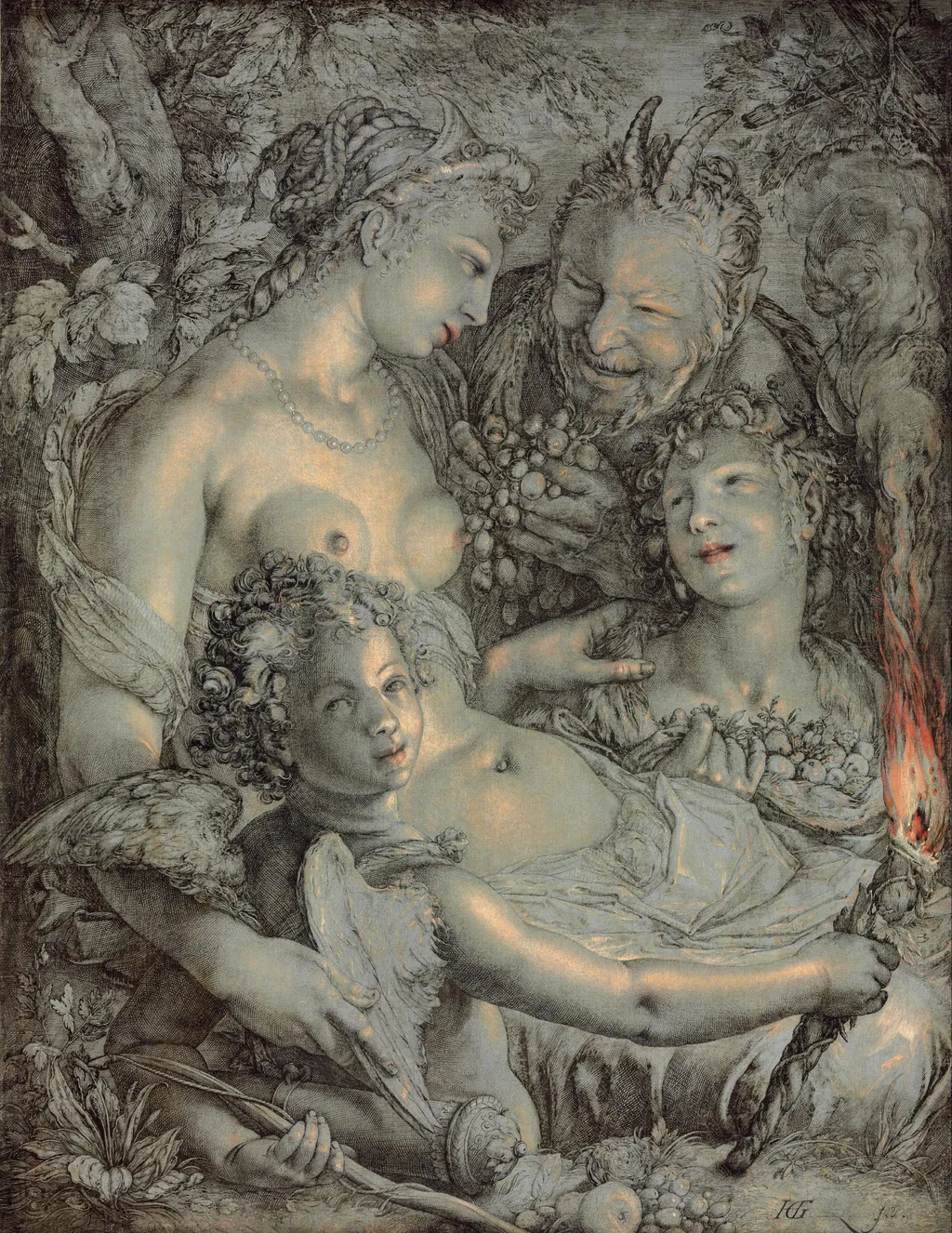
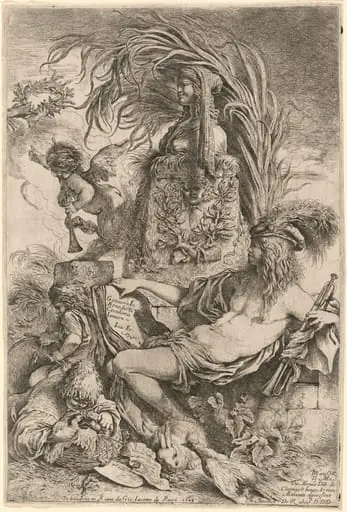
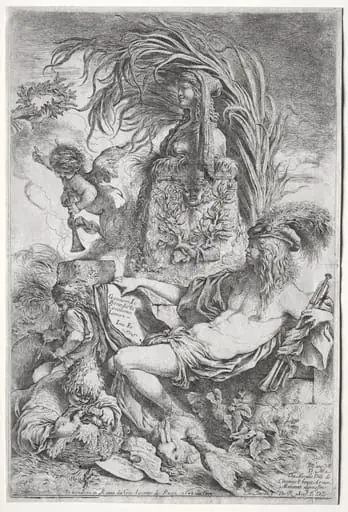
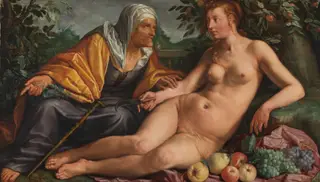
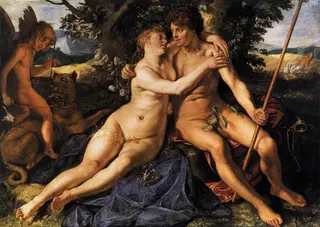
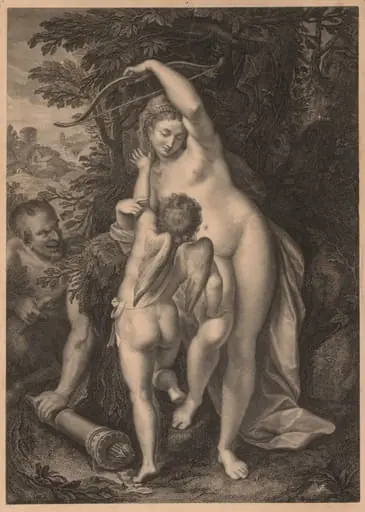
Sine Cerere et Libero friget Venus (Without Ceres and Bacchus, Venus Would Freeze) is an ink painting by the Mannerist artist Hendrick Goltzius. It dates from 1602 and is held in the collection of the Philadelphia Museum of Art.
About this work
The painting is titled Sine Cerere et Libero friget Venus, created by Hendrik Goltzius in 1602.
This work is interesting because it has a unique title that suggests a story. The title is a Latin phrase that refers to the Roman gods Ceres, Bacchus, and Venus.
To learn more about the style and techniques used in this painting, look into the technique of cross-hatching.
Overview
Created in 1602, Sine Cerere et Libero friget Venus is an ink drawing by Hendrik Goltzius, a German‑born artist who worked in the Dutch Republic. Executed in the mannerist idiom that preceded the Baroque, the work is part of the Philadelphia Museum of Art’s collection and illustrates a Latin proverb through a mythological scene.
Subject & Meaning
The composition visualizes the ancient saying that Venus, the goddess of love, would feel cold without the sustenance of Ceres, the grain deity, and the wine of Bacchus. By pairing these three figures, Goltzius underscores the interdependence of nourishment, pleasure, and desire in classical thought, turning a proverb into a narrative tableau.
Technique & Style
Goltzius employs dense cross‑hatching to build tonal depth, a hallmark of his printmaking practice adapted here to ink. The drawing’s elongated figures, exaggerated poses, and intricate decorative elements reflect Northern Mannerism’s love for complexity and virtuoso draftsmanship, while the precise line work demonstrates his celebrated technical skill.
History & Provenance
The piece was produced early in Goltzius’s career, when he was establishing his reputation as the foremost Dutch engraver of the early Baroque period. After changing hands among private collectors, it entered the Philadelphia Museum of Art’s holdings, where it remains accessible for study of the artist’s early ink work.
Own this work as a print
Artist & collection
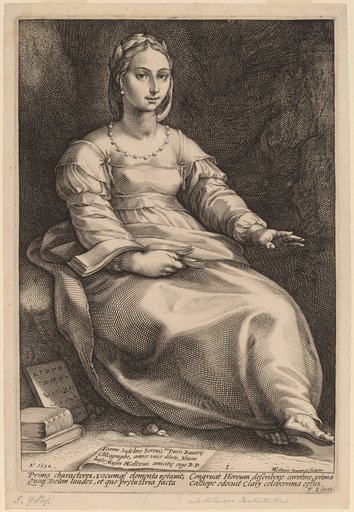
Artist
Hendrick Goltzius (German: , Dutch: ; né Goltz; January or February 1558 – 1 January 1617) was a German-born Dutch printmaker, draftsman, and painter.

![The Goddess Discord [La Discord], by Félix Bracquemond](https://artifactworldgallery.com/img/felix-bracquemond--the-goddess-discord-la-discord--fe619c84d477117f-w320.webp)