Artwork
Porträt eines bärtigen Mannes
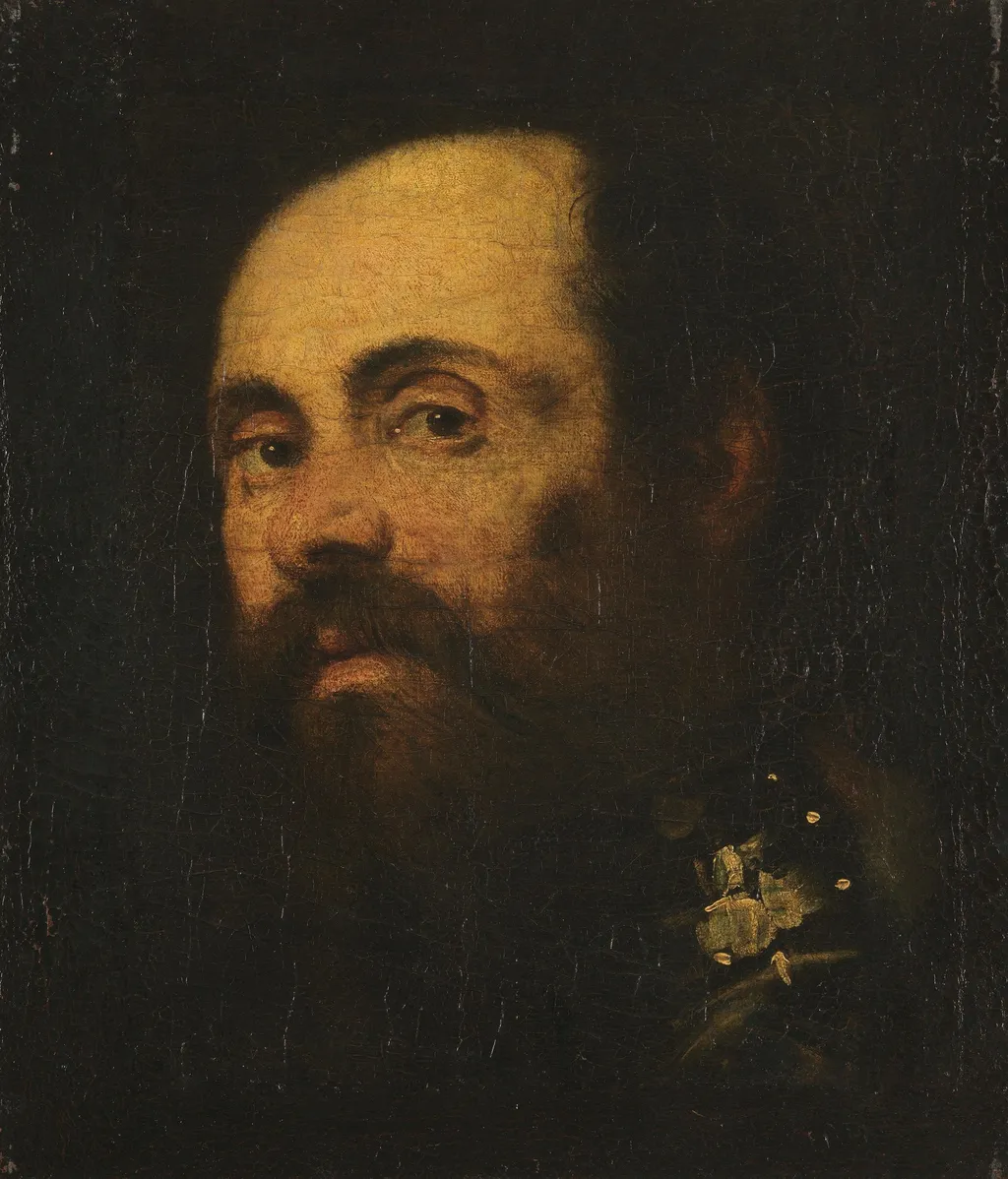
Porträt eines bärtigen Mannes is an unspecified painting by the Mannerist artist Jacopo Tintoretto. It dates from 1570 and is held in the collection of the Bavarian State Painting Collections.
About this work
Overview
The work reflects Tintoretto’s signature approach: dynamic lighting, loose brushwork, and a focus on the sitter’s inner character rather than ornamental detail.
Painted around 1570, this portrait is attributed to Jacopo Tintoretto, a leading figure in the Venetian Renaissance. It captures a bearded man in half-length, rendered with a sense of immediacy and psychological presence. The work reflects Tintoretto’s signature approach: dynamic lighting, loose brushwork, and a focus on the sitter’s inner character rather than ornamental detail. It resides today in the Alte Pinakothek in Munich.
Subject & Meaning
The subject is an unidentified man, likely a member of Venice’s merchant or civic elite, given his modest yet refined attire. His direct gaze and solemn expression convey quiet authority rather than grandeur. The absence of symbols or context invites focus on his individuality, suggesting a shift toward personal portraiture in late Renaissance Venice, where inner life began to hold artistic value.
Technique & Style
Tintoretto employs chiaroscuro to model the face and upper torso against a deep, unmodulated background. His brushwork is swift and textured, particularly in the beard and fabric folds, balancing realism with expressive energy. Gold thread accents on the jacket catch the light subtly, avoiding ostentation.
The composition’s intimacy and lack of decorative elements align with Mannerist tendencies toward psychological intensity over idealized form.
History & Provenance
The painting entered the Alte Pinakothek’s collection in the early 19th century, likely through the Bavarian royal acquisitions of Italian art. Its attribution to Tintoretto has been consistently supported by stylistic analysis, though its original commission and early ownership remain undocumented. It has been exhibited regularly since its acquisition, contributing to scholarly understanding of Venetian portraiture.
Context
In late 16th-century Venice, portraiture evolved beyond ceremonial representation to capture individuality. Tintoretto, influenced by Titian and El Greco, pushed the genre toward emotional immediacy. This portrait reflects a broader trend: wealthy patrons sought images that conveyed presence and character, not just status. The dark, focused composition echoes contemporary religious works, where light served narrative and psychological ends.
Legacy
Though not among Tintoretto’s most famous works, this portrait exemplifies his ability to merge realism with emotional depth. It influenced later Northern and Spanish portraitists who valued psychological nuance over formal grandeur. Its enduring presence in the Alte Pinakothek underscores its role as a quiet but significant document of Venetian artistic innovation in the late Renaissance.
Own this work as a print
Artist & collection
Artist
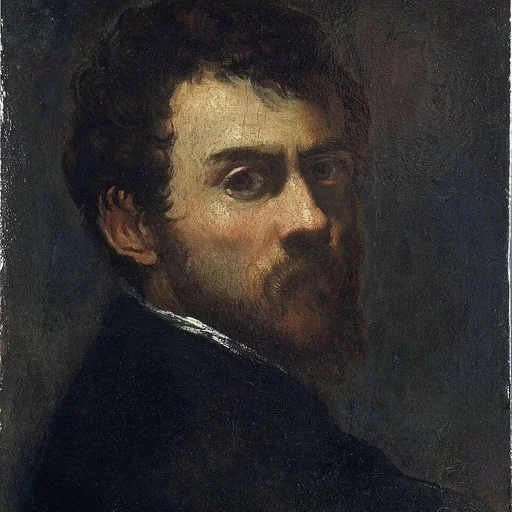
Jacopo Robusti (late September or early October 1518 – 31 May 1594), best known as Tintoretto ( TIN-tə-RET-oh; Italian:; Venetian: ), was an Italian Renaissance painter of the Venetian school.

- Bildnis eines Prokurators
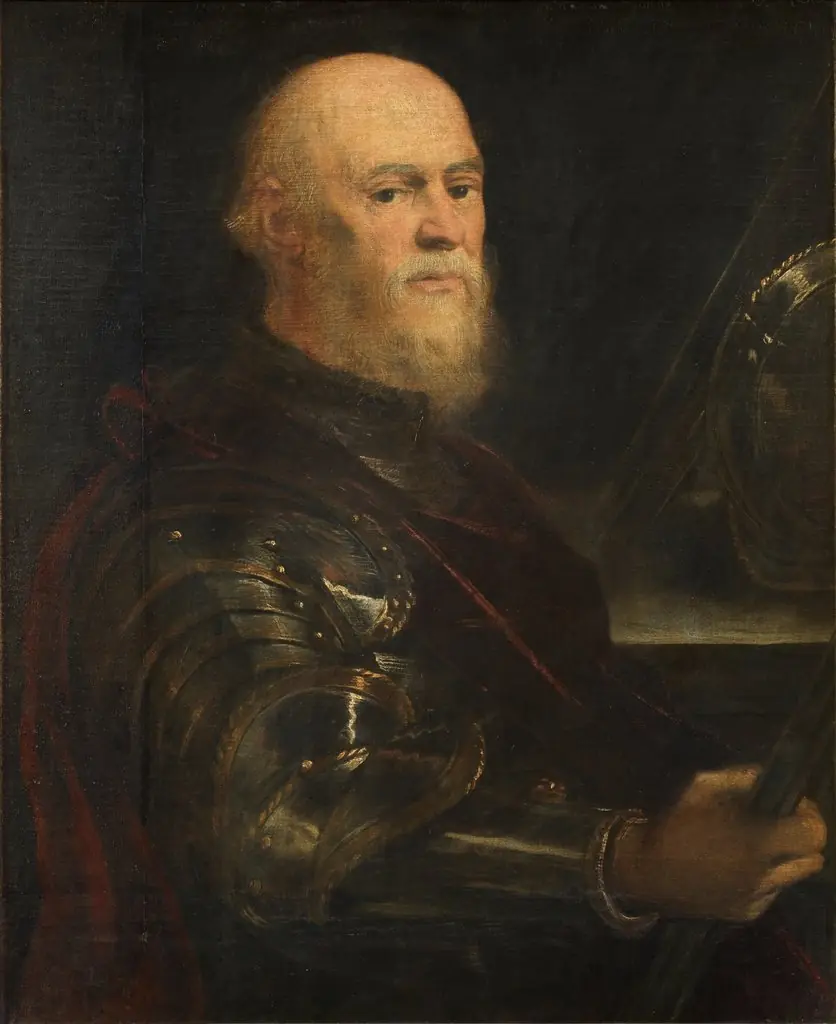 A Venetian General
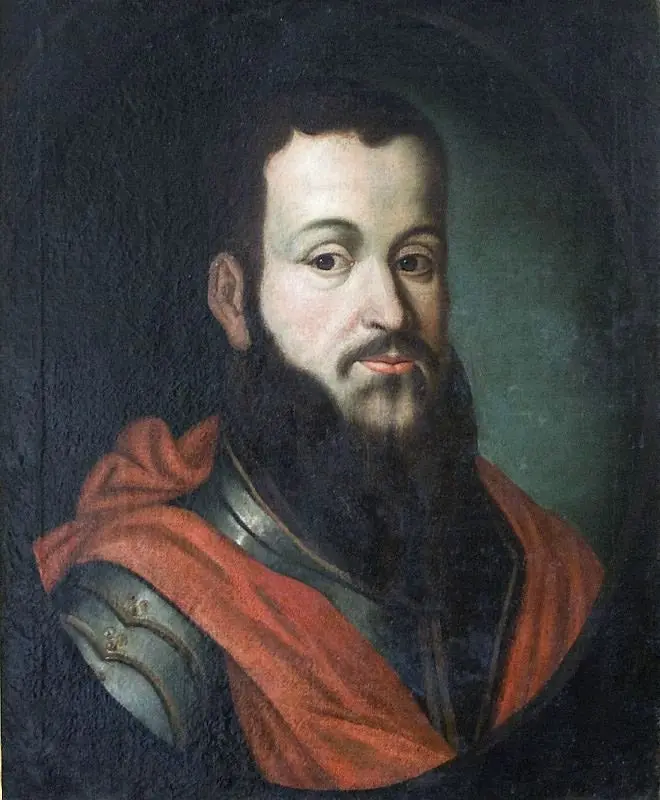 Portrait of Sigismund II Augustus (1520–1572), King of Poland
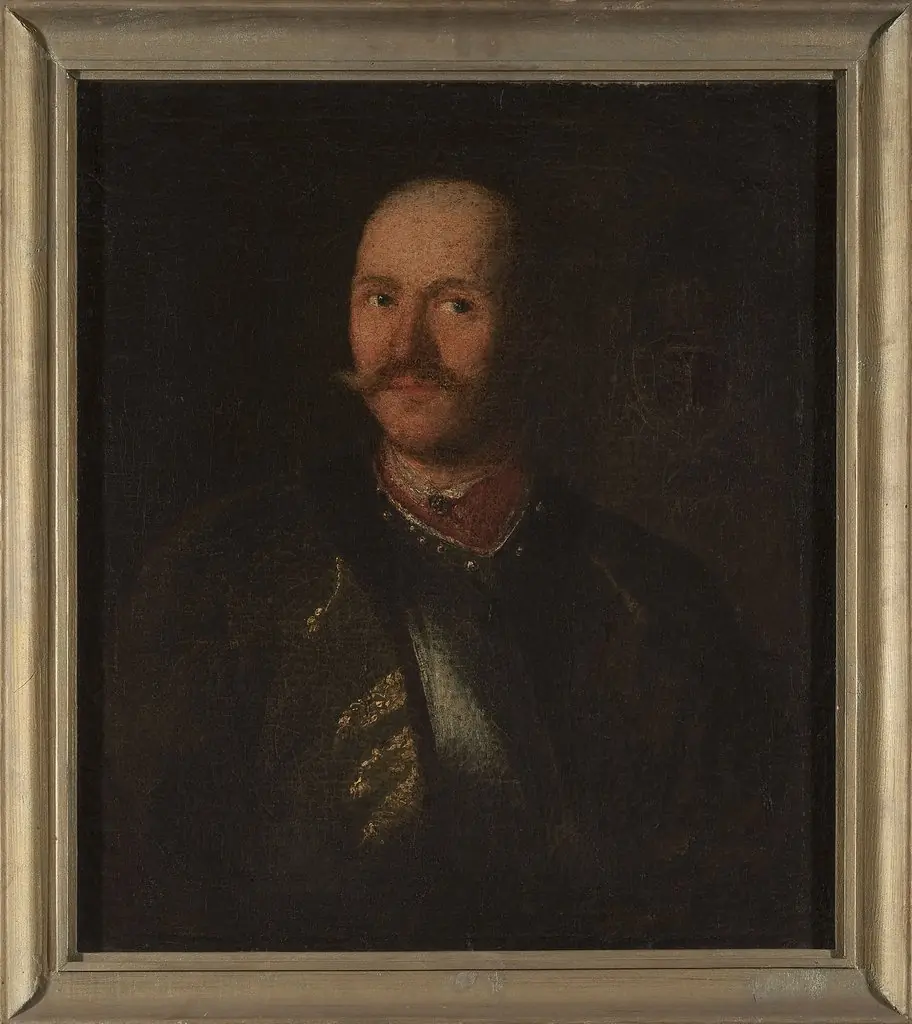 Portrait of Jakub Bronisz /?/
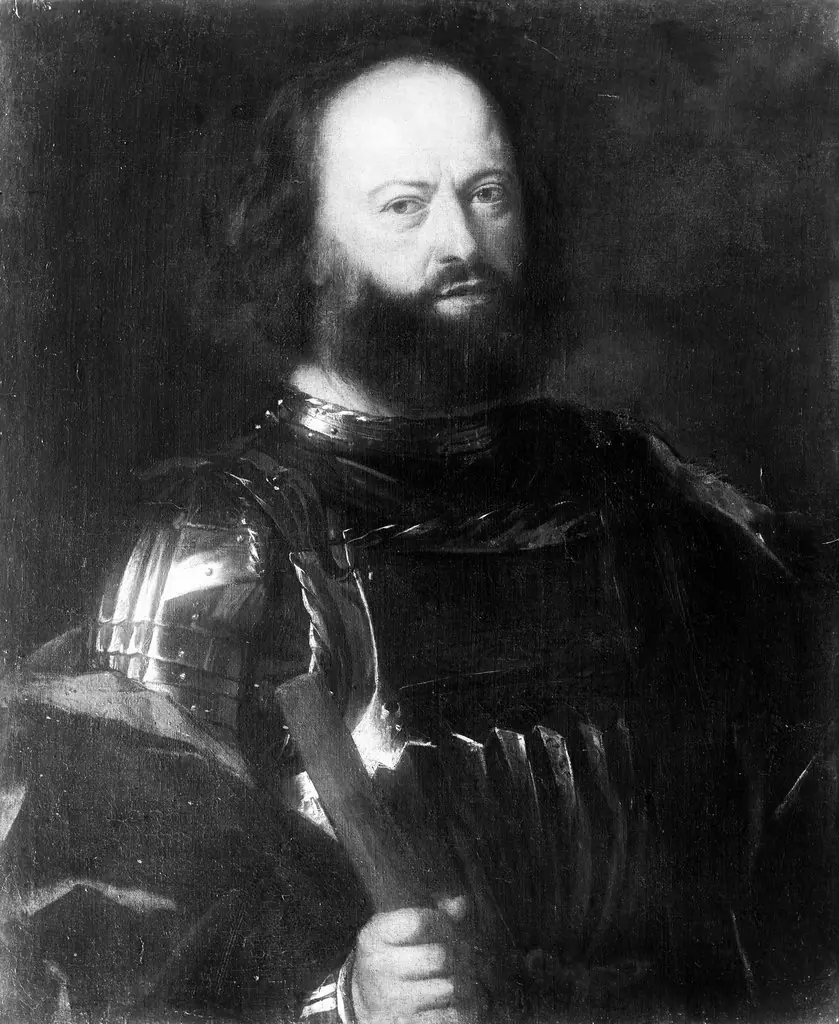 Portrait of the Venetian Admiral Giovanni Moro
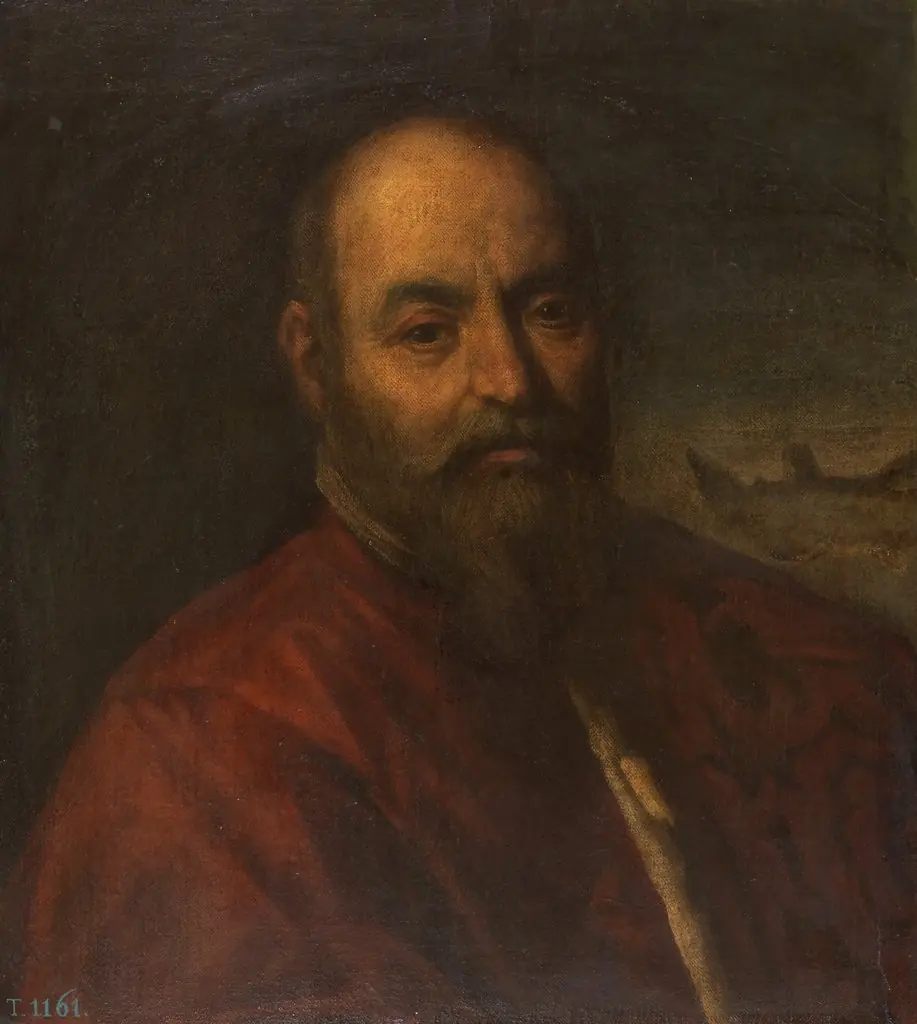 A Venetian Senator
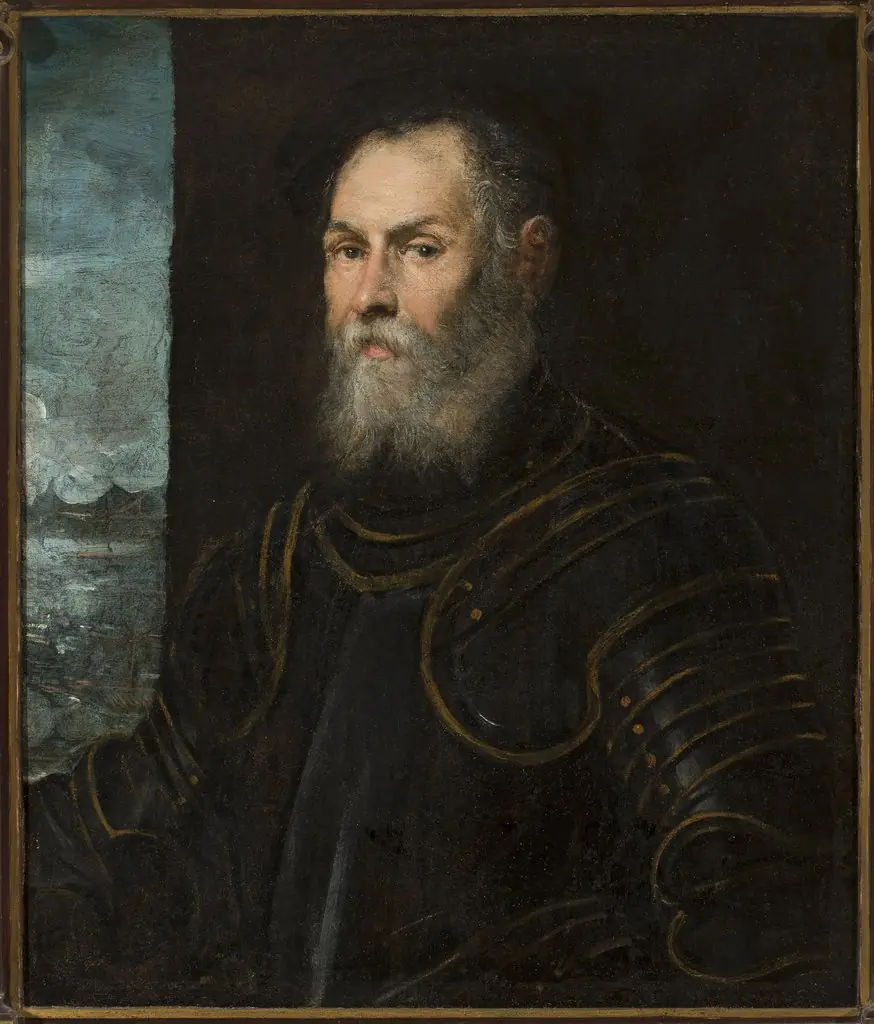 Portrait of a Venetian admiral
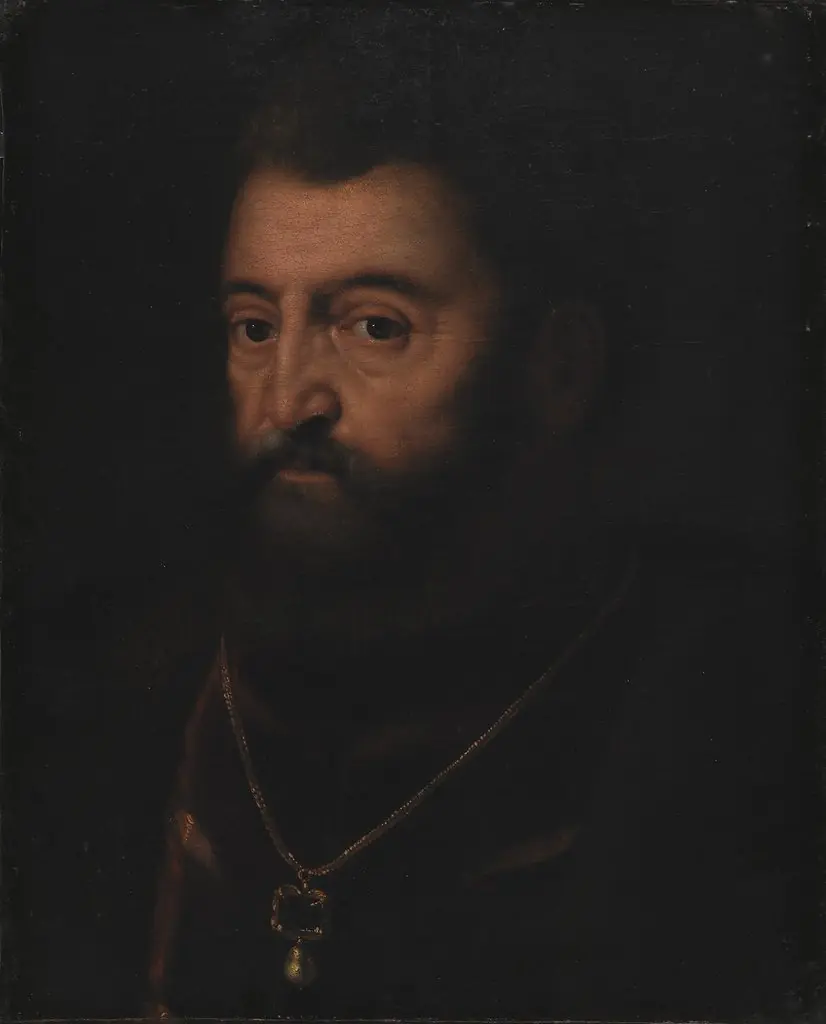 Portrait of Alfonso d'Este, Duke of Ferrara
 Portrait of Hendrick Jansz. Spijcker, called De Veer, as Flag Bearer
 Portret de bărbat cu barbă
 Portrait Presumed to Be of Antonio Zantani
 Portrait of Alfonso d'Este Duke of Ferrara