Artwork
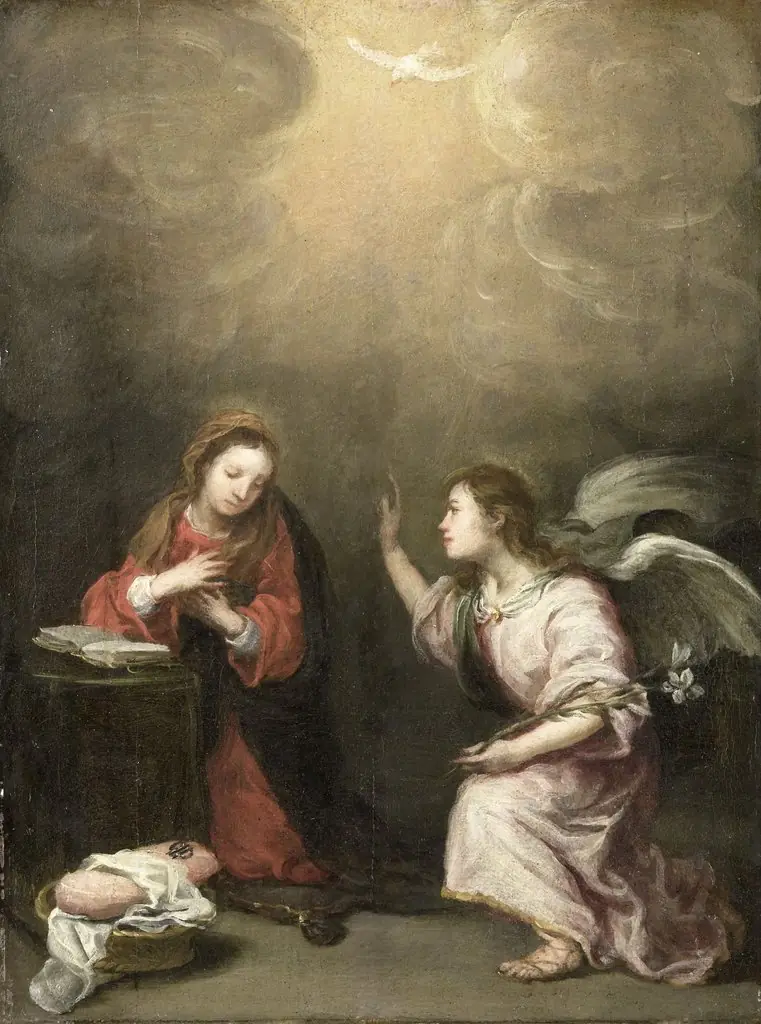
Virgin from the Annunciation to the Virgin
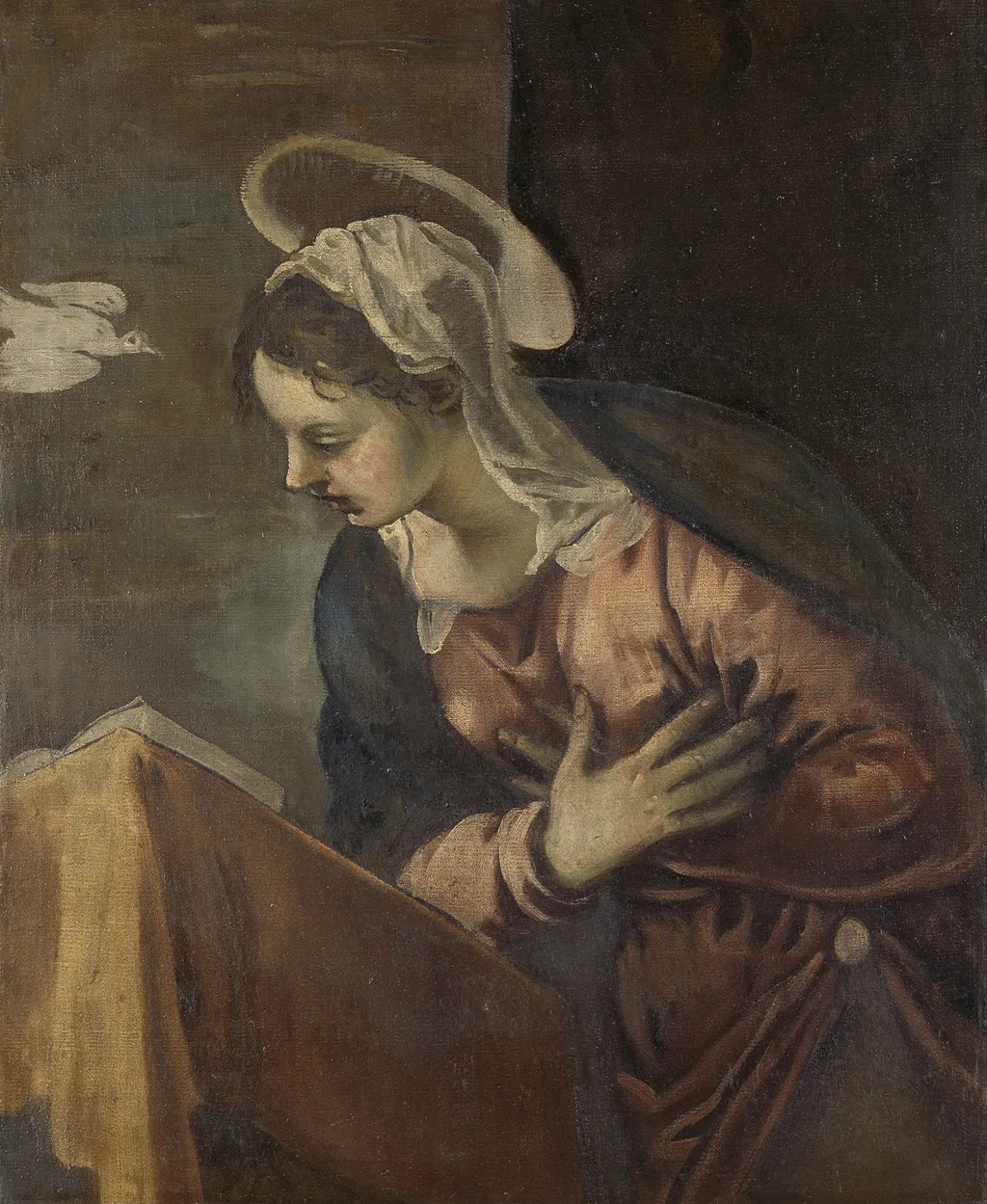
Virgin from the Annunciation to the Virgin is an oil painting by Jacopo Tintoretto. It dates from 1560 and is held in the collection of the Rijksmuseum.
About this work
Subject & Meaning
As a piece of religious art, the painting focuses on this specific biblical moment as its main subject.
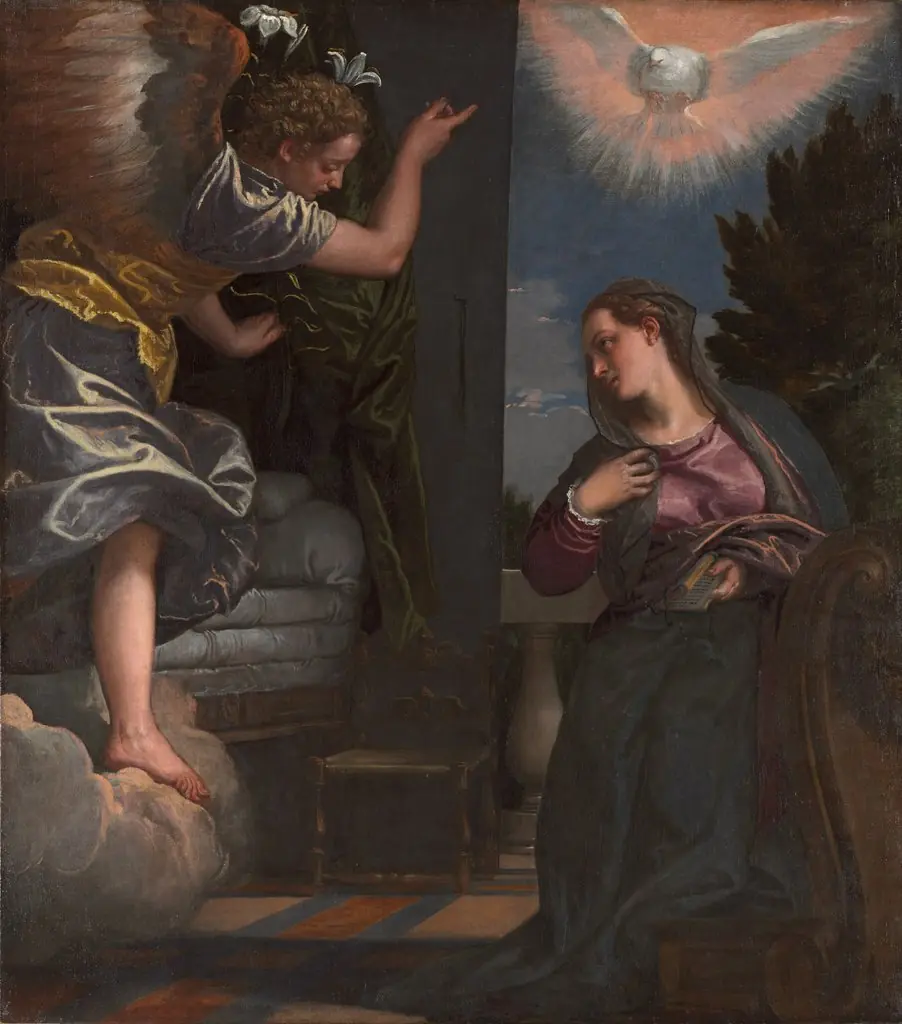
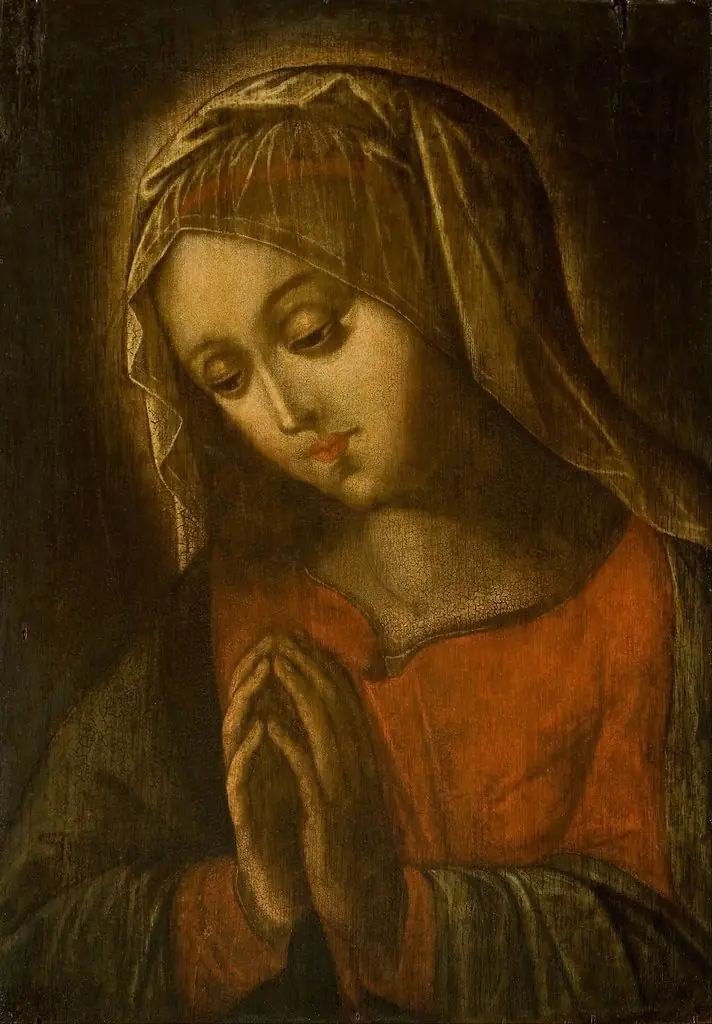
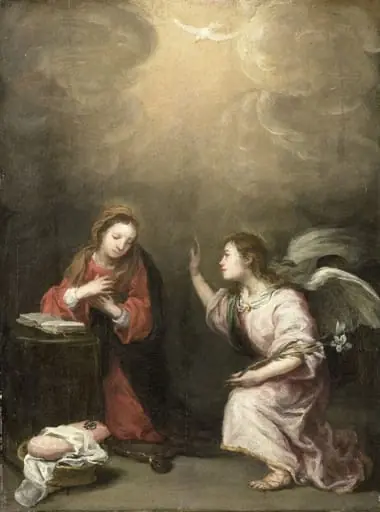
The work depicts the Annunciation, a foundational scene in Christian theology where the Archangel Gabriel announces to the Virgin Mary that she will conceive the Son of God. As a piece of religious art, the painting focuses on this specific biblical moment as its main subject. The iconography centers on the interaction between the divine messenger and Mary, representing the Incarnation and the pivotal point of salvation history within the Christian narrative.
By illustrating this event, the artwork serves as a visual meditation on the humility of Mary and the intervention of the divine in human affairs, consistent with the genre of religious painting prevalent in sixteenth-century Venice.
Technique & Style
The work is an oil painting executed on canvas, reflecting typical 16th-century Venetian practice of using oil medium for rich color modulation and soft transitions. Its formal qualities include a luminous treatment of light on the Virgin’s veil and delicate modeling of facial features characteristic of Tintoretto’s mature style. The composition balances dynamic spatial depth with a restrained color palette of blues and reds, emphasizing the sacred moment of the Annunciation.
History & Provenance
Created by Jacopo Tintoretto in 1560, the work is an oil painting on canvas depicting the Annunciation. The piece measures 117 cm in height and 94.5 cm in width. Its ownership history includes the Führermuseum and the Munich Central Collecting Point, followed by the Stichting Nederlands Kunstbezit.
Currently, the painting is held in the collections of the Rijksmuseum and the Museum Boijmans Van Beuningen in Rotterdam.
The painting is currently held in the collection of the Rijksmuseum. Its provenance history includes periods at the Museum Boijmans Van Beuningen and within the holdings of the Stichting Nederlands Kunstbezit. During the mid-20th century, the work was located at the Führermuseum and subsequently processed through the Munich Central Collecting Point before returning to the Netherlands. The artwork is associated with the city of Rotterdam in its collection history.
Legacy
Tintoretto's Virgin from the Annunciation to the Virgin (1560) influenced Baroque interpretations of the Annunciation through its dynamic composition and heightened emotional intensity, particularly shaping later depictions of divine encounters with heightened theatricality. Its movement toward naturalistic expression contributed to shifts in devotional imagery during the late Renaissance, as evidenced by its presence in major collections including the Rijksmuseum and Museum Boijmans Van Beuningen. The work's technical innovation in rendering light and spatial depth established precedents for subsequent religious paintings emphasizing both spiritual and physical immediacy.
Overview
This oil painting, created around 1560 by Tintoretto, represents a pivotal moment from the Annunciation narrative within the religious genre of the Italian Renaissance.
Context
Part of the Italian Renaissance's religious art, this painting reflects the Venetian school's emphasis on dramatic lighting and emotional depth, situating it within the broader Mannerist movement.
Own this work as a print
Artist & collection
Artist
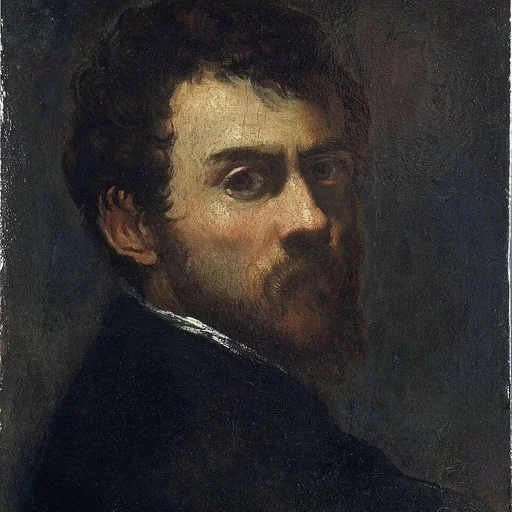
Jacopo Robusti (late September or early October 1518 – 31 May 1594), best known as Tintoretto ( TIN-tə-RET-oh; Italian:; Venetian: ), was an Italian Renaissance painter of the Venetian school.