Artwork
Portrait of an Elderly Lady
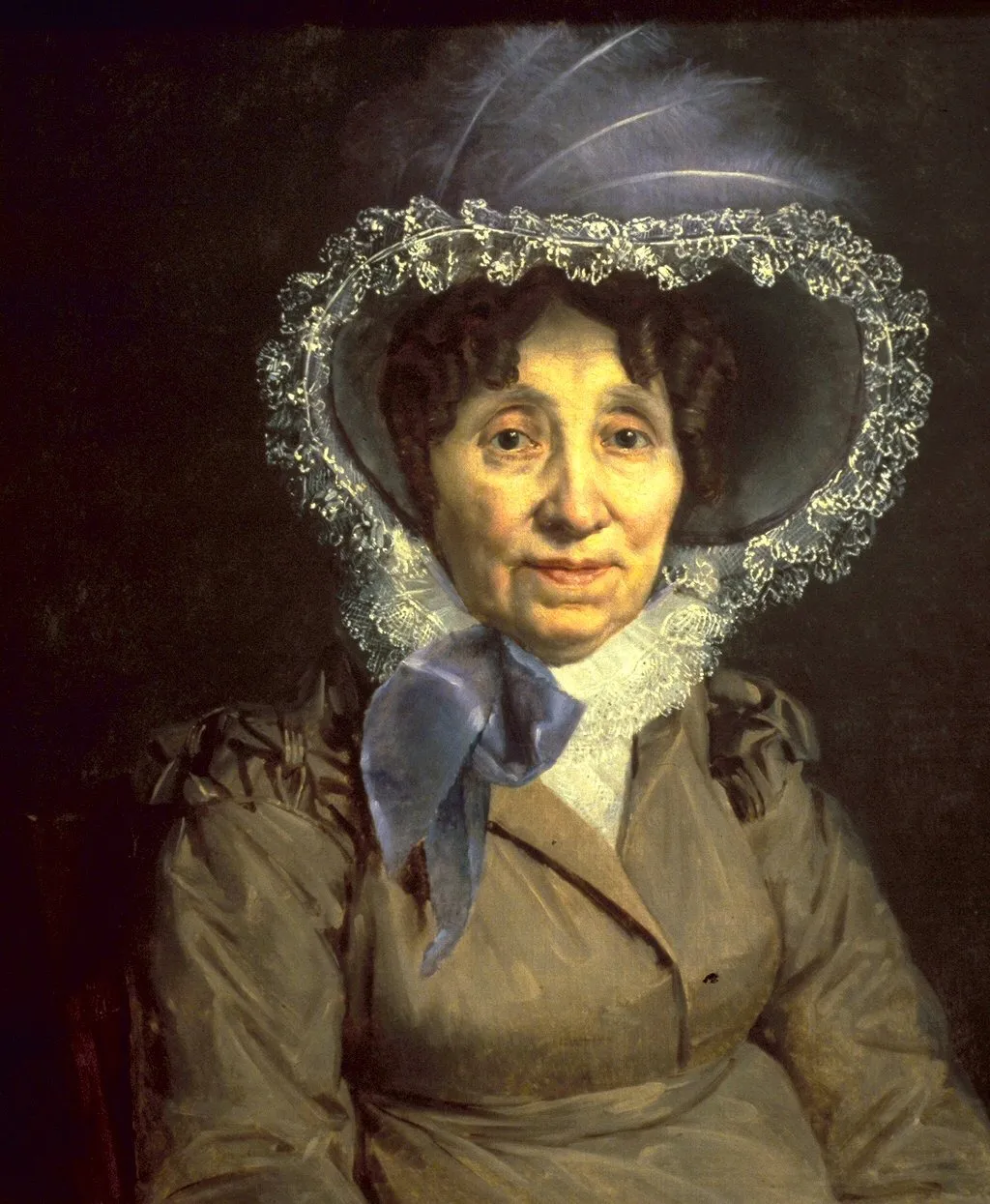
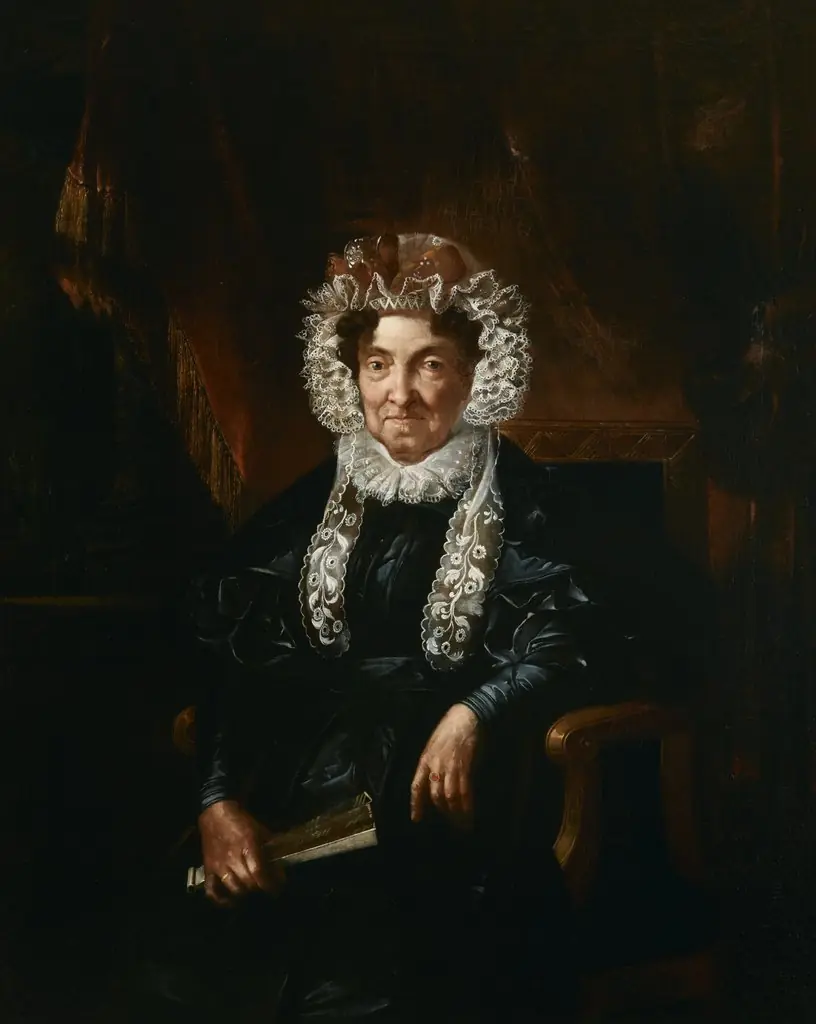
Portrait of an Elderly Lady is an oil painting by the Neoclassicist artist Jacques-Louis David. It dates from 1820 and is held in the collection of the Walters Art Museum. Painted in 1820, this oil portrait depicts an unnamed elderly woman seated in a simple chair.
About this work
Overview
Painted in 1820, this oil portrait depicts an unnamed elderly woman seated in a simple chair. Executed by Jacques-Louis David, it reflects his later period following the Napoleonic era. The work is part of the Walters Art Museum’s collection and stands as one of his quieter, more introspective portraits, distinct from his grand historical compositions.
Subject & Meaning
The subject is an older woman, portrayed with quiet dignity. Her direct gaze and closed lips suggest contemplation rather than narrative. The absence of identifiers, name, title, or context, invites focus on her presence alone. The restrained attire and neutral background emphasize her individuality over social status, aligning with David’s interest in psychological depth.
Technique & Style
David employs fine brushwork to render subtle textures: the softness of fabric, the sheen of feathers, and the creases of aged skin. The dark, unmodeled background isolates the figure, heightening the realism of her features. His use of muted tones and controlled lighting reflects a shift from the dramatic contrasts of his earlier work toward a more intimate, observational approach.
History & Provenance
The painting was completed during David’s exile in Brussels after the fall of Napoleon. Little is known about the sitter or the commission’s origin. It entered the Walters collection in the early 20th century, acquired alongside other European works.
Its survival as a private portrait from this period is uncommon, given David’s public reputation for monumental history painting.
Context
In the 1820s, David, no longer court painter, turned to smaller-scale works in self-imposed exile. This portrait reflects a personal recalibration, away from revolutionary and imperial themes toward quiet, domestic observation. It aligns with broader European trends favoring psychological realism over idealized grandeur, even as Neoclassical discipline remained evident in its structure.
Legacy
Though overshadowed by David’s political and mythological canvases, this portrait reveals his enduring command of human expression. It demonstrates how his technical precision could serve quiet, personal subjects. Art historians value it as evidence of his adaptability and the emotional range possible within his formal language, beyond public spectacle.
Artist & collection
Artist
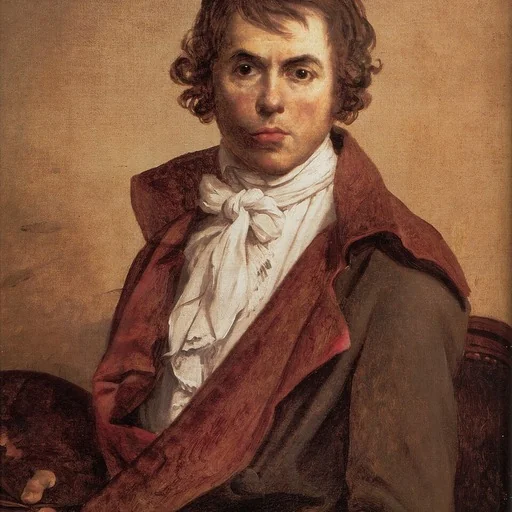
Jacques-Louis David was born in Paris on 30 August 1748 into a bourgeois family; his father died in a duel when the boy was nine, and a maternal uncle guided his education.

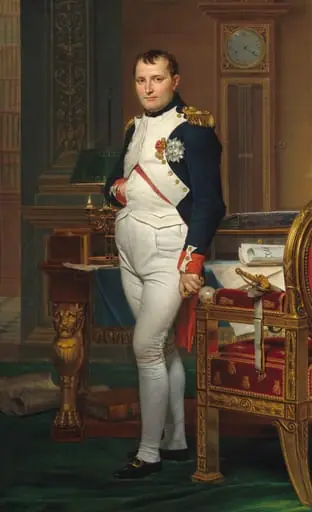 The Emperor Napoleon in His Study at the Tuileries
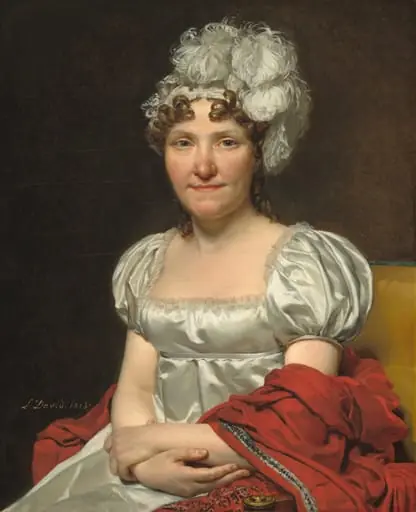 Madame David
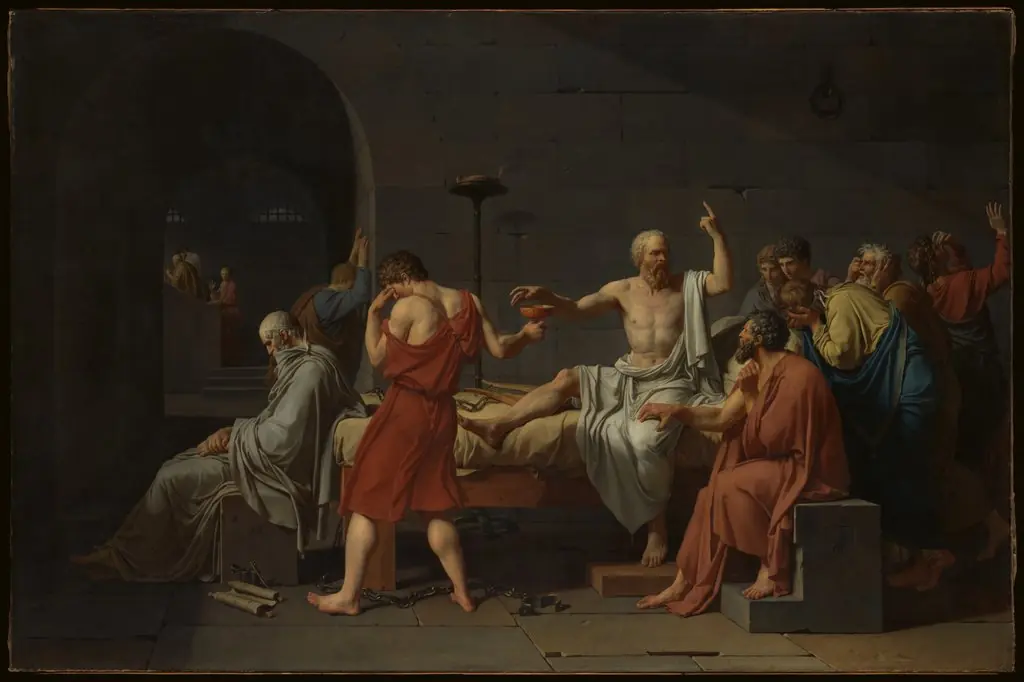 The Death of Socrates
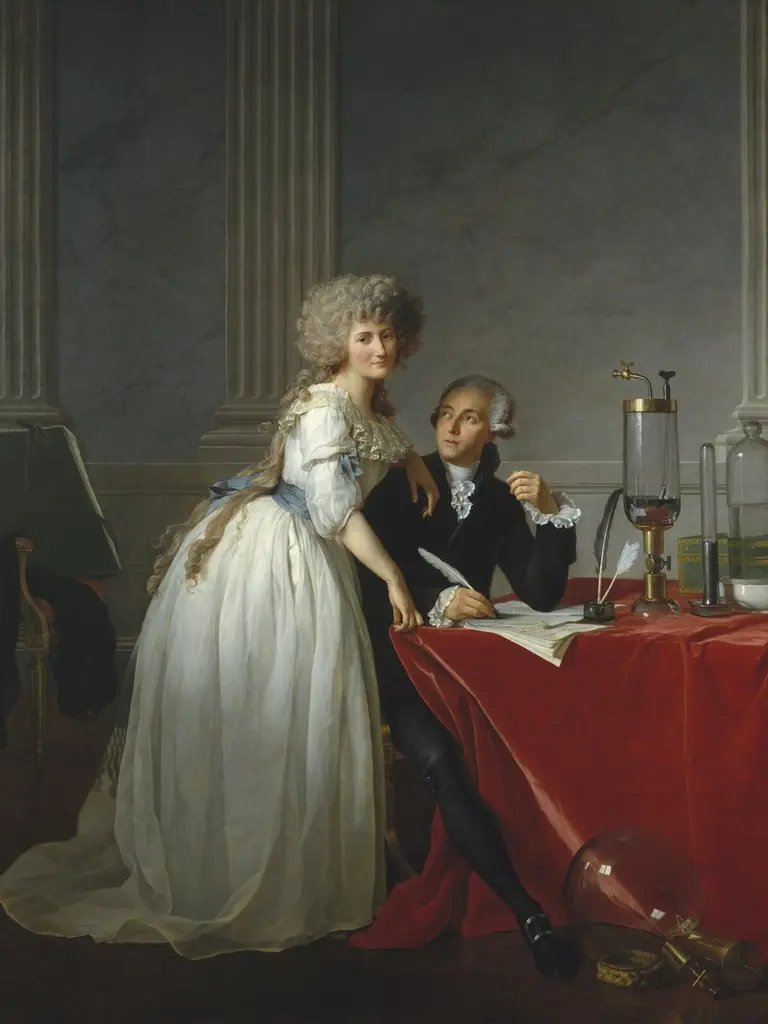 Portrait of Antoine-Laurent Lavoisier and his wife
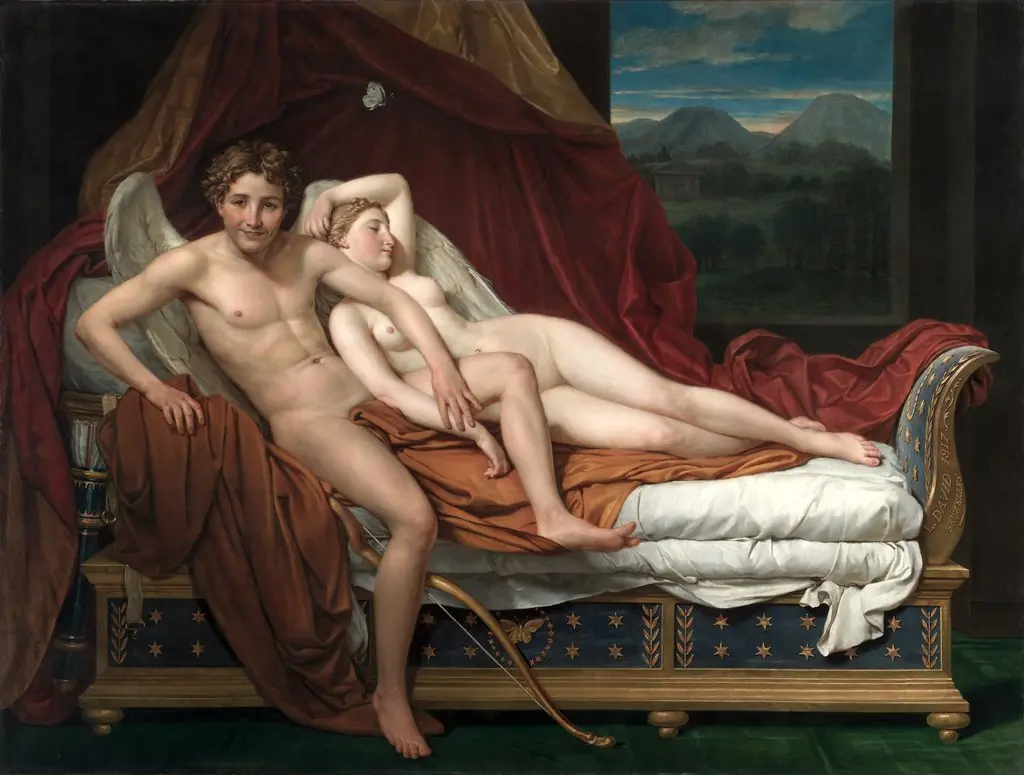 Cupid and Psyche
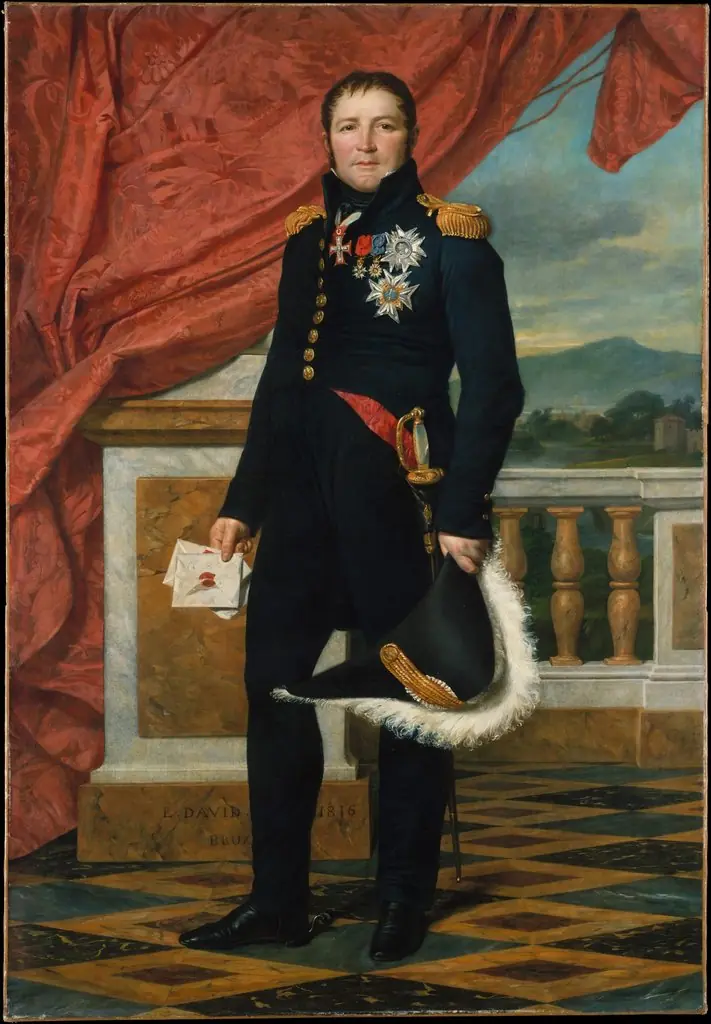 General Étienne-Maurice Gérard (1773–1852), Marshal of France
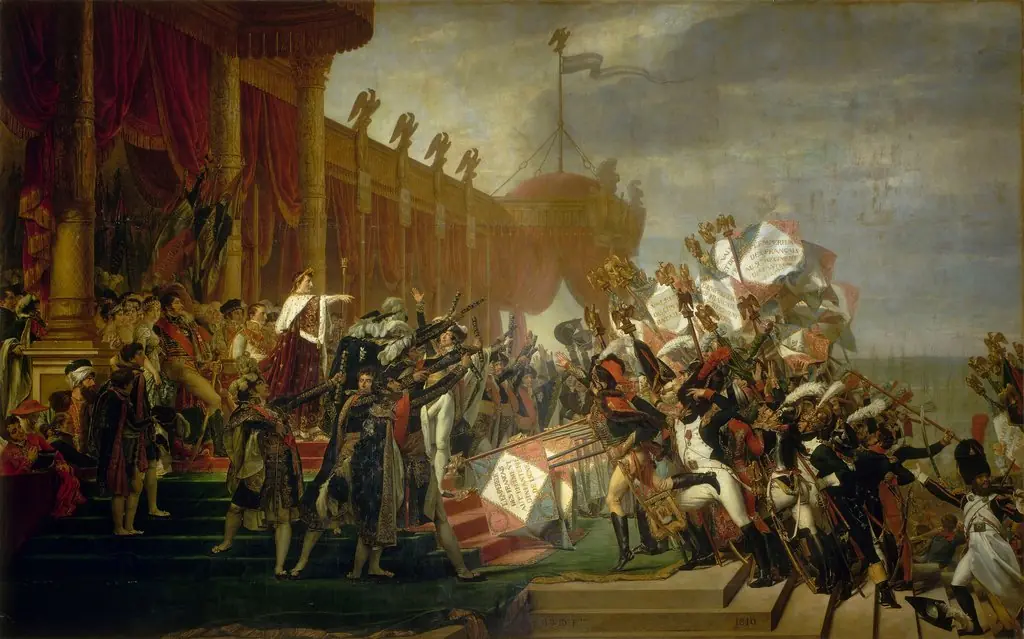 The Distribution of the Eagle Standards
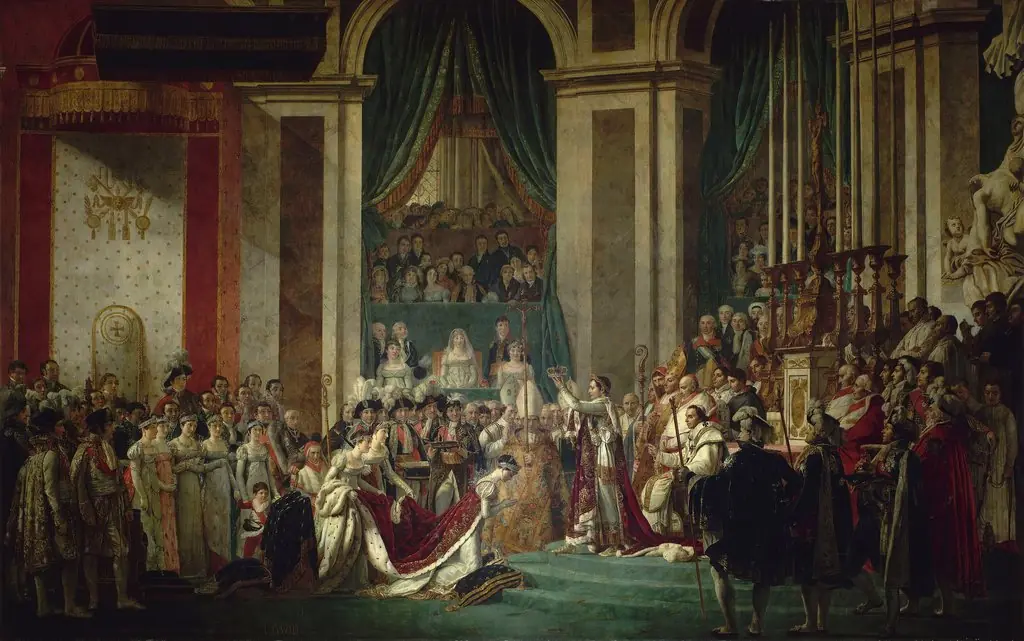 Coronation of Emperor Napoleon I and Coronation of the Empress Josephine
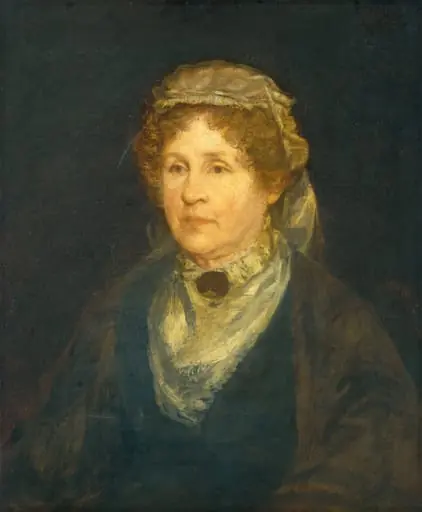 Agnes Gordon Cochran Higginson (Mrs. Stephen Higginson)
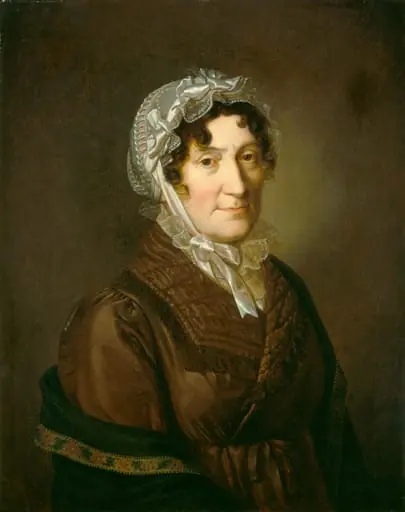 Portrait of a Lady
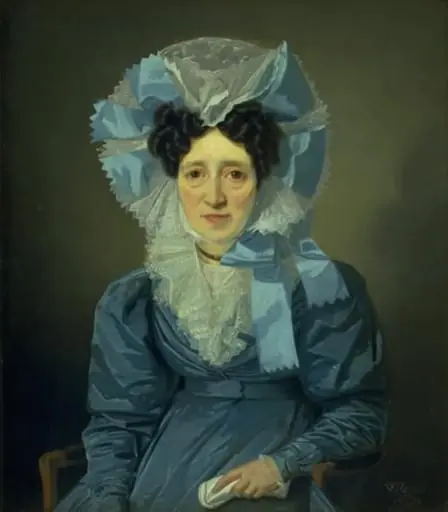 Cathrine von Halle, née Nathanson
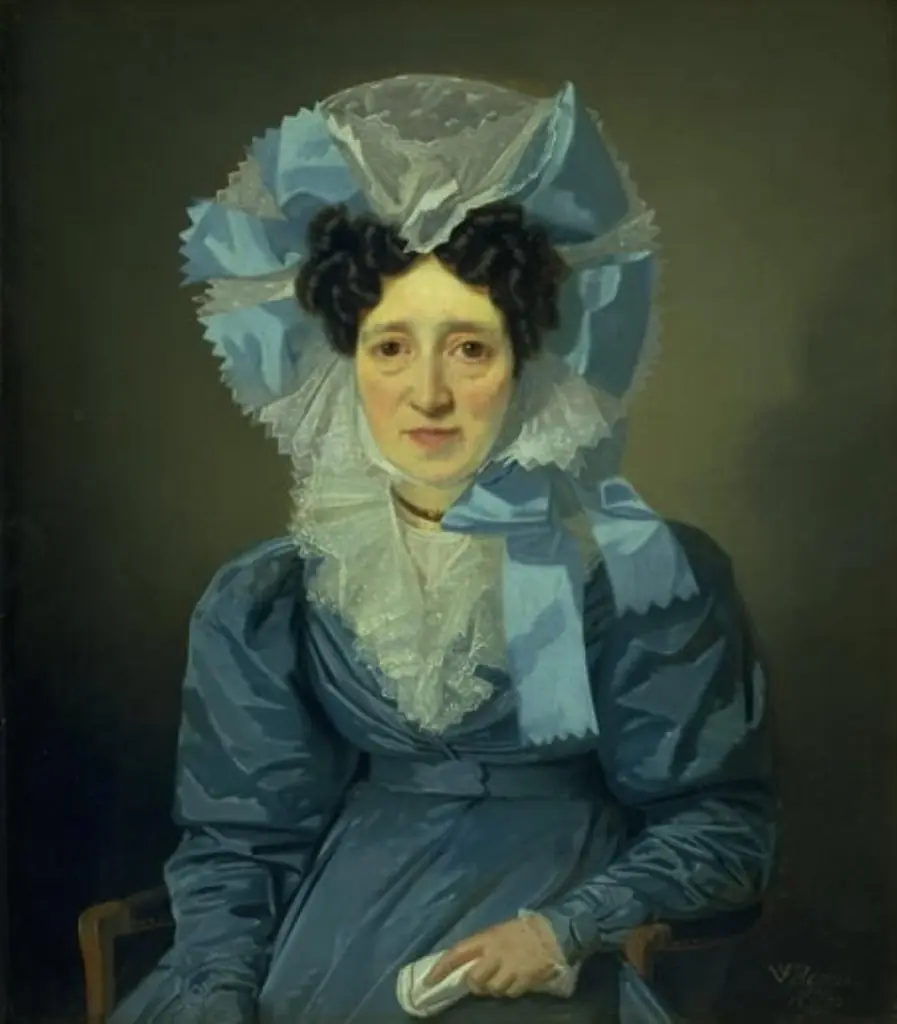 Cathrine von Halle, née Nathanson
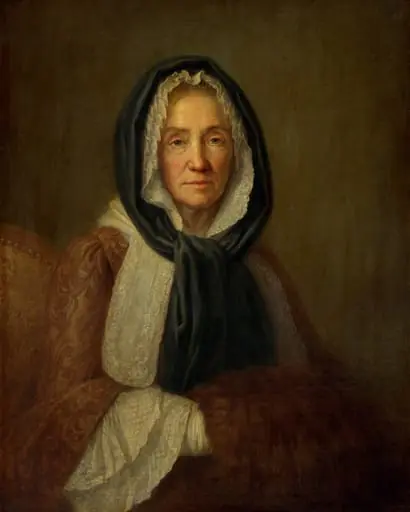 Old Woman with a Muff
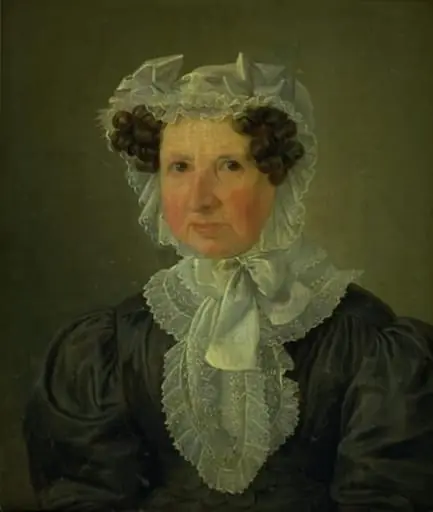 Portræt af jomfru Nissen
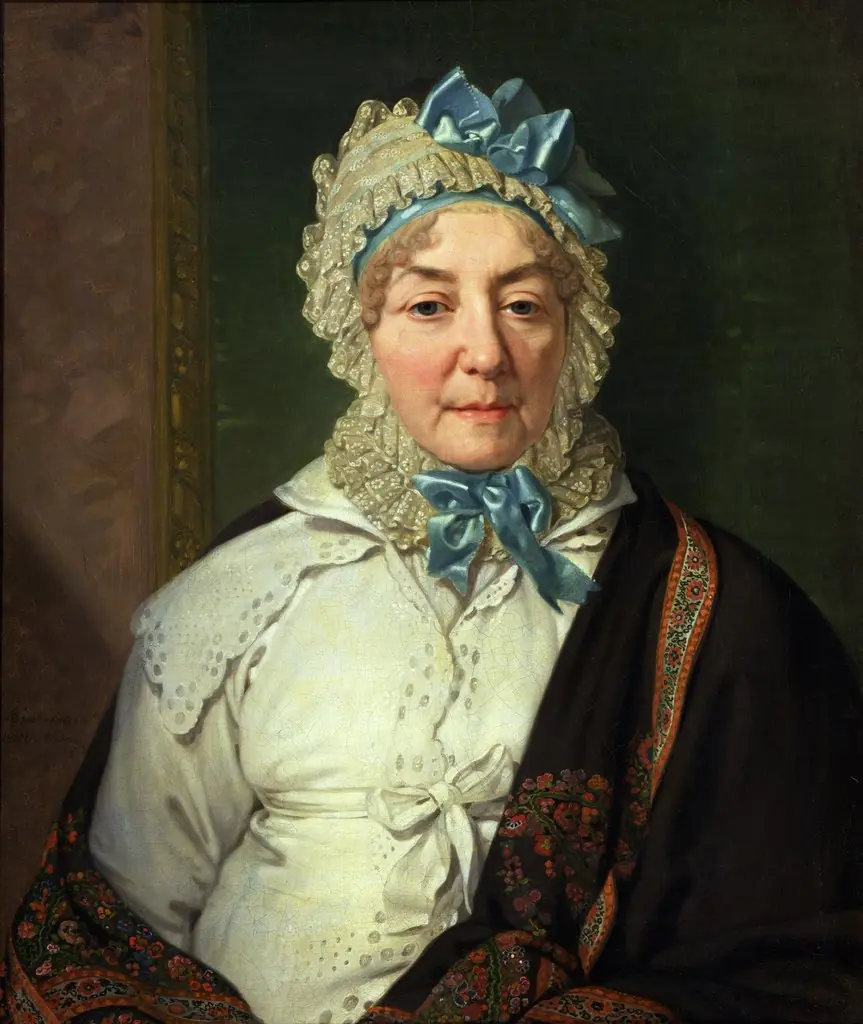 Porträt der Ye. A. Arkharova
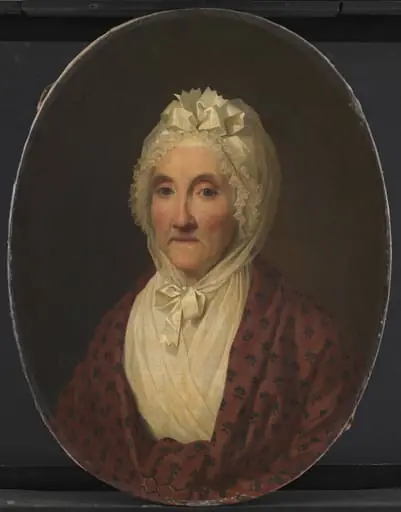 Brændevinsbrænder Bagges enke
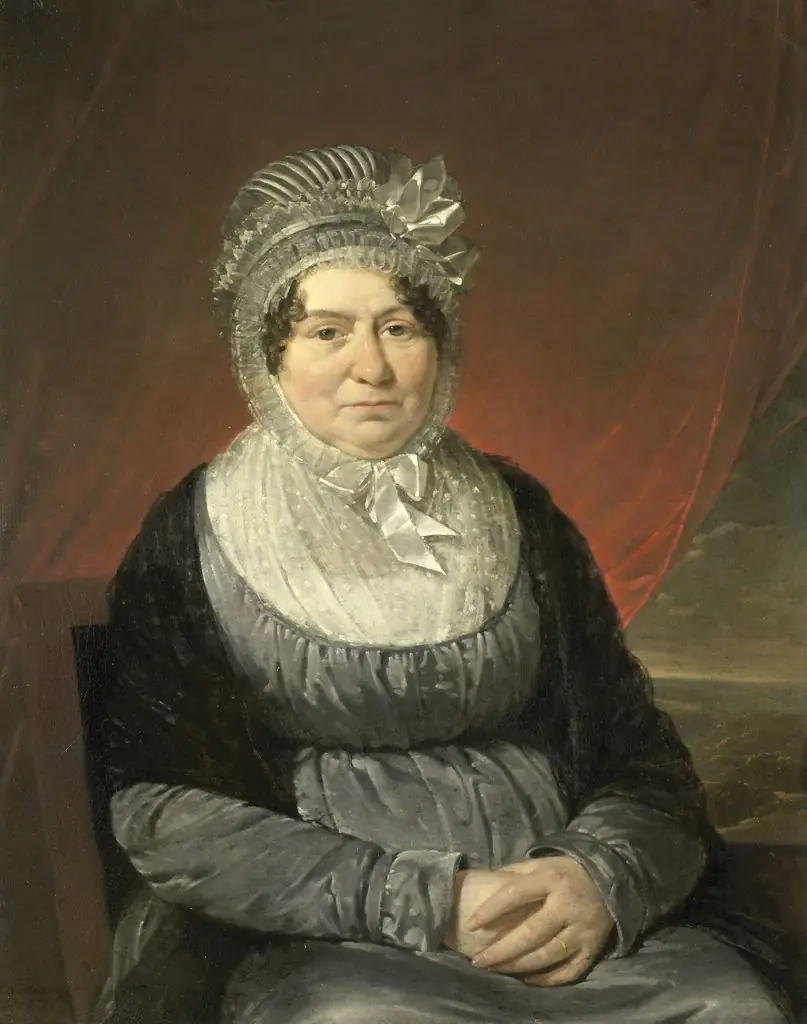 Portrait of Mrs. Brak-Haskenhoff
 Portrait of Barbara Brodowicz
 Mrs. James K. Bogert, Jr.
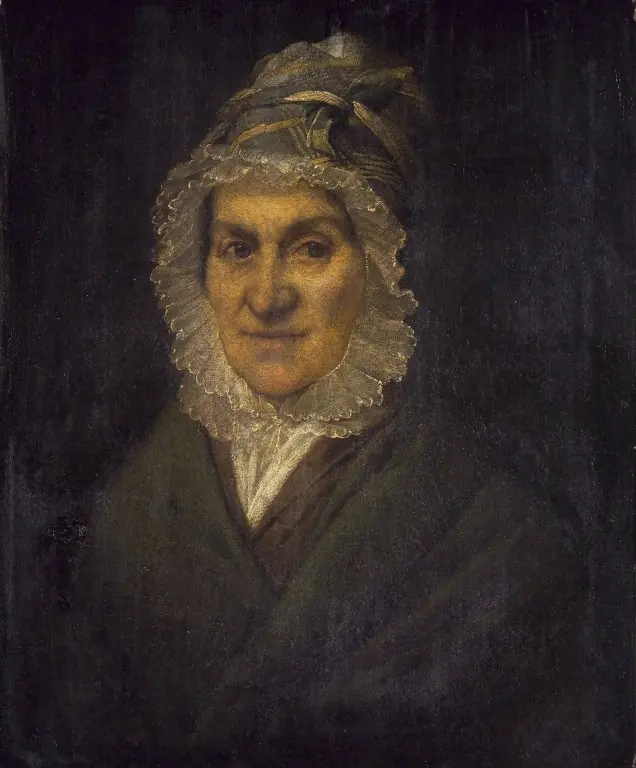
- Portrait of an old woman