Artwork
Street scene placed among Roman ruins
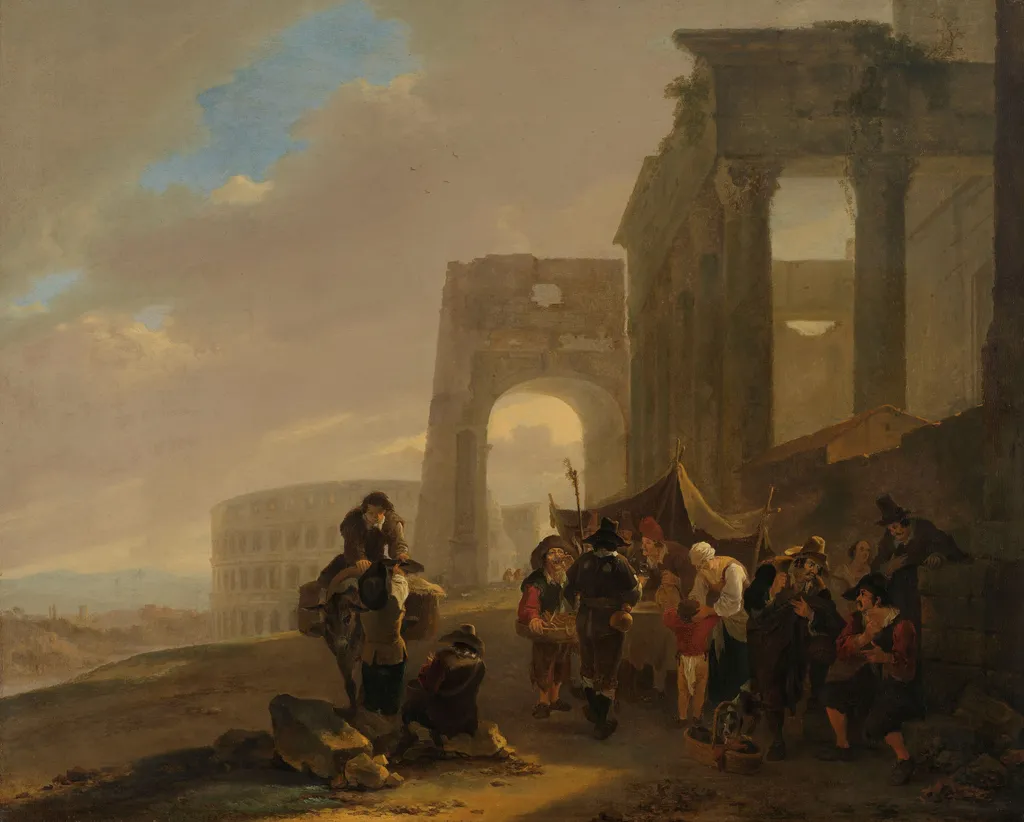
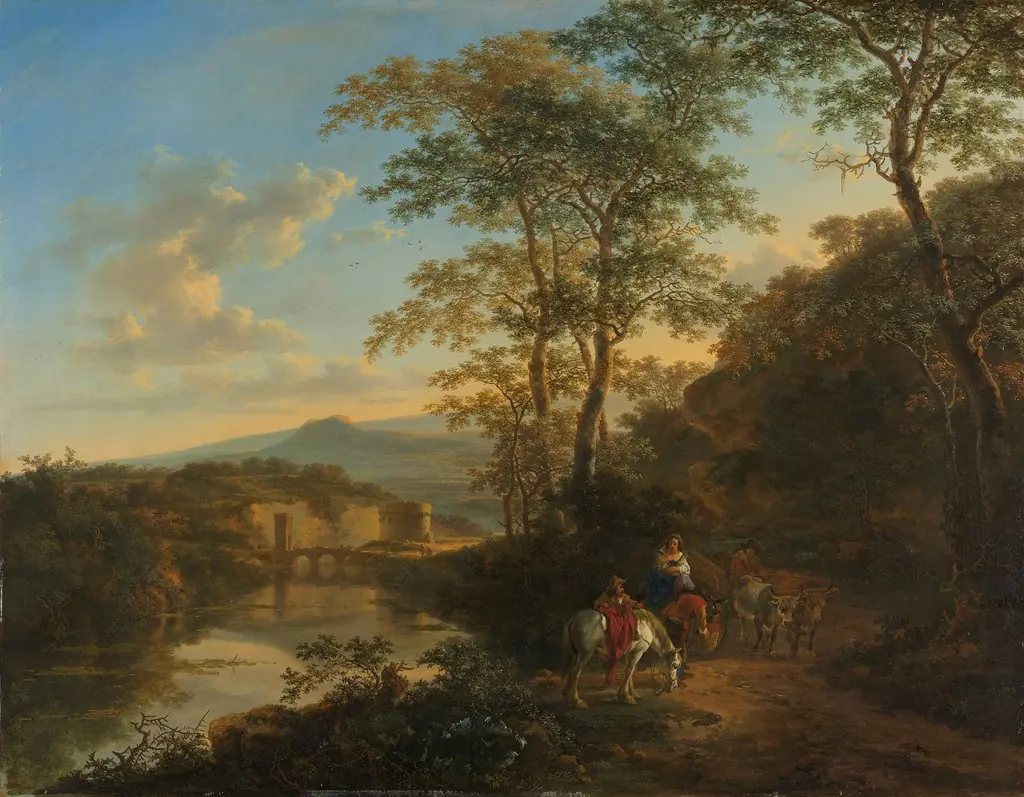
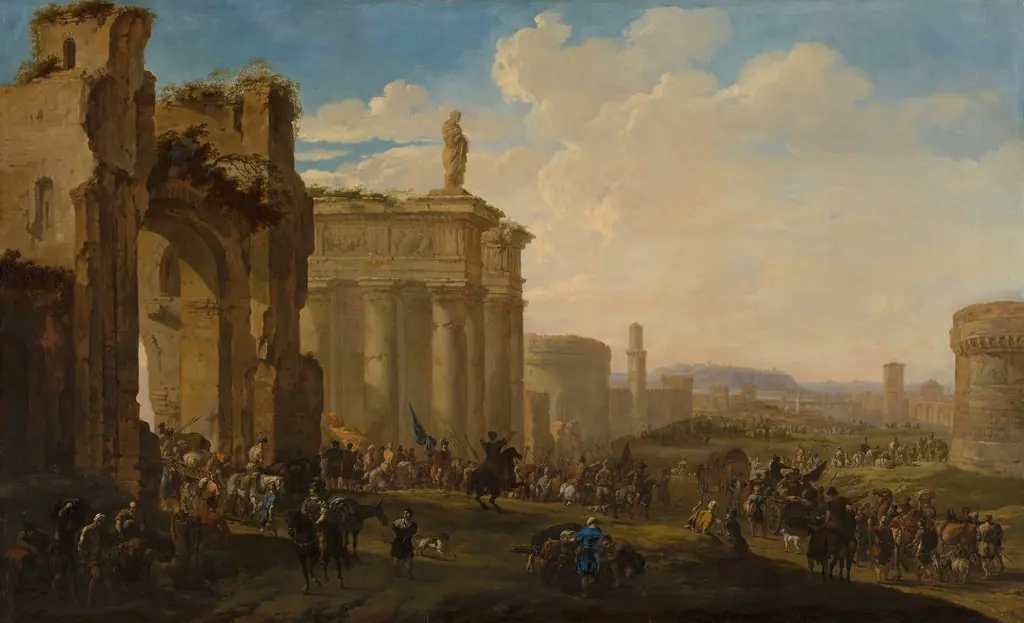
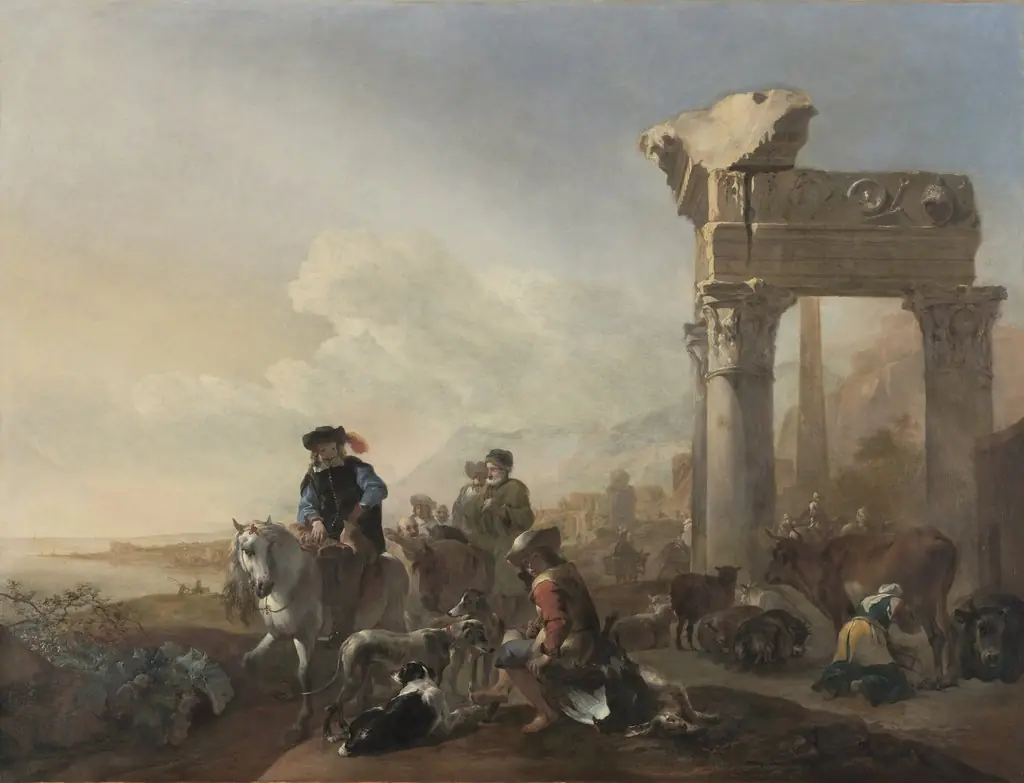
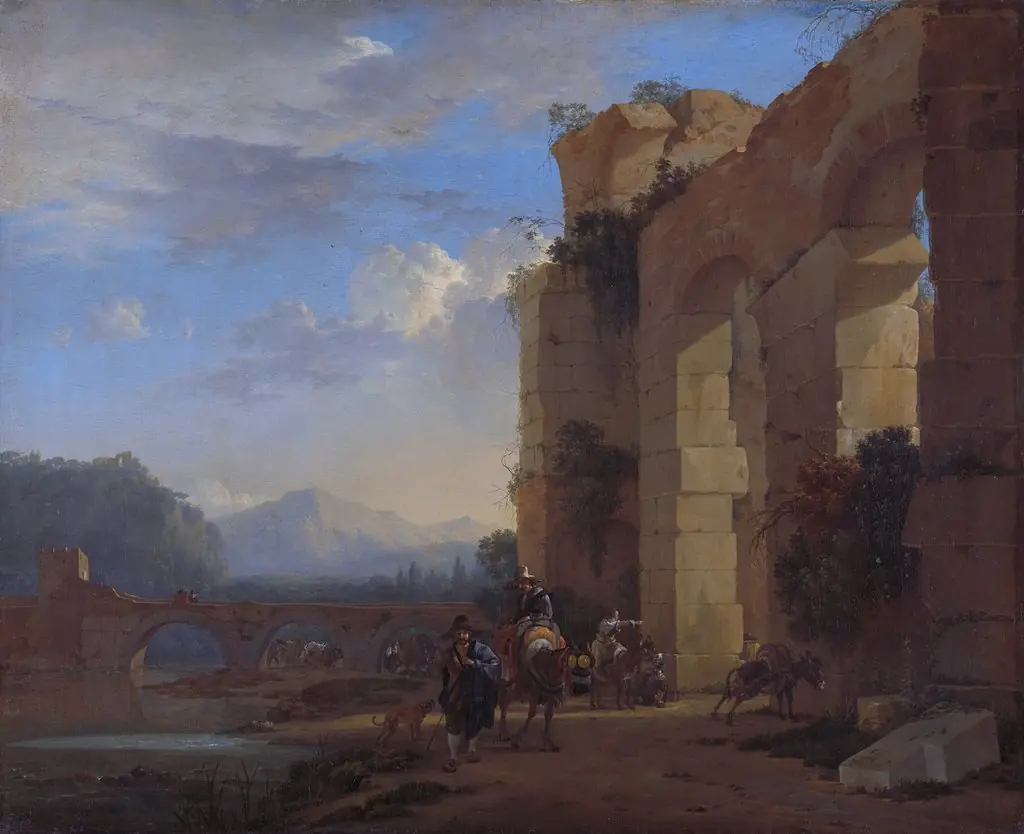
Street scene placed among Roman ruins is an oil painting by the Dutch Golden Age artist Jan Both. It dates from 1650 and is held in the collection of the Rijksmuseum.
About this work
Technique & Style
As a depiction of a street scene situated among Roman ruins, the piece exemplifies the artist's engagement with the landscape genre during the mid-17th century.
Executed in 1650, this landscape by Jan Both is an oil painting on canvas. The work measures 67 cm in height and 83.5 cm in width. As a depiction of a street scene situated among Roman ruins, the piece exemplifies the artist's engagement with the landscape genre during the mid-17th century.
The combination of oil paint and canvas support was characteristic of Dutch Golden Age panel and canvas production, allowing for the detailed rendering of architectural fragments and atmospheric effects typical of Both's Italianate style.
History & Provenance
The painting titled Street scene placed among Roman ruins was created by the Dutch artist Jan Both in 1650. Executed in oil on canvas, the work measures 67 cm in height and 83.5 cm in width. Historical records indicate that the piece was once owned by Gijsbert de Clercq. The work is currently held in the collection of the Rijksmuseum.
Context
Jan Both painted this landscape in 1650, depicting a street scene integrated with Roman ruins. The work, an oil painting on canvas measuring 67 cm by 83.5 cm, belongs to the Dutch Golden Age landscape tradition and reflects the influence of Claude Lorrain's compositional style. It is housed in the Rijksmuseum collection, which acquired it from Gijsbert de Clercq.
Scholarship emphasizes its role in merging classical ruins with contemporary Dutch scenery, marking a significant evolution in 17th-century landscape painting.
Both's use of atmospheric perspective and meticulous architectural detail established a precedent for later artists exploring historical settings within naturalistic scenes.
Legacy
Jan Both's 1650 landscape painting Street scene placed among Roman ruins helped shape 17th-century vedute, influencing later artists who depicted antiquities within naturalistic settings. The work's composition of figures amid classical ruins established a precedent for integrating historical context with atmospheric scenery, a approach refined by contemporaries and successors in the Dutch Golden Age. Its presence in the Rijksmuseum collection since early ownership by Gijsbert de Clercq ensured continued scholarly attention to Both's contribution to landscape evolution.
The painting's technical execution in oil on canvas, measuring 67 cm by 83.5 cm, demonstrated compositional innovations that informed period genre painting. Contemporary accounts noted its impact on spatial depth and antiquarian detail, elements later echoed in the vedute tradition. Both's synthesis of lived environment and classical reference remained a benchmark for historical landscape rendering, cited in 18th-century Dutch artistic discourse.
Though less frequently exhibited than some Dutch contemporaries, the work's inclusion in major collections preserved its reputational significance. Its legacy persists in art historical narratives examining how 17th-century painters framed antiquity through contemporary visual language.
Overview
Jan Both's 'Street scene placed among Roman ruins' is an oil painting, circa 1650, depicting a juxtaposition of everyday life with ancient Roman architectural remnants, now part of the Rijksmuseum's collection.
Subject & Meaning
The painting contrasts a vibrant, populated street scene in the foreground with the imposing, yet deteriorating, Roman ruins in the background, highlighting the coexistence of transience and permanence.
Own this work as a print
Artist & collection

Artist
Jan Dirksz Both was a Dutch painter, draughtsman, and etcher, who made an important contribution to the development of Dutch Italianate landscape painting.