Artwork
Mrs. Richard Skinner (Dorothy Wendell)
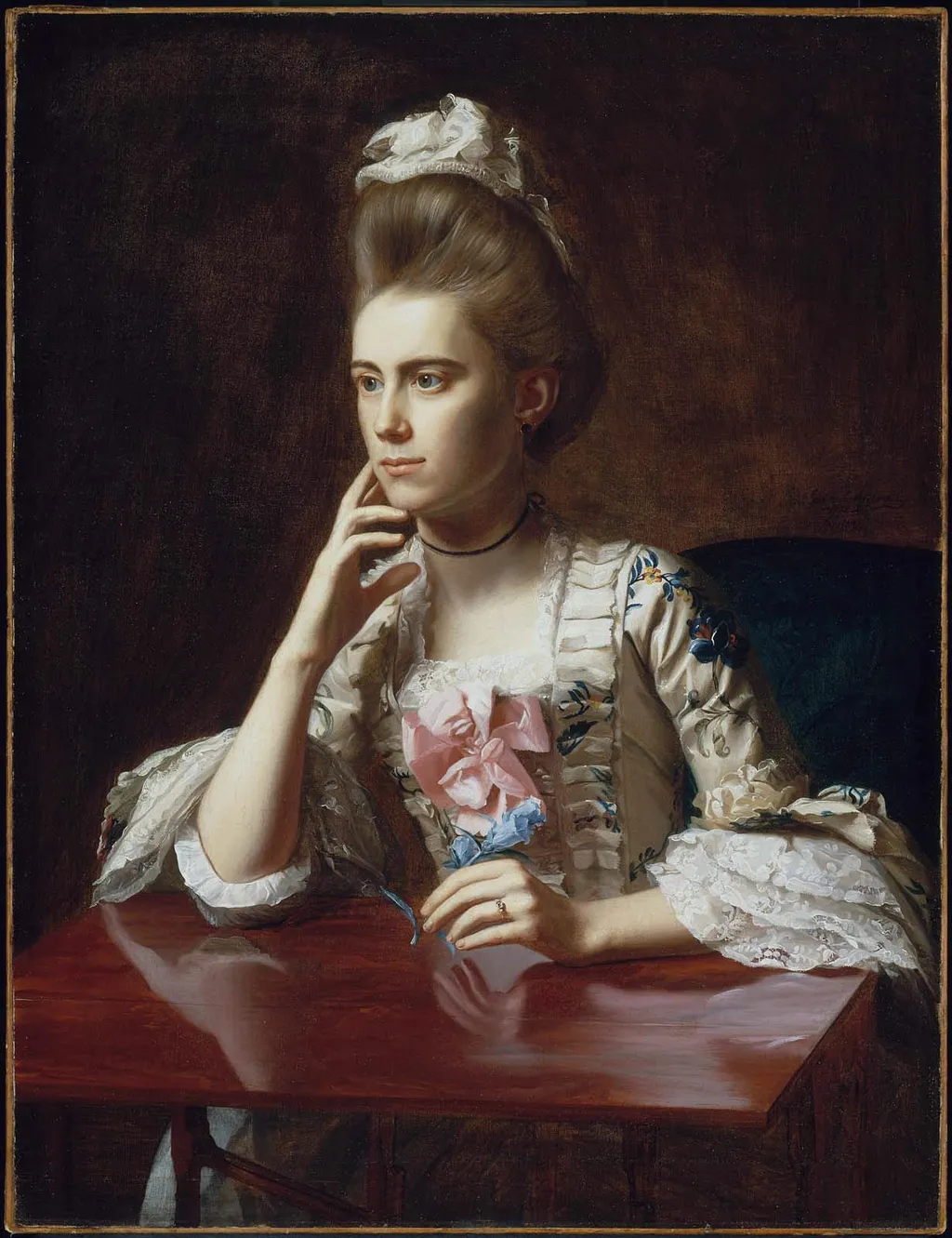
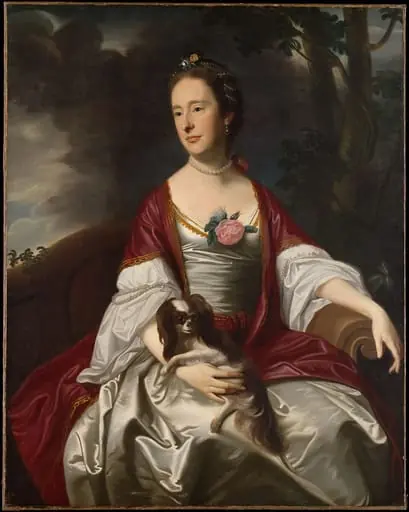
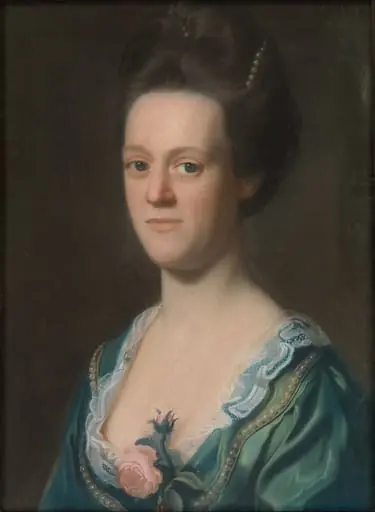
Mrs. Richard Skinner (Dorothy Wendell) is an oil painting by the Rococo painting artist John Singleton Copley. It dates from 1772 and is held in the collection of the Museum of Fine Arts Boston.
About this work
Overview
Created in Boston before his move to London, the work exemplifies Copley’s growing command of portraiture among New England’s affluent classes.
Painted in 1772, this oil portrait depicts Dorothy Wendell, wife of Richard Skinner, during John Singleton Copley’s formative years as a colonial American artist. Created in Boston before his move to London, the work exemplifies Copley’s growing command of portraiture among New England’s affluent classes. The painting’s restrained elegance and attention to detail reflect both the sitter’s social standing and the artist’s technical precision at this stage in his career.
Subject & Meaning
Dorothy Wendell is portrayed in a moment of quiet composure, seated at a table with her elbow resting lightly on its surface. Her direct yet softened gaze suggests introspection rather than performance. The inclusion of lace, a floral gown, and a pink ribbon signals refinement and feminine decorum, while the absence of overt symbols of status, like books or instruments, emphasizes personal dignity over public display, aligning with emerging ideals of private virtue in late colonial society.
Technique & Style
Copley employed fine, controlled brushwork to render textures: the sheen of silk, the delicacy of lace, and the softness of skin. The warm, dark background isolates the figure, heightening the contrast with her pale complexion and pastel attire. While the composition shows awareness of European Rococo sensibilities, particularly in its gentle lighting and intimate scale, it remains grounded in the direct observation characteristic of American portraiture, avoiding theatricality in favor of quiet realism.
History & Provenance
The portrait remained in the Skinner family until it entered the collection of the Museum of Fine Arts, Boston, where it has been held since the early 20th century. Its preservation within the same region where it was painted underscores its significance as a local artifact of colonial elite culture. Copley’s departure for London in 1774 marked a turning point in his career, making this work a key example of his pre-transatlantic style.
Context
In early 1770s Boston, portraiture served as both personal commemoration and social assertion. Wealthy families commissioned artists like Copley to affirm their status through visual representation. Though European styles influenced colonial artists, American portraits often retained a more restrained, psychologically grounded approach. This work reflects that balance, elegant yet unadorned, personal yet socially legible.
Legacy
As one of Copley’s earlier portraits, this work illustrates his transition from provincial artisan to internationally recognized painter. It captures a moment before his style became more grandiose in London, preserving the subtlety and intimacy that defined his colonial practice. Today, it stands as a representative example of how American portraiture evolved through careful observation and quiet dignity rather than overt spectacle.
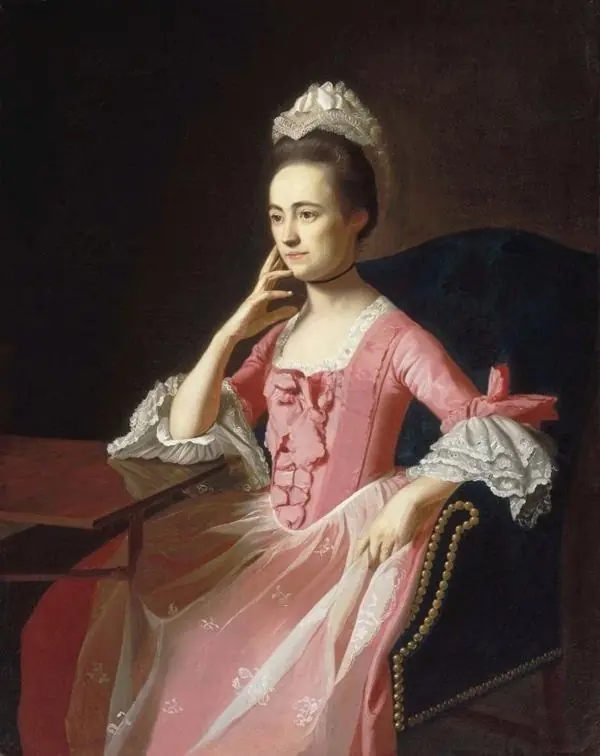
Own this work as a print
Artist & collection

Artist
John Singleton Copley (July 3, 1738 – September 9, 1815) was an American-born British painter active in both the Thirteen Colonies and England.




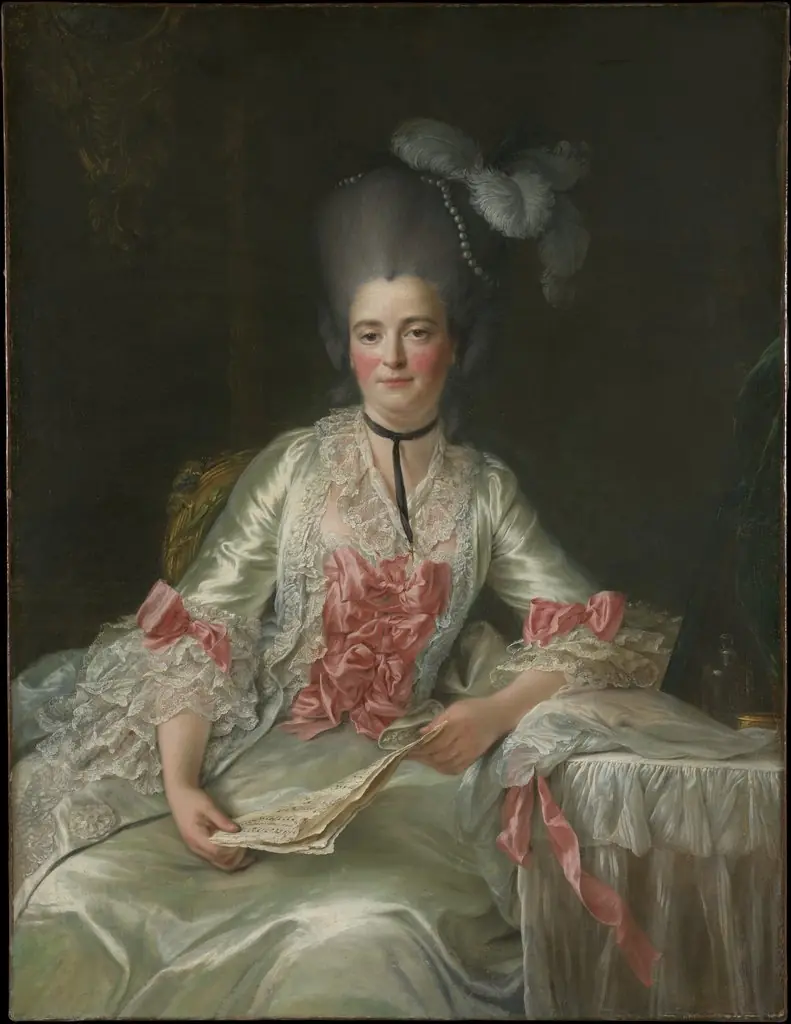 Marie Rinteau, called Mademoiselle de Verrières
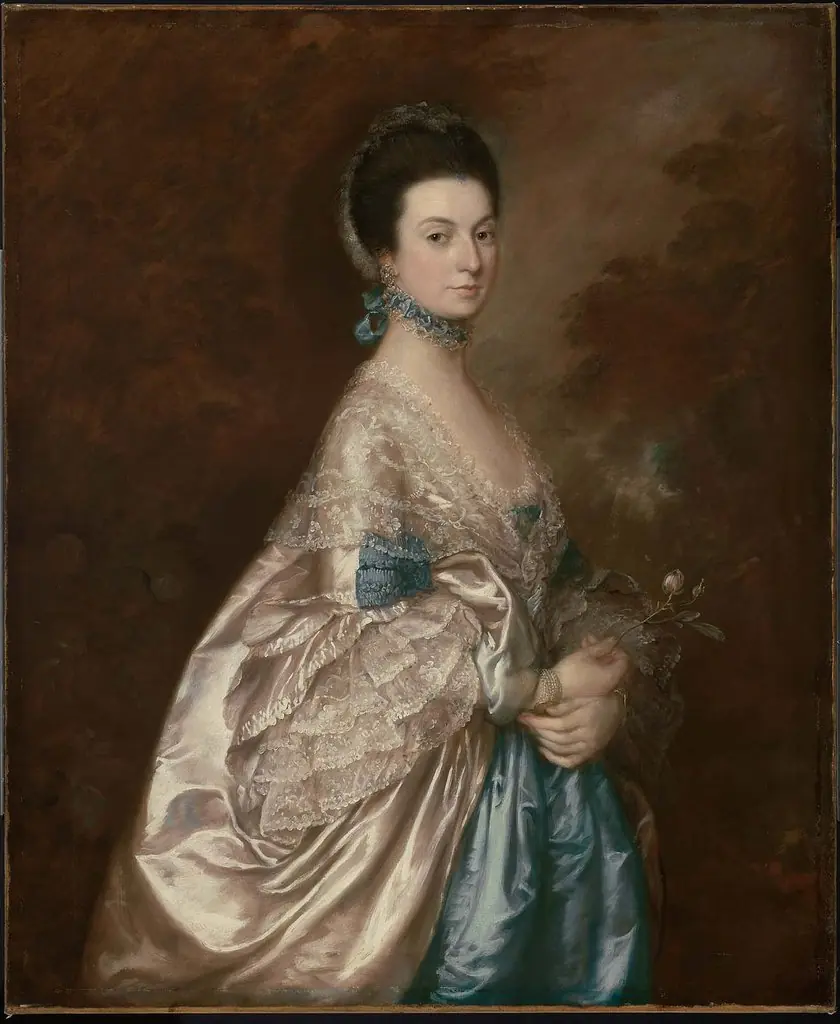 Mrs. Edmund Morton Pleydell
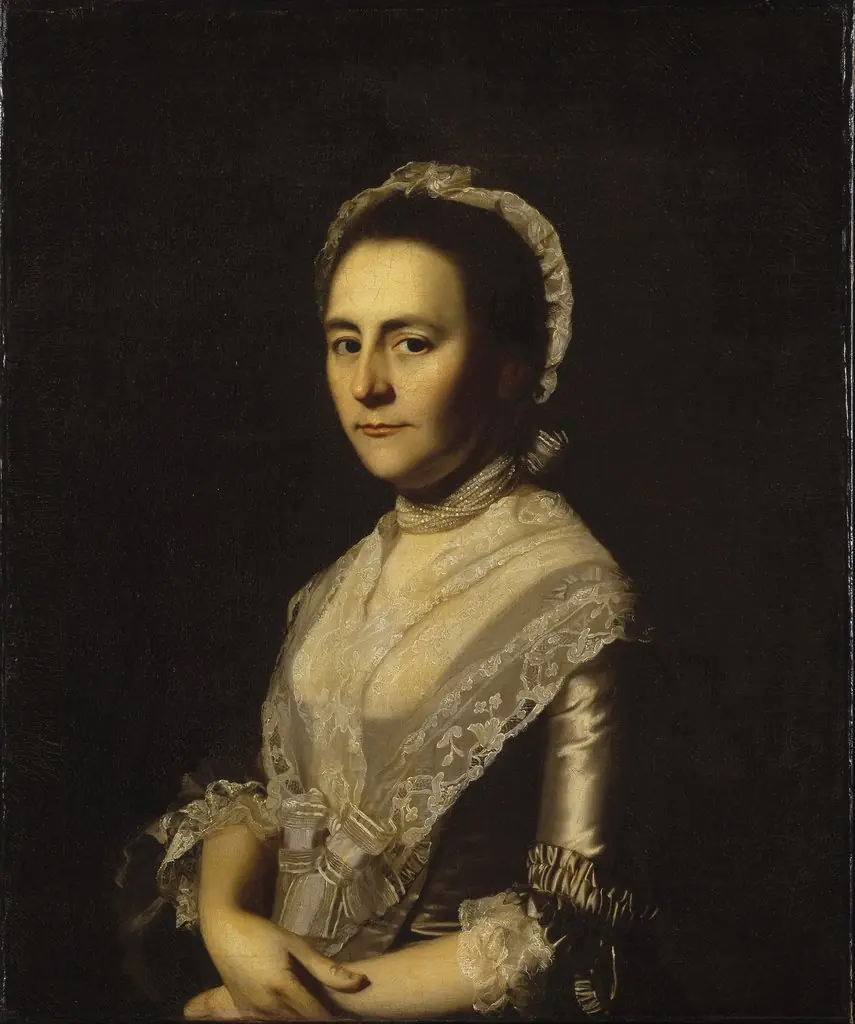 Mrs. Alexander Cumming, née Elizabeth Goldthwaite, later Mrs. John Bacon
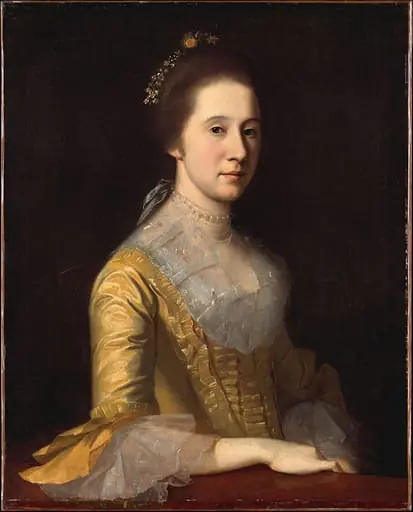 Margaret Strachan (Mrs. Thomas Harwood)
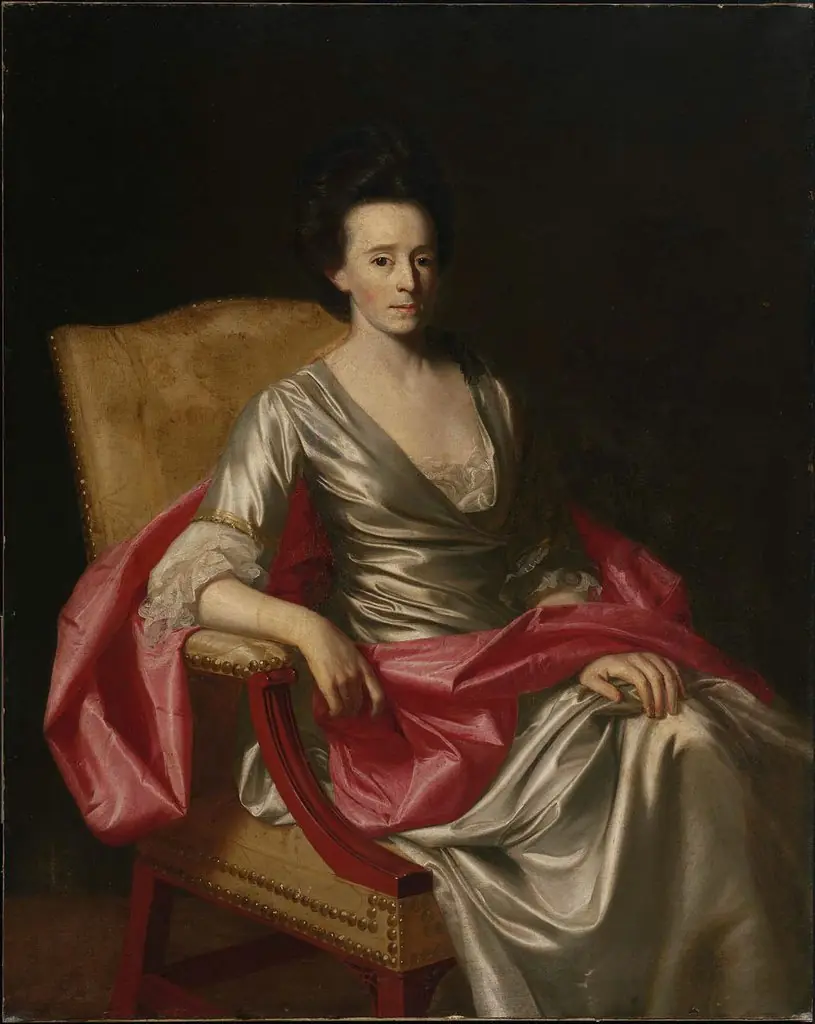 Mrs. Timothy Rogers (Lucy Boylston)
 The Artist's Wife: Margaret Lindsay of Evelick
 Mrs. Samuel Cutts
 Porträt der Mrs. Abington (1737-1815)
 Porträt der Queen Charlotte
 Mrs. James Warren (Mercy Otis)
 Elizabeth Green (Mrs. Ebenezer Storer II)
- Dorothy Quincy (Mrs. John Hancock)