Artwork
Panthea, Cyrus, and Araspas
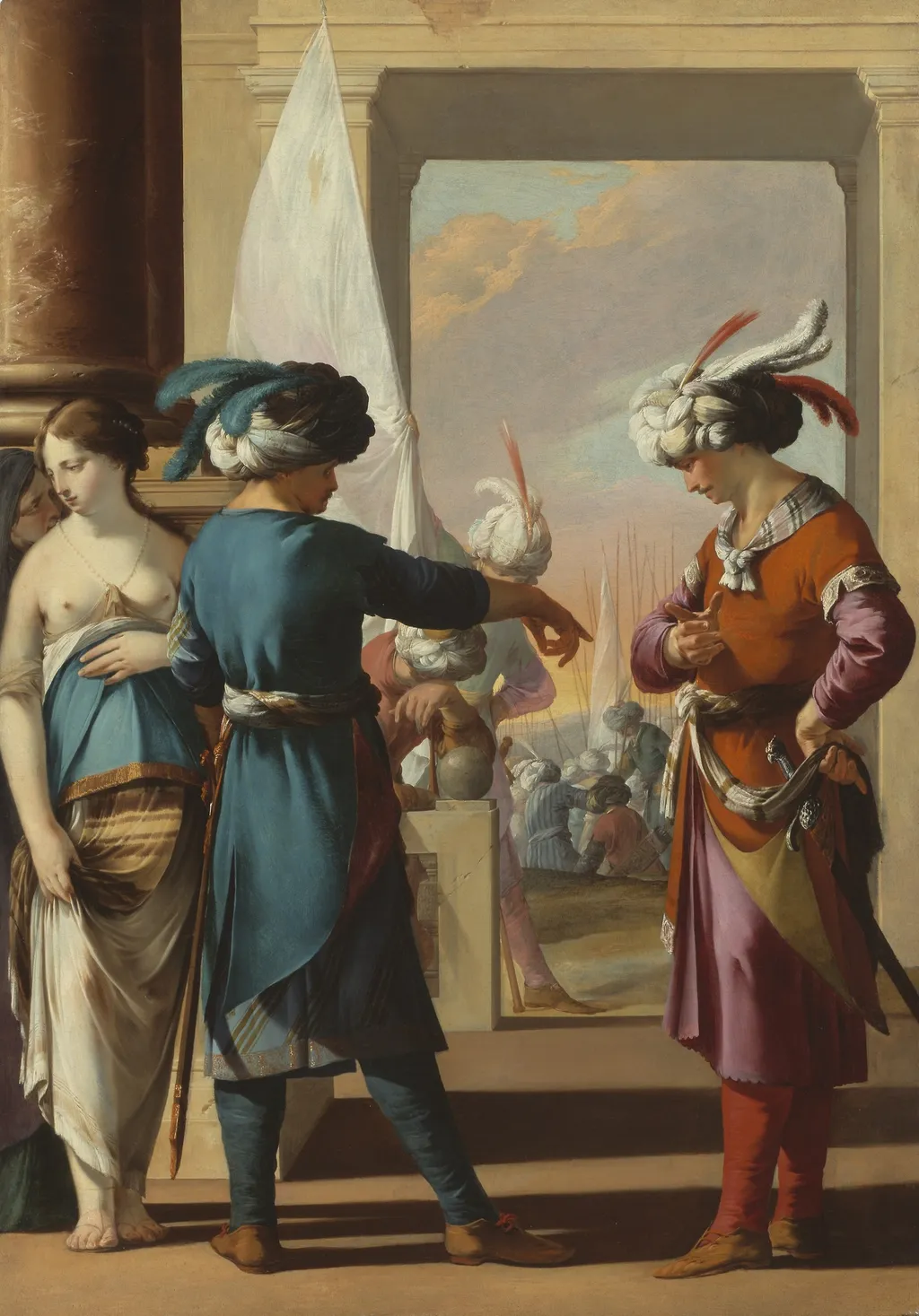
Panthea, Cyrus, and Araspas is an oil painting by the French Classical Baroque artist Laurent de La Hyre. It dates from 1631 and is held in the collection of the Art Institute of Chicago.
About this work
Subject & Meaning
The painting depicts three named figures from ancient Persian history: Pantea Arteshbod, Cyrus the Great, and Araspes.
The painting depicts three named figures from ancient Persian history: Pantea Arteshbod, Cyrus the Great, and Araspes. Laurent de La Hyre's 1631 canvas brings together this trio of historical and legendary characters, presenting them as a unified subject group drawn from classical accounts of the Achaemenid court.
The pairing of Pantea, a noblewoman associated with the Persian king Cyrus, alongside Araspes, a courtier traditionally linked to her in accounts of courtly love and moral testing, frames the work as a narrative scene rather than a portrait. Such literary episodes, in which loyalty, virtue, and royal authority are tested, were a favored subject for French classicizing painters of La Hyre's generation, who turned to ancient sources for morally edifying themes.
By gathering these three historical figures in a single composition, the painting represents an episode of Persian royal history filtered through classical literary tradition, emphasizing themes of duty, persuasion, and princely virtue.
Technique & Style
The work Panthea, Cyrus, and Araspas is an oil painting created in 1631 on canvas using oil paint as its medium. It measures 142 cm in height and 102 cm in width, characteristic of Baroque compositional clarity and restrained coloration typical of Laurent de La Hyre's mature period. The painting's surface exhibits fine brushwork and subtle glazing, contributing to a luminous finish that emphasizes the narrative tension among the three figures. Its condition remains stable, with no recorded interventions noted in the provenance record.
History & Provenance
Panthea, Cyrus, and Araspas is an oil painting on canvas by Laurent de La Hyre dated 1631. The work was created in that year and later entered the collection of Bruno Meissner. It is now held by the Art Institute of Chicago, where it is part of the museum's holdings.
The sources do not provide further details on the original commission, the circumstances of its creation, or the full chain of ownership between Meissner and the Art Institute of Chicago.
The painting Panthea, Cyrus, and Araspas by Laurent de La Hyre, created in 1631 using oil on canvas, is housed in the collection of the Art Institute of Chicago. It bears the accession number 1954.699 and has been part of the institution's exhibitions, including a 1954 display of European paintings and a 1978 retrospective of 17th-century French art.
The work was originally owned by Bruno Meissner before entering the museum's holdings.
Context
Panthea, Cyrus, and Araspas is an oil painting on canvas created in 1631 by French artist Laurent de La Hyre. The work depicts the historical figures Pantea Arteshbod, Cyrus the Great, and Araspes, drawing on themes from classical antiquity that align with the artist's documented interest in historical narratives and moralizing subjects characteristic of his oeuvre. It is held in the collection of the Art Institute of Chicago and was acquired by Bruno Meissner, reflecting its provenance within private collecting circles of the early 20th century.
The painting's subject matter and composition exemplify Baroque-era approaches to historical drama, situating it within broader European artistic trends of the 17th century. Its scholarly significance has been noted in studies of La Hyre's thematic development and the reception of French historical painting in the 1600s.
Overview
Panthea, Cyrus, and Araspas is a 1631 oil painting by Laurent de La Hyre, a French Baroque artist.
Own this work as a print
Artist & collection
Artist
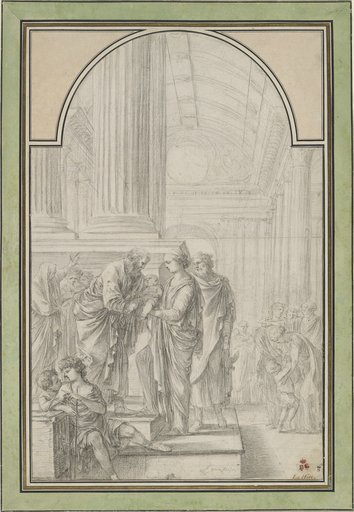
Laurent de La Hyre (French pronunciation: ; 27 February 1606 – 28 December 1656) was a French Baroque painter, born in Paris. He was a leading exponent of the neoclassical style of Parisian Atticism.

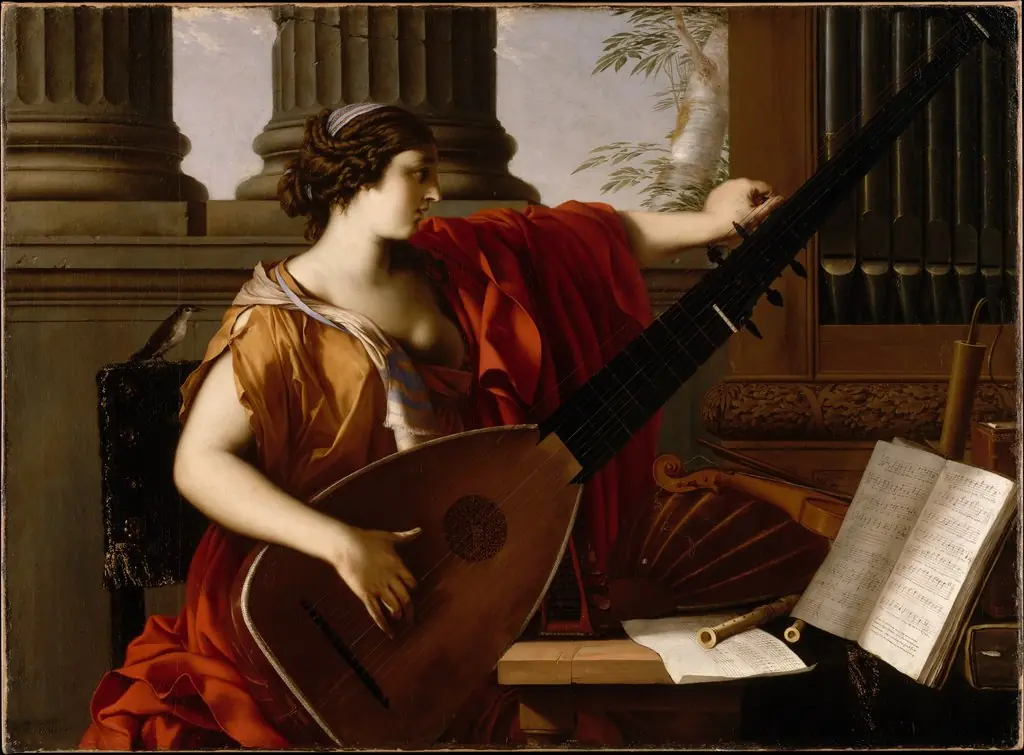
 Sacrifice of Iphigenia
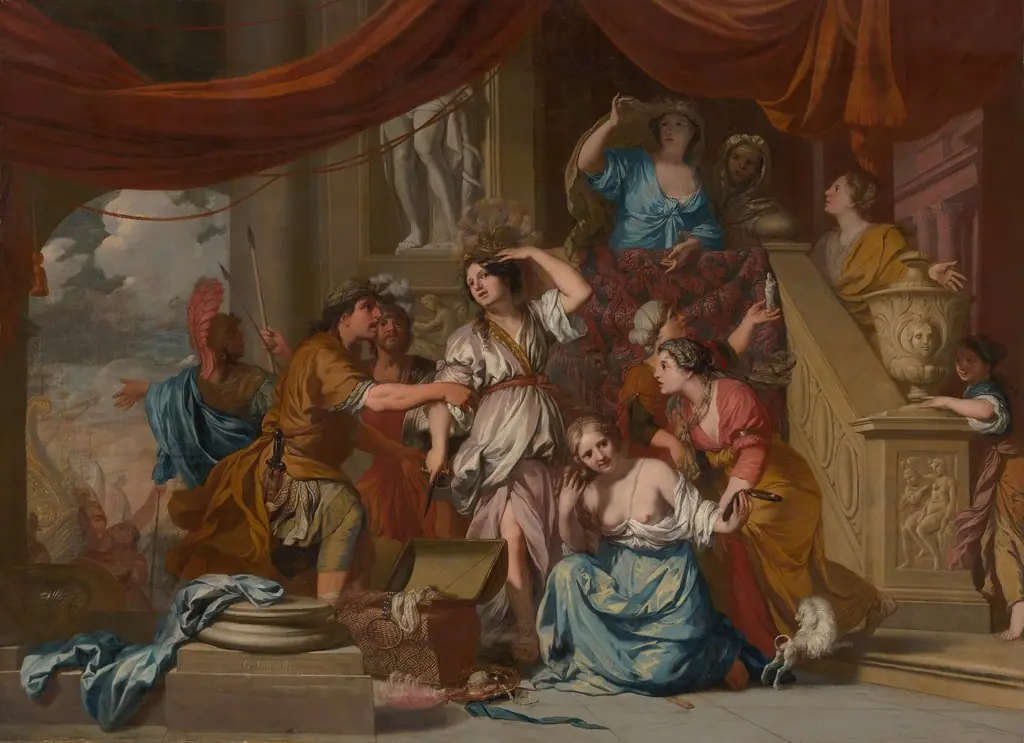 Achilles Discovered among the Daughters of Lycomedes
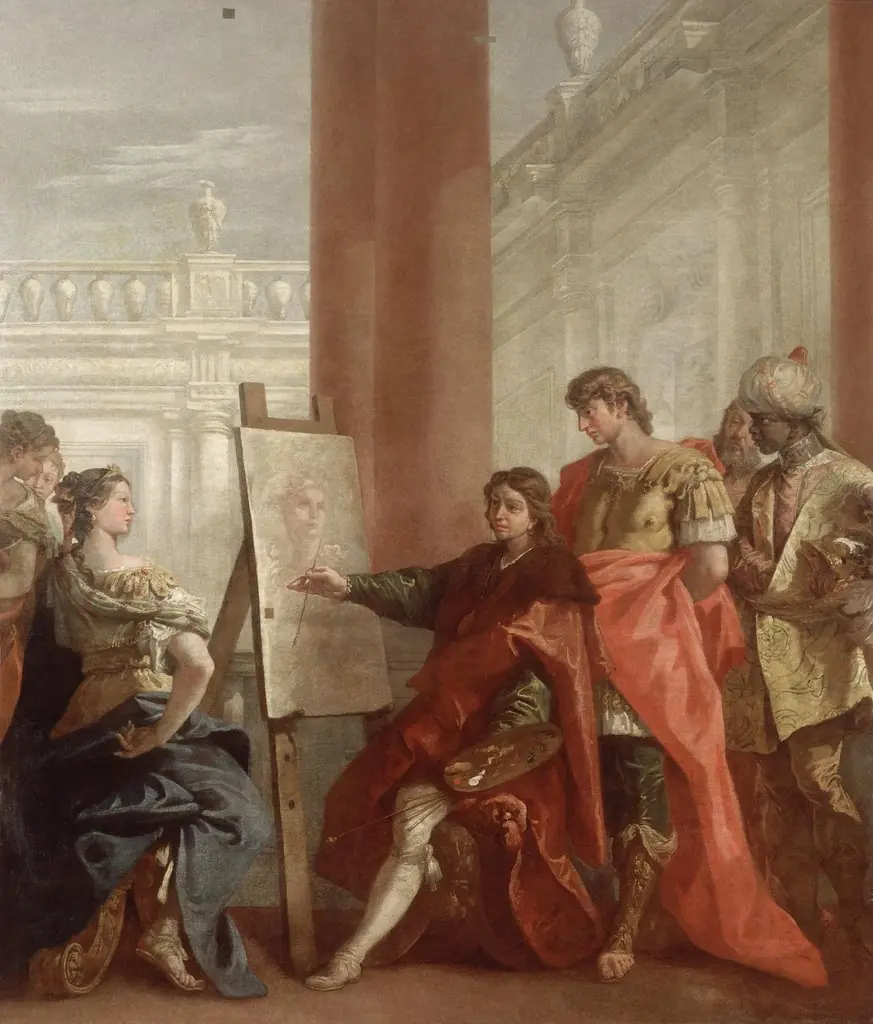 Apelles Paints Campaspa
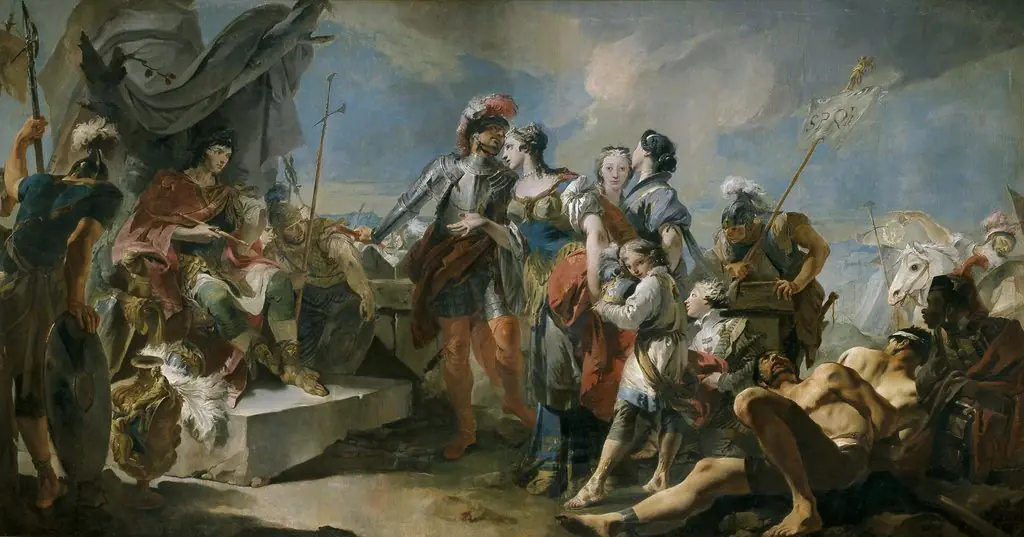 Queen Zenobia before the Emperor Aurelian
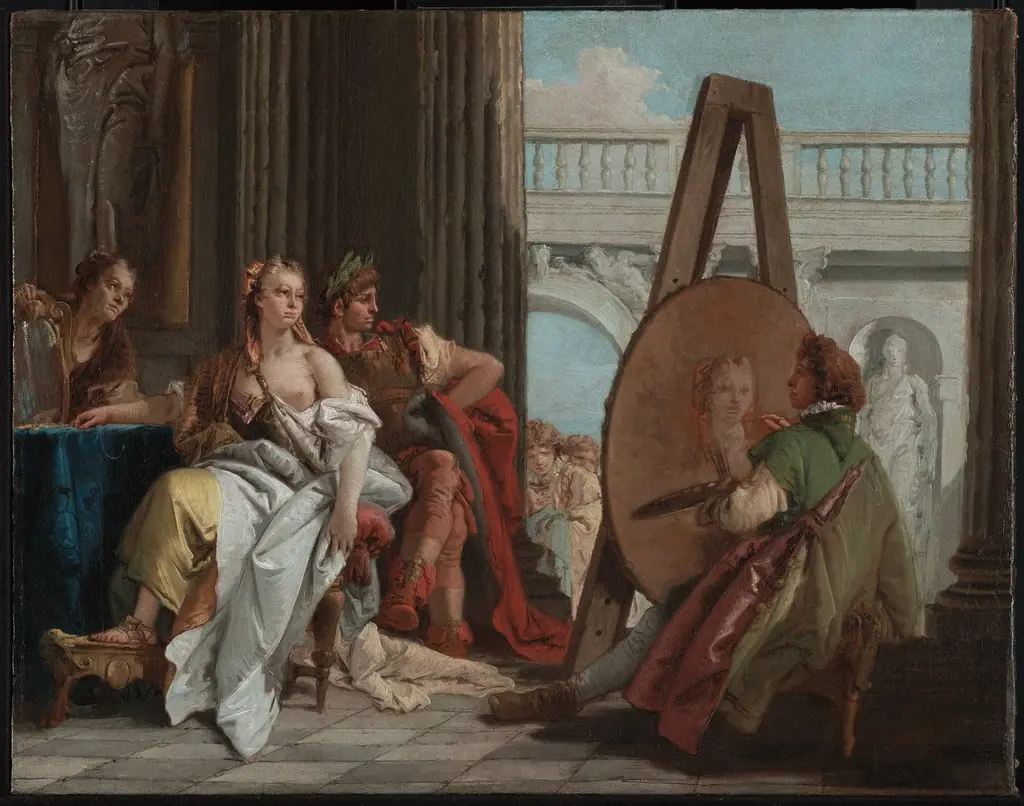 Alexander the Great and Campaspe in the Studio of Apelles
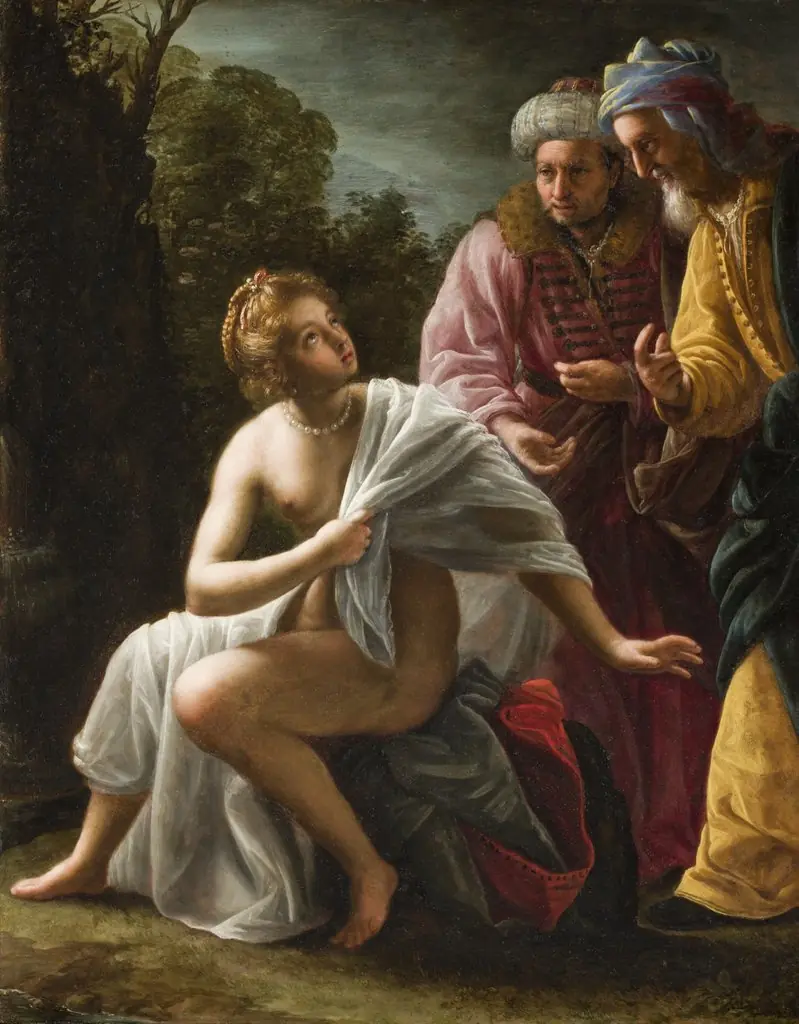 Susanna and the Elders
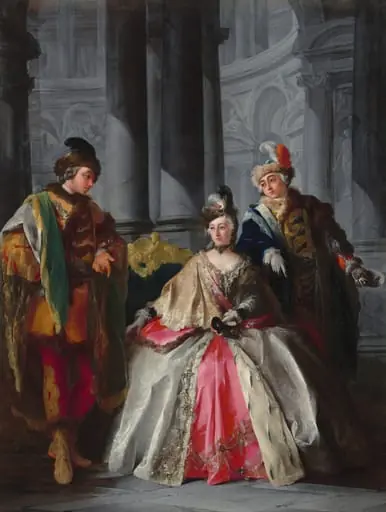 Three Figures Dressed for a Masquerade
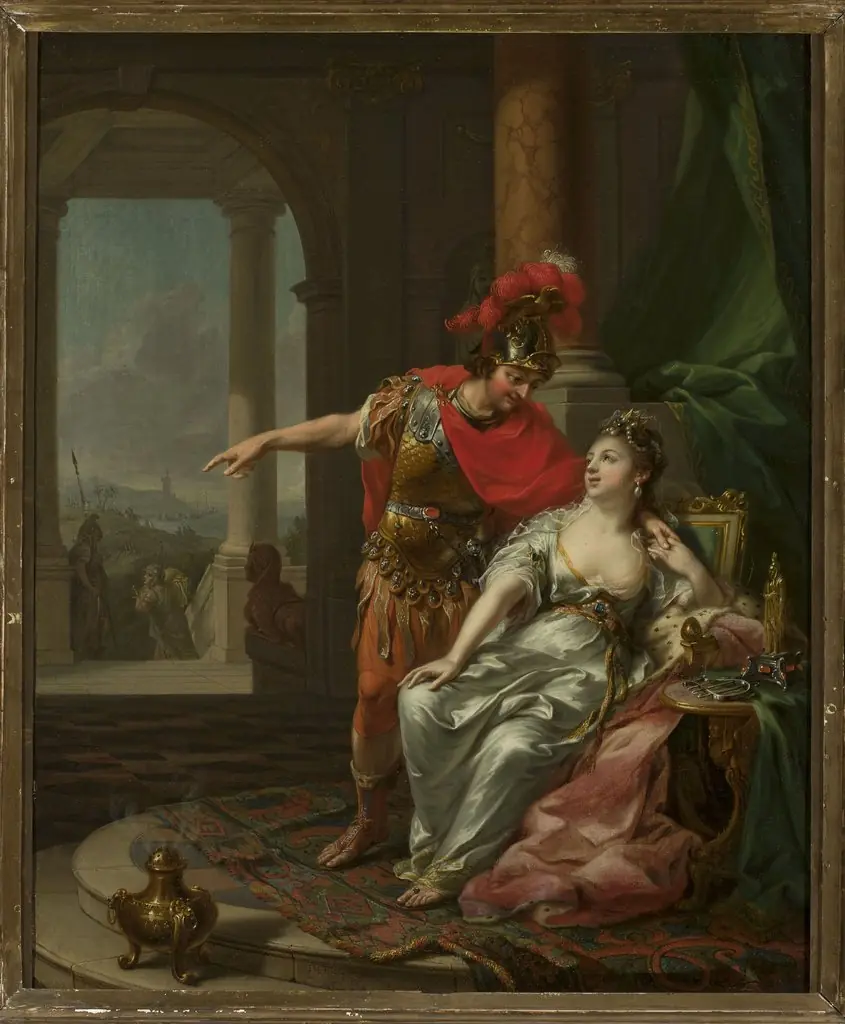 Antony and Cleopatra
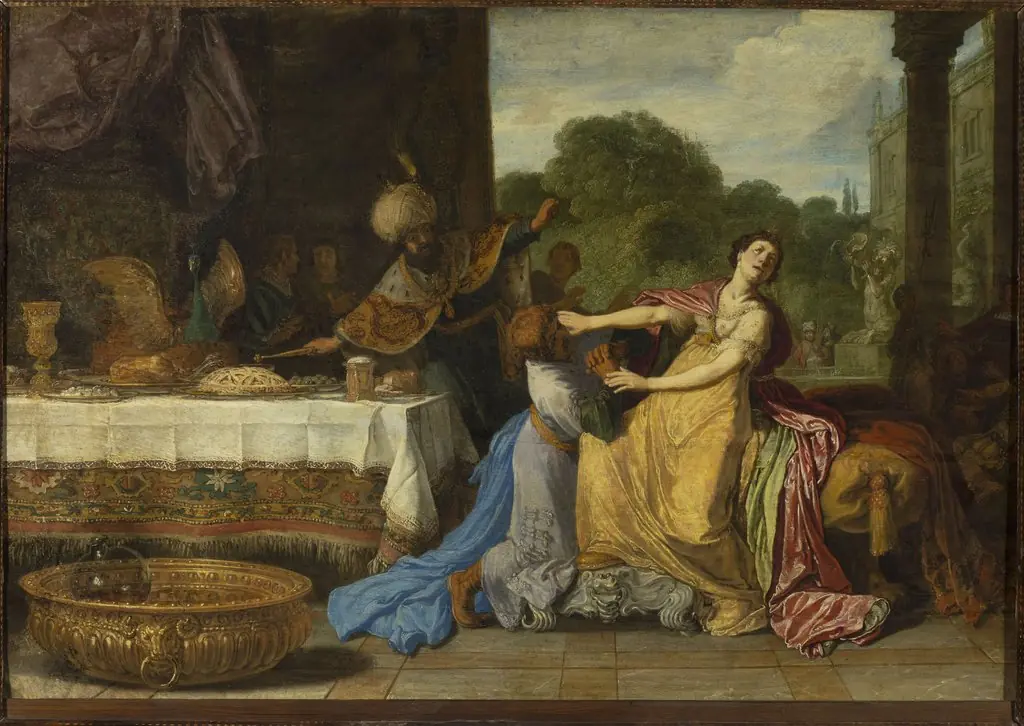 Haman begging the mercy of Esther (Esther 7:6-7)
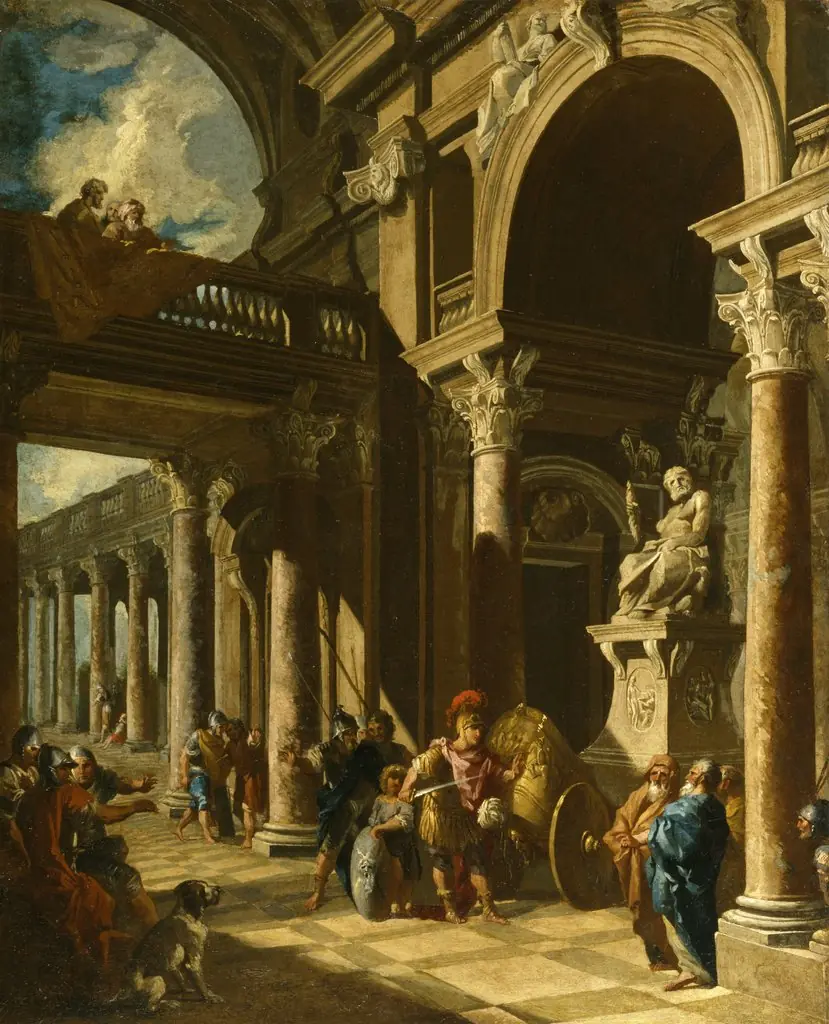 Alexander the Great Cutting the Gordian Knot
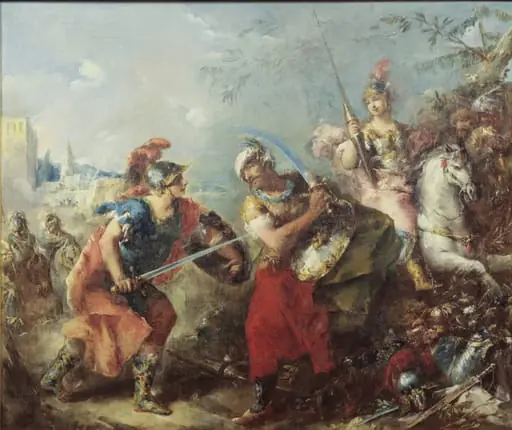 The Fight between Tancred and Argante With Clorinda in the Background
- Panthea, Cyrus, and Araspas