Artwork
Left wing of a triptych with the Erythraean Sibyl (outer wing)
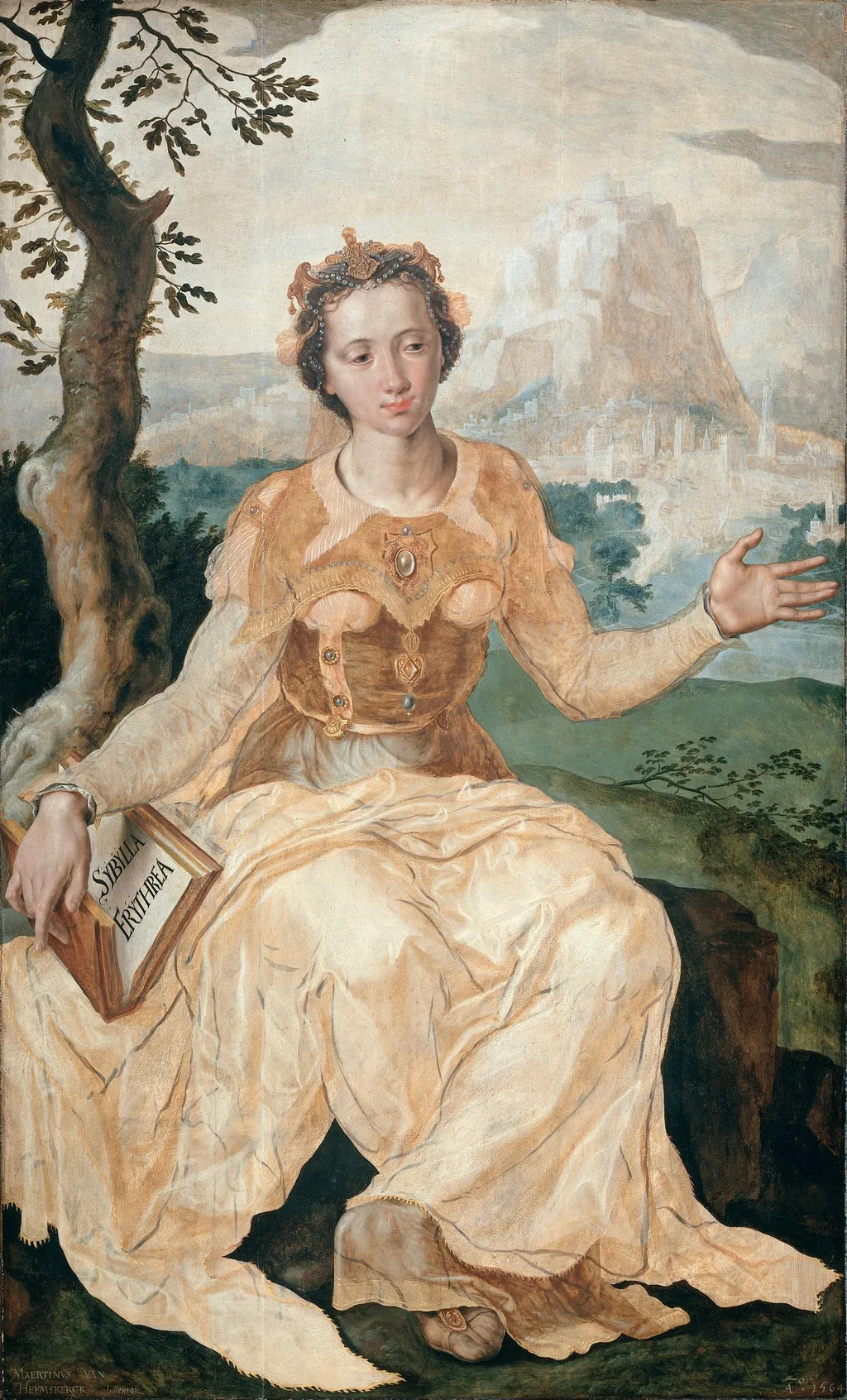
Left wing of a triptych with the Erythraean Sibyl (outer wing) is an oil painting by the Northern Renaissance artist Maarten van Heemskerck. It dates from 1564 and is held in the collection of the Rijksmuseum. Created in 1564, the left panel of a triptych portrays the Erythraean Sibyl.
About this work
Subject & Meaning
Commissioned by Vincent Dammasz, the painting isolates the Sibyl, emphasizing her role as a visionary who foretold the Incarnation.
The outer left wing of this 1564 triptych portrays the Erythraean Sibyl as a solitary figure. Executed in oil on panel, the work functions as a portrait of the ancient prophetess, a subject frequently paired with biblical figures in Netherlandish art to symbolize the pagan anticipation of Christ's coming. Commissioned by Vincent Dammasz, the painting isolates the Sibyl, emphasizing her role as a visionary who foretold the Incarnation.
The depiction aligns with the genre of portraiture while serving a specific theological purpose within the larger altarpiece structure, representing the bridge between classical prophecy and Christian revelation.
Technique & Style
The outer wing of the triptych presents a portrait rendered in oil on wooden panel. Its surface shows the characteristic handling of mid-sixteenth-century portraiture, with smooth brushwork that defines the figure of the Erythraean Sibyl. The composition is tightly framed, emphasizing the sitter’s dignified posture and the delicate rendering of drapery, while the muted palette and precise detailing reflect the influence of Netherlandish portrait conventions of the period.
The work’s condition is stable, with the original panel support remaining intact and no significant losses reported. Formal analysis highlights the balanced spatial arrangement and the subtle modeling of facial features, underscoring the artist’s technical mastery in oil paint.
History & Provenance
The panel was painted by Maarten van Heemskerck in 1564, executed in oil on panel as one of the outer wings of a triptych devoted to the Erythraean Sibyl. The work was commissioned by Vincent Dammasz, who also became its first recorded owner.
Following Dammasz, the wing passed into the Six family collection, held successively by Jan Pieter Six VI and then Jan Six VII. It subsequently entered the holdings of the Rijksmuseum, where it remains part of the collection.
Legacy
The outer wing of the triptych featuring the Erythraean Sibyl, painted by Maarten van Heemskerck in 1564, was later dispersed from its original commission for the Delft Town Hall and entered private collections before being acquired by the Rijksmuseum. Its iconography of the Sibyl contributed to Mannerist interpretations of prophetic figures in Northern Europe and informed subsequent decorative programs in civic buildings during the late 16th century. The work's journey from Vincent Dammasz's patronage to the ownership of Jan Pieter Six VI and Jan Six VII illustrates the circulation of Northern Renaissance art among elite families, a trajectory documented in exhibition records and collection inventories.
The painting's current display at the Rijksmuseum preserves its historical context while allowing scholarly reassessment of Heemskerck's role in bridging High Renaissance ideals with emerging Protestant visual cultures.
Overview
Created in 1564, the left panel of a triptych portrays the Erythraean Sibyl. Executed in oil on panel, the work measures a modest size typical of outer wings and forms part of a larger three‑panel composition now housed in the Rijksmuseum, Amsterdam.
Context
During the mid‑16th century, Dutch painters often incorporated classical figures to align humanist learning with Christian doctrine. Heemskerck’s inclusion of the Erythraean Sibyl reflects this trend, while his use of vibrant gold embroidery and a scroll underscores the sibyl’s esteemed, though antiquated, status.
Own this work as a print
Artist & collection
Artist
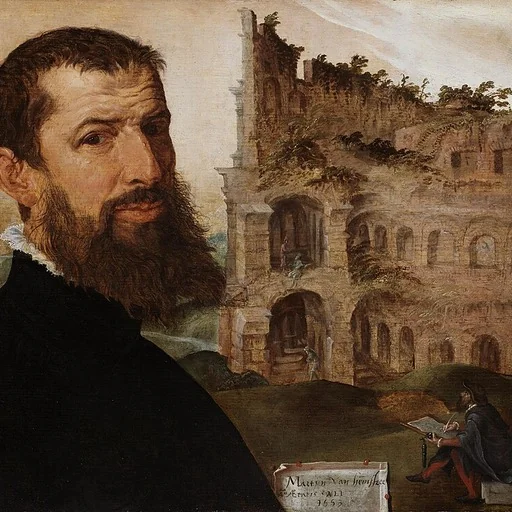
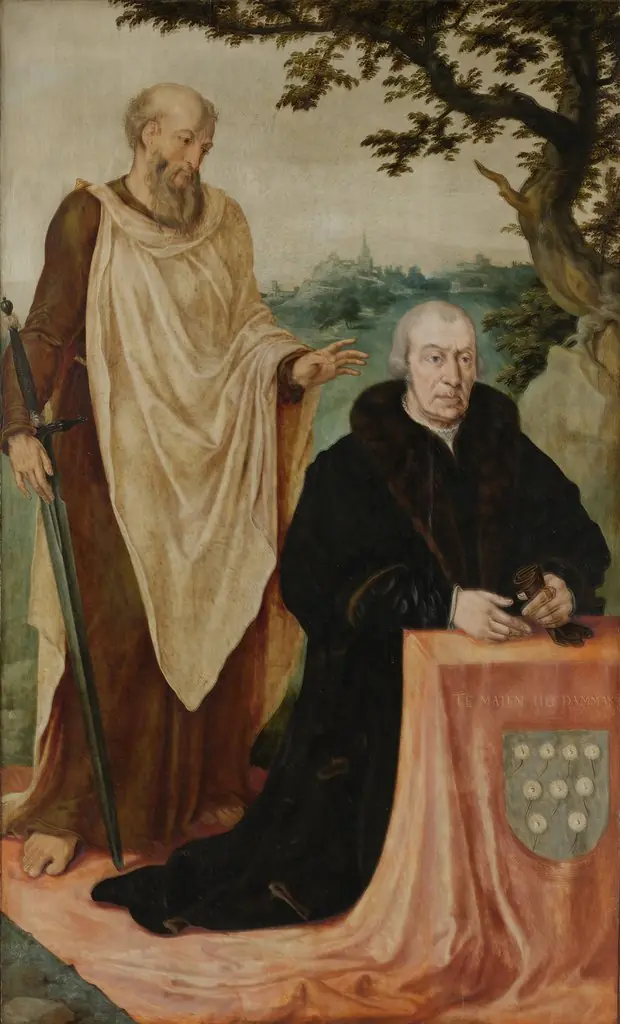
Maarten van Heemskerck (born Maerten Jacobsz van Veen; 1 June 1498 – 1 October 1574), also known as Marten Jacobsz Heemskerk van Veen, was a Dutch portrait and religious painter, who spent most of his career in Haarlem.

- Mary Magdalene
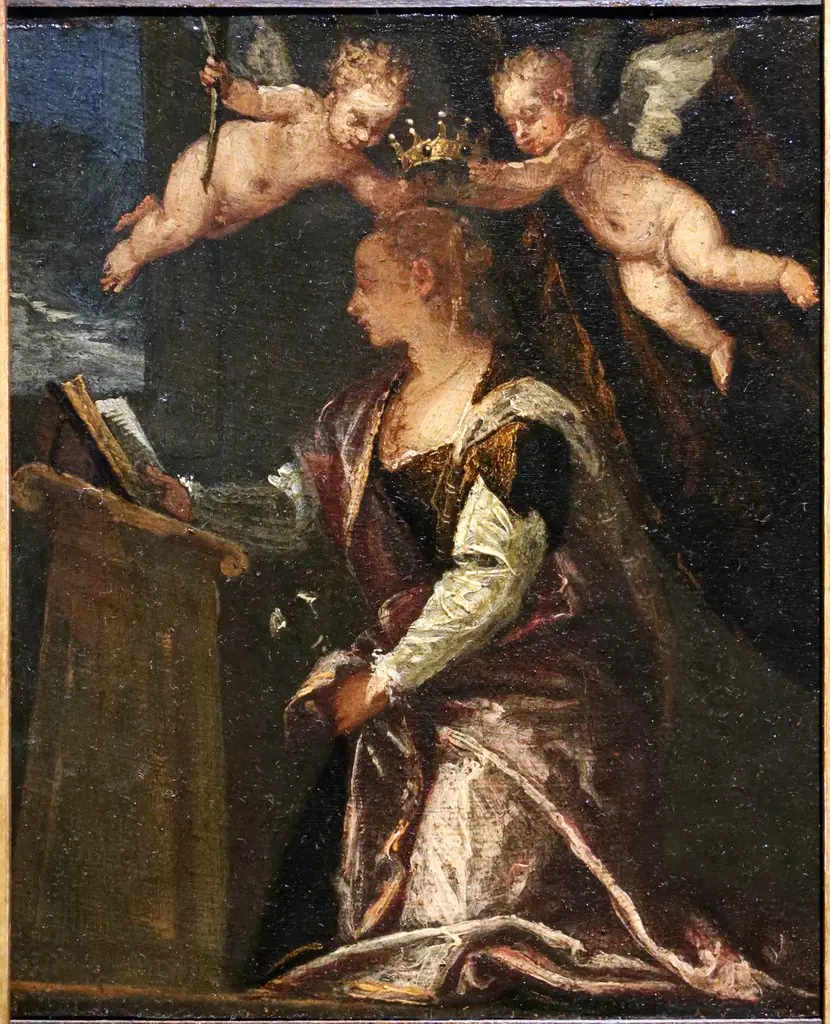 Saint Agatha crowned by Angels
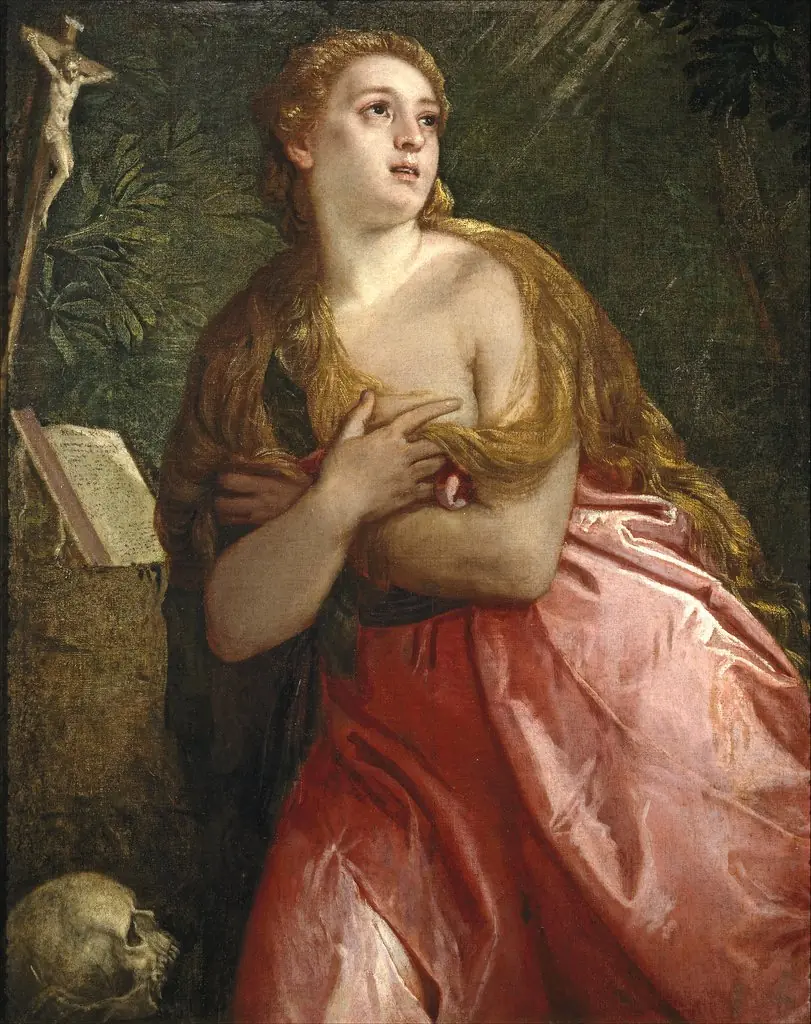 The Penitent Magdalen
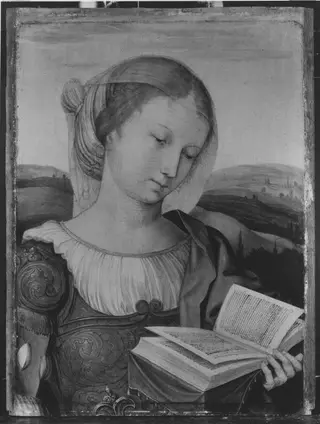 Saint Catherine of Alexandria
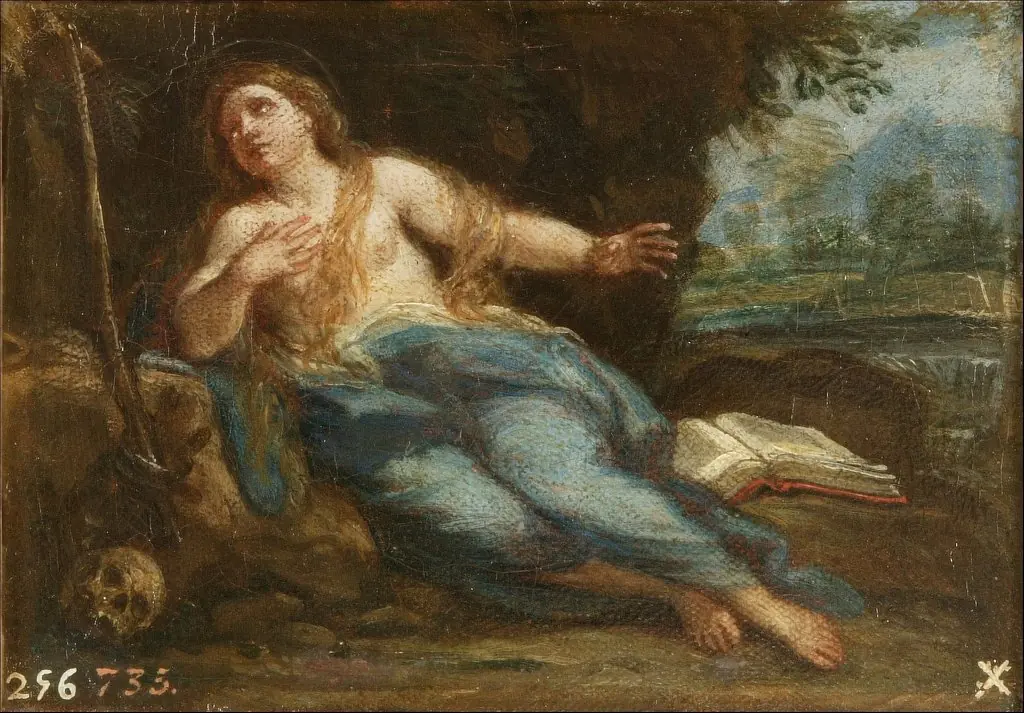 Magdalene in the desert
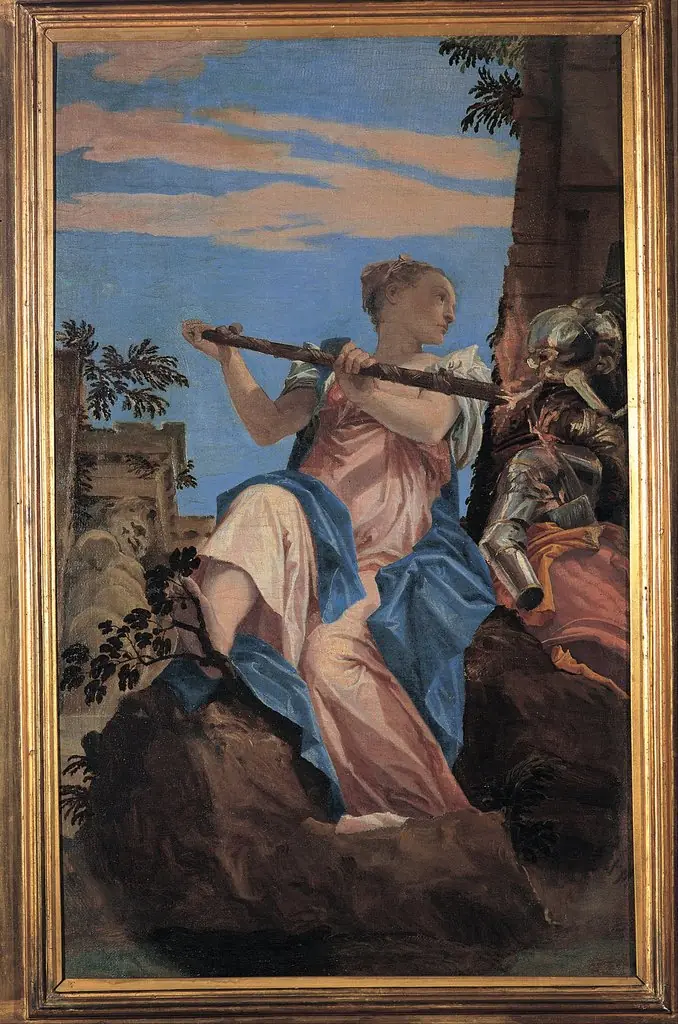 The Peace
 Heroines of the New Testament
 Girl with a Hornbook
 Saint Catherine of Alexandria – Fragment of a Triptych Wing
 Saint Barbara
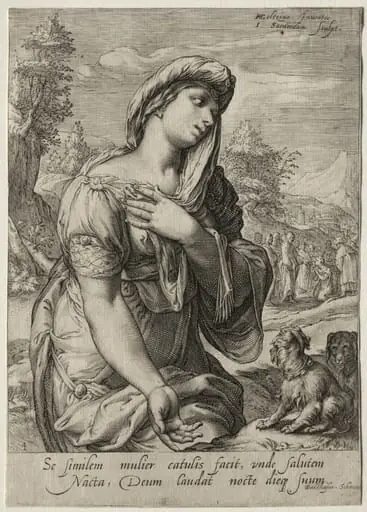 Heroines of the New Testament: The Canaanite
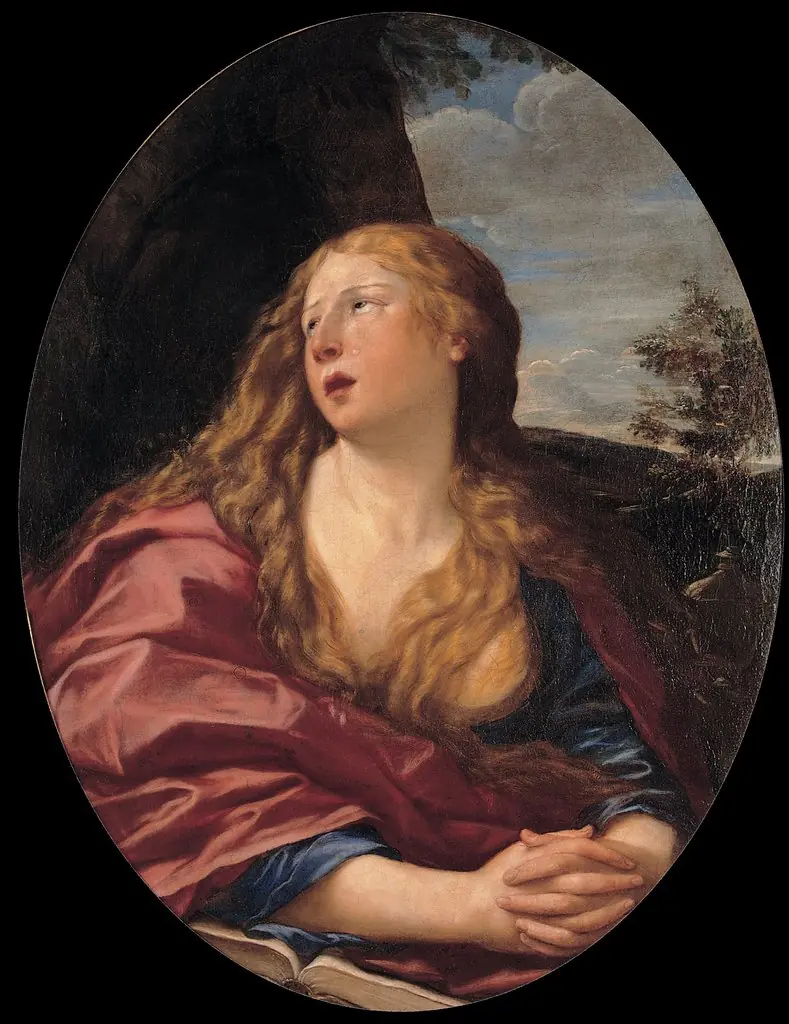 Penitent Magdalene