Artwork
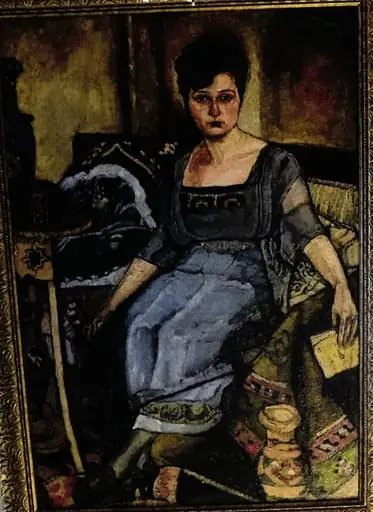
Portrait of Minna Tube
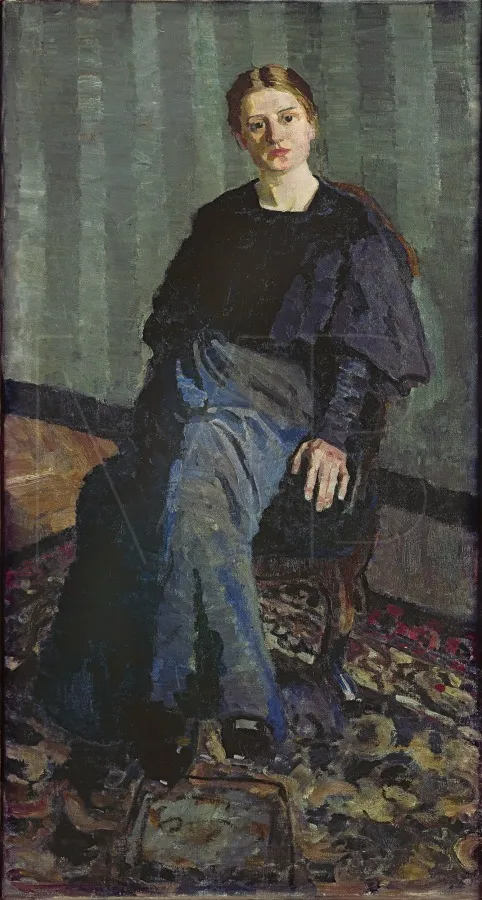
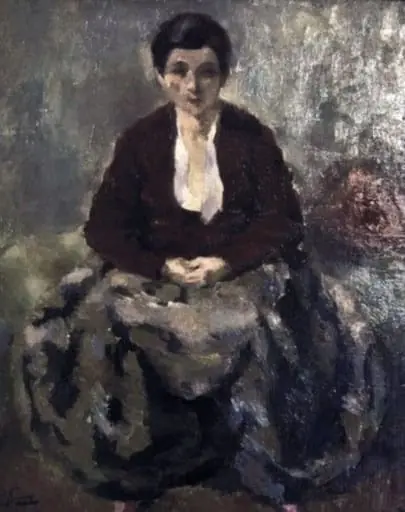
Portrait of Minna Tube is an oil painting by the German Expressionist artist Max Beckmann. It dates from 1905 and is held in the collection of the Hamburger Kunsthalle.
About this work
Overview
The portrait captures a quiet, inward presence, reflecting his evolving approach to human representation before his style became more angular and fragmented.
Painted in 1905, Portrait of Minna Tube is an early oil work by Max Beckmann, depicting his first wife, Minna Beckmann-Tube. The painting belongs to Beckmann’s formative period, preceding his later association with New Objectivity. Though often grouped with German Expressionism, Beckmann himself resisted the label.
The portrait captures a quiet, inward presence, reflecting his evolving approach to human representation before his style became more angular and fragmented.
Subject & Meaning
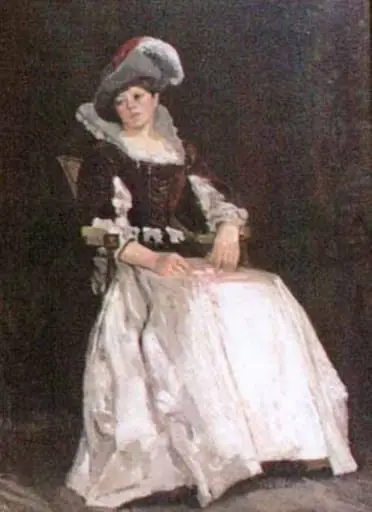
Minna Beckmann-Tube is portrayed in a composed, seated posture, her gaze directed outward with a reserved intensity. Her stillness and the absence of narrative context suggest psychological depth rather than social documentation. The somber tone and restrained gestures convey an introspective mood, possibly reflecting the private dynamics of their early marriage. Beckmann’s focus on her demeanor, rather than adornment or setting, emphasizes emotional presence over external identity.
Technique & Style
Beckmann employs chiaroscuro to model the figure with subtle gradations of light and shadow, lending volume to Minna’s form against a muted background. The dark, high-collared dress contrasts with her pale skin, drawing attention to her face and hands. The patterned rug introduces a restrained burst of color, grounding the composition without distracting. Brushwork is controlled yet expressive, balancing realism with a heightened emotional tone characteristic of his early phase.
History & Provenance
Created during Beckmann’s early career in Berlin, the portrait was painted shortly after his marriage to Minna in 1903. It remained in the artist’s personal collection for decades, later passing through private hands before entering a public institution. Its survival as a documented early work offers insight into Beckmann’s domestic life and artistic development prior to the upheavals of World War I and his stylistic shifts in the 1920s.
Context
In early 20th-century Germany, artists were redefining portraiture beyond academic conventions. Beckmann’s work emerged amid broader shifts toward psychological realism and emotional intensity. While contemporaries embraced bold color and distortion as hallmarks of Expressionism, Beckmann’s approach here was more restrained, rooted in observation yet charged with inner tension, foreshadowing his later departure from expressive abstraction toward a more structured, critical realism.
Legacy
This portrait stands as a quiet anchor in Beckmann’s oeuvre, illustrating his transition from traditional figuration toward a more personal, psychologically charged language. Though overshadowed by his later, more dramatic works, it reveals the foundations of his enduring interest in the human condition. Its preservation allows scholars to trace the evolution of his vision, from intimate observation to monumental allegory, without the filter of later stylistic extremes.
Artist & collection
Artist
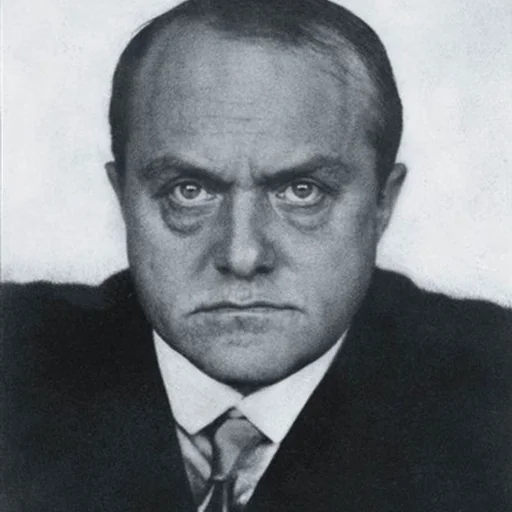
Max Carl Friedrich Beckmann (February 12, 1884 – December 27, 1950) was a German painter, draftsman, printmaker, sculptor, and writer.