Artwork
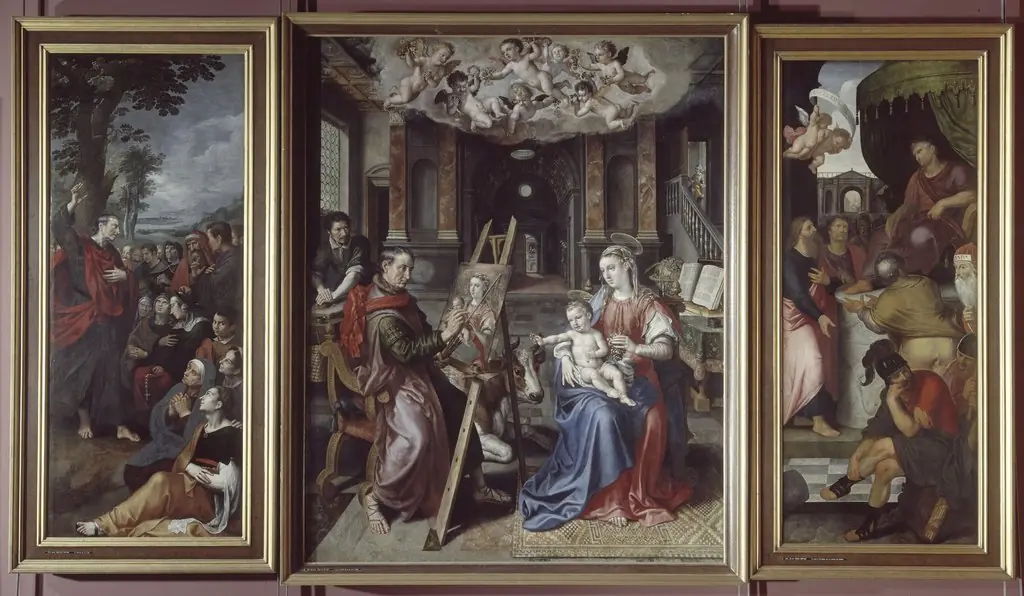
Zijluiken van het altaarstuk van de meerseniers
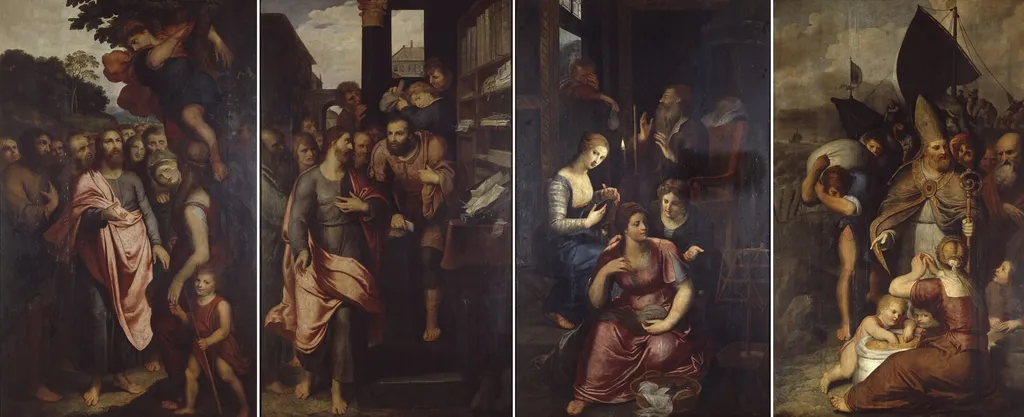
Zijluiken van het altaarstuk van de meerseniers is an oil painting by the Dutch Golden Age artist Otto van Veen. It dates from 1602 and is held in the collection of the Royal Museum of Fine Arts Antwerp.
About this work
Overview
Its compact format and detailed imagery reflect the Northern European tradition of portable altarpieces used in private and institutional worship.
Created around 1602 by Otto van Veen, this set of four hinged panels forms part of a larger altarpiece commissioned for the Meerseniers, a guild of merchants in Antwerp. Executed in oil on panel, the work was designed to flank a central religious scene, serving both devotional and civic functions. Its compact format and detailed imagery reflect the Northern European tradition of portable altarpieces used in private and institutional worship.
Subject & Meaning
Each panel illustrates a distinct narrative, likely drawn from biblical or hagiographic sources. The figures in pink, blue, and red garments, along with the boat scene, suggest episodes involving saints or moral parables relevant to merchant patrons. The inclusion of books, domestic interiors, and maritime imagery may symbolize piety, learning, and the perils of trade, values central to the guild’s identity and spiritual aspirations.
Technique & Style
Van Veen employed oil paint with meticulous brushwork, characteristic of Northern Renaissance practice. Subtle chiaroscuro models forms to create spatial depth, while fine details in fabric, architecture, and facial expressions enhance realism. The composition avoids dramatic spectacle, favoring quiet, intimate moments that invite contemplation, aligning with the devotional purpose of the altarpiece.
History & Provenance
Commissioned for the Meerseniers guild in Antwerp, the panels were originally part of a triptych or polyptych altar. They remained in the city’s religious and civic context until the 19th century, when they entered the collection of the Royal Museum of Fine Arts Antwerp. Their survival as a complete set is uncommon, as many such panels were dispersed or lost during periods of iconoclasm and institutional reorganization.
Context
In early 17th-century Antwerp, guilds frequently commissioned religious art to affirm their social standing and spiritual devotion. Van Veen, a leading painter and teacher, blended Italianate composition with Flemish detail, bridging regional and international styles. These panels reflect the intersection of commerce, faith, and civic pride in a city still recovering from religious conflict and economic transformation.
Legacy
Though less widely known than Van Veen’s larger altarpieces, these panels exemplify the quiet sophistication of guild-sponsored religious art in the Southern Netherlands. Their preservation offers insight into the devotional habits of urban elites and the role of art in reinforcing communal identity. They remain a key reference for understanding the diversity of Flemish painting beyond major public commissions.
Artist & collection

Artist
Otto van Veen, was a painter, draughtsman, and humanist active primarily in Antwerp and Brussels in the late 16th and early 17th centuries.

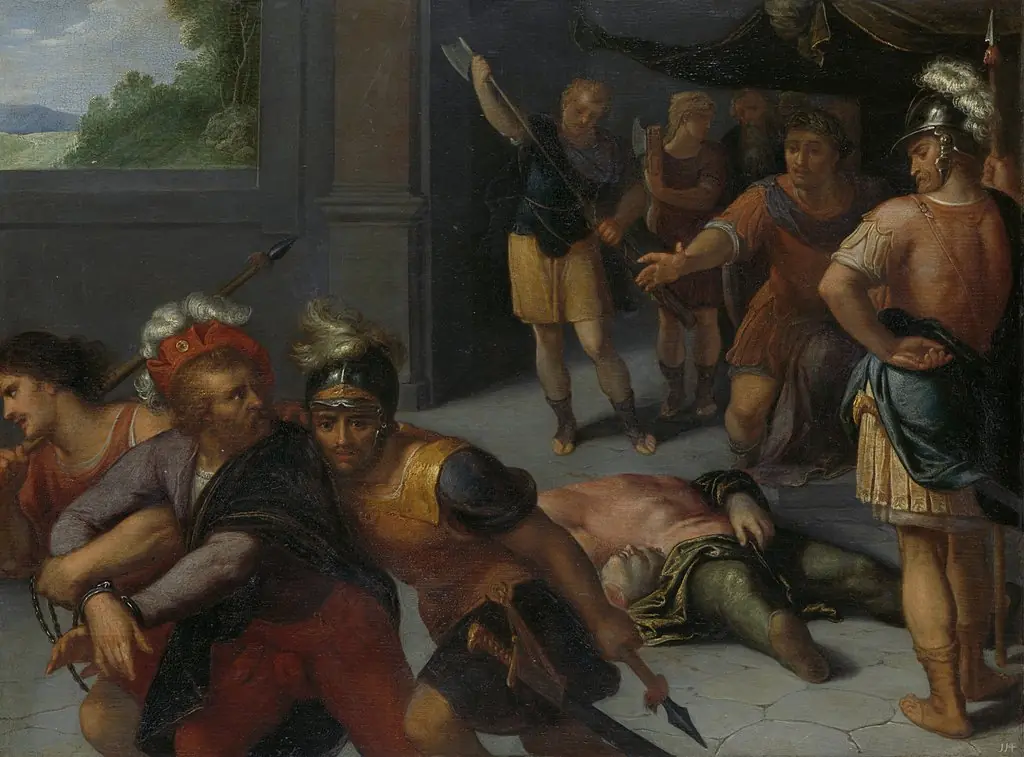 Beheading of Julius Paulus and Imprisonment of Claudius Civilis
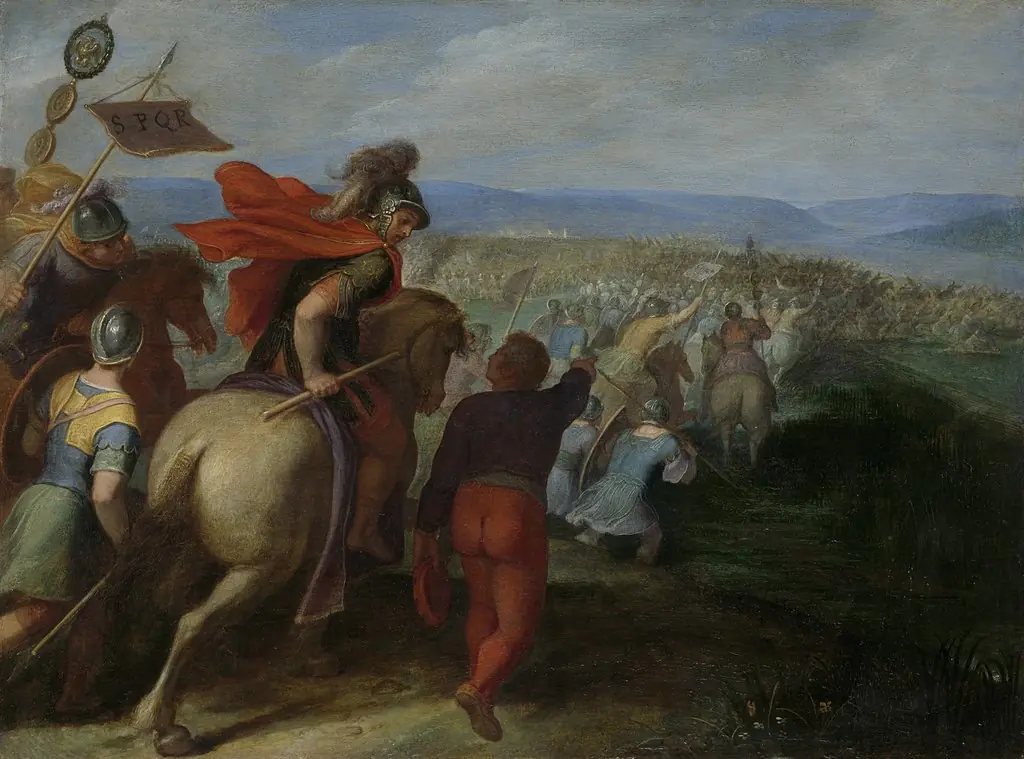 The Romans under Cerealis Defeat Claudius Civilis and the Batavians following betrayal from within
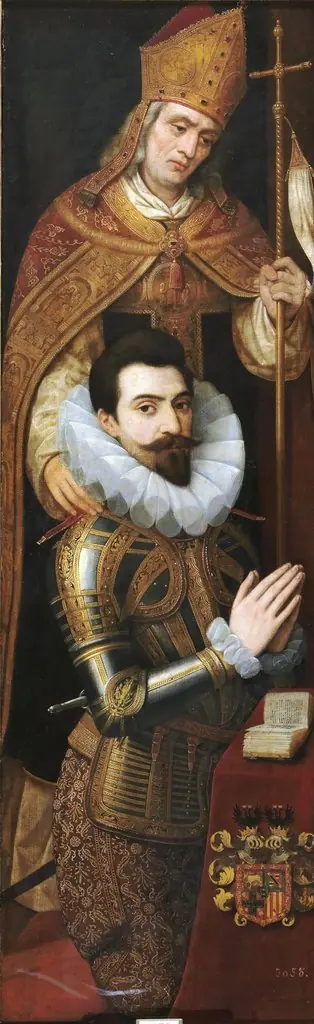 Alonso de Idiáquez duque de Ciudad Real (Cittá-Reale en Nápoles)
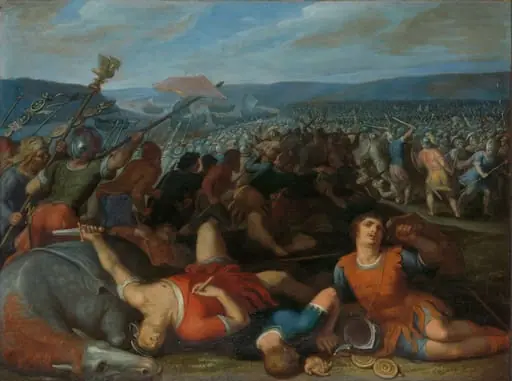 De Bataven verslaan de Romeinen bij de Rijn
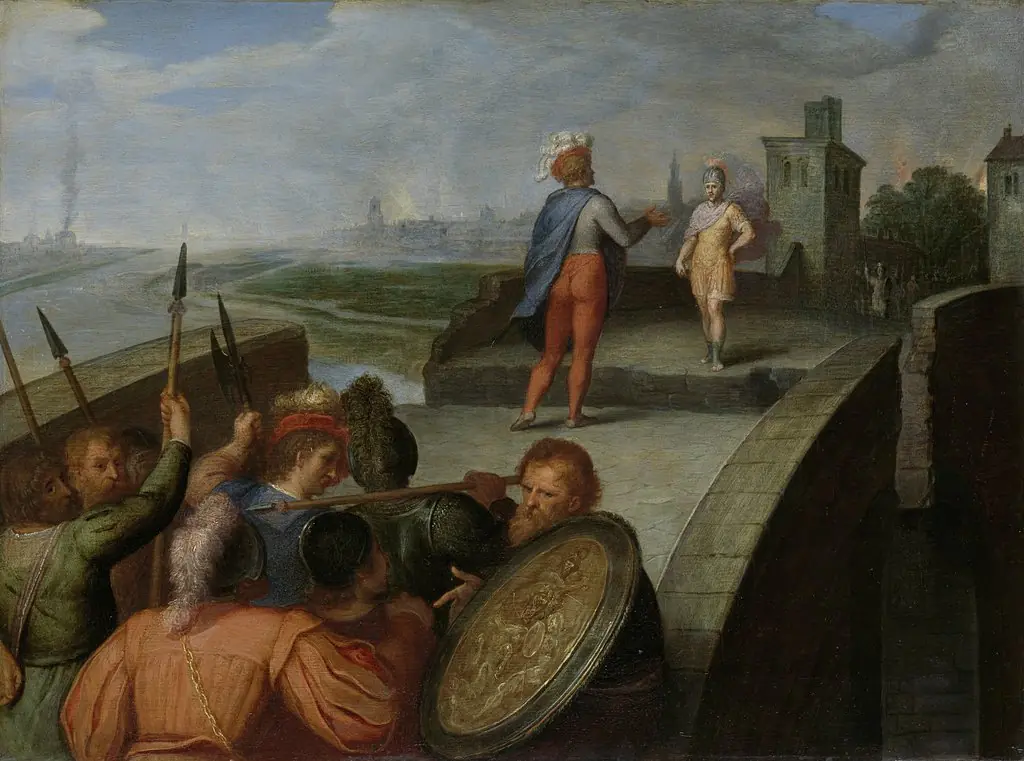 Peace Negotiations between Claudius Civilis and Cerealis
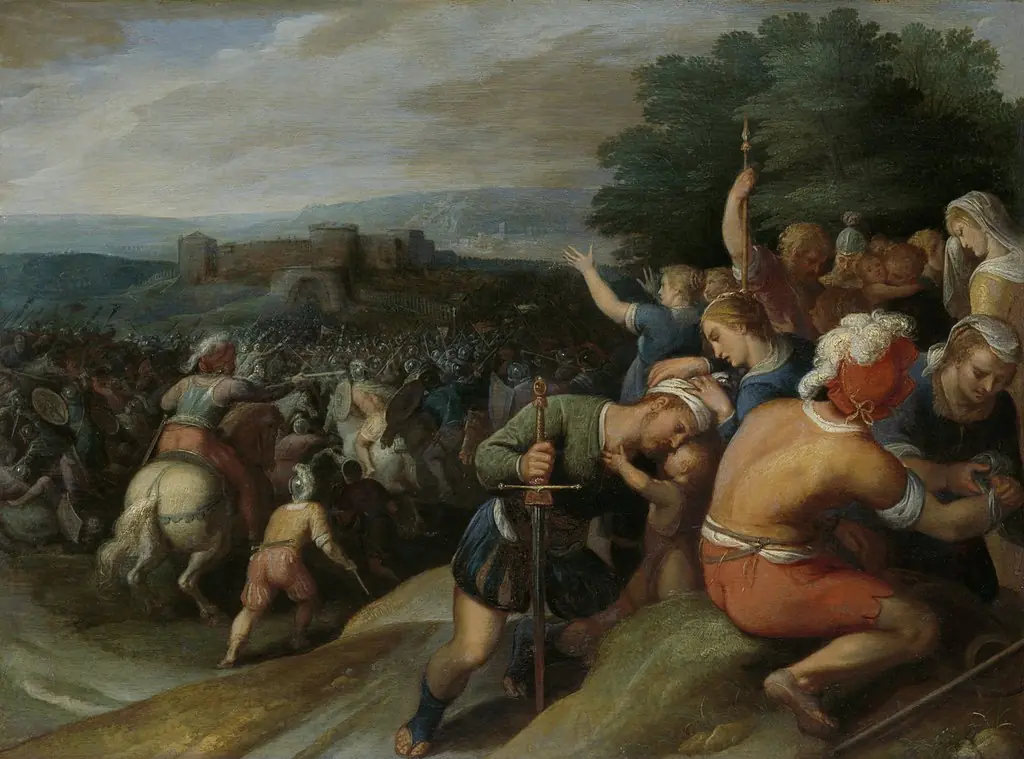 The Batavians Surround the Romans at Vetera
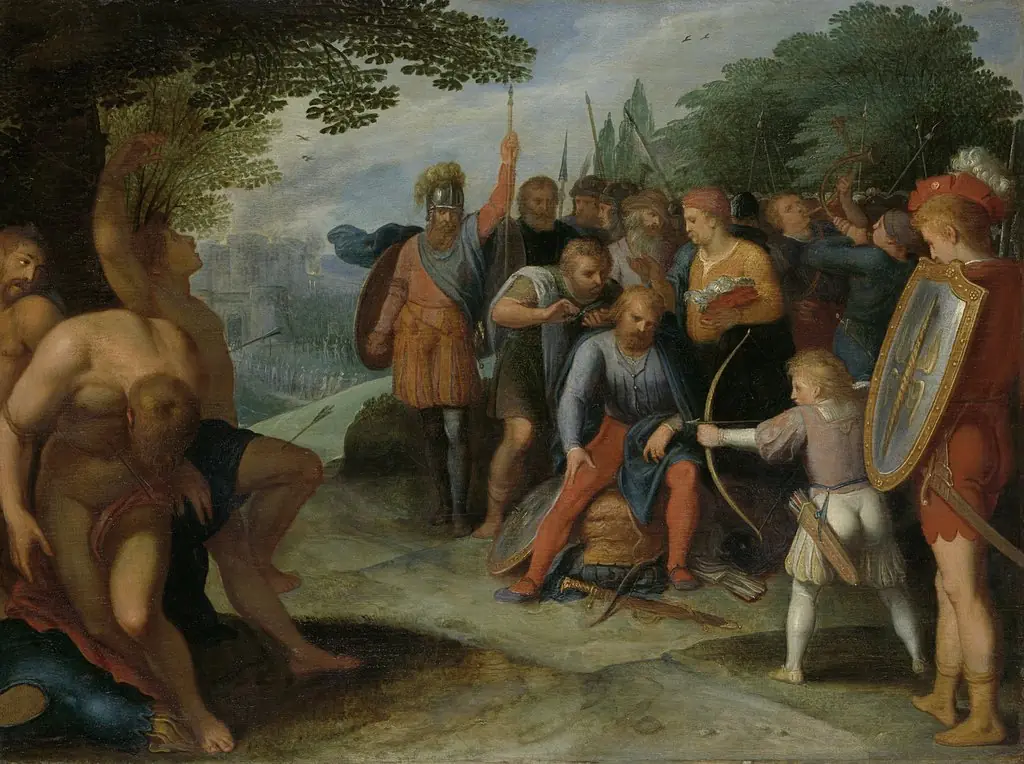 After the Fall of Vetera Castra Claudius Civilis has his hair cut while his son shoots some prisoners
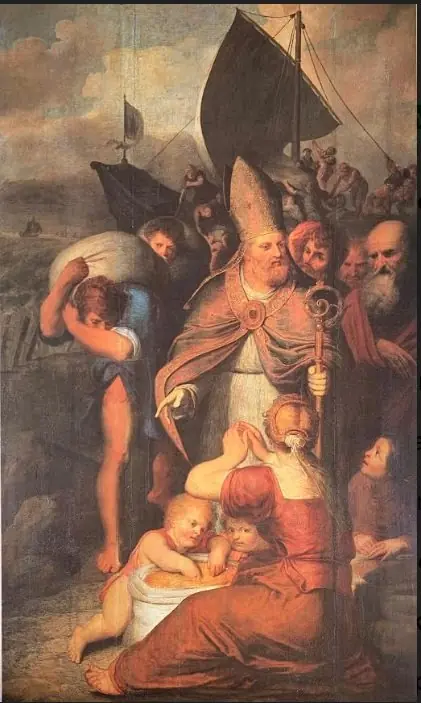 During a Famine in Myra Saint Nicholas Saves the People
- The Calling of Matthew
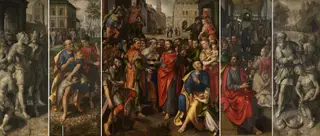 Altarpiece of the Guild of the Minters
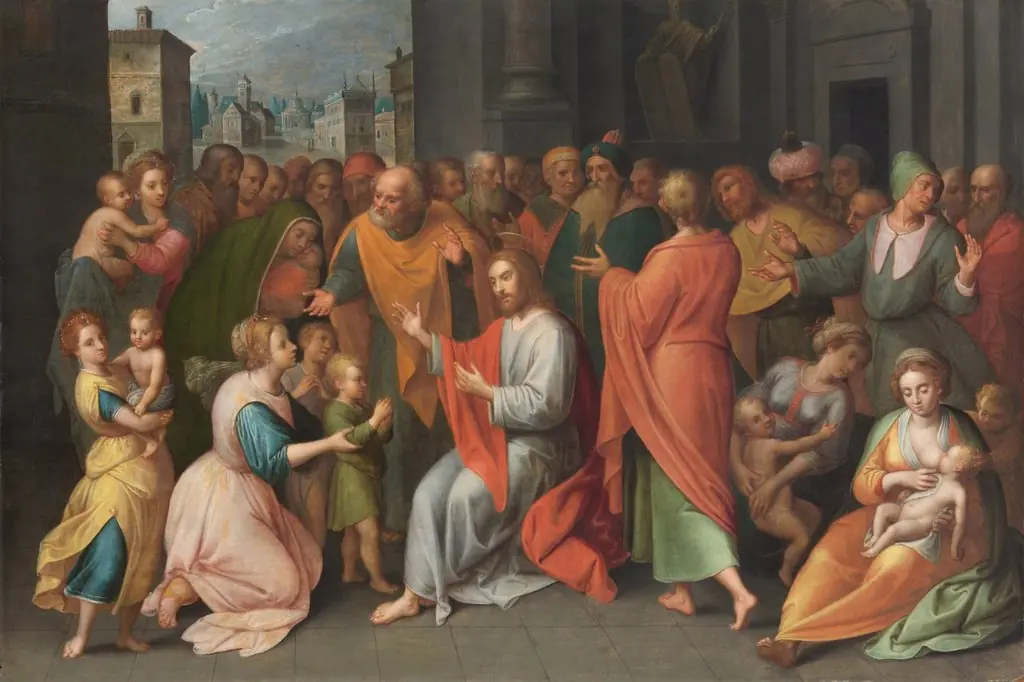 Christ blessing the children
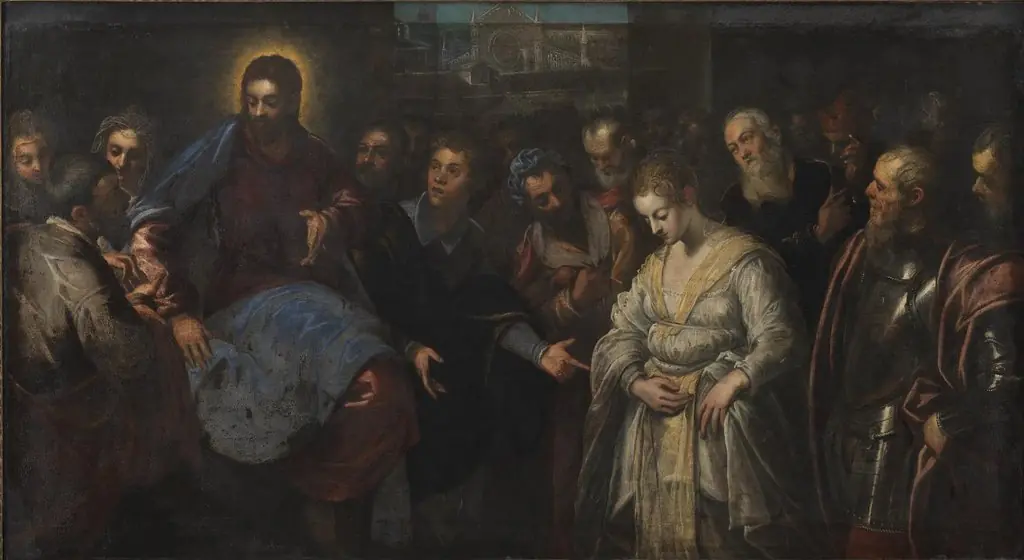 Christ and the Adulteress
 Christ and the Adulteress
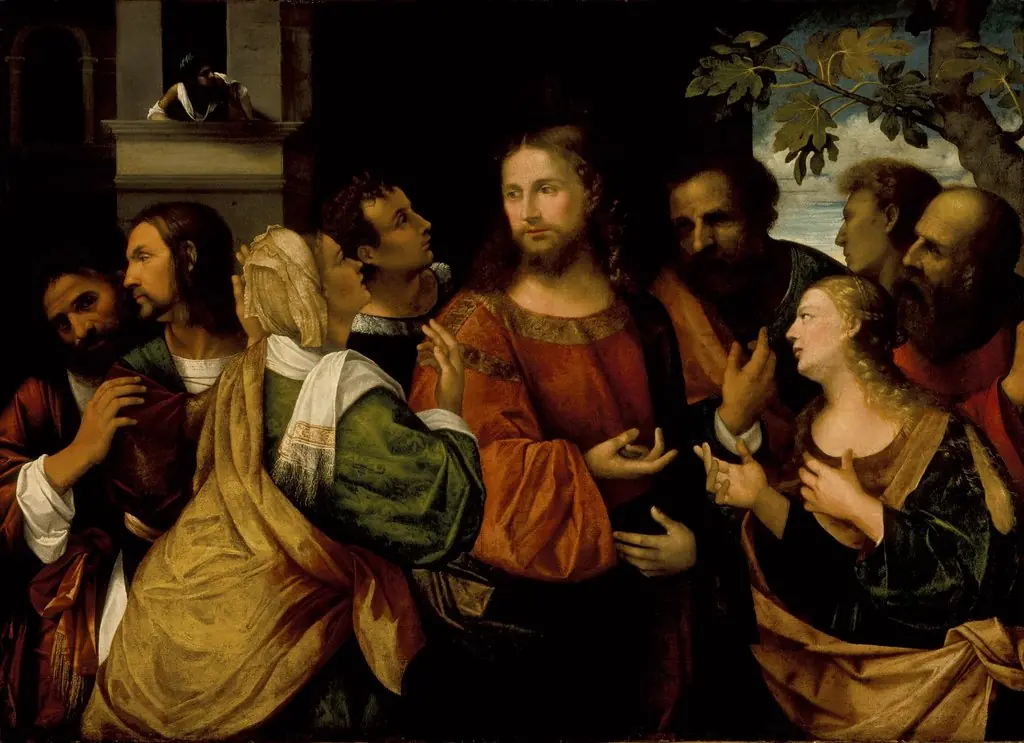 Christ and the Women of Canaan
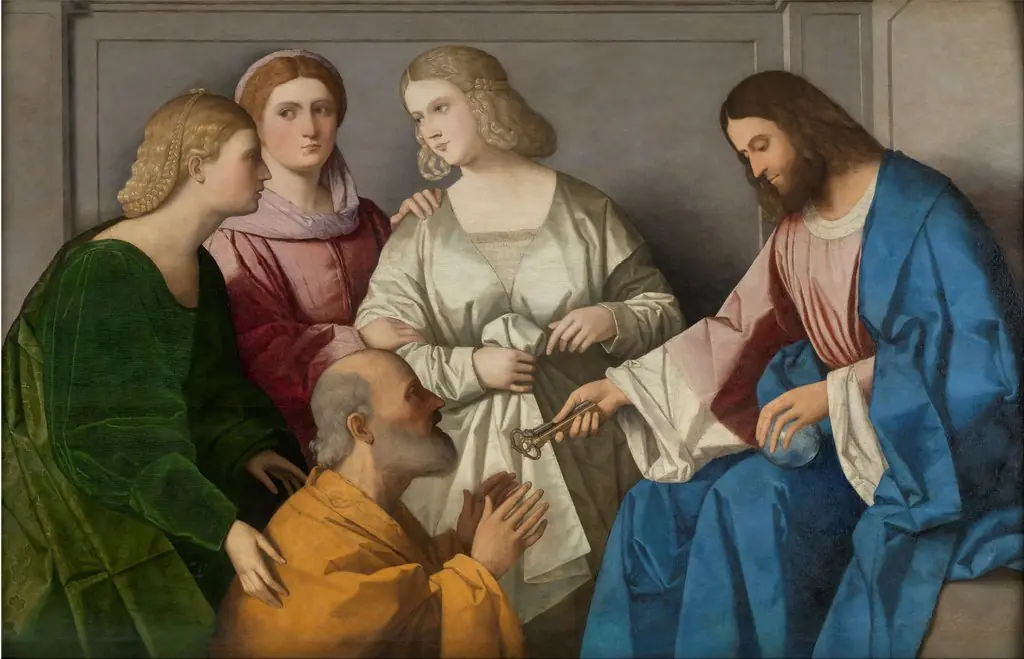 Christ giving the Keys to Saint Peter
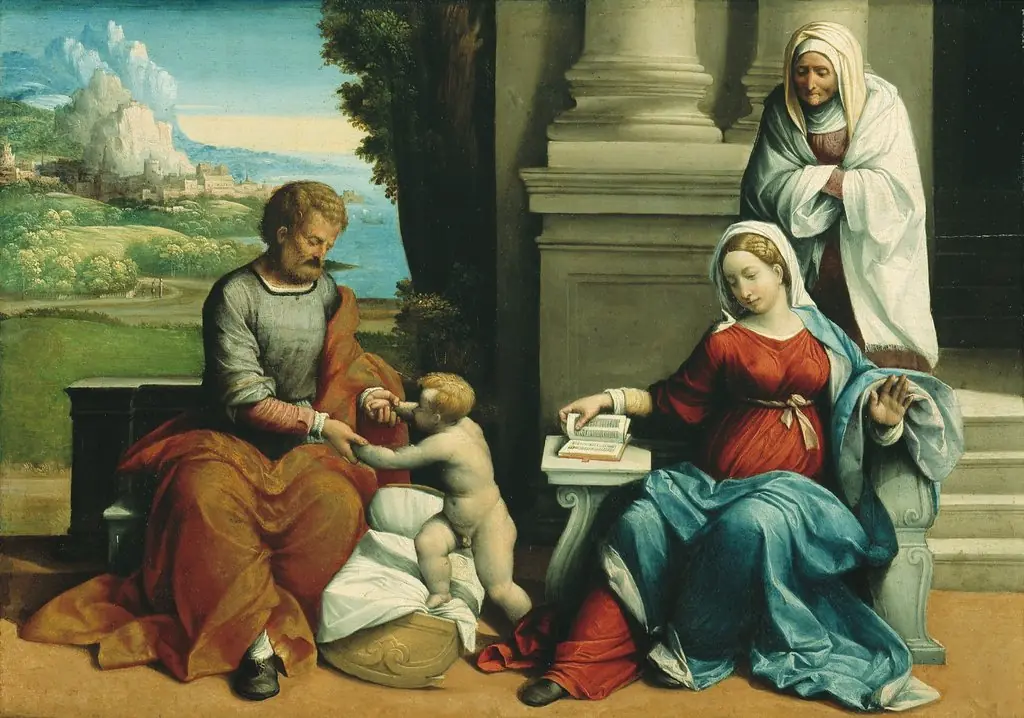 Holy Family with St. Anne
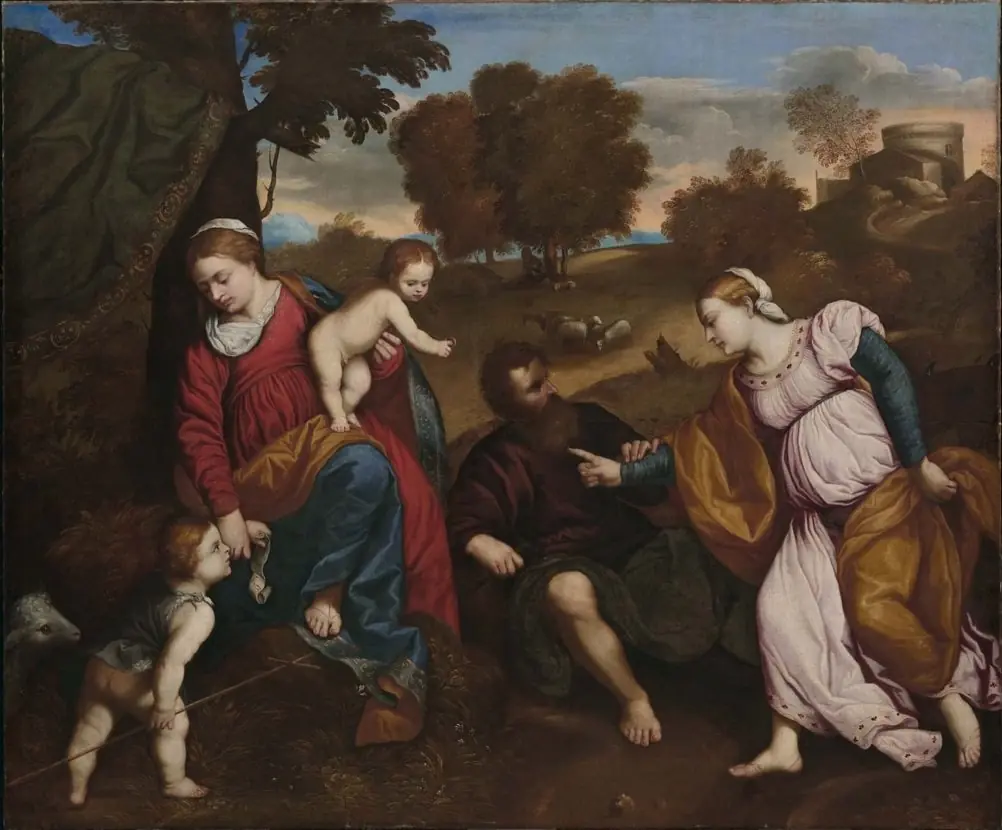 The Mystic Marriage of Saint Catherine
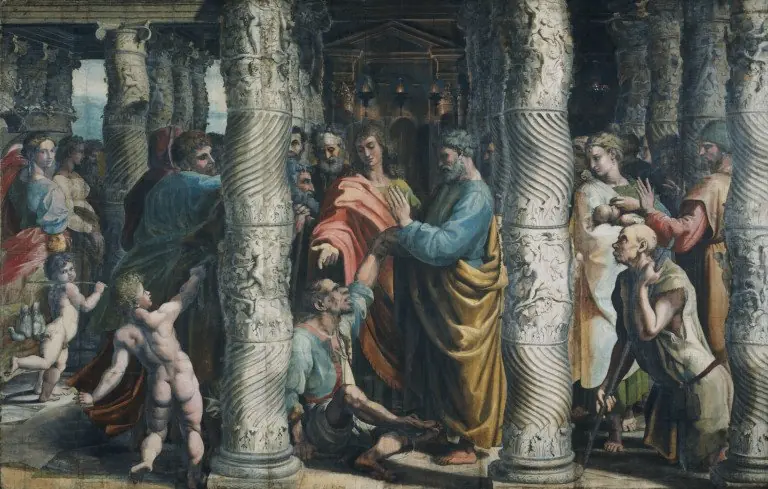 The Healing of the Lame Man
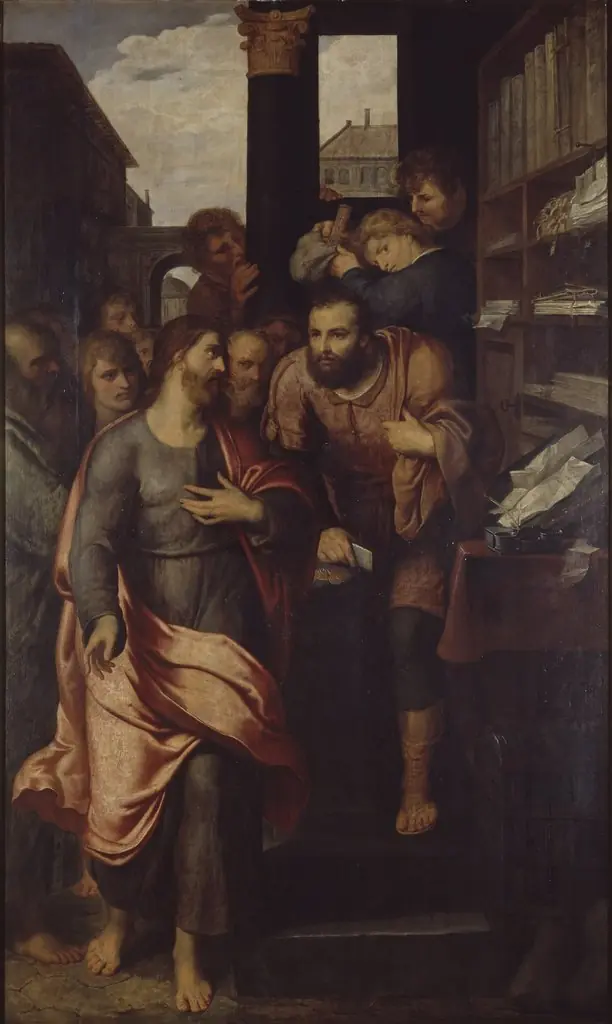
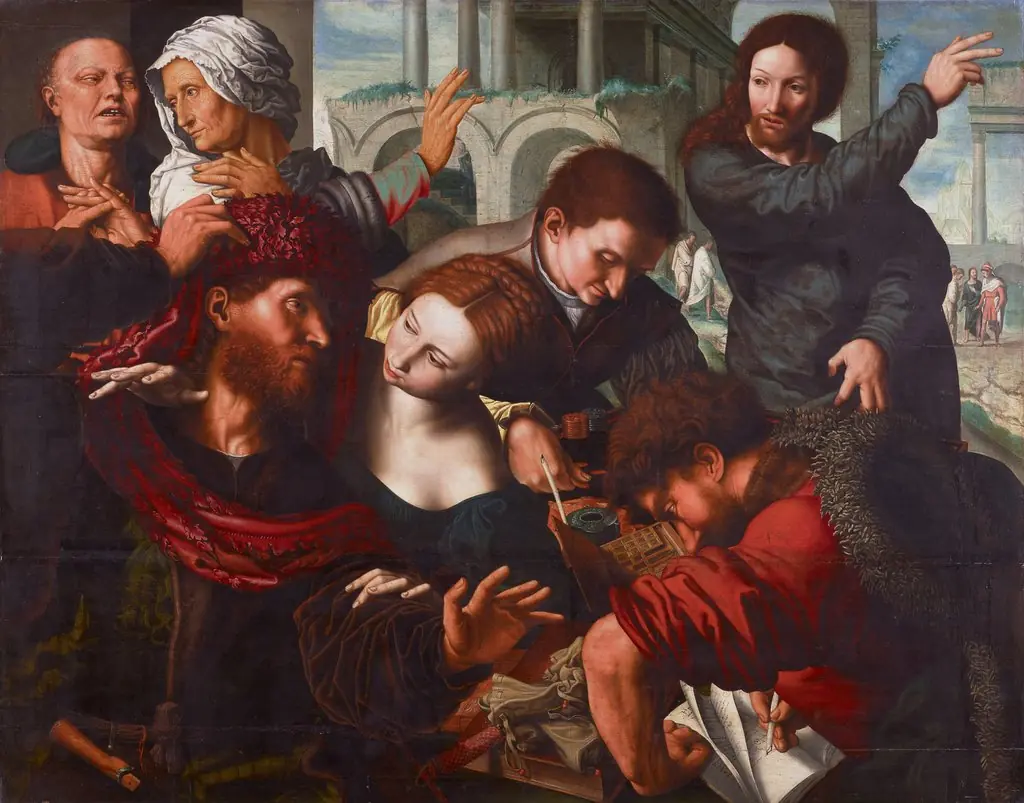 The Calling of Saint Matthew
 Altarpiece of the Guild of Saint Luke