Artwork
Healing in the Temple
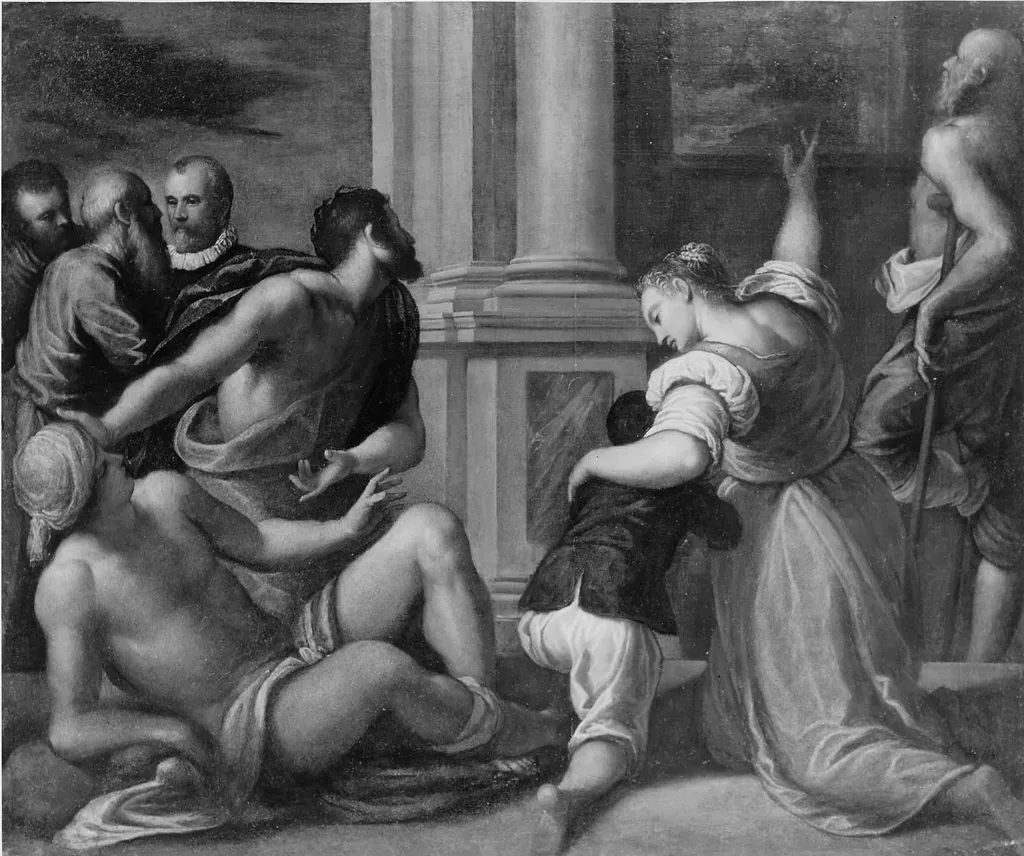
Healing in the Temple is an oil painting by the Venetian Renaissance artist Palma il Giovane. It dates from 1594 and is held in the collection of the Museum of Fine Arts Boston.
About this work
Overview
Painted around 1594 by Palma il Giovane, this oil on canvas work depicts a moment of divine intervention within a sacred space. Created shortly after the death of Tintoretto, the painting reflects Palma’s emergence as Venice’s leading painter, carrying forward the city’s late Renaissance traditions. It resides today in the Museum of Fine Arts, Boston, as part of its European collection.
Subject & Meaning
The scene portrays a healing miracle inside a temple, with a shirtless man kneeling as others gather around him.
The scene portrays a healing miracle inside a temple, with a shirtless man kneeling as others gather around him. A woman cradles a child while bystanders reach out or observe in quiet awe. The composition suggests a moment of spiritual intervention, where physical suffering meets communal faith.
No specific biblical narrative is named, but the setting and gestures evoke themes of mercy and divine presence.
Technique & Style
Palma employs chiaroscuro to model forms with dramatic light and deep shadow, emphasizing the textures of skin, fabric, and stone. The figures are rendered with naturalistic detail, their poses conveying tension and tenderness. The architectural backdrop, with towering columns and heavy drapery, creates spatial depth, while the controlled illumination focuses attention on the central group, enhancing emotional gravity.
History & Provenance
The painting was completed in the final year of Tintoretto’s life, a moment when Palma assumed greater prominence in Venetian art circles. It remained in private or ecclesiastical collections in Italy before entering the Museum of Fine Arts, Boston, in the early 20th century. Its provenance reflects its status as a significant work by a major Venetian master of the period.
Context
Created during the Counter-Reformation, the painting aligns with Catholic efforts to reaffirm the power of sacred miracles through visual art. Venetian painters like Palma balanced emotional intensity with classical composition, responding to both religious demands and aesthetic traditions. The temple setting, though not strictly biblical, evokes the authority of sacred space familiar to contemporary viewers.
Legacy
Palma’s work helped sustain the Venetian school’s legacy after Tintoretto’s death, bridging Mannerist expressiveness with emerging Baroque dynamism. While less celebrated today than his predecessors, this painting exemplifies his skill in narrative clarity and atmospheric lighting. It remains a key example of late 16th-century Venetian religious painting in American collections.
Own this work as a print
Artist & collection
Artist
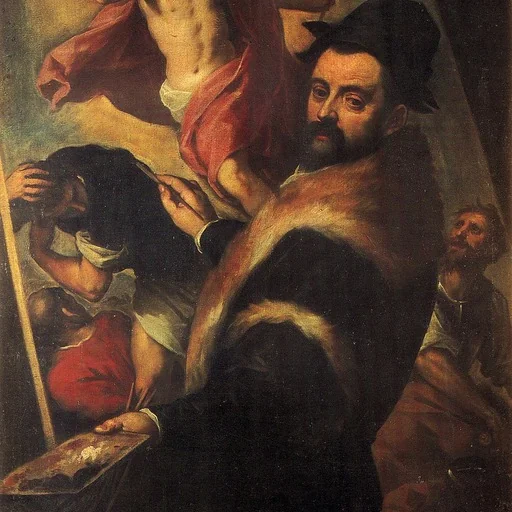
Iacopo Negretti (1548/50 – 14 October 1628), best known as Jacopo or Giacomo Palma il Giovane or simply Palma Giovane ('Young Palma'), was an Italian painter from Venice and a notable exponent of the Venetian school.

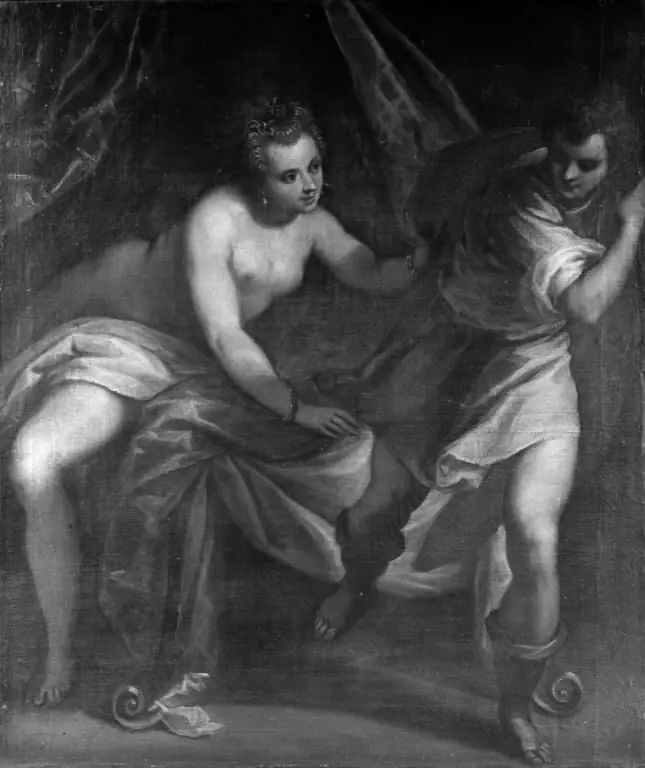
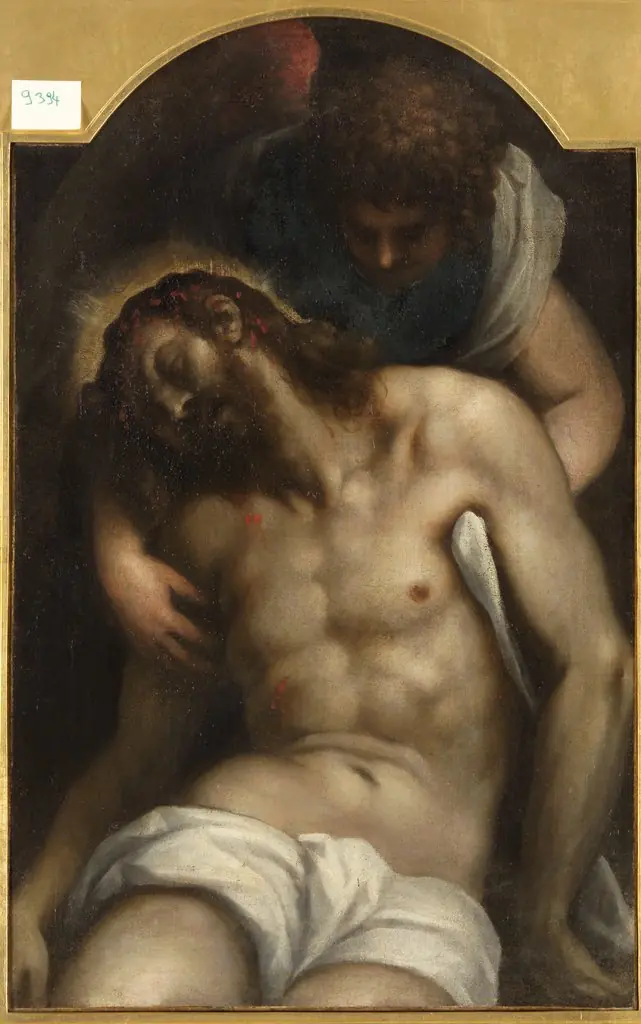
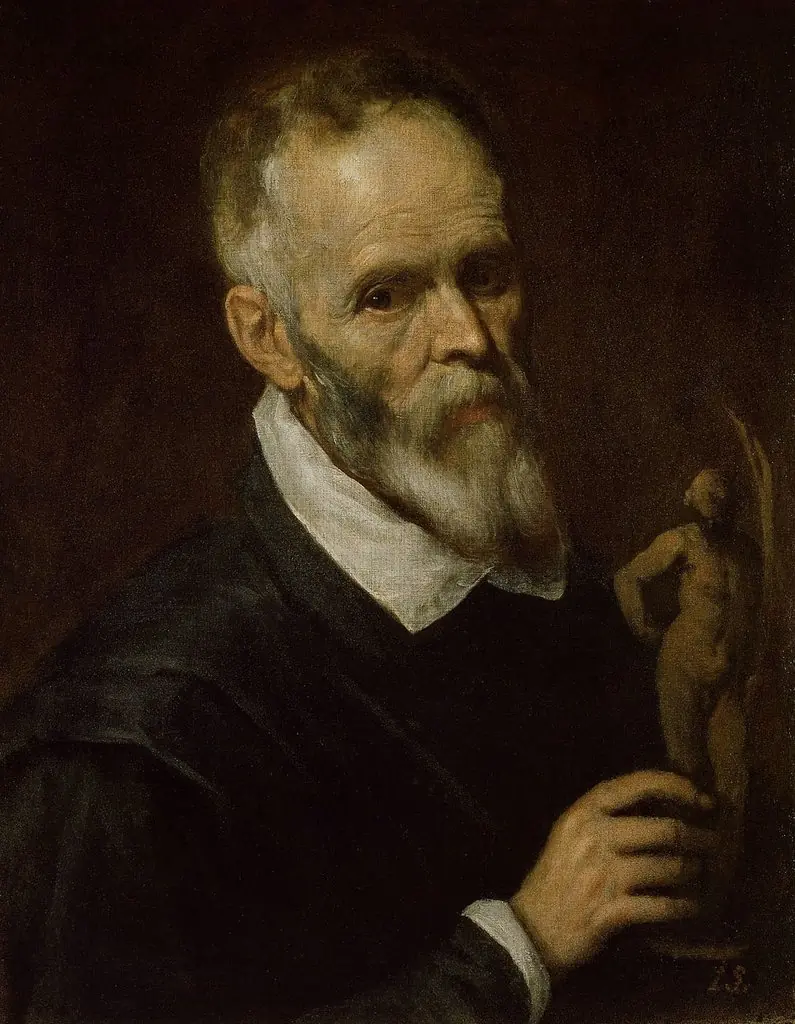
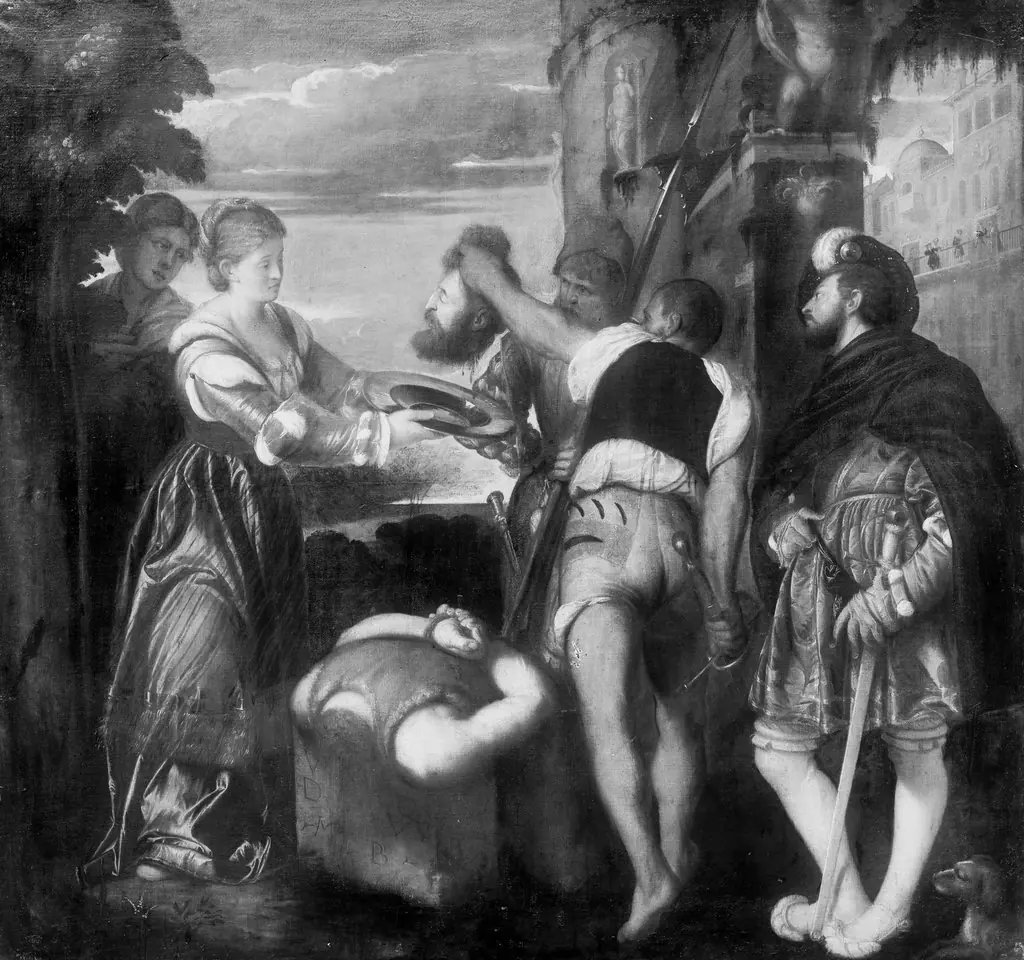
- Beheading of John the Baptist
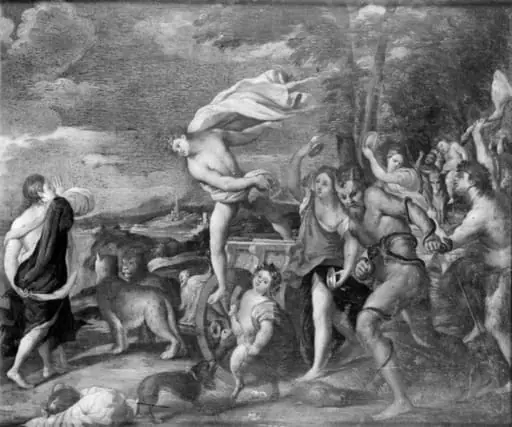 Bacchus and Ariadne
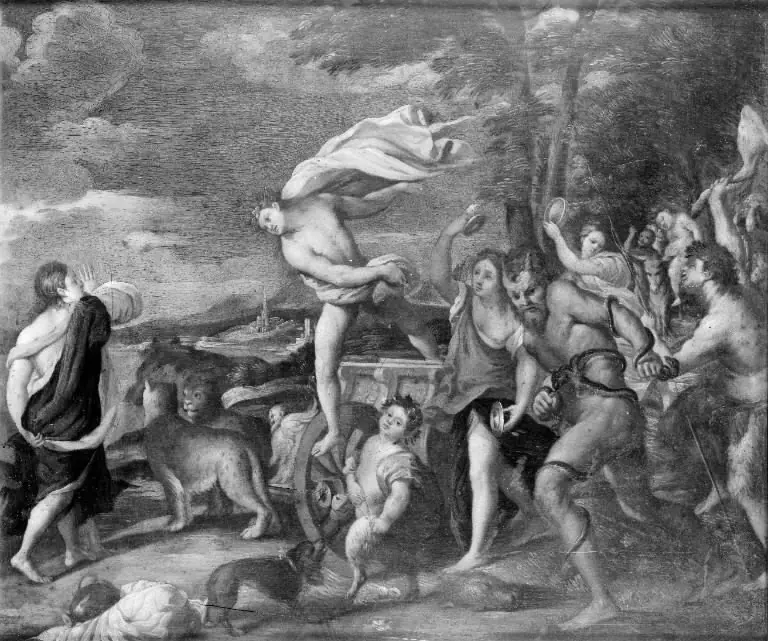 Bacchus and Ariadne
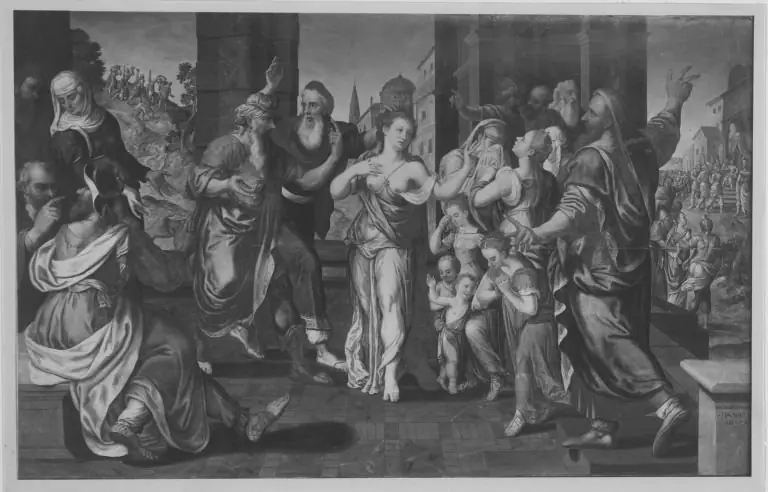 Die keusche Susanna
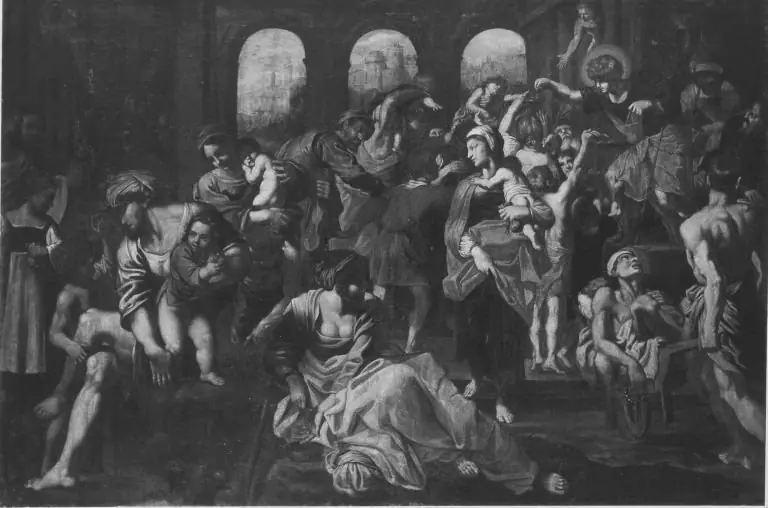 Der hl. Rochus verteilt Almosen
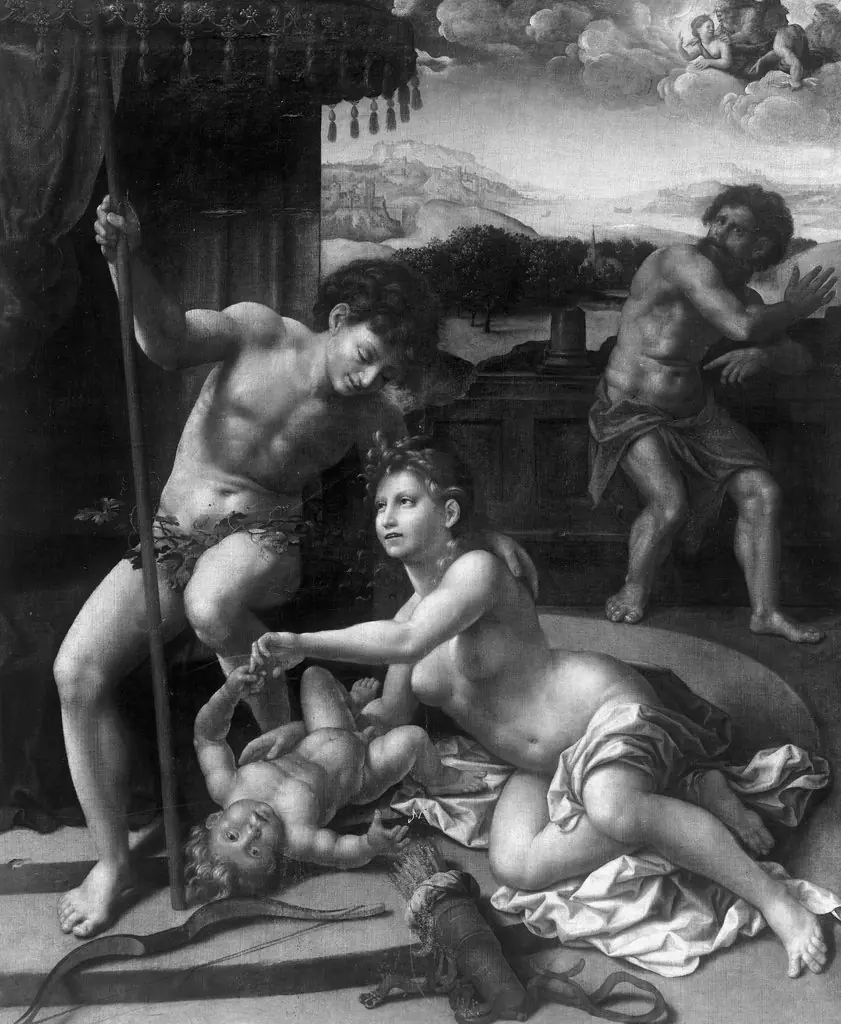 Mythological scene
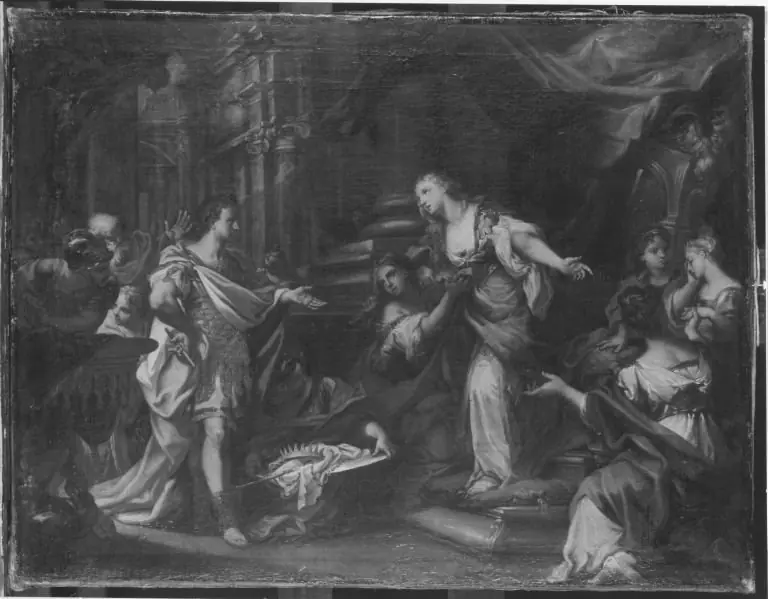 Cleopatra übergibt Augustus Krone uund Szepter
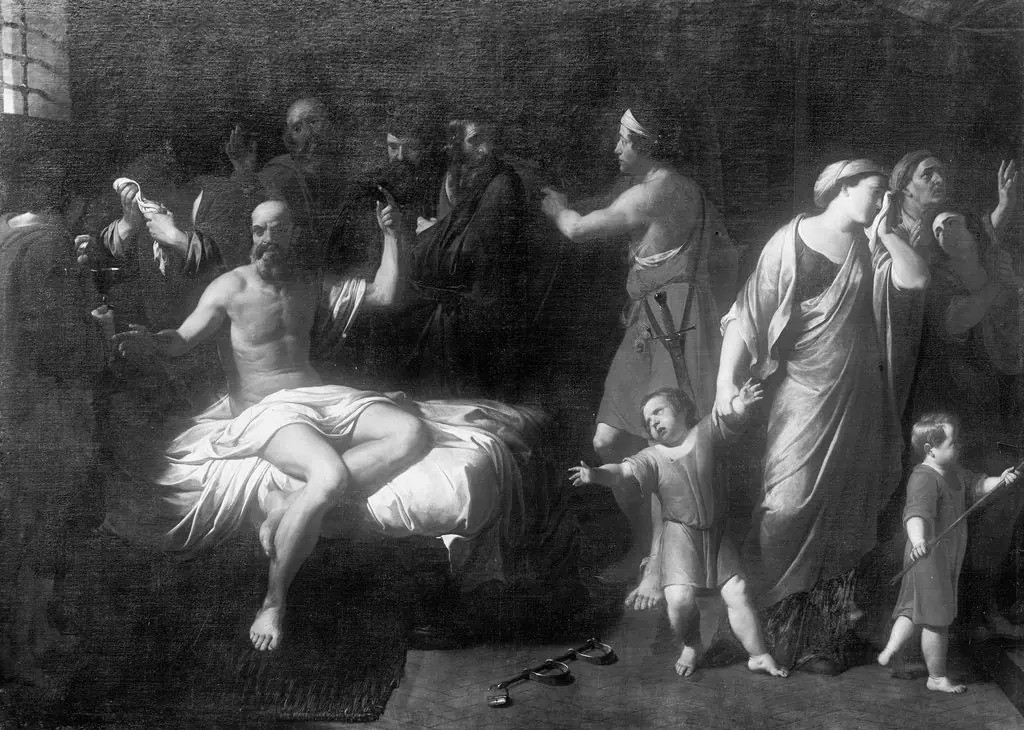 Socrates drinks the cup of poison
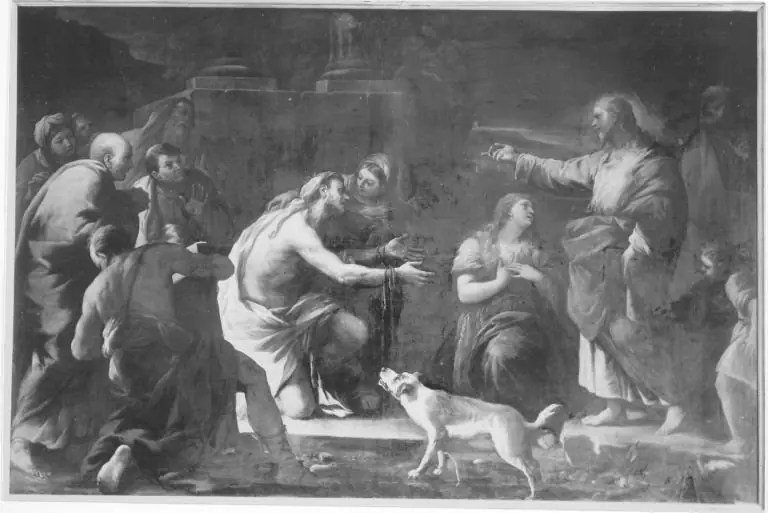 Raising Lazarus from the Dead
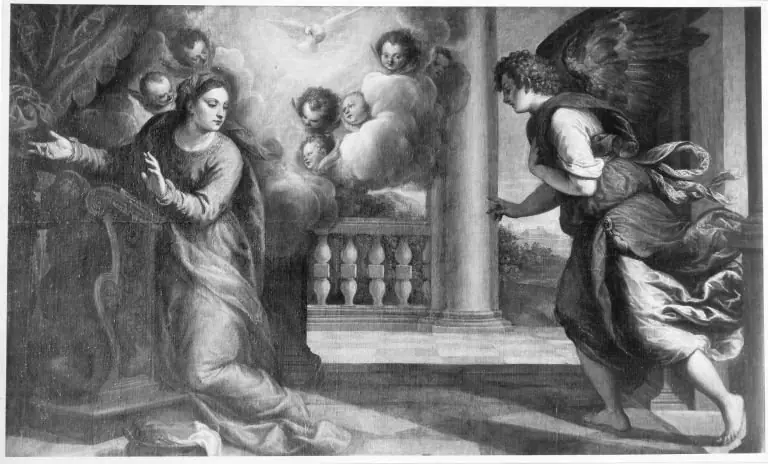 Verkündigung Mariä
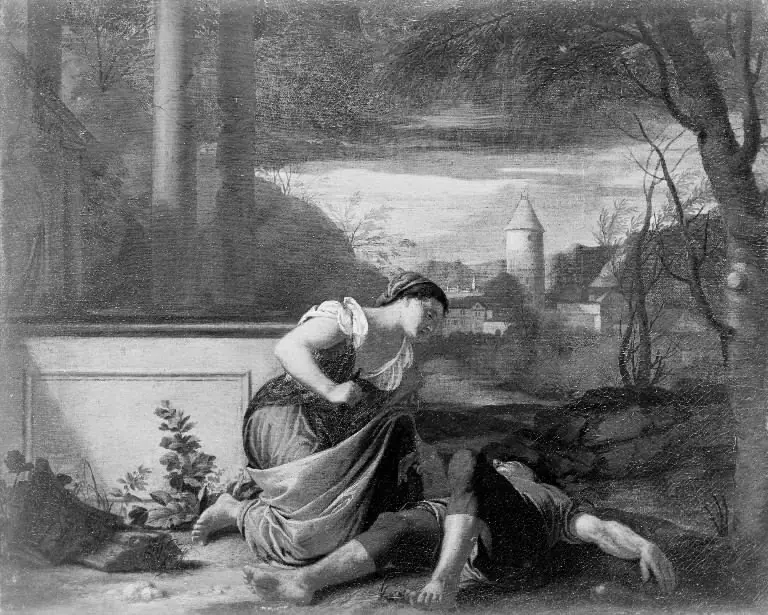 Thisbe's Suicide by the Body Pyramus
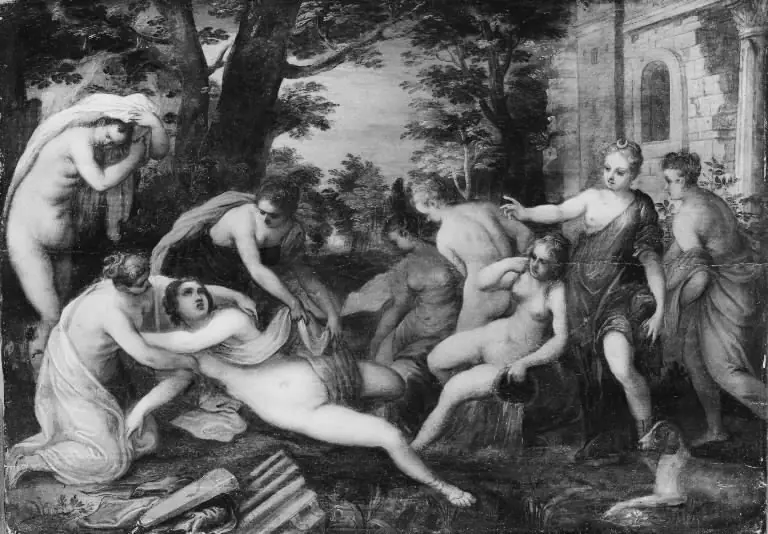 Callisto in Diana's Bath