Artwork
Madonna and Child
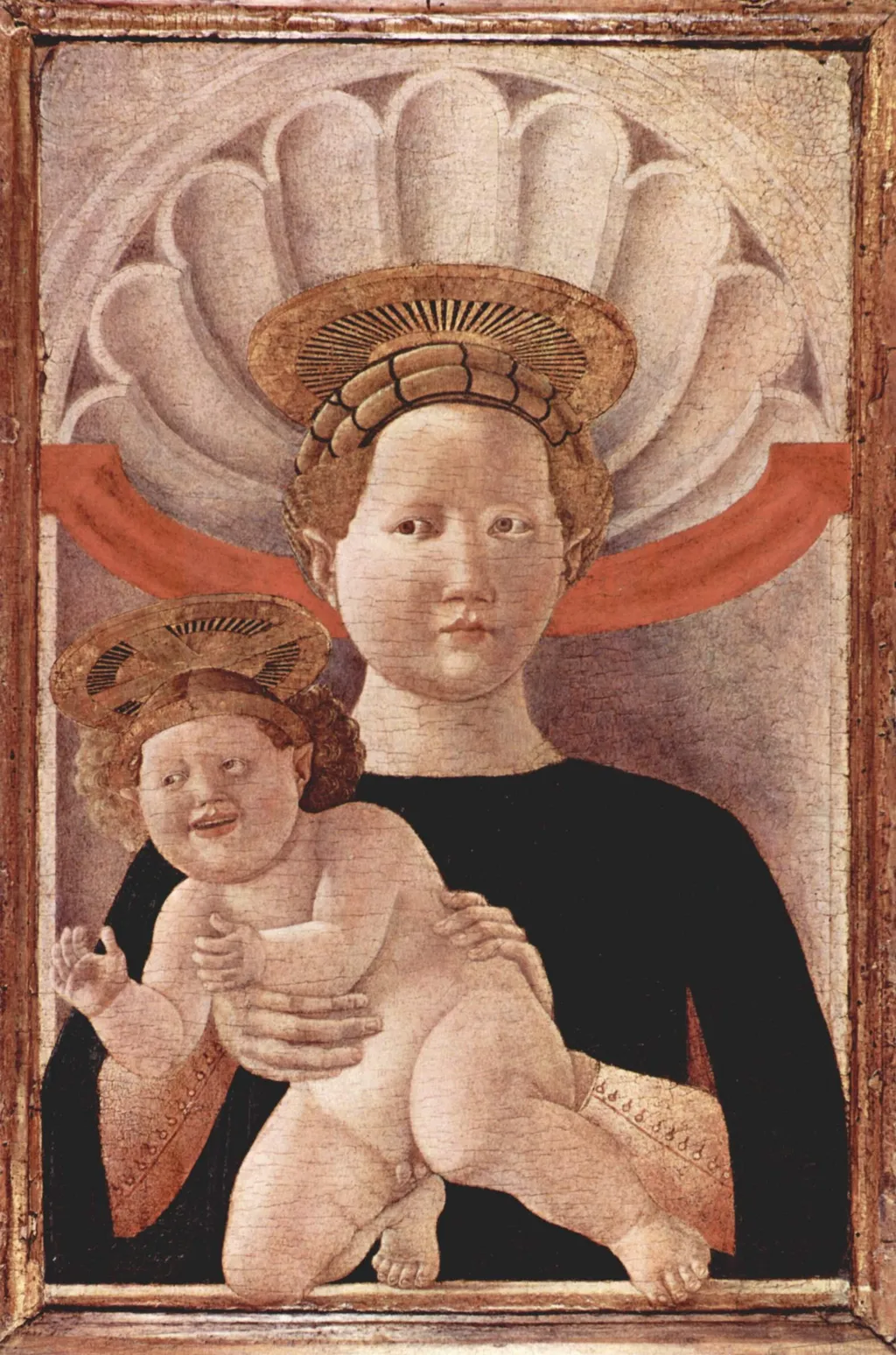
Madonna and Child is a tempera painting by the Early Renaissance artist Paolo Uccello. It dates from 1445 and is held in the collection of the National Gallery of Ireland.
About this work
Subject & Meaning
Both figures appear to gaze toward a small red bird, a symbol of the Passion, suggesting a devotional narrative centered on sacrifice.
The work portrays the Virgin Mary holding the infant Jesus within an architectural niche framed by a shell-shaped apse, a motif derived from Donatello and widely used by Renaissance sculptors such as Luca della Robbia. Mary is shown in profile, turned slightly to the left, wearing a black mantle that reveals sleeves fastened with numerous buttons and rendered with translucent silk-like texture; her face emerges from shadow through pronounced chiaroscuro, reflecting Masaccio's influence. The Child, depicted as a plump, golden-haired boy with loose curls, rests on a low sill that aligns with the picture frame's lower edge, gesturing as if to step beyond the painted border, while his mother gently restrains him.
Both figures appear to gaze toward a small red bird, a symbol of the Passion, suggesting a devotional narrative centered on sacrifice. The composition employs a restrained palette of reds, blacks, and cool flesh tones, with even lighting that models delicate details such as the Child's feet and the niche's recesses, characteristic of Uccello's meticulous study of light and perspective.
Technique & Style
The painting is executed in tempera on a wooden panel measuring 57 × 33 cm. The composition presents the Madonna at half-length within a shell-vaulted niche, a motif derived from Donatello that was widely adopted by contemporaries such as Filippo Lippi and the della Robbia brothers. Mary's elaborate braided hairstyle and black garments feature sleeves rendered with a translucent, silk-like quality, while her head is modeled with pronounced chiaroscuro that leaves part of her face realistically in shadow, reflecting the influence of Masaccio's light studies. The Christ Child, by contrast, is depicted with lively joy: he leans over a parapet that coincides with the lower frame edge, his left foot and right knee breaking the painted boundary in a particularly successful illusionistic device.
The restrained palette of reds, blacks, and ashen flesh tones is characteristic of Uccello's work, with light distributed uniformly even in unexpected recesses such as the Child's feet and the niche's depths. The halos are treated as golden discs tilted in perspective, indicating advanced optical study.
History & Provenance
Paolo Uccello created the tempera-on-panel painting Madonna and Child around 1445. Its precise chronology remains debated among scholars: some associate it with the artist's 1435 frescoes in the Chapel of the Assumption in Prato, while others place it in a later Florentine phase influenced by Filippo Lippi, citing the perspective treatment of the golden halo discs as evidence of more advanced studies. At an unspecified time the Virgin's figure was overpainted with a blue mantle, a modification later reversed during restoration.
The painting is held by the National Gallery of Ireland in Dublin, where it is catalogued in the museum's collection; no specific accession number or exhibition history is given in the available records.
Context
The dating of Paolo Uccello’s Madonna and Child has prompted scholarly debate. Some place it near the Assunta Chapel frescoes in Prato (1435), while others associate it with a later Florentine phase influenced by Filippo Lippi, citing the perspectivally tilted golden disks serving as halos as evidence of more advanced studies.
Stylistic analysis emphasizes the Madonna’s half-length figure within a shell-headed niche, a compositional motif popularized by Donatello and widely adopted by Lippi and the della Robbia family. The work’s restrained palette of reds, blacks, and ashen tones aligns with Uccello’s characteristic colorism, while his careful modeling of light across subtle areas, such as the Christ Child’s feet and the niche’s recesses, reflects the chiaroscuro innovations associated with Masaccio’s circle.
Restoration revealed an overpainted ultramarine mantle applied in a later period, later removed to recover the original scheme.
Overview
Created in 1445 by the Florentine artist Paolo Uccello, this tempera panel belongs to the early Renaissance. It presents a devotional image of the Virgin Mary cradling the infant Christ, both surrounded by luminous halos. The composition is modest in scale and now resides in the National Gallery of Ireland.
Own this work as a print
Artist & collection
Artist
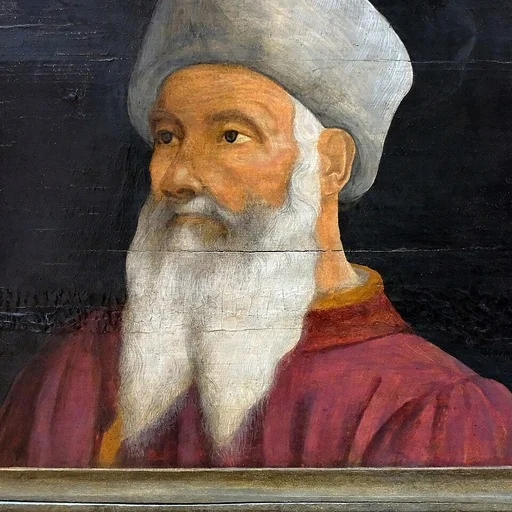
Paolo Uccello ( oo-CHEL-oh, Italian:; 1397 – 10 December 1475), born Paolo di Dono, was an Italian Renaissance painter and mathematician from Florence who was notable for his pioneering work on visual perspective in art.

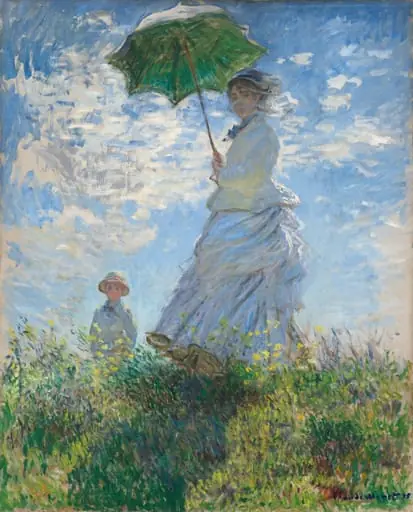 Woman with a Parasol - Madame Monet and Her Son
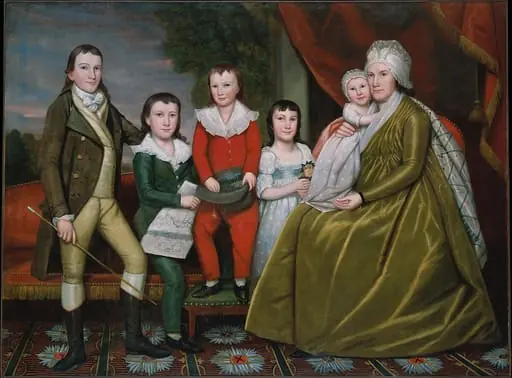 Mrs. Noah Smith and Her Children
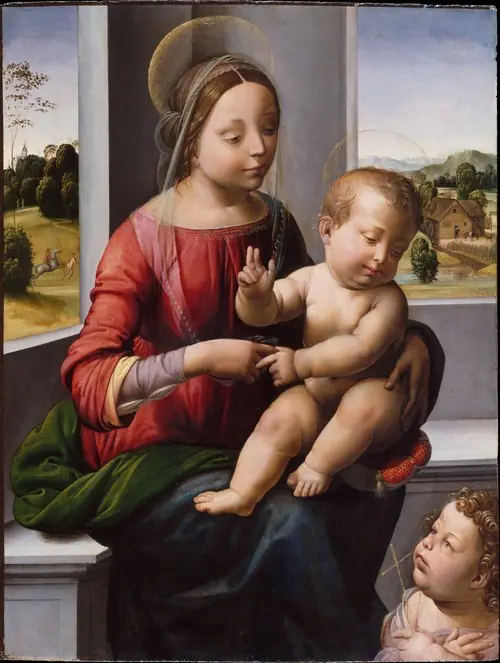 Madonna and Child with the Young Saint John the Baptist
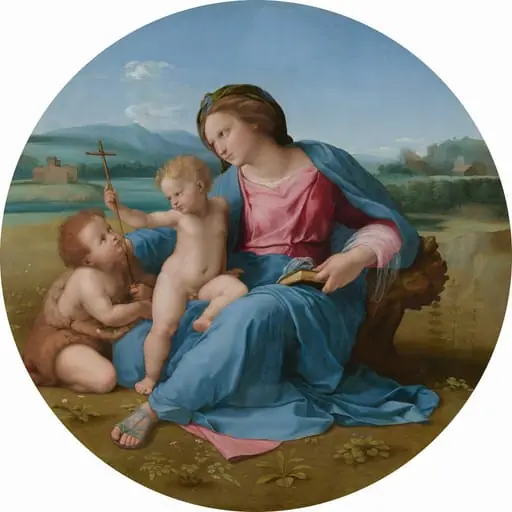 The Alba Madonna
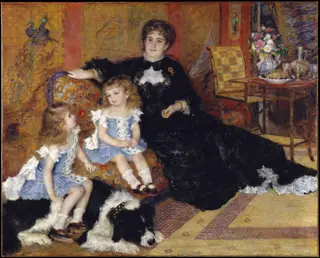 Madame Georges Charpentier and her Children
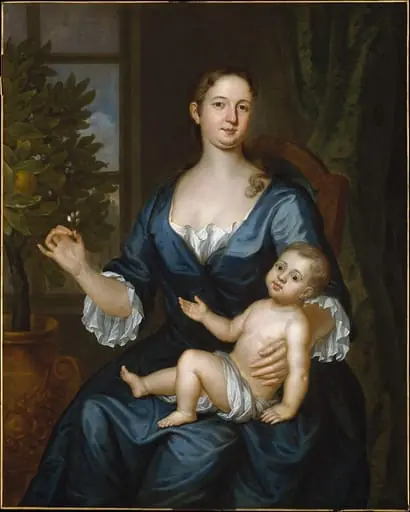 Mrs. Francis Brinley and Her Son Francis
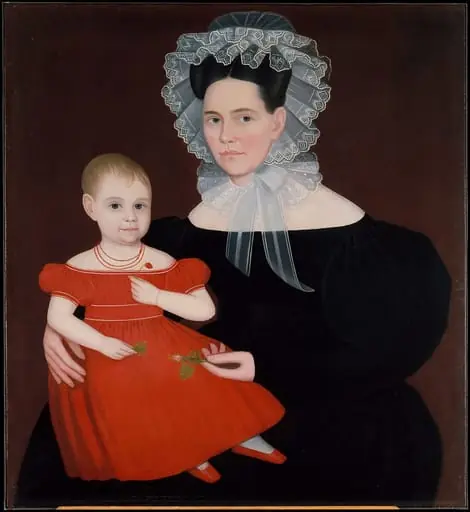 Mrs. Mayer and Daughter
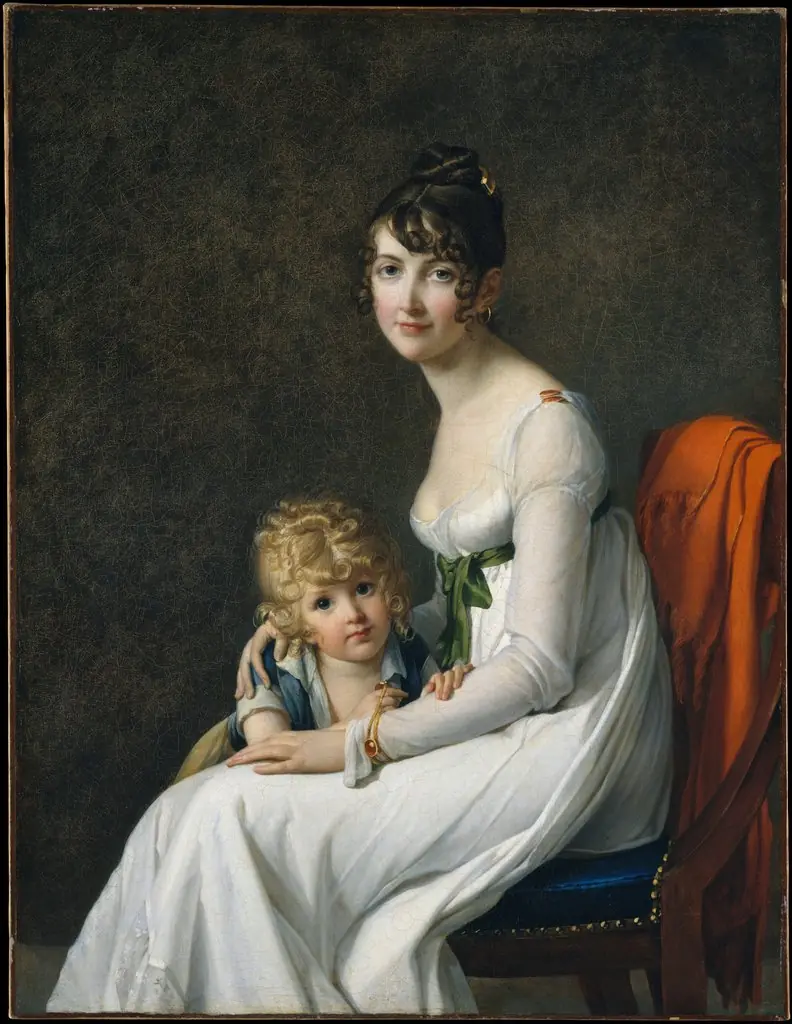 Madame Philippe Panon Desbassayns de Richemont (Jeanne Eglé Mourgue, 1778–1855) and Her Son, Eugène (1800–1859)