Artwork
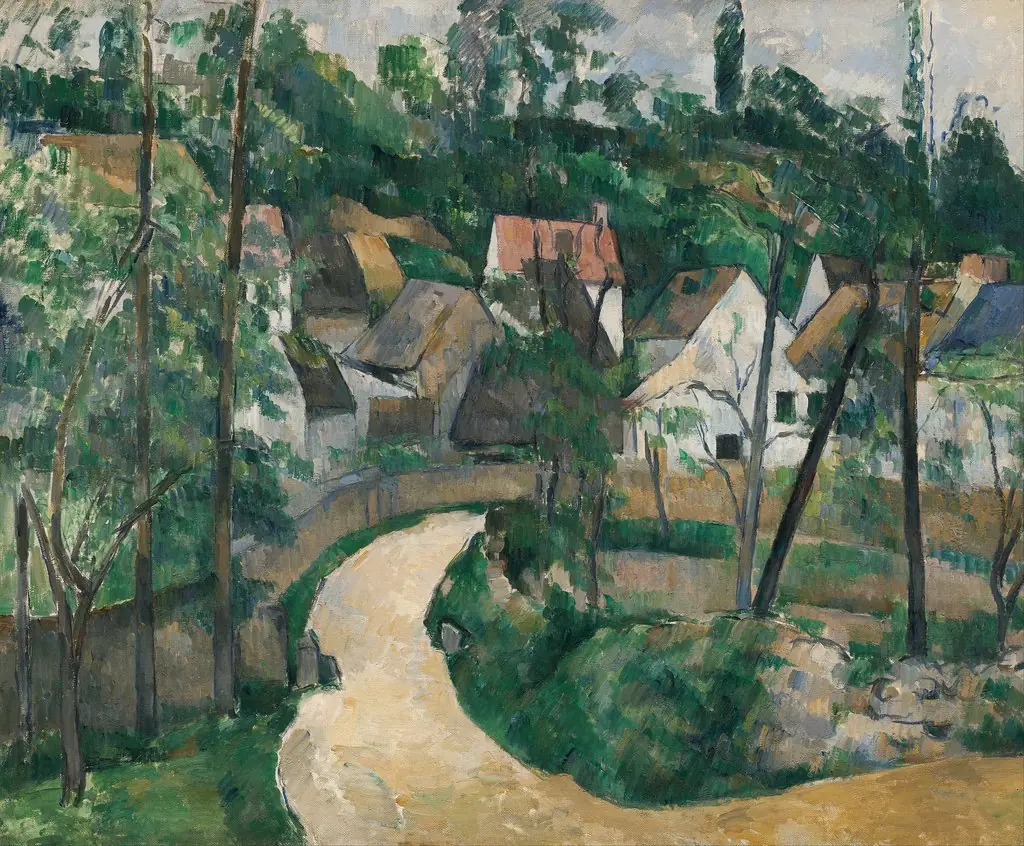
Quartier Four, Auvers-sur-Oise (Landscape, Auvers)
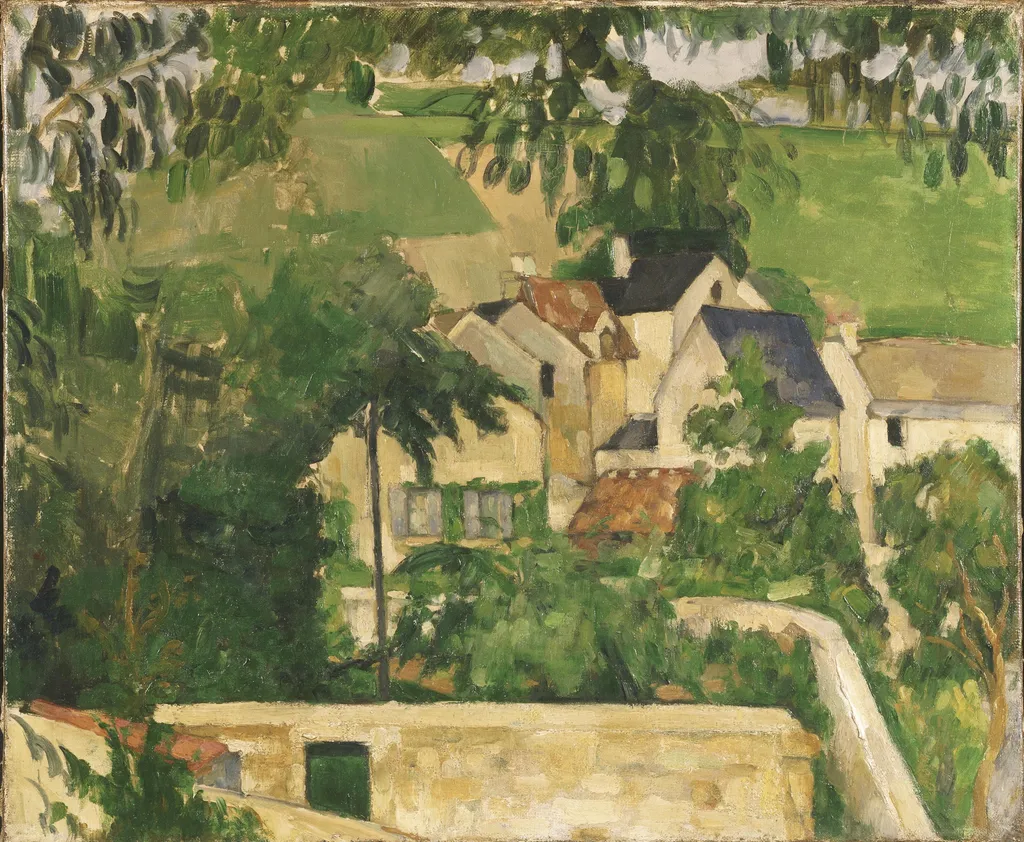
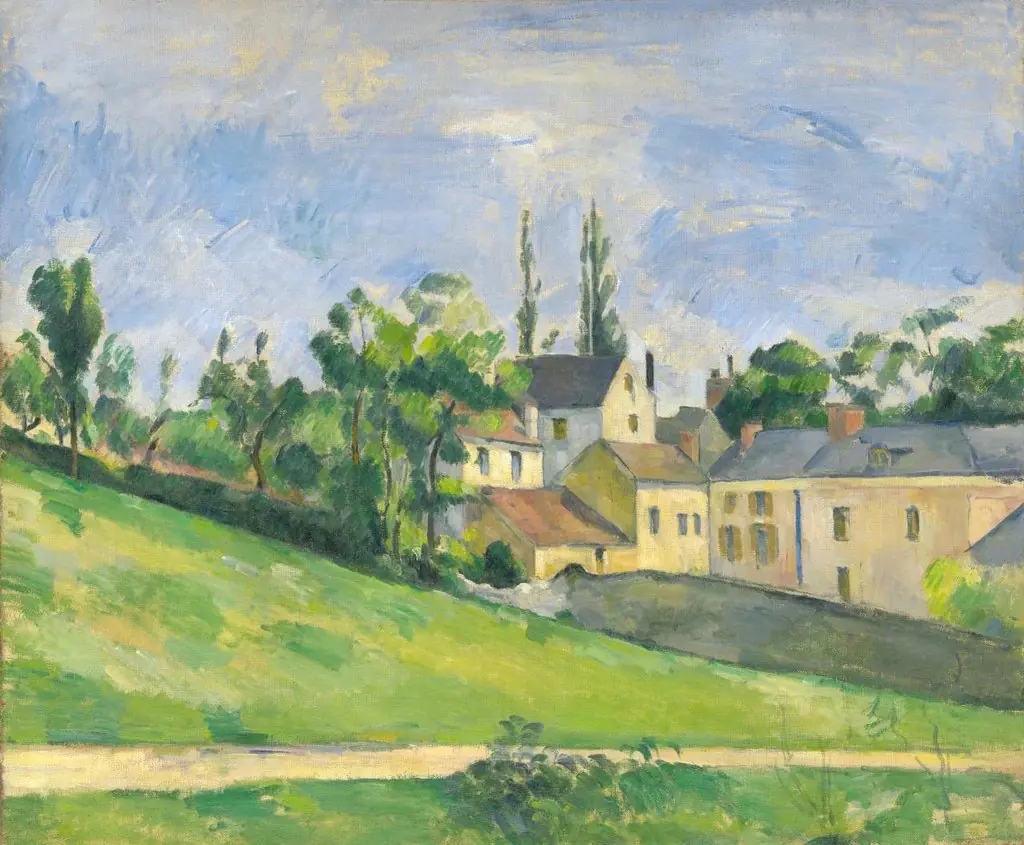
Quartier Four, Auvers-sur-Oise (Landscape, Auvers) is an oil painting by the Impressionist artist Paul Cézanne. It dates from 1873 and is held in the collection of the Philadelphia Museum of Art.
About this work
Overview
Quartier Four, Auvers-sur-Oise (Landscape, Auvers) is an 1873 oil painting by Paul Cézanne, capturing a serene rural landscape with houses and trees in soft, muted colors, characterized by loose brushstrokes and a sense of spontaneity.
Subject & Meaning
The painting depicts a peaceful, rural scene in Auvers-sur-Oise, with a row of houses nestled among trees, separated from the viewer by a low wall or fence, evoking a tranquil atmosphere.
Technique & Style
Cézanne employed loose, expressive brushstrokes and a muted color palette, blending warm earth tones with cool greens and blues, to create depth and atmosphere, reflecting his early engagement with Impressionist techniques.
History & Provenance
Created in 1873, the painting is part of Cézanne's work from his Impressionist period, now held in the collection of the Philadelphia Museum of Art.
Context
This work bridges Cézanne's Impressionist explorations of the early 1870s with his later influence on avant-garde movements like Cubism, showcasing his transitional and innovative approach to landscape representation.
Legacy
Quartier Four, Auvers-sur-Oise contributes to Cézanne's legacy as a pivotal figure in the development of modern art, illustrating his unique contribution to the evolution from Impressionism to subsequent artistic movements.
Own this work as a print
Artist & collection

Artist
Paul Cézanne ( say-ZAN, UK also siz-AN, US also say-ZAHN; French: ; Occitan: Pau Cesana; 19 January 1839 – 22 October 1906) was a French Post-Impressionist painter whose work introduced new modes of representation,…

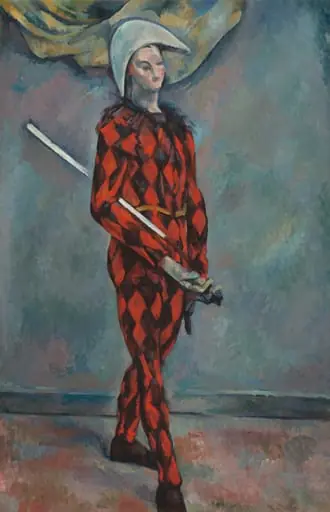 Harlequin
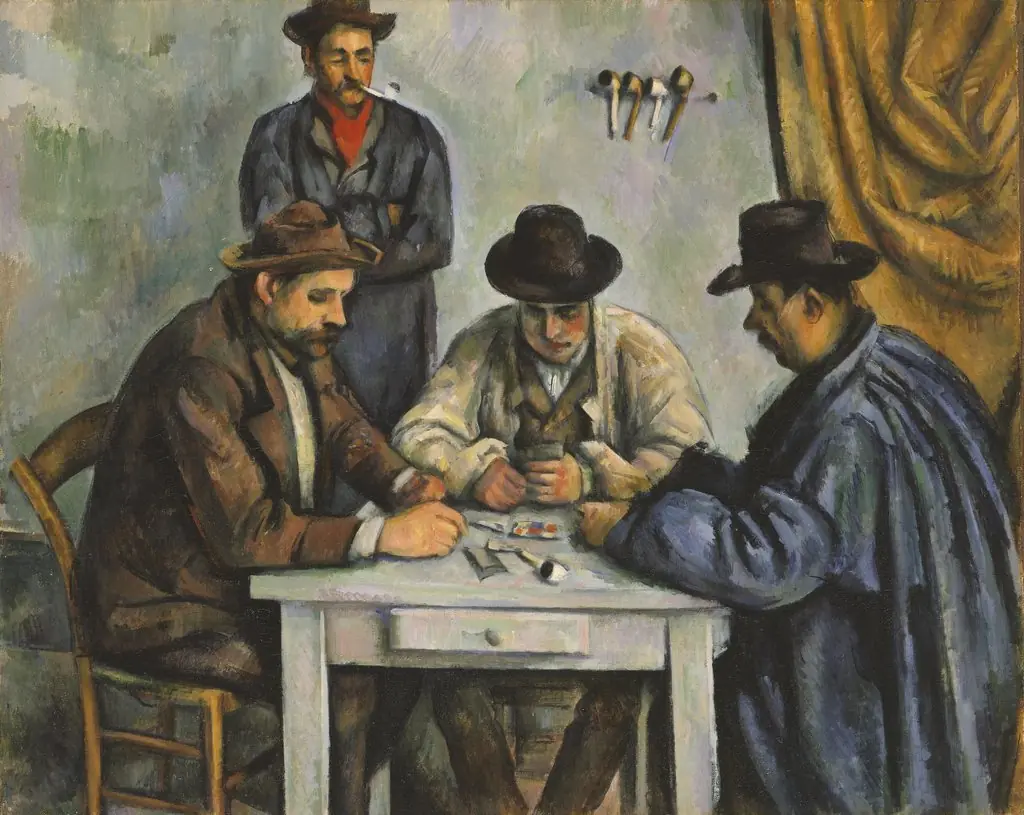 The Card Players
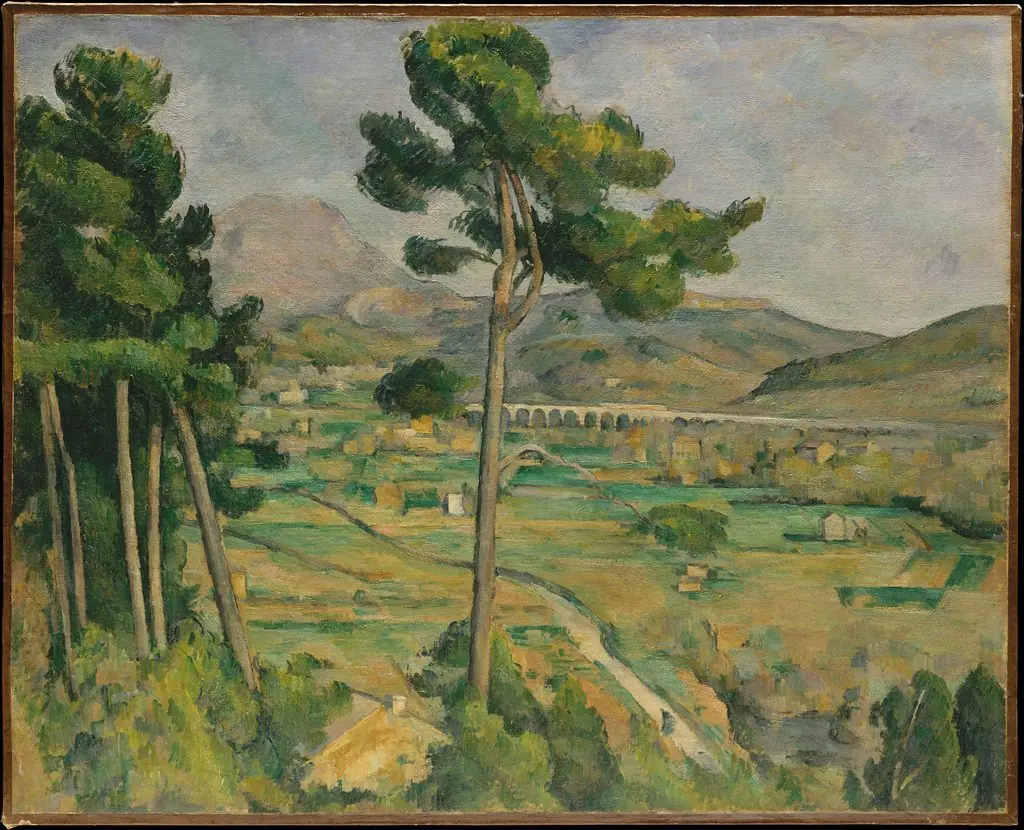 Mont Sainte-Victoire and the Viaduct of the Arc River Valley
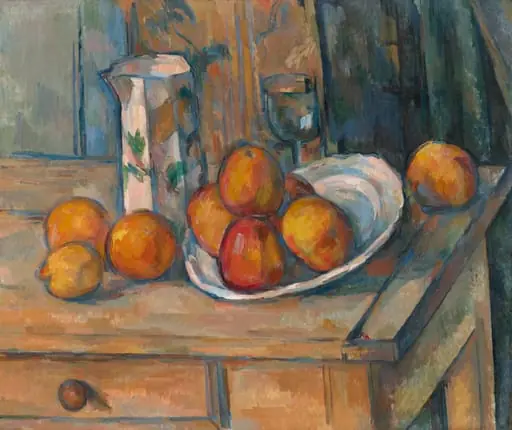 Still Life with Milk Jug and Fruit
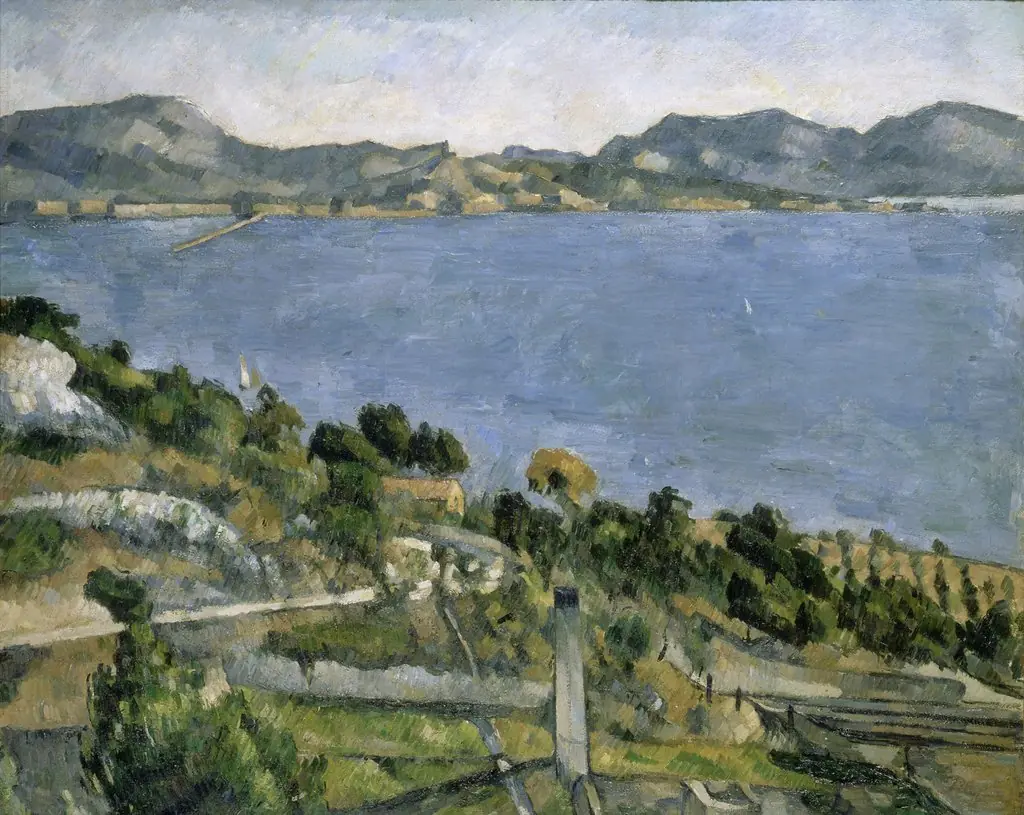 Le Golfe de Marseille vu de l'Estaque (The Gulf of Marseille Seen from L'Estaque)
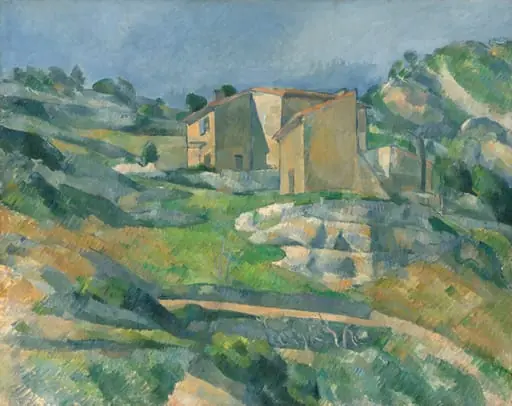 Houses in Provence: The Riaux Valley near L'Estaque
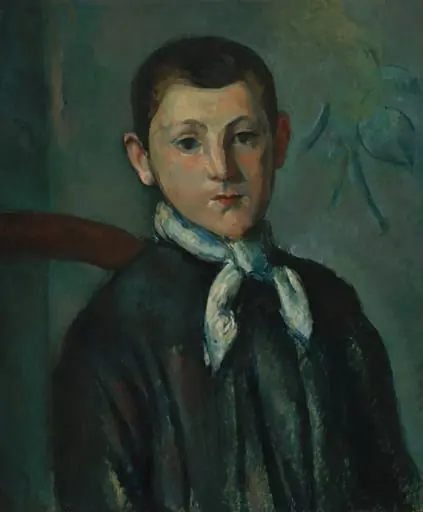 Louis Guillaume
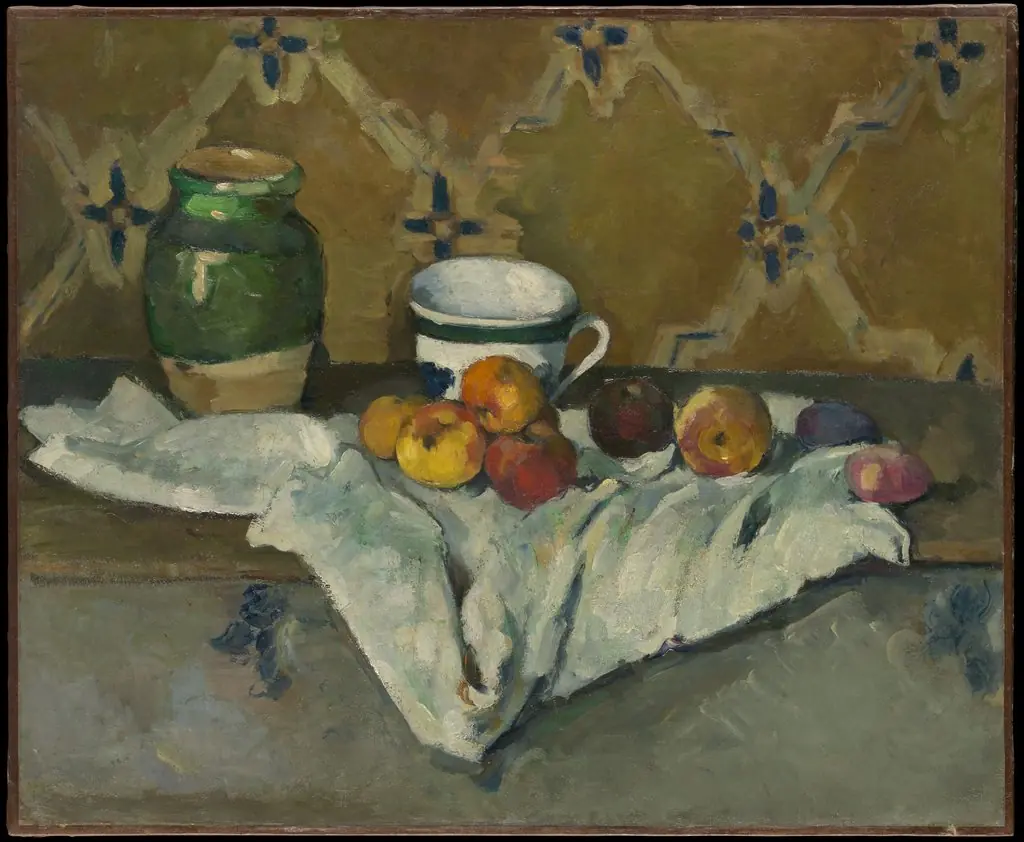 Still Life with Jar, Cup, and Apples