Artwork
Adoration of the Magi
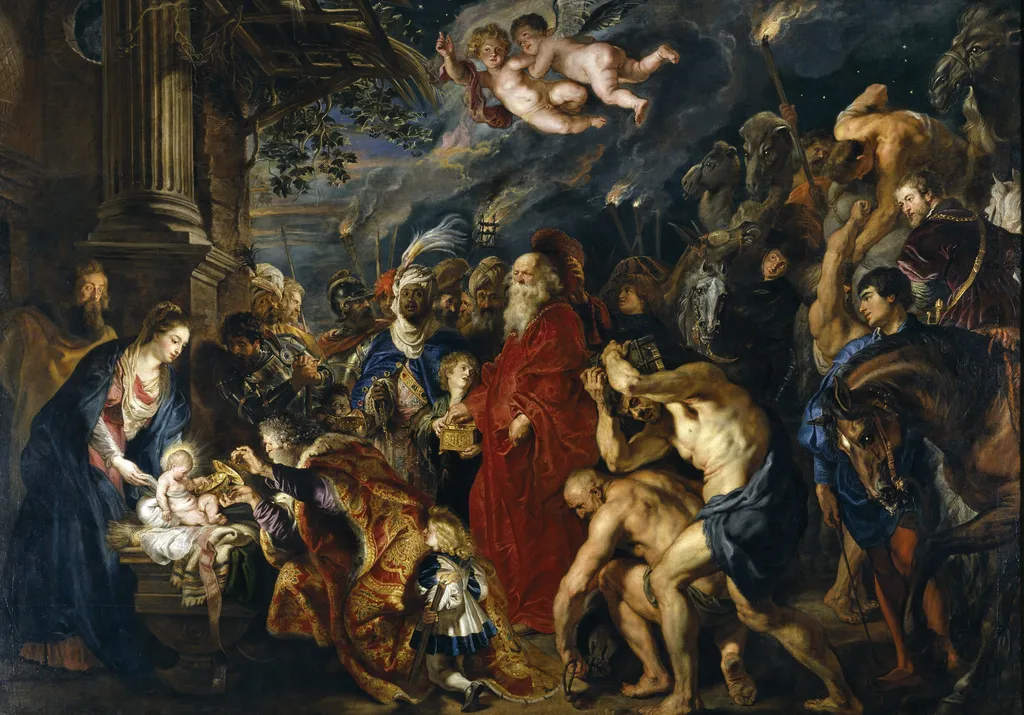
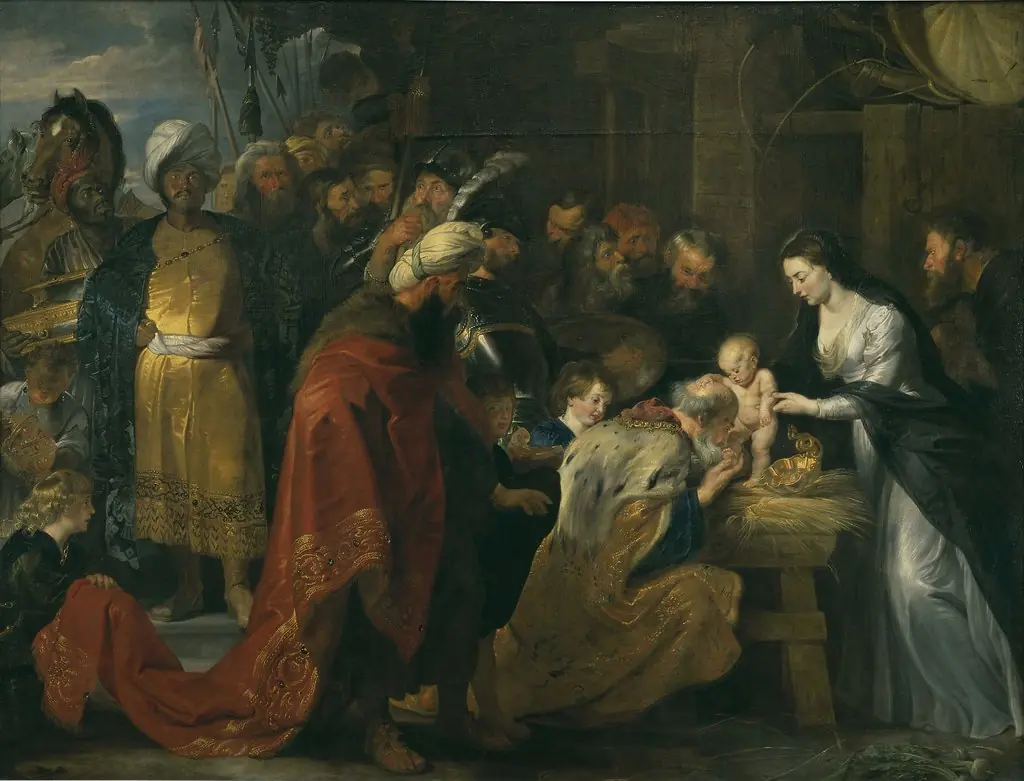
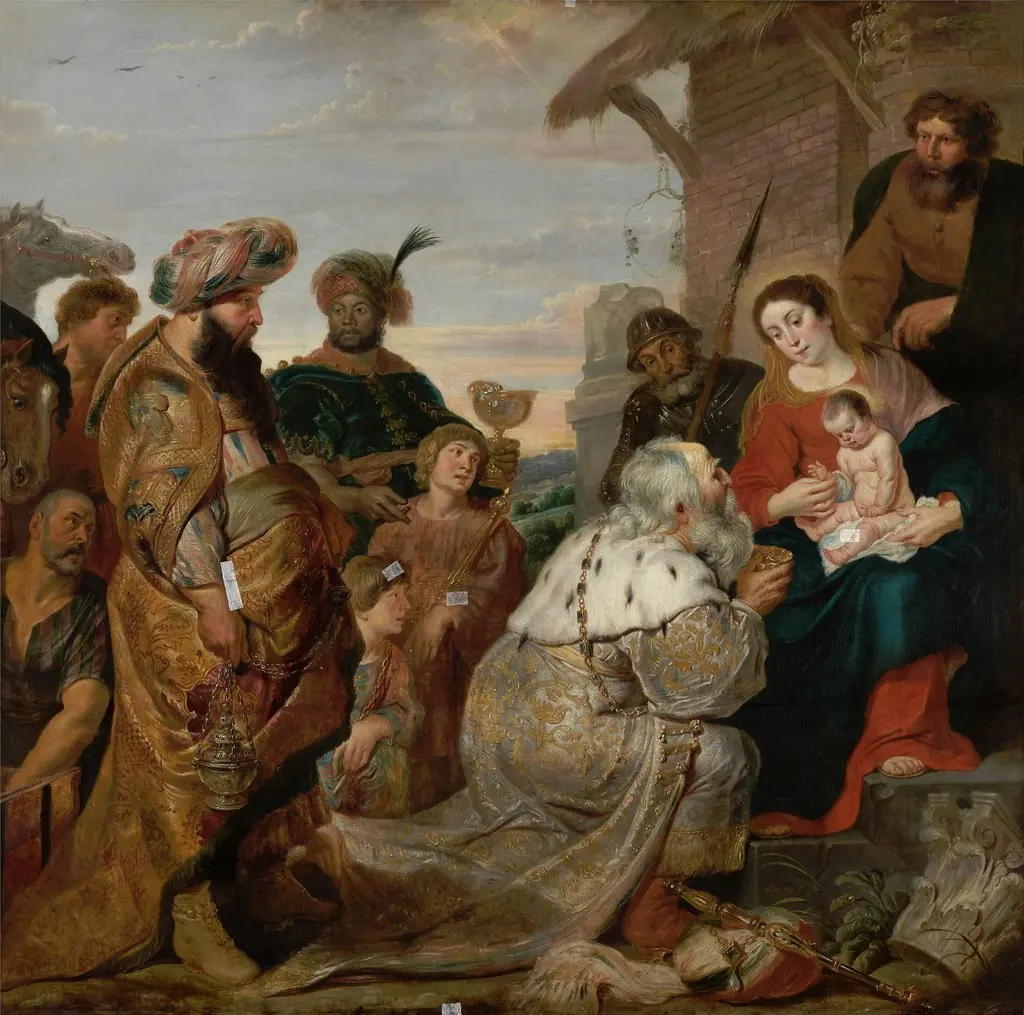
Adoration of the Magi is an oil painting by the Flemish Baroque painting artist Peter Paul Rubens. It dates from 1609 and is held in the collection of the Museo del Prado.
About this work
Subject & Meaning
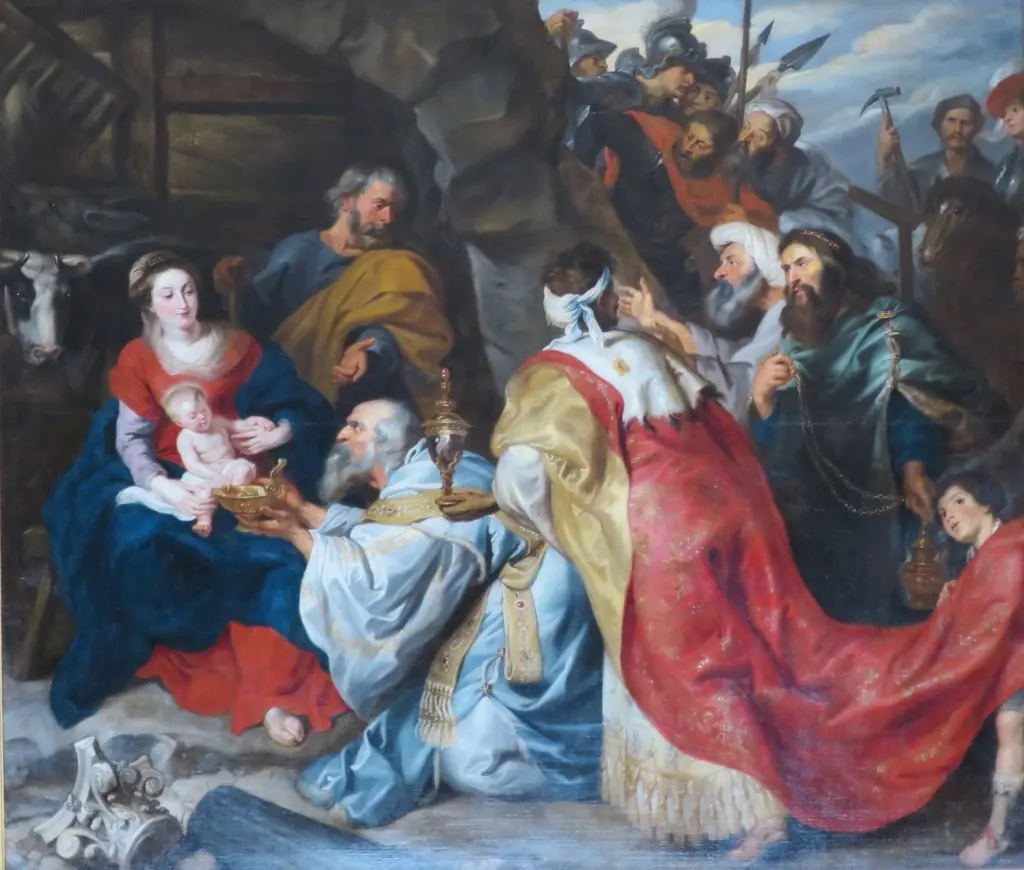
The artist emphasizes opulent coloration, with rich yellows, reds, and violets, while the crowded grouping of figures conveys movement and grandeur.
The Adoration of the Magi depicts the biblical episode in which three Magi, traditionally identified as Melchior, Gaspar, and Balthazar, present gifts of gold, frankincense, and myrrh to the Christ Child. Rubens organizes the composition along a diagonal axis that begins at the radiant Christ Child and extends to the upper right, making the infant the symbolic and luminous focal point of the scene. The artist emphasizes opulent coloration, with rich yellows, reds, and violets, while the crowded grouping of figures conveys movement and grandeur. Rubens later enlarged the painting between 1628 and 1629, adding strips to the top and right edges. In the added right margin he inserted an explicit self-portrait: he appears on horseback, wearing a sword and gold chain, symbols of the knighthood conferred on him by Philip IV in 1624. This insertion underscores the painting’s dual role as devotional image and courtly assertion of the artist’s elevated status.
Technique & Style
Peter Paul Rubens executed this monumental work in oil paint on canvas, initially completing it in 1609. Between 1628 and 1629, the artist undertook a comprehensive reworking of the piece in Madrid, modifying numerous details and updating the style to reflect the influence of Titian. During this revision, strips of canvas were added to the top and right edges, increasing the dimensions from the original 259 cm by 381 cm to the current 355.5 cm by 493 cm. The final composition is defined by a diagonal axis leading from the Christ Child to the upper right, utilizing a vibrant palette of yellow, red, and violet hues to create a sense of movement and grandeur. The painting's physical condition bears visible scars from a 1734 fire at the Royal Alcázar, including cuts from being removed from its frame and small blisters caused by heat exposure, though it underwent a complete restoration in 2004.
History & Provenance
Commissioned by the Antwerp city council in early 1609 for the Statenkamer to celebrate peace negotiations, this work was executed by Peter Paul Rubens for 1,800 florins. Completed that year, the painting was gifted in spring 1612 to Rodrigo Calderón, whose subsequent execution led Philip IV of Spain to purchase it from his estate in 1623 for the Royal Alcázar of Madrid.
During a second visit to Spain between 1628 and 1629, Rubens extensively reworked the canvas, adding strips to the top and right edges to expand its original dimensions of 259 by 381 cm and updating the style under Titian's influence. The piece survived the 1734 Alcázar fire by being cut from its frame and thrown from a window, sustaining visible cuts and heat blisters before moving to the new Royal Palace and entering the Museo del Prado inventories in 1834.
Peter Paul Rubens's *Adoration of the Magi* is currently held by the Museo del Prado in Madrid, where it first appeared in the museum's inventories in 1834. Prior to its transfer to the Prado, the work was installed in the Royal Palace of Madrid following the 1734 fire that destroyed the Royal Alcázar, from which it was rescued by being cut from its frame and thrown out a window. The painting was originally acquired by King Philip IV of Spain in 1623 after being purchased from the estate of Rodrigo Calderón, having previously been a gift to Calderón from the city of Antwerp in 1612. While the source documents detail this extensive provenance and the 2004 restoration, they do not provide a specific inventory or accession number for the work.
Context
Peter Paul Rubens's *Adoration of the Magi* is regarded as a masterpiece of the Flemish Baroque, distinguished by its monumental scale and dynamic composition. Originally commissioned by the Antwerp city council in 1609 to celebrate the Twelve Years' Truce, the work reflects the city's hope for renewed economic prosperity following a period of crisis. The painting underwent a significant transformation during Rubens's second journey to Spain between 1628 and 1629, when the artist reworked the canvas to align with his mature style, which was heavily influenced by Titian. This revision involved expanding the dimensions and updating the palette, resulting in a piece that scholars note for its powerful use of color and light centered on the Christ Child.
The work's history within the Spanish royal collection underscores its enduring prestige, surviving a major fire in 1734 and later entering the Museo del Prado in 1834. It remains one of the largest paintings in the museum's collection and includes a unique self-portrait of the artist added during the 1620s revision, symbolizing the nobility granted to him by Philip IV.
Legacy
The Adoration of the Magi was expanded and altered during Rubens's second trip to Spain in 1628-1629, when he added strips of canvas to the top and right edges and reworked the composition in a late‑1620s style influenced by Titian. The additions include an unmistakable self‑portrait on horseback that symbolised the knighthood conferred by Philip IV in 1624. Contemporary accounts, such as Francisco Pacheco's El arte de la pintura, record that Rubens 'changed some things in his painting of the Adoration of the Magi that was in the palace', and the artist himself described the modifications in letters to the Spanish court. The painting remained in the Spanish royal collection, survived the 1734 fire that destroyed the Alcázar of Madrid (leaving cuts and blisters in the paint), and entered the Museo del Prado in 1834, where it became a cornerstone of the museum's Rubens holdings. Its influence persisted through numerous reproductions, including a large engraving by Louis Lenain in the late 19th century and a complete restoration in 2004.
Own this work as a print
Artist & collection
Artist
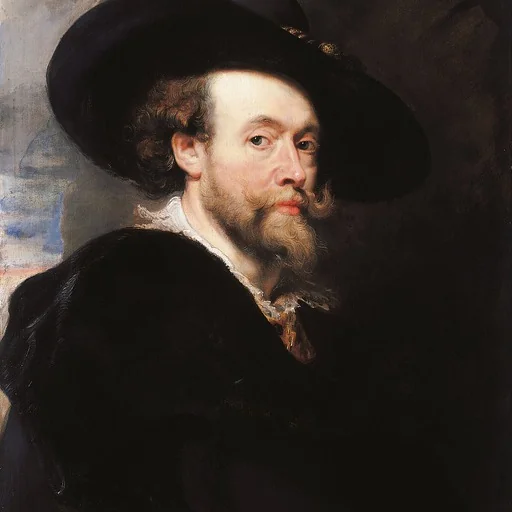
Sir Peter Paul Rubens ( ROO-bənz; Dutch:; 28 June 1577 – 30 May 1640) was a Flemish artist and diplomat.

- Adoration of the Magi
 Adoration of the Magi
 Adoration of the Magi
 Adoration of the Magi
 Adoración de los Reyes Magos
 Il Contento
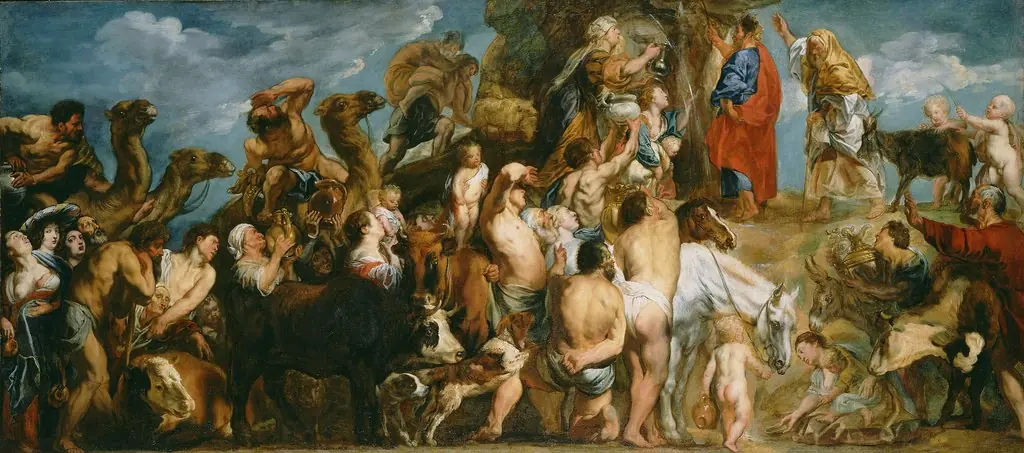 Moses Striking Water from the Rock
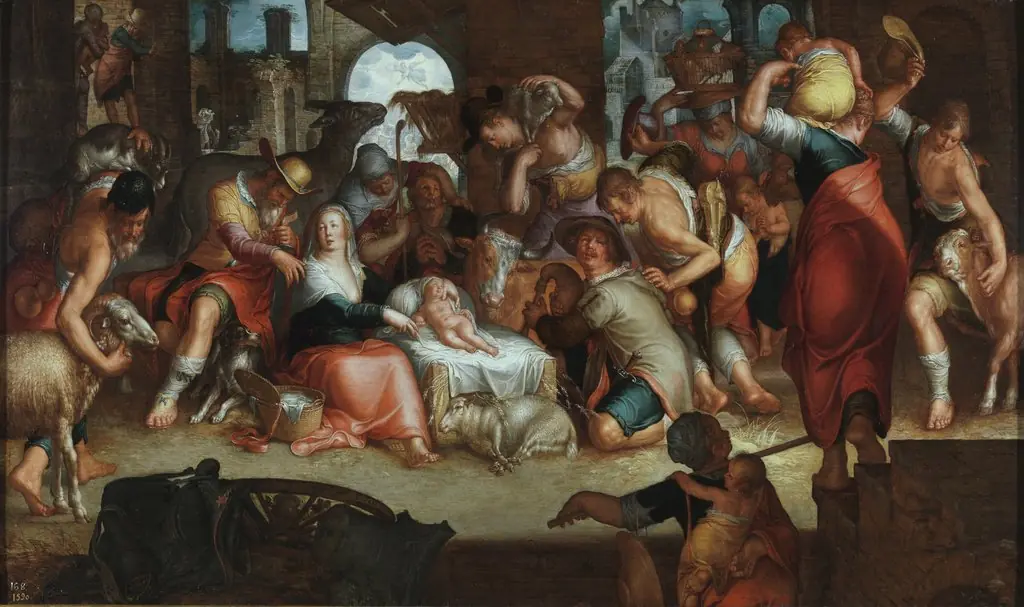 Adoration of the Shepherds
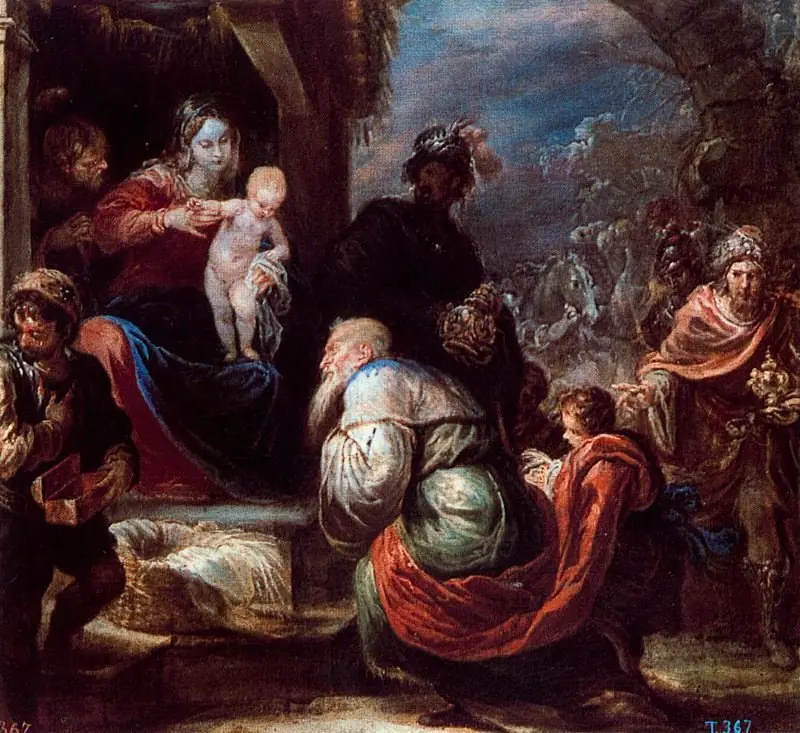 The Adoration of the Magi
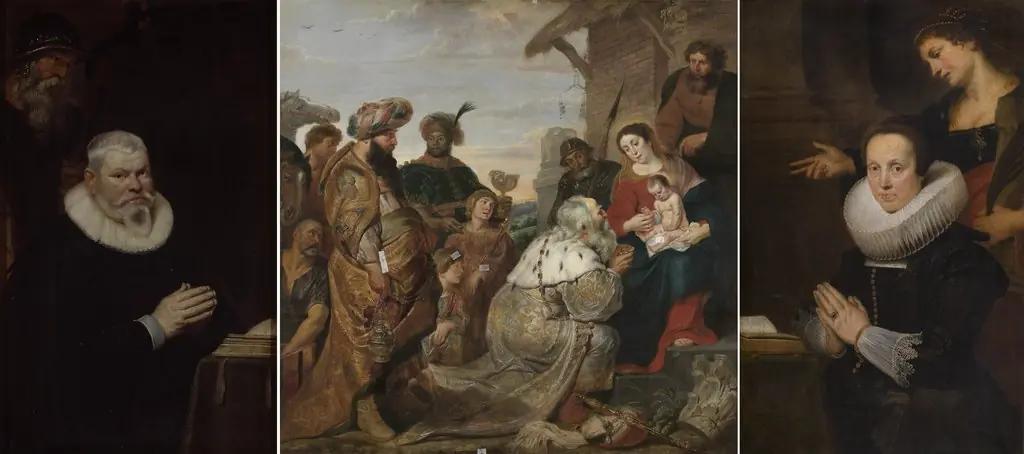 Epitaph of Willem van Meerbeeck and His Wife Barbara Kegeleers
 The adoration of the Magi
 Coronation of Saint Rosalia