Artwork
Deucalion and Pyrrha
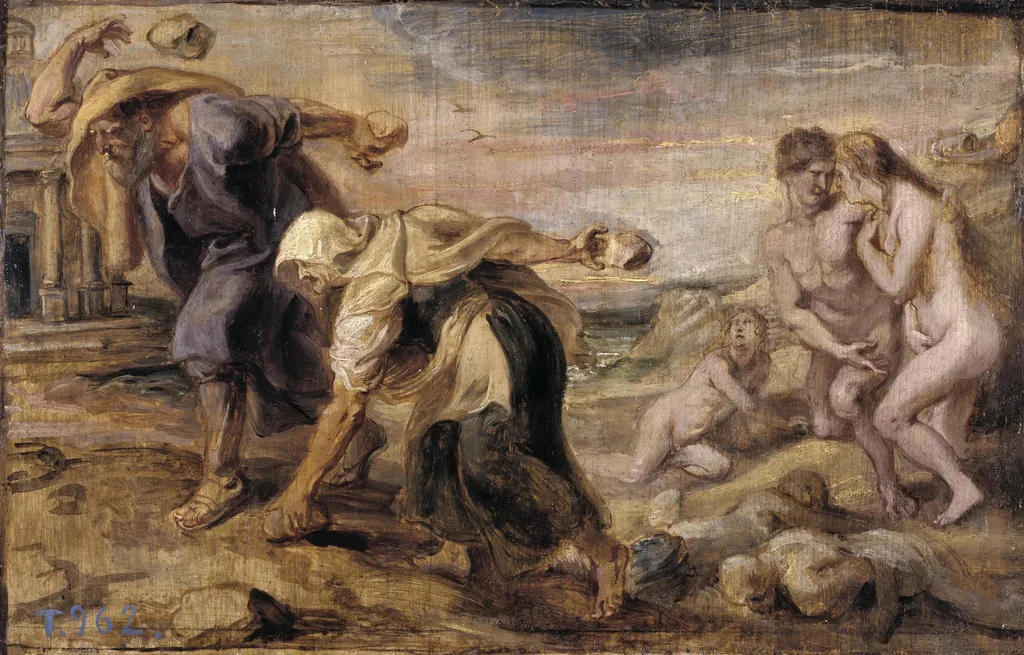
Deucalion and Pyrrha is an oil painting by the Flemish Baroque painting artist Peter Paul Rubens. It dates from 1636 and is held in the collection of the Museo del Prado.
About this work
That lost painting was meant for the Torre de la Parada, a royal hunting lodge.
Deucalion and Pyrrha is an oil sketch made by Peter Paul Rubens in 1636. It belongs to the allegory genre and uses oil paint on canvas.
Rubens created this study as a preparation for a larger work by Jan Cossiers. That lost painting was meant for the Torre de la Parada, a royal hunting lodge. The sketch shows Rubens exploring the dramatic pose of the mythic couple. It reflects his interest in dynamic composition.
You can see the sketch today at the Museo del Prado.
Subject & Meaning
The work depicts the mythological figures Deucalion and Pyrrha, representing the sole survivors of a great flood in Greek mythology. Created as an oil sketch, the piece served as a preparatory model for a larger, now-lost painting by Jan Cossiers. This final work was commissioned for the Torre de la Parada, a hunting lodge where a series of mythological scenes were displayed.
The image captures the specific narrative moment associated with these protagonists, functioning within a broader decorative program dedicated to classical tales.
Technique & Style
The work is executed in oil paint on a wooden panel, measuring 26.4 cm in height by 41.7 cm in width. It is classified as a sketch for a lost composition by Jan Cossiers, commissioned for the Torre de la Parada. The painting is housed in the Museo del Prado collection.
History & Provenance
Peter Paul Rubens painted Deucalion and Pyrrha in 1636 as an oil sketch. The work served as a preparatory study for a lost painting by Jan Cossiers, which was commissioned for the Torre de la Parada. The sketch is now held in the collection of the Museo del Prado in Madrid.
Context
Painted in 1636 during the final years of Peter Paul Rubens's career, Deucalion and Pyrrha belongs to the prolific late phase in which the artist produced numerous oil sketches tied to major commissions. The work functioned as a preparatory modello for a lost painting by Jan Cossiers, executed for the Torre de la Parada, Philip IV's hunting lodge near Madrid. Rubens's role in designing compositions for collaborators to carry out was a hallmark of his late workshop practice, and the Prado panel reflects that collaborative method.
Its small scale and panel support are consistent with the modello format Rubens favored for such transmissible designs. The painting's current home in the Museo del Prado situates it within one of the foremost collections of Rubensian oil sketches, where it is studied alongside related mythological modelli from the same period.
The mythological subject of Deucalion and Pyrrha, drawn from Ovid's Metamorphoses, was a recurring theme in Baroque painting, and Rubens's interpretation contributed to the visual tradition surrounding the flood narrative.
Legacy
Peter Paul Rubens's 1636 oil sketch, Deucalion and Pyrrha, serves as a preparatory study for a now-lost painting by Jan Cossiers. The lost work was originally commissioned for the Torre de la Parada, a royal hunting lodge. Although the final Cossiers painting no longer exists, Rubens's sketch preserves the composition and remains a significant historical document of the project.
The work is currently held in the collection of the Museo del Prado, where it continues to be studied for its connection to the lost decoration of the Spanish royal residence.
Overview
Deucalion and Pyrrha is an oil sketch on canvas created by Peter Paul Rubens in 1636, belonging to the allegory genre and now housed at the Museo del Prado.
Own this work as a print
Artist & collection
Artist
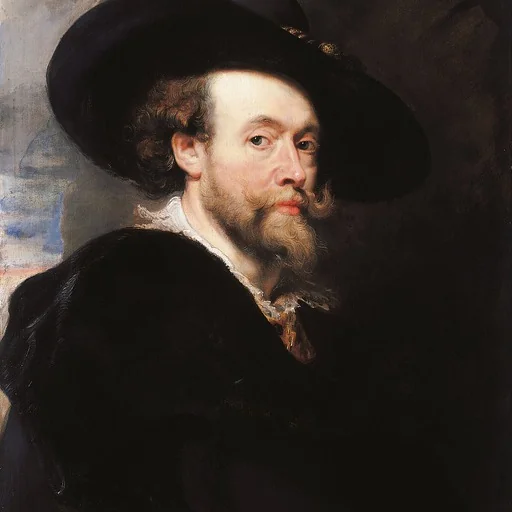
Sir Peter Paul Rubens ( ROO-bənz; Dutch:; 28 June 1577 – 30 May 1640) was a Flemish artist and diplomat.

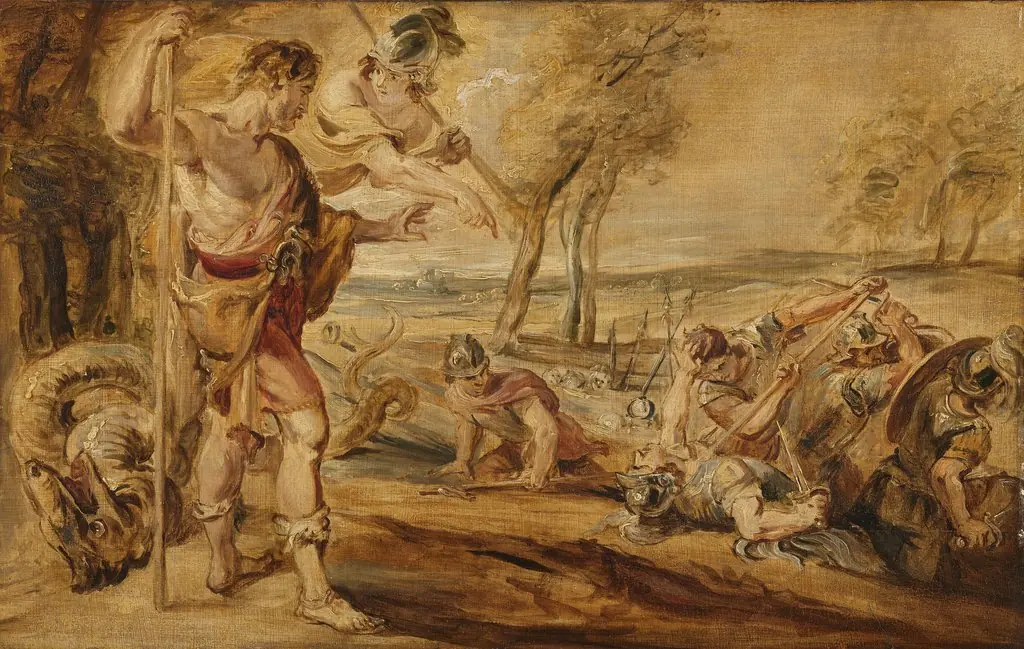
- Cadmus sowing dragon's teeth
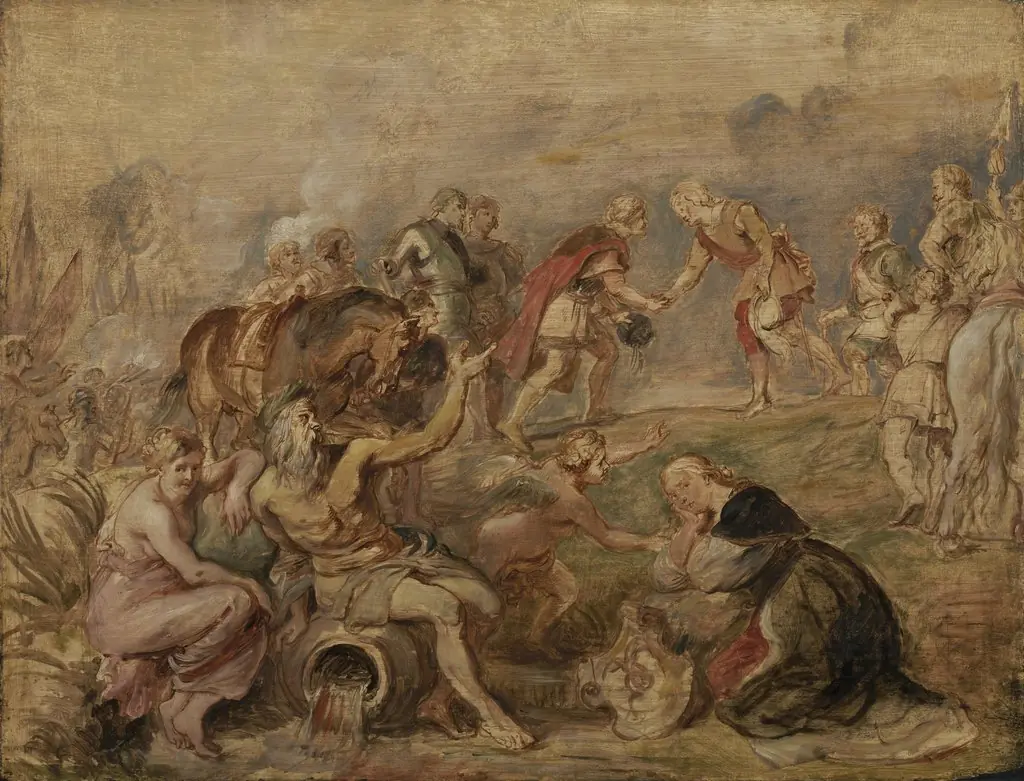 Meeting of King Ferdinand of Hungary and the Cardinal-Infante Ferdinand of Spain at Nördlingen
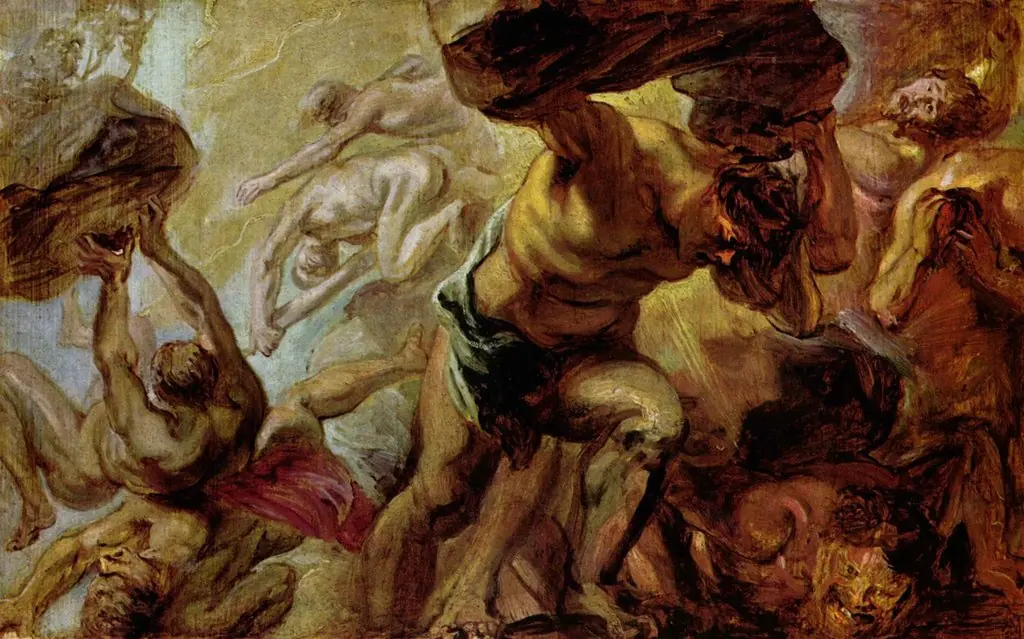 Fall of the Giants
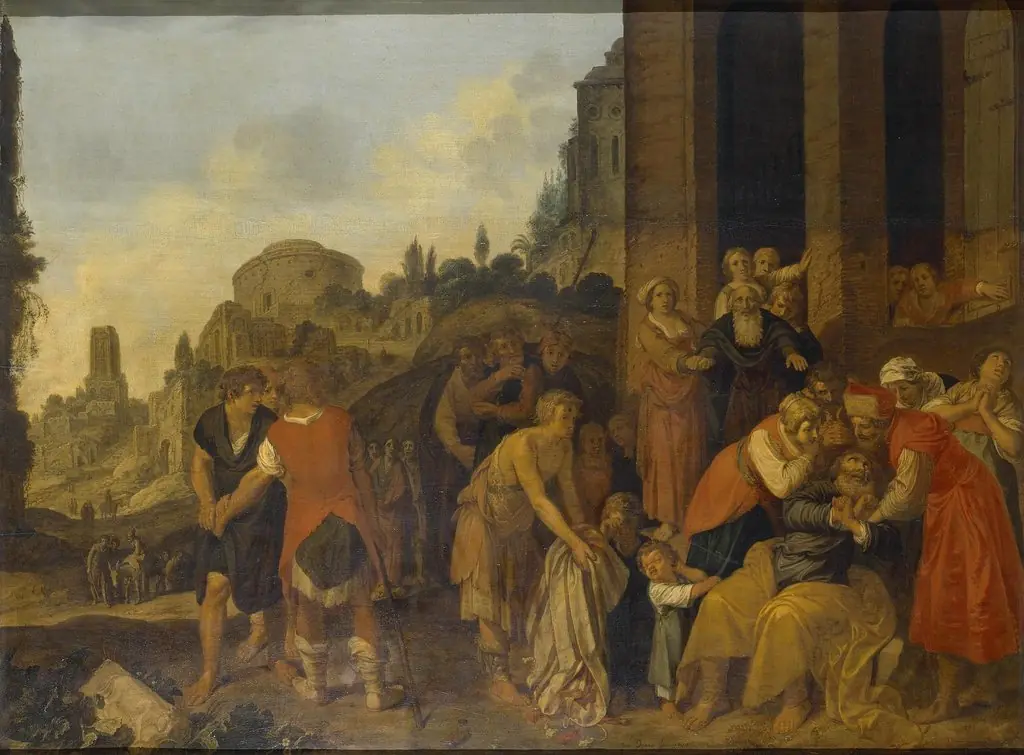 Jacob's Sons Show Him Joseph's Blood-Stained Robe
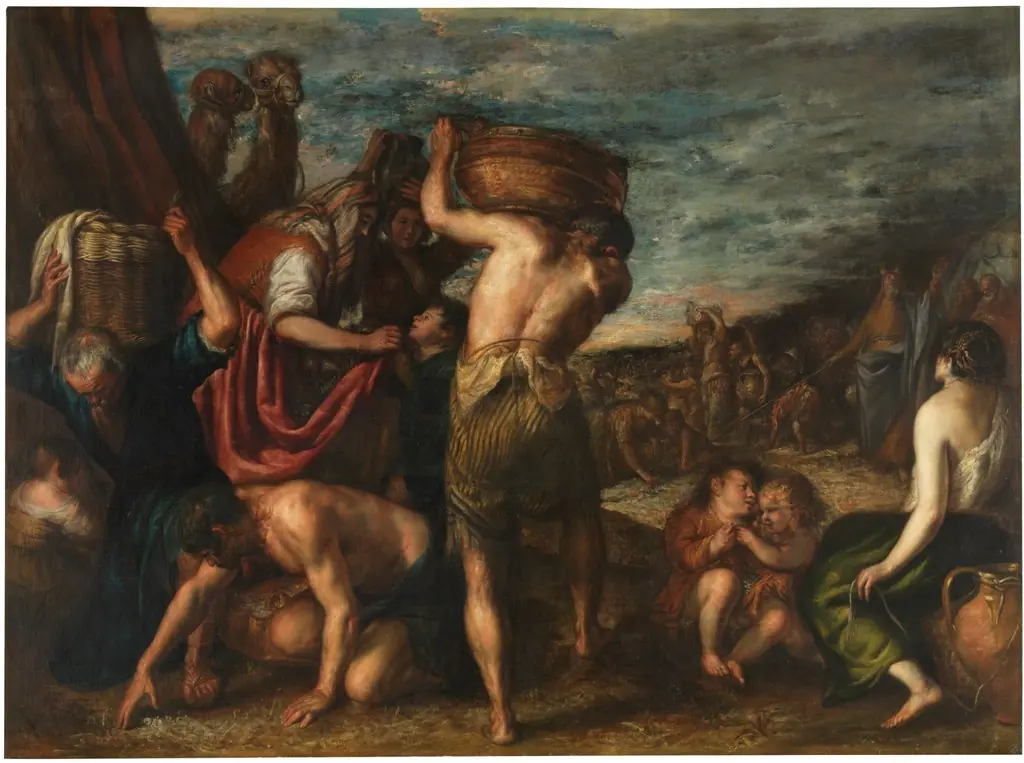 La recogida del maná
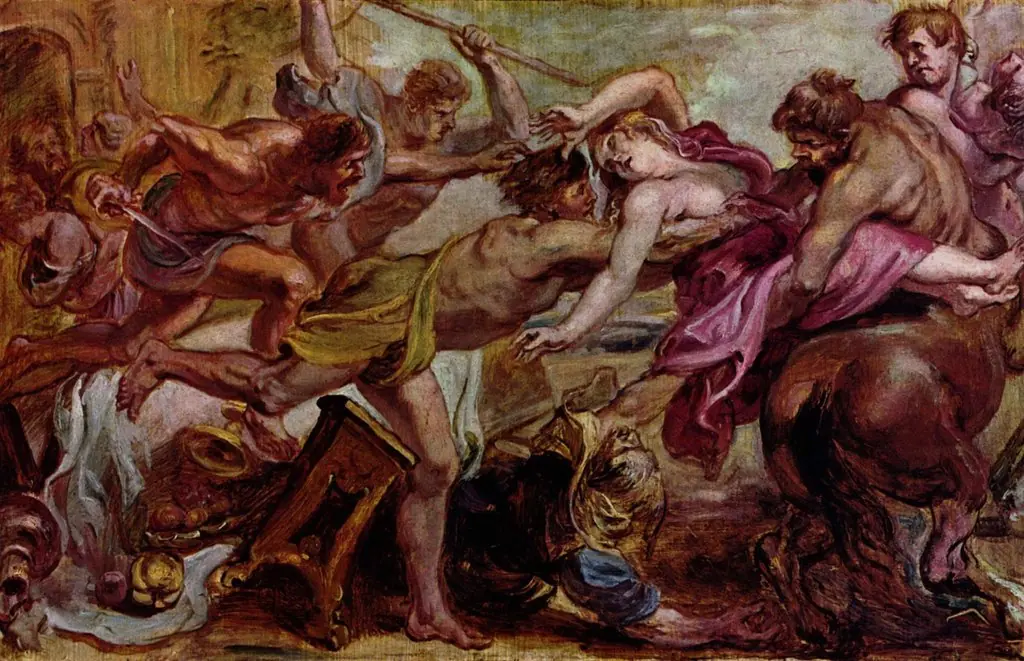 The Rape of Hippodamia
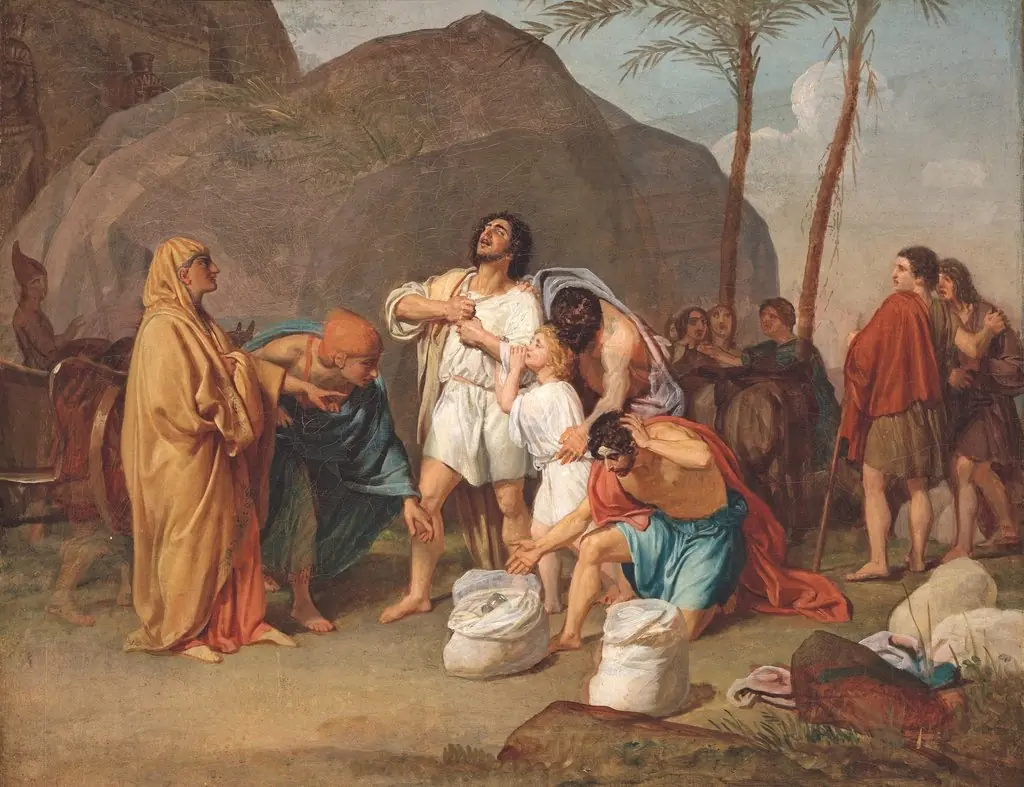 Joseph's Brothers Find the Silver Goblet in Benjamin's Pack.
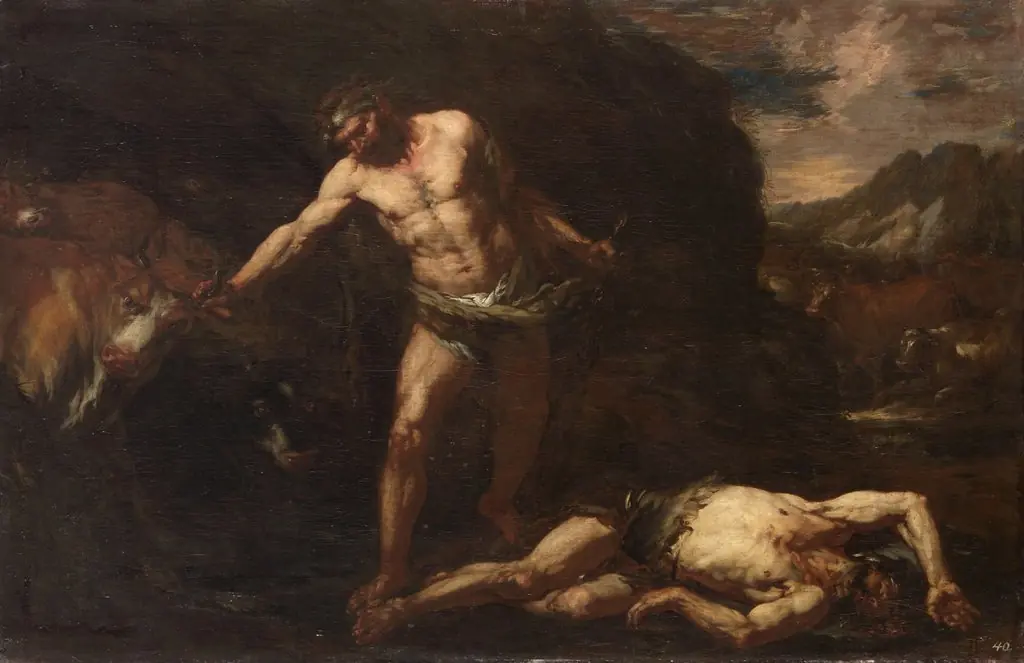 Hercules tötet den Riesen Cacus und raubt die Rinder des Geryoneus
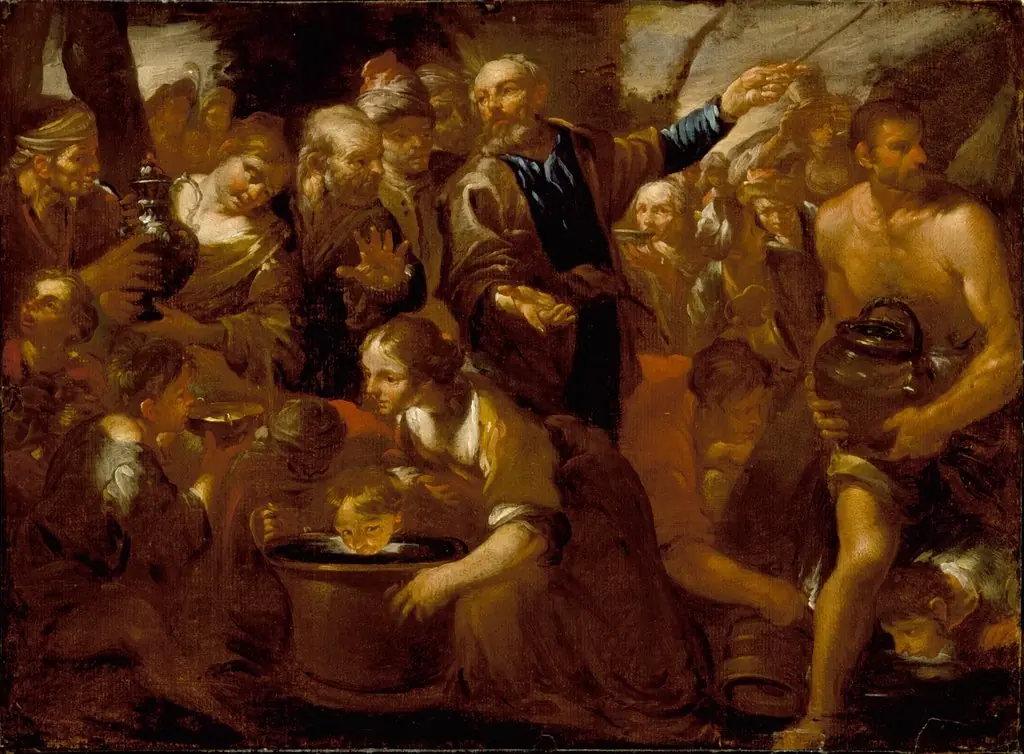 Moses Striking the Rock
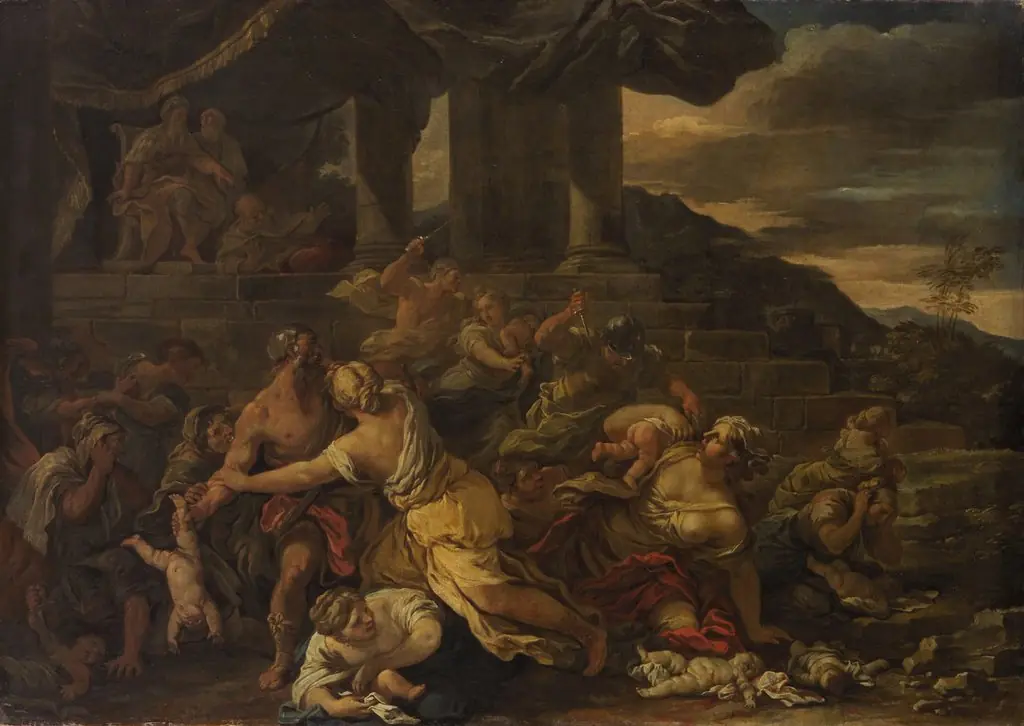 Killing of the Children in Bethlehem
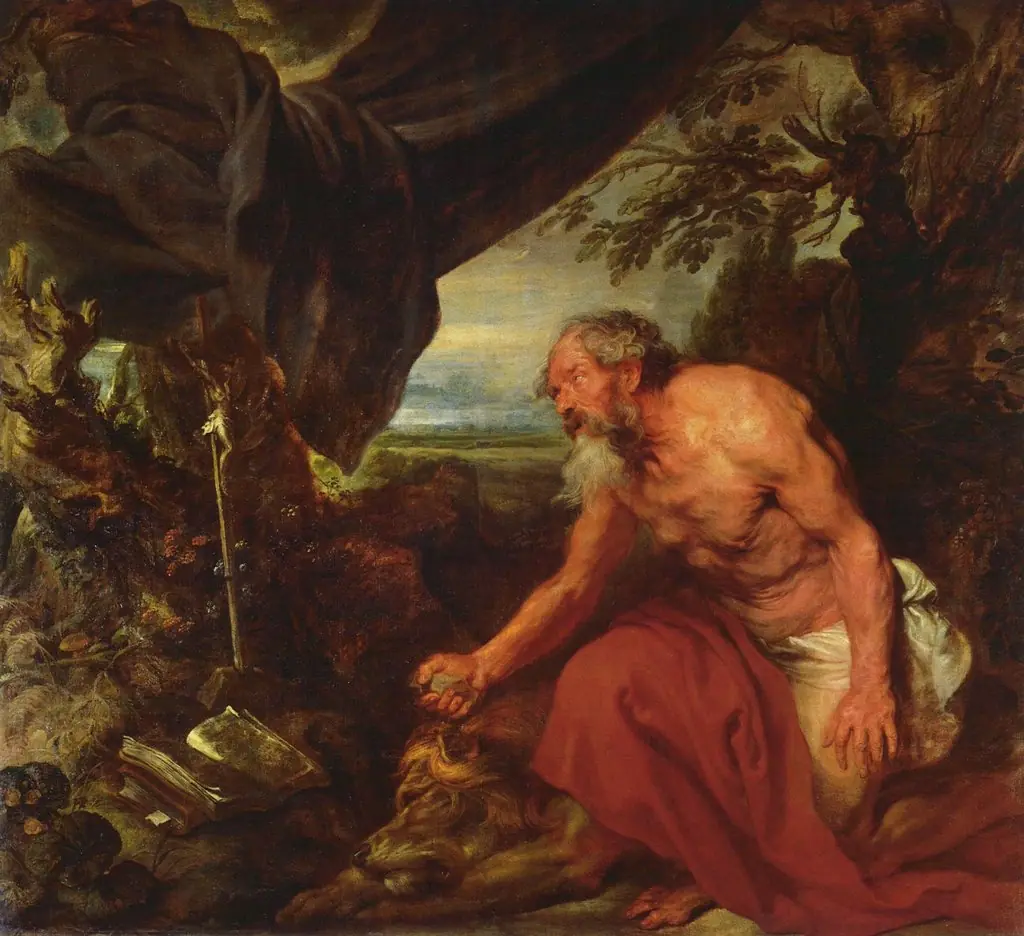 Saint Jerome
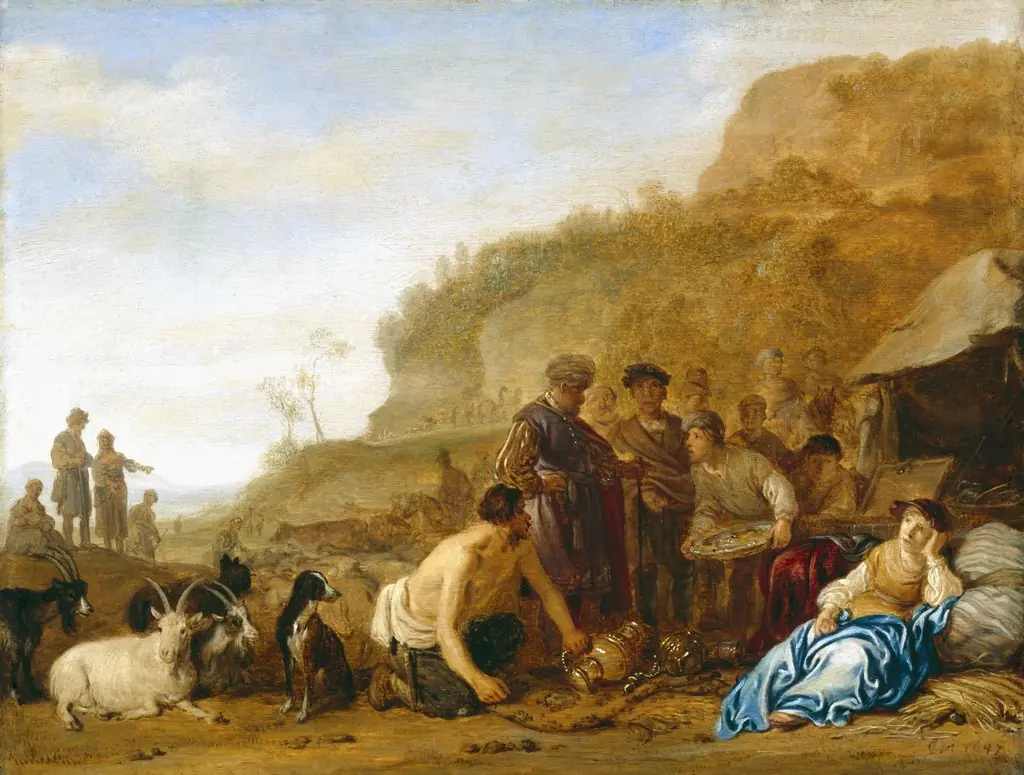 Laban Searching for His Gods