Artwork
Diana on the stag hunt
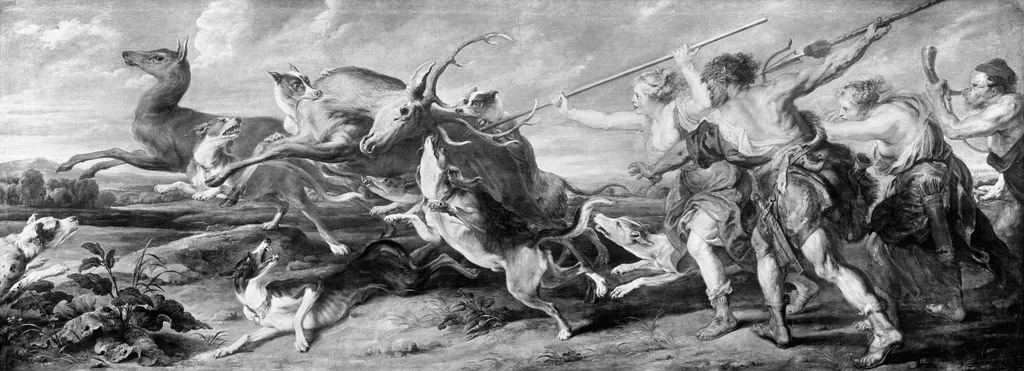
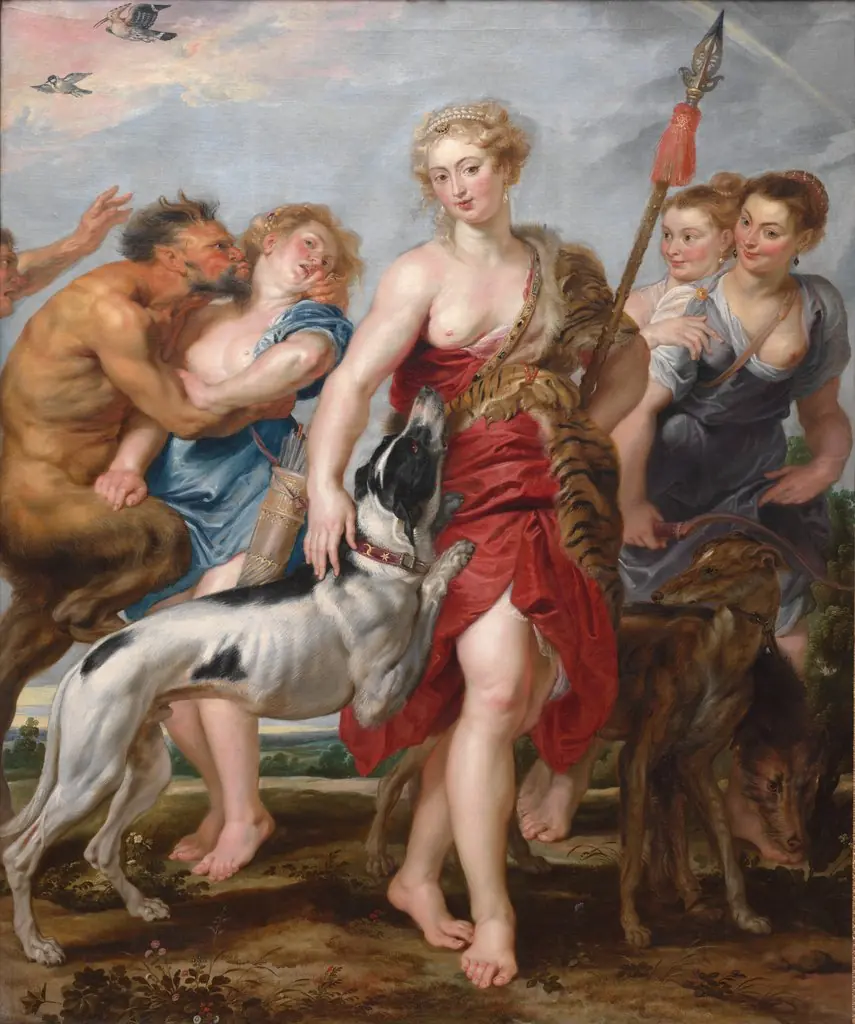
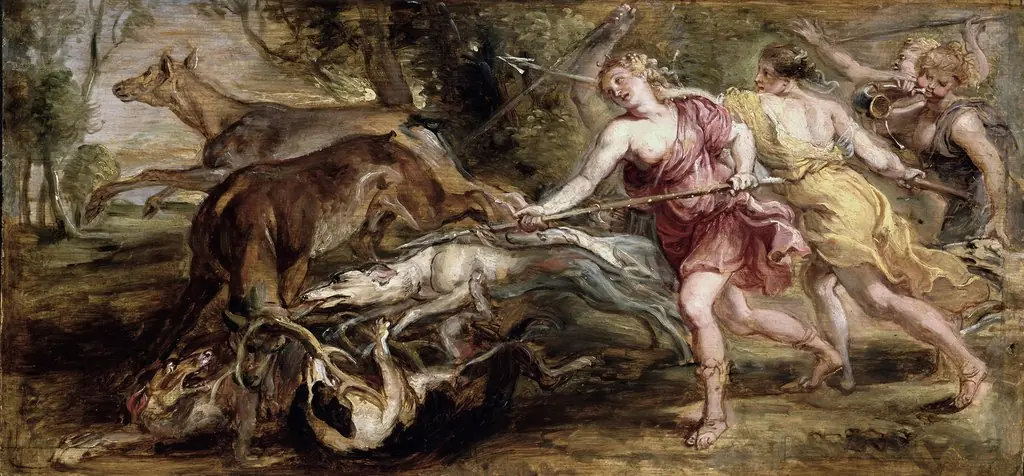
Diana on the stag hunt is a paint painting by the Flemish Baroque painting artist Peter Paul Rubens. It dates from 1632 and is held in the collection of the Gemäldegalerie Berlin.
About this work
Subject & Meaning
The work depicts Diana, the Roman goddess of the hunt, engaged in a stag hunt alongside nymphs.
The work depicts Diana, the Roman goddess of the hunt, engaged in a stag hunt alongside nymphs. The iconography centers on the goddess wielding a spear while pursuing Cervidae (deer), a scene rooted in classical mythology that emphasizes her role as mistress of the wild. The inclusion of multiple figures and specific game animals aligns with the collaborative nature of the piece, which combines Rubens's figural work with specialized contributions in landscape and animal painting by Jan Wildens and Frans Snyders.
As a mythological painting, the composition represents the dynamic action and naturalism characteristic of Baroque hunting scenes, celebrating both the divine authority of Diana and the prowess of the hunt.
Technique & Style
The work is an oil on canvas painting executed in 1632. Executed in oil on canvas, it measures 255 cm by 479 cm and portrays the mythological scene of Diana preparing to hunt a stag, rendered with dynamic brushwork and chiaroscuro that emphasizes the figure’s poised tension and the surrounding hunt. The composition combines Rubens’ mastery of anatomy with the collaborative contributions of Jan Wildens and Frans Snyders, resulting in a richly detailed and dramatic tableau.
The painting’s provenance includes ownership by Amalia of Solms-Braunfels, Ludwig von Brandenburg, Frederick I of Prussia, and Friedrich Wilhelm II of Prussia before entering the collections of the Gemäldegalerie Berlin and the Bode Museum.
History & Provenance
Painted in 1632, Diana on the Stag Hunt is documented as a work by Peter Paul Rubens.
The painting’s early history connects it to Amalia of Solms-Braunfels, who owned it before passing it to Ludwig von Brandenburg. By the early eighteenth century the work entered the Prussian royal collection under Frederick I of Prussia. Later inventories record its presence under Frederick William II of Prussia, indicating continued ownership by the Hohenzollern rulers.
By the twentieth century the painting was in the holdings of the Gemäldegalerie Berlin, where it was later housed in the Bode Museum.
Legacy
The painting's influence and legacy are rooted in its provenance and repeated scholarly attention. It passed from Amalia of Solms-Braunfels to Ludwig von Brandenburg, Frederick I of Prussia, and Friedrich Wilhelm II of Prussia, underscoring its value to European royalty. The work was documented in the Gemäldegalerie Berlin and later housed at the Bode Museum, surviving wartime damage in Berlin.
Its depiction of Diana in a hunting scene has been frequently referenced in studies of Rubens' late mythological output and Baroque hunting imagery. The collaboration with Jan Wildens and Frans Snyders highlights Rubens' workshop practices, contributing to discussions on artistic partnerships in 17th-century Flemish painting. The painting's dimensions of 255 cm by 479 cm remain a key detail in catalogues of Rubens' oeuvre.
Overview
Created in 1632 by the Flemish painter and diplomat Peter Paul Rubens, this oil work belongs to the Baroque period and is currently displayed in Berlin’s Gemäldegalerie. The canvas captures a vigorous hunting scene centered on the Roman goddess Diana, surrounded by her attendants and a chaotic array of wildlife.
Context
Rubens’s interest in mythological narratives reflects the broader 17th‑century Flemish engagement with antiquity, blended with the Catholic Church’s emphasis on dramatic visual storytelling. The work illustrates how artists of the period merged classical iconography with the theatrical intensity favored by Counter‑Reformation patrons, reinforcing moral and religious messages through vivid, action‑filled scenes.
Artist & collection
Artist
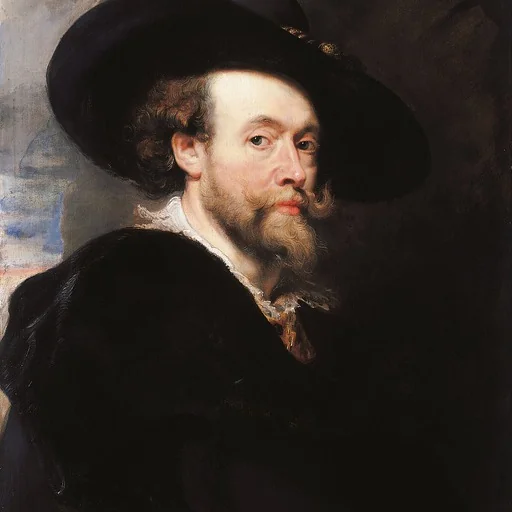
Sir Peter Paul Rubens ( ROO-bənz; Dutch:; 28 June 1577 – 30 May 1640) was a Flemish artist and diplomat.