Artwork
Landscape with a hanged man on a gallows
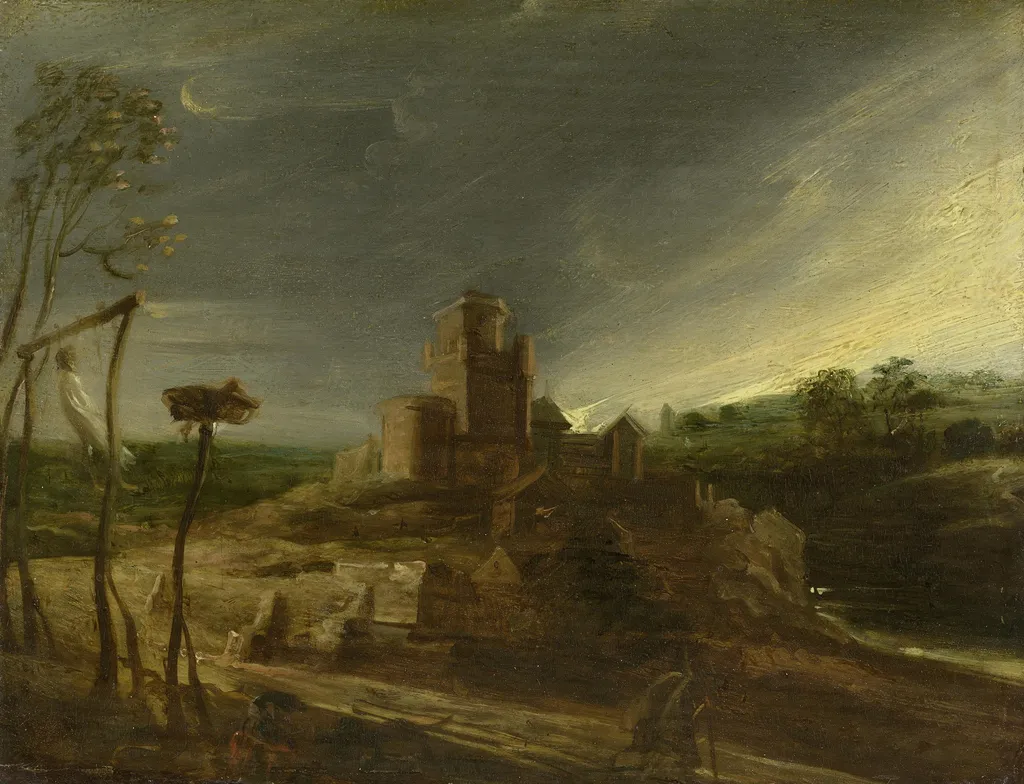
Landscape with a hanged man on a gallows is a paint painting by the Flemish Baroque painting artist Peter Paul Rubens. It dates from 1636 and is held in the collection of the Gemäldegalerie Berlin.
About this work
Subject & Meaning
The gallows functions as a symbol of justice and mortality, while the surrounding fortification and open sky suggest both confinement and the vastness of fate.
The painting shows a stark gallows dominating a barren landscape, where a lone man hangs from the structure. The gallows functions as a symbol of justice and mortality, while the surrounding fortification and open sky suggest both confinement and the vastness of fate. Rubens renders the scene with a dramatic chiaroscuro that emphasizes the tension between life and death, inviting viewers to contemplate the moral implications of punishment in a turbulent 17th‑century context.
The work’s iconography draws on biblical and moralizing traditions that associate hanging with divine retribution, yet the precise narrative remains ambiguous, allowing multiple interpretive readings.
Measured at 19.5 cm by 24.6 cm, the piece is housed in the Gemäldegalerie Berlin.
Technique & Style
Created in 1636, this landscape painting by Peter Paul Rubens is executed in oil paint on a panel support. The work measures 19.5 cm in height and 24.6 cm in width, presenting a compact yet detailed composition. Stylistically, it belongs to the landscape genre, focusing on atmospheric depiction rather than grand narrative.
The formal arrangement centers on a gallows with a hanged man, set against a backdrop that includes fortifications. The handling of the medium allows for the rendering of natural elements and architectural details within the small format.
History & Provenance
Landscape with a hanged man on a gallows is a panel painting dated to 1636, the year attributed to Peter Paul Rubens as its creator. The work is executed in oil on panel, measuring 19.5 cm in height and 24.6 cm in width. Its provenance, as recorded in the Gemäldegalerie Berlin, indicates that the painting has been part of that museum’s collection since at least the time of its accession; earlier ownership history is not documented in the available sources. No information about a specific commission survives in the provided material.
Landscape with a hanged man on a gallows, painted by Peter Paul Rubens in 1636, is held in the Gemäldegalerie Berlin. The painting belongs to the museum's collection, as recorded in its institutional data.
No exhibition history is documented in the available sources.
Context
The painting reflects Rubens' mature synthesis of Northern realism and Italianate compositional grandeur, particularly evident in his treatment of landscape as an expressive element rather than mere backdrop. Art historians note its psychological intensity derives from Counter-Reformation themes of divine justice, while its formal qualities influenced later Romantic interpretations of nature's moral resonance. The work's provenance at the Gemäldegalerie Berlin since the 19th century has cemented its role as a key reference point for studying Rubens' late religious landscapes.
Overview
Landscape with a hanged man on a gallows is a 1636 Flemish Baroque painting by Peter Paul Rubens, characterized by a dramatic, stormy landscape incorporating a somber execution scene.
Own this work as a print
Artist & collection
Artist
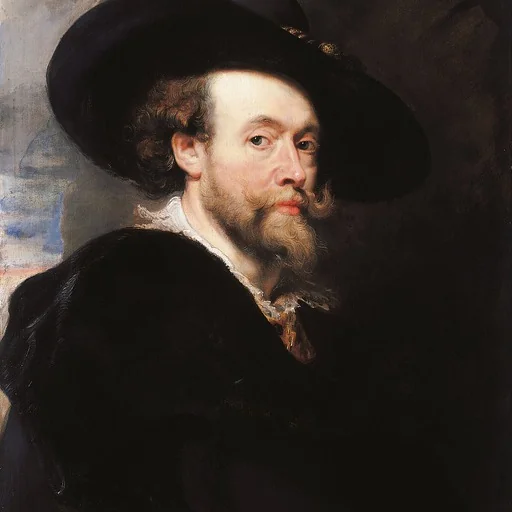
Sir Peter Paul Rubens ( ROO-bənz; Dutch:; 28 June 1577 – 30 May 1640) was a Flemish artist and diplomat.

- Mountainous Landscape
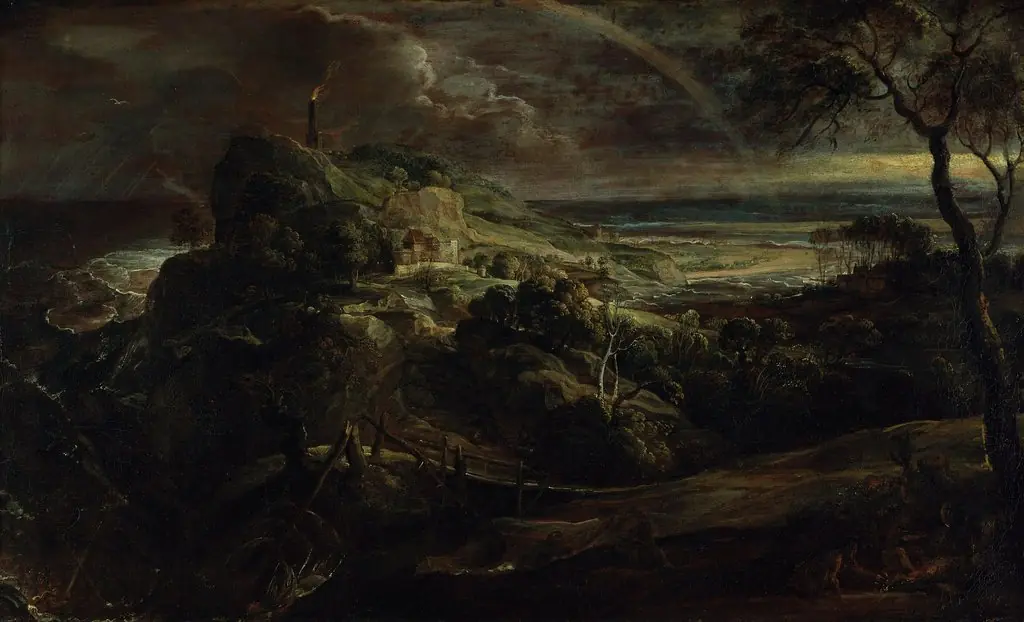 Landscape with the Shipwreck of Paul
 Mountain view
 Mountainous Landscape
 Mountain landscape with castle
 Landscape with Castle
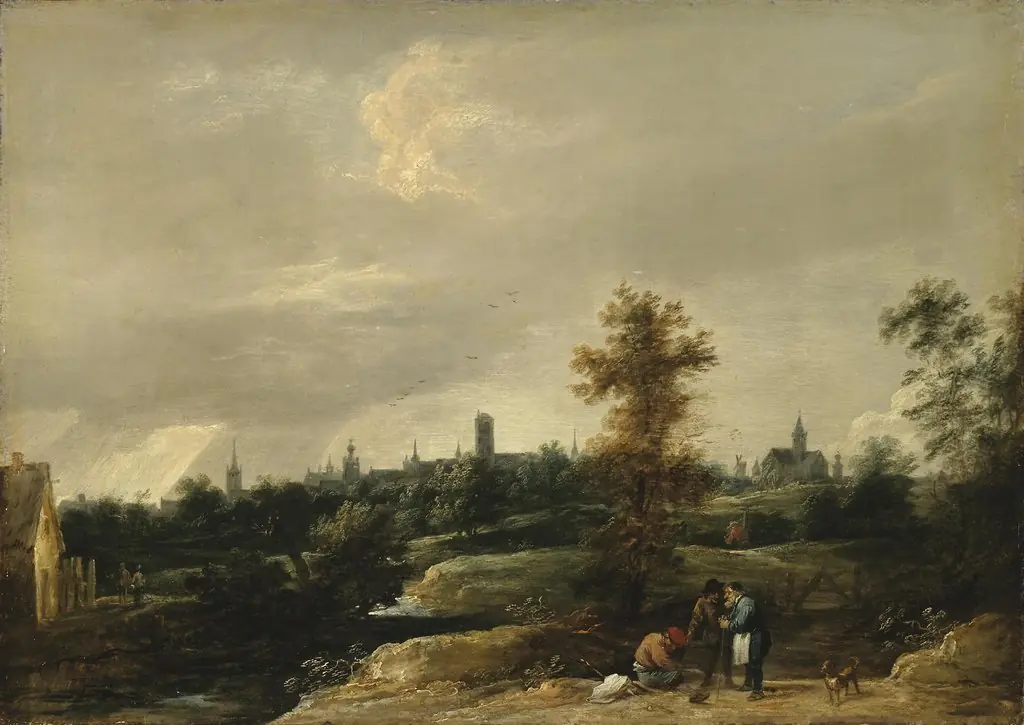 View of the Environs of Brussels
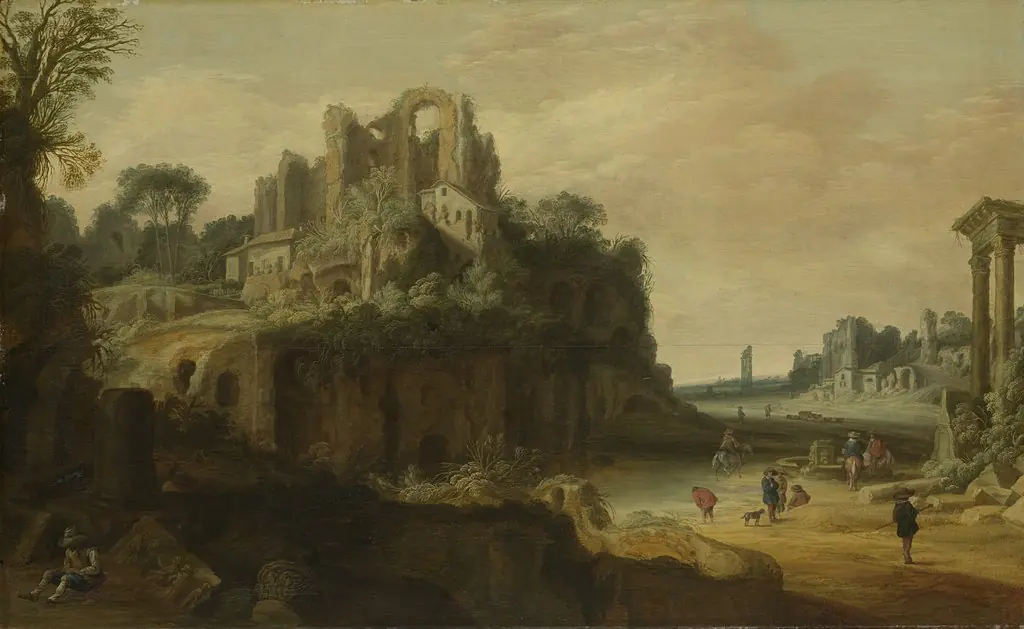 Roman landscape with the Palatine (left) and the parts of the Forum Romanum (right)
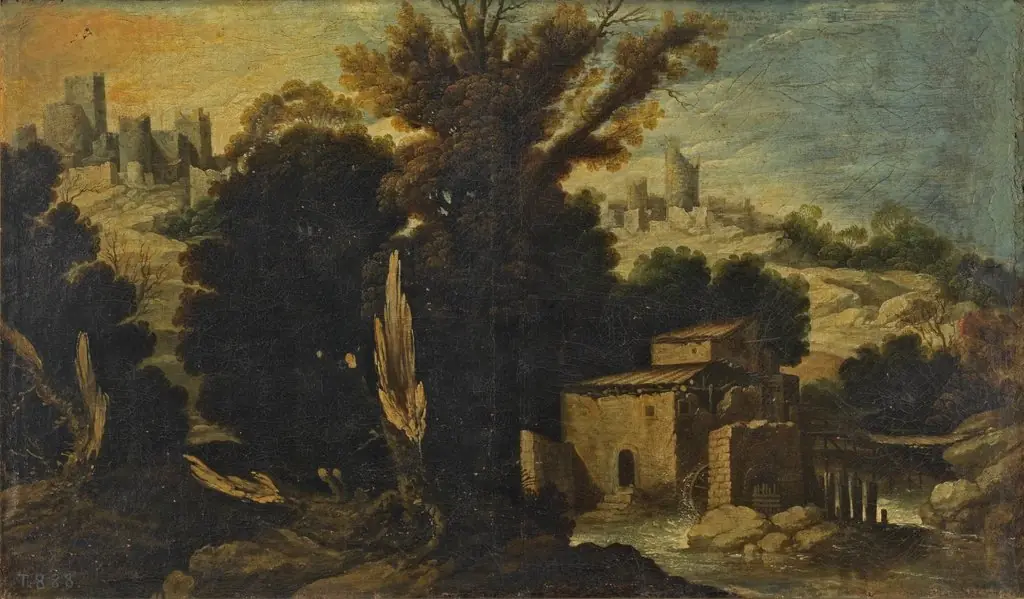 Paisaje
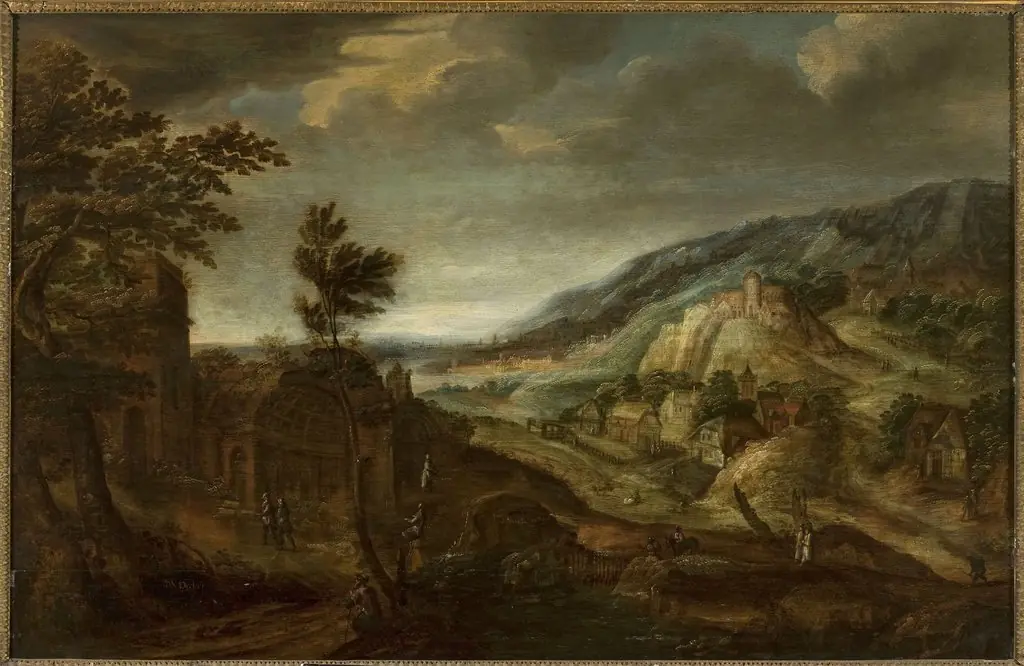 Mountain landscape
 Imaginary River Landscape
 Landscape