Artwork
Portrait of a Commander
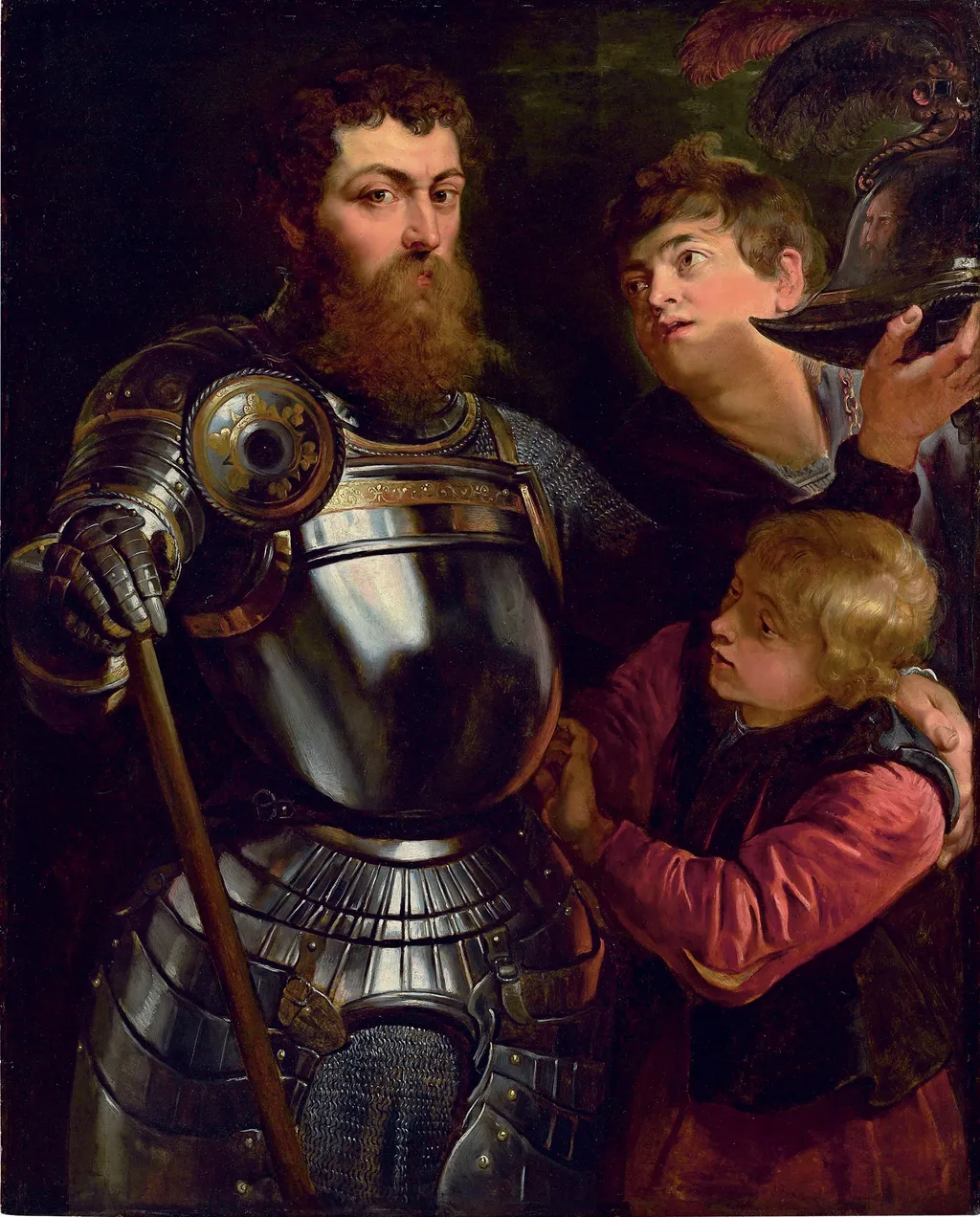
Portrait of a Commander is an oil painting by the Flemish Baroque painting artist Peter Paul Rubens. It dates from 1612 and is held in the collection of the Metropolitan Museum of Art.
About this work
Subject & Meaning
The subject of Portrait of a Commander is an anonymous military figure, depicted in full plate armor and holding a baton, symbols conventionally associated with command and authority in early modern portraiture. The commander’s idealized features and the ceremonial act of being dressed by pages suggest a representation of power and status rather than an individual likeness, reinforcing the idea of an archetypal military leader. The armor’s reflective surface and the vivid hues of the painting emphasize the subject’s elevated social and martial role, while the unknown identity of the sitter, proposed candidates including Charles V, Cornelis van der Geest, or the Duke of Alba, underscores the portrait’s symbolic function over its documentary value.
The work’s emphasis on regalia and the act of preparation aligns with contemporary conventions of glorifying military leadership, conveying themes of duty, authority, and the performative aspects of power.
Technique & Style
The figure engages the viewer with a direct gaze, though some critics have described the portrayal as uncomfortably idealized rather than strictly naturalistic.
Executed circa 1612–1613, this work is an oil painting on a wood panel support. The composition measures approximately 122.6 by 98.2 centimeters and depicts an unknown military commander in plate armor being attended by pages. Stylistically, the piece is noted for its crisp, intense coloration and the sophisticated rendering of light reflecting off the metallic surfaces of the armor.
The figure engages the viewer with a direct gaze, though some critics have described the portrayal as uncomfortably idealized rather than strictly naturalistic. While the attribution to Peter Paul Rubens was disputed for over a century, previously assigned to the School of Porbus, technical and academic examinations commissioned during its 2010 sale confirmed it as an autograph work, despite lingering skepticism from some commentators regarding its handling.
History & Provenance
The commission and dating of the work remain unresolved. By tradition, the painting is placed around 1613, aligning with Rubens’s early Antwerp period. Its early provenance is undocumented; the first verifiable owner is George Spencer, 2nd Earl Spencer, who held it by 1802.
The picture descended within the Spencer family until 2010, when Charles Spencer, 9th Earl Spencer, consigned it for sale alongside other non-core holdings to fund Althorp restorations. The work was auctioned at Christie’s in July 2010 for £9 million, securing the second highest Rubens auction price at the time.
The Portrait of a Commander is currently held on loan at the Metropolitan Museum of Art in New York, having been placed there in December 2011. The work was previously sold at Christie's in July 2010 for £9 million to collector Konrad Bernheimer, following its sale by the Spencer family. While the museum holds the painting on loan, no specific accession or inventory number is provided in the available records.
The artwork was not exhibited publicly prior to its 2010 auction, as it remained within the Althorp collection for centuries. Its exhibition history is limited to its display at the Metropolitan Museum of Art since late 2011, where it is presented as a portrait of an unknown man in plate armor.
Context
The Portrait of a Commander, painted in 1612 on wood panel, is recorded as a Rubens work in both the artist’s catalogue and the Metropolitan Museum of Art’s collection (1,2). Its attribution evolved from a 19th‑century classification as “School of Porbus” to post‑World War II scholarship that reinstated Rubens, a shift confirmed by a Christie’s expert panel (3). Critics such as Brian Sewell have questioned the authenticity, describing the piece as an “uncomfortable Rubens,” yet the panel’s findings support its genuineness (3).
The painting’s rare large‑scale portraiture, its display at the Met, and its £9 million 2010 auction result illustrate its importance within Rubens’s oeuvre and the art market (2,3).
Overview
This painting, known as Portrait of a Commander or A Commander Being Dressed for Battle, depicts an unidentified man clad in full plate armor. Attributed to Peter Paul Rubens, the work is executed on wood. It portrays a figure of authority, possibly in preparation for combat, and has recently garnered attention for its complex provenance and a significant sale.
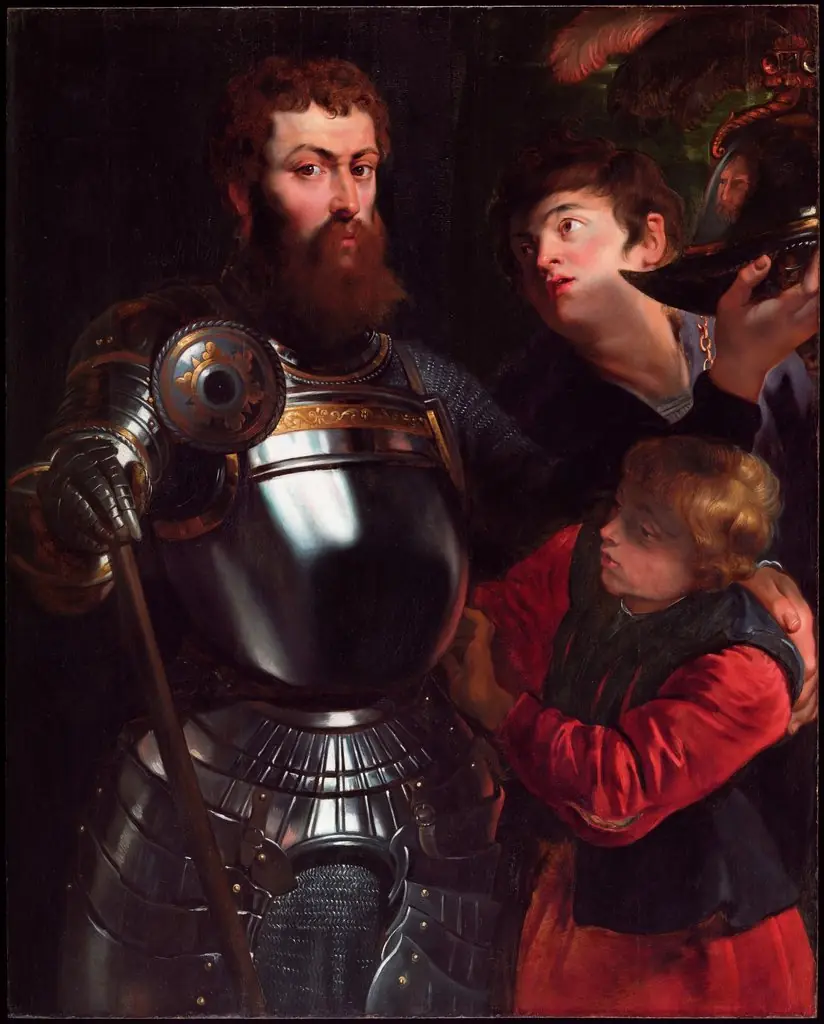
Own this work as a print
Artist & collection
Artist
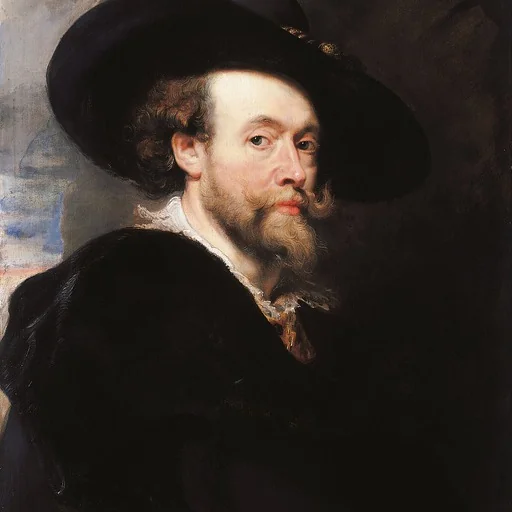
Sir Peter Paul Rubens ( ROO-bənz; Dutch:; 28 June 1577 – 30 May 1640) was a Flemish artist and diplomat.

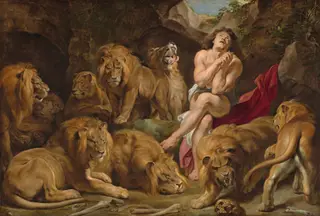
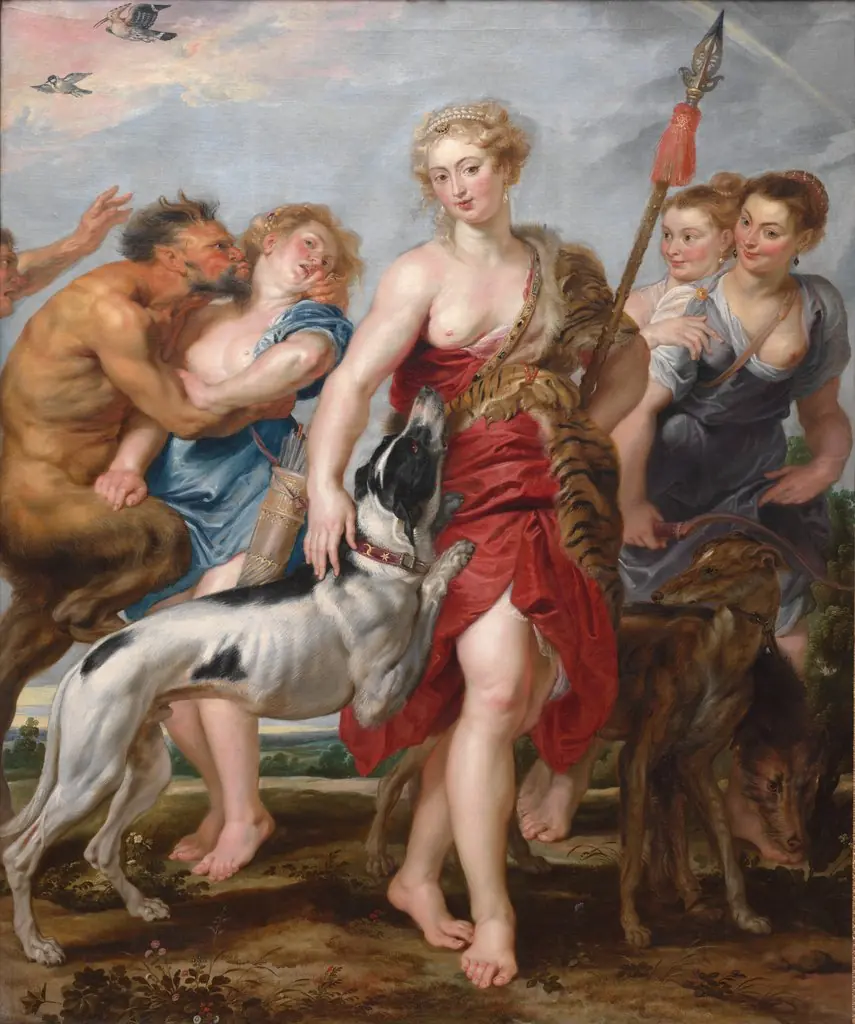
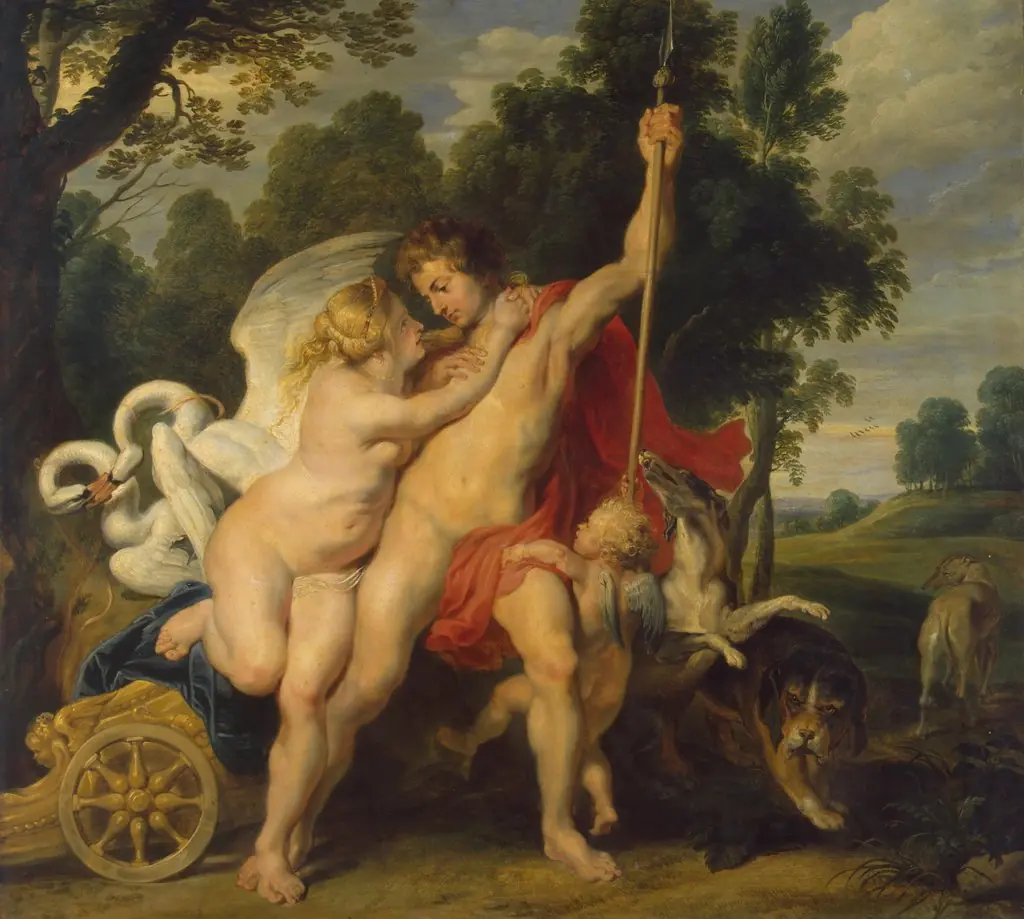
- Warrior with Two Pages
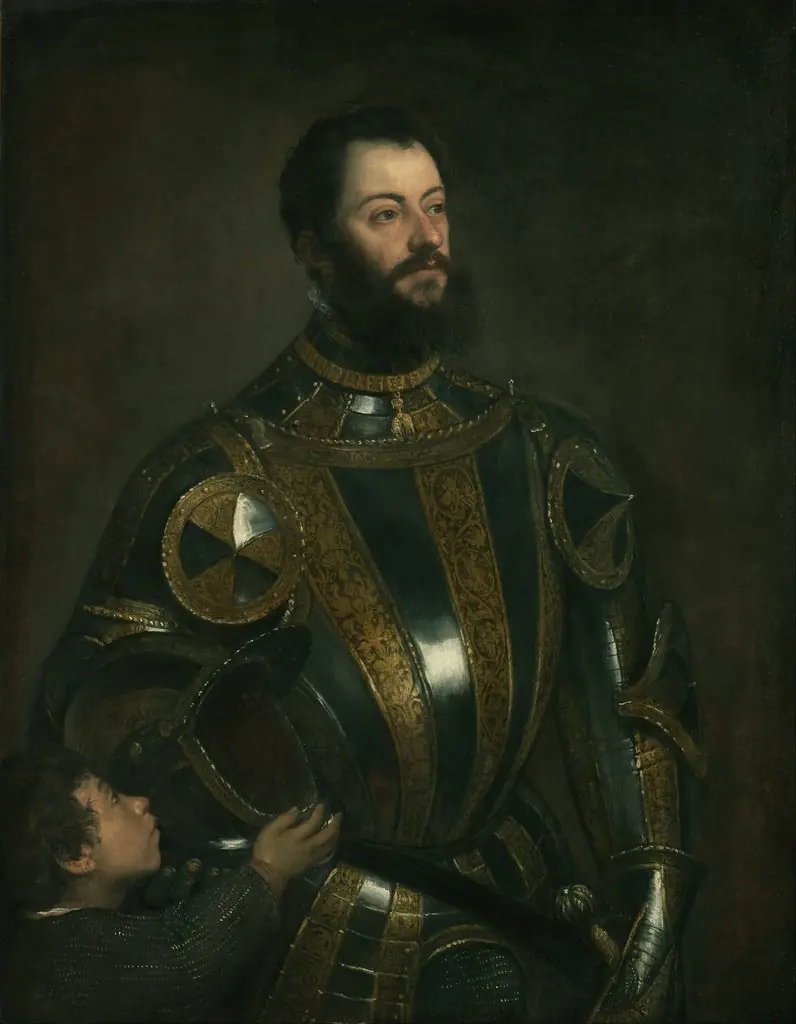 Portrait of Alfonso d'Avalos, Marchese del Vasto, in Armor with a Page
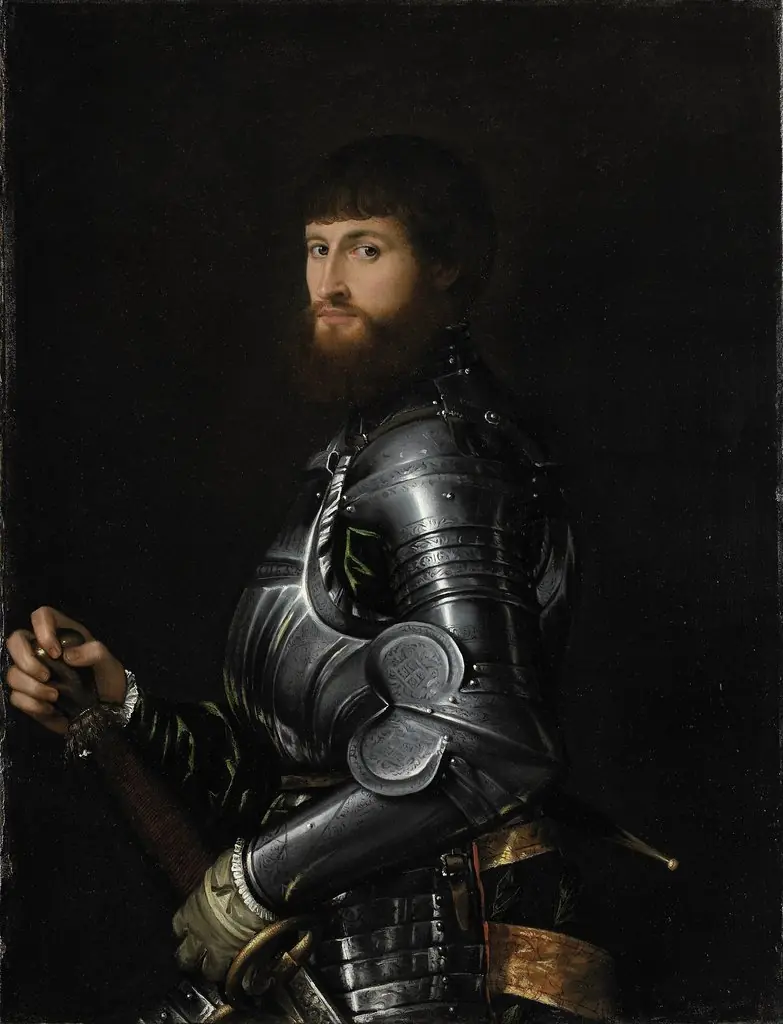 Portrait of a Nobleman in Armor
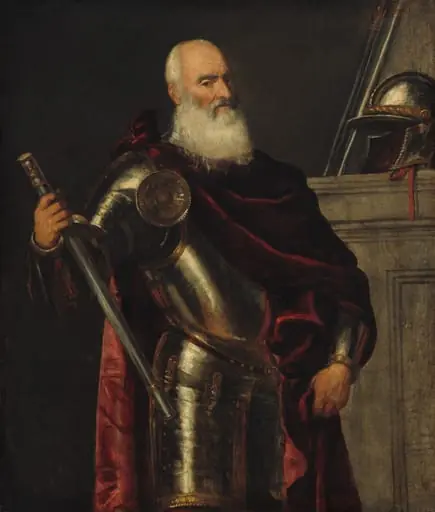 Vincenzo Cappello
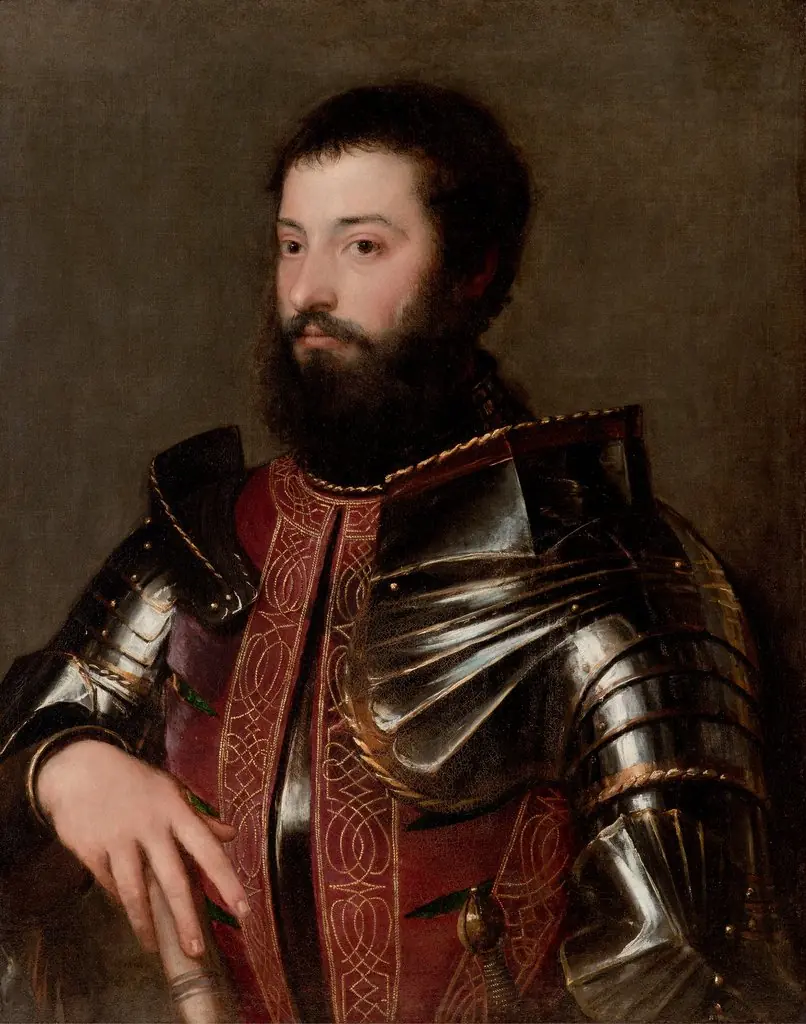 Portrait of a Man in Armor
 Untitled
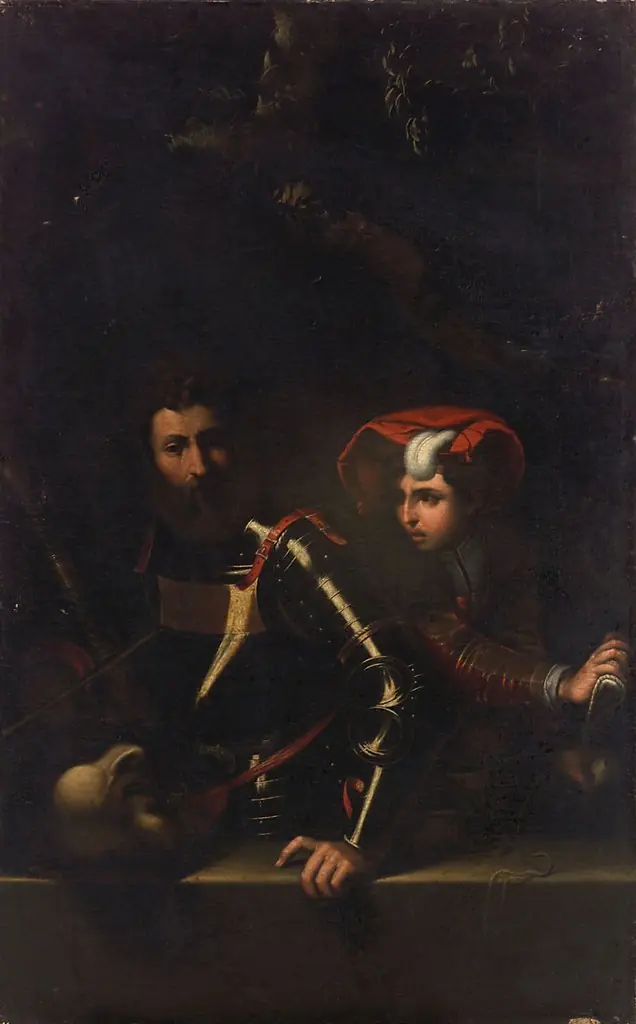 Saul und David mit dem Haupt des Goliath
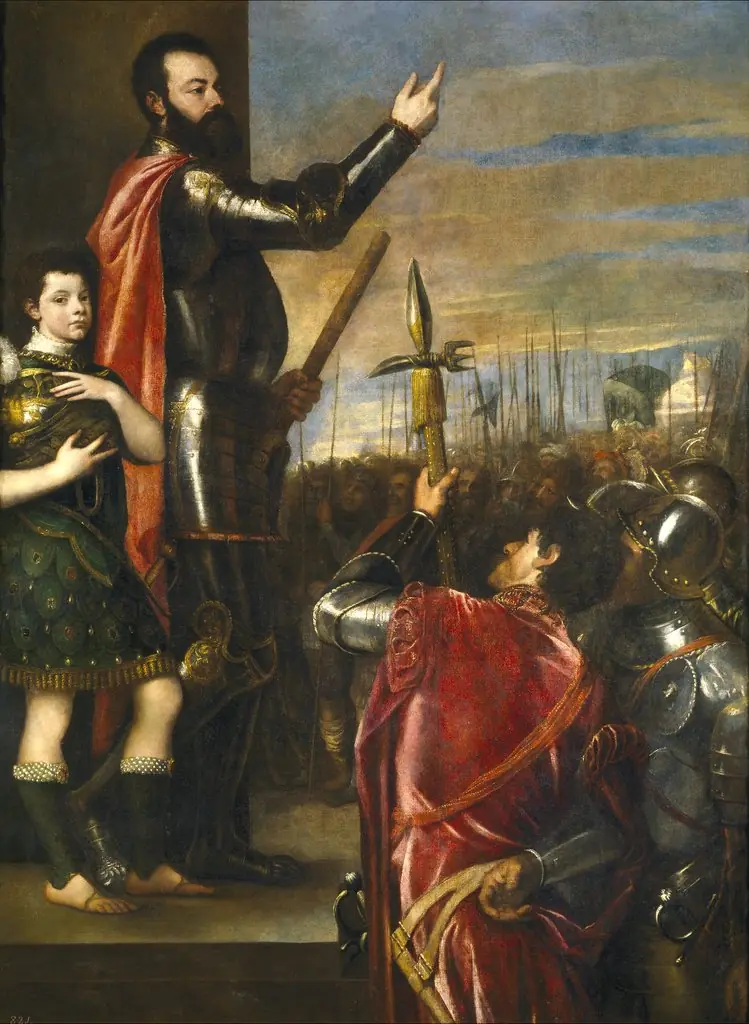 Alfonso d'Avalos Addressing his Troops
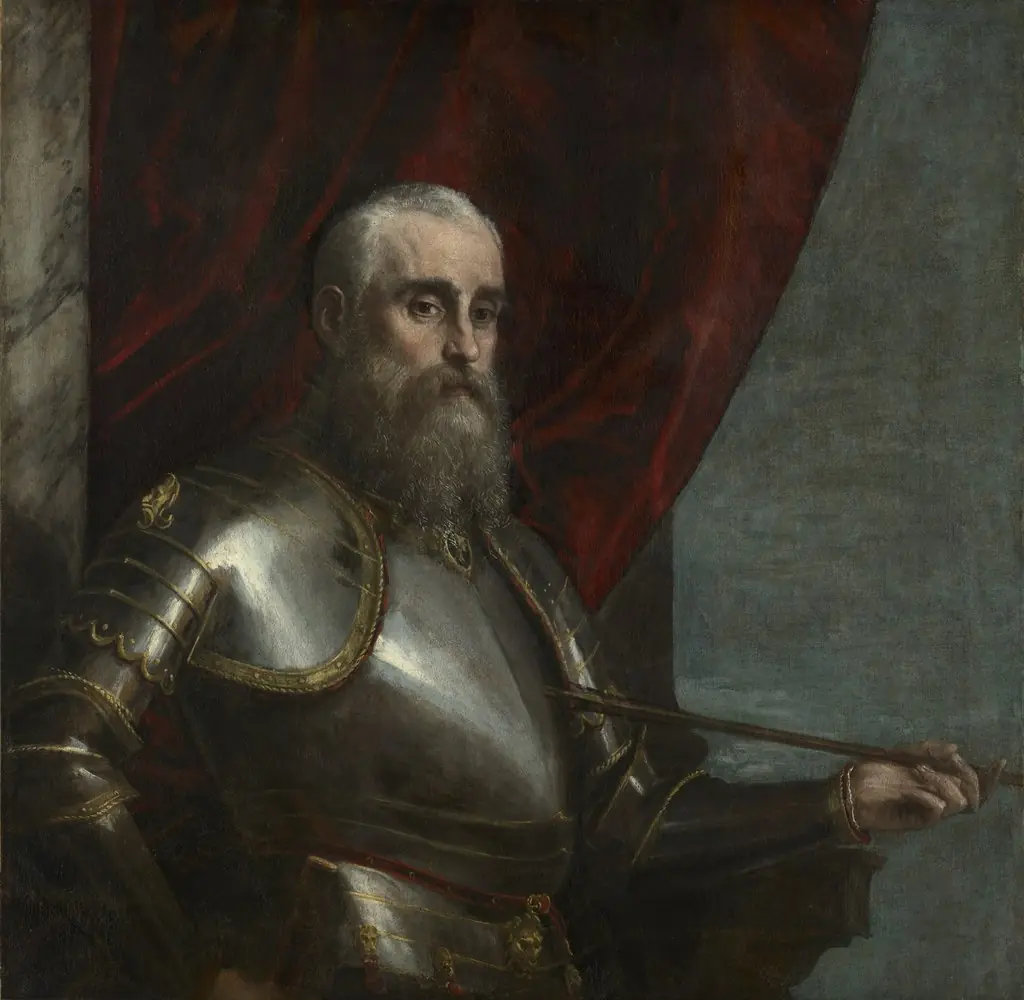 Portrait of Agostino Barbarigo
 Portrait of Agostino Barbarigo
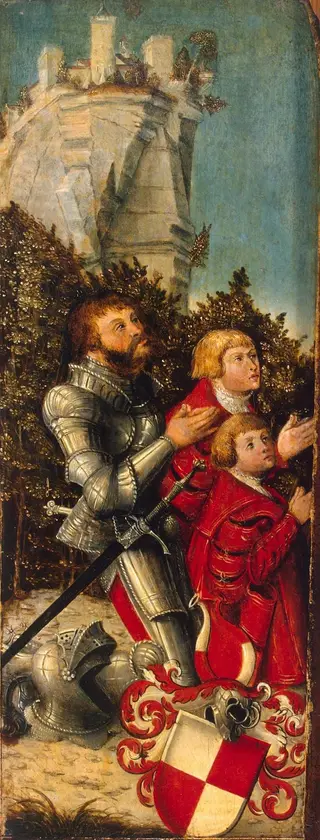 Portrait of a Knight and His Two Sons
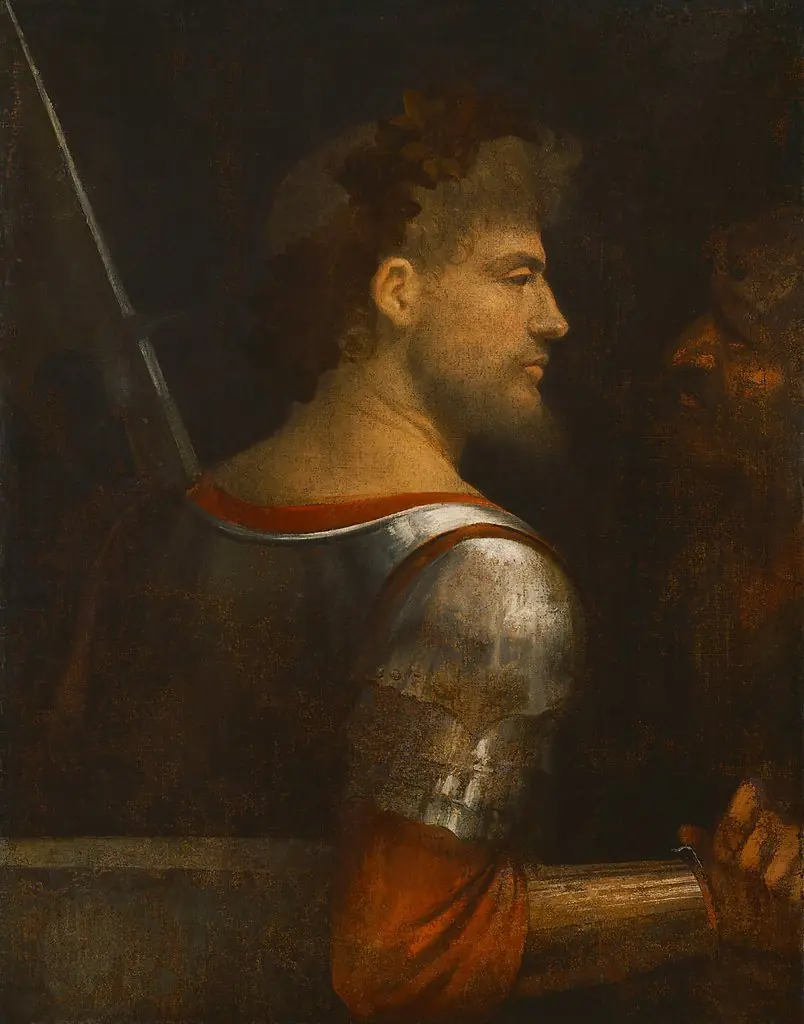 Portrait of a Warrior