Artwork
Portrait of a Franciscan friar
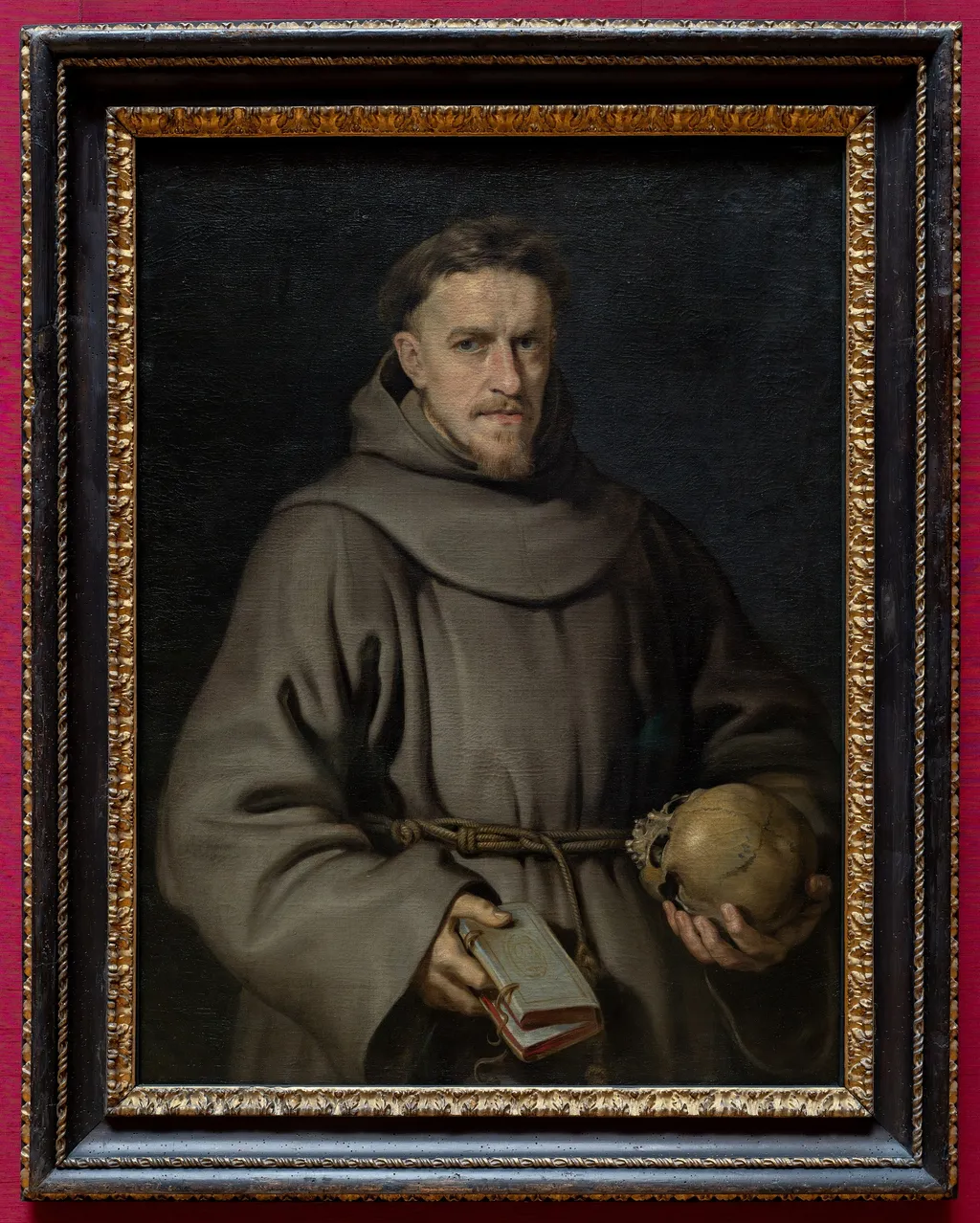
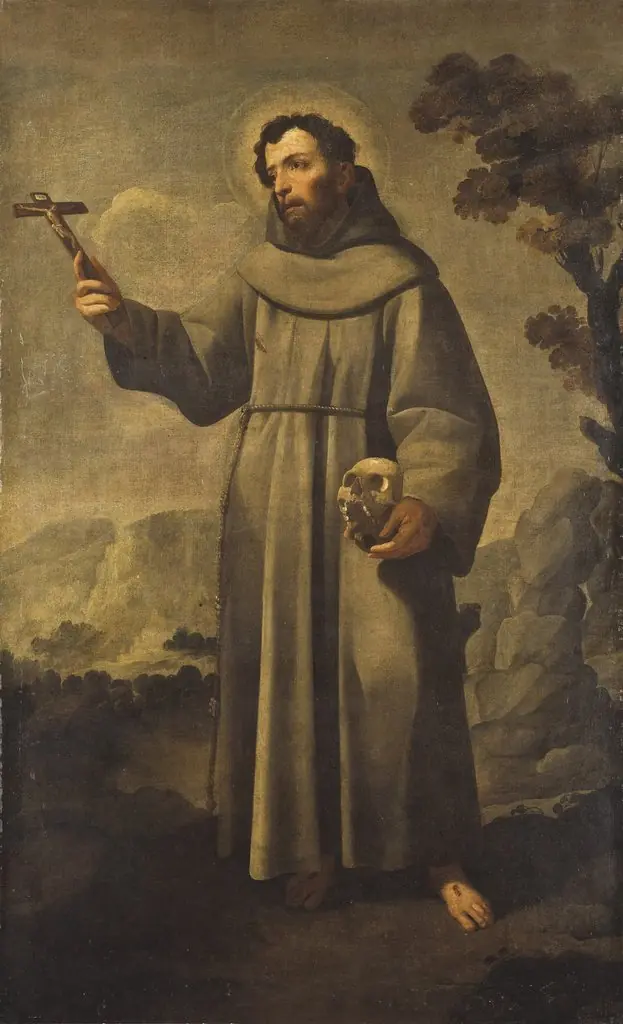
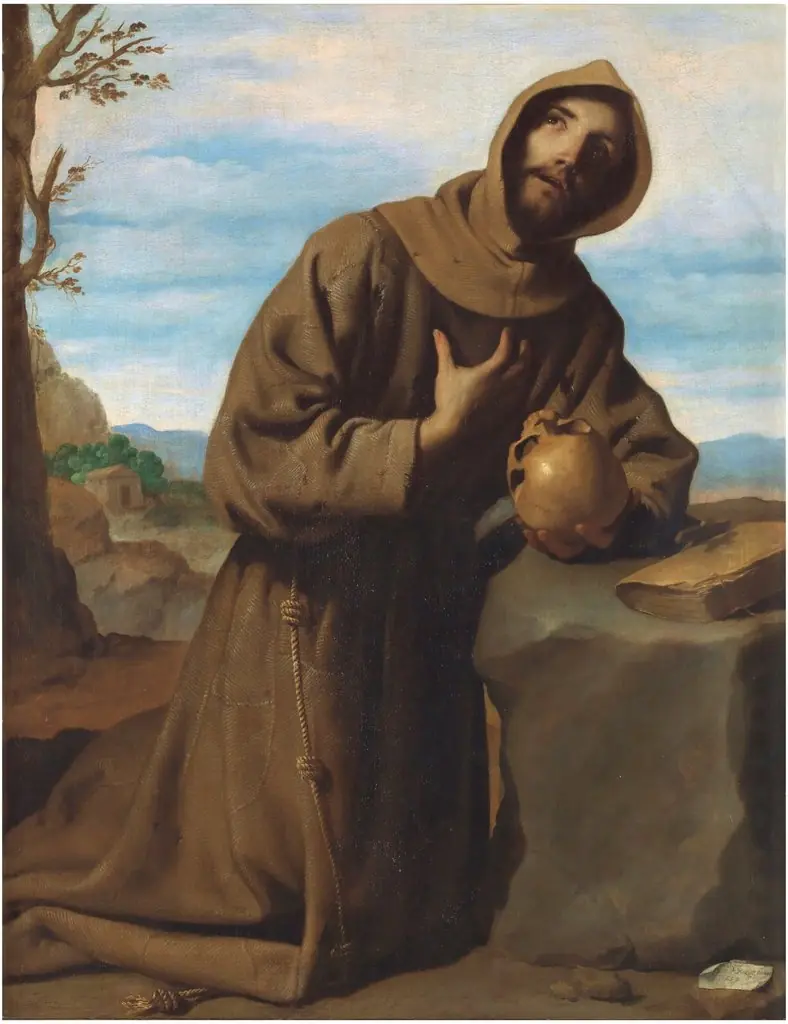
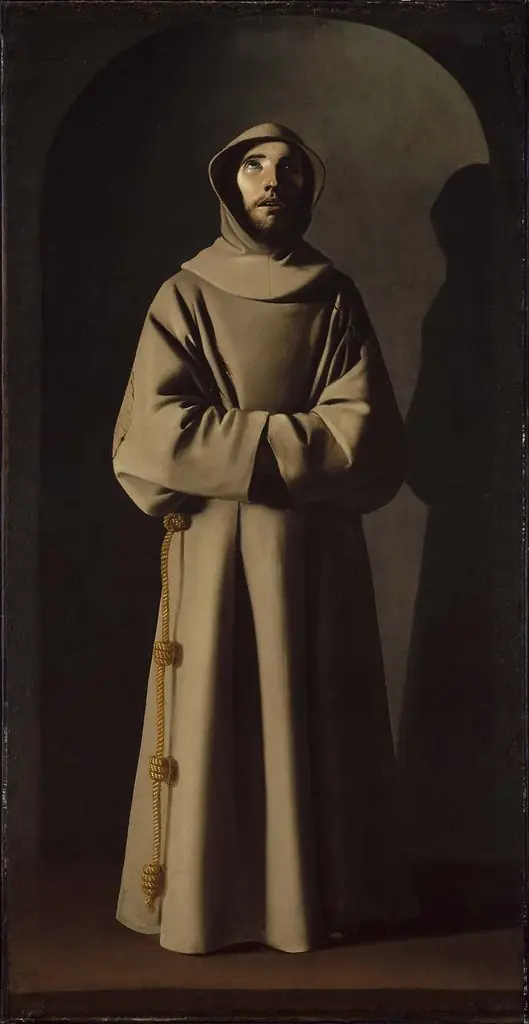
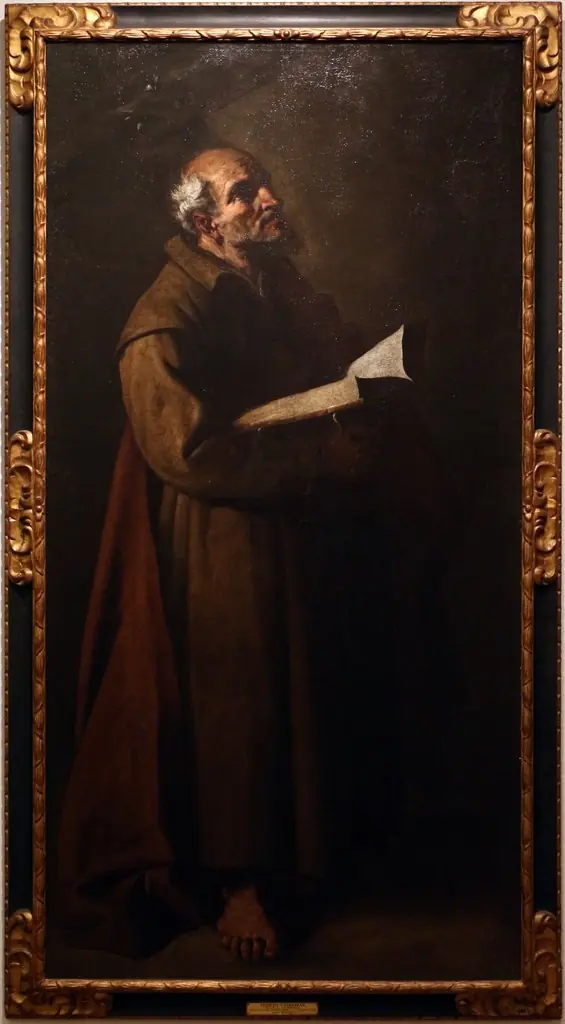
Portrait of a Franciscan friar is an oil painting by the Flemish Baroque painting artist Peter Paul Rubens. It dates from 1615 and is held in the collection of the Bavarian State Painting Collections.
About this work
Subject & Meaning
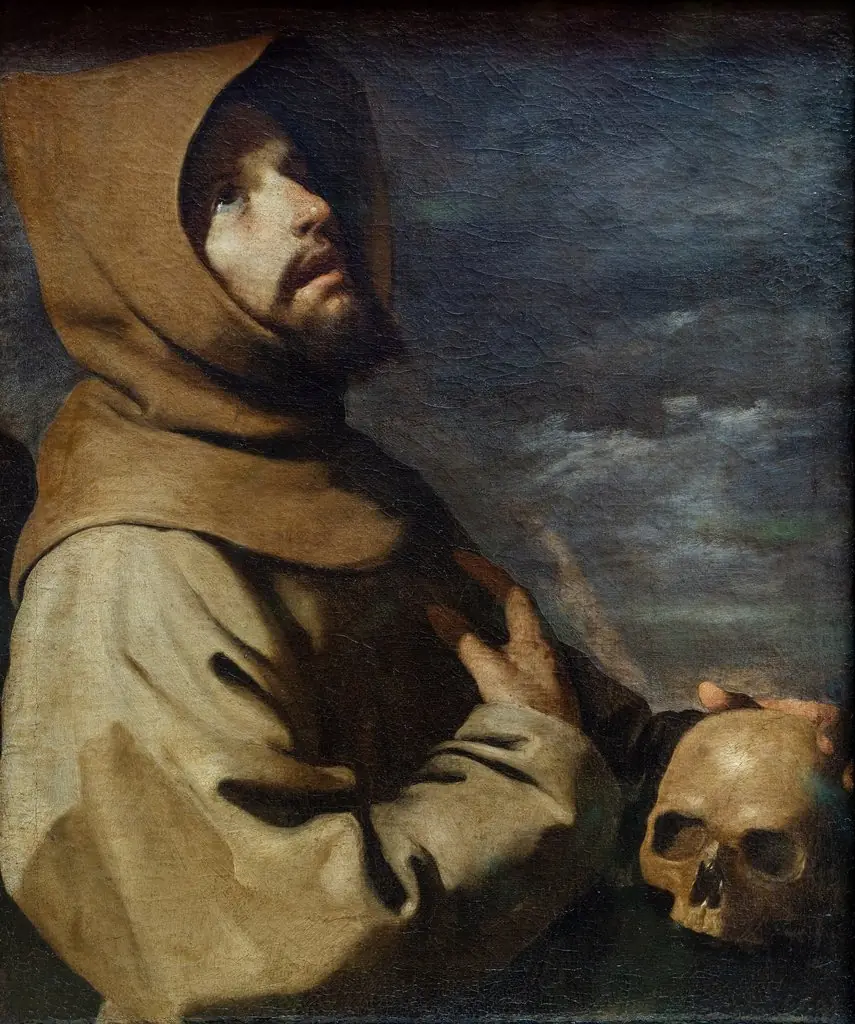
The subject's iconography includes a skull, which serves as a memento mori symbolizing the inevitability of death and the transient nature of earthly life.
The painting depicts a man identified as a Franciscan friar, rendered in oil on canvas by Peter Paul Rubens in 1615. The subject's iconography includes a skull, which serves as a memento mori symbolizing the inevitability of death and the transient nature of earthly life. This inclusion aligns with the ascetic values of the Franciscan order, emphasizing spiritual reflection over worldly concerns.
The work functions as a meditative portrait that combines a realistic representation of the figure with a moralizing message about mortality.
Technique & Style
The work is an oil painting on canvas, rendered in a naturalistic portrait style that emphasizes the friar's contemplative expression and the subtle play of light on his habit. Its formal composition features a tightly framed half‑length figure set against a muted background, highlighting Rubens' mastery of chiaroscuro and textural detail.
History & Provenance
The work was created in 1615 by Peter Paul Rubens as an oil on canvas portrait of a Franciscan friar. It entered the Bavarian State Painting Collections, specifically the Johann Wilhelm von der Pfalz collection within the Electoral Gallery Dusseldorf, and has remained in that institution ever since. The painting is housed in the Alte Pinakothek in Munich, where it is part of the permanent display of European portraiture.
The Portrait of a Franciscan friar is held by the Alte Pinakothek in Munich, which is part of the Bavarian State Painting Collections. The work originates from the former Johann Wilhelm von der Pfalz collection and the Electoral Gallery in Dusseldorf. While the painting is firmly attributed to Peter Paul Rubens and dated to 1615, the provided sources do not list a specific inventory or accession number, nor do they record any exhibition history for the work.
Context
Scholarship on the 1615 Portrait of a Franciscan friar by Peter Paul Rubens emphasizes its significance within the artist's early devotional portraiture, reflecting Counter-Reformation sensibilities through its stark realism and symbolic inclusion of a skull, a motif tied to contemporary spiritual contemplation. The work's placement in the Bavarian State Painting Collections' Johann Wilhelm von der Pfalz collection at the Alte Pinakothek underscores its historical provenance within Bavarian electoral patronage networks. Art historical analysis situates the painting within Rubens' broader oeuvre of clerical subjects, demonstrating his mastery in blending psychological depth with Counter-Reformation iconography, while its technical execution in oil on canvas aligns with Baroque innovations in portraiture.
The attribution to Rubens is firmly established through stylistic analysis of brushwork and compositional treatment, though scholarly debate occasionally surrounds the precise identification of the sitter within his circle of religious figures.
Overview
Created in 1615, this oil painting by Peter Paul Rubens portrays a Franciscan friar in a contemplative stance. The work belongs to the portrait genre and is held in the collection of the Alte Pinakothek. Its composition centers on the figure against a dark backdrop, highlighting the religious subject within a Baroque visual language.
Own this work as a print
Artist & collection
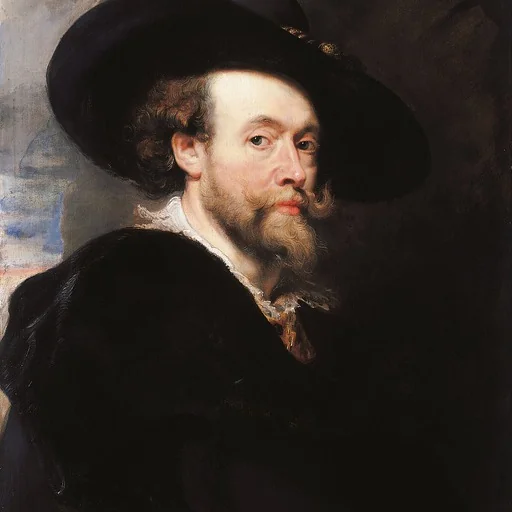
Artist
Sir Peter Paul Rubens ( ROO-bənz; Dutch:; 28 June 1577 – 30 May 1640) was a Flemish artist and diplomat.