Artwork
Saint Thomas
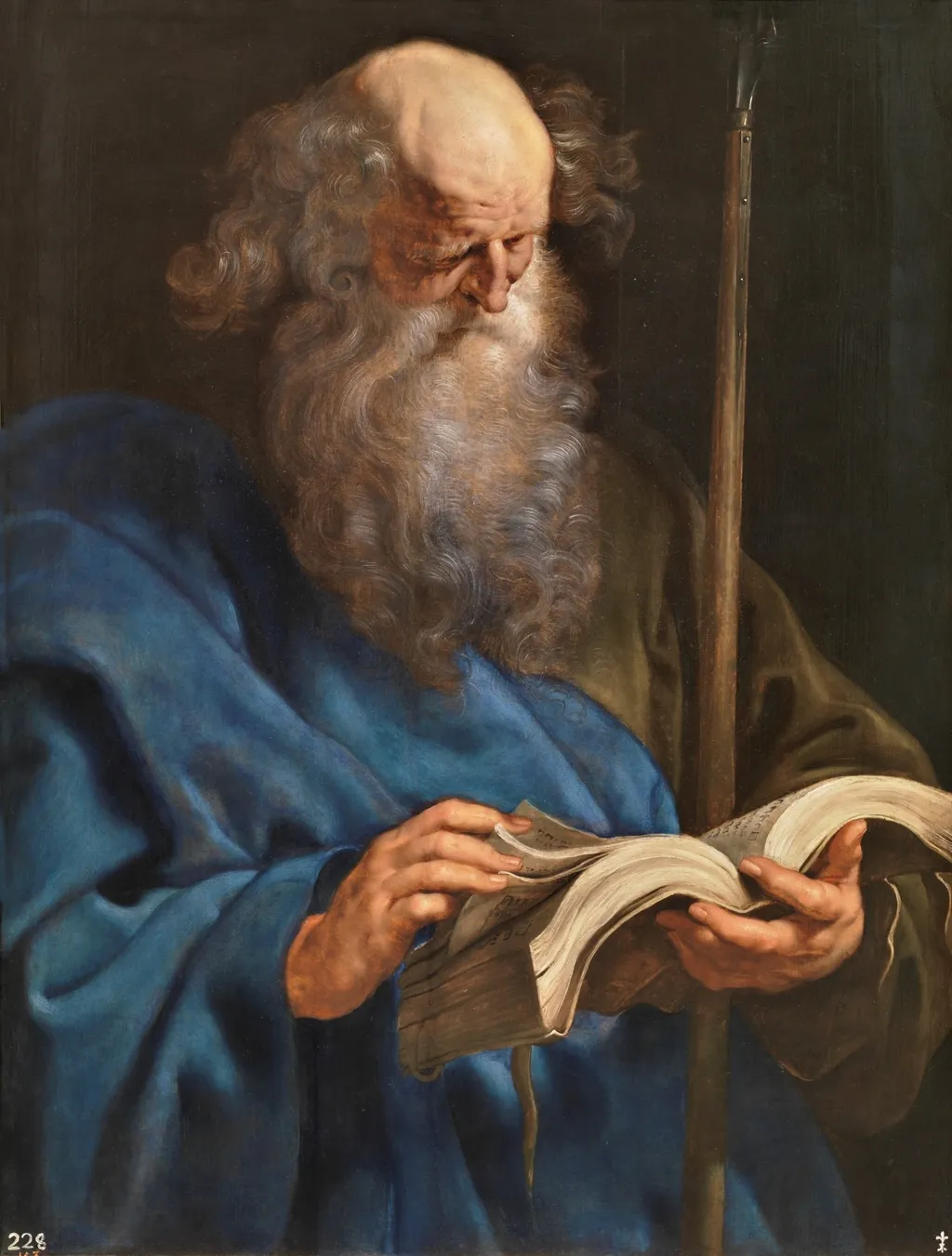
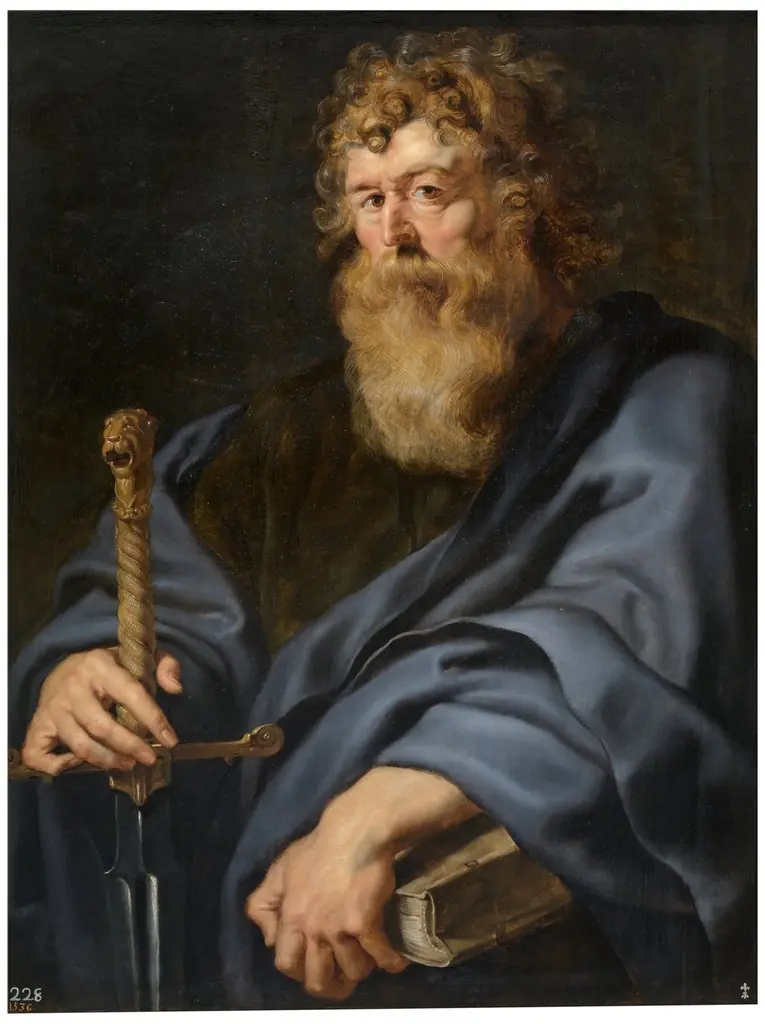
Saint Thomas is an oil painting by the Flemish Baroque painting artist Peter Paul Rubens. It dates from 1610 and is held in the collection of the Museo del Prado.
About this work
Subject & Meaning
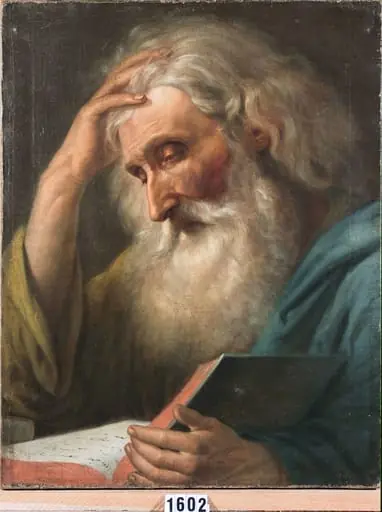
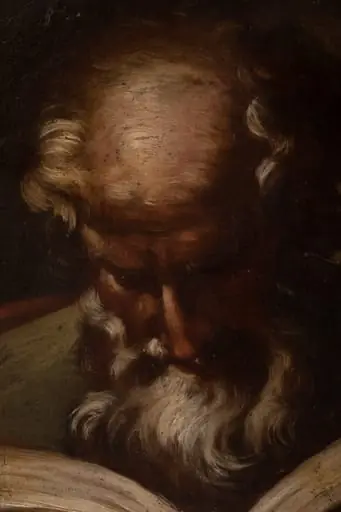
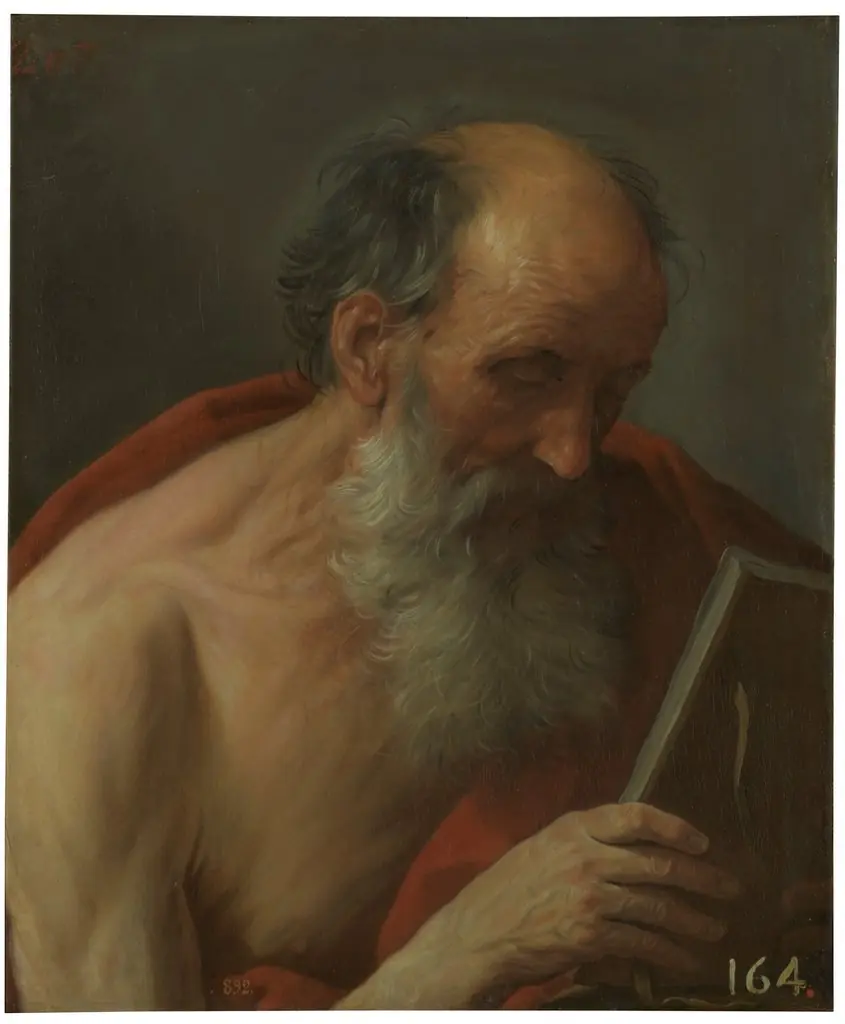
The painting portrays Thomas the Apostle, holding a book that identifies him within Rubens's series of apostle images. As one of Christ's twelve apostles and a witness to the Resurrection, Thomas is a foundational figure in Christian tradition, themes Rubens emphasized in his religious compositions through the dignified, half-length devotional presentation of the saint.
Technique & Style
Rubens combines underdrawing with wet-into-wet passages, yielding a tactile immediacy in the saint's beard and drapery.
Executed in oil on panel around 1610, the work displays Rubens's characteristic handling: dense, luminous glazes and vigorous, fluid brushwork that model the apostle's voluminous drapery and fleshy anatomy.
The composition is anchored by Saint Thomas's frontal pose, the figure holding a book. The palette favors warm ochres and deep crimsons, heightened by cooler passages in the flesh. Rubens combines underdrawing with wet-into-wet passages, yielding a tactile immediacy in the saint's beard and drapery.
History & Provenance
Peter Paul Rubens painted Saint Thomas around 1610 as an oil on panel, part of a series depicting the apostles. The painting entered the Spanish royal collection, where it was owned successively by Philip V and his queen Elisabeth Farnese, then by Charles III, and later by Ferdinand VII. It hung in royal residences including the Royal Palace of Aranjuez and the Royal Palace of La Granja de San Ildefonso, and is now held in the Museo del Prado.
The available sources do not list a specific inventory or accession number for the work, nor do they document an exhibition history.
Context
Peter Paul Rubens painted Saint Thomas around 1610, an oil on panel measuring 108 cm by 83 cm, depicting the apostle with a book. The work was owned successively by the Spanish monarchs Philip V and Elisabeth Farnese, then Charles III, and later Ferdinand VII, placing its provenance within 18th- and early-19th-century royal patronage. Its religious subject aligns with Counter-Reformation devotional imagery, reflecting Rubens's mastery of such work, and the painting remains part of the Museo del Prado's collection.
Legacy
Saint Thomas formed part of Rubens's series of apostle paintings, which circulated within the Spanish royal collection through owners including Philip V, Charles III, and Ferdinand VII. As one of Rubens's devotional depictions of the apostles, it contributed to the iconography of these figures in European Baroque art. Its presence in the Museo del Prado has secured its place within scholarship on Rubens's religious painting.
Overview
Created in 1610 by the Flemish painter Peter Paul Rubens, this oil on canvas portrays the Apostle Thomas. The figure is rendered in a deep blue robe, his white hair and beard contrasting with a dark backdrop that emphasizes his thoughtful demeanor. The work is currently housed in the Museo del Prado, exemplifying Rubens’ mature Baroque style.
Own this work as a print
Artist & collection
Artist
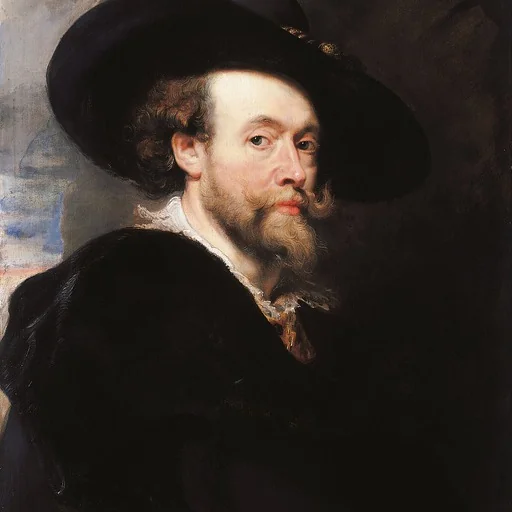
Sir Peter Paul Rubens ( ROO-bənz; Dutch:; 28 June 1577 – 30 May 1640) was a Flemish artist and diplomat.