Artwork
Saint Theresa and the Education of Mary
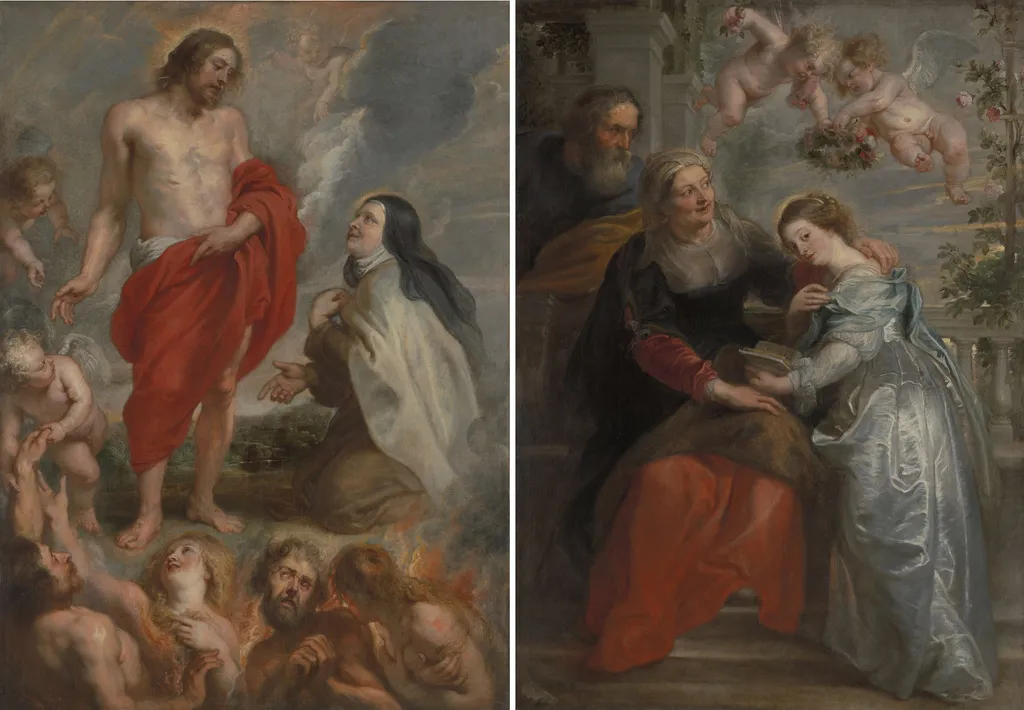
Saint Theresa and the Education of Mary is an oil painting by the Flemish Baroque painting artist Peter Paul Rubens. It dates from 1618 and is held in the collection of the Royal Museum of Fine Arts Antwerp.
About this work
Overview
The painting resides in the Royal Museum of Fine Arts Antwerp, reflecting its significance within the regional artistic tradition of the early 17th century.
Painted around 1618 by Peter Paul Rubens, this oil-on-canvas work presents a devotional scene centered on Saint Theresa and the Virgin Mary as a child. Rubens, a leading figure in Flemish Baroque art, combined religious narrative with emotional depth and refined technique. The painting resides in the Royal Museum of Fine Arts Antwerp, reflecting its significance within the regional artistic tradition of the early 17th century.
Subject & Meaning
The scene portrays Saint Theresa in prayer, her hands clasped in quiet devotion, while the young Mary observes her with reverence. The moment suggests spiritual transmission, Theresa’s piety serving as a model for Mary’s early formation. Rather than depicting a miraculous event, the focus lies in the quiet, personal nature of faith, aligning with Counter-Reformation ideals that emphasized inner devotion and moral example.
Technique & Style
Rubens employs soft, warm tonalities and gentle brushwork to evoke intimacy. Light falls delicately on Theresa’s face, drawing attention to her contemplative expression without harsh contrast. The modeling of forms is fluid, with subtle transitions between shadow and hue.
While chiaroscuro is present, it is subdued, prioritizing emotional warmth over dramatic tension, distinguishing this work from his more theatrical compositions.
History & Provenance
Created during Rubens’s mature period, the painting likely originated as part of a private or ecclesiastical commission in Antwerp. It entered the collection of the Royal Museum of Fine Arts Antwerp in the 19th century, where it has remained since. Its survival in relatively stable condition reflects its consistent recognition within Flemish artistic heritage.
Context
In the early 1600s, the Catholic Church promoted imagery that fostered personal piety in response to Protestant reform. Rubens, aligned with these goals, often depicted saints and sacred figures in accessible, emotionally resonant moments. This painting’s quiet intimacy reflects a broader trend in Counter-Reformation art: replacing spectacle with quiet devotion to inspire spiritual reflection.
Legacy
Though less widely known than Rubens’s grand altarpieces, this work exemplifies his ability to convey spiritual depth through restraint. It influenced later Flemish painters who sought to balance religious subject matter with psychological nuance. Its presence in a major public collection ensures continued study of how Baroque art could express reverence without grandeur.
Own this work as a print
Artist & collection
Artist
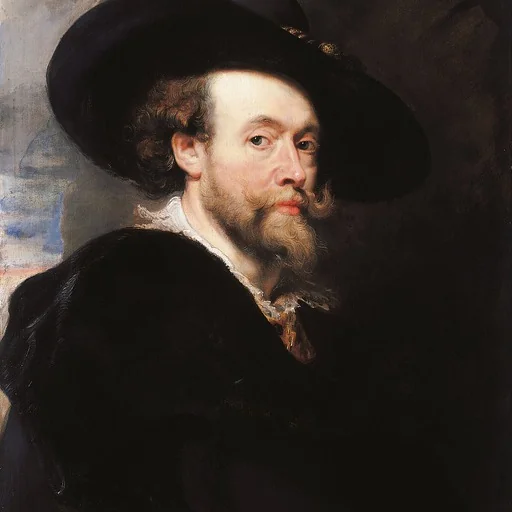
Sir Peter Paul Rubens ( ROO-bənz; Dutch:; 28 June 1577 – 30 May 1640) was a Flemish artist and diplomat.

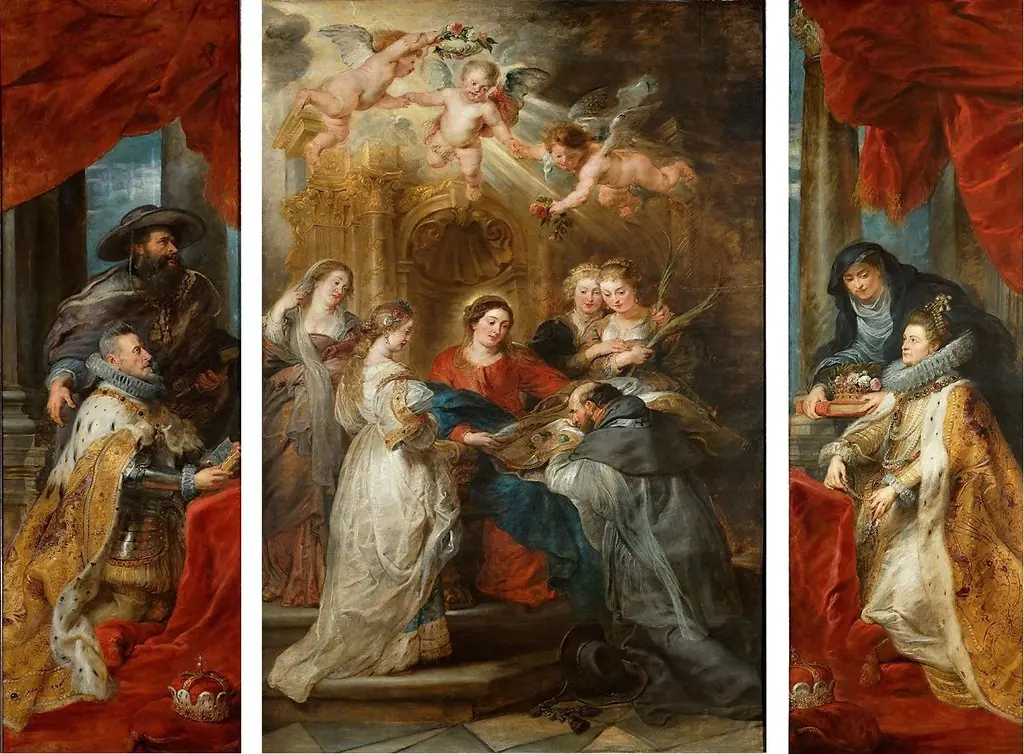
- Ildefonso Altarpiece
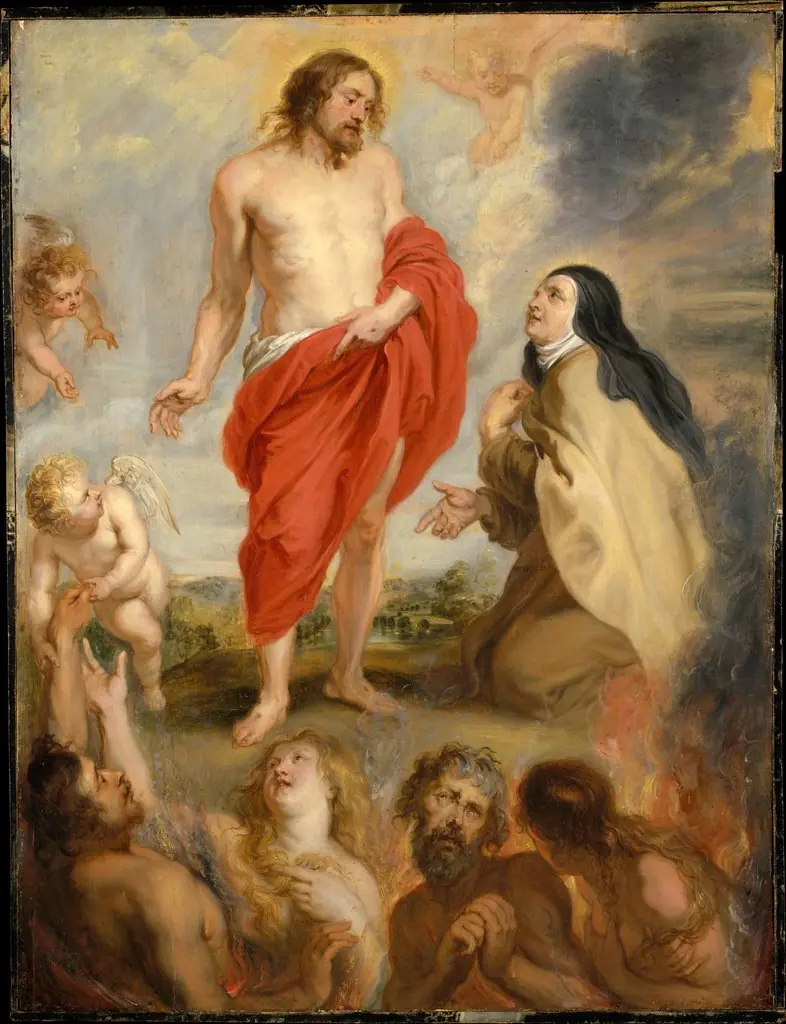 Saint Teresa of Ávila Interceding for Souls in Purgatory
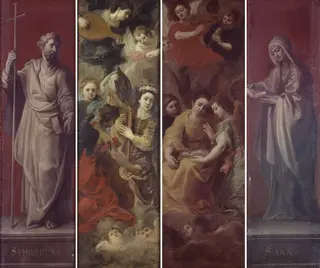 Concert of Angels
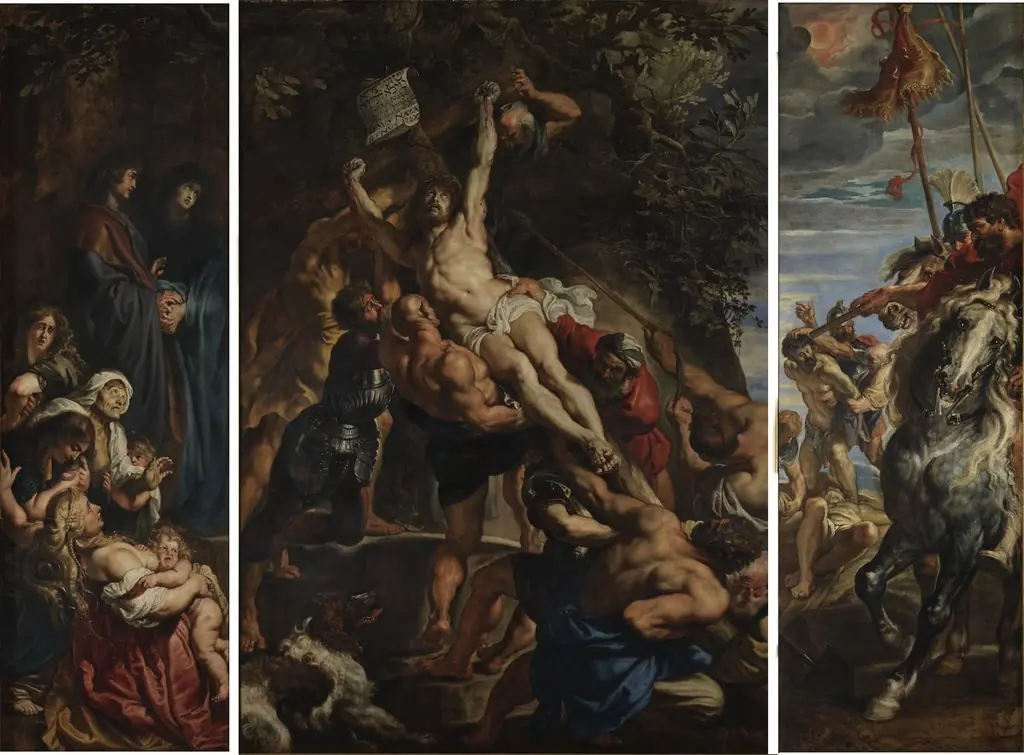 The Elevation of the Cross
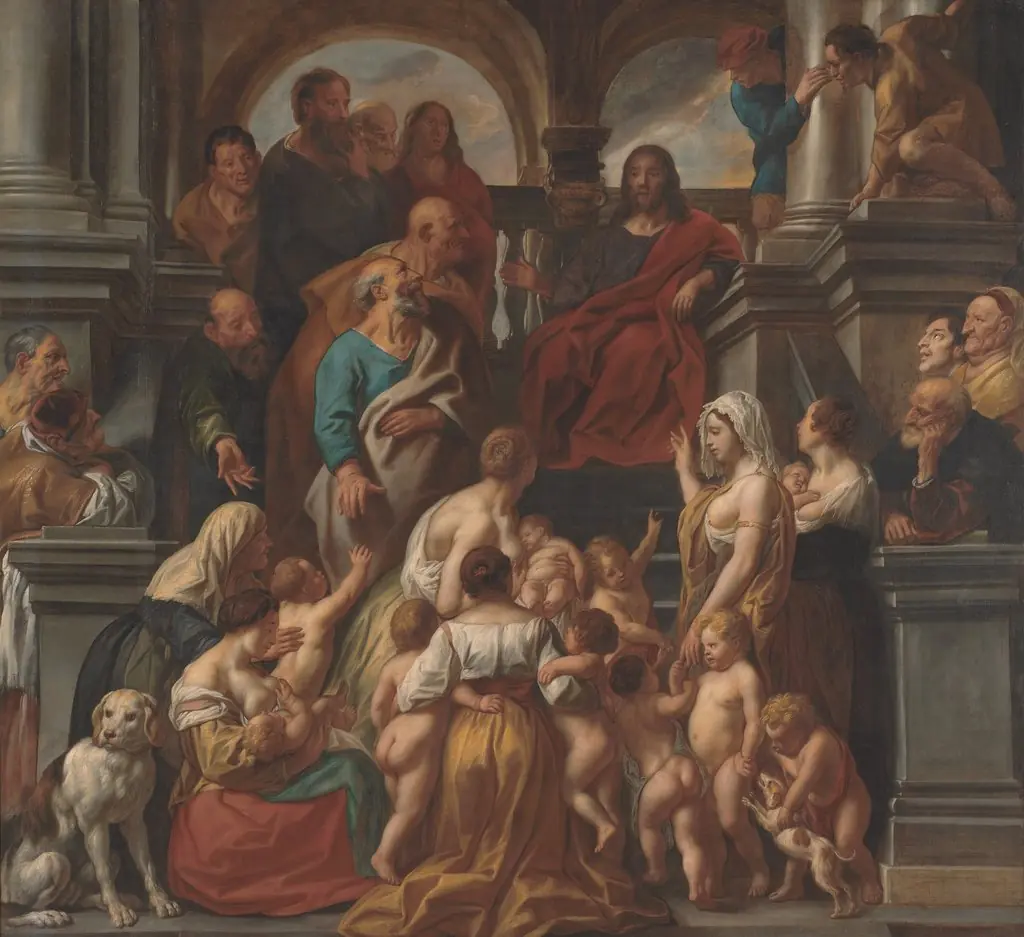 Christ blessing little Children. Suffer Little Children to Come unto me
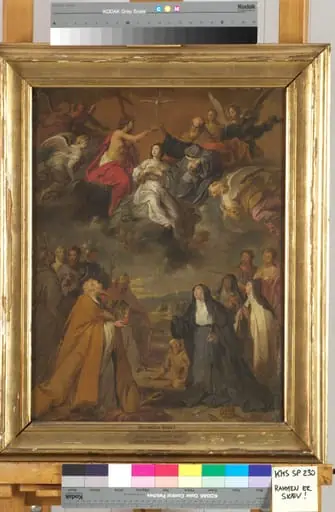 The Coronation of the Virgin
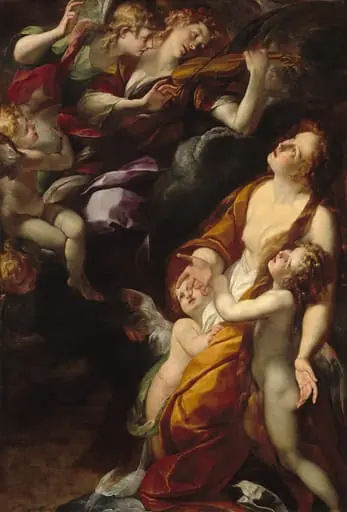 The Ecstasy of the Magdalen
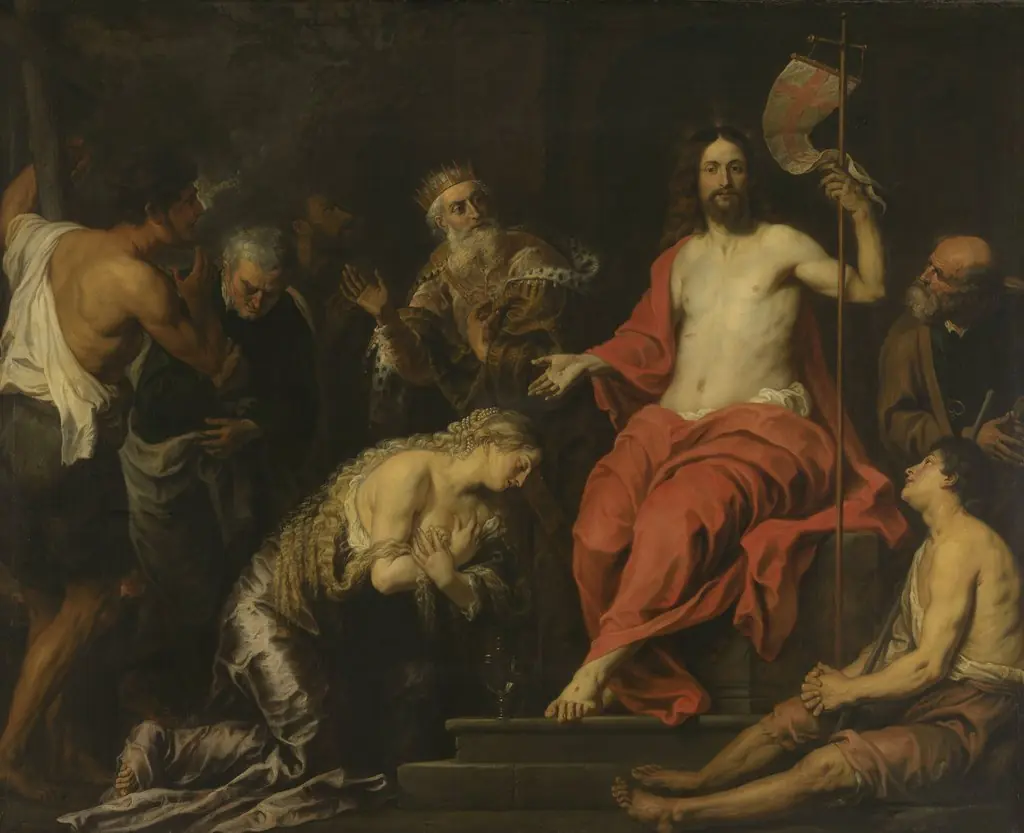 Christ and the repentant sinners
 Altarpiece of the Guild of the Minters
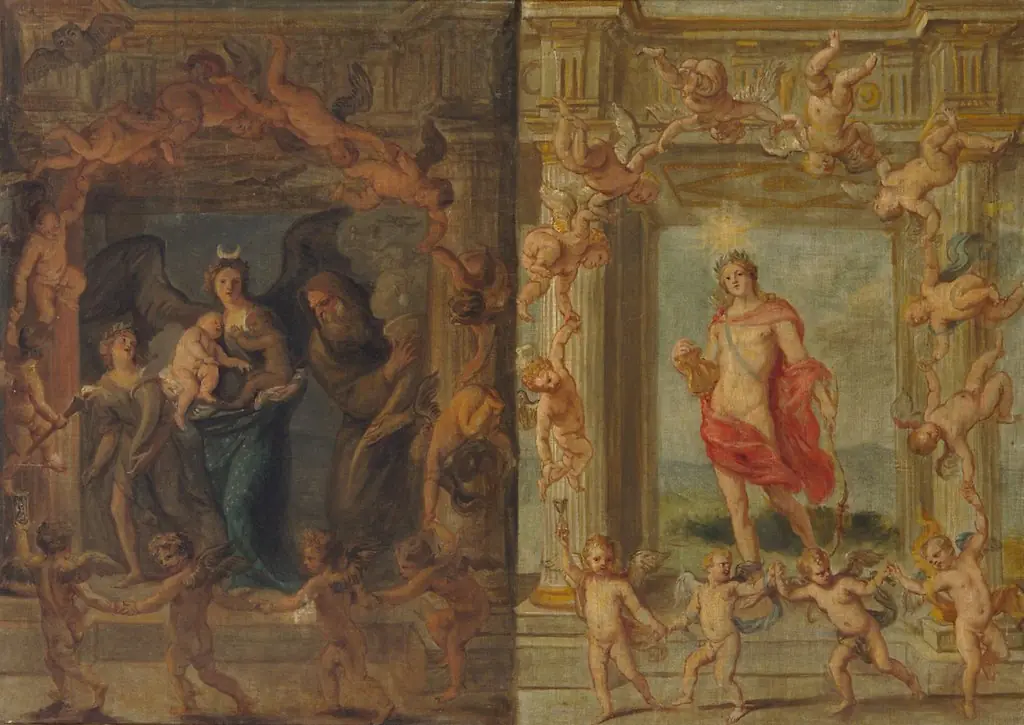 Tag und Nacht
 The Body of Christ Supported by Angels
 The Resurrected Christ Appearing to his Mother