Artwork
Satyr
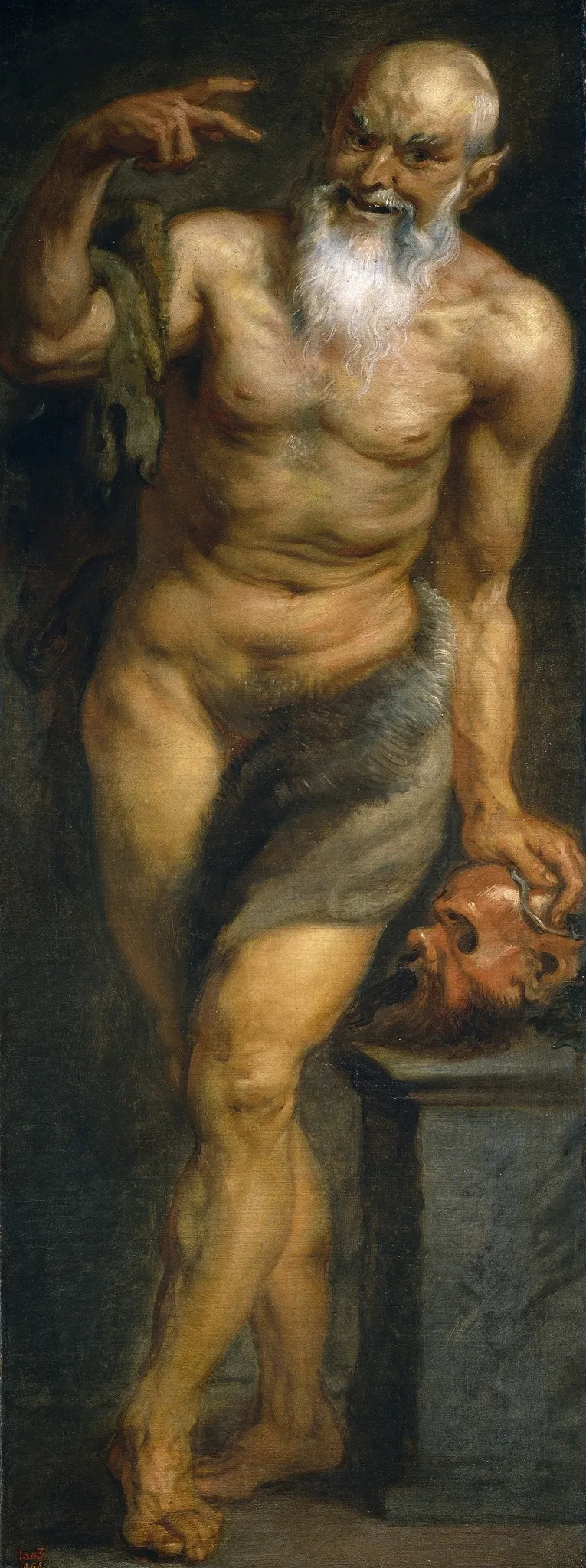
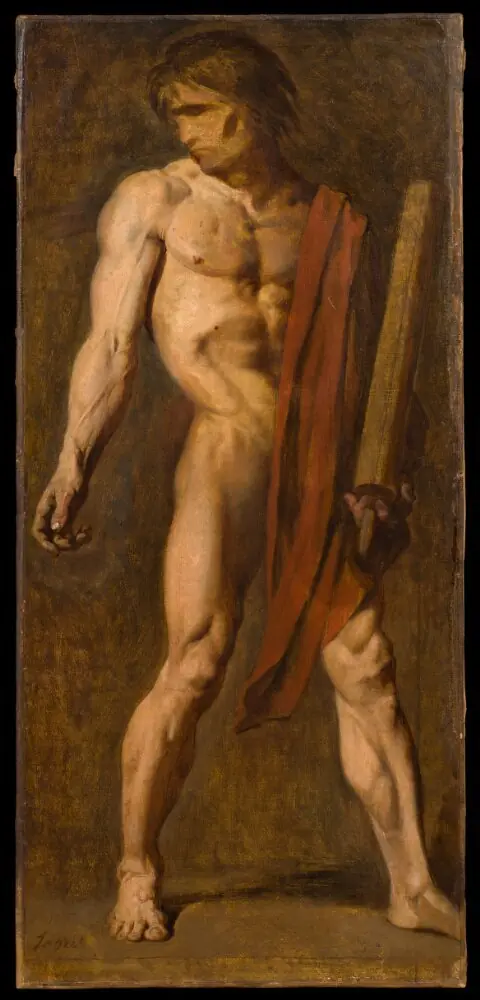
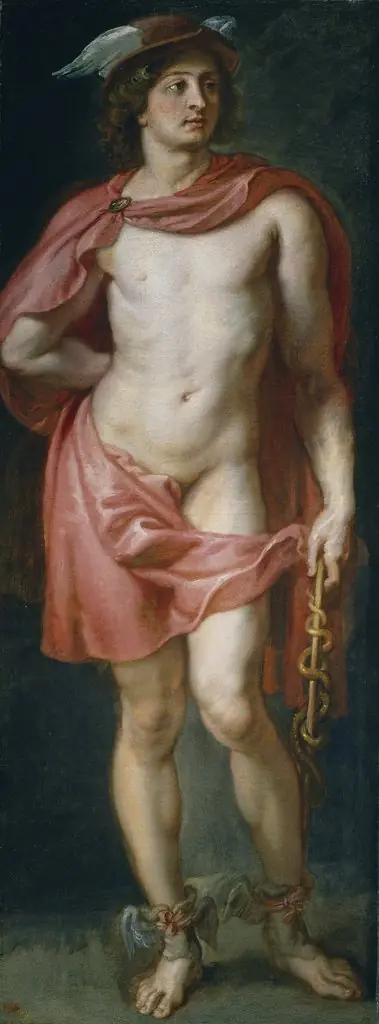
Satyr is an oil painting by the Flemish Baroque painting artist Peter Paul Rubens. It dates from 1636 and is held in the collection of the Museo del Prado.
About this work
Subject & Meaning
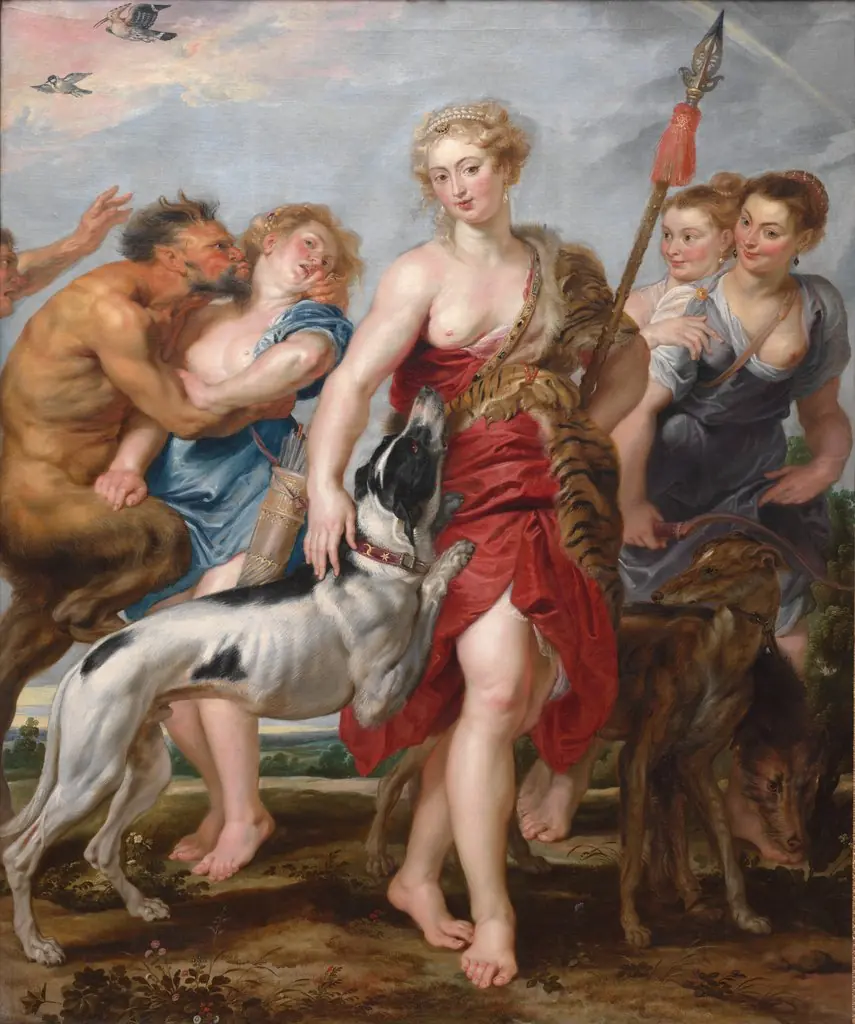
The work depicts a satyr, a figure from classical mythology traditionally associated with Dionysian revelry, wine, and untamed nature.
The work depicts a satyr, a figure from classical mythology traditionally associated with Dionysian revelry, wine, and untamed nature. In Rubens’s rendering, the satyr embodies vitality and primal energy, often linked to the god Dionysus and the ecstatic, sometimes licentious, aspects of his cult. The figure’s physicality, muscular and animated, serves to evoke the untamed forces of nature and the intoxicating power of wine, central themes in representations of satyrs in Baroque art.
The composition’s emphasis on movement and sensory indulgence aligns with the broader iconographic tradition of the satyr as an embodiment of instinctive, earthly pleasure.
Technique & Style
Peter Paul Rubens painted Satyr in oil on canvas. The work measures 181.5 cm in height by 68 cm in width, giving it a notably tall, narrow format. As a mythological painting depicting a satyr, it belongs to the genre of mythological subjects that Rubens frequently explored during his mature period.
The use of oil paint on canvas was standard for Rubens's large-scale works, allowing for the fluid brushwork and rich coloration characteristic of his Flemish Baroque style.
History & Provenance
Peter Paul Rubens created the oil-on-canvas painting Satyr in 1636. The work entered the collection of the Museo del Prado in Madrid, where it is currently housed. Historical records indicate that the painting was once owned by Ferdinand VII of Spain, establishing a direct link to the Spanish royal collection.
The composition, measuring 181.5 cm in height and 68 cm in width, depicts a mythological figure consistent with Rubens' output during the mid-1630s.
Overview
The painting 'Satyr' is a 1636 oil-on-canvas work by Peter Paul Rubens, a prominent Flemish artist. It is characteristic of the Flemish Baroque style, known for its dynamic and colorful compositions.
Artist & collection
Artist
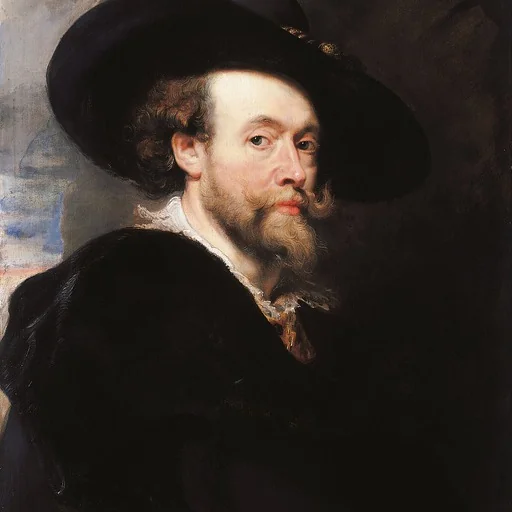
Sir Peter Paul Rubens ( ROO-bənz; Dutch:; 28 June 1577 – 30 May 1640) was a Flemish artist and diplomat.