Artwork
Mercury
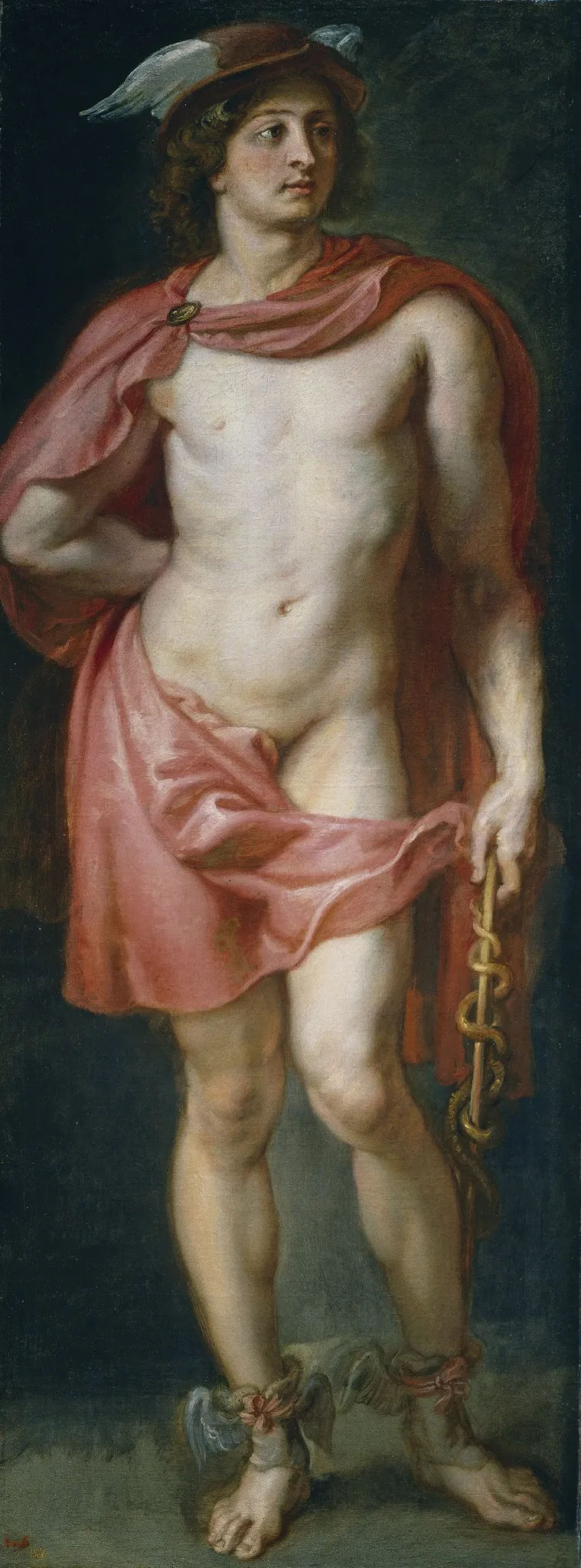
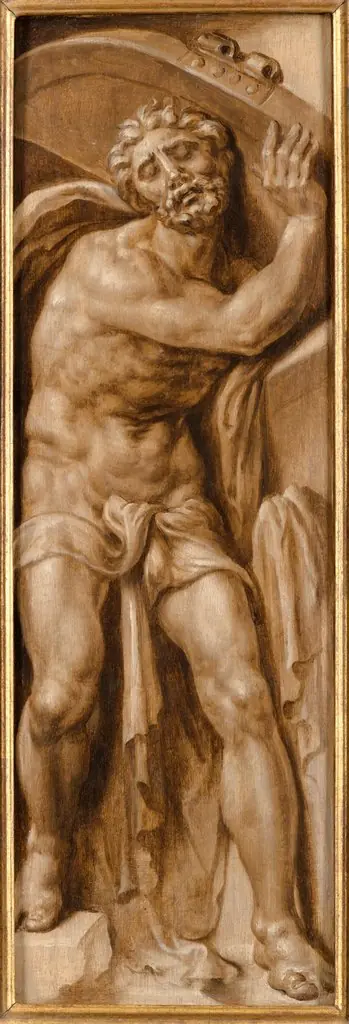
Mercury is an oil painting by the Flemish Baroque painting artist Peter Paul Rubens. It dates from 1636 and is held in the collection of the Museo del Prado.
About this work
Subject & Meaning
The figure is presented as a nude male, adhering to the conventions of mythological painting.
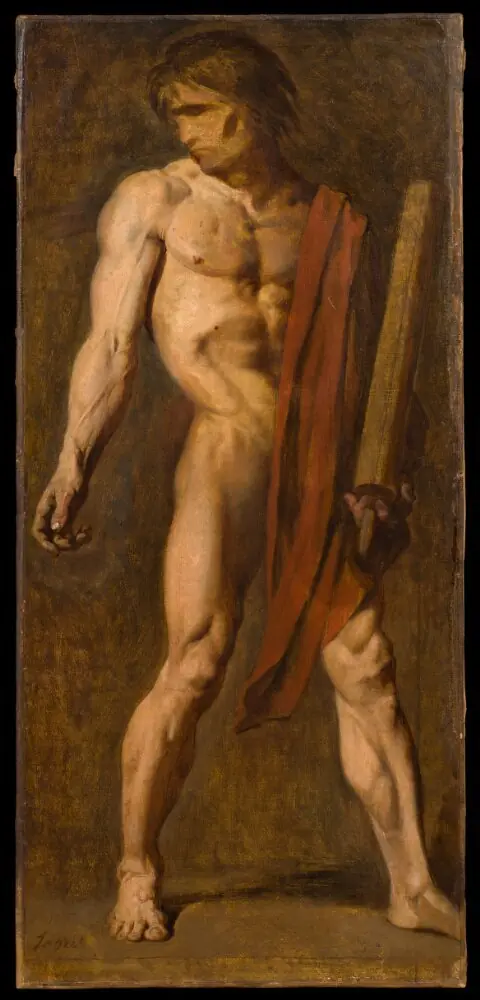
Painted in 1636, this work depicts Mercury, the Roman messenger god also known as Hermes. The figure is presented as a nude male, adhering to the conventions of mythological painting. Key iconographic elements include a caduceus, the staff entwined with snakes that serves as the deity's primary attribute, and drapery that partially covers the form.
The composition focuses entirely on the divine messenger, emphasizing his physical perfection and divine status through the classical treatment of the human body. By isolating the figure with these specific attributes, the artwork functions as a personification of the planet and god, representing speed, communication, and the boundary between the mortal and divine realms.
Technique & Style
Peter Paul Rubens executed Mercury in 1636 using oil paint applied to a canvas support. The work, created in collaboration with his workshop, depicts the mythological figure in a nude state accompanied by drapery and the caduceus. Measuring 180 cm in height and 69 cm in width, the painting exemplifies the artist's mythological genre through its dynamic handling of the human form and symbolic attributes. The composition is currently held within the collection of the Museo del Prado.
History & Provenance
Peter Paul Rubens's oil-on-canvas painting of Mercury was created in 1636. The painting entered the Spanish royal collection, Ferdinand VII of Spain is documented among its owners, and is now held at the Museo del Prado in Madrid. It is catalogued as a mythological painting executed in oil paint on canvas, depicting the god with his caduceus.
Its acquisition by the Spanish crown reflects the broader pattern of royal collecting of Flemish Baroque works before the painting's transfer to the Prado's holdings.
Overview
Peter Paul Rubens, a prominent Flemish artist, completed Mercury in 1636, an oil painting that exemplifies the Flemish Baroque tradition. This work depicts the Roman god Mercury, a subject frequently explored in history painting during this era. The artwork is presently housed in the collection of the Museo del Prado, representing Rubens's characteristic engagement with classical mythology.
Context
As both an artist and a diplomat, Peter Paul Rubens consistently drew inspiration from classical and Christian narratives for his extensive body of history paintings. Mercury aligns with this practice, demonstrating his profound engagement with ancient mythology. The depiction of idealized, powerful figures from antiquity was a recurring motif in his work, reflecting the prevailing artistic and intellectual currents of the 17th century.
Artist & collection
Artist
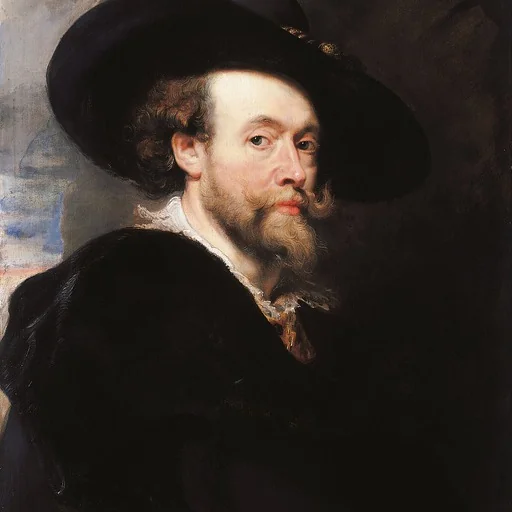
Sir Peter Paul Rubens ( ROO-bənz; Dutch:; 28 June 1577 – 30 May 1640) was a Flemish artist and diplomat.