Artwork
Self-portrait
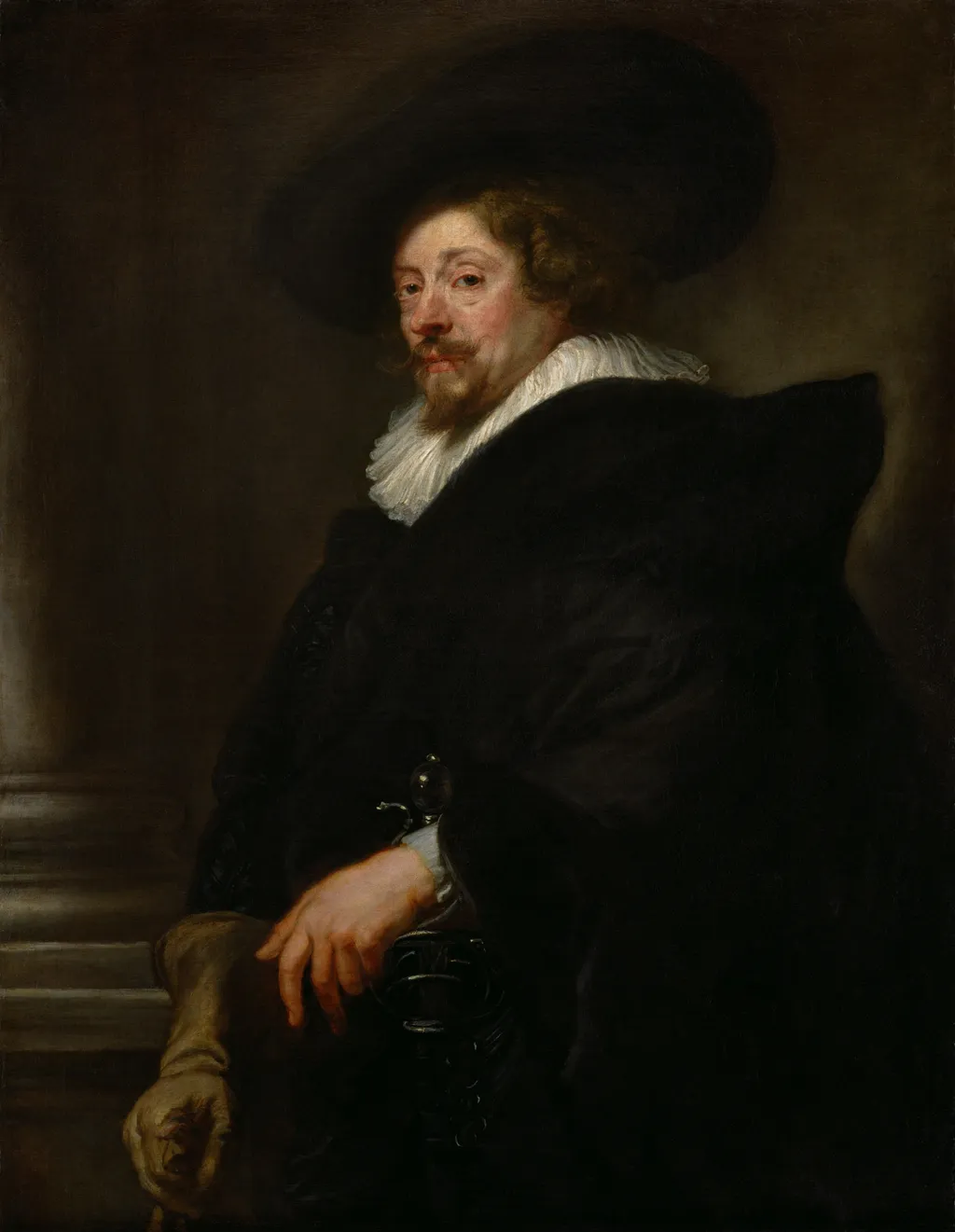
Self-portrait is an oil painting by the Flemish Baroque painting artist Peter Paul Rubens. It dates from 1638 and is held in the collection of the Kunsthistorisches Museum.
About this work
This is a self-portrait by Rubens. He painted it around 1638 to 1639 in oil on canvas. It’s a formal court portrait but shows extra care in the face.
Rubens often painted powerful people. Here he gives his own face the same close attention. The small details make it feel unusually personal.
Check out the light and shadow technique called chiaroscuro next.
Subject & Meaning
The Self-portrait depicts Peter Paul Rubens as a mature courtier, turning directly toward the viewer with a steady gaze.
The Self-portrait depicts Peter Paul Rubens as a mature courtier, turning directly toward the viewer with a steady gaze. The composition borrows from contemporary courtly portrait conventions, incorporating attributes such as a sword and gloves, which signal status and professional identity. A draped column to the right frames the figure and underscores the gravity of the sitter.
The refined handling of facial detail, however, exceeds the usual emphasis on costume and insignia, directing attention to the artist’s physiognomy and psychological presence. In this balance between public role and private person, the painting asserts Rubens’s dual status as celebrated painter and respected member of the European aristocratic milieu.
Technique & Style
The work is executed in oil on canvas, measuring 109.5 by 85 cm. Stylistically, it follows the conventions of a courtly portrait, incorporating attributes such as a sword, glove, and column, while devoting greater attention to facial detail than was typical for that portrait format. The sitter's gaze is directed toward the viewer.
History & Provenance
The painting is dated to between 1638 and 1639 based on stylistic and technical analysis of the work.
The work has remained in the collection of the Kunsthistorisches Museum in Vienna since at least the late nineteenth century, with no record of private ownership or sale prior to its museum acquisition.
Context
Peter Paul Rubens's Self-portrait, executed between 1638 and 1639, stands as a significant late work by the artist, created shortly before his death. The painting is housed in the Kunsthistorisches Museum in Vienna, where it serves as a key example of his final artistic phase. Stylistically, the work adopts the conventions of a courtly portrait, incorporating elements such as a sword, glove, and column to denote status and nobility.
However, art historical analysis notes that Rubens deviates from the typical formal rigidity of such portraits by rendering the facial features with exceptional attention to detail and psychological depth. This synthesis of aristocratic iconography with intimate realism highlights the artist's mature approach to self-representation at the end of his career.
Overview
Created between 1638 and 1639, this oil on canvas self‑portrait by Peter Paul Rubens measures roughly 109.5 by 85 centimetres. The work is part of the collection of the Kunsthistorisches Museum in Vienna. Though rendered in the formal conventions of a courtly portrait, it stands out for the unusually meticulous rendering of the artist’s own facial features.
Own this work as a print
Artist & collection
Artist
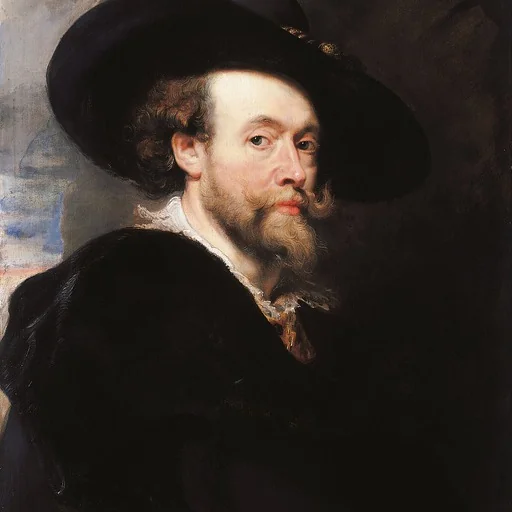
Sir Peter Paul Rubens ( ROO-bənz; Dutch:; 28 June 1577 – 30 May 1640) was a Flemish artist and diplomat.

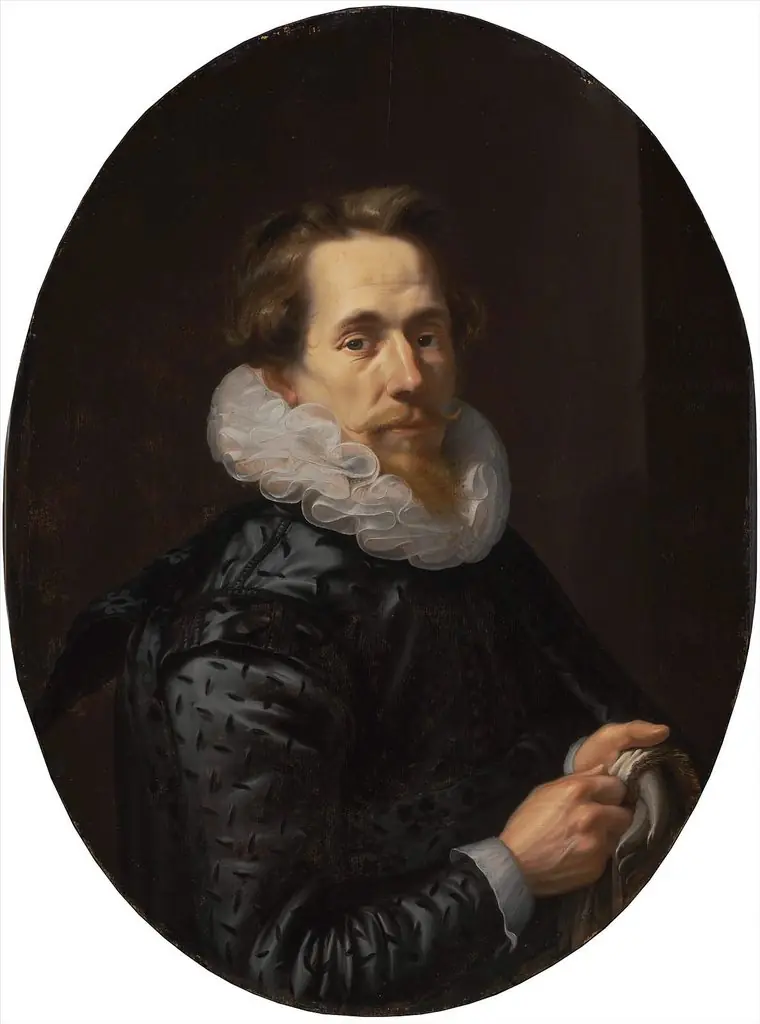
- Portrait of a Man with a Ruff
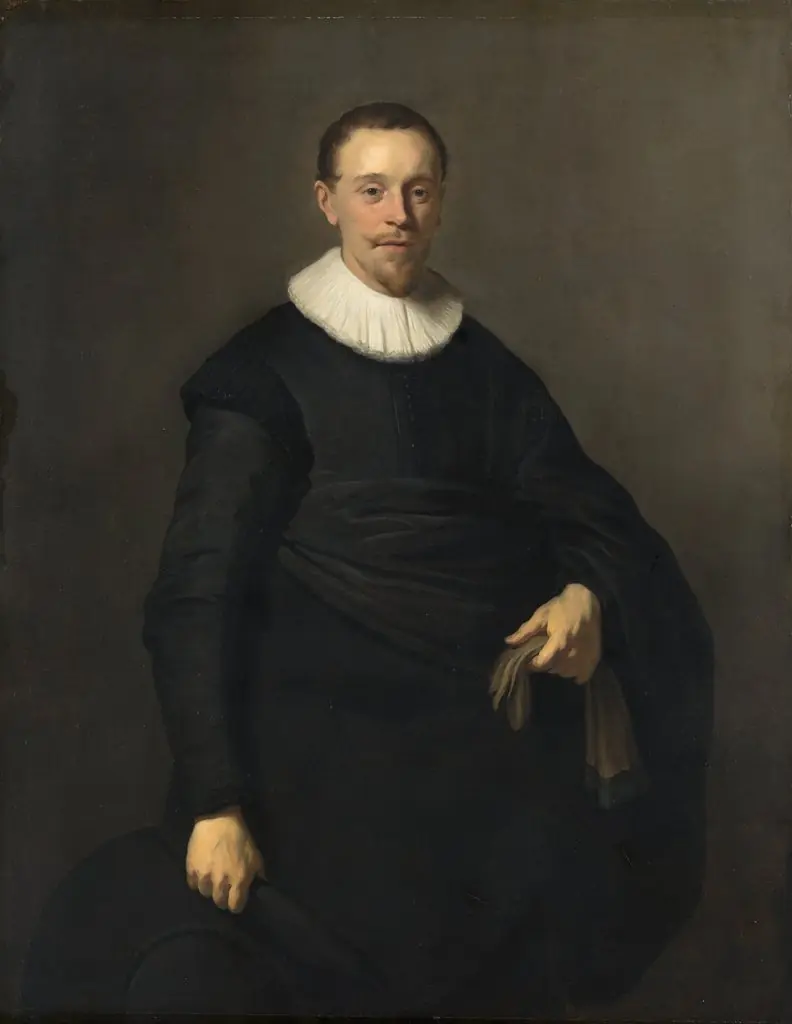 Portrait of a Man
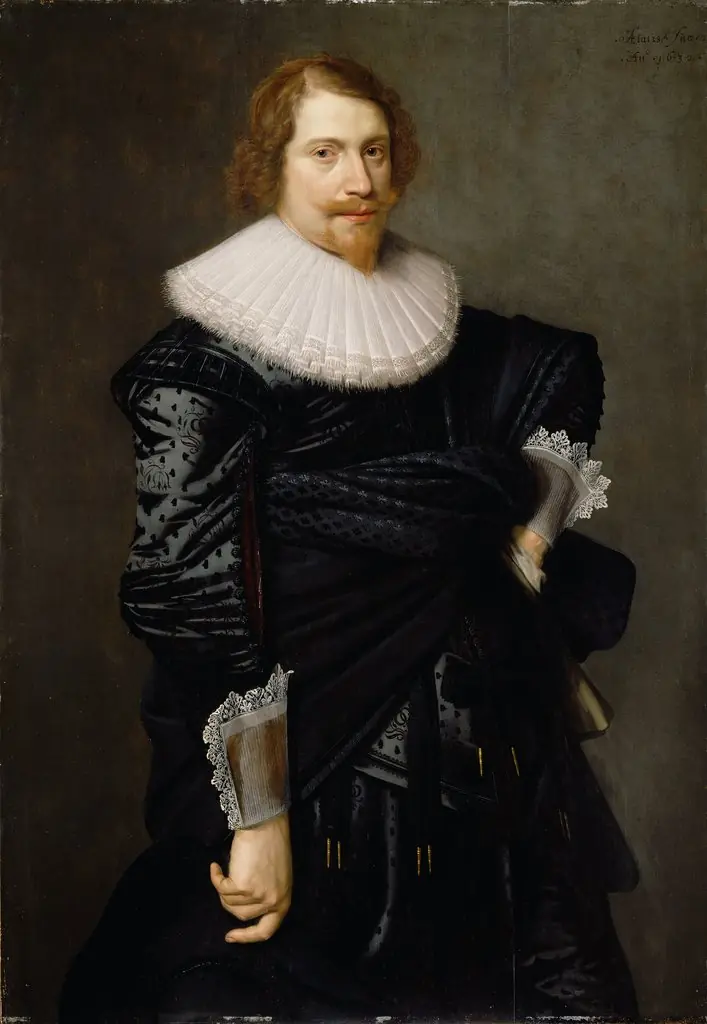 Portrait of a Man
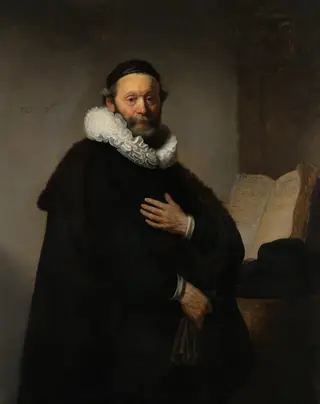 Portrait of Johannes Wtenbogaert
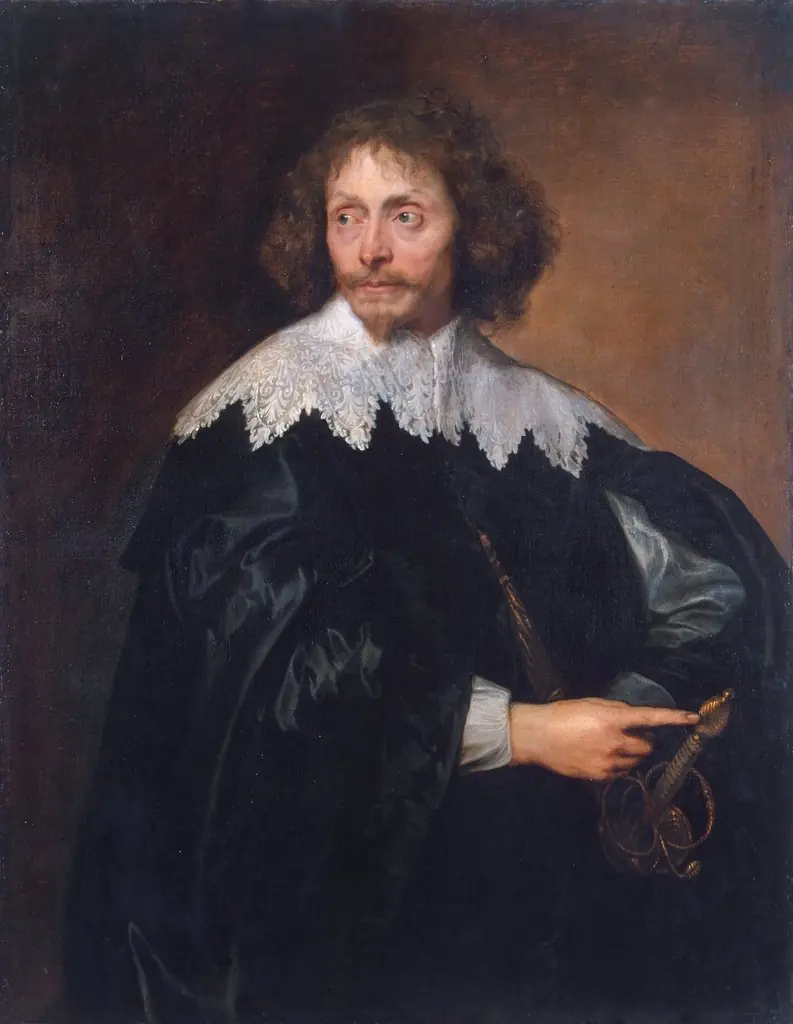 Portrait of Sir Thomas Chaloner
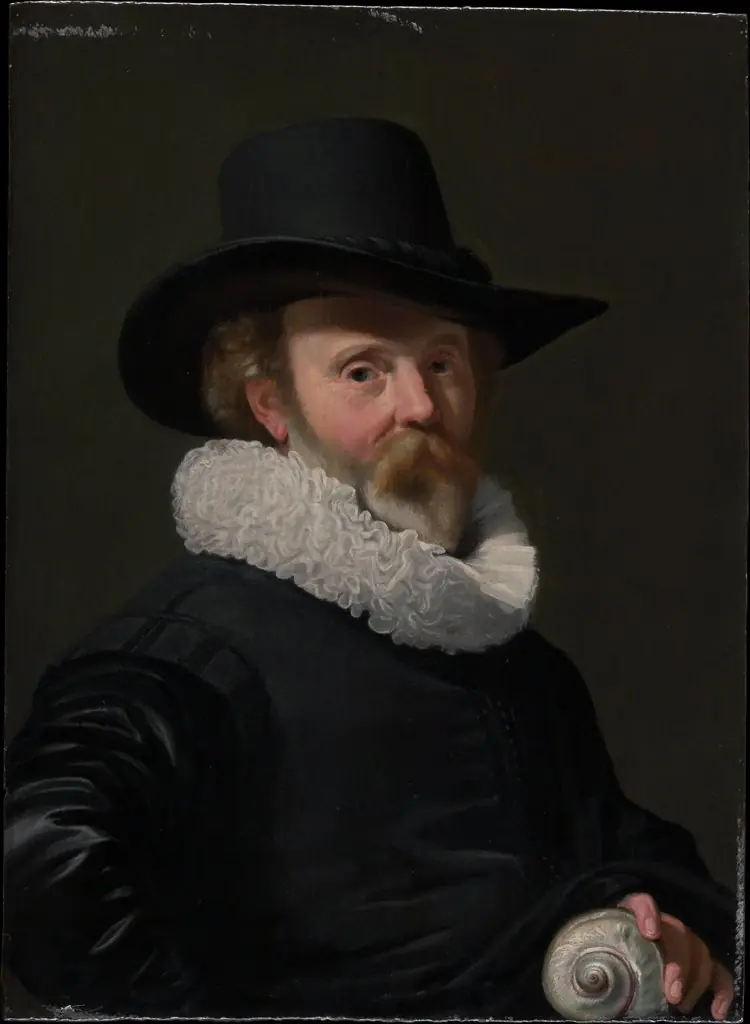 Portrait of a Man with a Shell
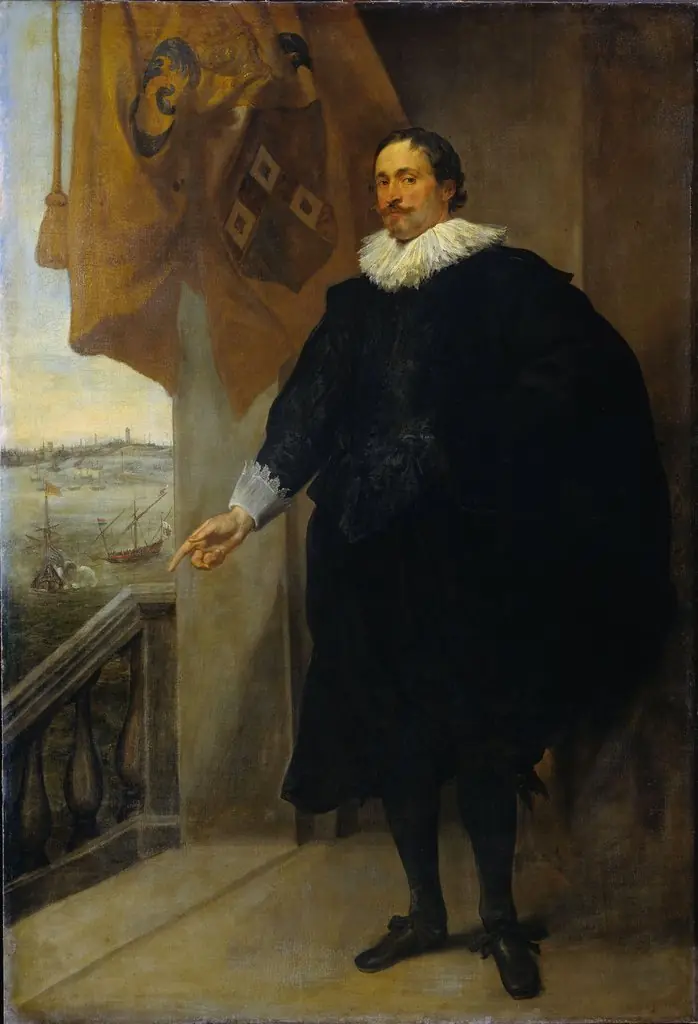 Portrait of Nicolaes van der Borght. Merchant of Antwerp
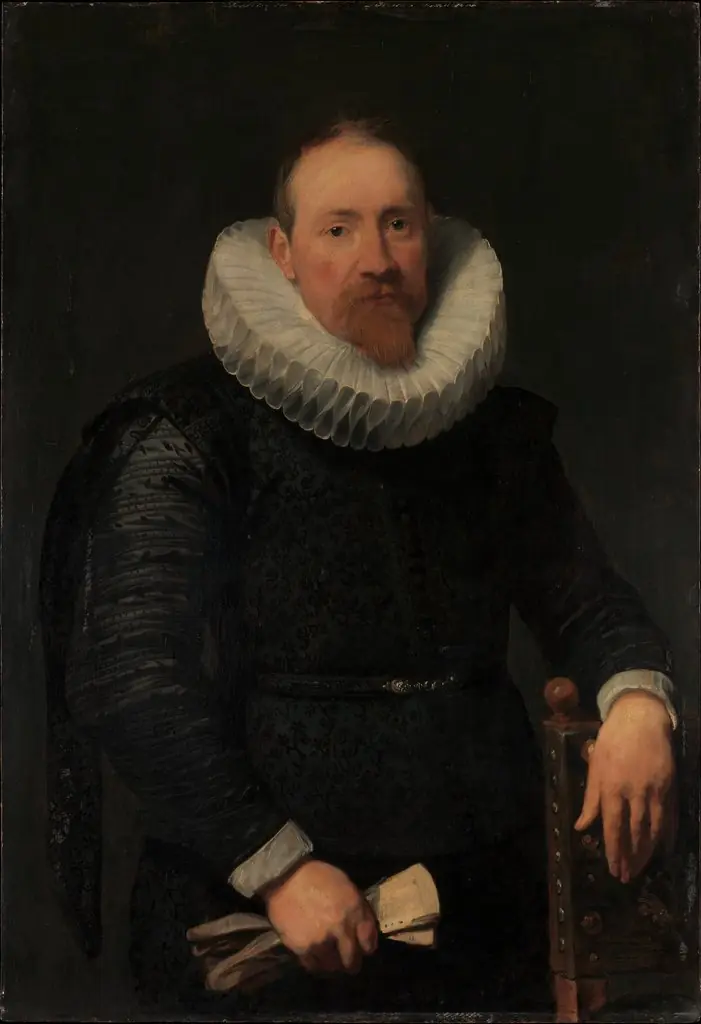 Portrait of a Man
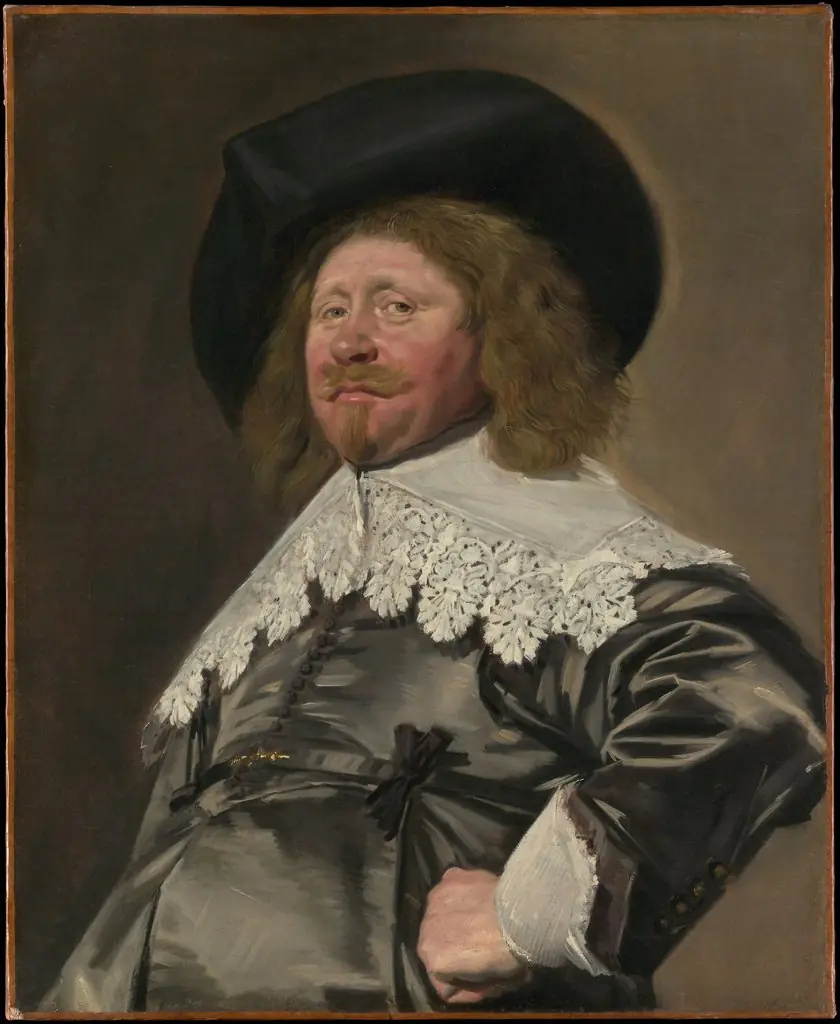 Portrait of Claes Duyst van Voorhout
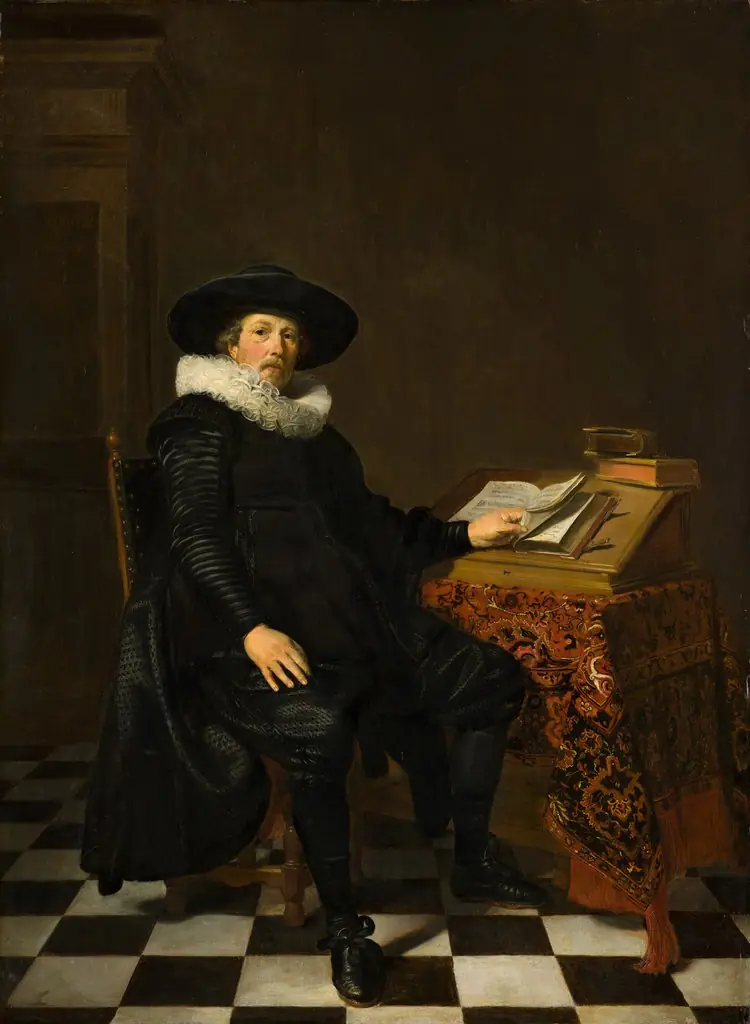 Portrait of a Scholar
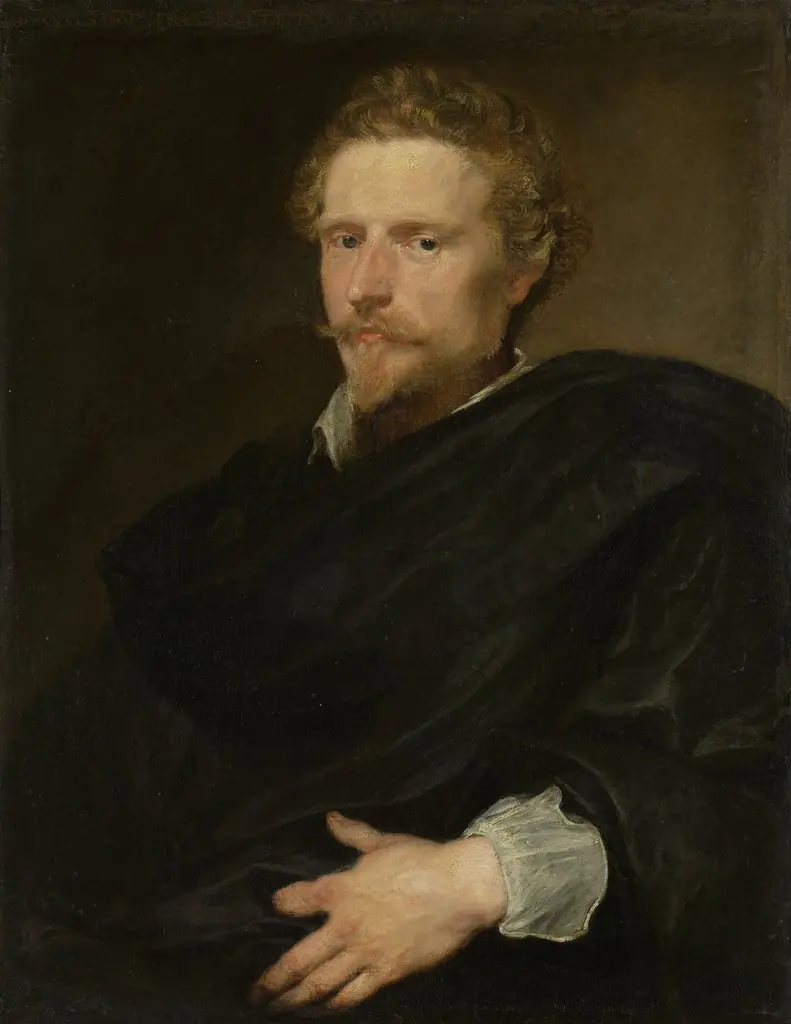 Johannes Baptista Franck (ca. 1599-1663)
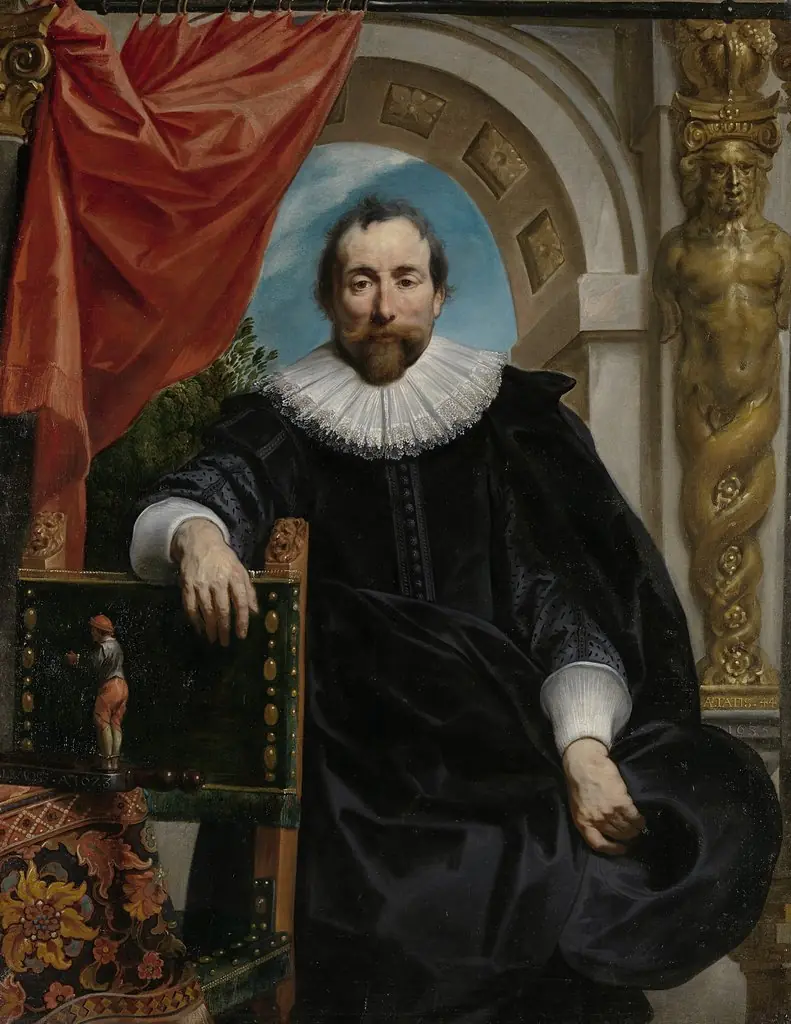 Portrait of Rogier Le Witer (1591-1678), Merchant in Antwerp