Artwork
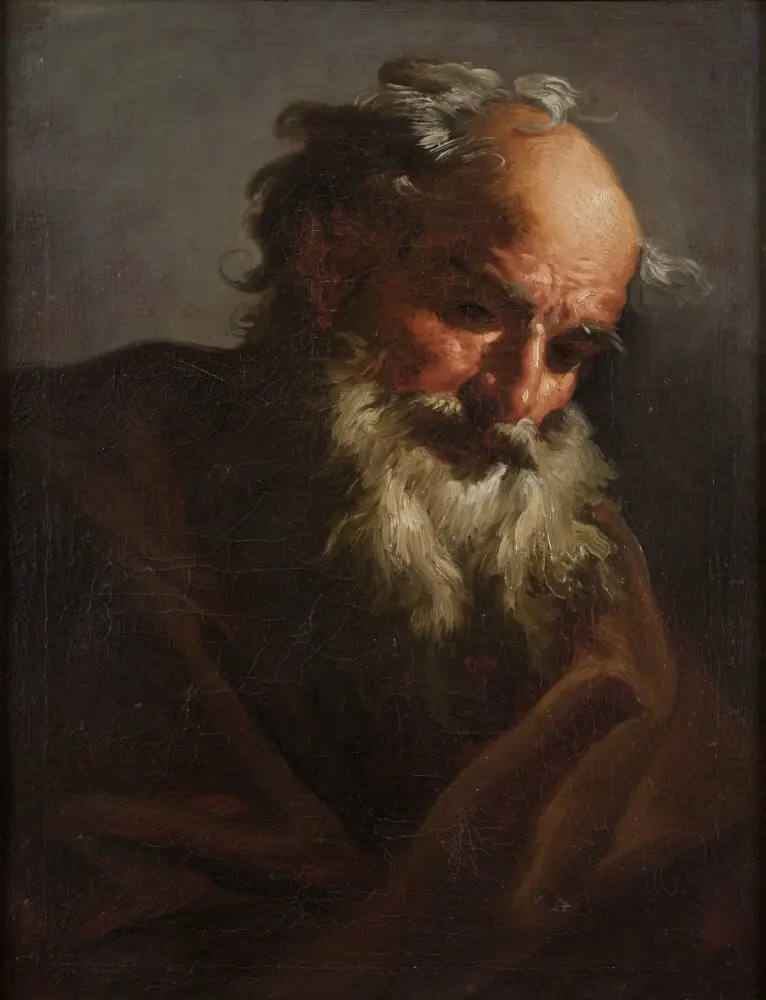
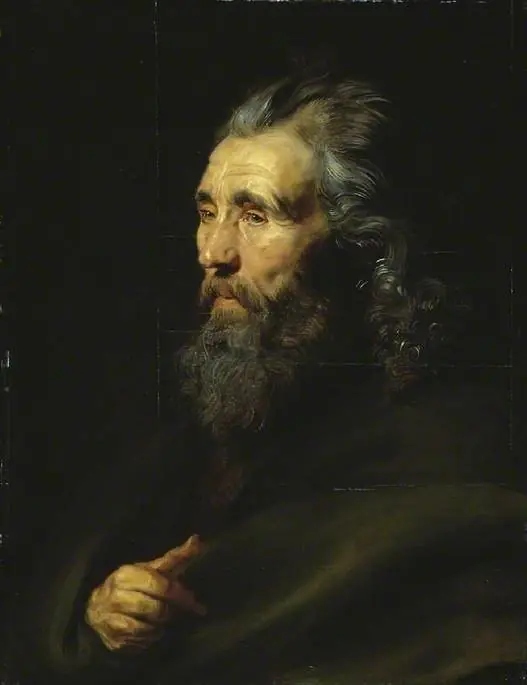
The Apostle Peter
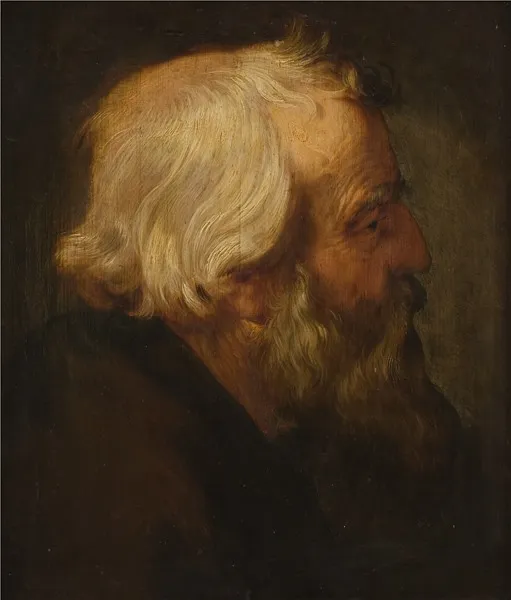
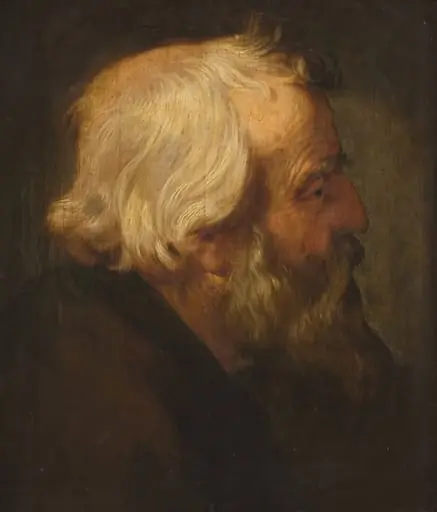
The Apostle Peter is an unspecified painting by the Flemish Baroque painting artist Peter Paul Rubens. It dates from 1616 and is held in the collection of the Statens Museum for Kunst.
About this work
Subject & Meaning
The work depicts Saint Peter, one of the twelve apostles of Jesus Christ. As a piece of religious art created by Peter Paul Rubens, the painting focuses on the figure of this specific saint. The subject matter aligns with the Christian tradition of portraying key biblical figures, serving as a representation of the apostle within the context of 17th-century Flemish religious painting.
History & Provenance
The work was created in 1616 and has been part of the museum's exhibition schedule, appearing in displays focused on Baroque painting and Flemish masters.
The painting titled The Apostle Peter was created by Peter Paul Rubens in 1616 and is classified as a religious work. It entered the collection of the Statens Museum for Kunst, where it remains on display. The work was likely commissioned for a devotional purpose, reflecting the Counter‑Reformation emphasis on saintly intercession.
Its creation history is documented through contemporary records that note Rubens’ active workshop involvement in the mid‑1610s, with the composition executed by the master himself and finished by his assistants under his supervision.
The Apostle Peter is held at the Statens Museum for Kunst, where it is catalogued under the accession number that corresponds to its presence in the museum's collection. The work was created in 1616 and has been part of the museum's exhibition schedule, appearing in displays focused on Baroque painting and Flemish masters.
Context
Peter Paul Rubens painted The Apostle Peter in 1616, a religious work now housed in the Statens Museum for Kunst. The painting depicts Saint Peter and was created as part of Rubens' devotional output for Counter-Reformation contexts. Its composition and execution reflect the artistic conventions of Flemish Baroque religious imagery, particularly in Counter-Reformation Catholic regions.
Scholarship on the work emphasizes its devotional function within Counter-Reformation Catholic contexts, particularly in Flanders. The painting's provenance and current location at the Statens Museum for Kunst have been documented in museum records and academic studies of Rubens' religious output.
Overview
Created in 1616 by the Flemish artist Peter Paul Rubens, this oil painting portrays the apostle Peter and is part of the collection of Denmark’s Statens Museum for Kunst. Executed during the height of the Flemish Baroque, the work exemplifies Rubens’s mature period, when his large-scale religious subjects were in high demand for churches and royal patrons.
Technique & Style
Rubens employs a strong chiaroscuro effect, with a single, angled light source that sculpts the saint’s facial features and highlights the texture of his skin and beard. The contrast between the dark background and illuminated flesh creates a three‑dimensional presence, while the fluid brushwork conveys movement and a sensuous handling of flesh typical of Baroque painting.
Artist & collection
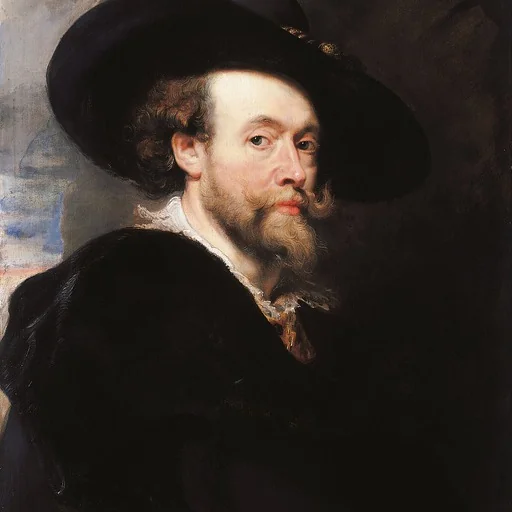
Artist
Sir Peter Paul Rubens ( ROO-bənz; Dutch:; 28 June 1577 – 30 May 1640) was a Flemish artist and diplomat.