Artwork
The Entry in Paris by Henry IV
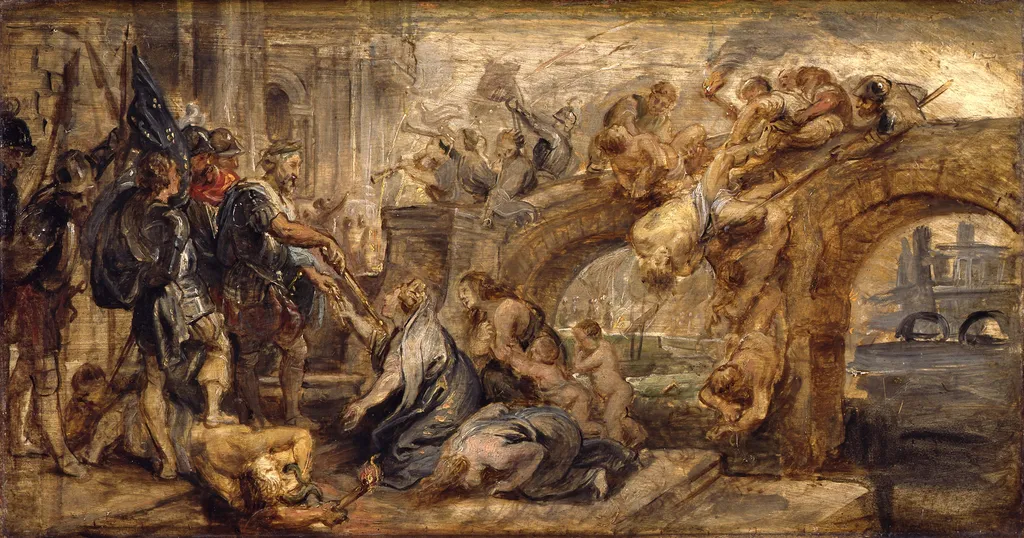
The Entry in Paris by Henry IV is an oil painting by the Flemish Baroque painting artist Peter Paul Rubens. It dates from 1628 and is held in the collection of the Gemäldegalerie Berlin.
About this work
Subject & Meaning
As a history painting, the composition focuses on the monarch as the central figure, accompanied by other men, to illustrate this specific political event.
The work depicts the historical moment of King Henry IV entering Paris. As a history painting, the composition focuses on the monarch as the central figure, accompanied by other men, to illustrate this specific political event. The imagery serves as a visual record of the king's arrival in the French capital, emphasizing his role and presence during the procession.
By capturing this entry, the painting represents the restoration of royal authority and the significance of Henry IV's relationship with the city of Paris.
Technique & Style
The Entry in Paris by Henry IV is an oil painting executed on panel, a support Rubens frequently employed for smaller cabinet-scale works. The composition measures 24 cm in height by 45 cm in width, giving it a pronounced horizontal format suited to the processional narrative of Henry IV's entry into Paris. Classified as a history painting, the work belongs to the genre of history painting and depicts the king and accompanying figures within that ceremonial context.
The panel support and modest dimensions are consistent with Rubens's oil sketches and small-scale history pieces produced in the late 1620s, of which the 1628 date is canonical. The painting is held in the collection of the Gemäldegalerie Berlin, having previously been owned by Barthold Suermondt.
No condition report, specific pigment analysis, or detailed stylistic description is provided in the available sources.
Overview
Created in 1628 by the Flemish painter Peter Paul Rubens, this oil on canvas portrays the ceremonial entrance of King Henry IV into Paris. Executed in the vigorous Flemish Baroque idiom, the work combines a crowded urban setting with a dramatic procession, emphasizing the king’s prominence amid a throng of onlookers and horses.
History & Provenance
The painting has remained in public collections since its early acquisition, currently residing in Berlin’s Gemäldegalerie. Its presence in a major European museum reflects Rubens’s reputation as a leading history painter of the early seventeenth century and the work’s continued relevance to studies of Baroque narrative art.
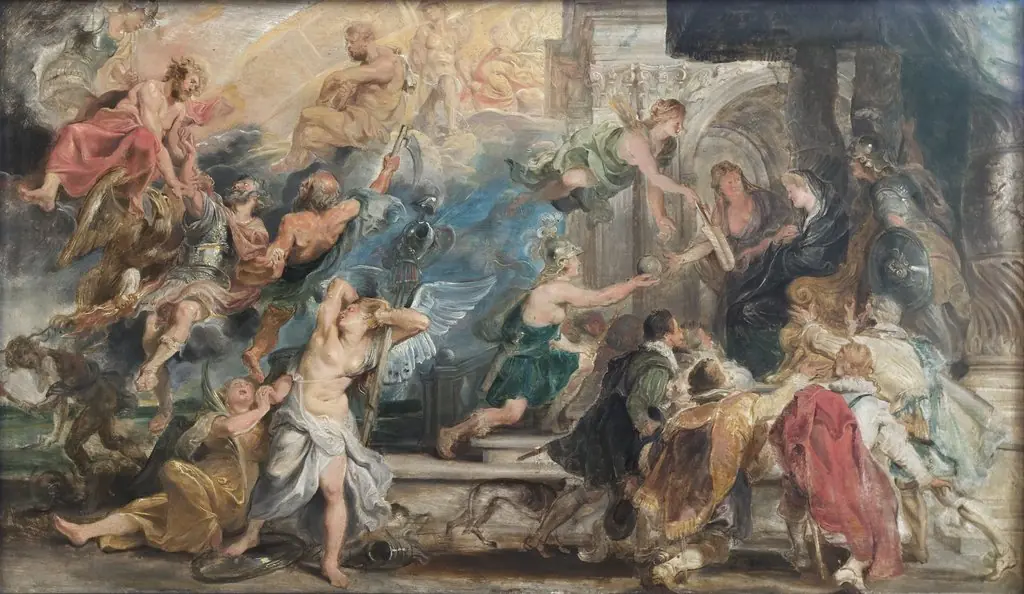
Artist & collection
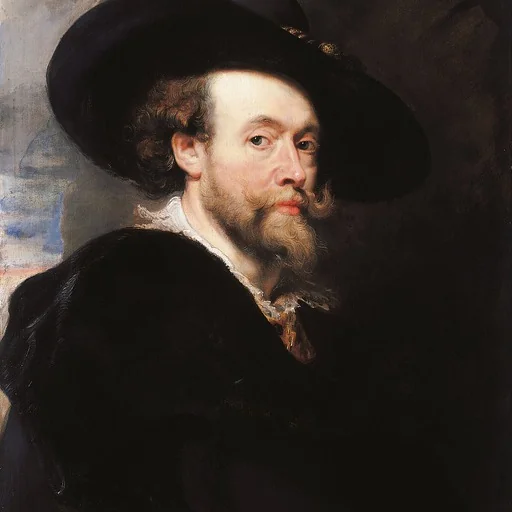
Artist
Sir Peter Paul Rubens ( ROO-bənz; Dutch:; 28 June 1577 – 30 May 1640) was a Flemish artist and diplomat.

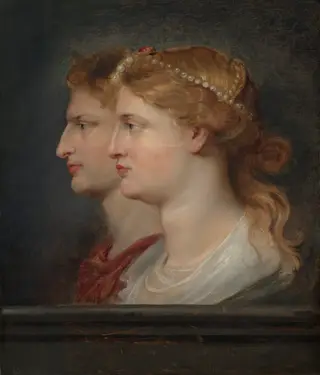
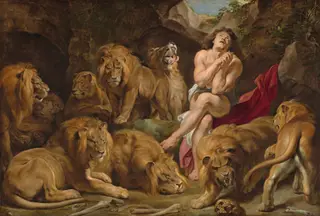
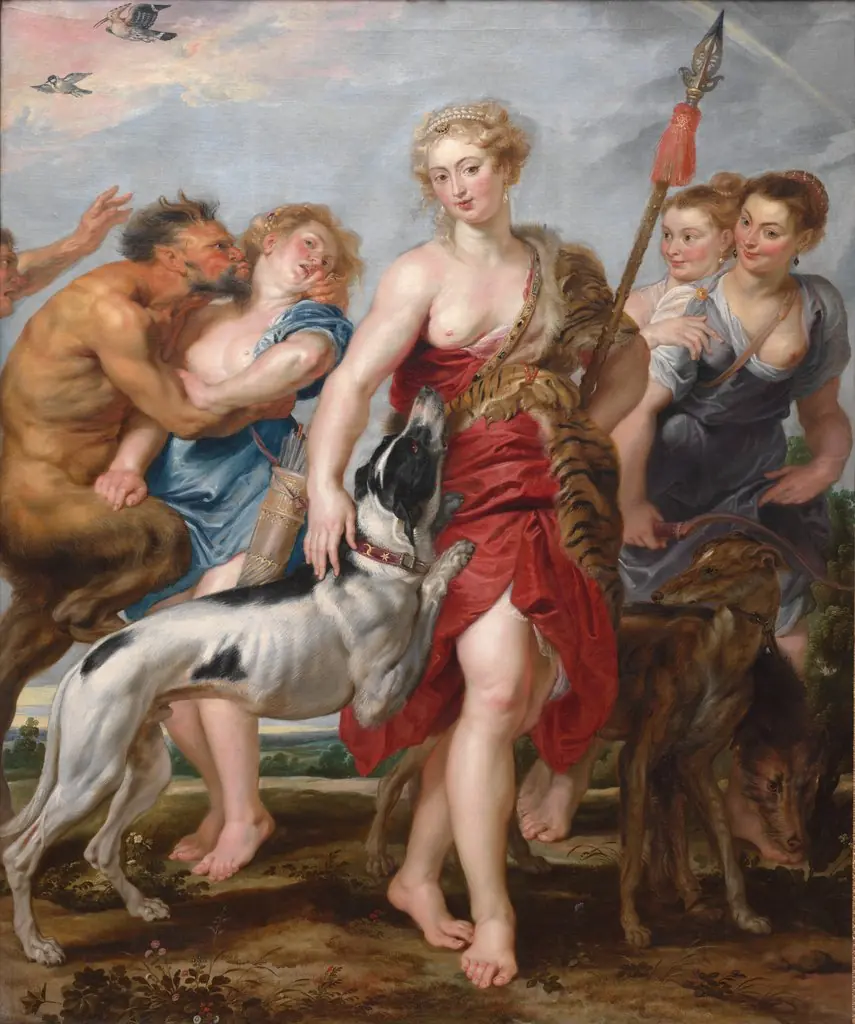
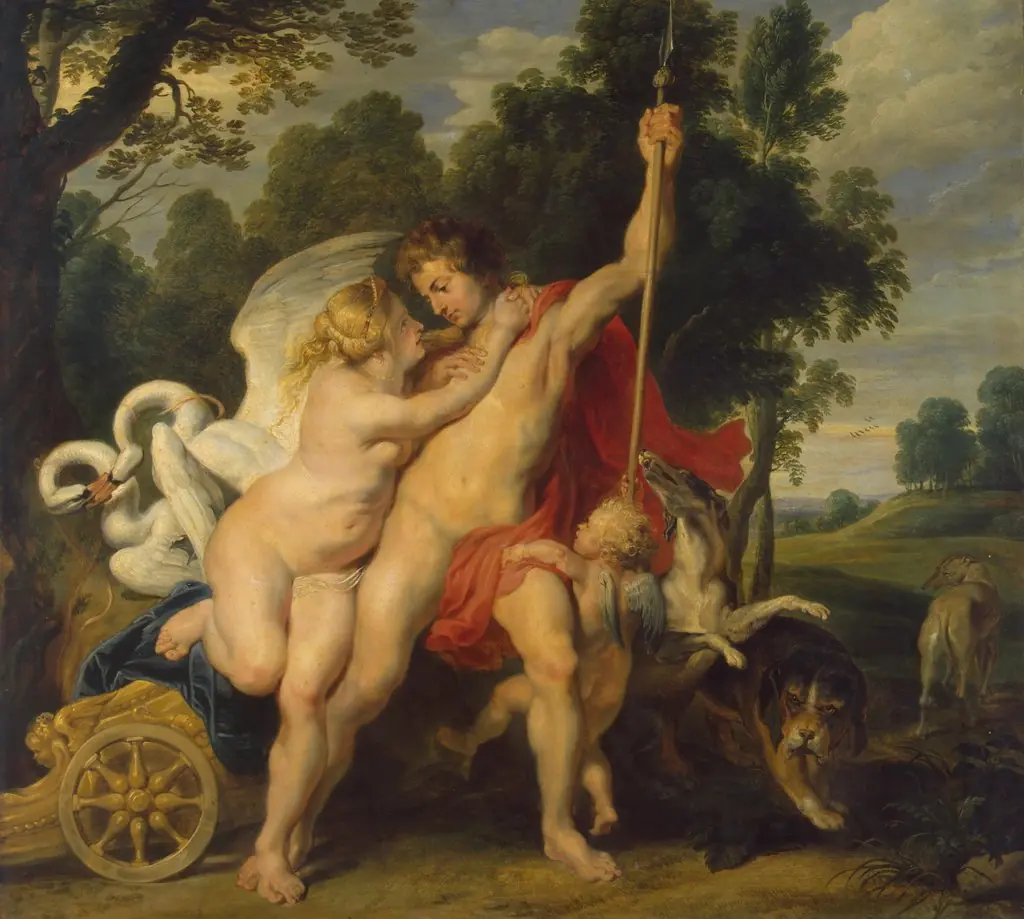
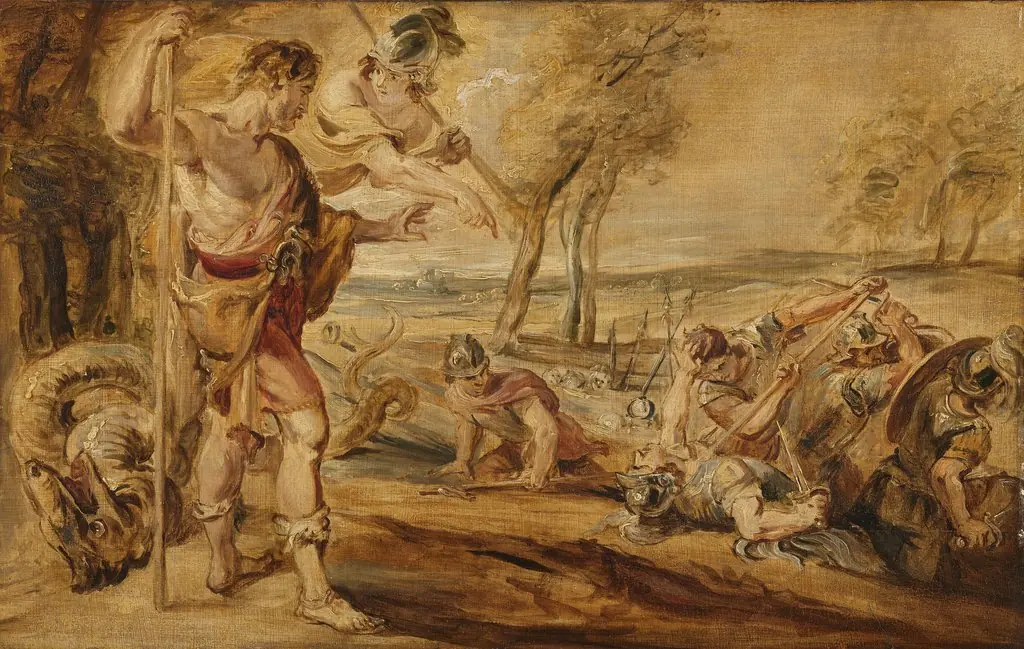 Cadmus sowing dragon's teeth
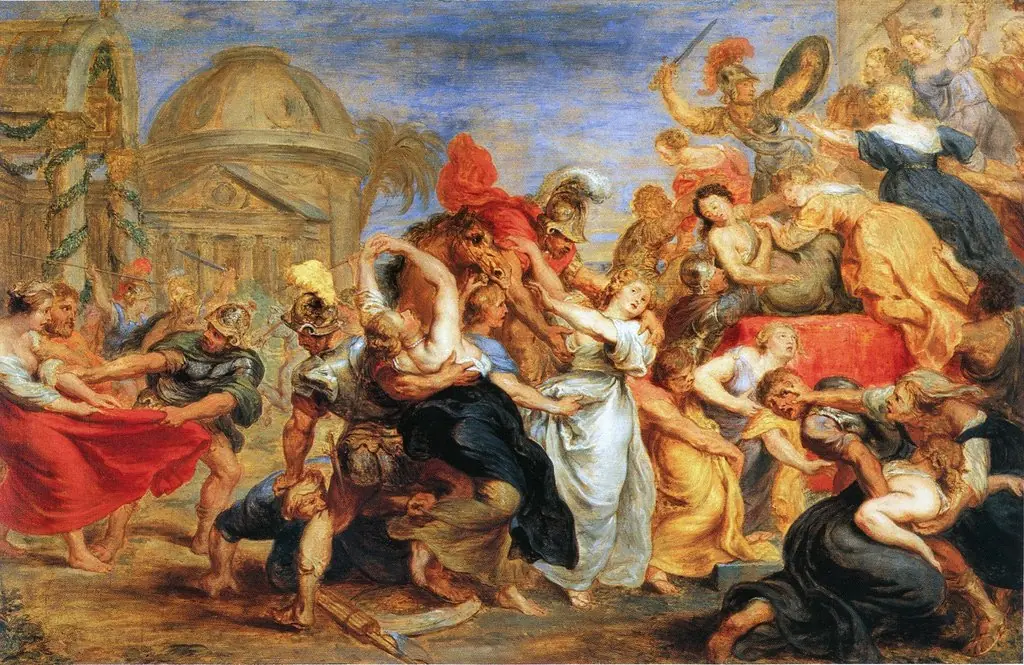 Rape of the Sabines
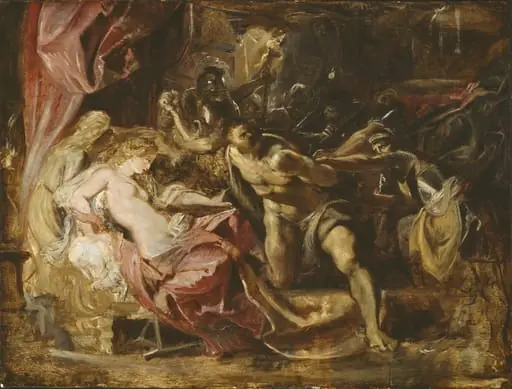 The Capture of Samson
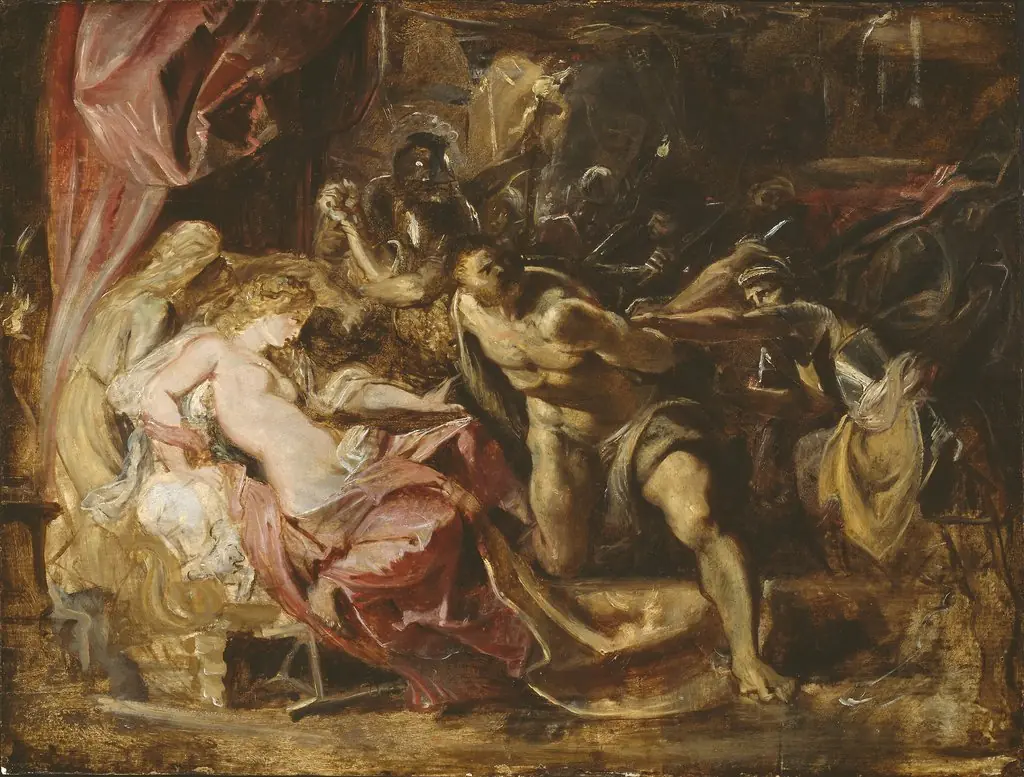 The Capture of Samson
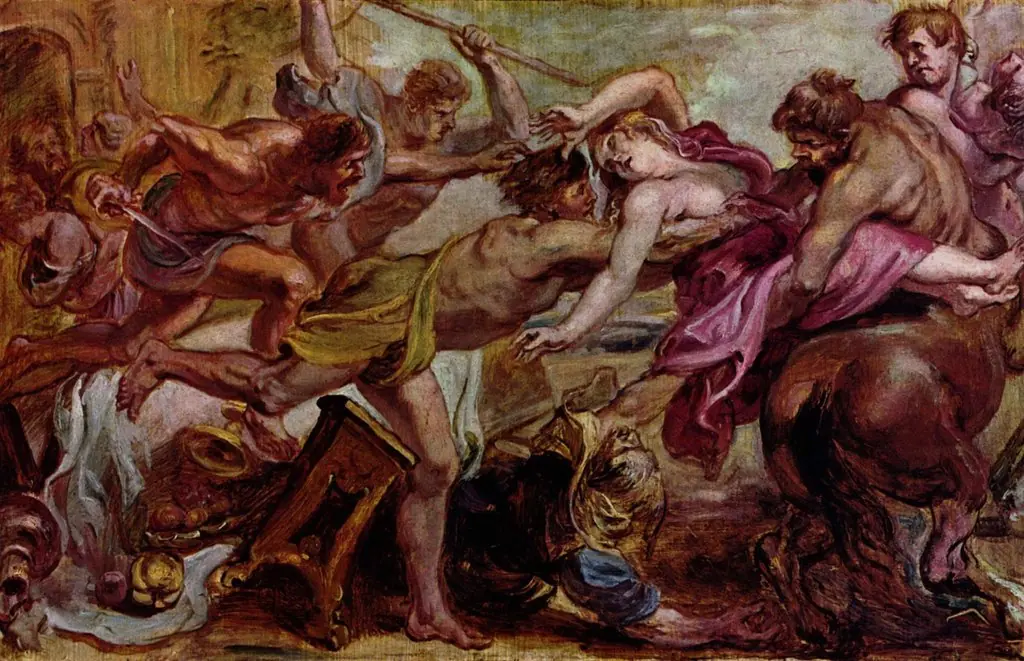 The Rape of Hippodamia
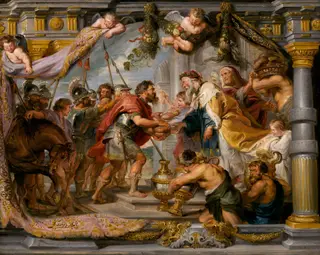 The Meeting of Abraham and Melchizedek
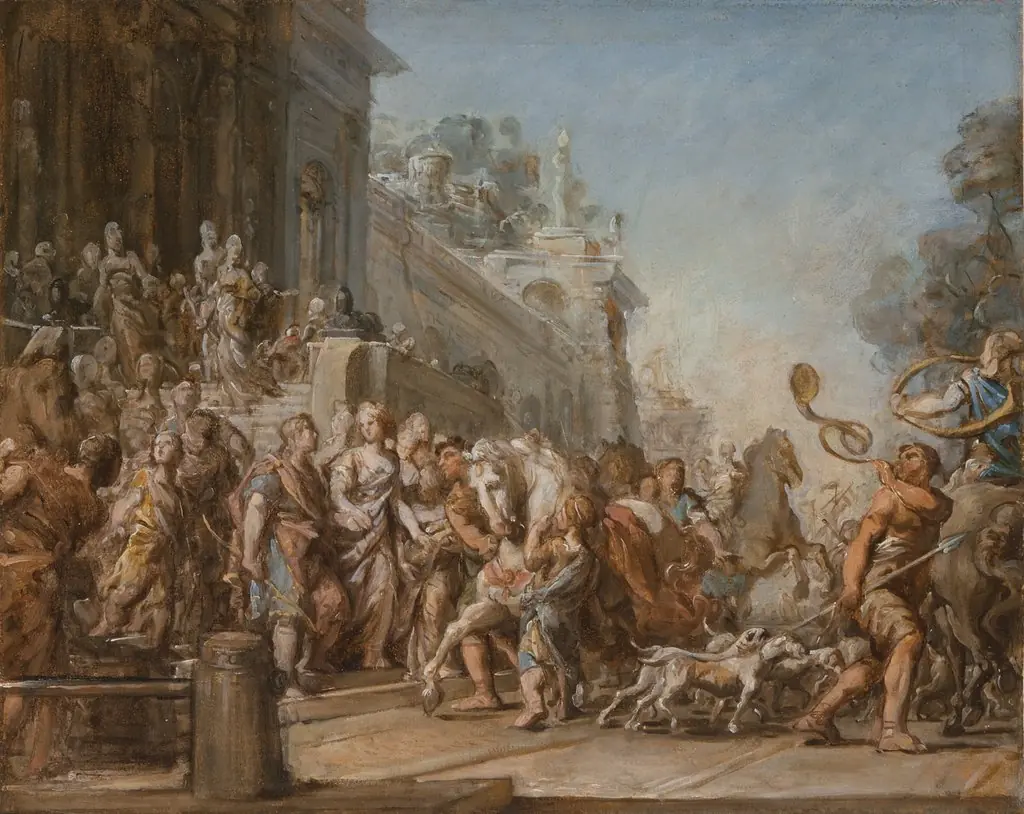 The Departure of Dido and Aeneas for the Hunt
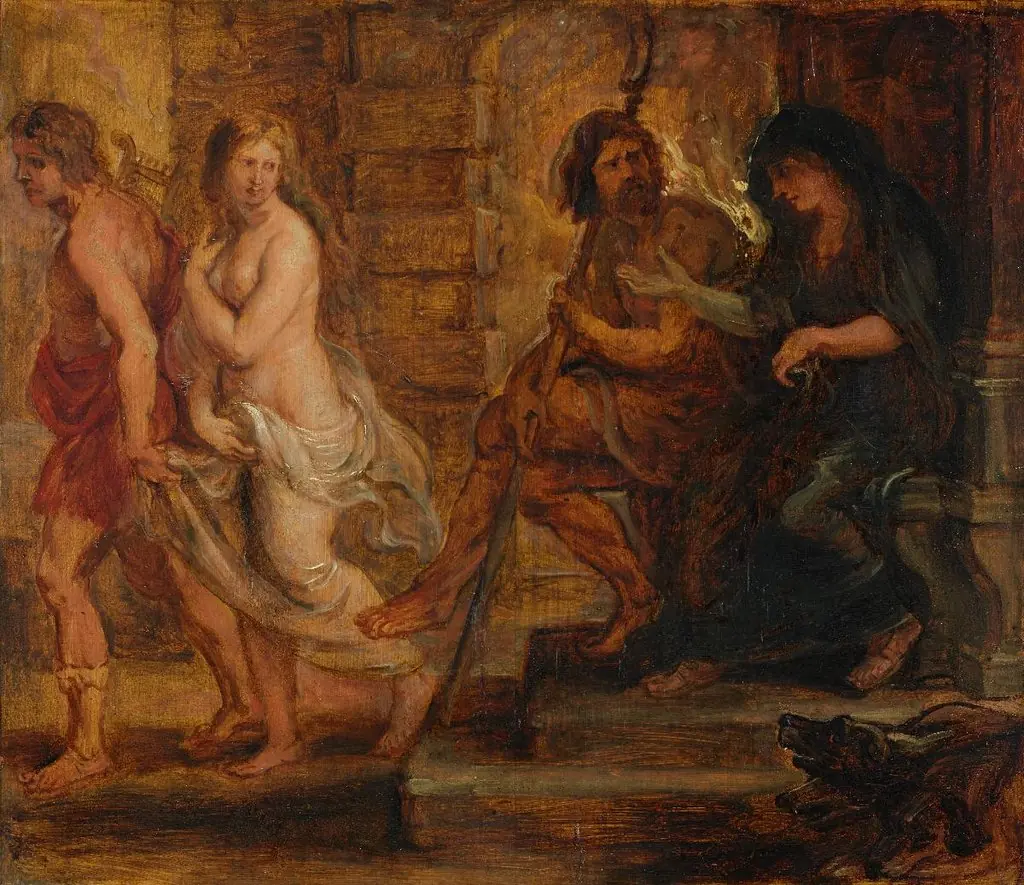 Orpheus und Eurydike vor Pluto und Proserpina
 The Meeting of David and Abigail
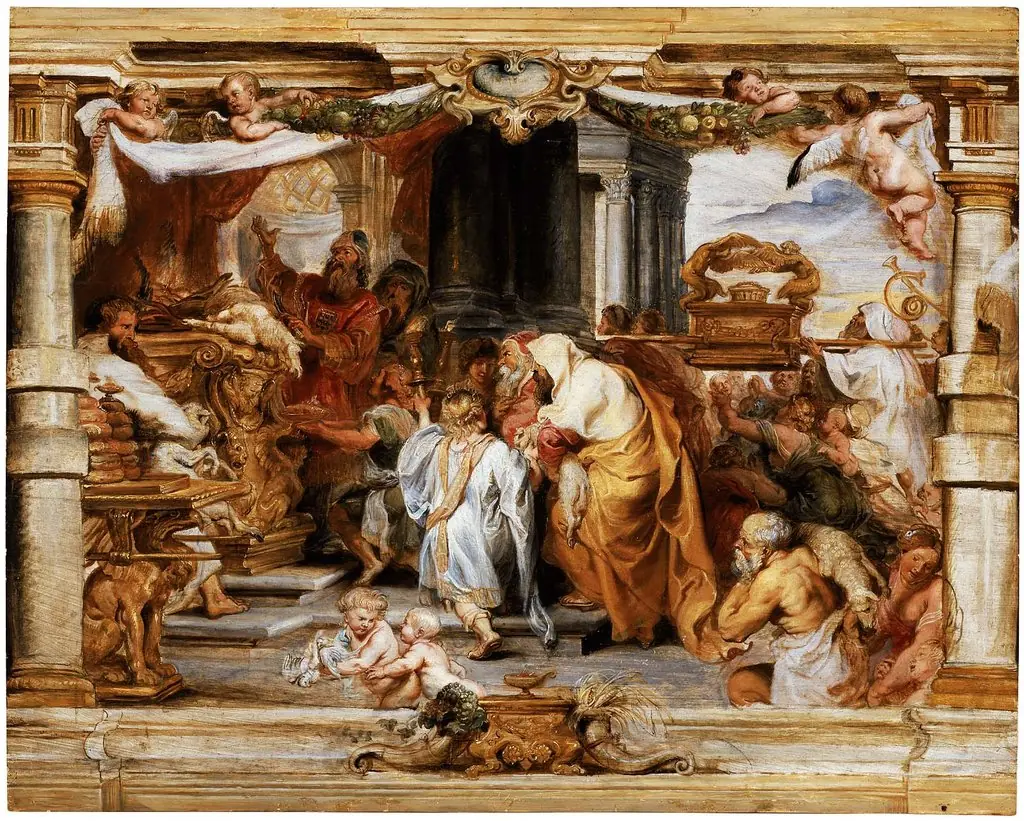 The Sacrifice of the Old Covenant
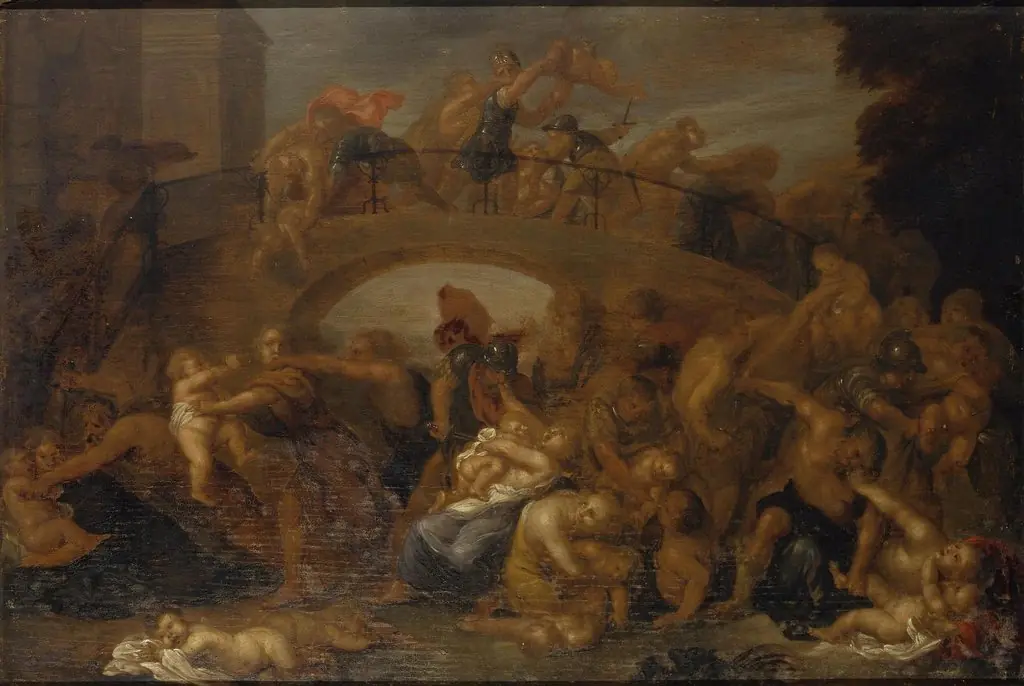 Massacre of the Innocents
- The Apotheosis of Henri IV