Artwork
The Infanta Isabel Clara Eugenia
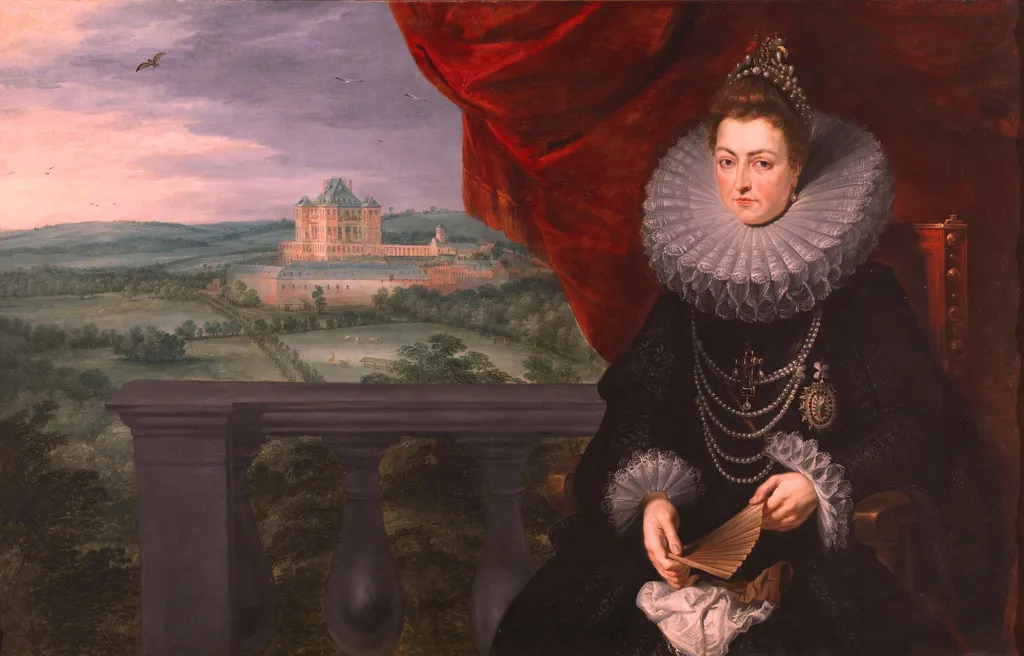
The Infanta Isabel Clara Eugenia is an oil painting by the Flemish Baroque painting artist Peter Paul Rubens. It dates from 1615 and is held in the collection of the Museo del Prado.
About this work
Subject & Meaning
These elements combine to create a formal portrait that emphasizes the sitter's status and connection to these specific locations and objects.
The painting depicts Isabella Clara Eugenia of Spain, identified as the main subject of the work. She is portrayed alongside specific attributes including a seat, a hand fan, a glove, and a gemstone. The composition also incorporates the setting of Mariemont, the Castle of Charles of Lorraine, situating the figure within a distinct architectural and locational context.
These elements combine to create a formal portrait that emphasizes the sitter's status and connection to these specific locations and objects.
History & Provenance
The double portrait of The Infanta Isabel Clara Eugenia was painted in 1615, as indicated by its internal record and corroborated by its Wikidata entry.
The work was commissioned to commemorate Isabel Clara Eugenia, daughter of Philip II of Spain, who later governed the Spanish Netherlands with her husband, Archduke Albert. The painting’s iconography, including the Infanta’s attributes of a fan, glove, and gemstone, aligns with her status as sovereign of the Netherlands and reflects the political imagery cultivated during her regency. The collaborative nature of the composition, involving both Rubens and Jan Brueghel the Elder, suggests a celebratory or diplomatic purpose, likely tied to court festivities or dynastic representation.
By the early nineteenth century, the painting entered the Spanish royal collection and was later transferred to the Museo del Prado in Madrid, where it remains.
The work is held by the Museo del Prado in Madrid, where it is inventoried as oil on canvas, 113 cm high and 175.8 cm wide.
Its exhibition history includes display at the Royal Palace of Madrid, reflecting its long-standing custody by the Spanish royal collection before transfer to the museum.
Overview
Painted in oil by the Flemish artist and diplomat Peter Paul Rubens in 1615, The Infanta Isabel Clara Eugenia is a formal portrait. The work depicts Isabella Clara Eugenia of Spain, presented with attributes signifying her royal status and set against a specific architectural backdrop. This painting exemplifies the characteristics of the Flemish Baroque movement, for which Rubens was a leading figure.
Technique & Style
Rendered in oil, this portrait is characteristic of the Flemish Baroque style championed by Peter Paul Rubens. The artist's distinctive approach is evident in the rich application of color and the subtle suggestion of movement within the drapery and the sitter's pose. While a formal portrait, it conveys a sense of the sensuous quality often associated with Rubens's broader body of work, reflecting the artistic trends of the early 17th century.
Own this work as a print
Artist & collection
Artist
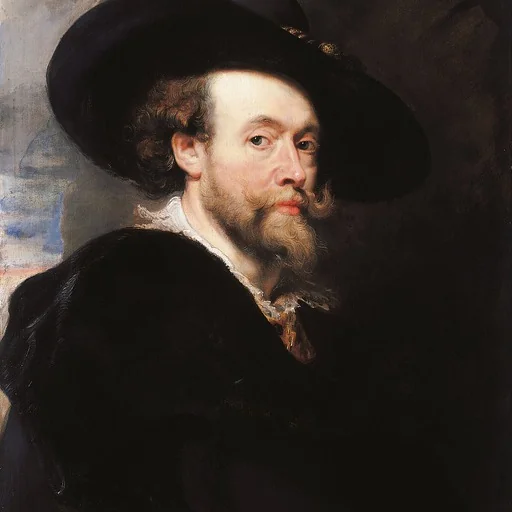
Sir Peter Paul Rubens ( ROO-bənz; Dutch:; 28 June 1577 – 30 May 1640) was a Flemish artist and diplomat.


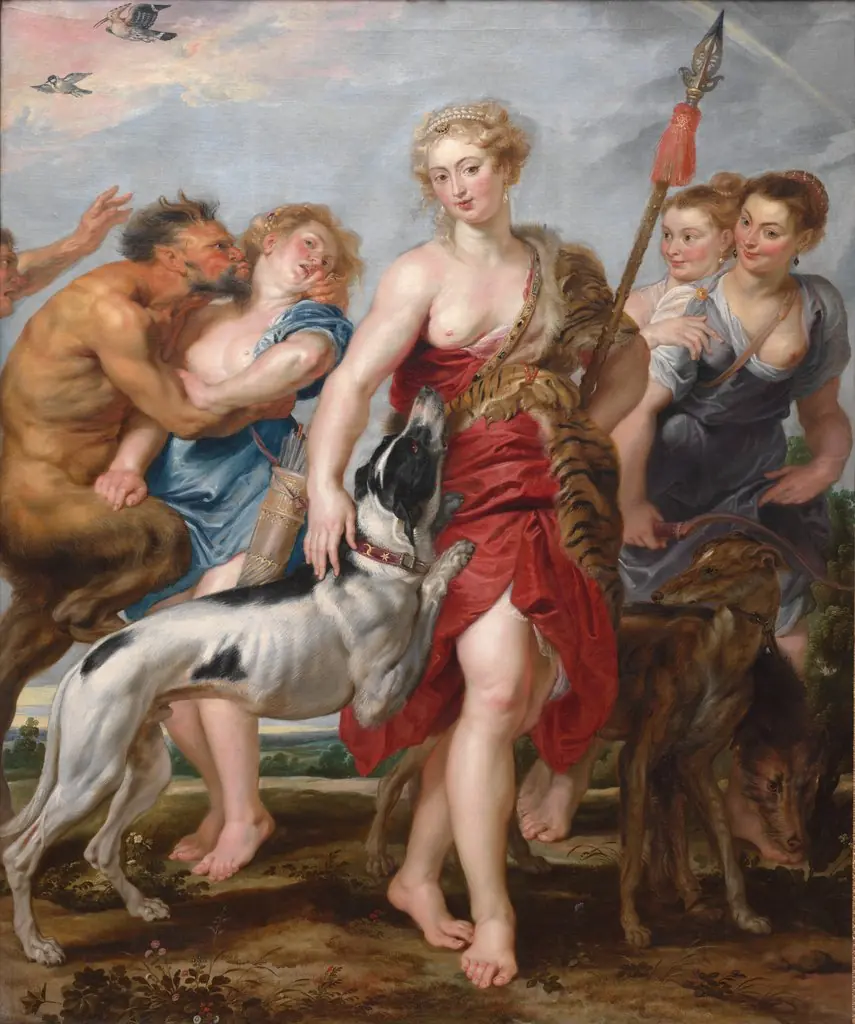
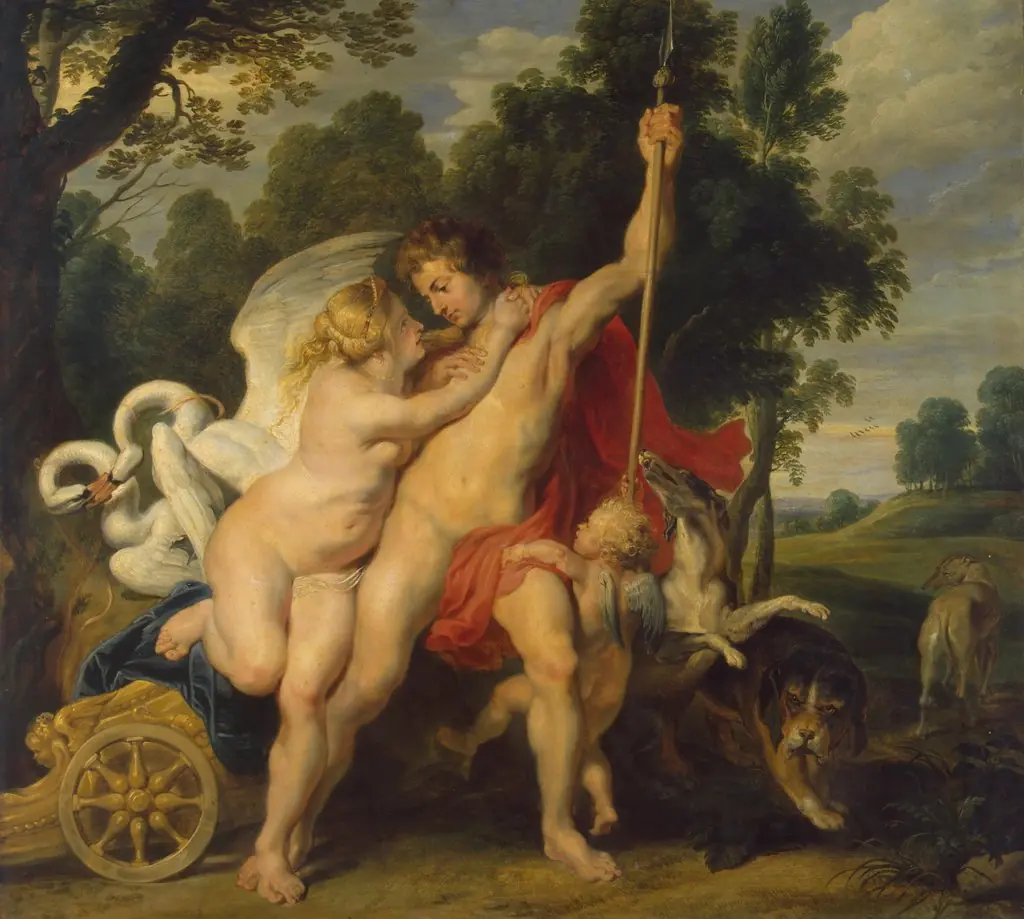
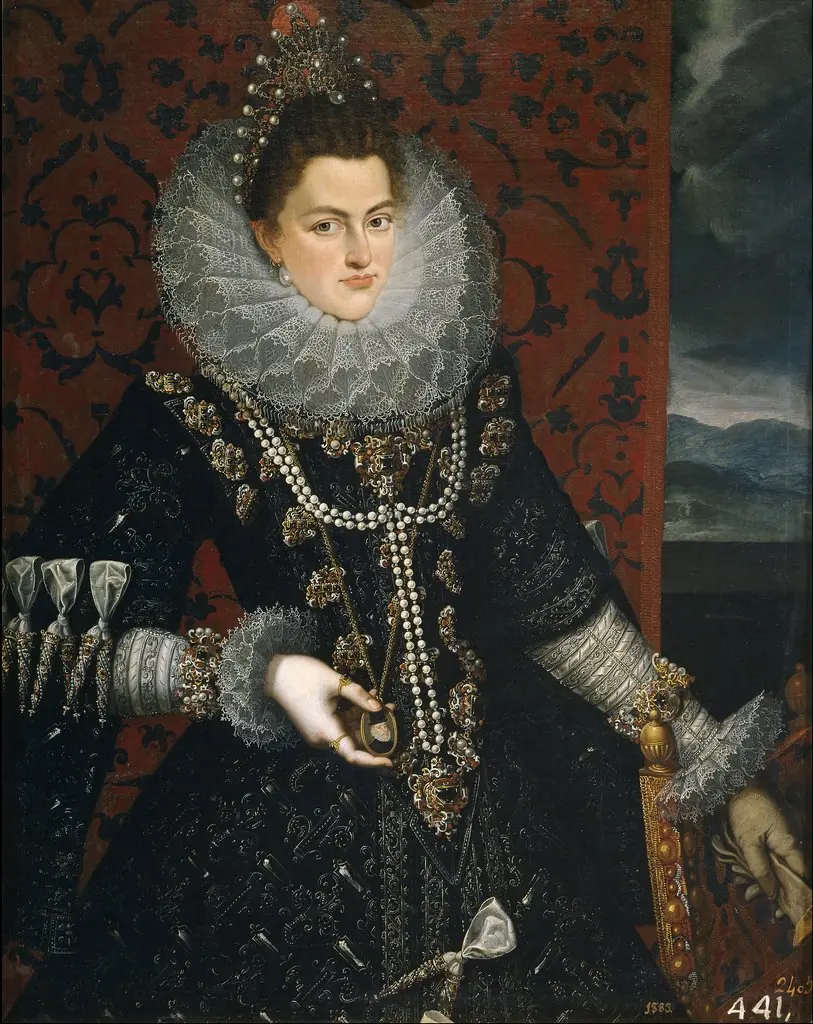
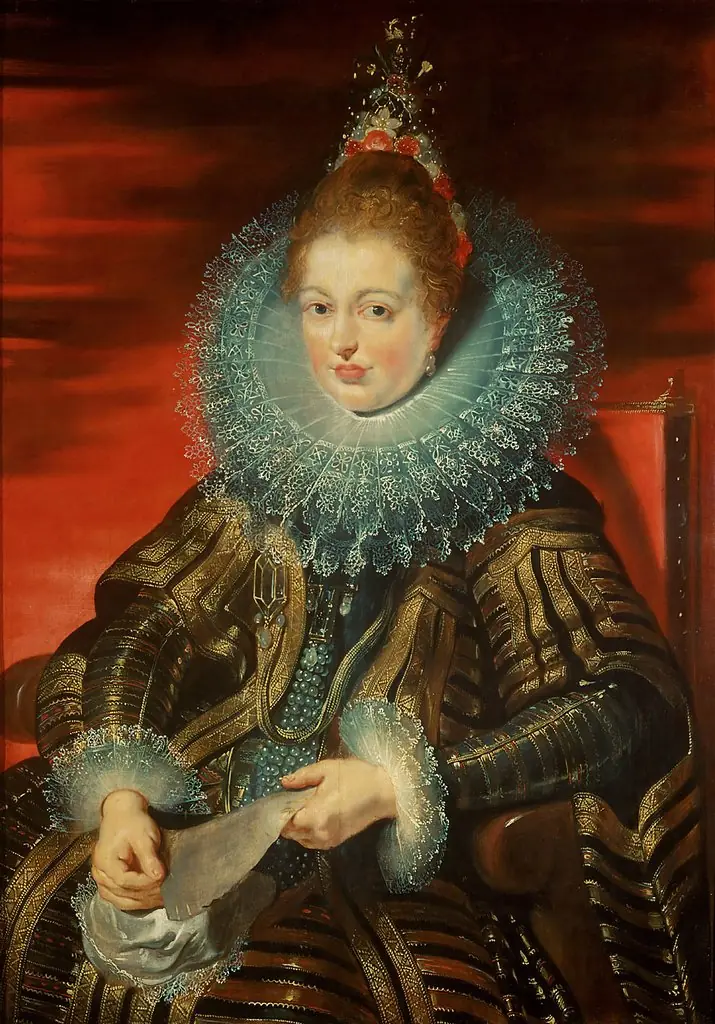 Isabella Clara Eugenia, wife of Albrecht VII
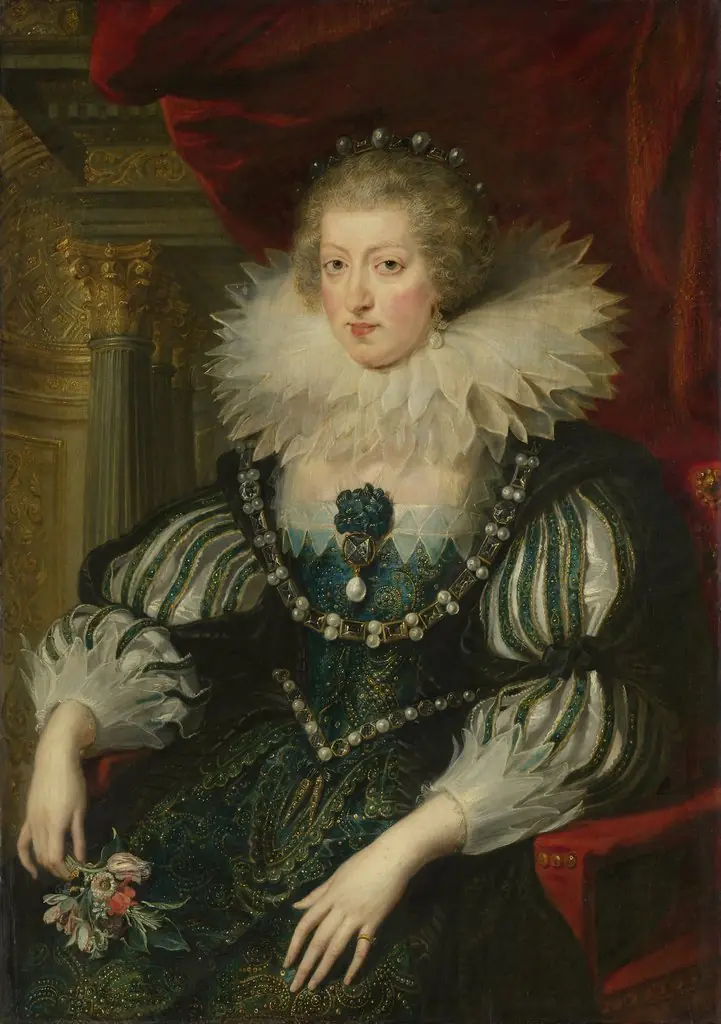 Anne of Austria (1601-66). Wife of Louis XIII, king of France
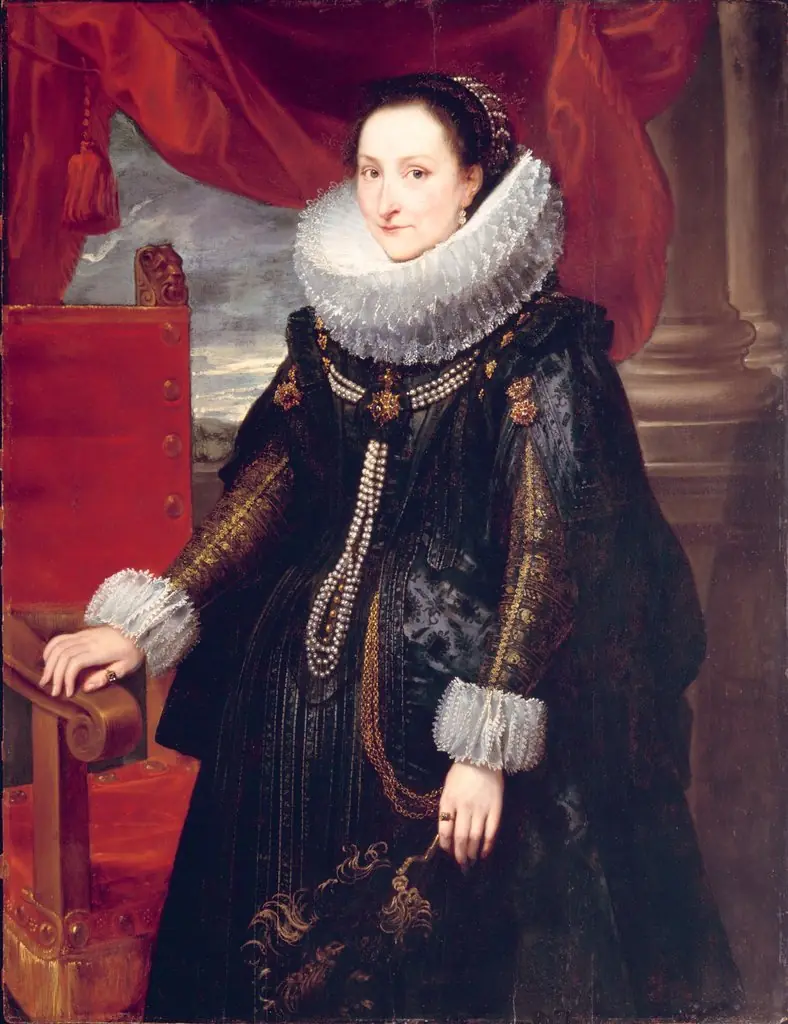 Portrait of a Woman
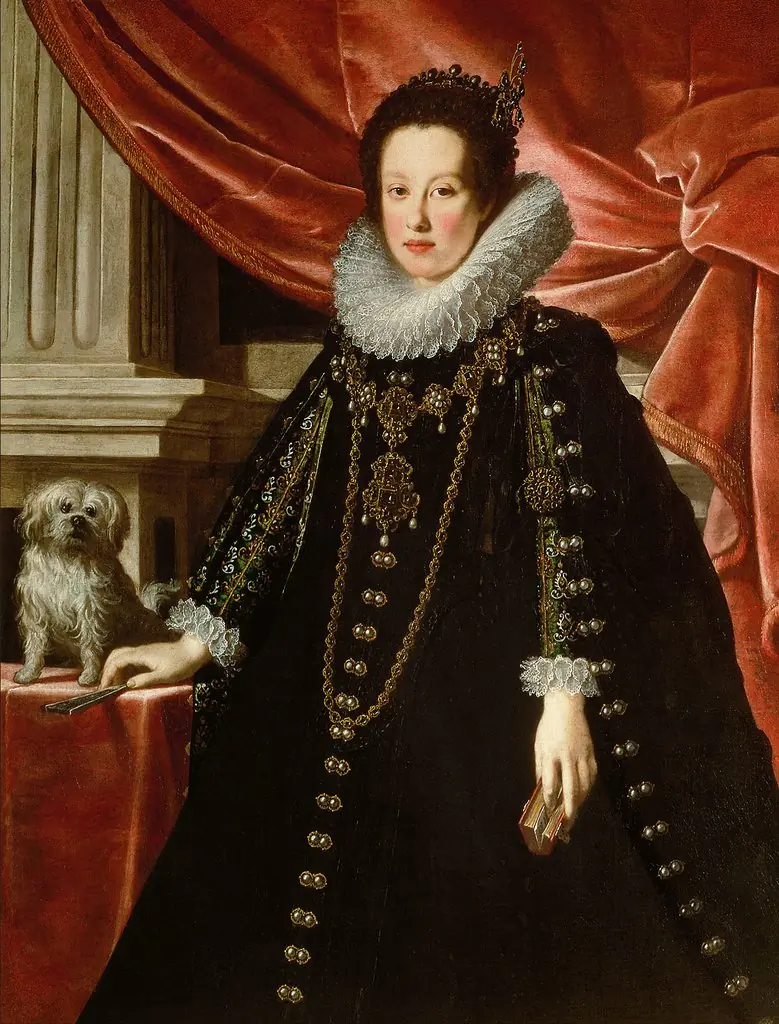 Portrait of Anna de' Medici (1616-1676), Archduchess with her Lapdog
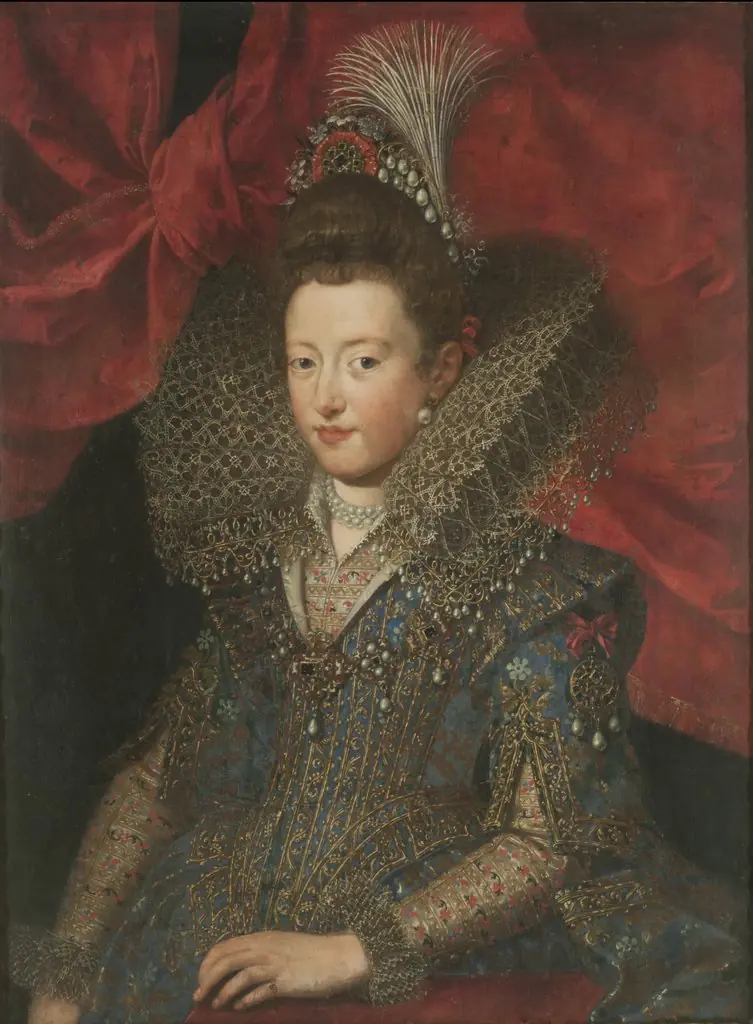 Portrait of Margarita Gonzaga
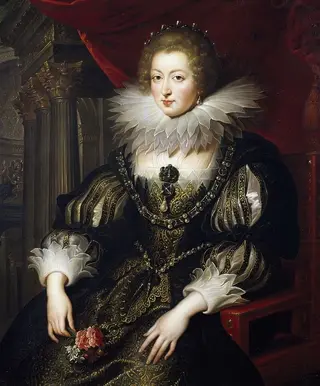 Portrait of Anne of Austria, Queen of France (1601-1666)
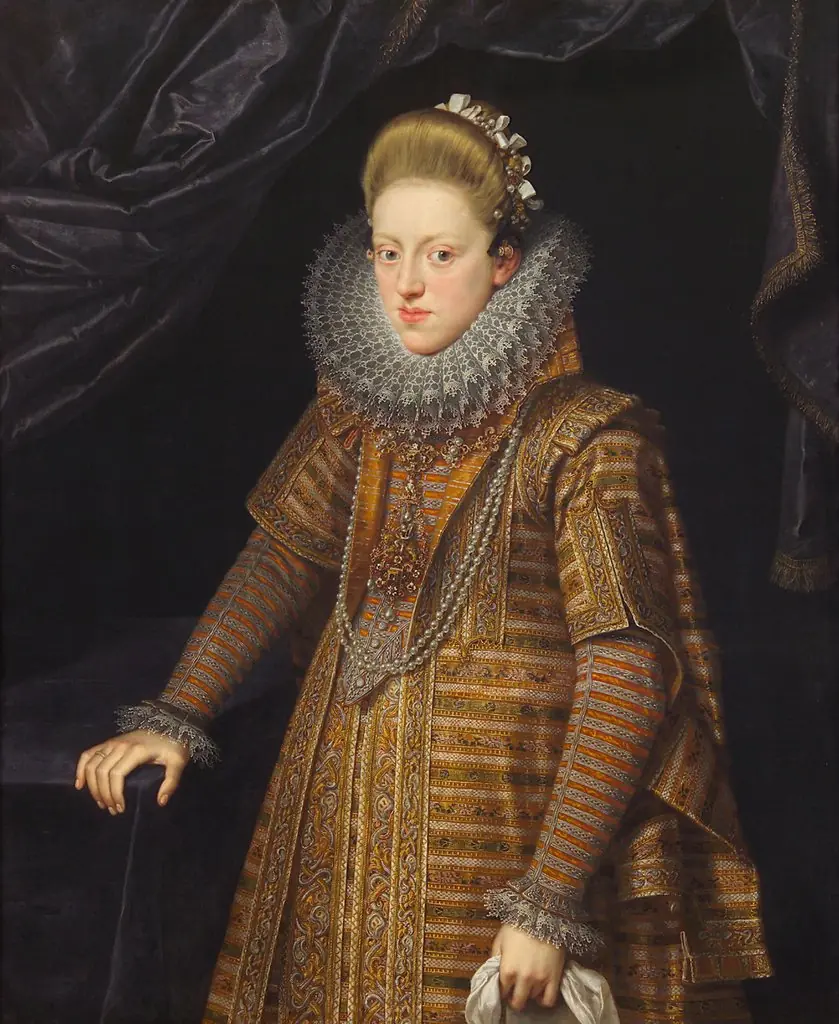 Erzherzogin Eleonore (1582-1620), Kniestück
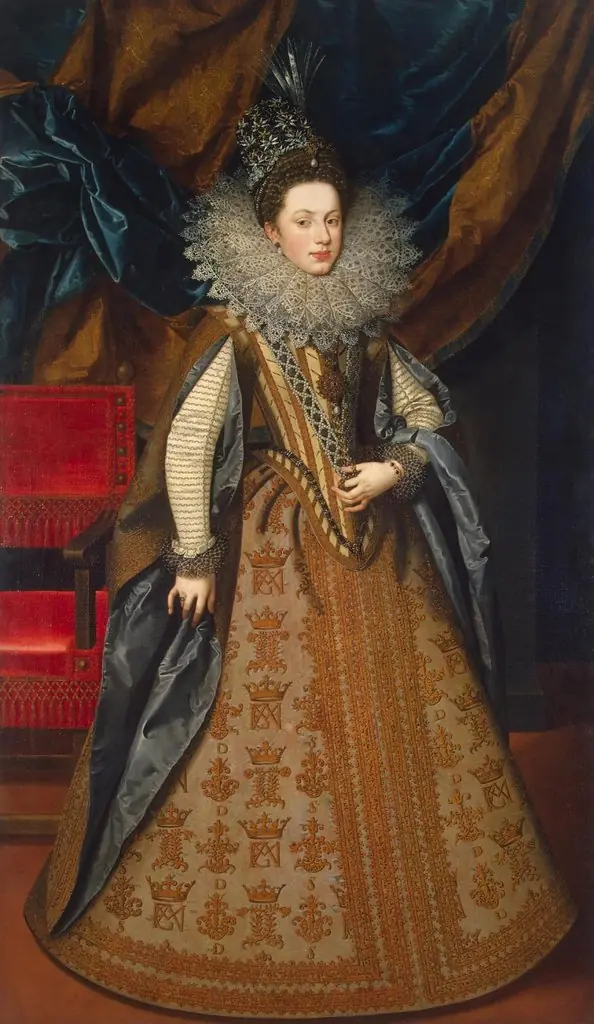 Portrait of Margaret of Savoy, Duchess of Mantua
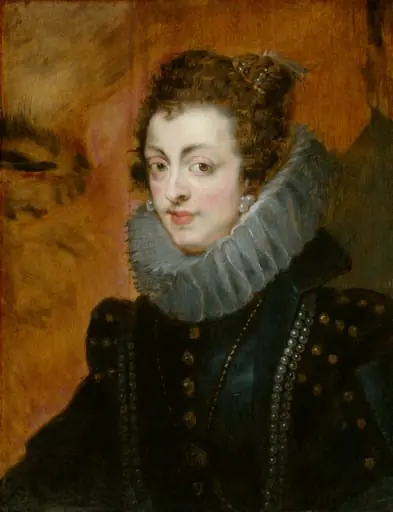 Portrait of Isabella of Bourbon