Artwork
The Judgement of Paris

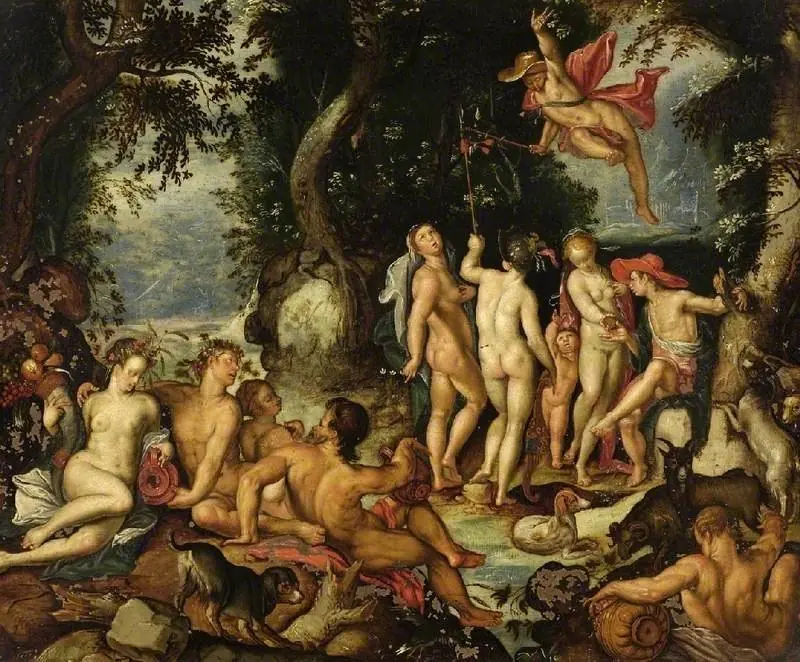
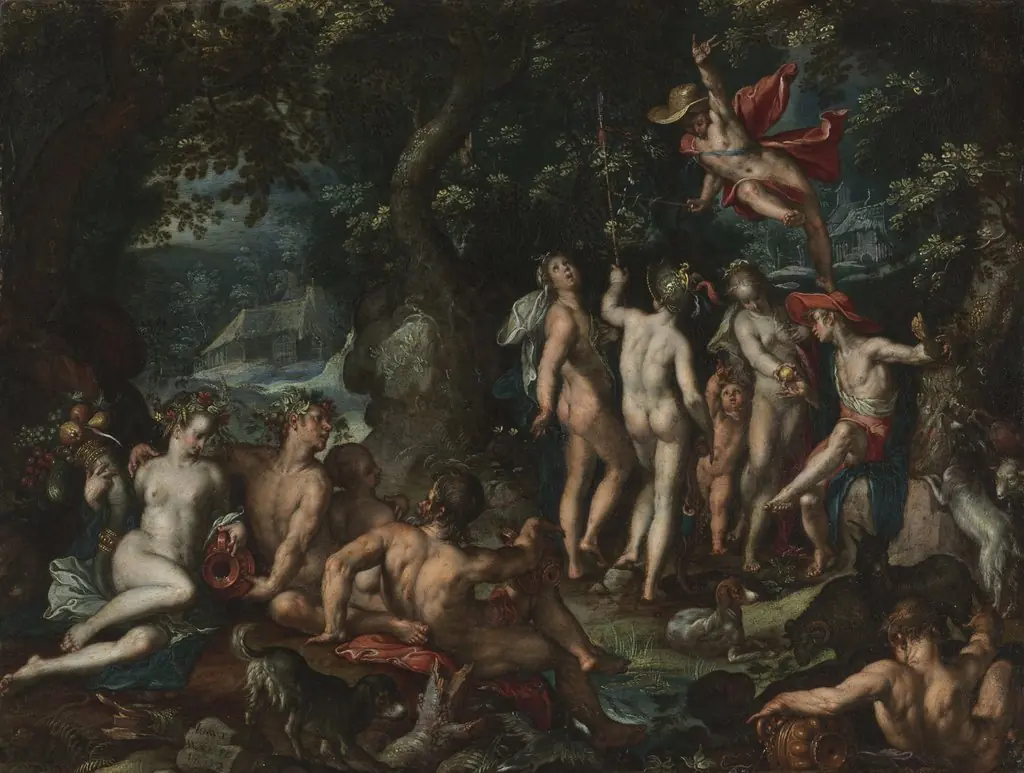
The Judgement of Paris is an oil painting by the Flemish Baroque painting artist Peter Paul Rubens. It dates from 1606 and is held in the collection of the Museo del Prado.
About this work
Subject & Meaning
It shows Athena, Hera and Aphrodite among other figures, with Paris depicted as a young man accompanied by a herder in a pastoral landscape.
The painting presents the myth of the Judgement of Paris, a moment when Paris, a Trojan shepherd, decides which deity is the fairest.
It shows Athena, Hera and Aphrodite among other figures, with Paris depicted as a young man accompanied by a herder in a pastoral landscape.
The three goddesses embody wisdom, power and sensual beauty, underscoring the allegorical stakes of the choice.
Created in 1606 on wood panel, the work entered the collection of the Museo del Prado, where it remains on display. Its iconography reflects Baroque fascination with classical narratives and the moral theme of subjective judgment.
Technique & Style
Peter Paul Rubens executed The Judgement of Paris in 1606 using oil paint applied to a wood panel support. This mythological work measures 89 cm in height and 114.5 cm in width, presenting a horizontal composition that depicts Paris, Hera, Athena, and Aphrodite within a rural setting. The painting is currently housed in the Museo del Prado in Madrid.
Its formal qualities reflect Rubens's early Roman period style, focusing on the narrative interaction between the figures and the pastoral landscape.
History & Provenance
The Judgement of Paris was executed by Peter Paul Rubens in 1606 as an oil painting on wood, measuring 89 × 114.5 cm. Following its creation, the painting entered the collection of the Museo del Prado in Madrid, where it remains on public display. The dating of 1606 is confirmed by contemporary catalogues and the museum's provenance entry. The work has been featured in the exhibition "The Touch of Pygmalion: Rubens and Sculpture in Rome," which highlighted the influence of classical sculpture on the Flemish master's work during his Roman period.
Context
The Judgement of Paris is a 1606 oil painting on wood panel by Peter Paul Rubens, classified as a mythological painting and housed in the Museo del Prado. The work depicts Athena, Hera, Aphrodite, Paris, and a herder in a rural setting, and it was featured in the exhibition "The Touch of Pygmalion: Rubens and Sculpture in Rome," illustrating the artist's engagement with classical mythology and contemporary sculptural discourse.
Overview
Peter Paul Rubens, a prominent Flemish artist and diplomat, completed The Judgement of Paris in 1606. This oil painting on wood panel depicts a pivotal moment from Greek mythology, showcasing the artist's early engagement with classical themes. The work exemplifies the dynamic energy and rich palette characteristic of the Baroque style emerging in Flanders during this period. It is currently housed in the Museo del Prado, representing a key example of Rubens's formative years.

Artist & collection

Artist
Sir Peter Paul Rubens ( ROO-bənz; Dutch:; 28 June 1577 – 30 May 1640) was a Flemish artist and diplomat.