Artwork
The Loves of the Centaurs
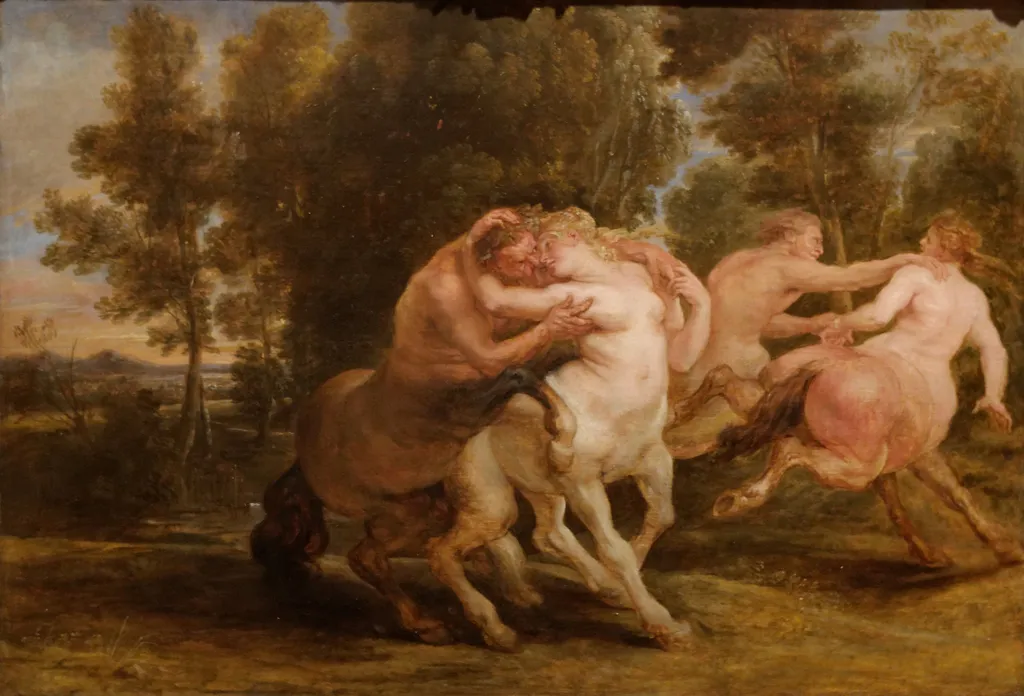
The Loves of the Centaurs is an oil painting by the Flemish Baroque painting artist Peter Paul Rubens. It dates from 1635 and is held in the collection of the Calouste Gulbenkian Museum.
About this work
Overview
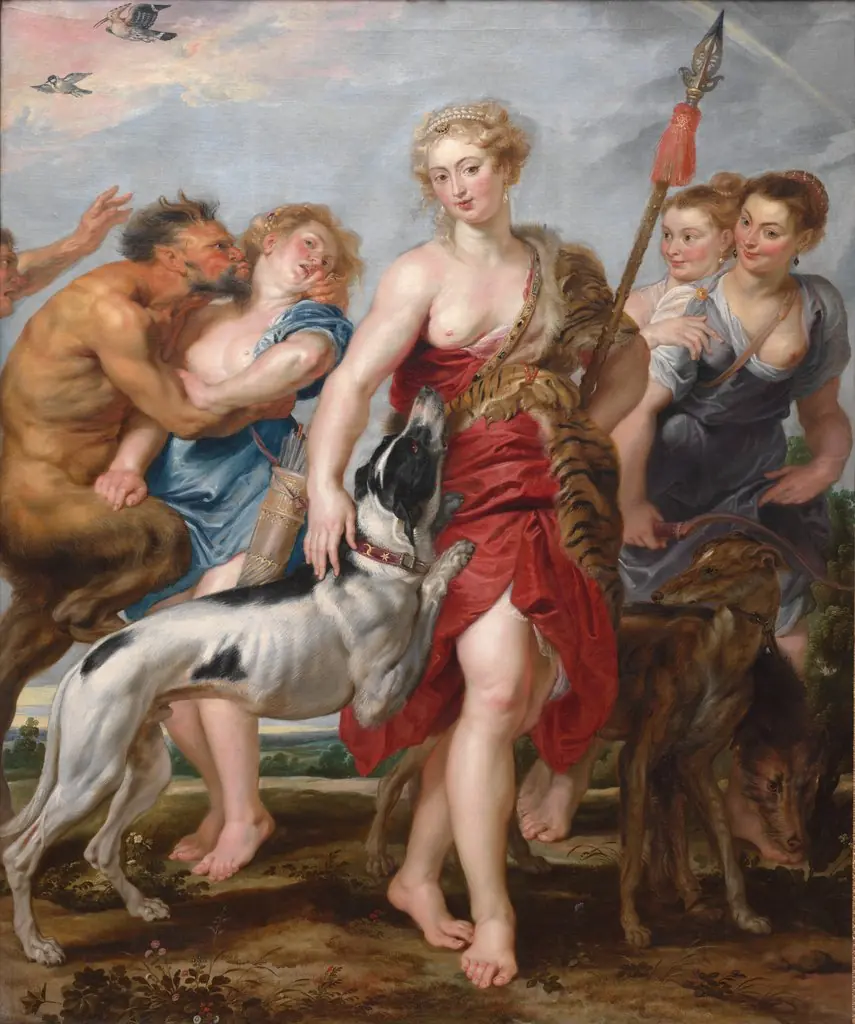
Created in 1635, this oil painting by Peter Paul Rubens portrays a mythological encounter involving centaurs and two women. Executed in the Flemish Baroque idiom, the composition is set amid a wooded landscape under a cloud‑filled sky, emphasizing motion and interaction among the figures. The work is part of the collection of the Calouste Gulbenkian Museum.
Subject & Meaning
The scene illustrates a romantic liaison between the half‑human, half‑equine centaurs and their female companions, a theme drawn from classical mythology that allowed Rubens to explore sensuality and the interplay of the animalistic and the human. The pairing of the two centaurs with the women suggests a narrative of love and desire within a pastoral setting.
Technique & Style
Rubens employs a warm, earthy palette and vigorous, expressive brushwork that convey immediacy and kinetic energy. The use of chiaroscuro models the bodies, producing a three‑dimensional presence that draws the eye into the foreground. Loose strokes and dynamic poses typify the Baroque emphasis on movement, while the atmospheric background adds depth to the composition.
History & Provenance
Painted during Rubens’s mature period, the work belongs to his extensive series of history paintings that encompassed mythological, allegorical, religious, portrait, and landscape subjects. After remaining in private hands for several centuries, the canvas entered the Calouste Gulbenkian Museum’s collection, where it is displayed as part of the institution’s European Baroque holdings.
Own this work as a print
Artist & collection
Artist
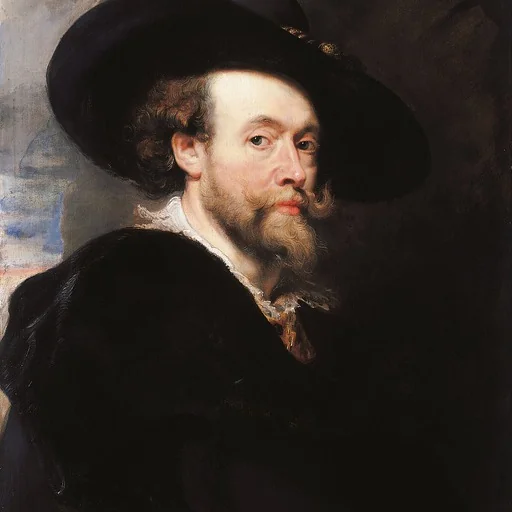
Sir Peter Paul Rubens ( ROO-bənz; Dutch:; 28 June 1577 – 30 May 1640) was a Flemish artist and diplomat.