Artwork
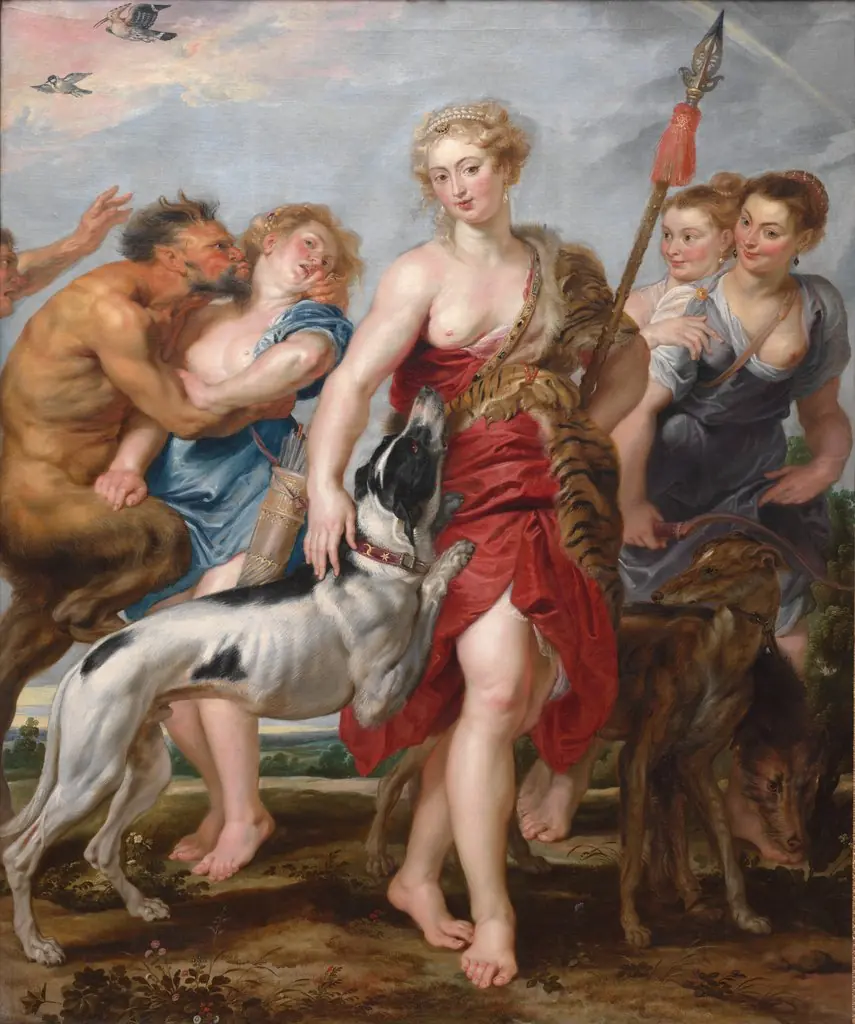
Diana and her Nymphs surprised by Satyrs
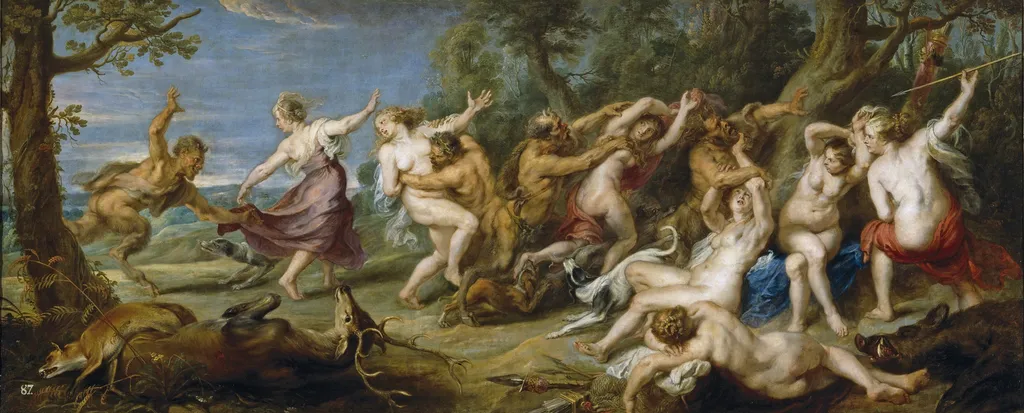
Diana and her Nymphs surprised by Satyrs is an oil painting by the Flemish Baroque painting artist Peter Paul Rubens. It dates from 1639 and is held in the collection of the Museo del Prado.
About this work
Subject & Meaning
Symbolically, the satyrs embody rustic vitality and uncontrolled desire, contrasting with the chaste and vigilant demeanor of the goddess and her nymphs.
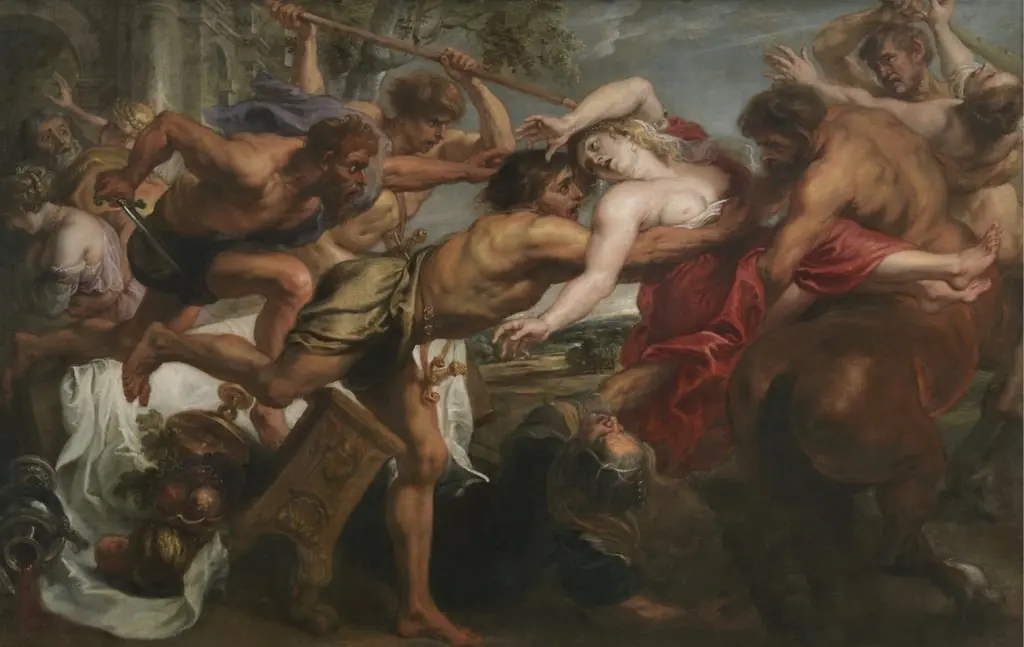
The painting portrays Diana, the Roman goddess of the hunt, and her attendant nymphs caught unawares by a group of satyrs. This mythological encounter emphasizes themes of divine presence intertwined with untamed nature, reflecting Baroque fascination with sensuality and the fleeting moment of surprise. The composition underscores Diana's role as a protector of wilderness while hinting at the disruptive power of rustic forces, a duality often explored in 17th‑century mythological art.
Symbolically, the satyrs embody rustic vitality and uncontrolled desire, contrasting with the chaste and vigilant demeanor of the goddess and her nymphs. Their unexpected appearance introduces a narrative tension that highlights the vulnerability of even divine figures when confronted with earthly impulses, suggesting a commentary on the balance between order and chaos within mythic realms.
Technique & Style
Executed in oil paint on canvas, the work measures 129.5 cm in height and 315.2 cm in width. The handling is characterized by Rubens’s fluid, layered brushwork, with translucent glazes modulating luminous flesh tones and satin drapery.
Formal qualities include a sweeping horizontal composition that guides the eye across the startled nymphs and the advancing satyrs, their muscular forms rendered with dynamic movement. The landscape recedes through atmospheric recession, while the mythological subject is rendered with theatrical immediacy, balancing idealized anatomy with palpable texture in drapery and foliage.
History & Provenance
Peter Paul Rubens created the mythological painting Diana and her Nymphs surprised by Satyrs in 1639. Executed in oil on canvas, the work measures 129.5 cm in height and 315.2 cm in width. The painting is currently held in the collection of the Museo del Prado, where it remains located.
Peter Paul Rubens painted Diana and her Nymphs surprised by Satyrs in 1639. The work is an oil on canvas measuring 129.5 cm by 315.2 cm and belongs to the Museo del Prado collection in Madrid. It has been part of the museum's permanent display since its acquisition and was featured in the 2011 exhibition "Rubens and the Spanish Court" as well as the 2023 retrospective "Baroque Masterpieces from the Prado".
Overview
Peter Paul Rubens painted Diana and her Nymphs surprised by Satyrs in 1639, employing oil on canvas. The work belongs to the Flemish Baroque tradition, noted for its vigorous movement and saturated palette. It is currently part of the Museo del Prado’s collection in Madrid.
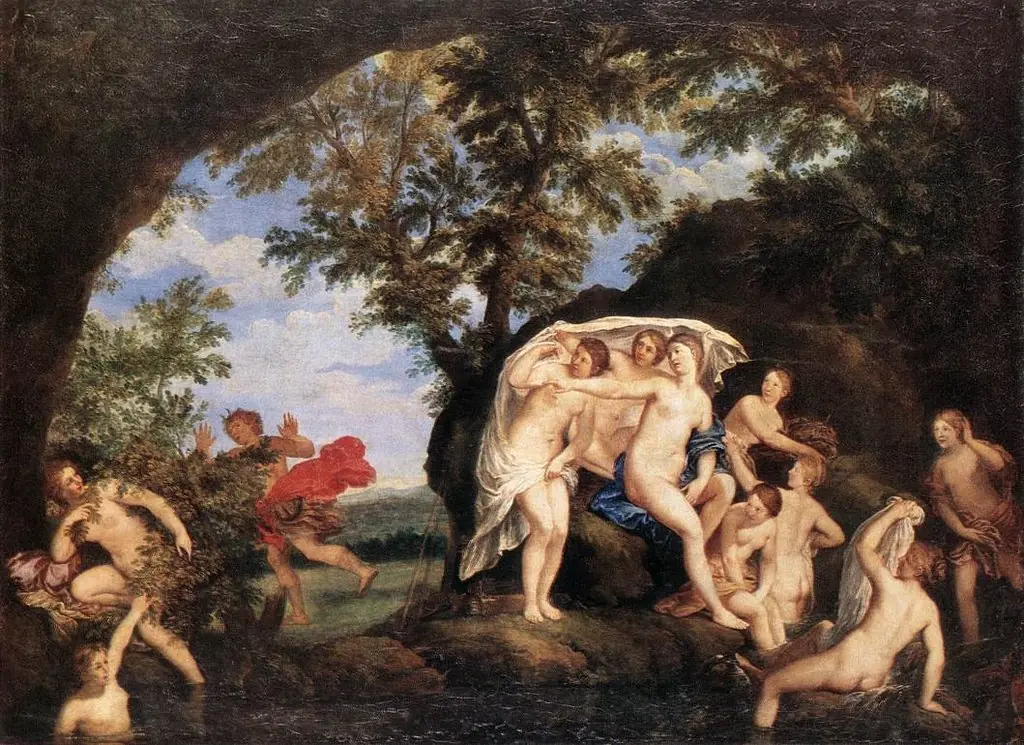
Artist & collection
Artist
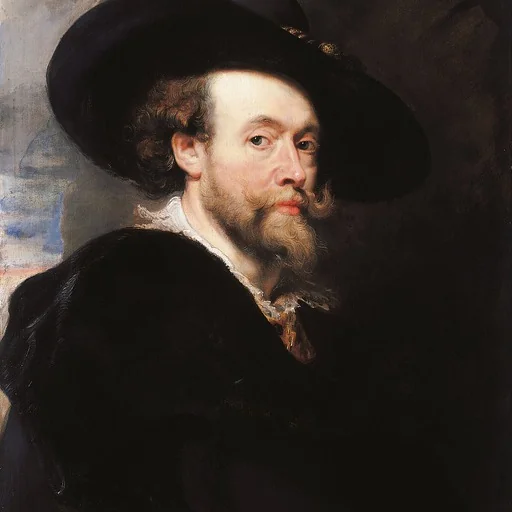
Sir Peter Paul Rubens ( ROO-bənz; Dutch:; 28 June 1577 – 30 May 1640) was a Flemish artist and diplomat.

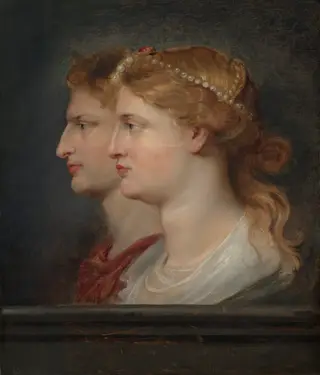
- Diana and Actaeon with nine nymphs
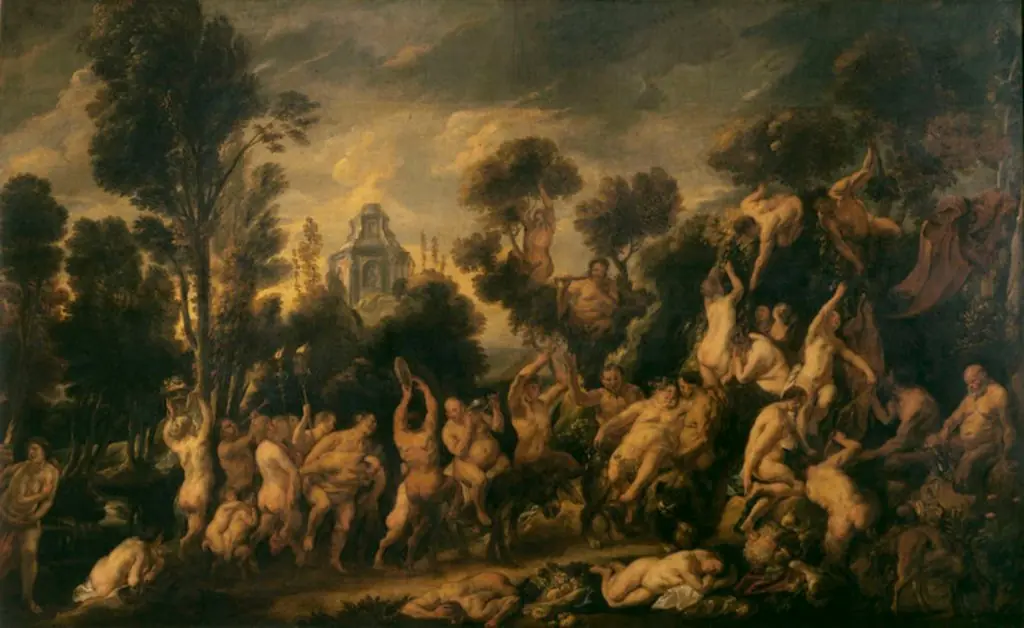 The Triumph of Bacchus
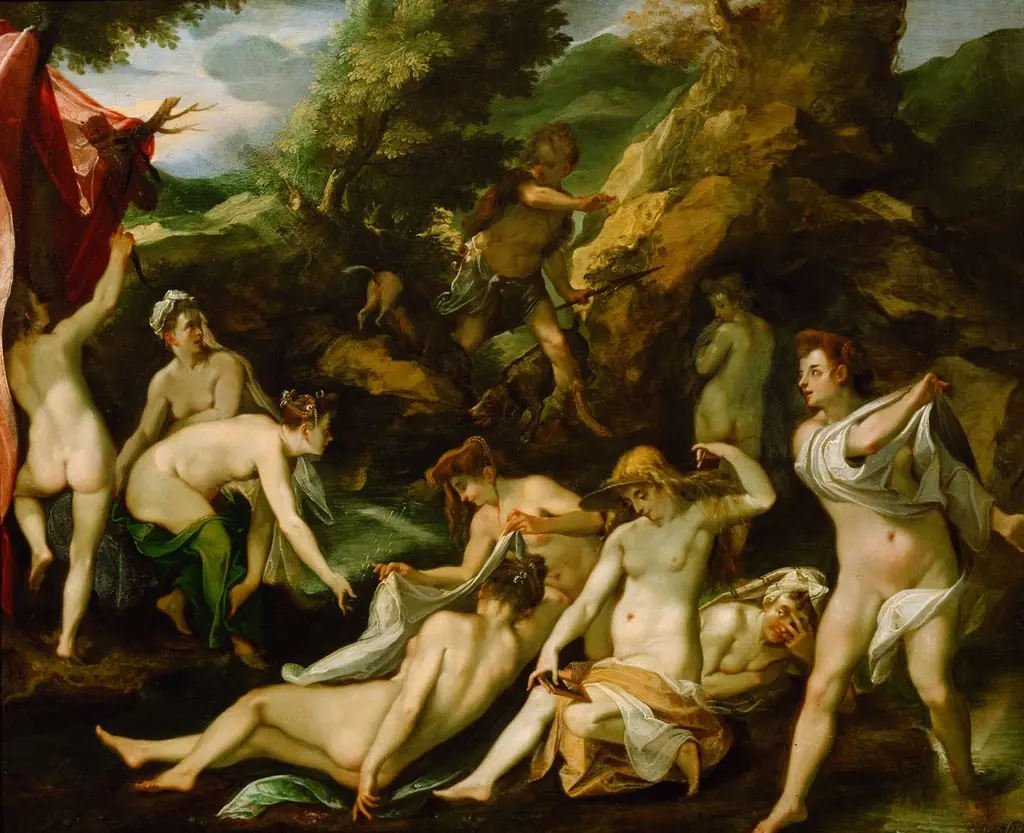 Diana and Actaeon
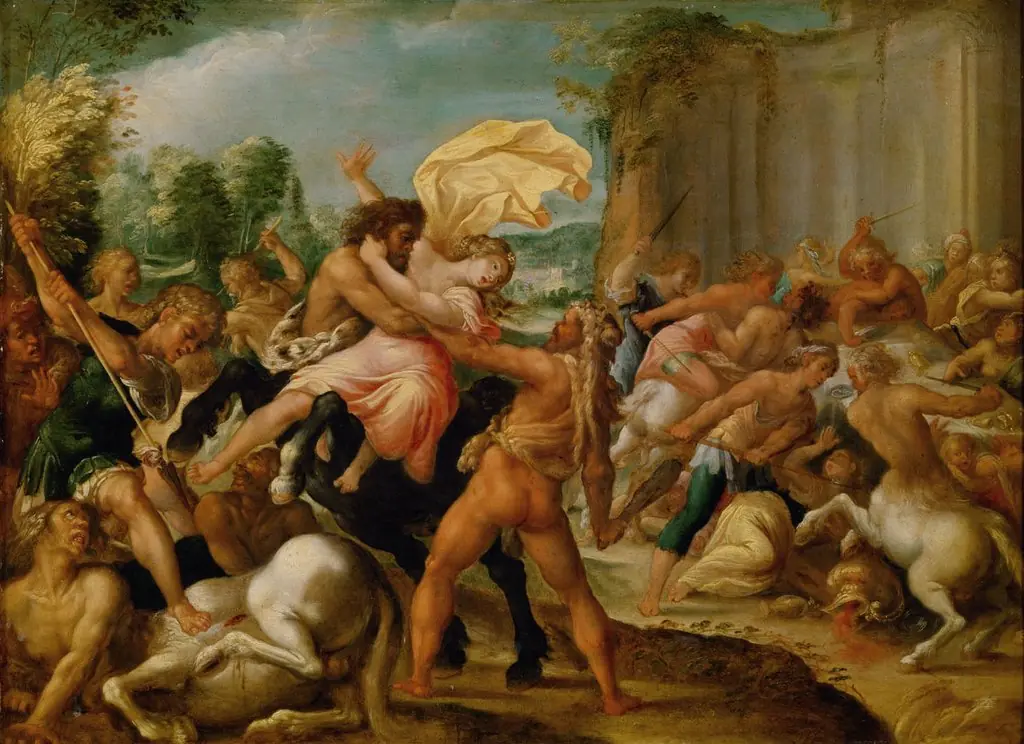 Herkules, Dejanira und der Kentaur Eurytion
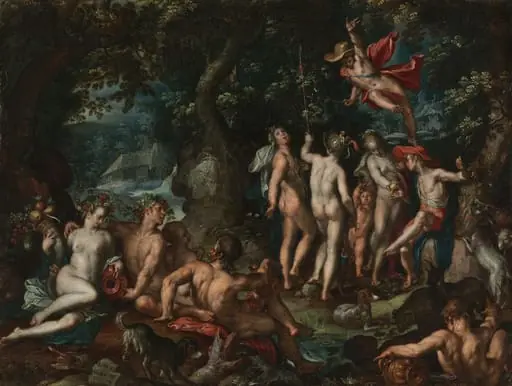 The Judgment of Paris
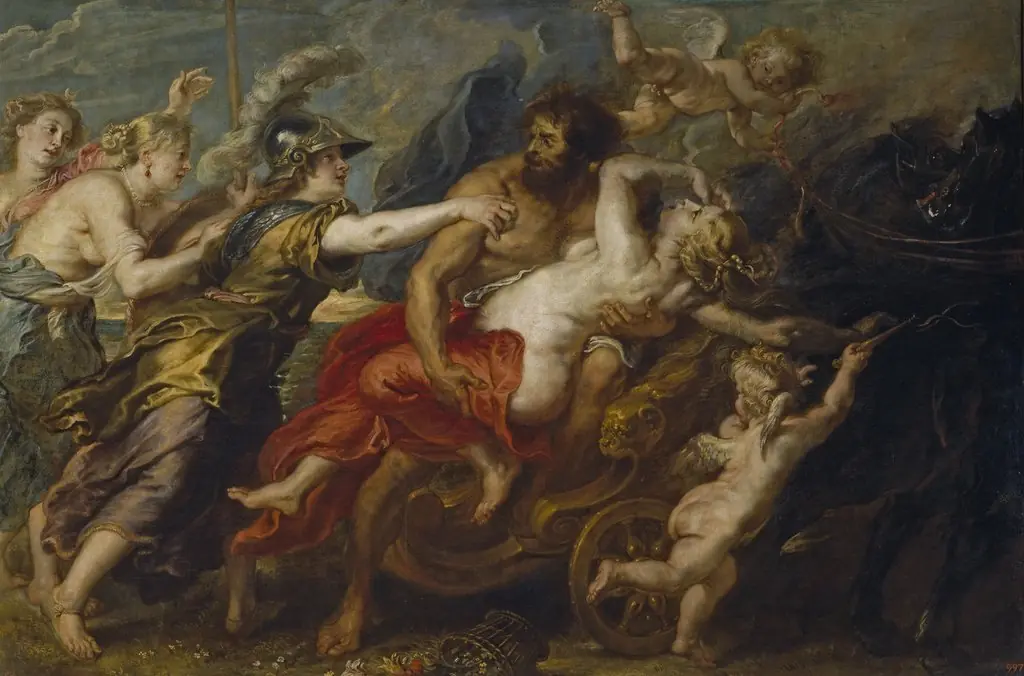 The Rape of Proserpine
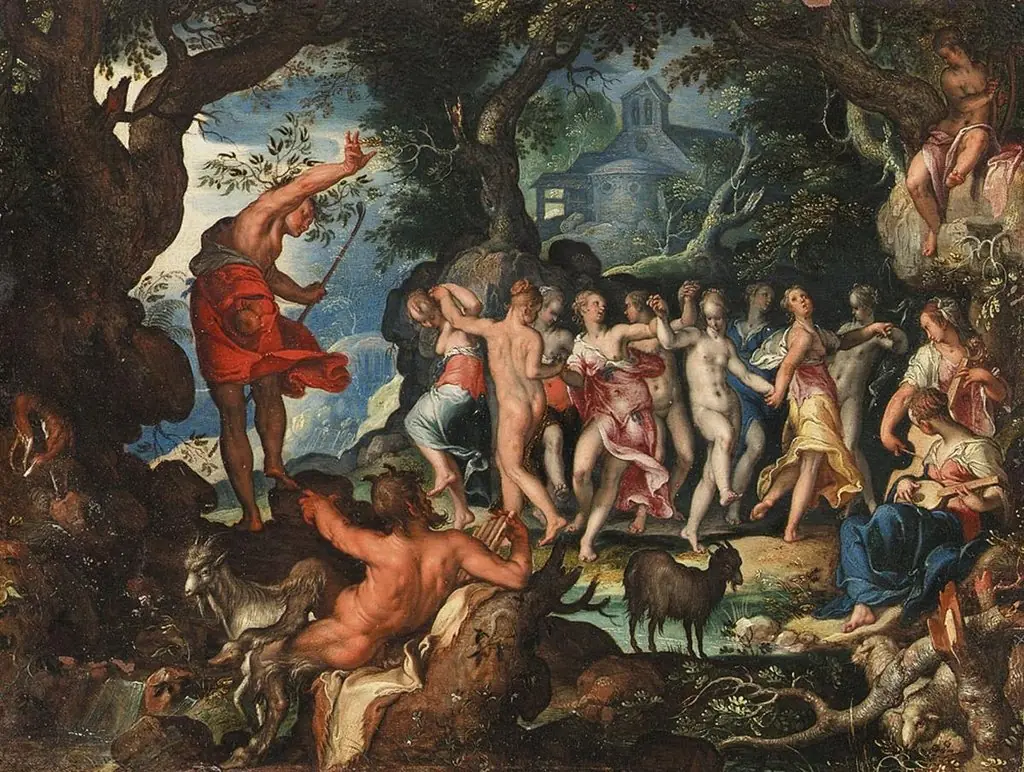 The Apulian Shepherd
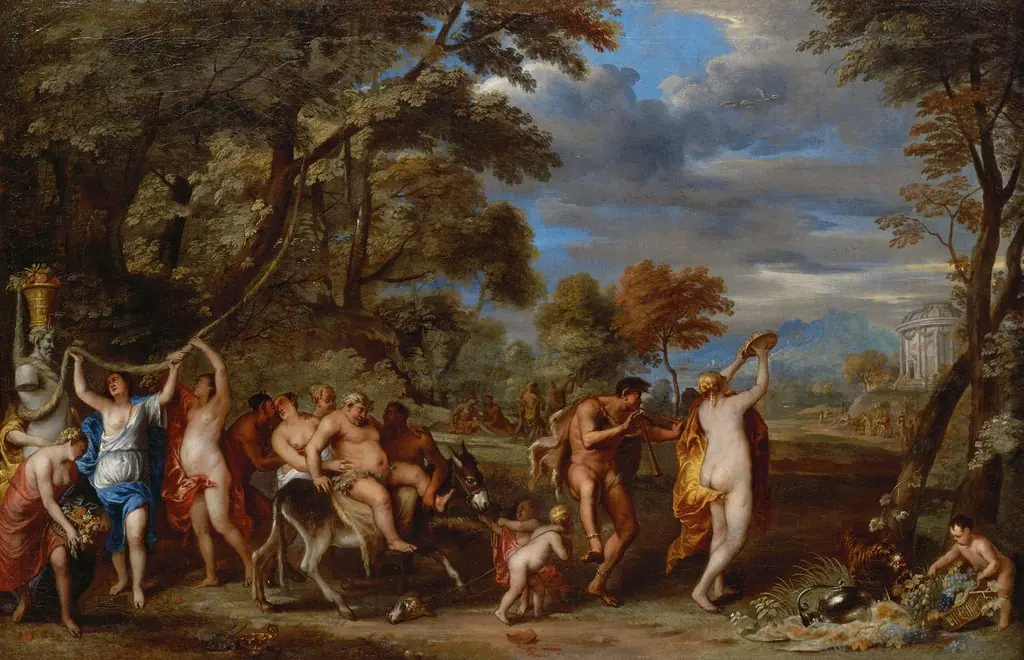 Bacchanal
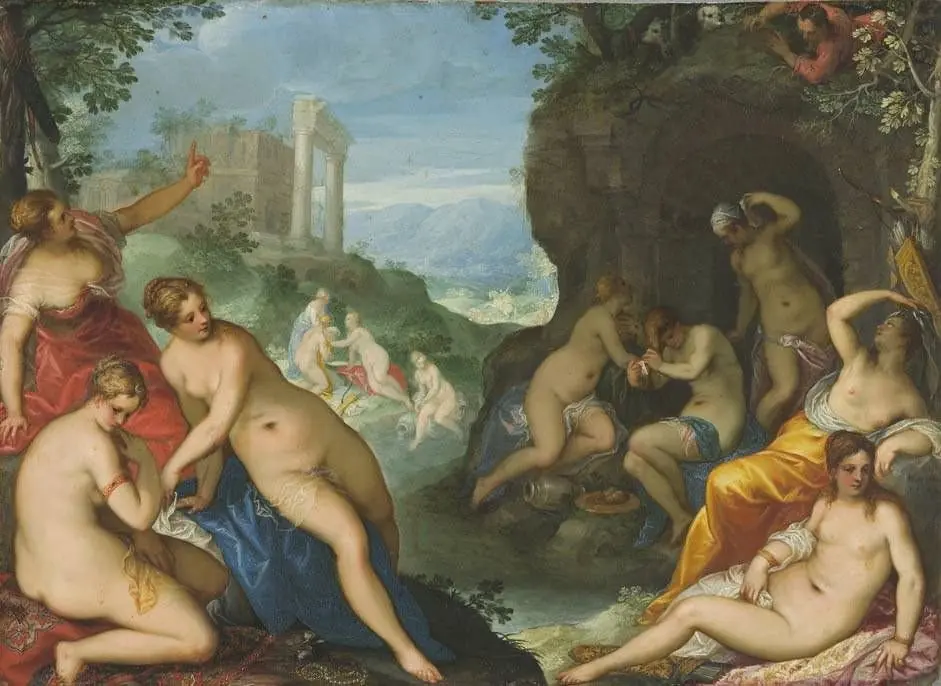 Diana und Aktäon
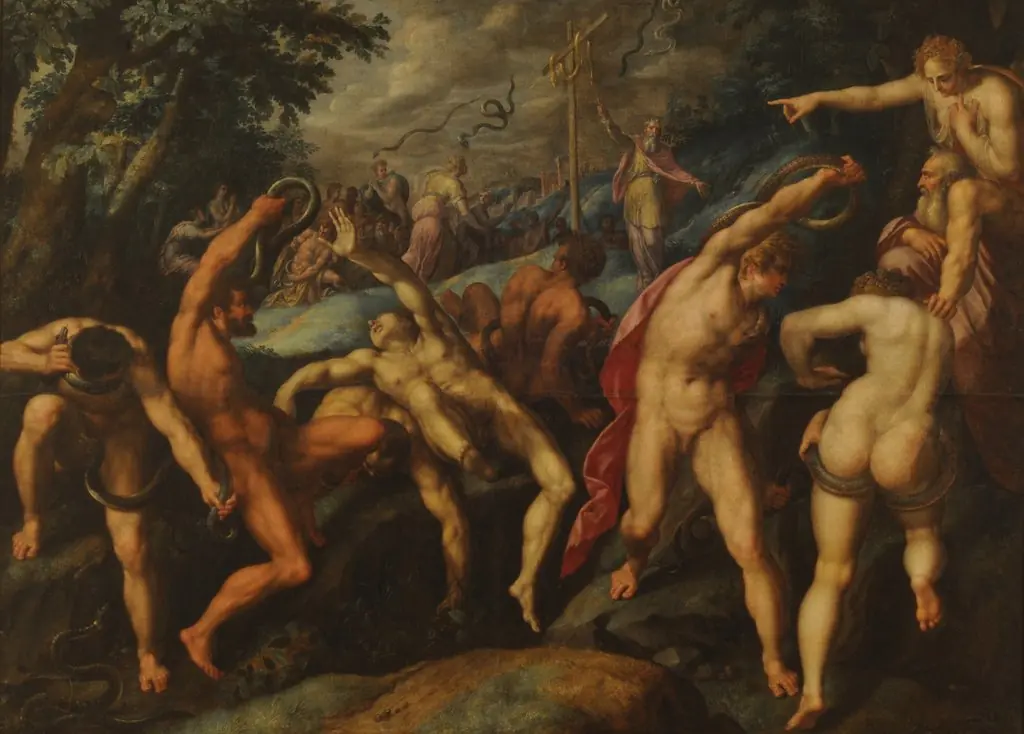 Moisés elevando la serpiente de bronce (Números 21:5-9)
 Rape of Hippodamia
 Rape of the Sabine Women