Subject
Pasture
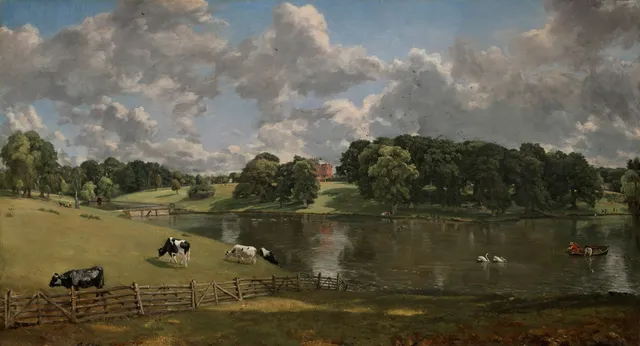
Pasture is a subject in art. The gallery holds 57 works in this subject in art, including works by Winslow Homer, Julian Alden Weir and Paul Gauguin.
Pasture (from Latin pāstus 'fed, nourished; pastured'; past participle of pāscere 'to feed') is land used for grazing.
Key artists
Overview
Pasture is land used for grazing, deriving from the Latin pāstus, meaning fed or nourished, which is the past participle of pāscere, to feed. In a strict agricultural sense, it refers to enclosed tracts of farmland grazed by domesticated livestock such as horses, cattle, sheep, or swine. In a broader sense, the term encompasses rangelands, unenclosed pastoral systems, and land types used by wild animals for grazing or browsing. The vegetation of tended pasture consists mainly of grasses, interspersed with legumes and other forbs. As a visual motif in art, pasture recurs as a fundamental representation of agrarian life, the pastoral ideal, and the symbiotic relationship between land, vegetation, and livestock.
Iconography & meaning
The iconography of pasture is intrinsically linked to domesticated livestock and the agricultural cycle. Pasture is typically grazed throughout the summer, distinguishing it from meadow, which is ungrazed or used only after being mown for hay. The motif carries meanings of nourishment, rural labor, and pastoral tranquility. Historically, pasture grazing dominates livestock farming in arid or mountainous regions where crop sowing or harvesting is difficult, hosting animals like camels, goats, yaks, and antelopes. In more humid regions, it is managed for free range and organic farming. Certain pasture types suit the diet, evolution, and metabolism of particular animals, and the fertilizing and tending of the land by these ruminants over generations can make the combined ecosystem integral to a specific habitat.
Across movements & periods
The treatment of pasture in visual culture reflects shifting agricultural practices and landscape perceptions over time. In the Middle Ages, the common pastures, or Allmende, were vital community resources, and grazing occurred on fallow fields and in wood pastures, or Hutewald, where livestock was driven into forests to forage. This created open, savanna-like landscapes. By the early modern period, as agriculture intensified, enclosed pastures became more common, replacing the unregulated medieval systems. In the modern era, intensive agricultural practices of seeding, irrigation, and fertilizing transformed pastures, contrasting with the extensive management of rangelands that grow primarily native vegetation. These shifts from communal, unregulated grazing to enclosed, managed agricultural plots are mirrored in the visual transition from generalized pastoral scenery to specific, cultivated landscape depictions.
Notable depictions
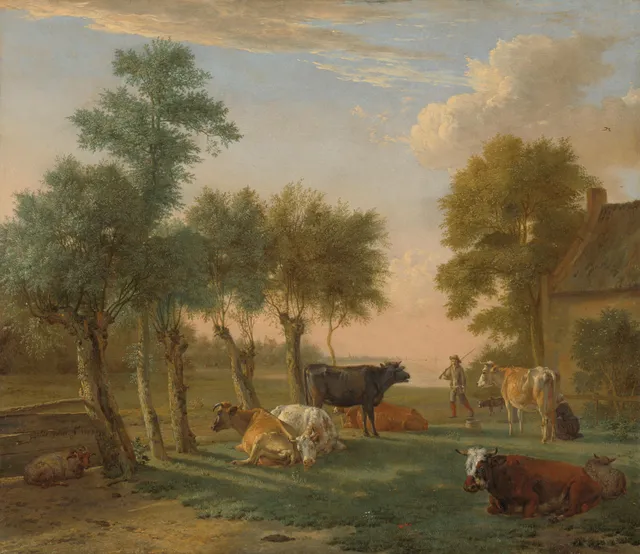
Notable depictions of pasture in the collection include John Constable's Wivenhoe Park, Essex, which integrates grazing cattle into a composed estate landscape, and Piet Mondrian's Oostzijdse Mill along the River Gein by Moonlight and De Winkel near Abcoude, which capture Dutch pastoral waterways. Anton Mauve's On the Heath near Laren represents the specific sheepwalk habitat, an area of grassland where sheep roam freely. Other significant works featuring the motif include Cows in a Meadow near a Farm, Shepherdess with a Flock of Sheep, Meadow with Cows by the Water, Summer Day, Cows in a soggy meadow, and Horse, all of which center on the visual presence of livestock within their grazing environments.
Works
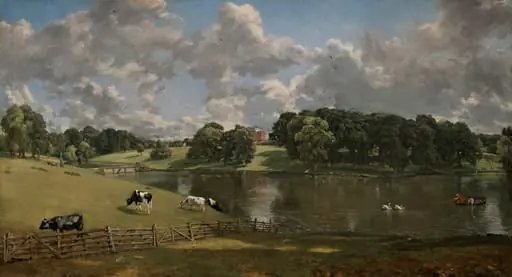 Wivenhoe Park, Essex
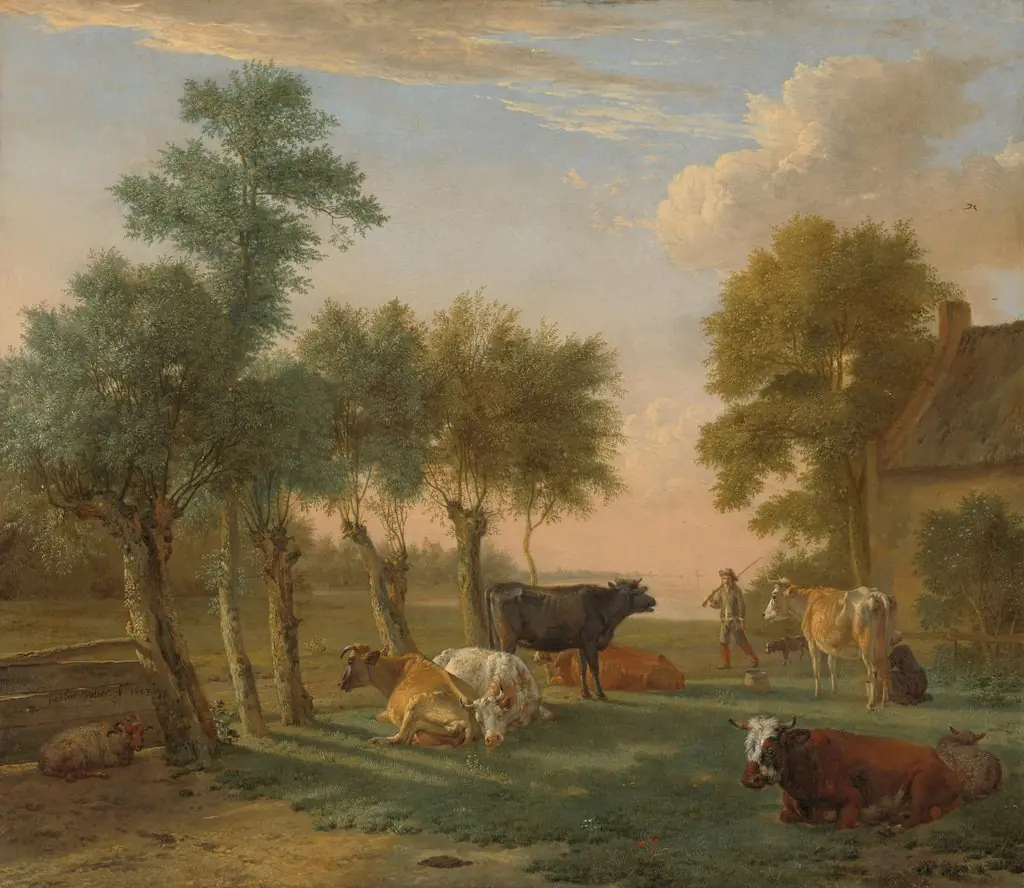 Cows in a Meadow near a Farm
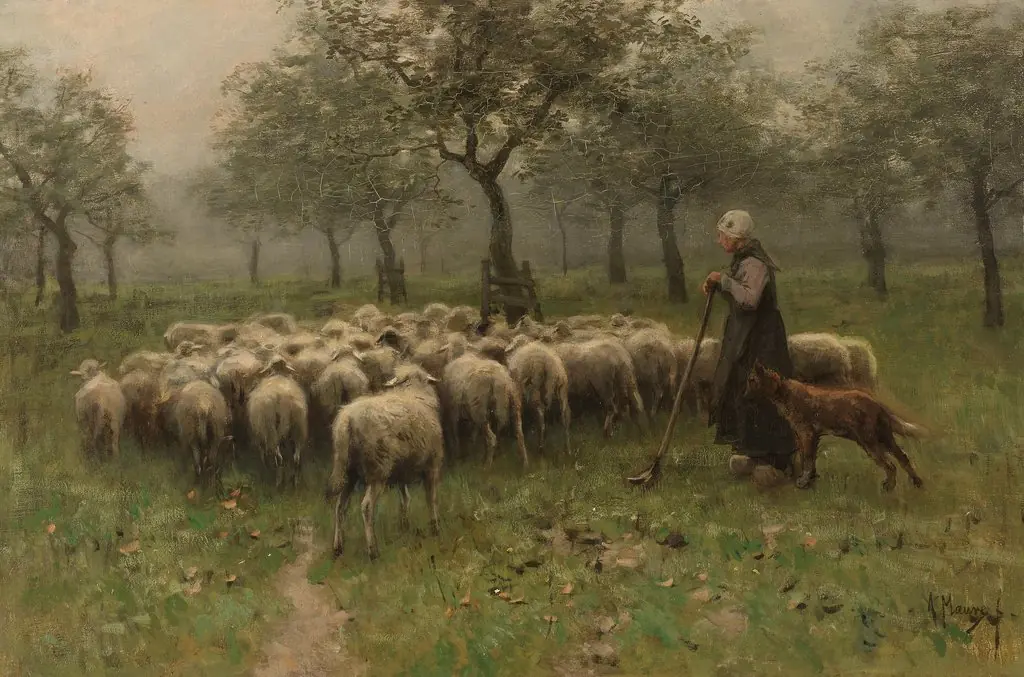 Shepherdess with a Flock of Sheep
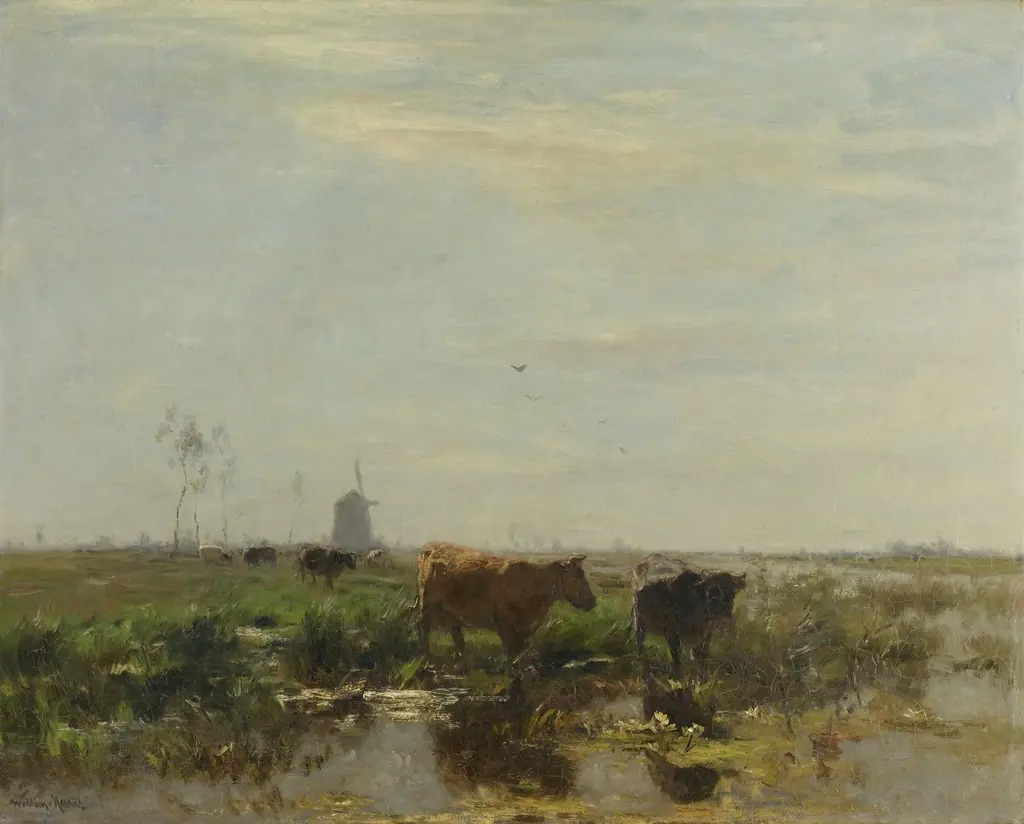 Meadow with Cows by the Water
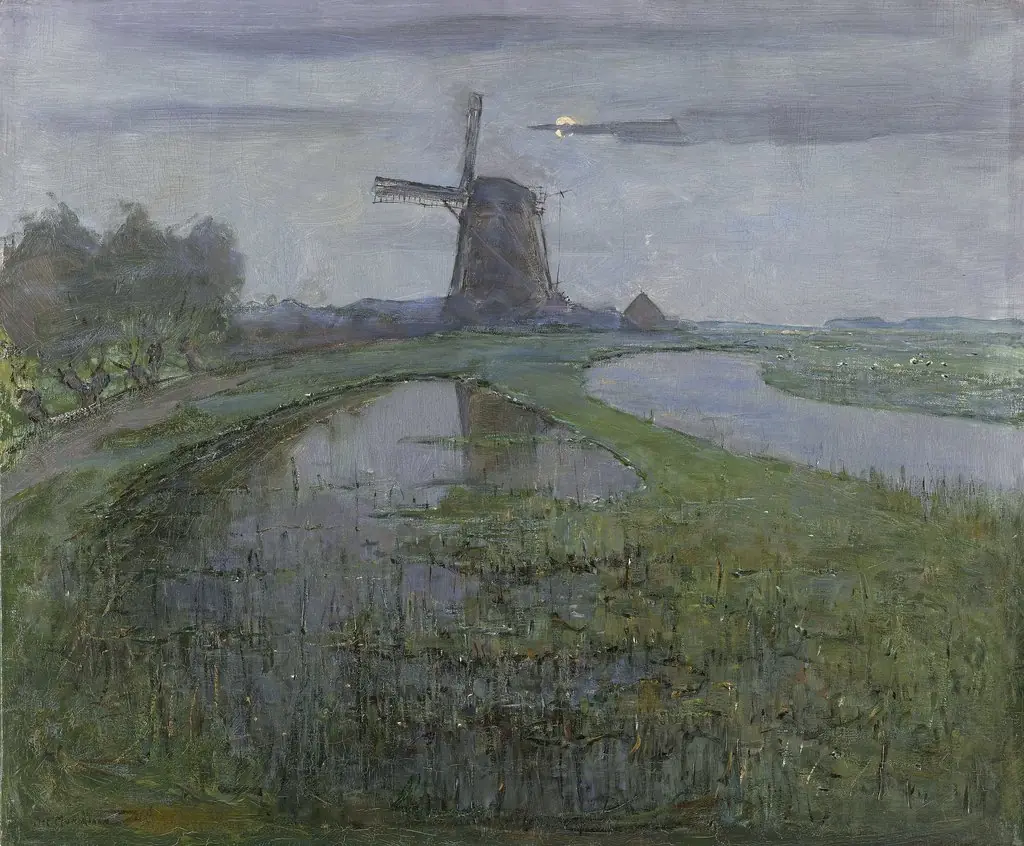 Oostzijdse Mill along the River Gein by Moonlight
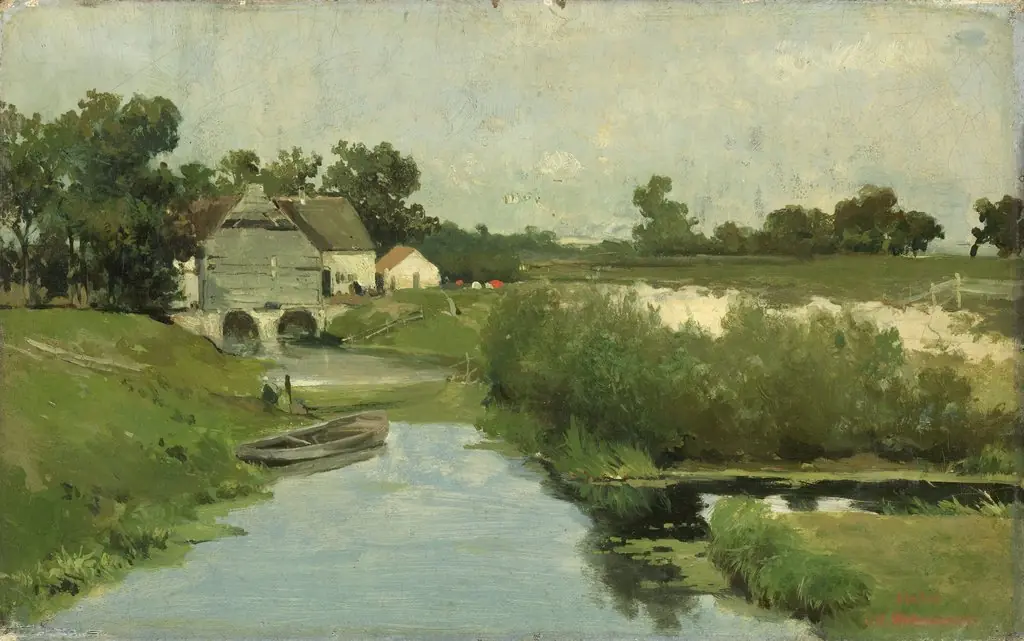 Summer Day
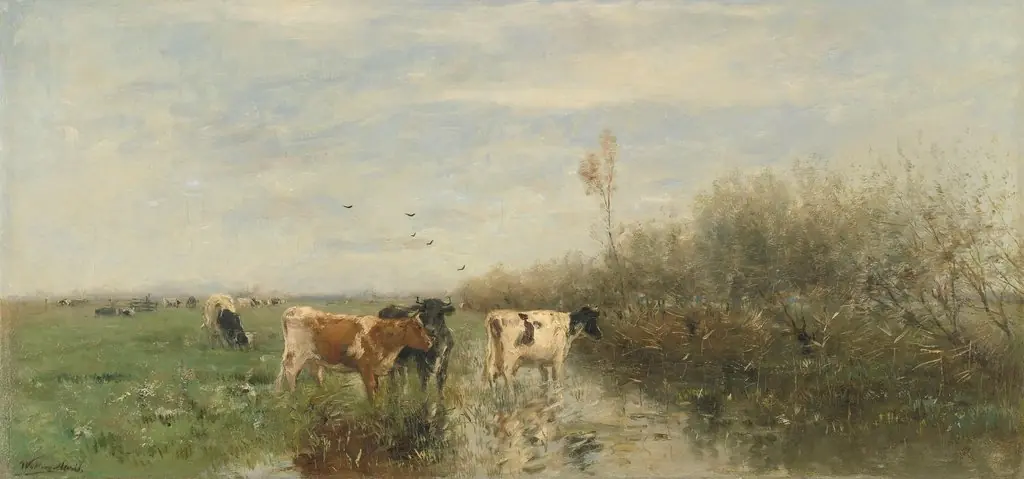 Cows in a soggy meadow
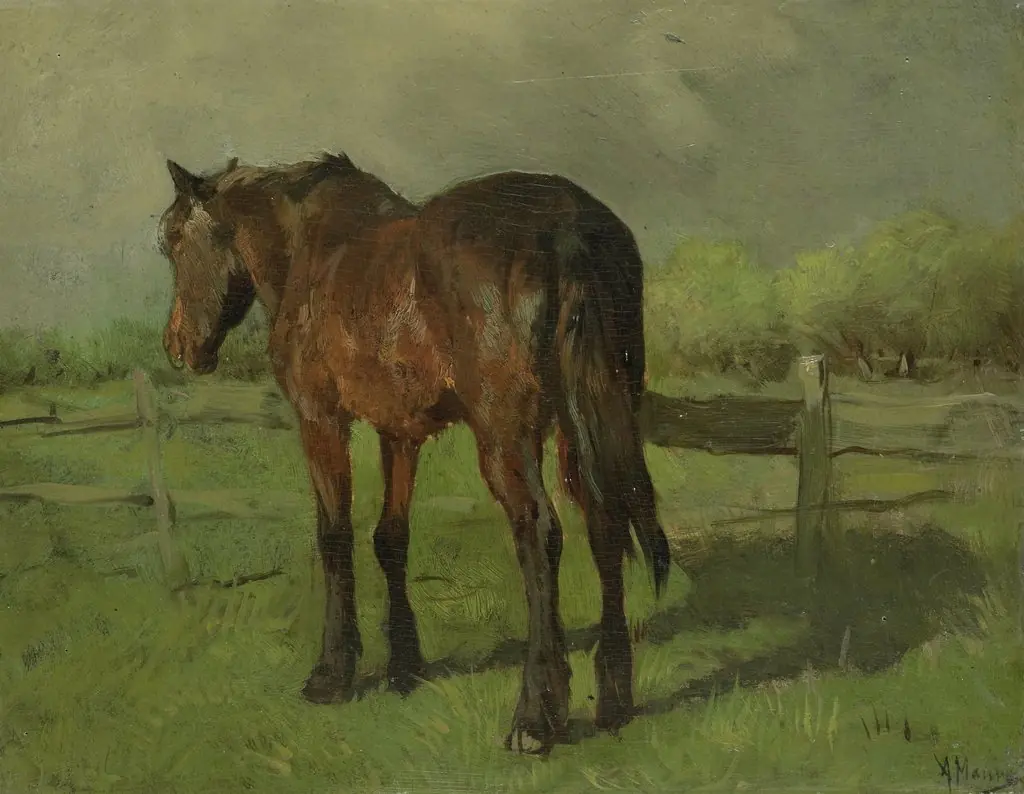 Horse
Horse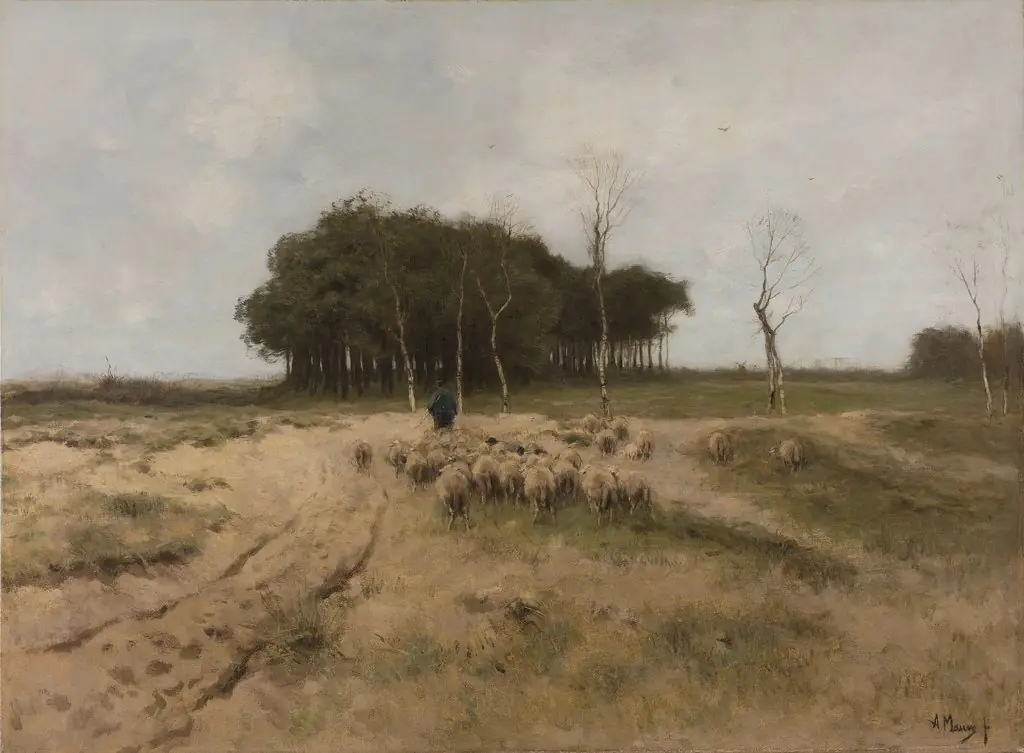 On the Heath near Laren
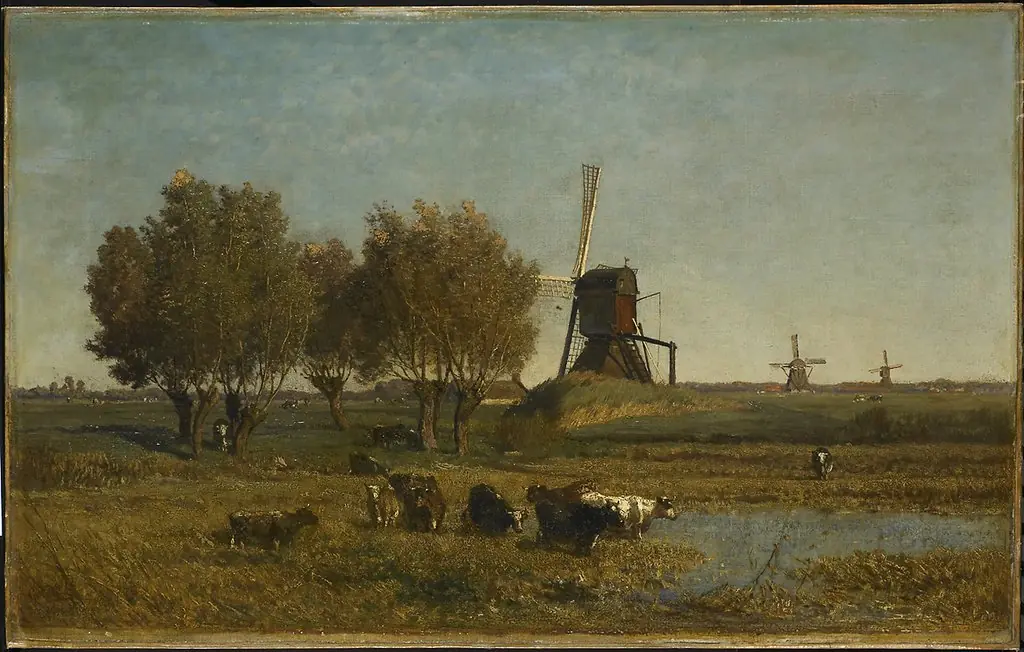 De Winkel near Abcoude
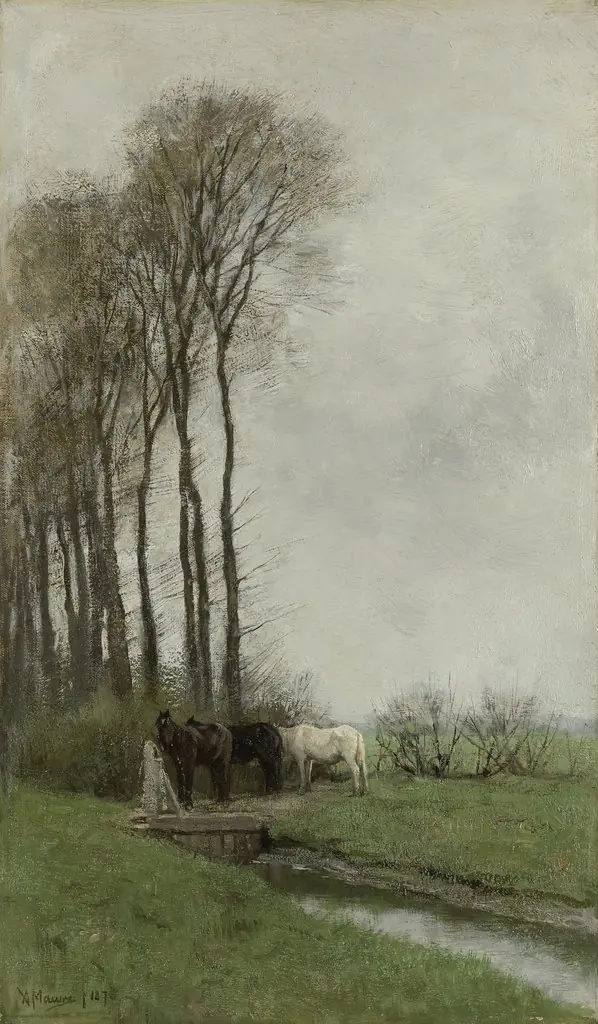 Horses near the fence.
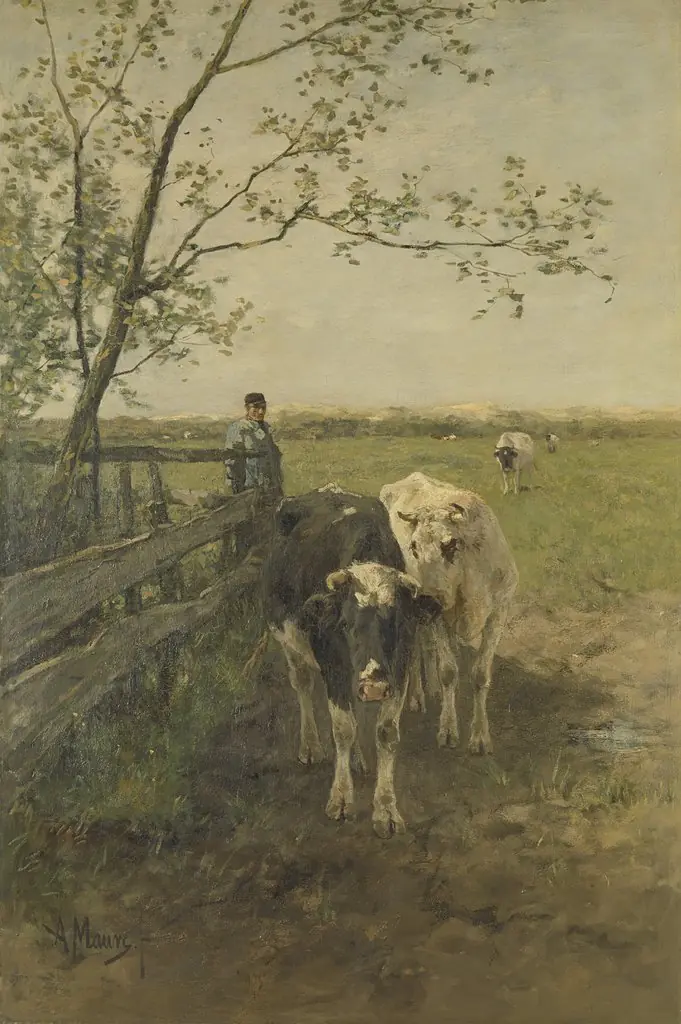 The milking corner.
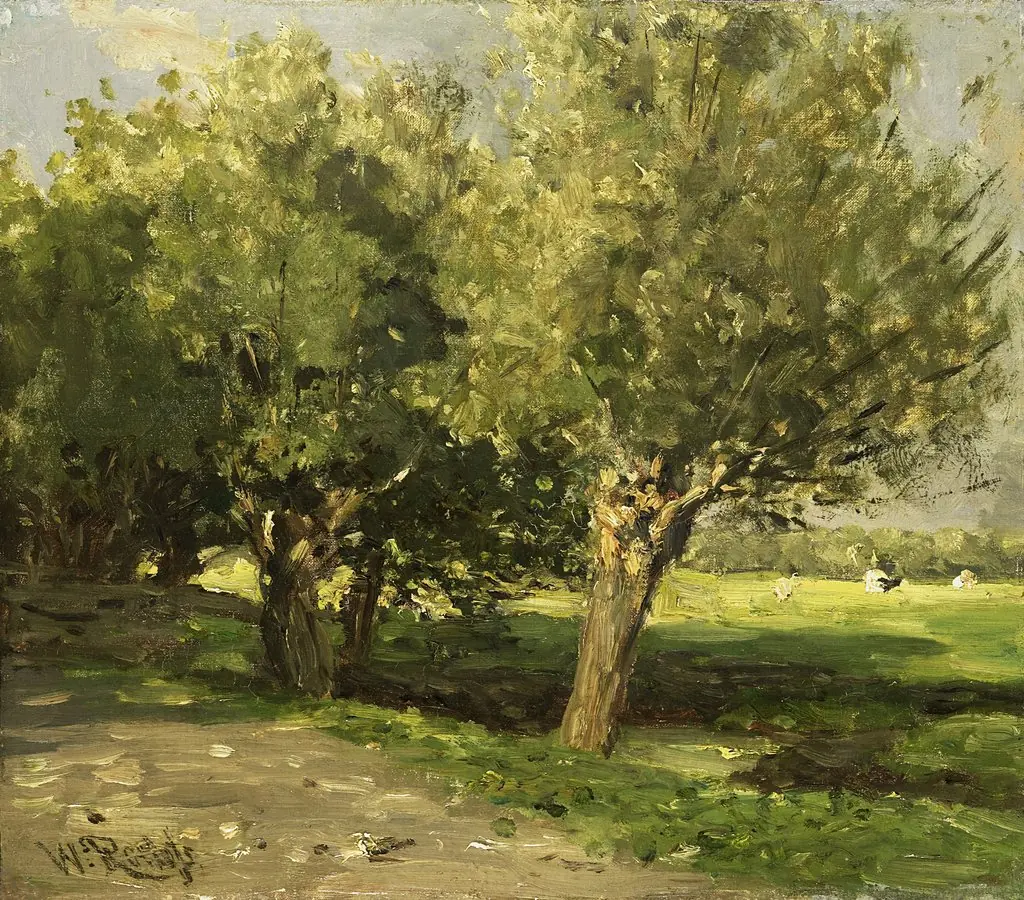 Wilgebomen
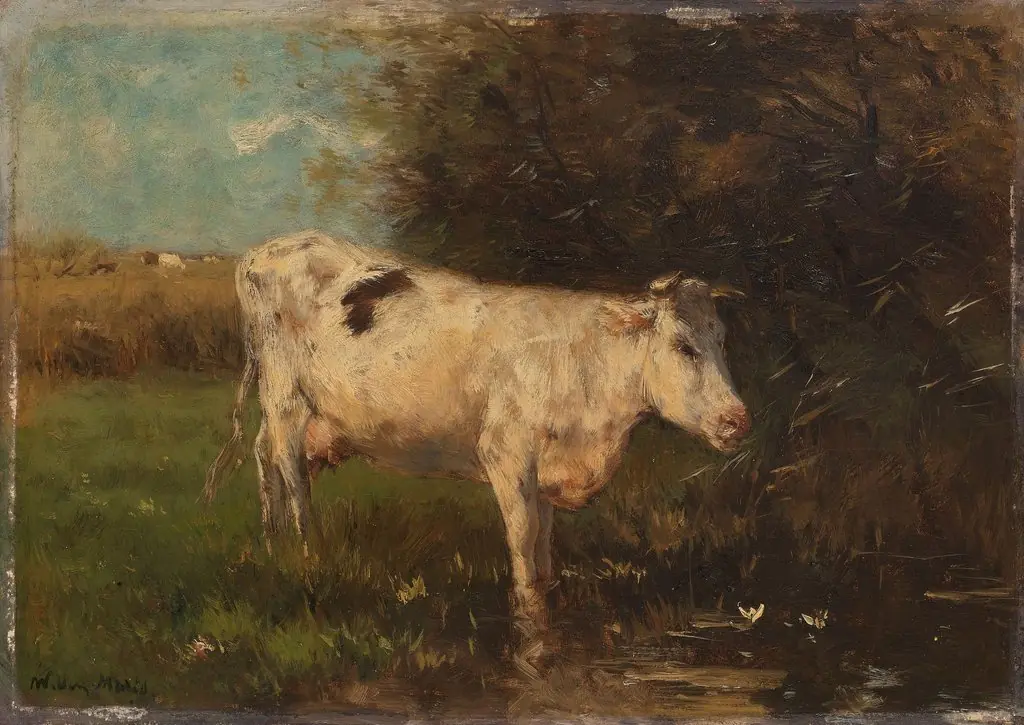 White Cow
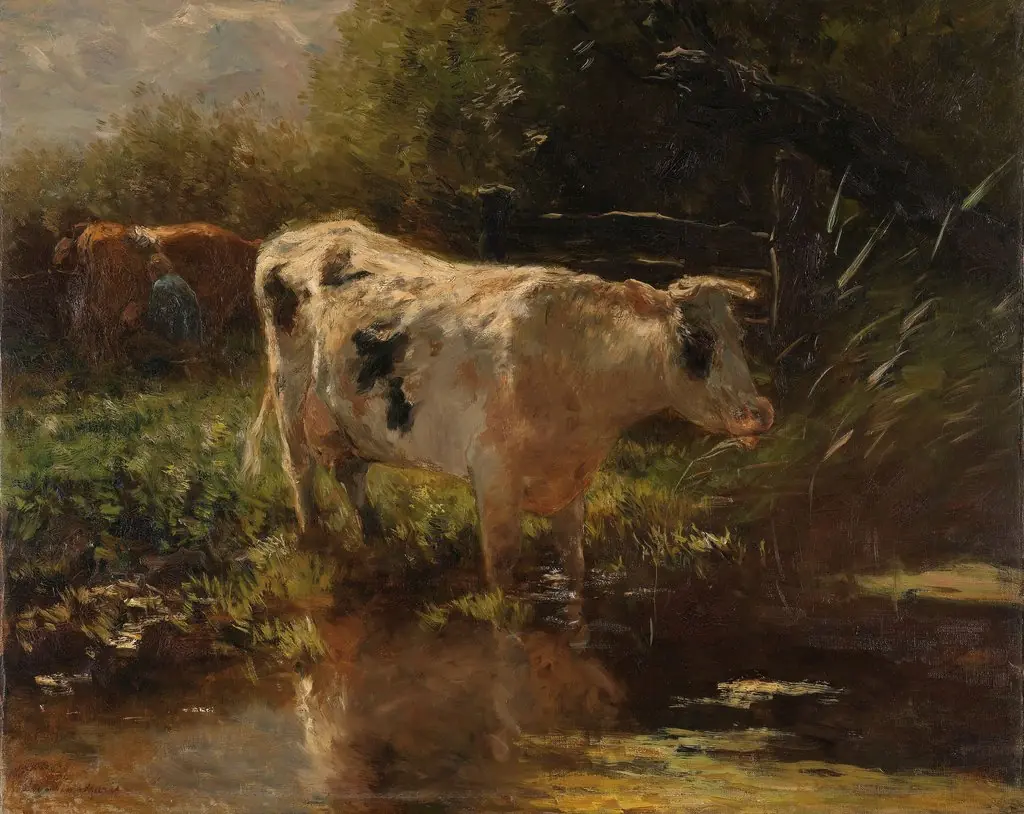 Cow beside a Ditch
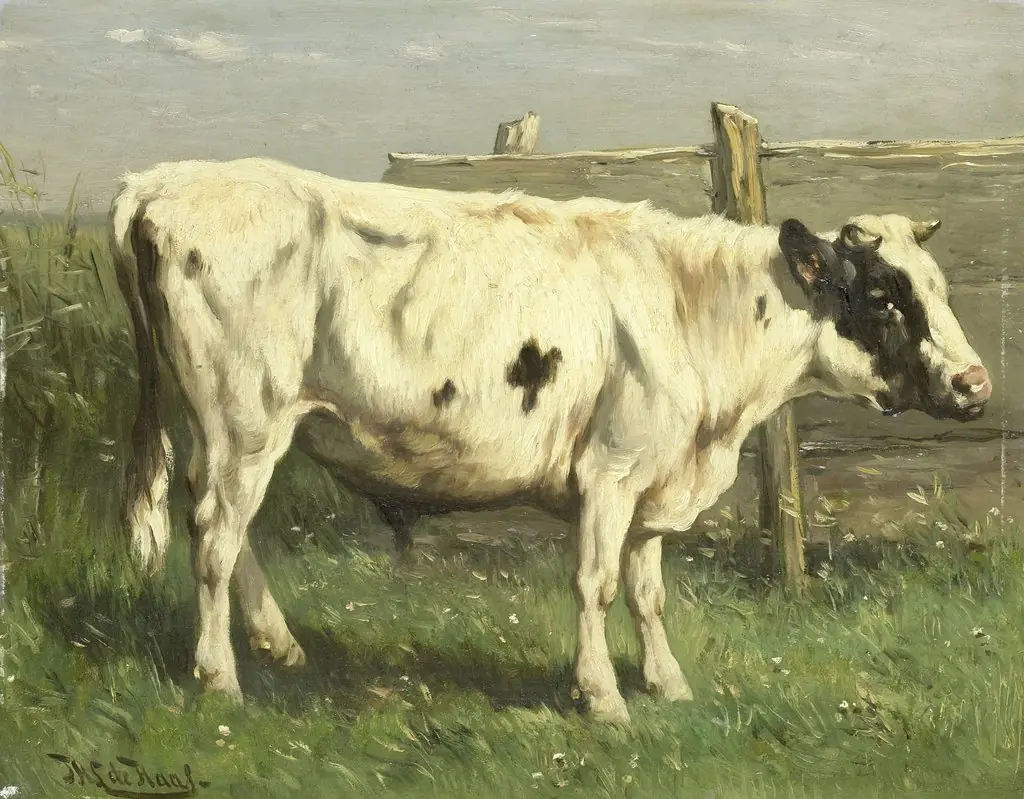 Young Bull
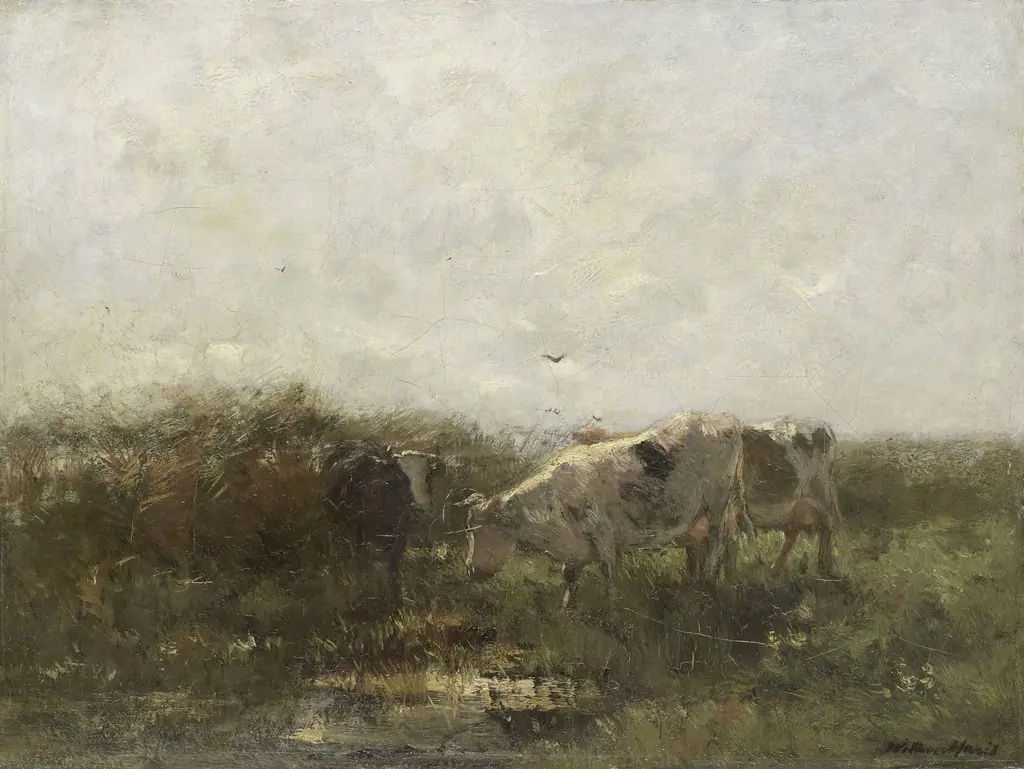 Koeien
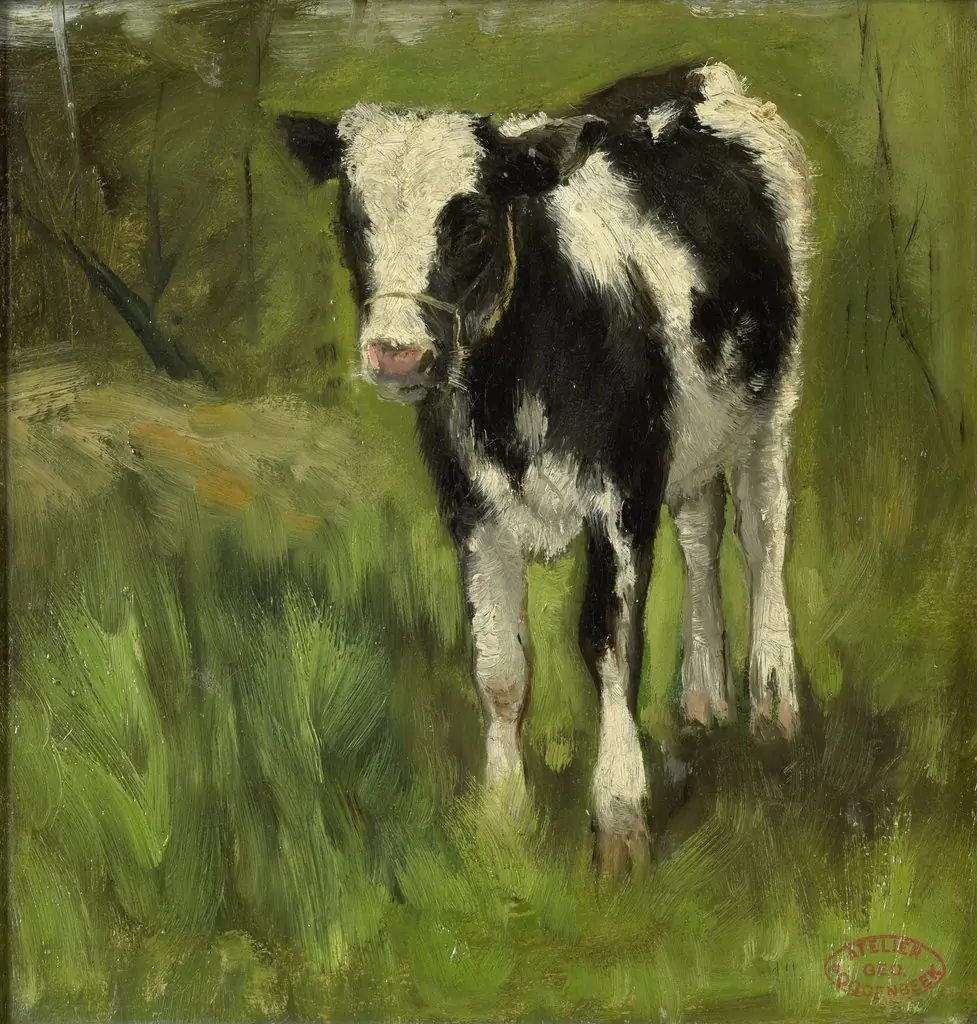 Calf, spotted black and white
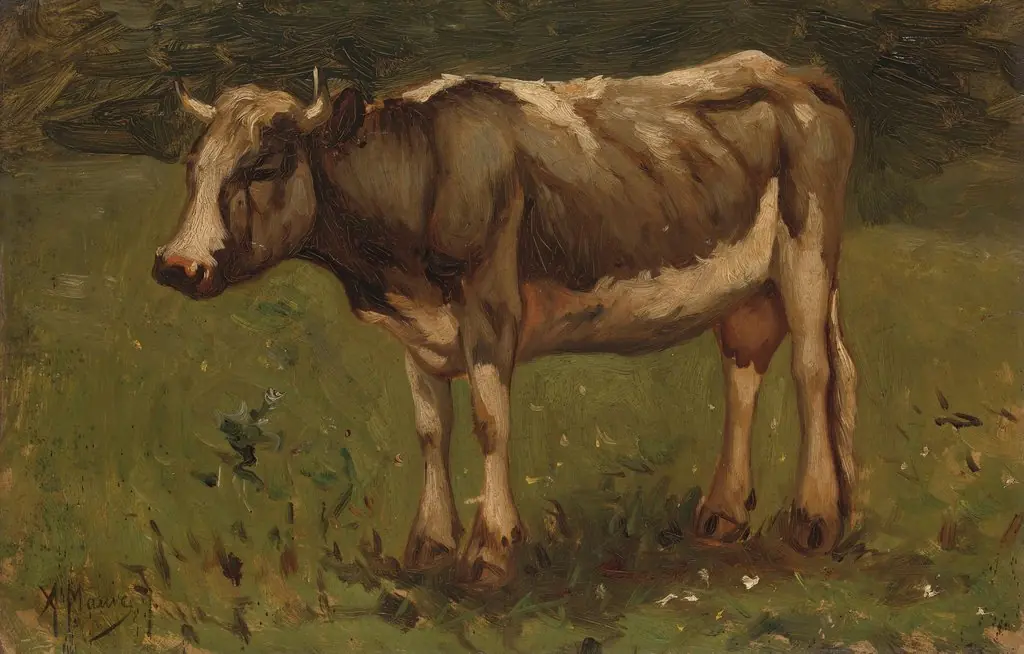 Cow
Cow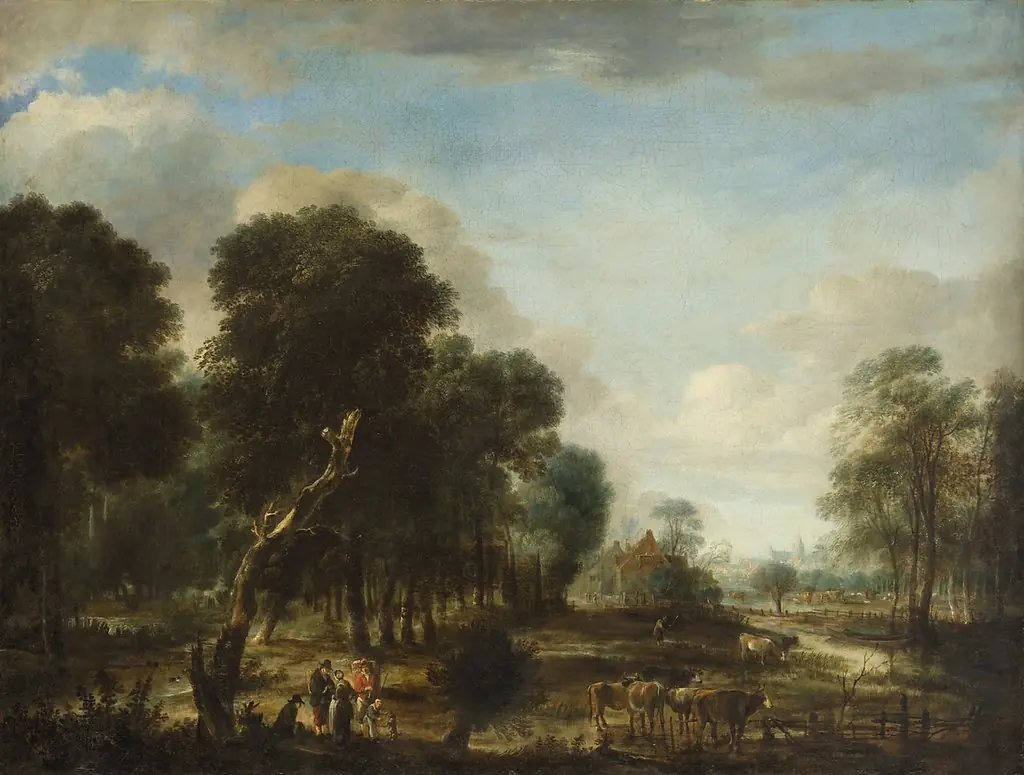 Road through a wet forest
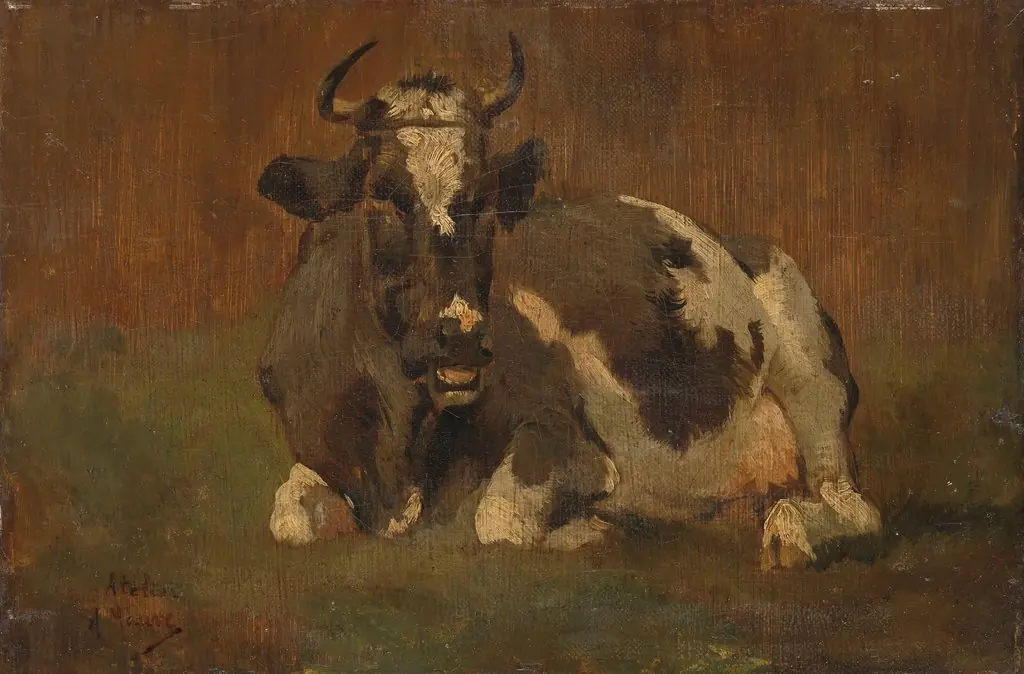 Lying Cow
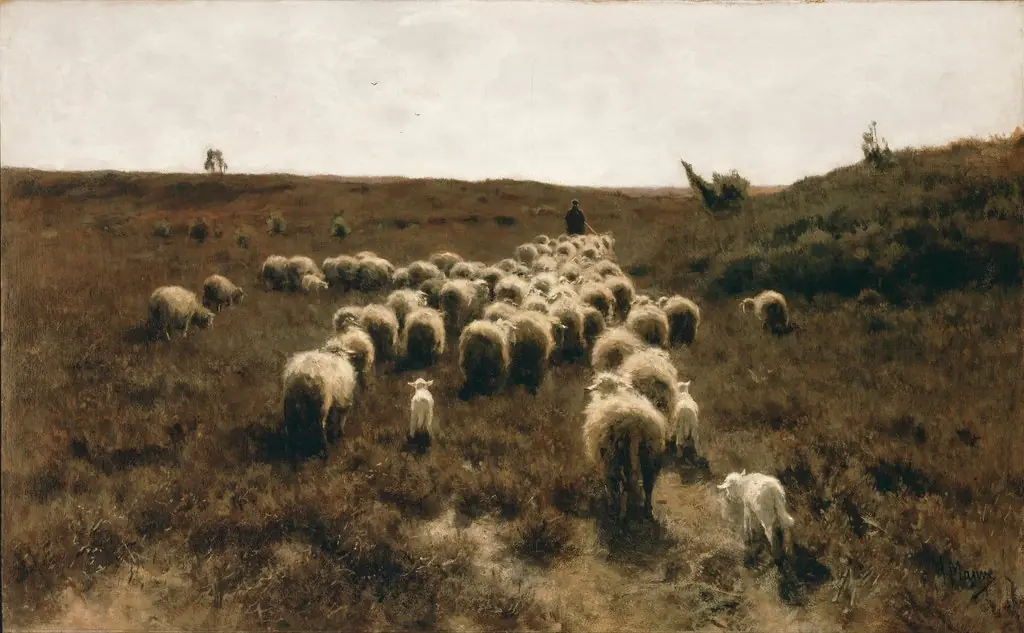 The Return of the Flock, Laren
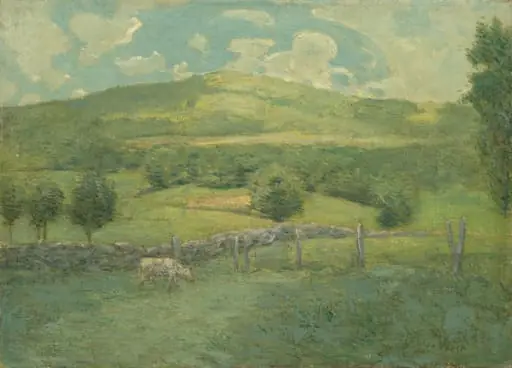 Obweebetuck
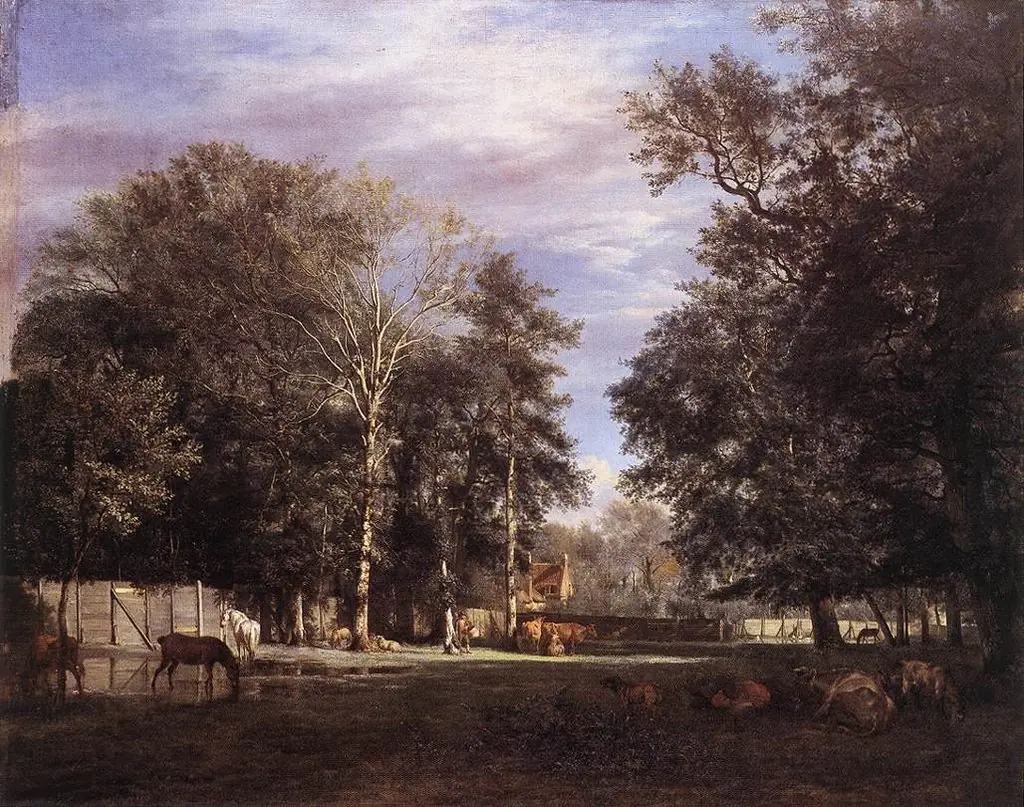 The Farm
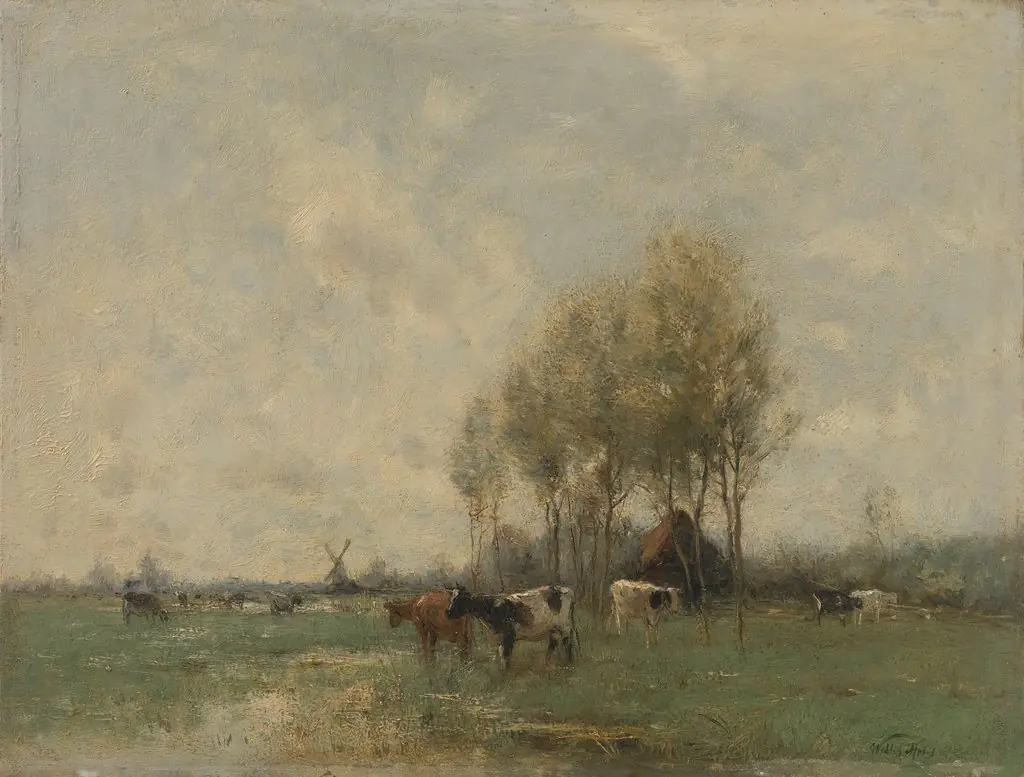 Meadow with cows
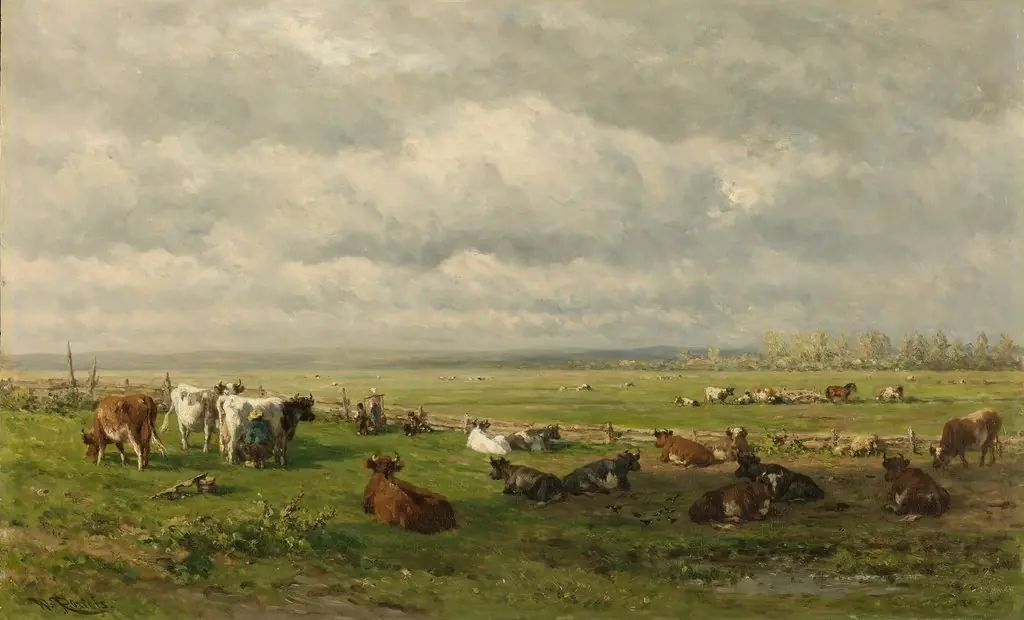 Meadow Landscape with Cattle
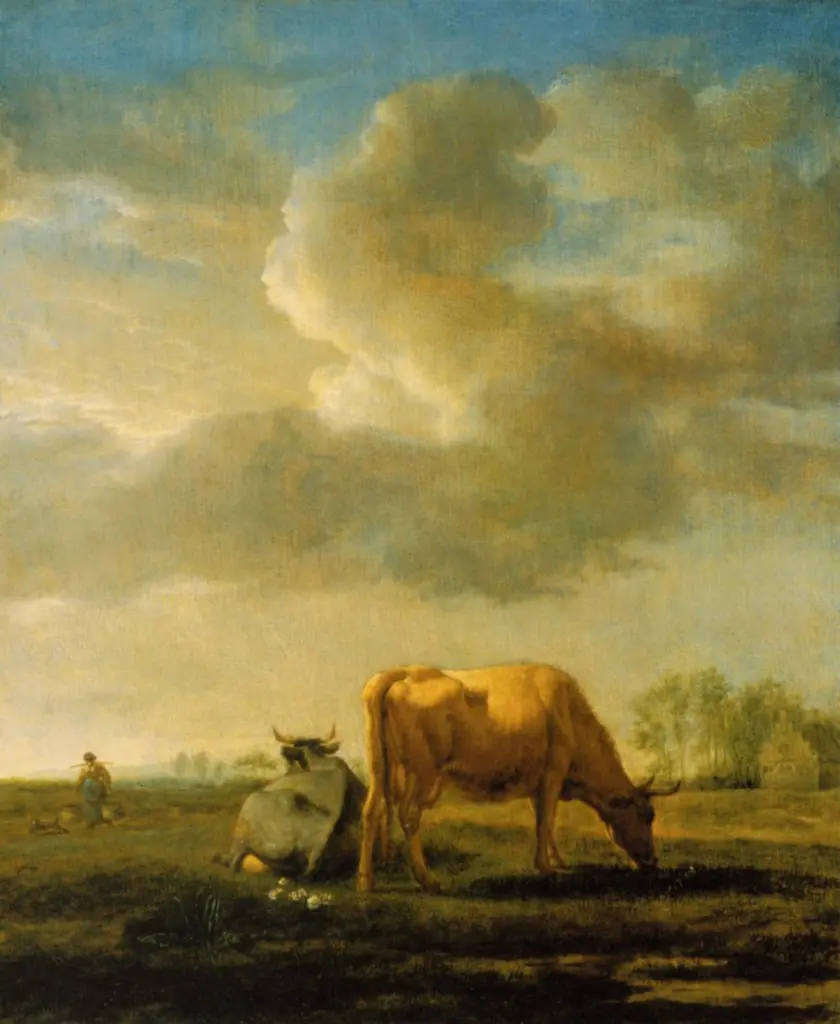 Cows at Pasture
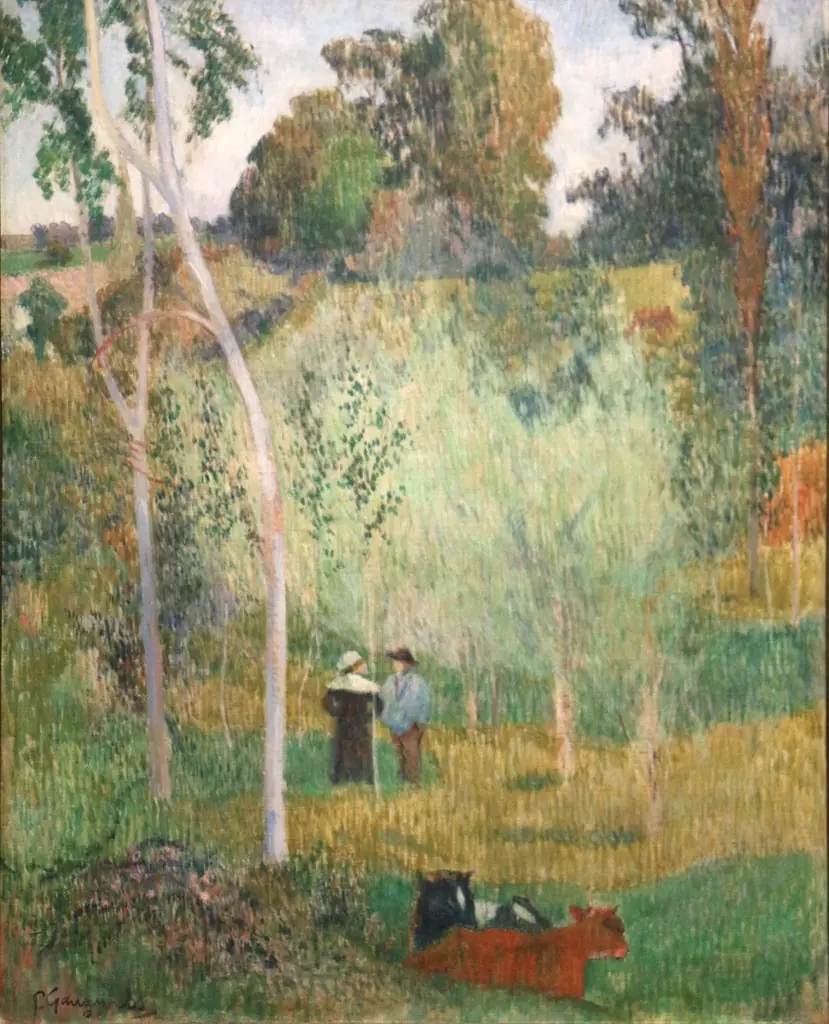 Conversation in the fields. Pont-Aven
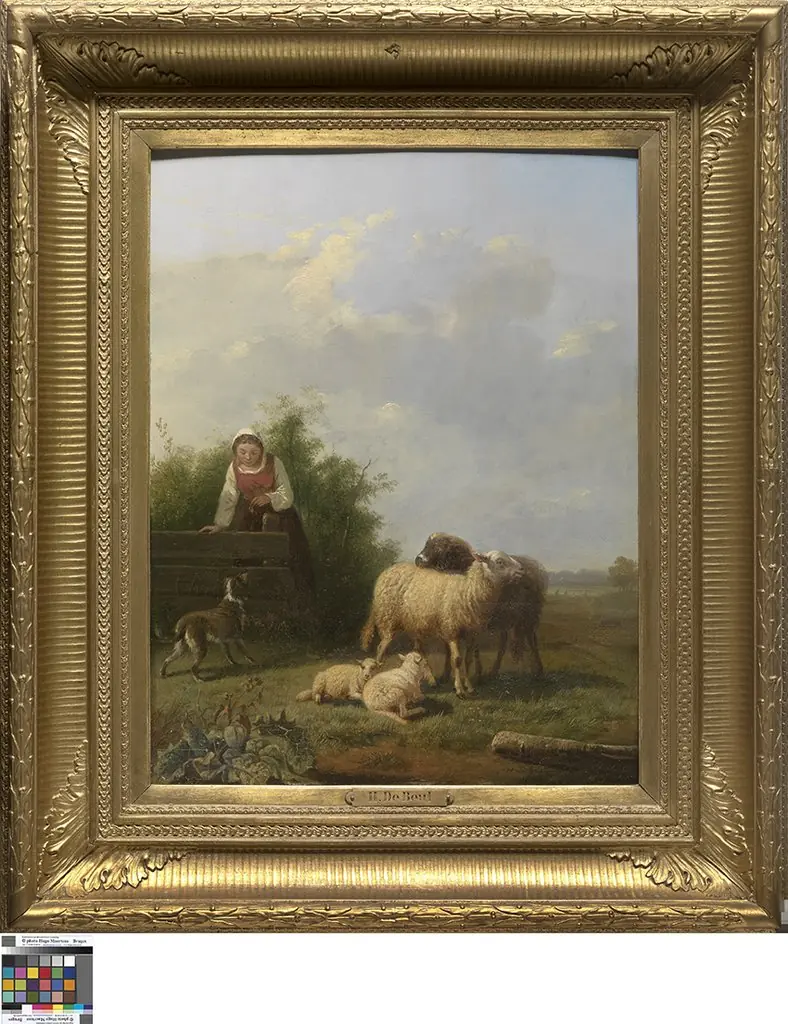 Landschap met schapen
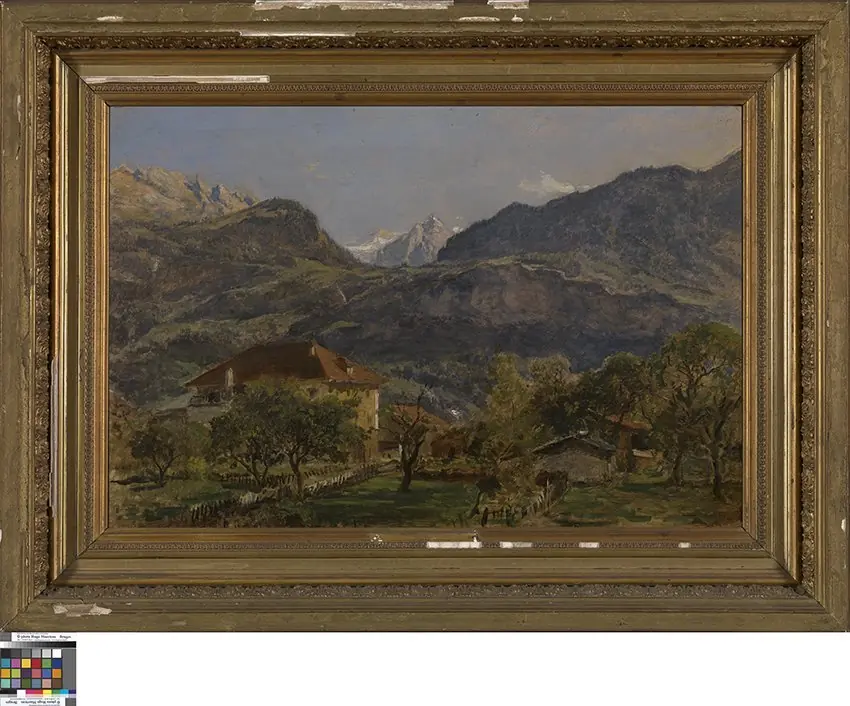 Berglandschap bij Appenzell
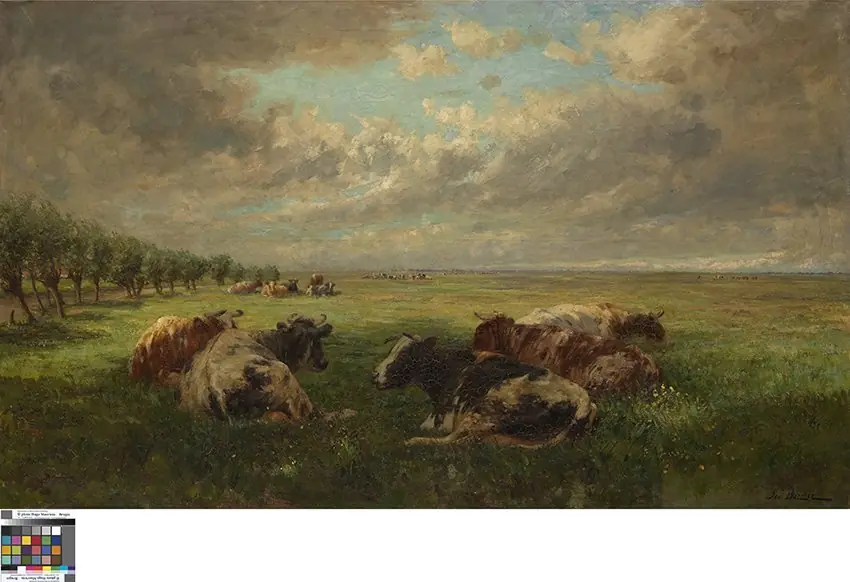 In Vlaanderen
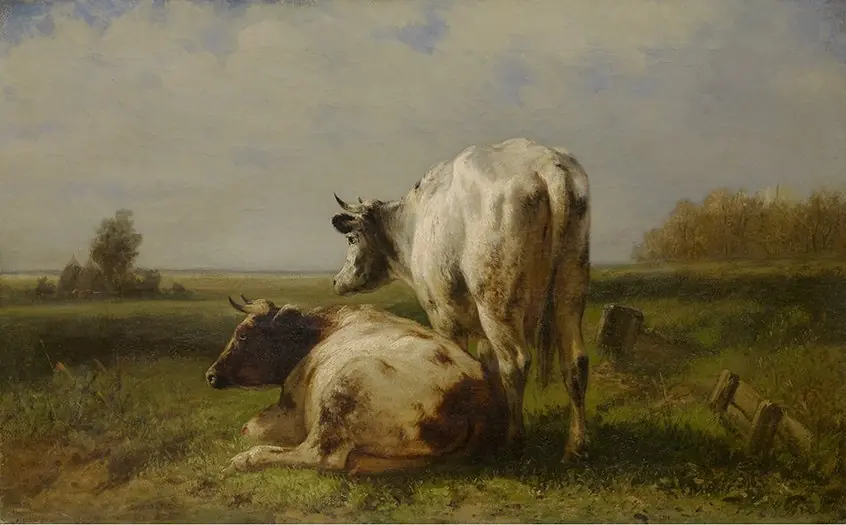 Koeien in de weide
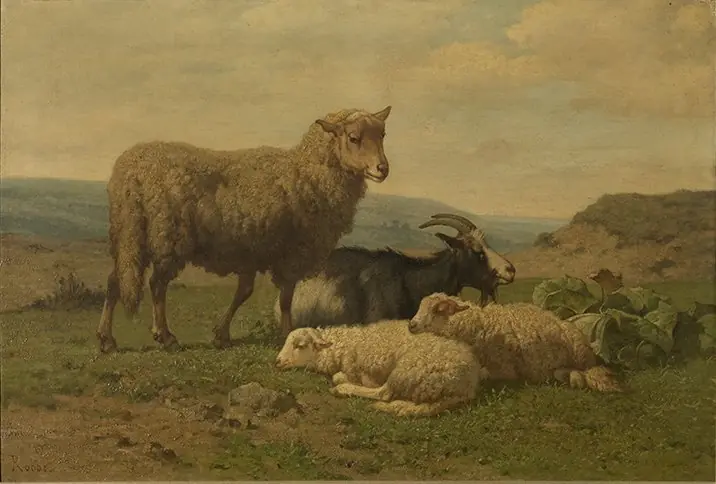 Kleinvee in het veld
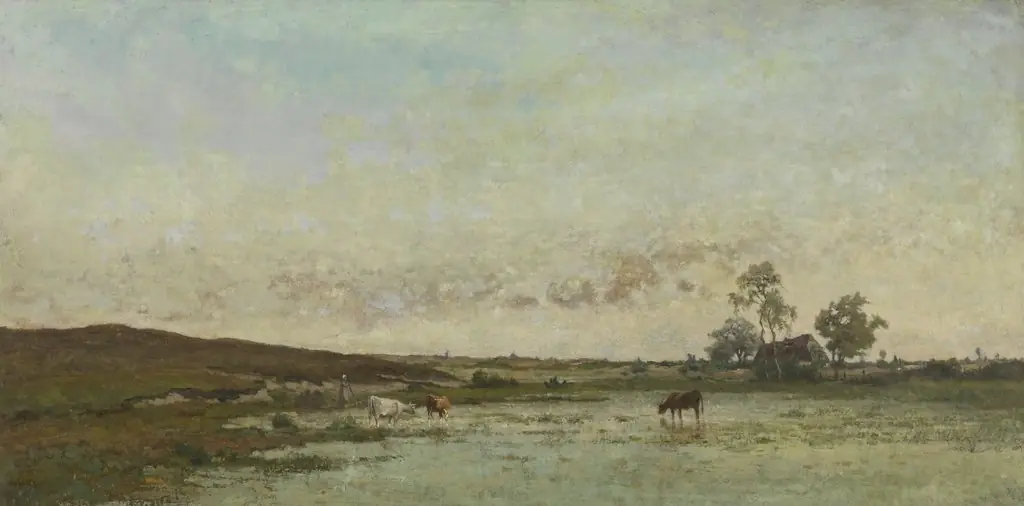 Fen in the Kempen
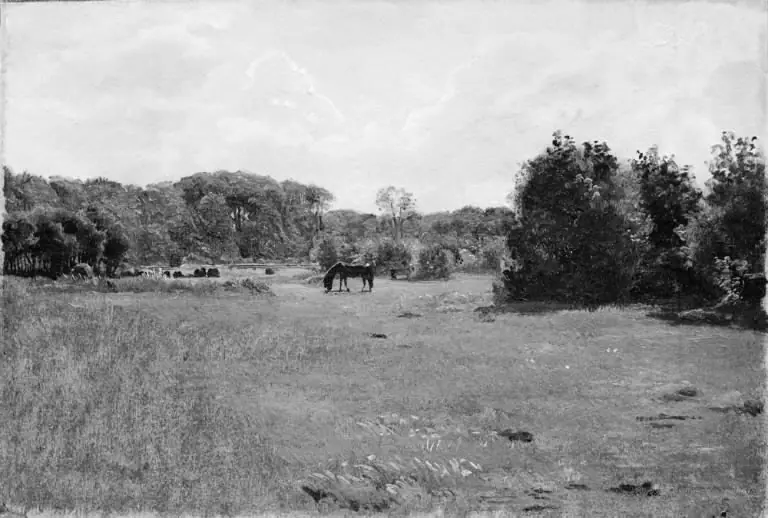 Meadow with a Black Horse Grazing
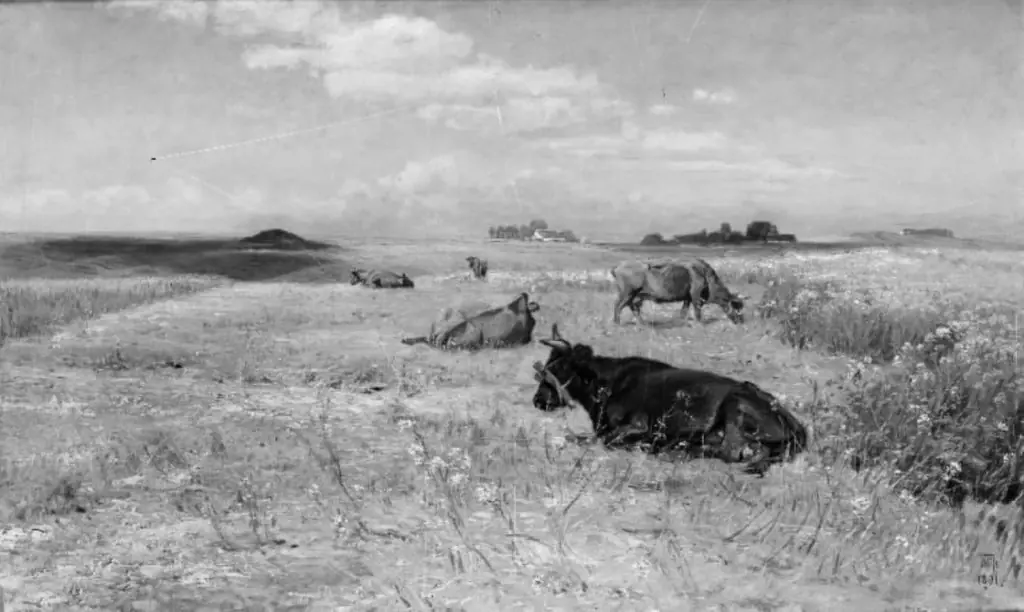 Køer på en mark
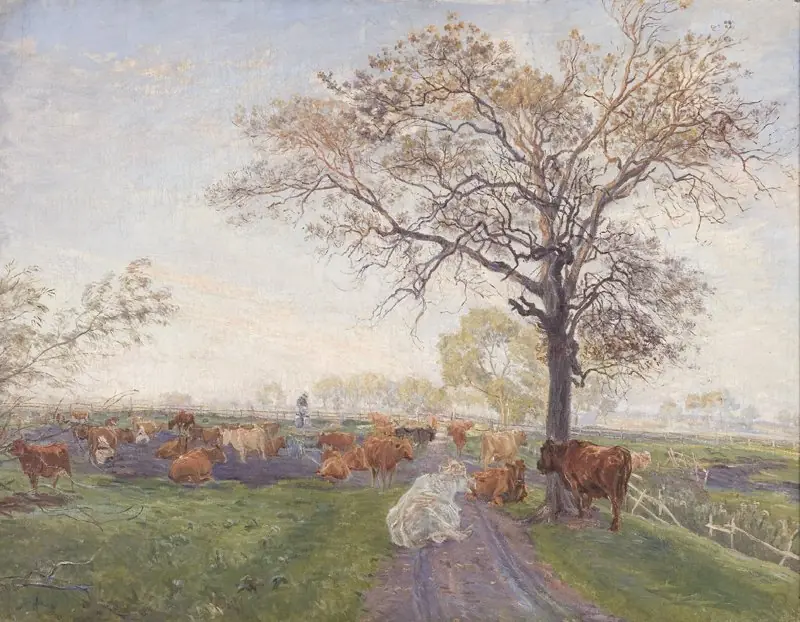 Malkepladsen ved Dyrehavegård
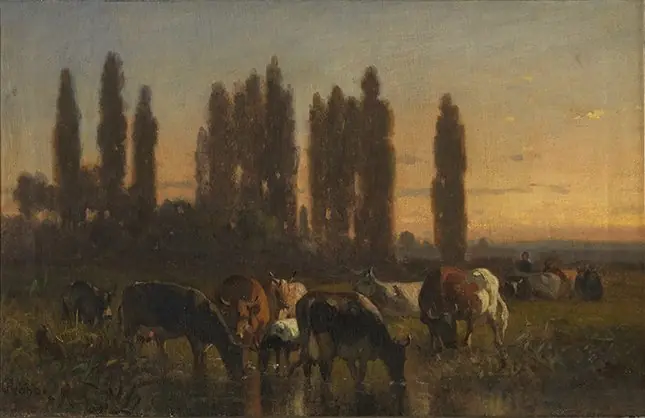 Koeien in de weide
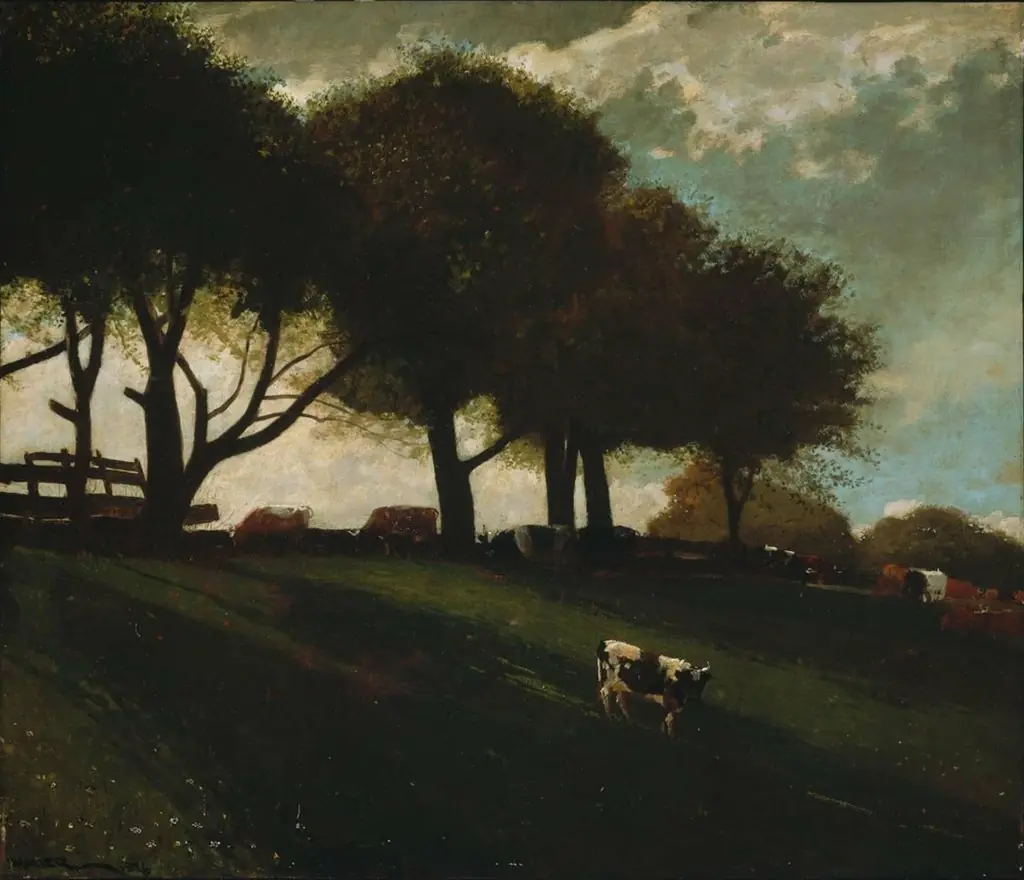 Twilight at Leeds, New York
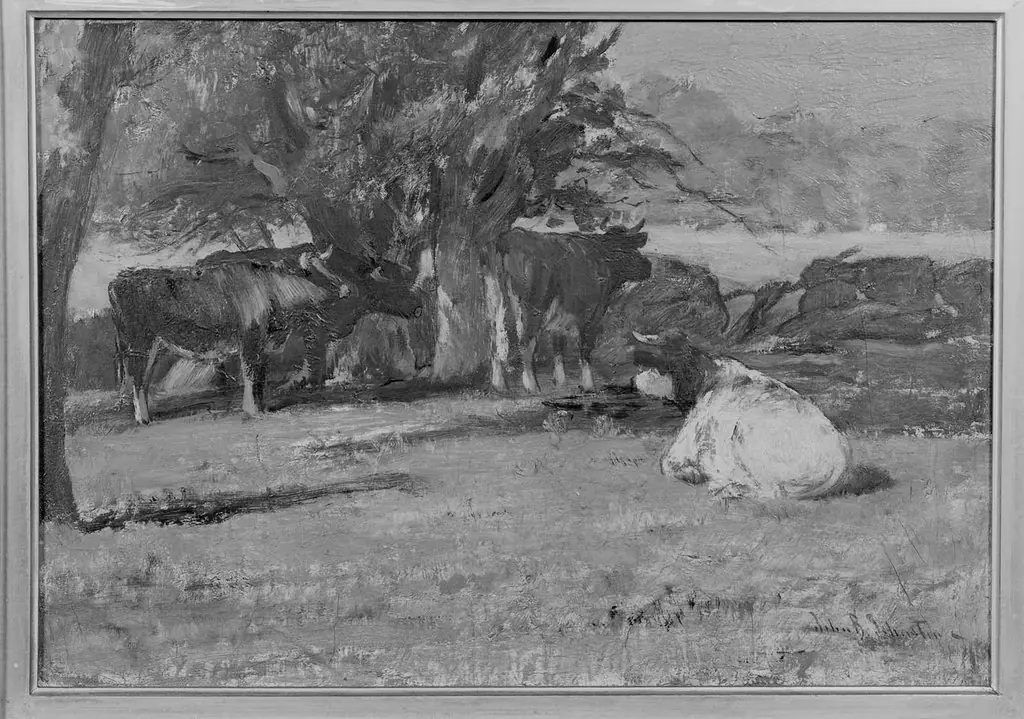 Landscape with Cattle
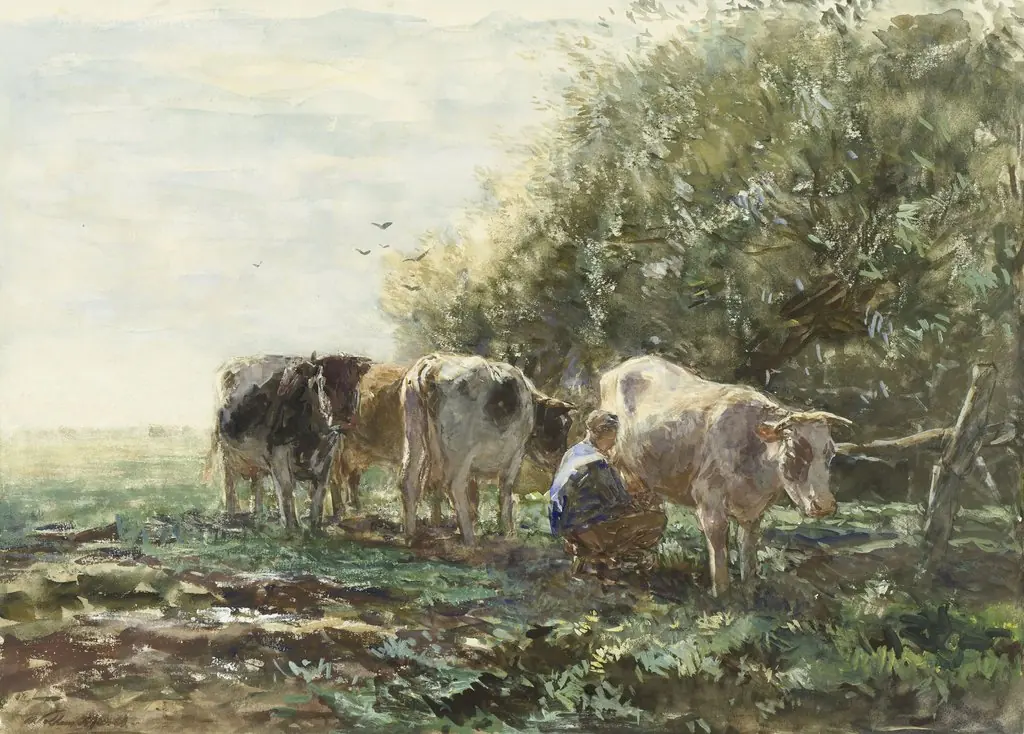 De melkbocht
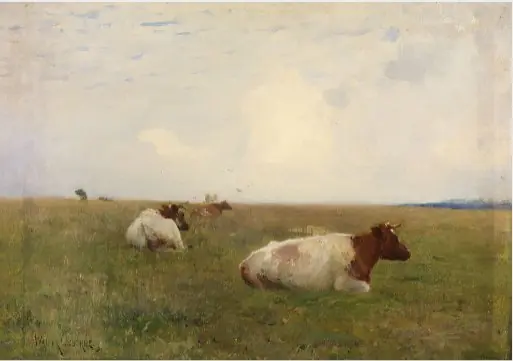 A Landscape with Cattle
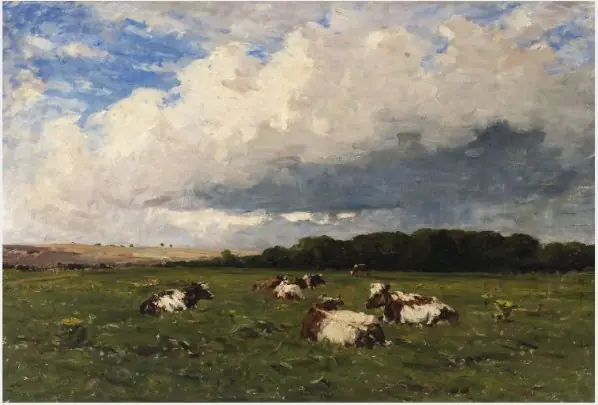 Pastures at Malahide
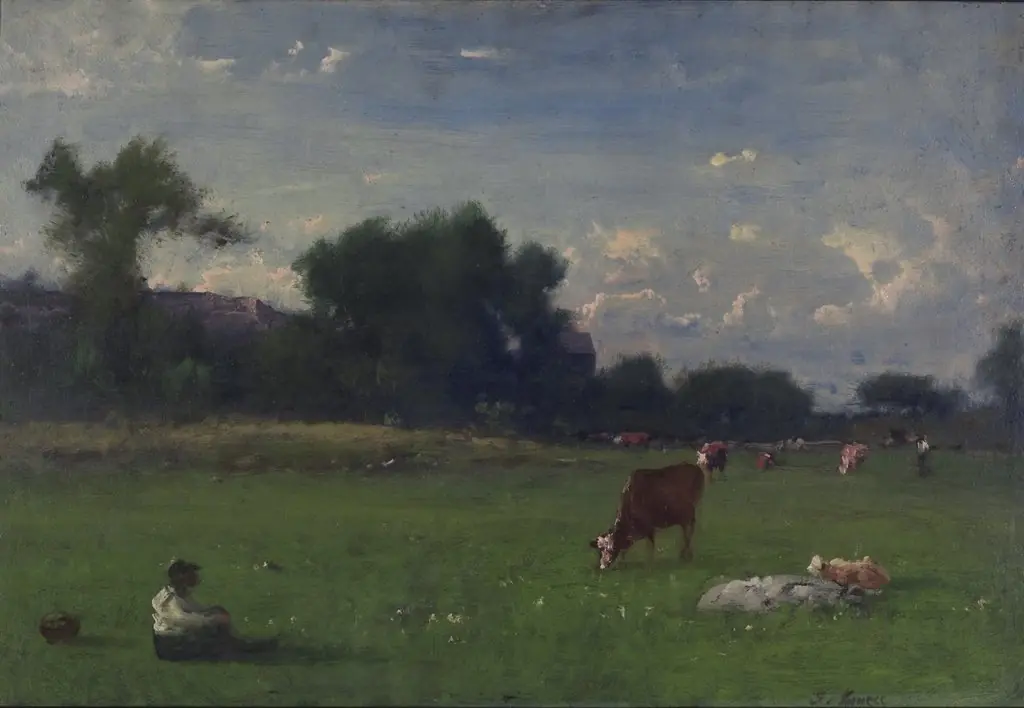 Landscape
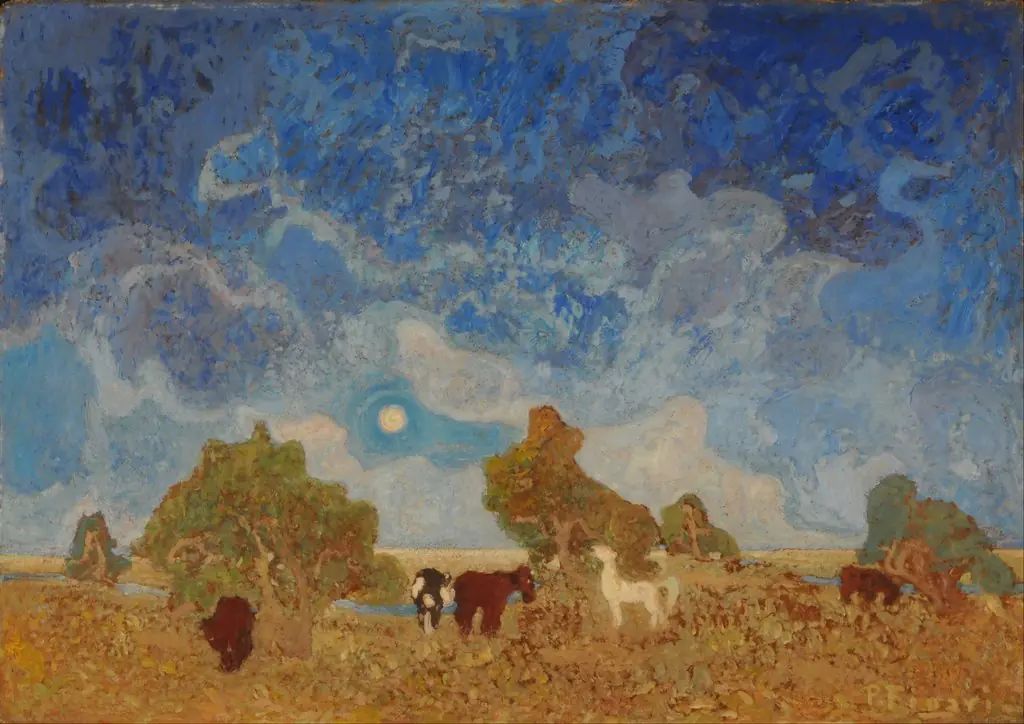 Pampa
Pampa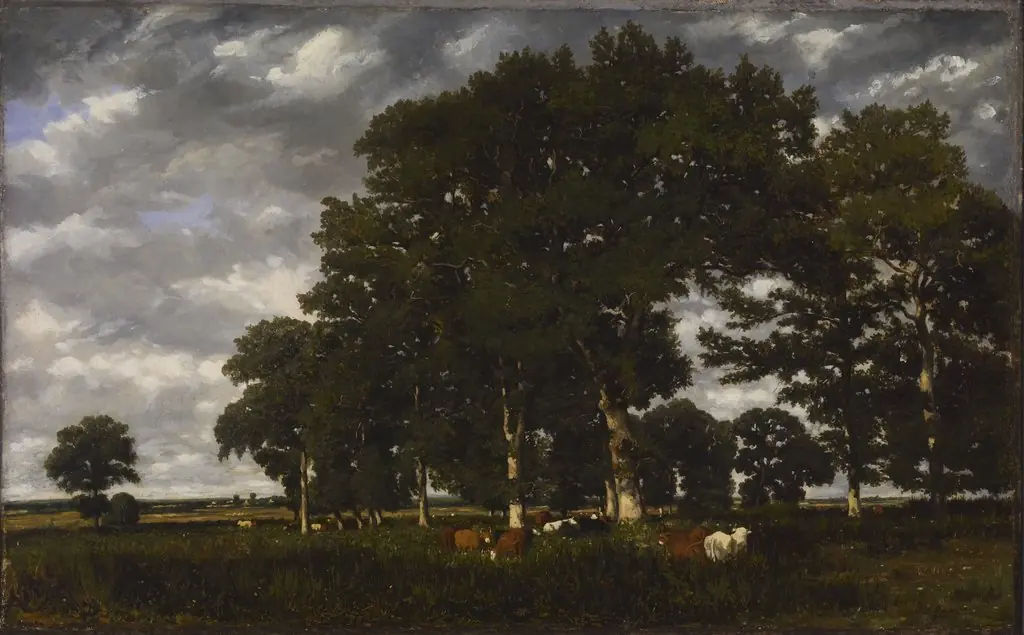 A Bright Day
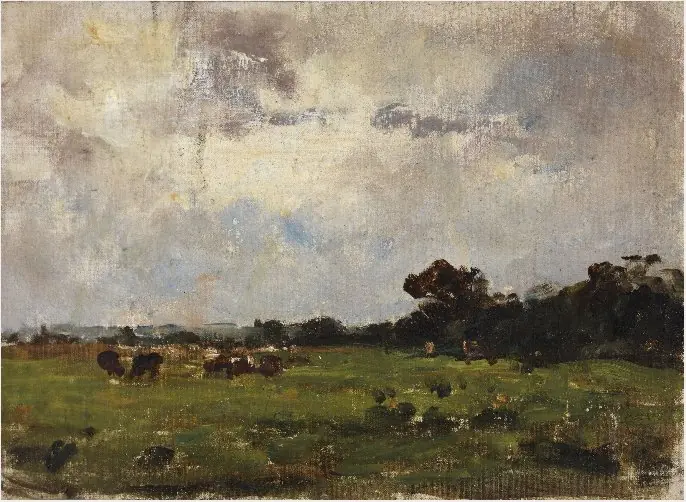 Pasture with Cattle
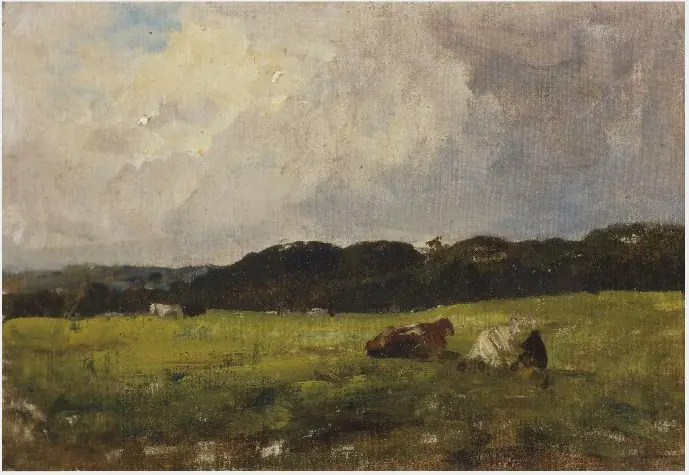 Woodland and Pasture
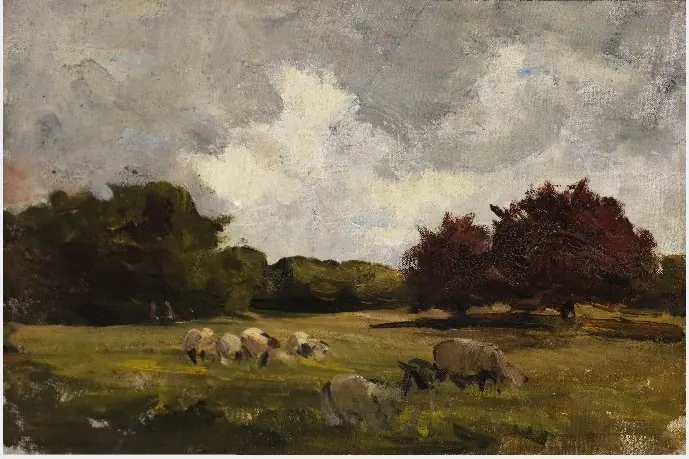 Sheep at Pasture
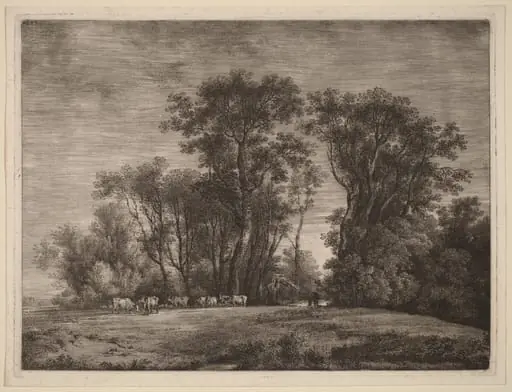 A Meadow with Cattle at the Edge of a Wood
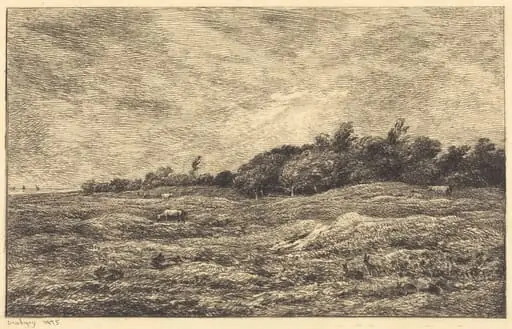 The Meadow at Grave, near Villerville (Le Pre des Graves, a Villerville)
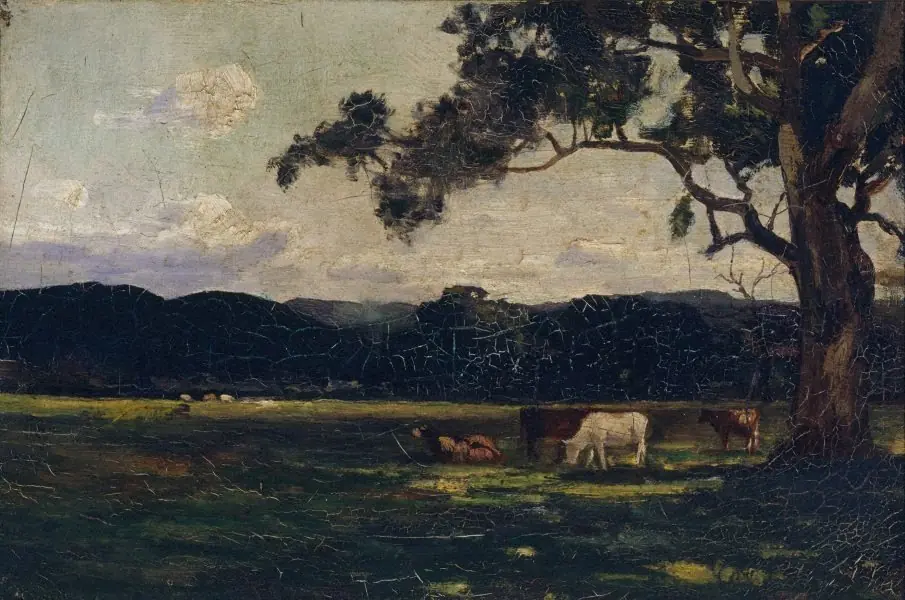 Pastures, Bacchus Marsh
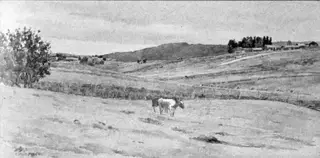 Autumn Day
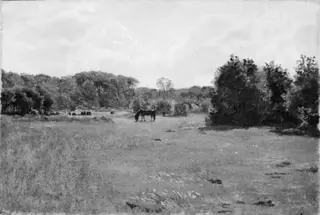 Meadow with a Black Horse Grazing
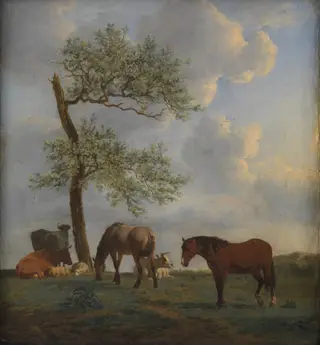 Pasture with Horses and Cattle
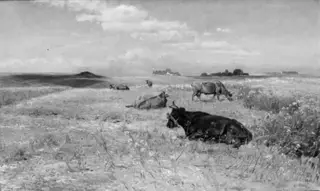 Køer på en mark
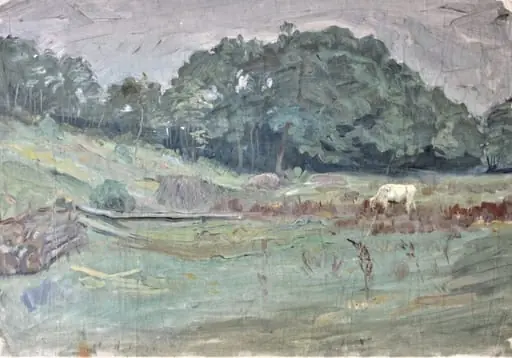 Liziera pădurii
Frequently asked questions
What is Pasture?
Pasture (from Latin pāstus 'fed, nourished; pastured'; past participle of pāscere 'to feed') is land used for grazing.
How many Pasture works does Artifact World Gallery have?
Artifact World Gallery holds 57 public-domain Pasture works, all free to view and download.
Who are the key Pasture artists?
Key Pasture artists in the collection include Winslow Homer, Julian Alden Weir and Paul Gauguin.
Where can I see Pasture works?
Pasture works in the collection are held by Rijksmuseum, Statens Museum for Kunst and Groeningemuseum.