Artwork
Untitled
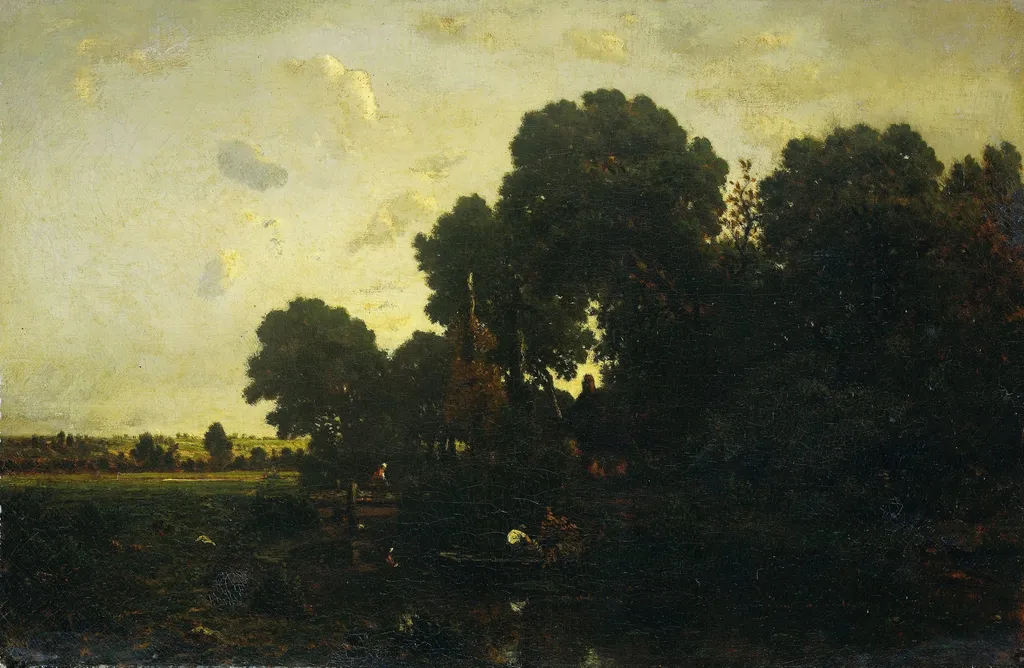
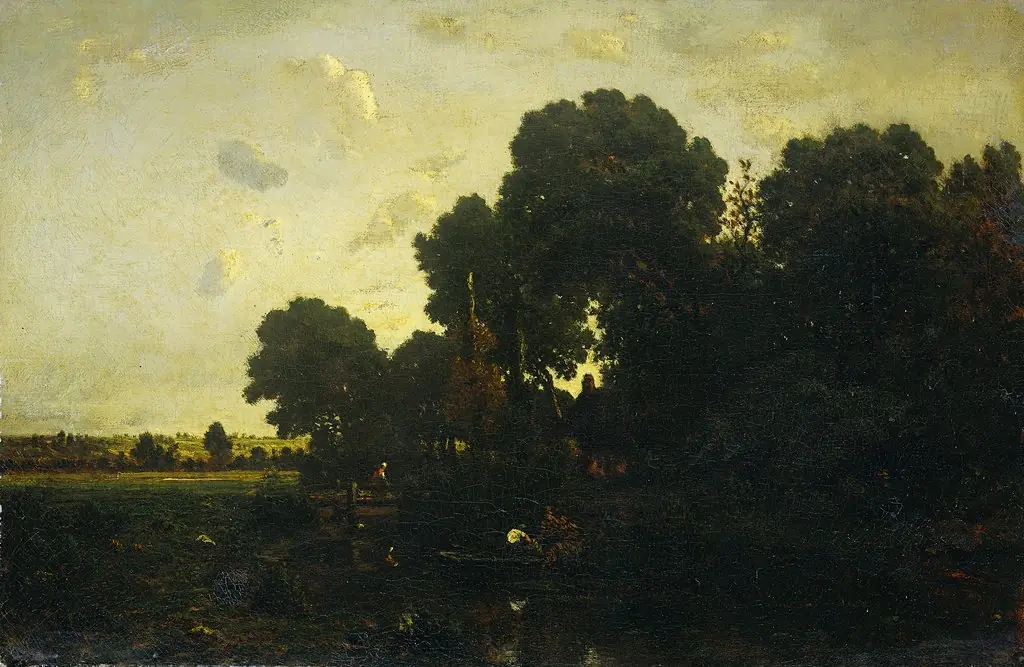
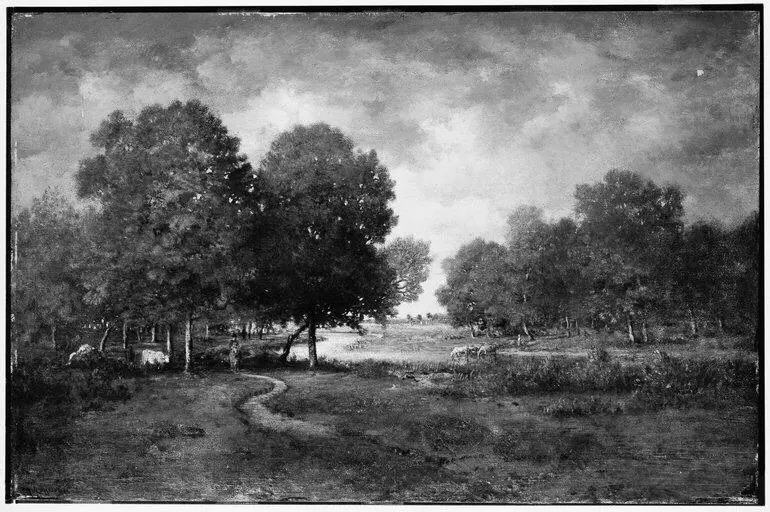
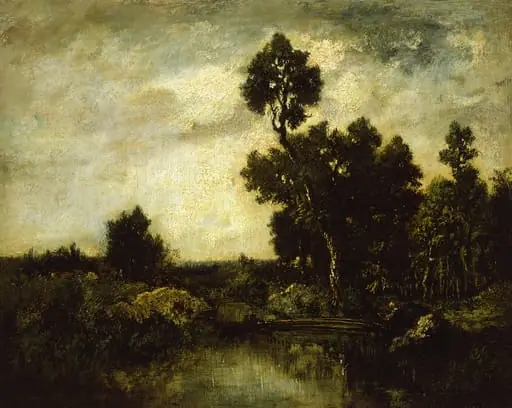
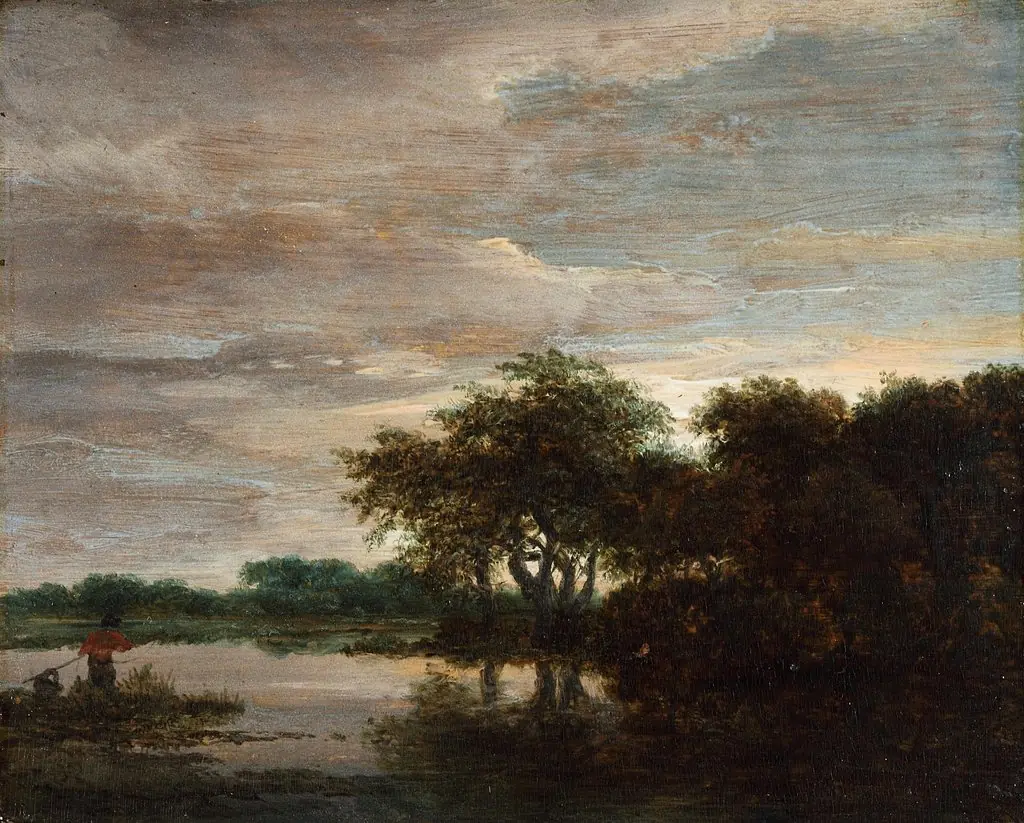
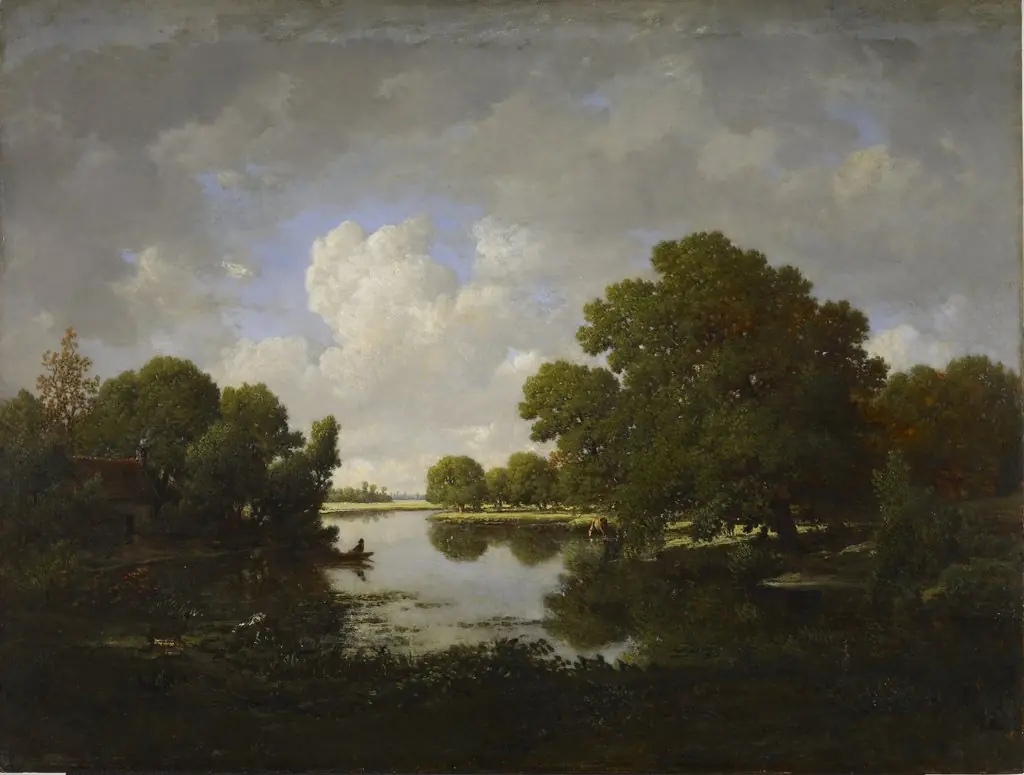
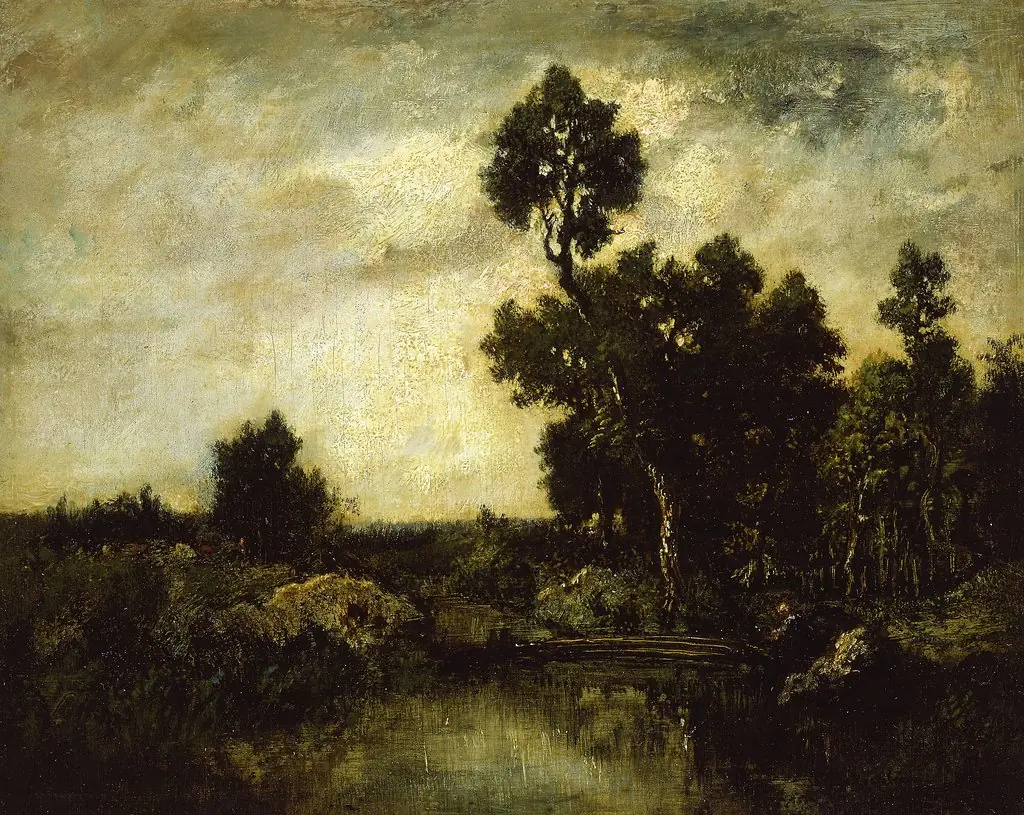
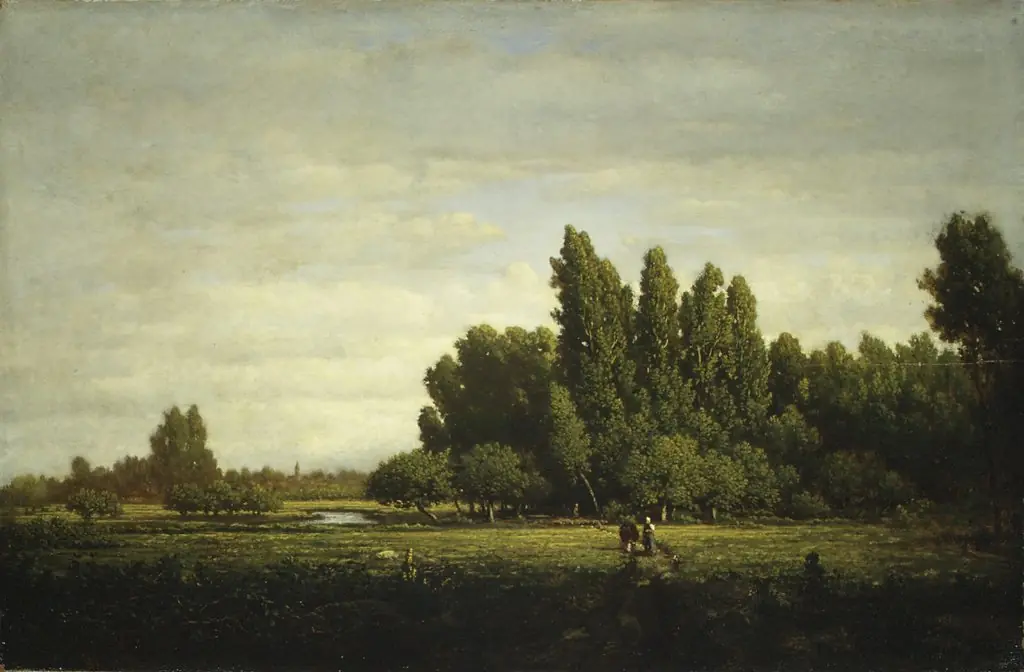
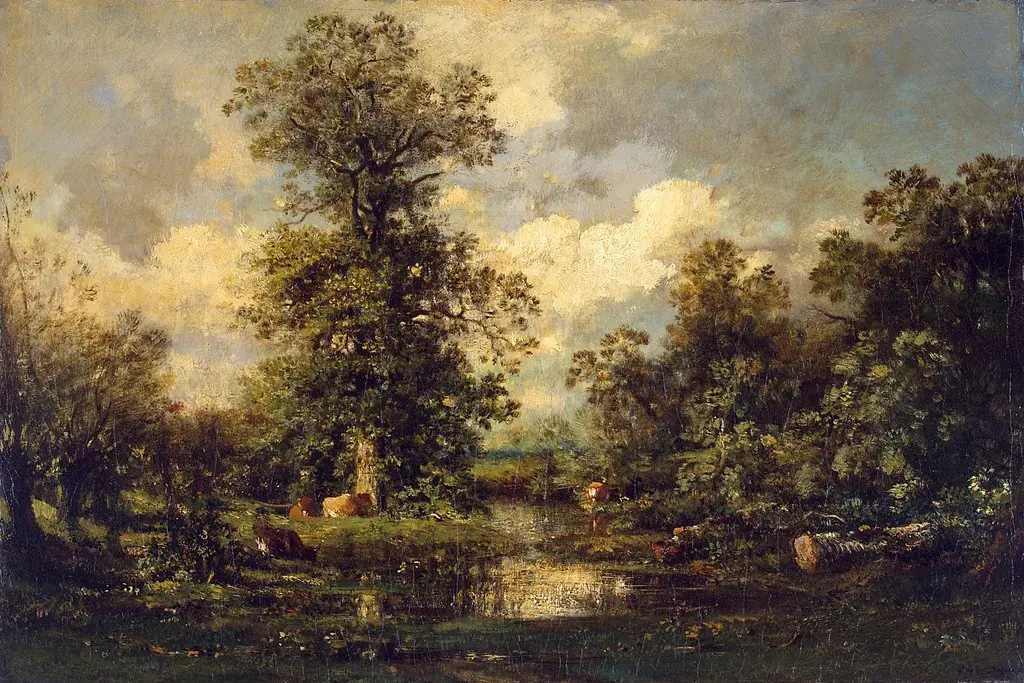
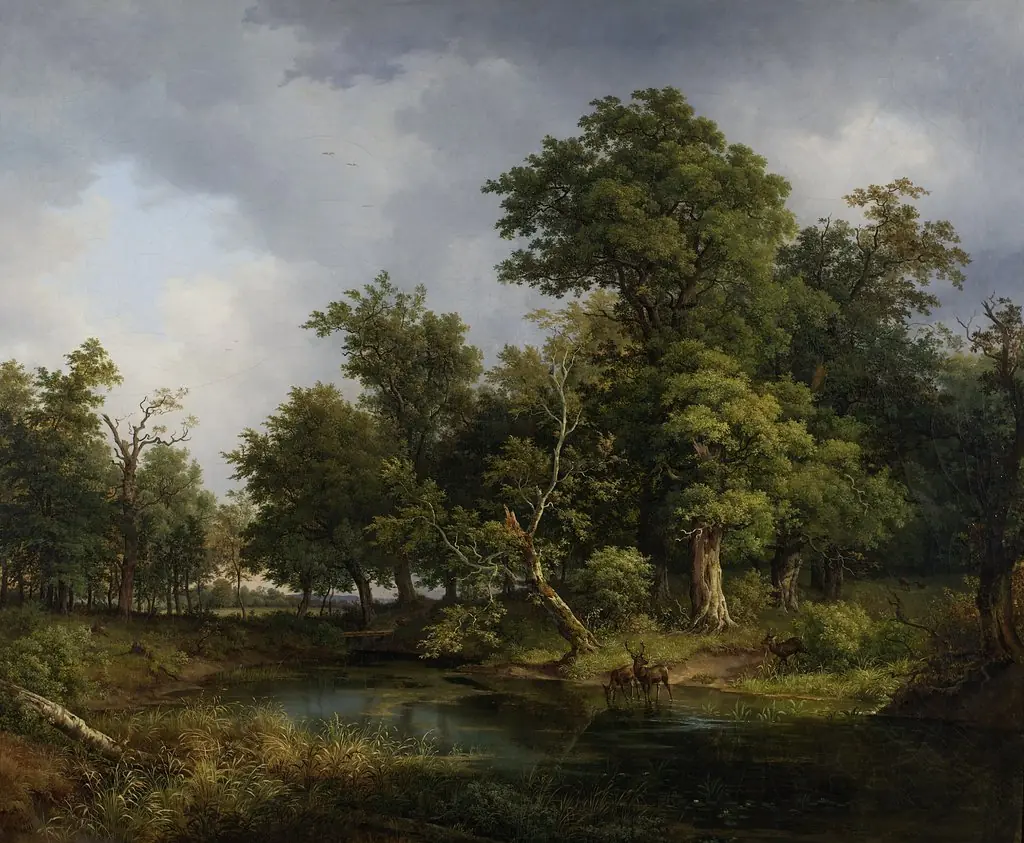
Untitled is an unspecified painting by the Barbizon school artist Théodore Rousseau. It dates from 1854 and is held in the collection of the Rijksmuseum.
About this work
Subject & Meaning
The painting's subject, a forest scene, symbolizes Rousseau's artistic mission: to render nature with scientific precision while evoking emotional depth.
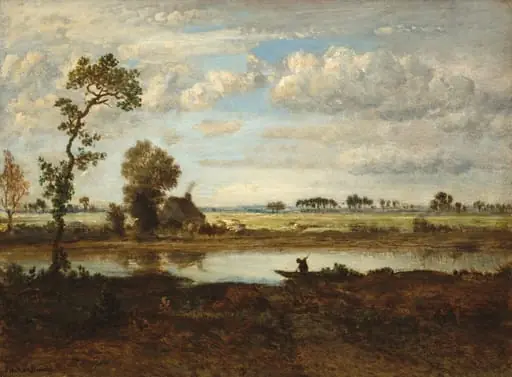
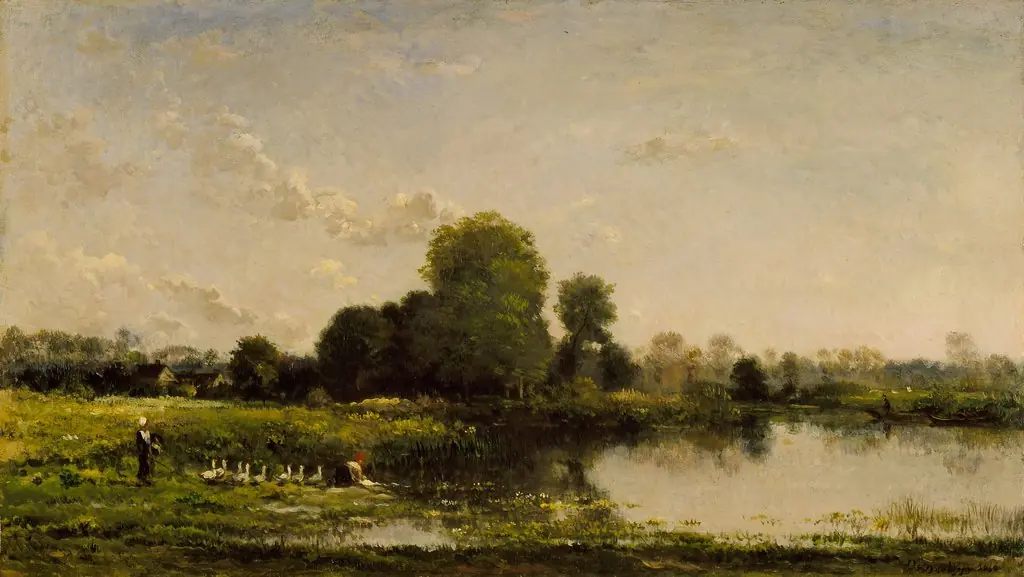
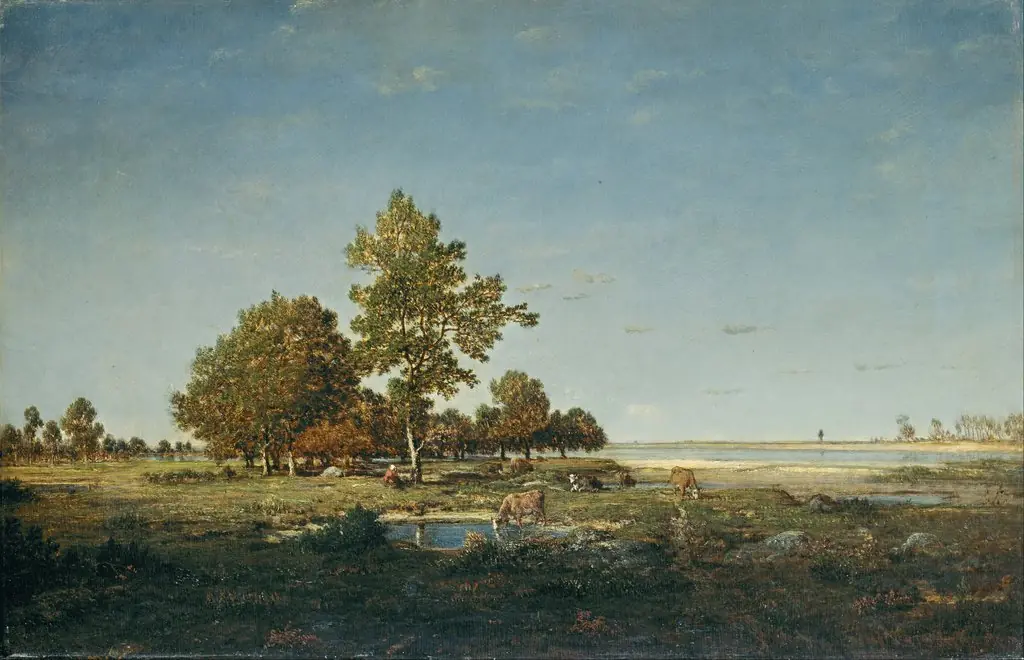
Théodore Rousseau's 'Untitled' depicts a forest landscape of Fontainebleau, reflecting his lifelong focus on observing nature's changing conditions. The work embodies the Barbizon school's emphasis on plein air painting and the poetic realism of French landscapes, capturing the melancholic atmosphere characteristic of his mature style. As a founding member of the Barbizon school, Rousseau pioneered intimate landscape painting, moving away from classical traditions toward direct study of natural light and vegetation. The painting's subject, a forest scene, symbolizes Rousseau's artistic mission: to render nature with scientific precision while evoking emotional depth. His technique, described as grave in character with 'exquisite melancholy,' prioritized detailed observation over idealized compositions, influencing later movements like Impressionism despite contemporary neglect.
Technique & Style
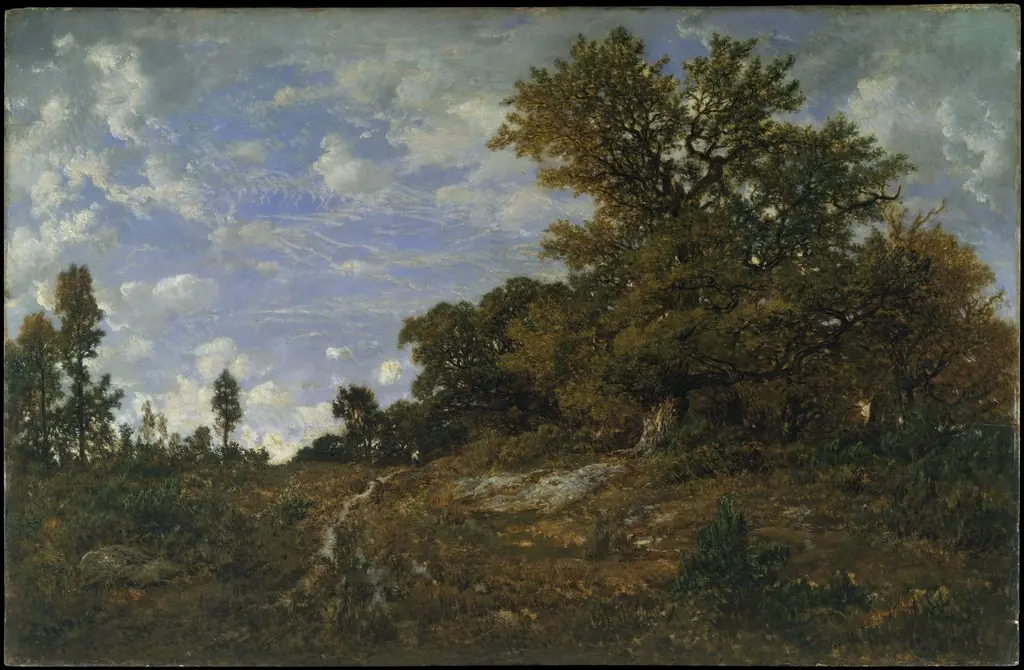
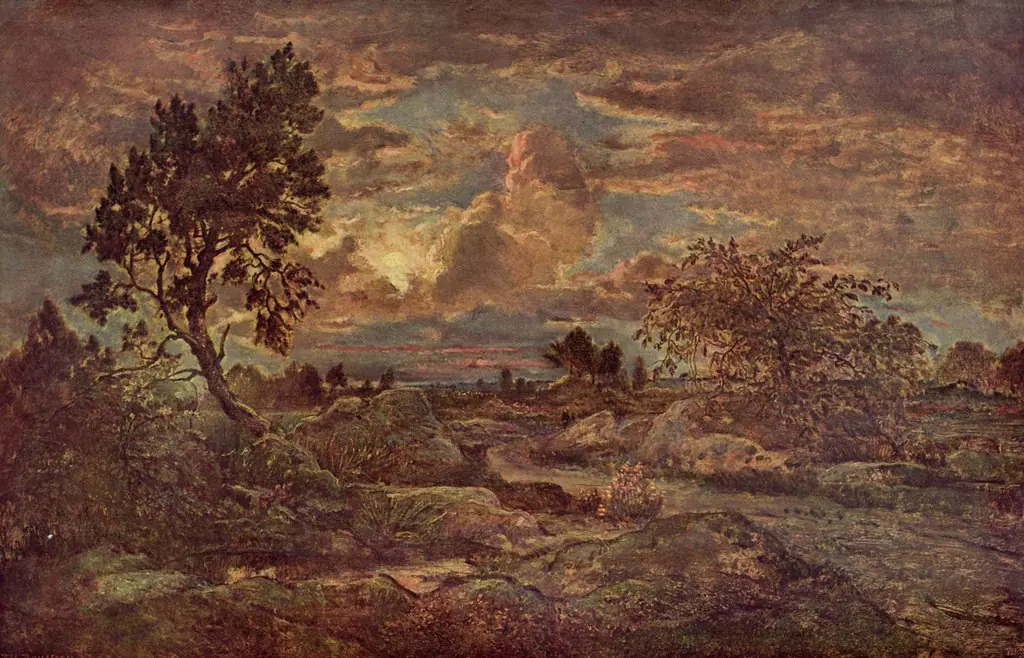
Théodore Rousseau worked primarily in oil on canvas, producing landscapes that emphasize precise naturalistic detail and atmospheric mood. His technique involved plein air studies of the Fontainebleau forest, often beginning with loose sketches that he later refined into finished compositions. Works such as La sortie de forêt à Fontainebleau, au soleil couchant (c. 1848/49) demonstrate his focus on light and texture, with brushwork ranging from delicate, almost impressionistic strokes to highly detailed rendering in later pieces. While some canvases remain deliberately vague in parts, his finished works are noted for their poetic realism and meticulous observation of vegetation and terrain.
Rousseau’s output includes both detailed finished paintings and numerous exploratory watercolor and pen sketches, many of which capture fleeting natural effects. His approach to plein air painting helped lay groundwork for later movements like Impressionism, though he was largely unrecognized during his lifetime. The material consistency of his support is consistently recorded as canvas, and his handling reflects a commitment to realism over romantic idealization.
Context
Théodore Rousseau is recognized as a founder and the leading figure of the Barbizon school, a movement dedicated to painting landscapes directly from nature in the Forest of Fontainebleau. His early career was defined by conflict with the Paris Salon authorities; despite exhibiting in the early 1830s, his works were systematically rejected between 1836 and 1848, earning him the moniker "le grand refusé." This exclusion was driven by academic opposition to his realistic, unidealized approach, though he found vocal support from critics like Théophile Thoré.
Rousseau's persistent focus on capturing the specific atmosphere and light of the natural world revolutionized French landscape painting, shifting it away from classical conventions toward realism. Although largely ignored by official institutions during his years of artistic exile, his retrospective at the Exposition Universelle of 1855 finally secured his reputation, acknowledging his oeuvre as one of the exhibition's finest groups. His dedication to plein air practices and his influence on peers like Jules Dupré and Narcisse Diaz established a critical precedent for the later development of Impressionism.
Legacy
Théodore Rousseau is recognized as a cofounder and the leading figure of the Barbizon school, a movement that revolutionized French landscape painting through its commitment to realism and direct observation of nature. Although his works faced repeated rejection by the Paris Salon between 1836 and 1848, earning him the nickname "le grand refusé," his reputation grew significantly after the 1848 reorganization of the exhibition system. By the 1855 Exposition Universelle, his paintings were gathered in a dedicated hall, acknowledging his status as a master. His influence extended beyond his lifetime by unconsciously paving the way for Impressionism forty years later through his depiction of changing light and atmospheric effects. Posthumously, his market value increased dramatically, with his works fetching approximately ten times their lifetime prices thirty years after his death.
Own this work as a print
Artist & collection
Artist
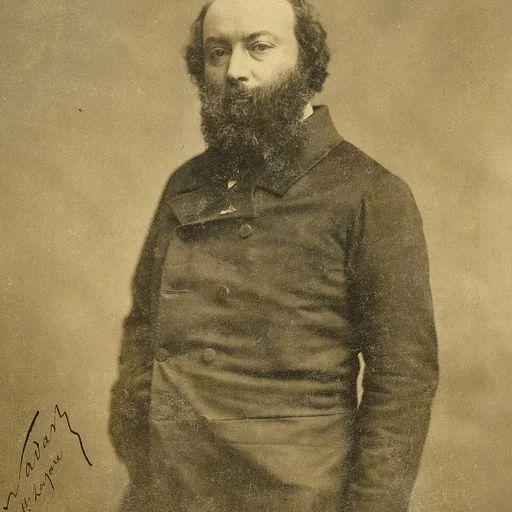
Étienne Pierre Théodore Rousseau (French pronunciation:; 15 April 1812 – 22 December 1867) was a French painter of the Barbizon school.