Artwork
Gaudi Ragini
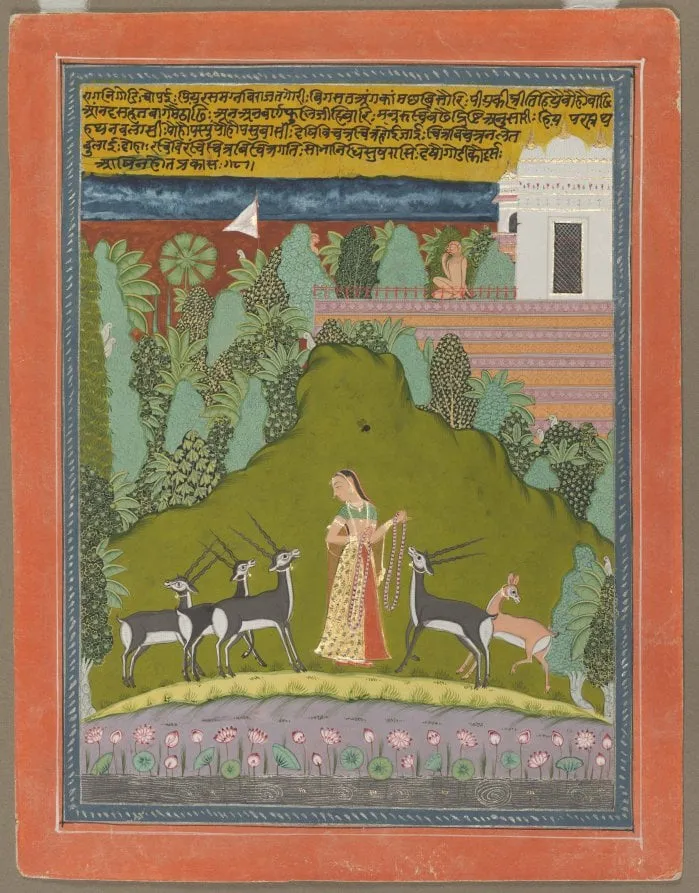
Gaudi Ragini is an unspecified painting by the Baroque artist Unknown. It dates from 1712 and is held in the collection of the Cleveland Museum of Art.
- Accession no.
- 1968.109
- Credit line
- Gift of the American Foundation for the Maud E. and Warren H. Corning Botanical Collection
About this work
The verse that goes with it says she’s waiting, lost in thought, while the animals seem drawn to her.
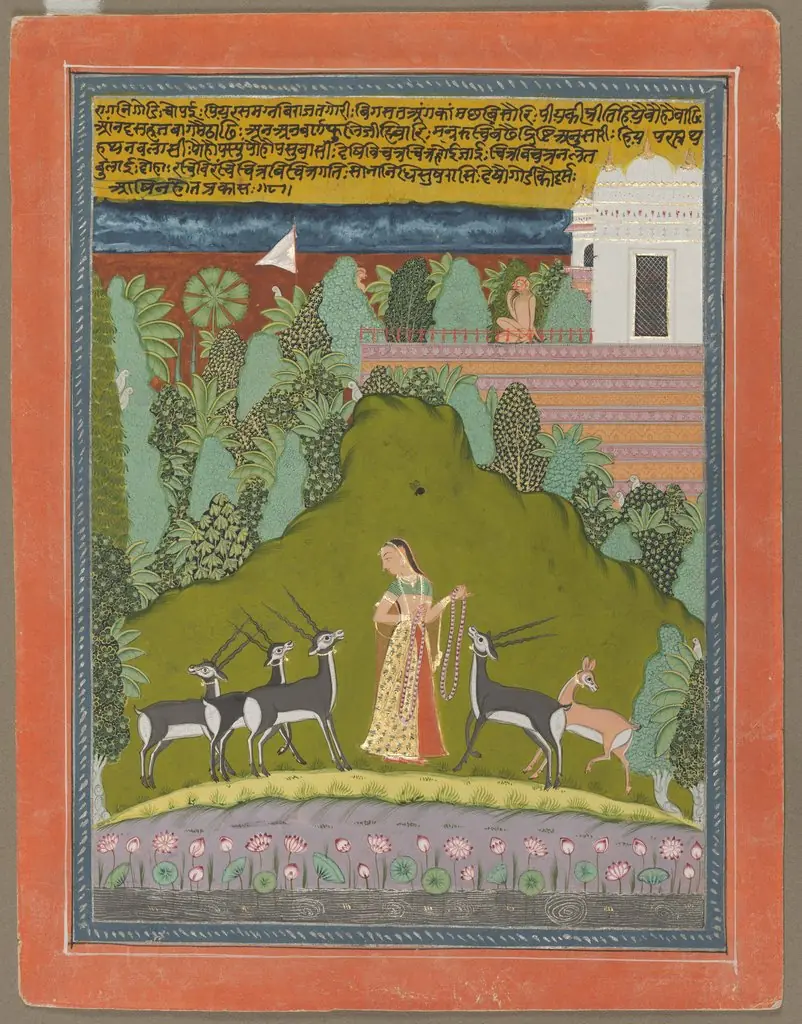
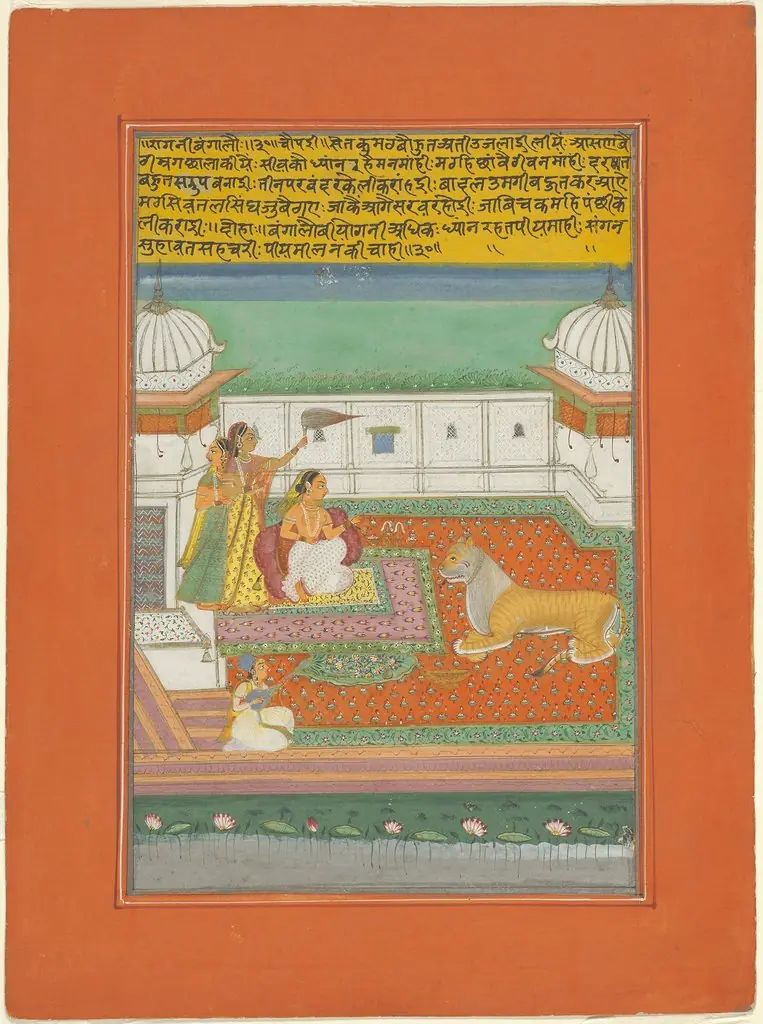
A young woman stands alone in a bright garden, holding pink flowers. Four deer watch her from the trees, and monkeys peek from the branches above. The walls around her glow in soft pinks and yellows.
The painting comes from Rajasthan, where artists often showed love stories in this way. The verse that goes with it says she’s waiting, lost in thought, while the animals seem drawn to her. The colors and shapes match the style of Jaipur at the time.
To see more like this, look up India, Rajasthan, probably Jaipur, 18th century.
Overview
This painting belongs to the Gaudi Ragini series, a set of musical modes visualized in Rajput miniature art. Created in the 18th century, likely in the Amber-Jaipur court, it illustrates a raga associated with winter. The scene captures a solitary young woman in a garden, her stillness evoking the contemplative mood of the music. The composition reflects regional stylistic traits, including luminous architecture and naturalistic animal figures.
Subject & Meaning
The central figure is a sixteen-year-old girl, lost in thought, holding blossoms from a wishing tree. Her isolation underscores the raga’s emotional tone, melancholy and introspective. Around her, deer emerge from the woods, drawn by her presence, while monkeys observe from above.
These animals symbolize nature’s response to her inner state, reinforcing the poetic idea that emotion resonates beyond human boundaries.
Technique & Style
The painting employs fine brushwork and delicate color gradations, typical of Jaipur’s atelier traditions. Soft pinks and yellows define the architecture and walls, creating a luminous, dreamlike backdrop. Figures are rendered with precise outlines and minimal shading, emphasizing elegance over realism.
The animals are depicted with naturalistic detail, contrasting with the stylized landscape, a hallmark of Rajput court painting.
History & Provenance
Originating in the Rajput kingdom of Amber, which became Jaipur in the early 18th century, the work was likely produced for royal patrons interested in poetic and musical themes. Such paintings were often bound in illustrated manuscripts or displayed as individual devotional images. Its survival suggests it was valued within courtly collections, though its exact early ownership remains undocumented.
Context
Ragamala paintings like this one translated musical modes into visual narratives, blending poetry, spirituality, and aesthetics. In Rajasthan, artists frequently depicted romantic or solitary figures in gardens to represent raga moods. The winter association of Gaudi Ragini aligns with the quiet, introspective atmosphere of the scene, reflecting seasonal symbolism embedded in North Indian musical traditions.
Legacy
This painting exemplifies the enduring link between music and visual art in Rajput culture. Though the specific tradition of Ragamala illustration declined after the 19th century, its influence persists in regional artistic memory. Modern scholars and museums preserve such works as key examples of how emotion, nature, and melody were interwoven in pre-colonial Indian aesthetics.
Artist & collection









- Gaudi Ragini
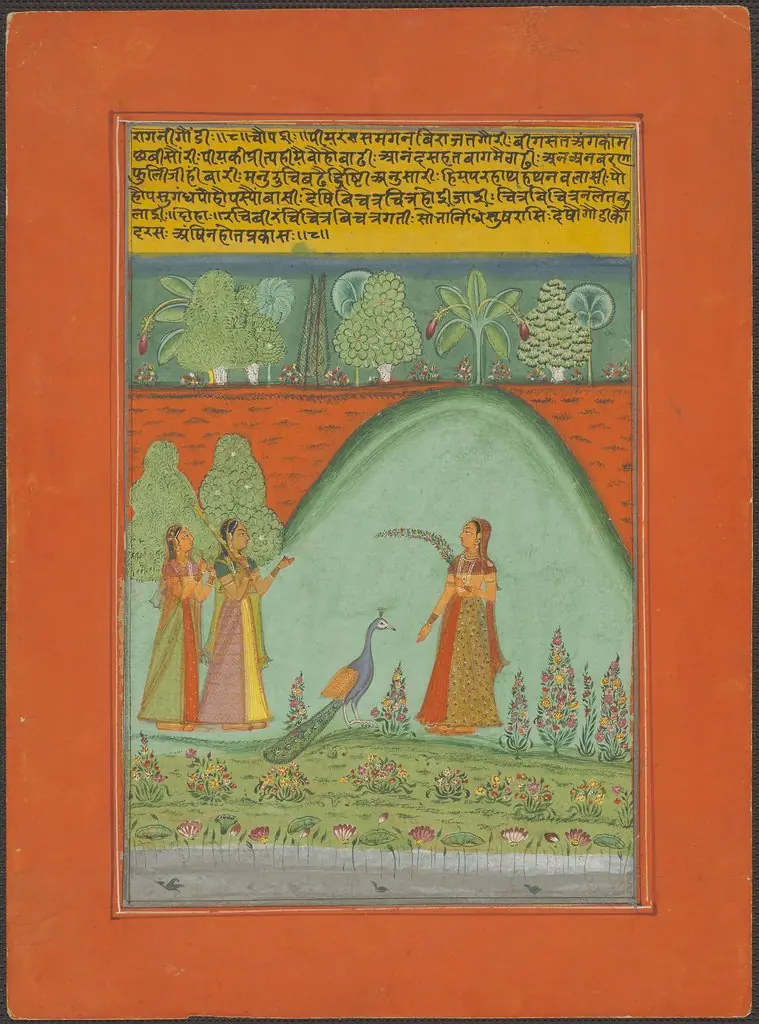 Ragini Gaudi, Page from a Jaipur Ragamala Set
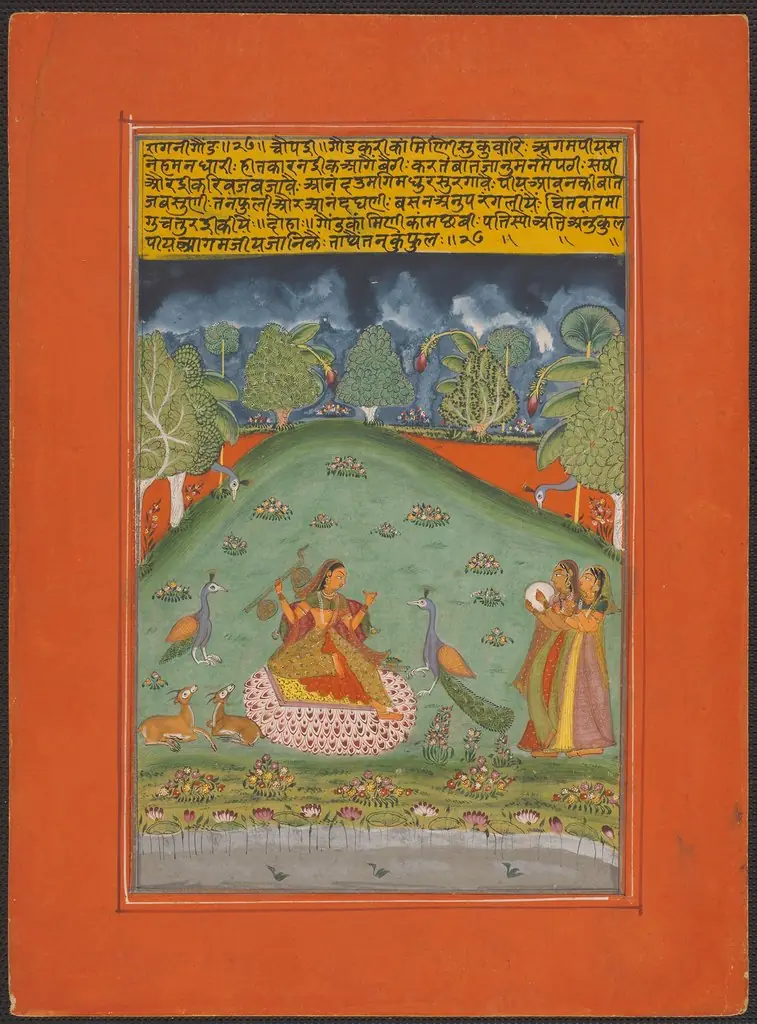 Ragini Gaund, Page from a Jaipur Ragamala Set
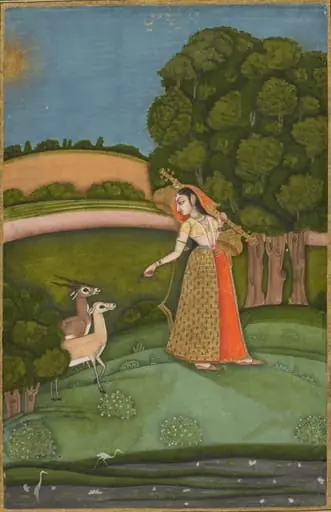 Todi Ragini, from a Ragamala Series
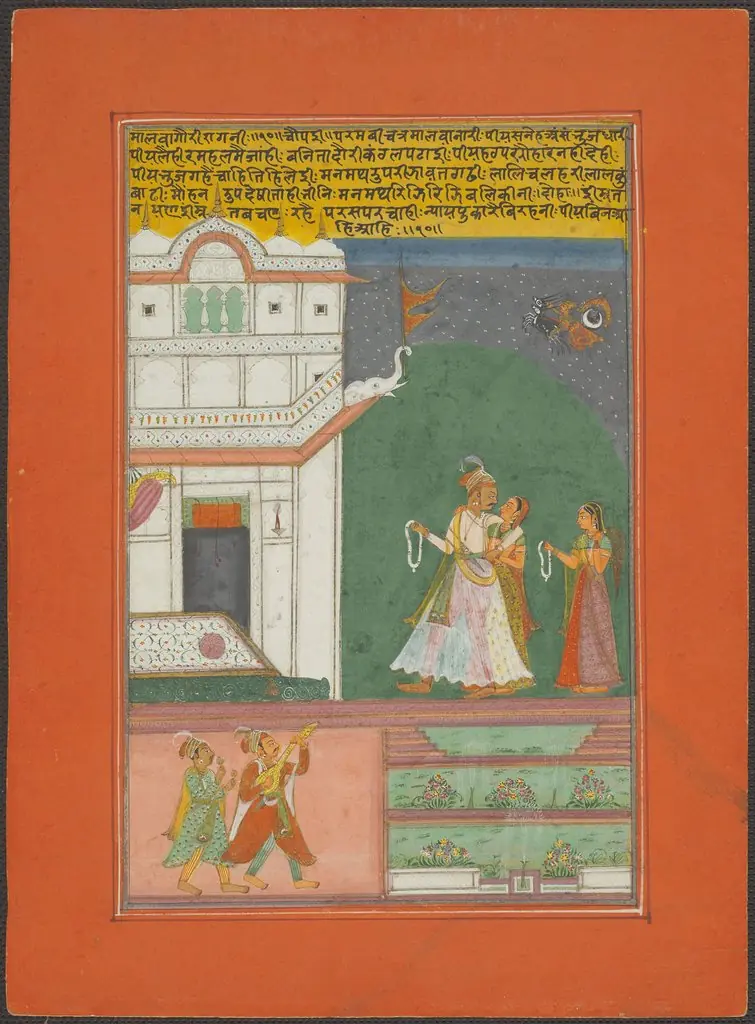 Malavagaudi Ragini, Page from a Jaipur Ragamala Set
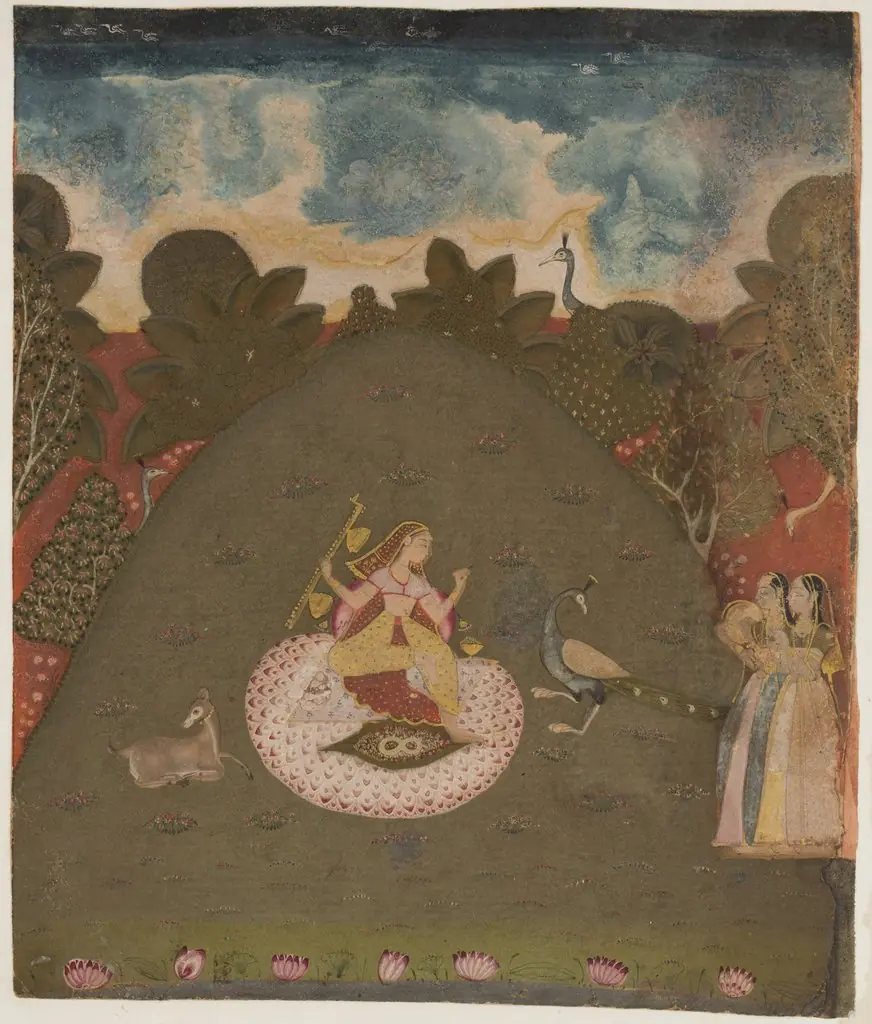 Gaura-Mallara Ragini (A Musical Mode)
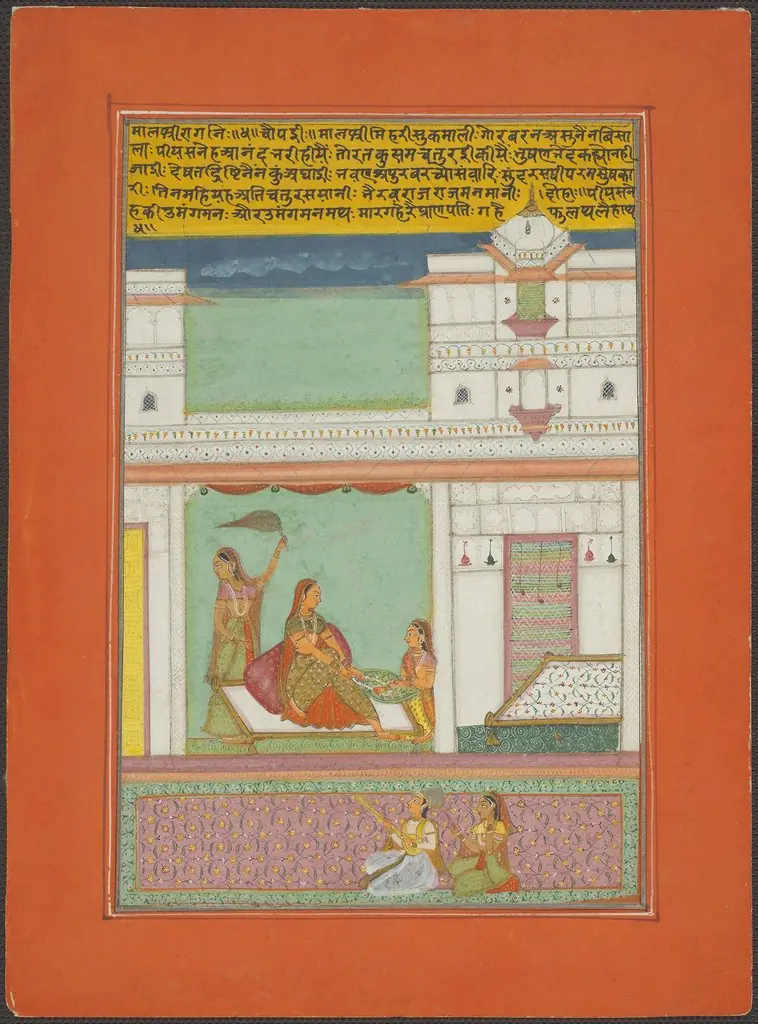 Malashri Ragini, Page from a Jaipur Ragamala Set
 Ragini Bangali, Page from a Jaipur Ragamala Set