Artwork
King Albrecht II
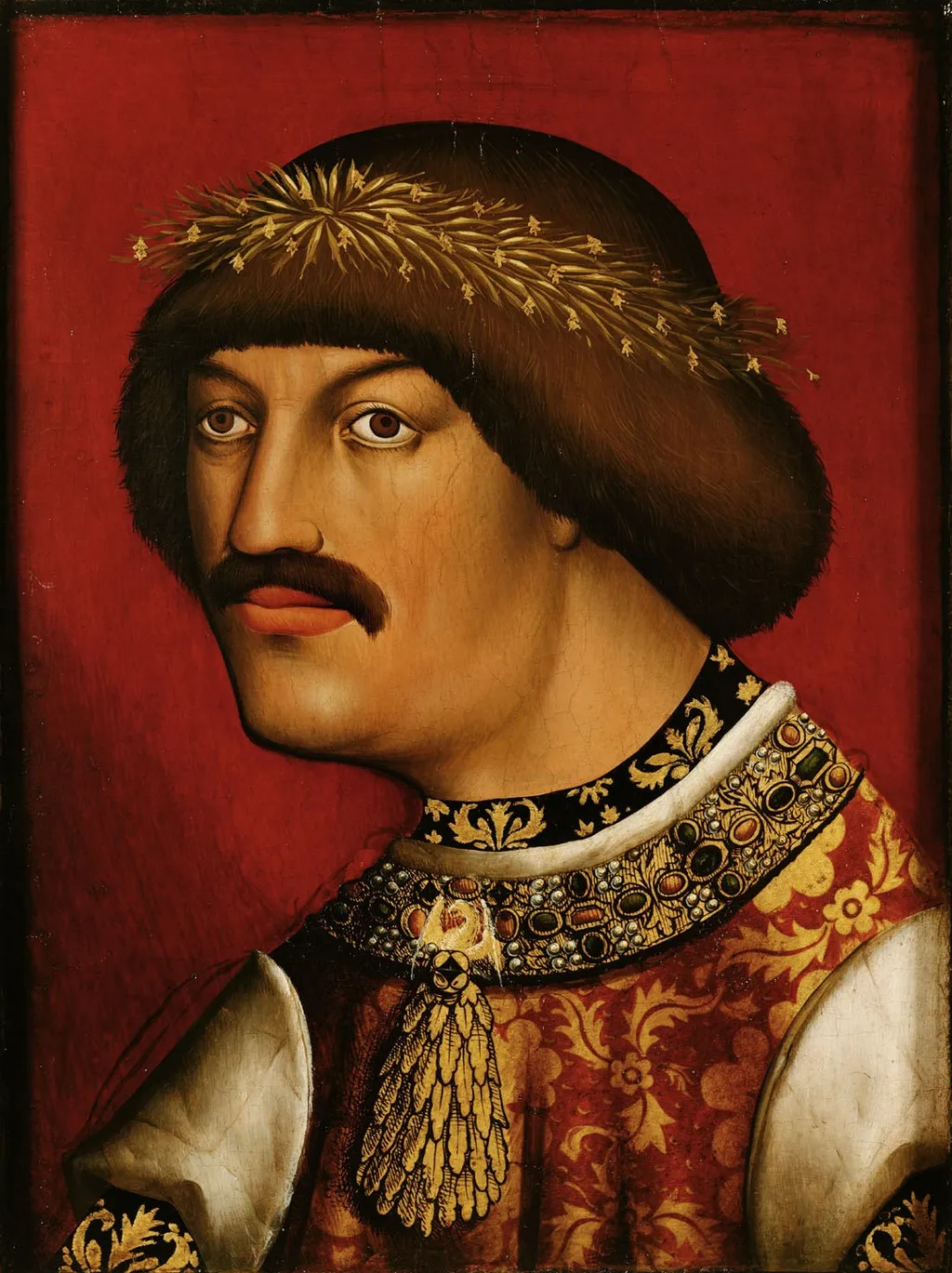
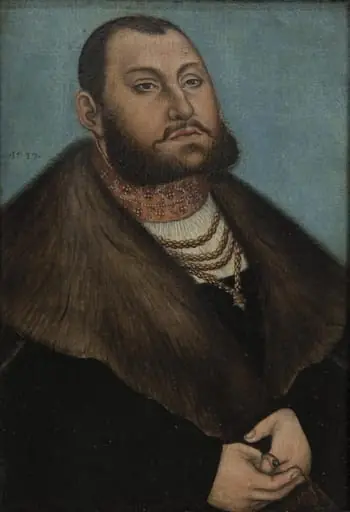
King Albrecht II is an unspecified painting by the Early Baroque Italian artist Unknown. It dates from 1550 and is held in the collection of the Kunsthistorisches Museum.
About this work
Subject & Meaning
As a portrait, the work functions as a commemorative likeness, presenting the monarch as the principal figure of the composition.
The painting is a portrait whose subject is Albert II of Germany, the medieval king of that name. As a portrait, the work functions as a commemorative likeness, presenting the monarch as the principal figure of the composition. The genre classification as a portrait and the explicit identification of Albert II of Germany as both the depicted figure and the main subject confirm that the image is devoted to representing this royal personage rather than to a narrative or allegorical scene.
Because the surviving documentation identifies only the sitter and the portrait format, no additional iconographic attributes, symbolic objects, or emblematic devices can be reliably ascribed to the work.
History & Provenance
The work was created in 1550 as a portrait of Albert II of Germany, commissioned within the court of the Holy Roman Empire. It entered the collection of the Kunsthistorisches Museum, where it remains on display.
The painting was executed by an anonymous artist and has been part of the museum's holdings since its creation, reflecting a continuous ownership chain from the original patronage to the present institution.
The portrait of King Albrecht II is held in the collection of the Kunsthistorisches Museum. The work, dated to 1550 and attributed to an anonymous artist, depicts Albert II of Germany. While the painting is confirmed to be part of the museum's holdings, the provided sources do not specify a unique inventory or accession number, nor do they list any exhibition history for the piece.
Context
This portrait belongs to the portrait genre and was created in 1550, reflecting the commemoration of regional rulers in early modern Central Europe. Its execution at the Kunsthistorisches Museum aligns with institutional practices of preserving elite likenesses during the Renaissance period.
Overview
This portrait depicts King Albrecht II of Germany, rendered in profile with meticulous attention to regal attire. The subject is shown wearing a dark fur-lined hat adorned with gold stars, a jeweled collar, and a rich red robe patterned in gold. One hand rests on a white helmet, the other holds a shield bearing a plain emblem. The composition emphasizes dignity and authority through restrained gesture and formal posture.
Technique & Style
The painting employs subtle chiaroscuro to model the contours of the face and garments, lending volume and realism. Fine brushwork captures the texture of fur, metallic embroidery, and polished metal. The profile view, common in medieval and early Renaissance portraiture, prioritizes clarity of identity over emotional expression. Color is used symbolically, red for power, gold for divinity or nobility, rather than naturalistically.
Legacy
The portrait stands as a representative example of early 15th-century Central European court art, bridging Gothic formality and Renaissance naturalism. It contributes to the visual record of Habsburg authority and the evolving role of portraiture in political representation. Though not widely known today, it remains a key artifact for understanding how rulers communicated power through controlled imagery before the age of mass reproduction.
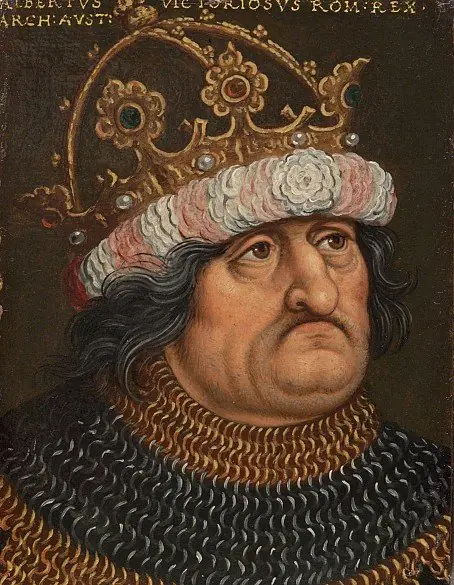
Artist & collection









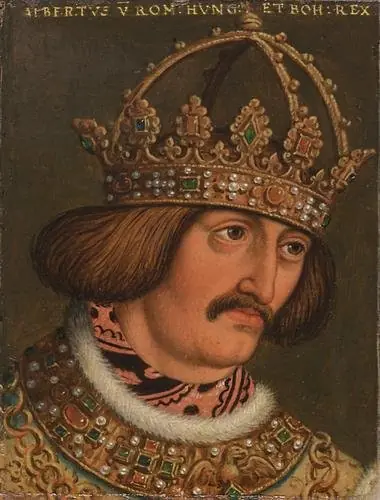 Albrecht, V. als Herzog v. Österreich
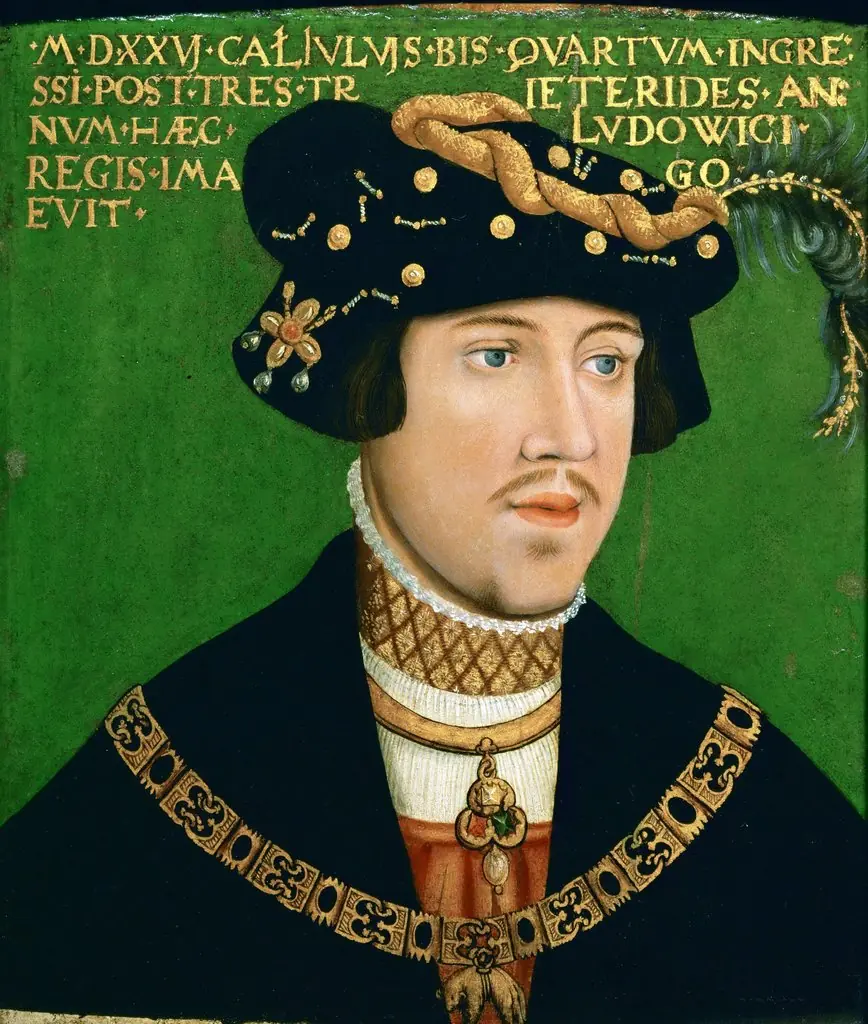 Portrait of Louis II, king van Hungary
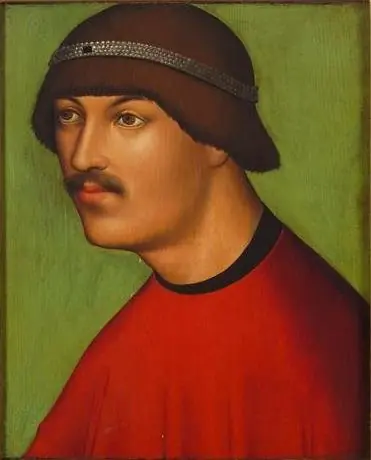 König Albrecht II. (1397-1439), Brustbild
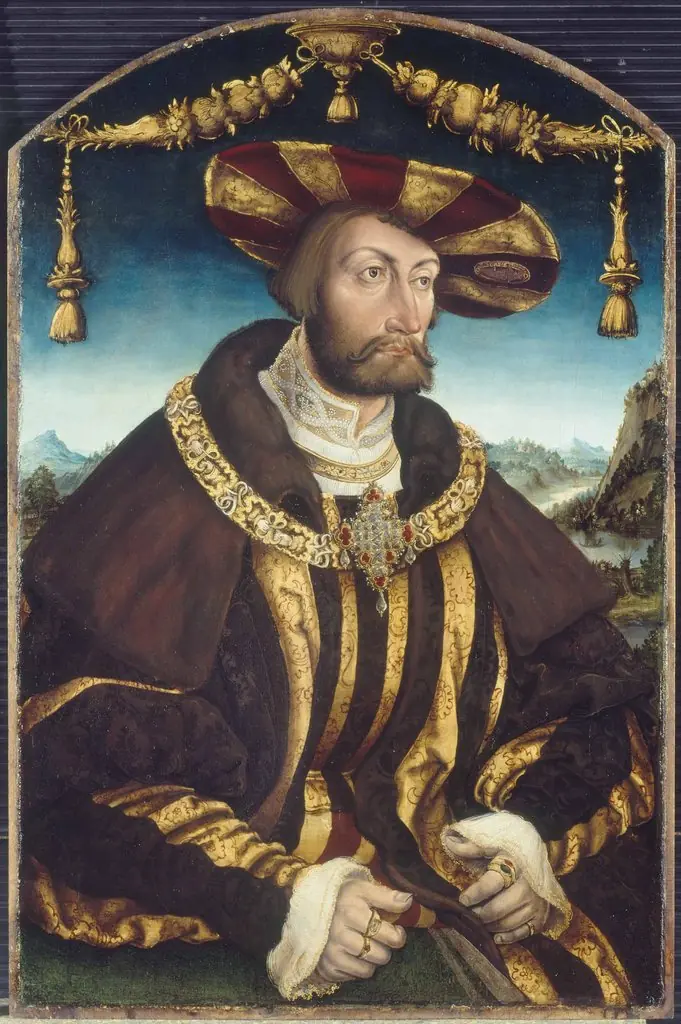 Portrait of William IV of Bavaria.
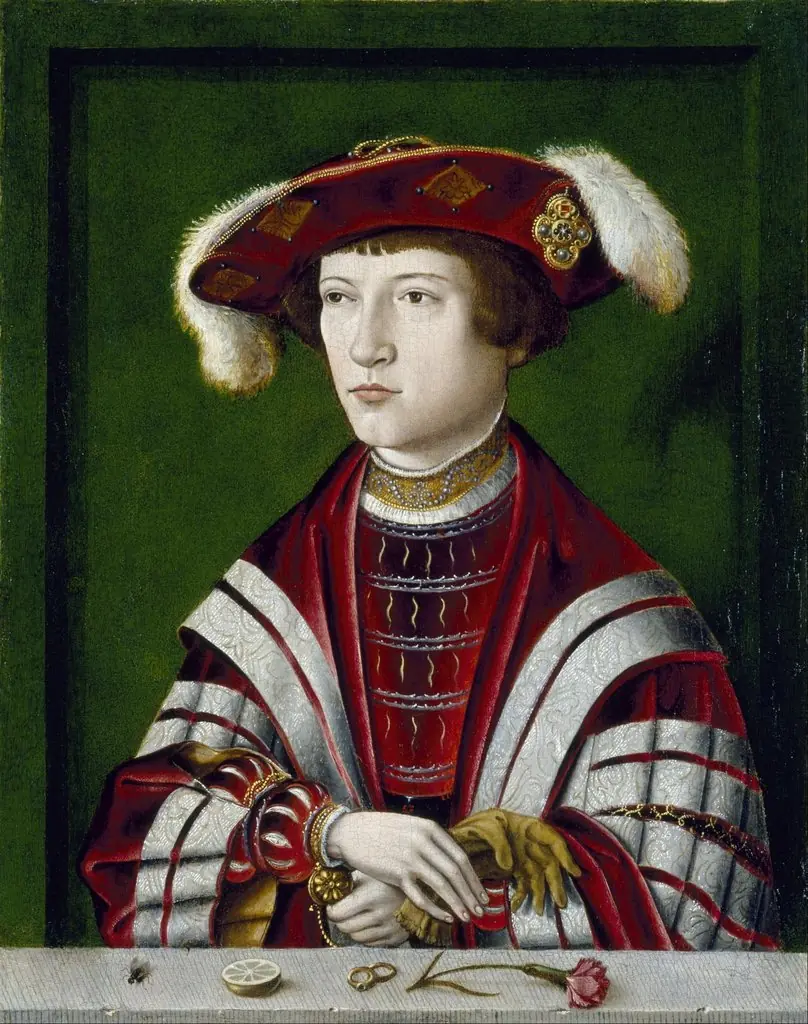 Portrait of a Nobleman
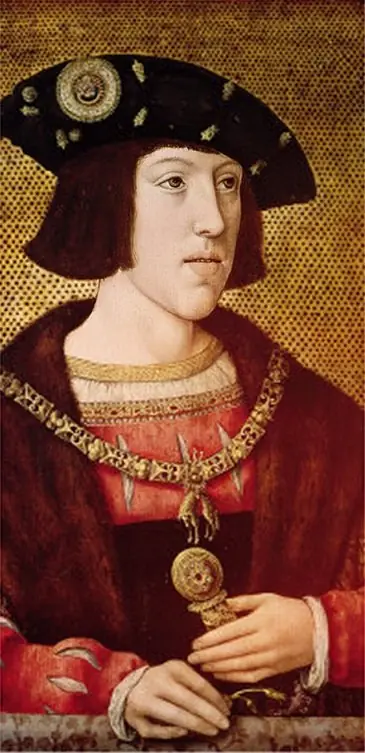 Portrait of Charles V
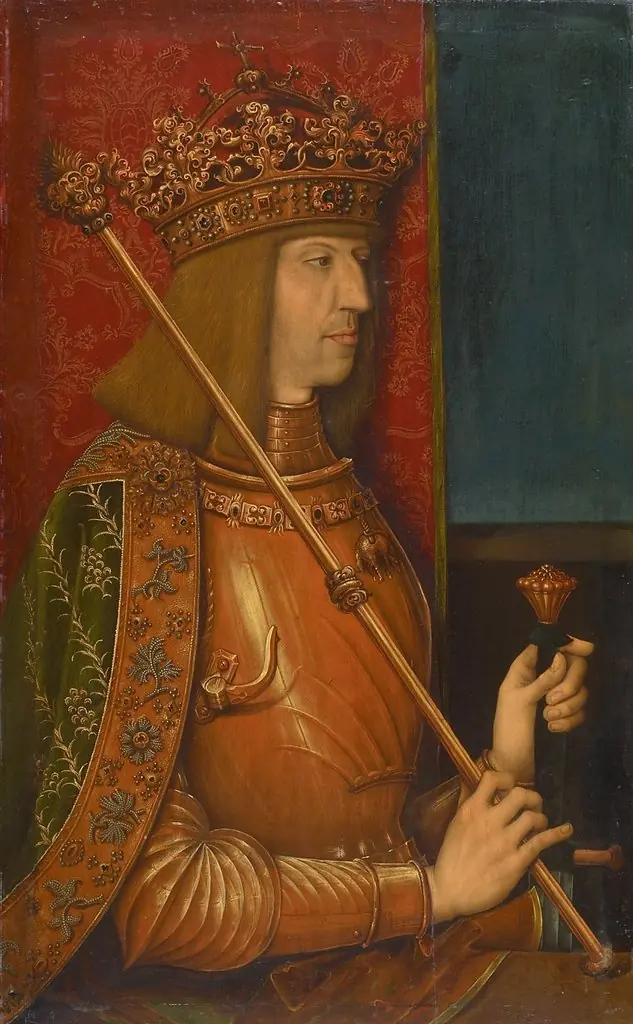 Portrait of Maximilian I, Holy Roman Emperor
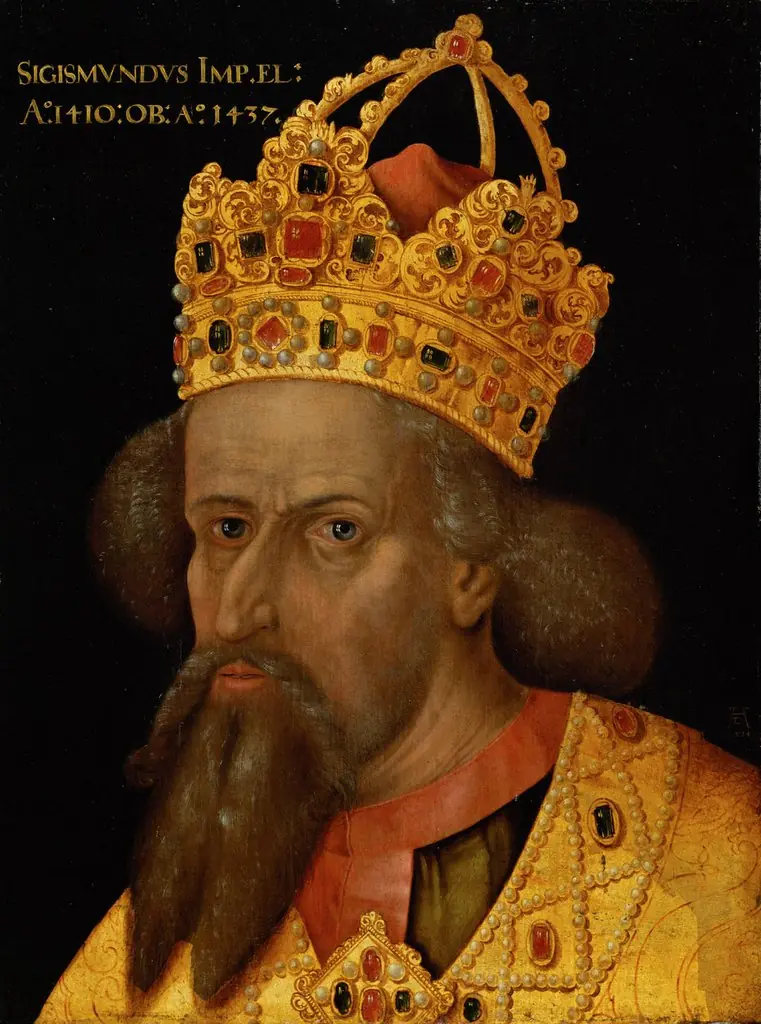 Emperor Sigismund (1369-1437)
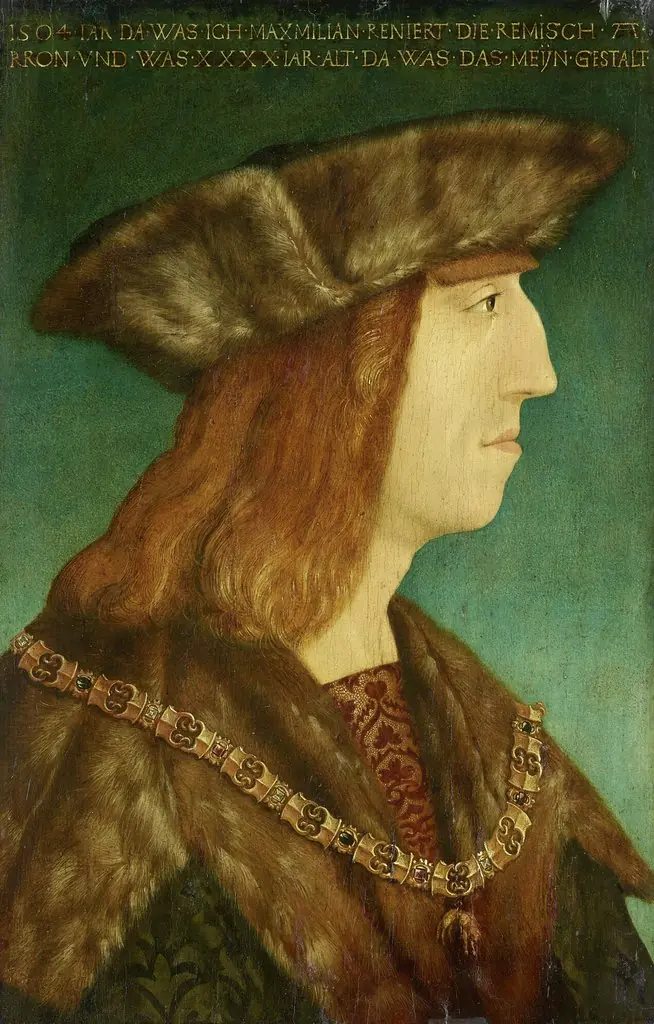 Emperor Maximilan I. (1459-1519)
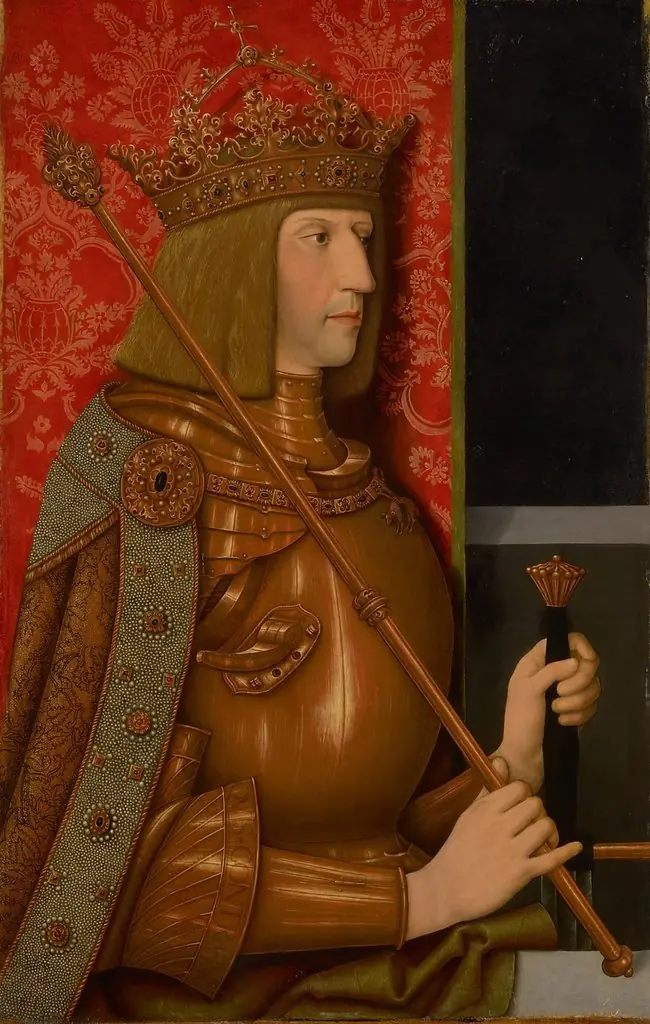 Portrait of Maximilian I, Holy Roman Emperor
 Portrait of the Elector John Frederic the Magnanimous of Saxony (1503-1554)
- Albrecht I