Artwork
Portrait of Sigismund of Luxemburg
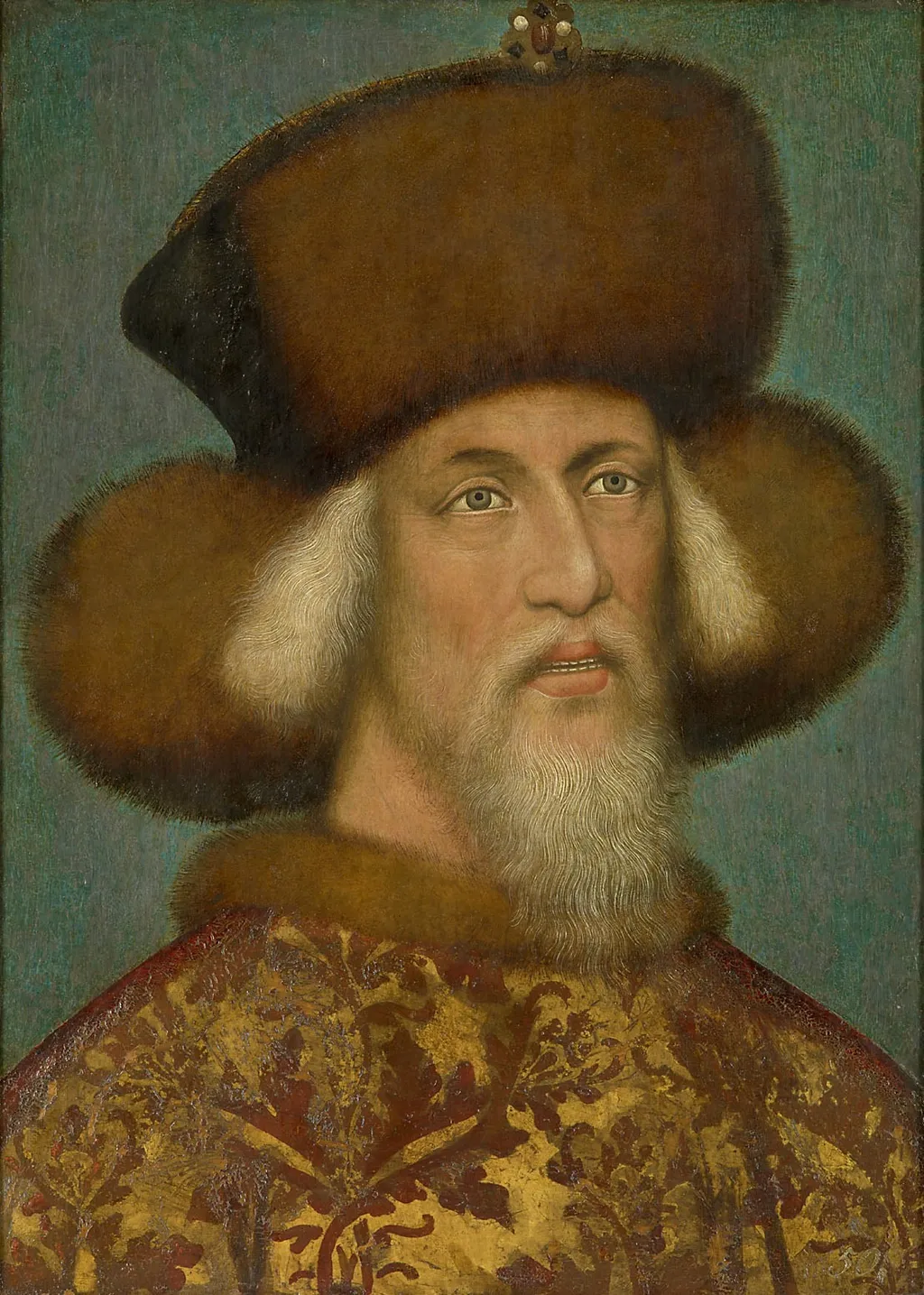
Portrait of Sigismund of Luxemburg is an oil painting by the Northern Renaissance artist Unknown. It dates from 1430 and is held in the collection of the Kunsthistorisches Museum. The work is a tempera painting on wood panel that depicts the Holy Roman Emperor Sigismund of Luxembourg.
About this work
Overview
The Portrait of Sigismund of Luxemburg is a bust-length portrait of the Holy Roman Emperor, executed around 1432-1433 in tempera on vellum mounted on wood, measuring 58.5 by 42 cm. Formerly attributed to the Italian Late-Gothic master Pisanello, the work is now more cautiously ascribed to an anonymous Bohemian painter by the Kunsthistorisches Museum in Vienna, where it is currently housed. The painting occupies a significant place in early fifteenth-century art as one of the earliest autonomous princely portraits north of the Alps, bridging International Gothic elegance and emerging Renaissance naturalism. Its disputed attribution, distinctive iconography, and documented afterlife as an officially sanctioned imperial image have made it a focal point of scholarly debate concerning the circulation of artistic models and the formation of princely identity in the late medieval period.
Subject & Meaning
The portrait depicts Sigismund of Luxembourg (1368-1437), who reigned as King of Hungary from 1387, King of the Romans from 1410, and was crowned Holy Roman Emperor by Pope Eugene IV on 31 May 1433. He is shown bust-length, facing slightly to the right but turned nearly full-face toward the viewer, with light-colored eyes that gaze directly or somewhat upward. His wavy grey hair and full, neatly combed white beard frame an aquiline nose and half-open lips that reveal teeth described as having an improbable, pearl-like regularity. The emperor wears an enormous fur hat with wide, rounded earflaps and a jeweled brooch at its crown, a distinctive headgear of northern European origin that became his recognizable attribute. His garment is of gold and crimsonNegotiations with Gianfrancesco Gonzaga preceded this investiture, including a meeting in Parma on 6 May 1432 that involved substantial payments of 10,000 gold florins and 800 florins in chancery taxes. The portrait's creation during this Mantuan sojourn is supported by two preparatory drawings by Pisanello in the Louvre, executed in 1433, which depict Sigismund wearing the same hat and document the artist's process of refining a rapid sketch into a formal court image. The work later entered the imperial collection and was housed at Ambras Castle, the residence of Archduke Ferdinand II of Austria near Innsbruck, before its acquisition by the Kunsthistorisches Museum in 1772. The portrait is not currently on view.
Technique & Style
The brushwork is smooth and precise, with meticulous rendering of individual fur hairs, textile patterns, and textural contrasts between fur, fabric, and skin.
The painting is executed in tempera on vellum mounted on wood, with some sources also noting the presence of oil paint in its medium. The support measures 58.5 by 42 cm, a nearly square format that encircles the face and neck with soft brown fur touching the frame on all four sides. The brushwork is smooth and precise, with meticulous rendering of individual fur hairs, textile patterns, and textural contrasts between fur, fabric, and skin. Light falls evenly from the left, modeling the face and hat with soft shadows. The palette is dominated by warm browns, golds, and reds against a flat teal or blue background. The surface shows fine craquelure throughout, and the finish is polished. The artist achieved delicate nuances through graphic means, with separate lines defining the hairs of beard and mustache. The composition exhibits a certain heraldic rigidity characteristic of the International Gothic style, with fondness for decorativeness, yet it also strives to record an ideal type of ruler generally valid and easy to remember rather than merely incidental individual features. The slight asymmetry caused by the turn of the head is counterbalanced by a more thickly drawn pattern on the garment slightly left of center.
History & Provenance
The portrait was likely created during Sigismund's extended Italian sojourn from 1431 to 1433, specifically around his visit to Mantua in 1432-1433 when he invested Gianfrancesco Gonzaga with the title of marquess. This journey had begun in October 1431 at the court of Filippo Maria Visconti in Milan, where Sigismund received the Iron Crown of Lombardy, and continued through Lucca and Siena before culminating in his imperial coronation in Rome on 31 May 1433. The portrait obtained official status and was copied several times, serving as the authoritative effigy of the emperor. In 1451, Piero della Francesca drew upon it for the features of Sigismund of Burgundy in his fresco Sigismondo Pandolfo Malatesta Praying in Front of St. Sigismund at the Tempio Malatestiano, reproducing the same hat form but omitting the fur filling. The work became part of the imperial collection and was housed at Ambras Castle near Innsbruck, residence of Archduke Ferdinand II of Austria, before being acquired by the Kunsthistorisches Museum in 1772. Its current location is the Kunsthistorisches Museum in Vienna, though it is not presently on view.
Context
The attribution of the portrait has been a persistent subject of scholarly debate. It was formerly attributed to Pisanello, supported by two portrait drawings of 1433 in the Louvre depicting Sigismund in the same distinctive hat, which constitute the artist's first datable portraits. However, this attribution is disputed, and the work has also been assigned to the Salzburg painter Conrad Laib or to an anonymous Bohemian artist, the latter being the current institutional position of the Kunsthistorisches Museum. The Italian sources tend to maintain the Pisanello attribution, while other scholarship emphasizes Bohemian origins. This uncertainty reflects the broader difficulty of tracing artistic production in a period of intense cross-cultural exchange, when Sigismund's peripatetic court and Italian campaigns facilitated the circulation of artists and models across Central Europe. The portrait exemplifies the International Gothic style's emphasis on ornamental richness and decorative detail, while also representing an early stage in the development of autonomous princely portraiture independent of religious context. Its creation during Sigismund's diplomatic campaign in Italy underscores the political function of portraiture in cementing alliances and projecting imperial authority across territorial boundaries.
Legacy
The Portrait of Sigismund of Luxemburg achieved significant afterlife as an officially sanctioned imperial image, copied in drawings and other works to disseminate the emperor's recognizable likeness throughout his domains. Its influence is most concretely attested by Piero della Francesca's adaptation of 1451, where the distinctive hat form was transferred to a sacred context at the Tempio Malatestiano, demonstrating how secular portraiture could supply visual vocabulary for religious art. The work's status as one of few surviving panel paintings associated with Pisanello's circle, regardless of definitive attribution, has made it a key document for understanding the transition from International Gothic to Renaissance modes of representation. The preparatory drawings in the Louvre, showing the same sitter with the same hat, provide rare insight into the working methods of early fifteenth-century court artists and the process by which rapid observation was transformed into formal, repeatable iconography. For art historians, the portrait remains a test case for questions of attribution, the mobility of artists and images in late medieval Europe, and the political functions of visual representation in constructing princely identity. Its residence in the imperial collections at Ambras Castle and subsequent place in the Kunsthistorisches Museum ensure its continued role in narratives of Habsburg cultural accumulation and the formation of early modern museums.
Artist & collection









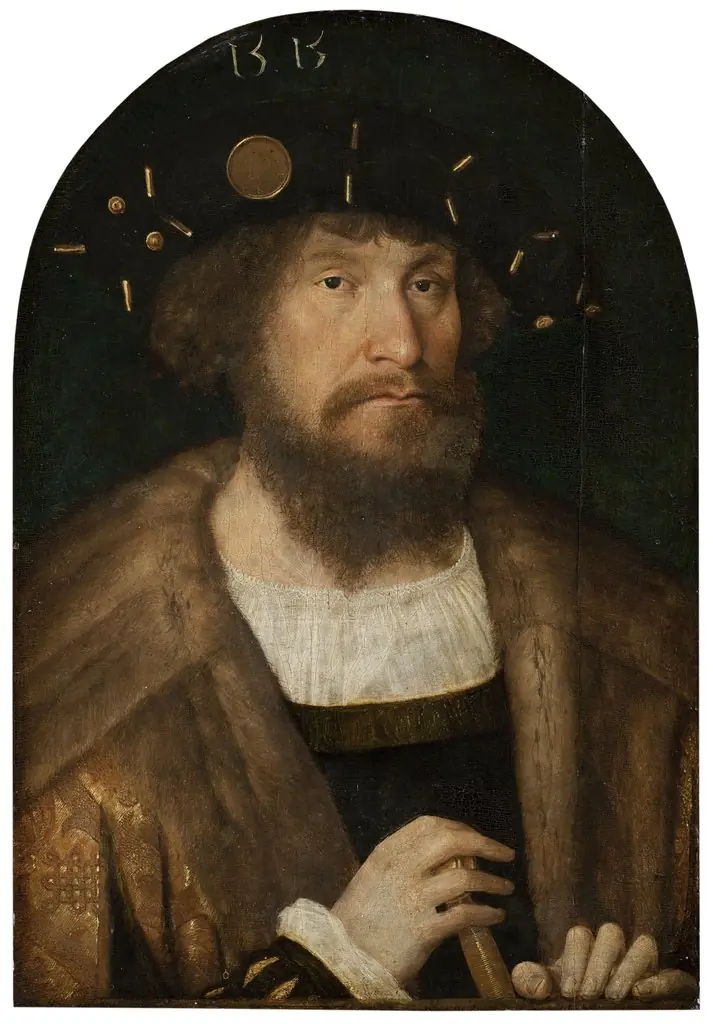 Portrait of the Danish King Christian II
 Portrait of the Danish King Christian II
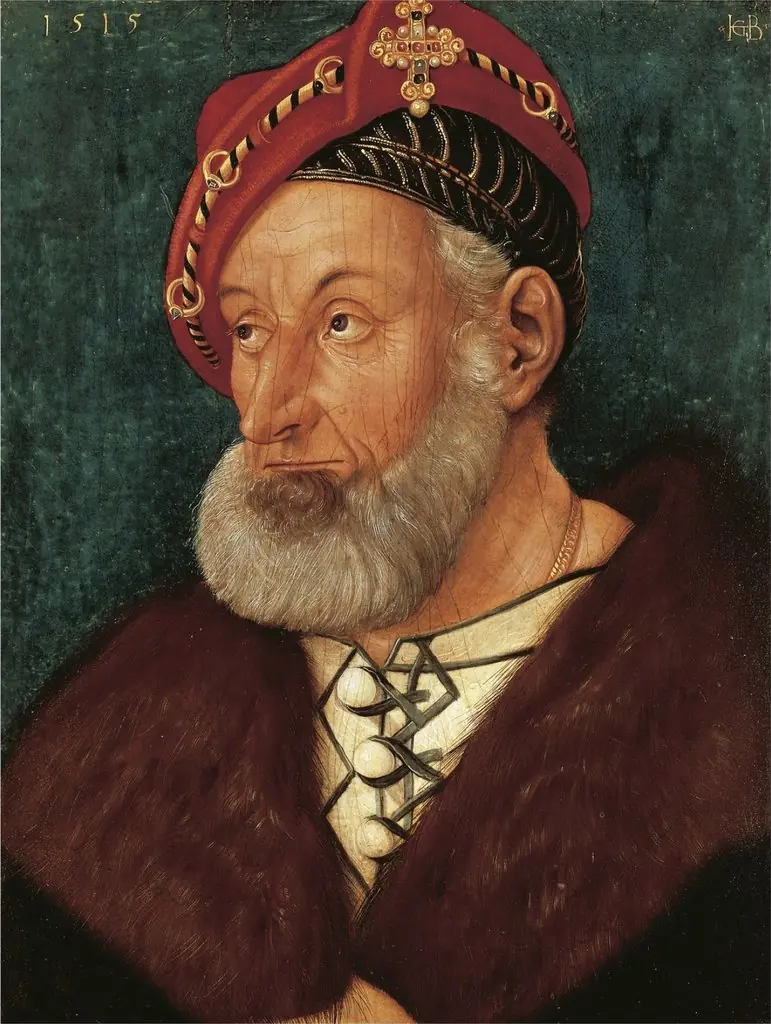 Margrave Christoph I of Baden
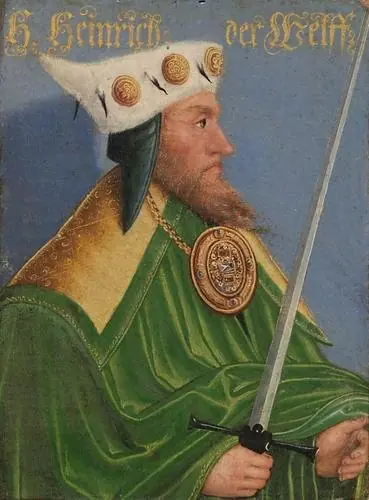 Duke Heinrich the Proud (son of Duke Heinrich the black of Bavaria), died 1139
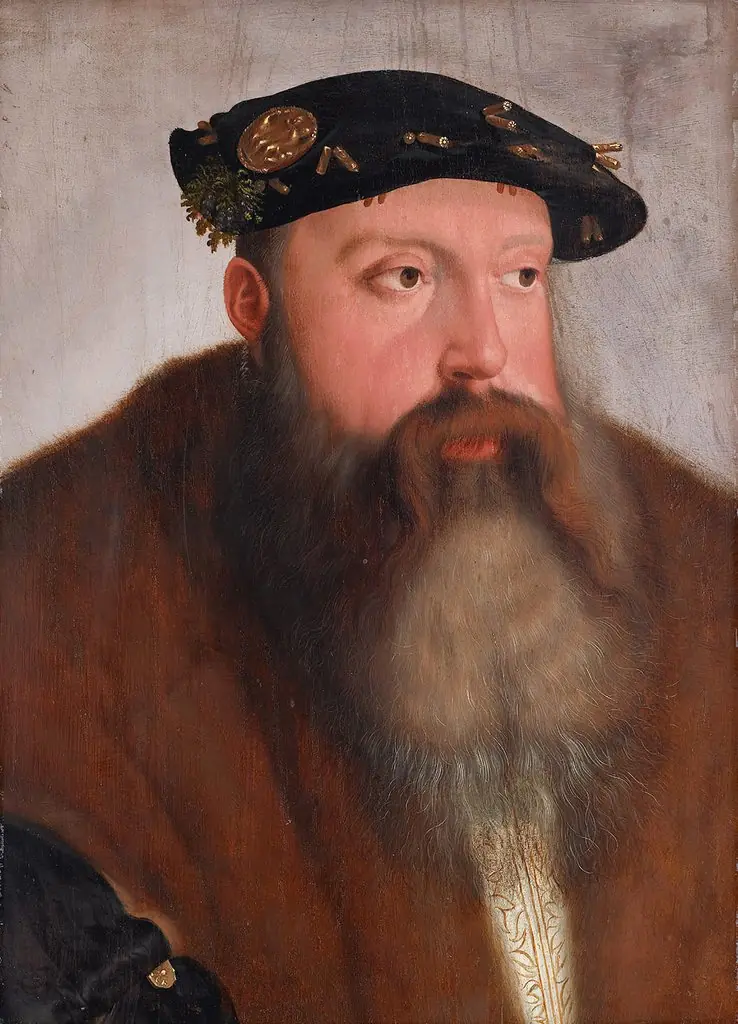 Louis X, Duke of Bavaria
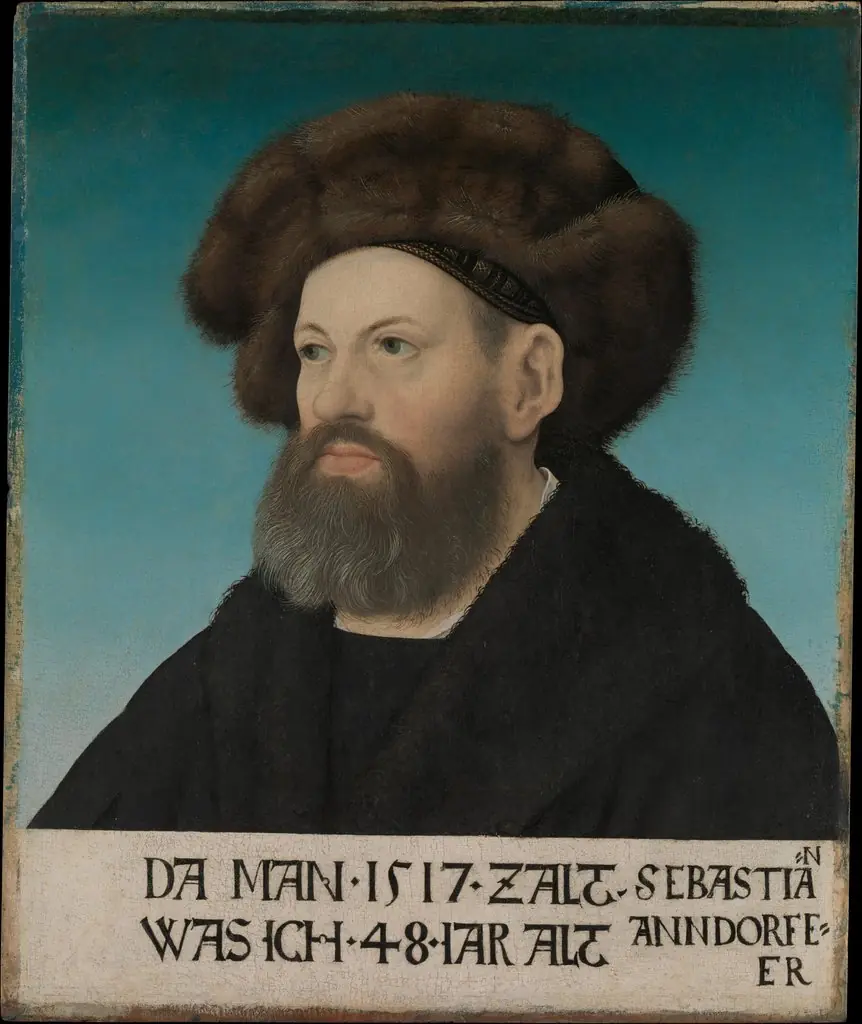 Sebastian Andorfer (1469–1537)
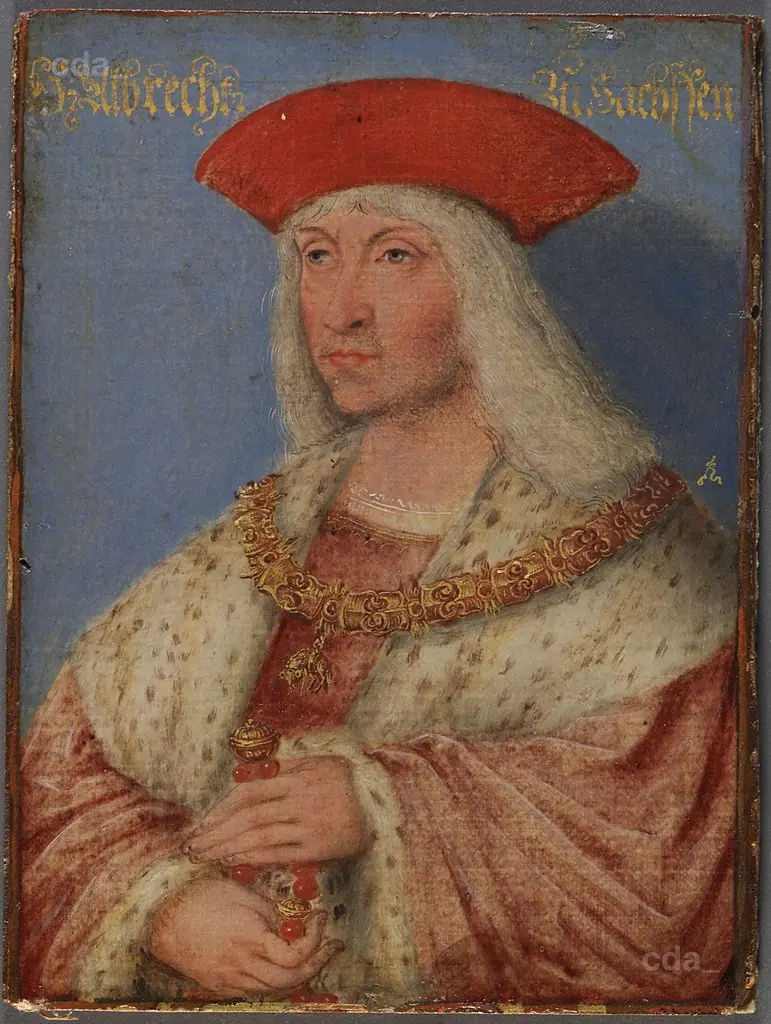 Albrecht the Bold, son of Friedrich II., died 1500
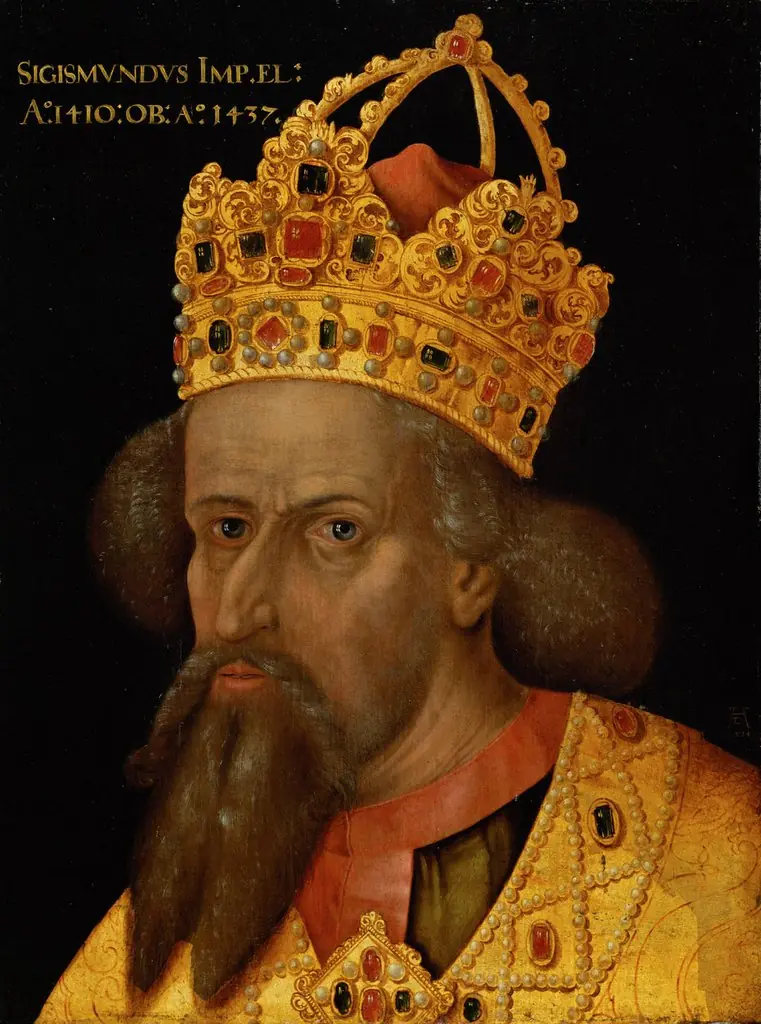 Emperor Sigismund (1369-1437)
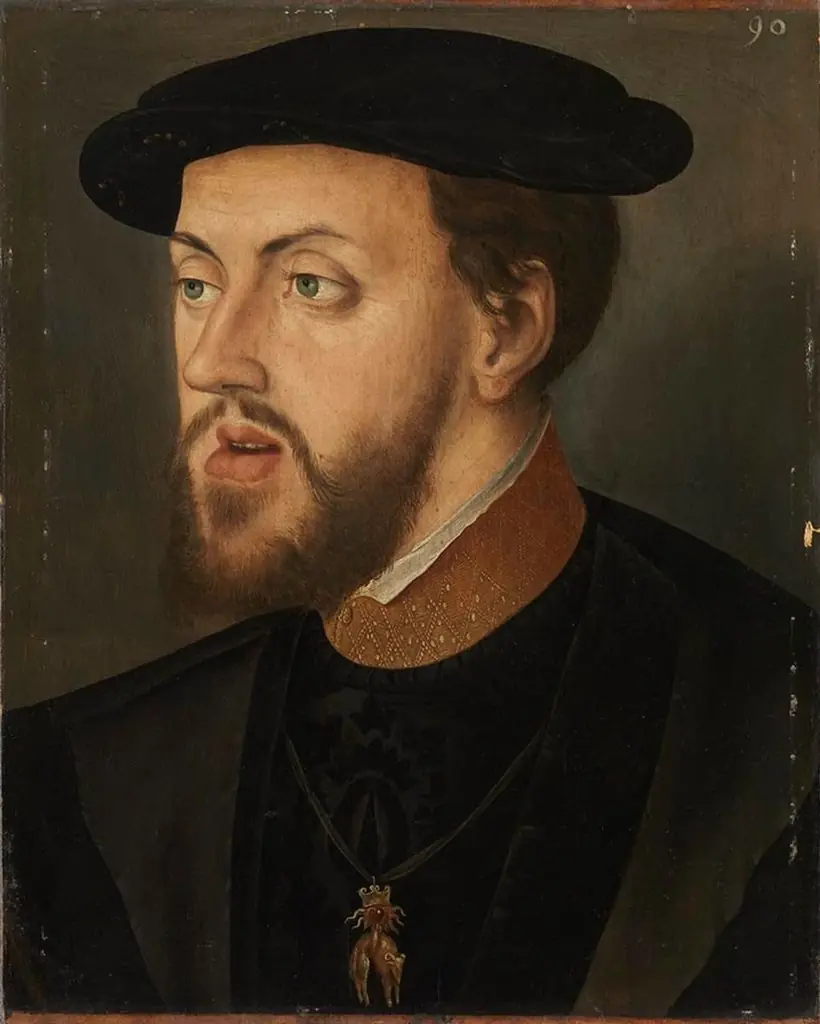 Emperor Charles V