Artwork
Untitled
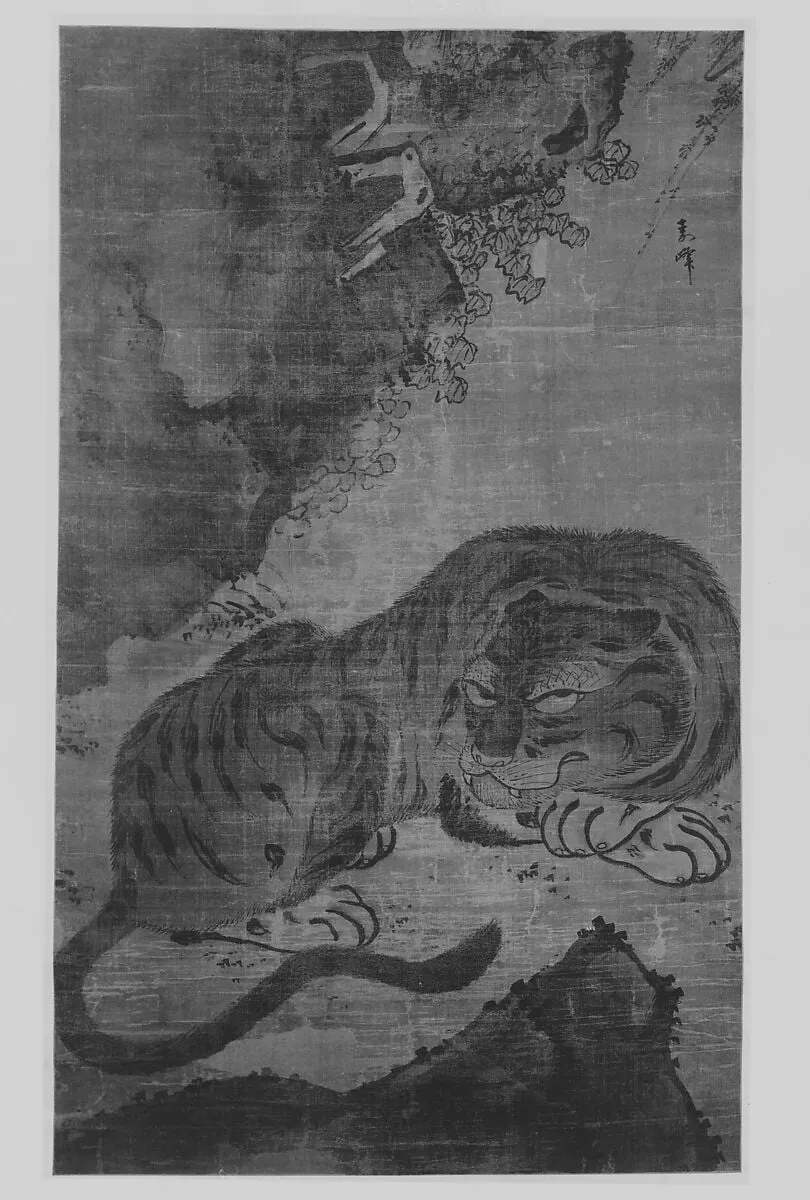
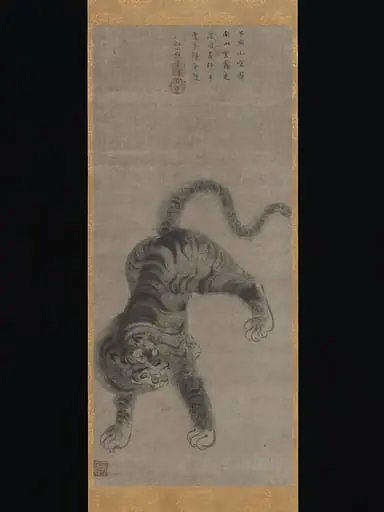
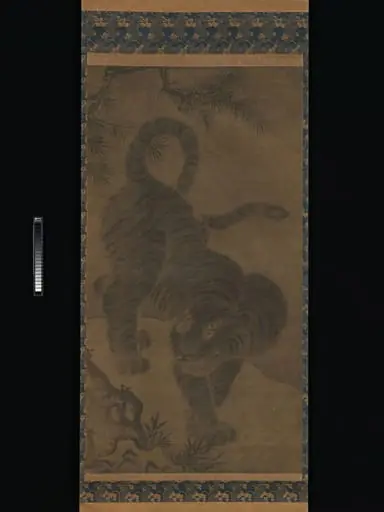
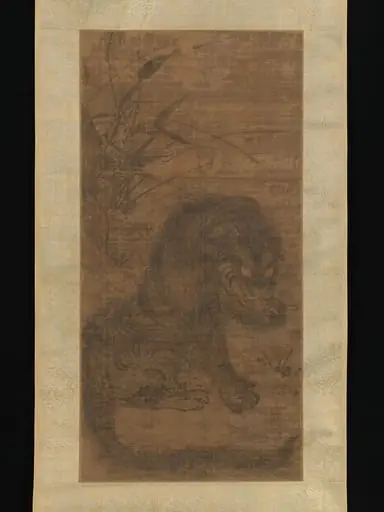
Untitled is an ink painting. It dates from 1506 and is held in the collection of the Metropolitan Museum of Art. The hanging scroll, executed in ink and color on silk, portrays a tiger perched on a rocky outcrop.
About this work
Subject & Meaning
As the sole subject identified in the surviving records, the tiger serves as the central iconographic element of the composition.
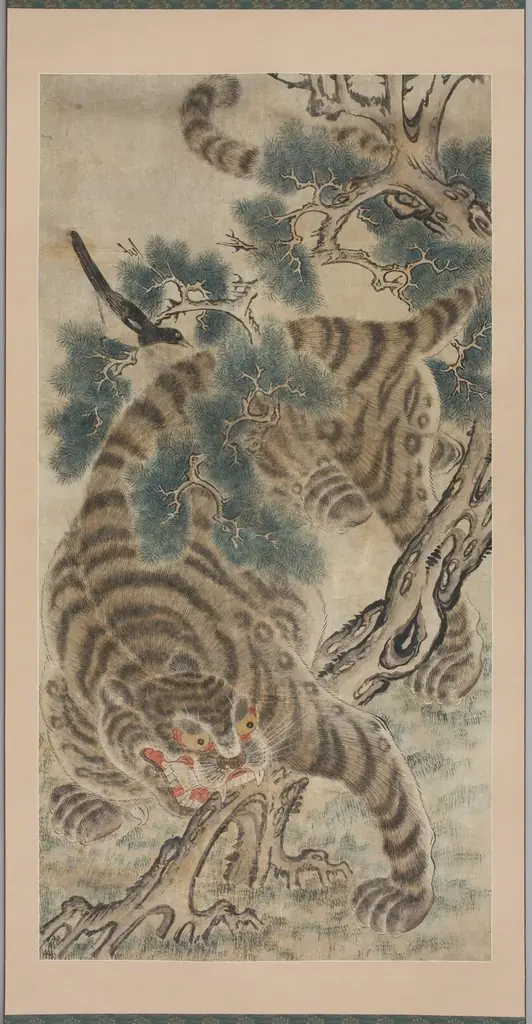
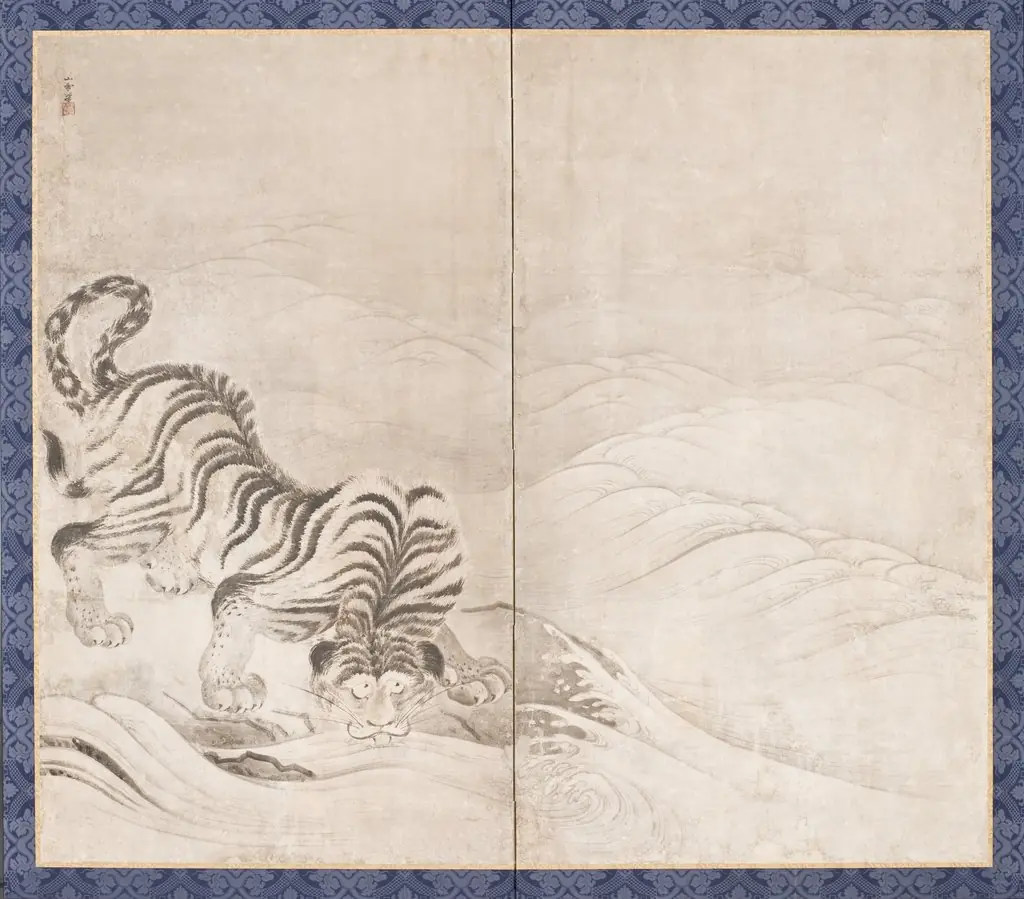
Created in 1506 by an anonymous artist, this hanging scroll depicts a tiger within a landscape setting. The work is classified as a landscape painting that utilizes ink and color on silk to render the animal. As the sole subject identified in the surviving records, the tiger serves as the central iconographic element of the composition. The piece represents a traditional Chinese approach to animal imagery within a landscape genre.
Technique & Style
Created in 1506, this anonymous Chinese landscape painting depicts a tiger rendered in ink and color on silk. The work is formatted as a hanging scroll, a traditional mounting style for East Asian paintings. Measuring 154.3 cm in height and 91.4 cm in width, the piece utilizes a vertical composition suited to its format.
The application of pigments alongside ink suggests a polychrome approach to the subject matter within the landscape genre.
History & Provenance
The work entered the collection of the Metropolitan Museum of Art as accession 13.220.92 in 1913 through a gift of an anonymous donor, with no documented prior provenance before the twentieth century. The museum records associate the painting with an anonymous Chinese hand and date its execution to 1506. Technical examination places the work within the Ming dynasty, consistent with the recorded medium of a hanging scroll in ink and color on silk measuring 154.3 cm by 91.4 cm. The painting depicts a tiger and is classified as a landscape within the museum’s holdings.
Legacy
Untitled, painted circa 1506 on a hanging silk scroll, is recorded as a landscape work that portrays a tiger.
The painting entered the Metropolitan Museum of Art collection and is catalogued under accession number 13.220.92. Its dimensions of 154.3 cm by 91.4 cm and Chinese provenance underscore its early Ming‑era execution.
Within the museum’s holdings the work is cited as an exemplar of tiger imagery in Chinese art, frequently referenced in scholarship on the animal’s symbolic role. The painting’s status as an anonymous yet technically accomplished piece contributes to ongoing research on anonymous court painters of the period.
Overview
The hanging scroll, executed in ink and color on silk, portrays a tiger perched on a rocky outcrop. The animal’s tail is poised, its gaze directed outward beyond the picture plane, suggesting a moment of alert stillness captured in bold brushwork.
Context
During the period when such scrolls were popular, scholars often displayed animal studies as objects of study and moral reflection. The tiger, a recurring motif, served both as a symbol of power and as a subject for practicing brush techniques.
Artist & collection