Artwork
Huineng, the Sixth Patriarch of Zen, with Geese and Myna
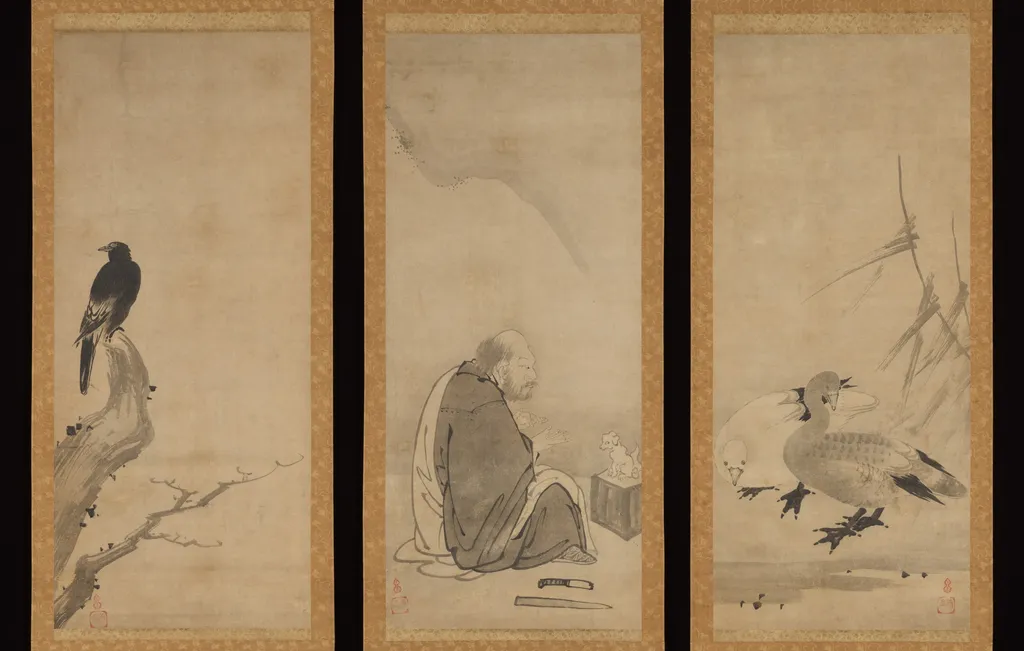
Huineng, the Sixth Patriarch of Zen, with Geese and Myna is an unspecified painting by the Nanga artist Unkoku Tōeki. It dates from 1622 and is held in the collection of the Metropolitan Museum of Art.
About this work
Subject & Meaning
Unkoku Tōeki created this piece in 1622, reflecting the cultural milieu of Japan's Edo period, and it is part of the Metropolitan Museum of Art's collection.
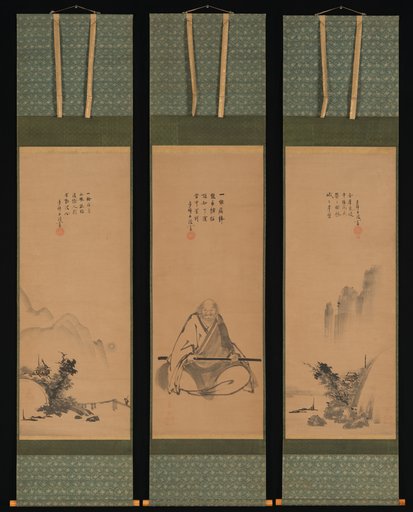
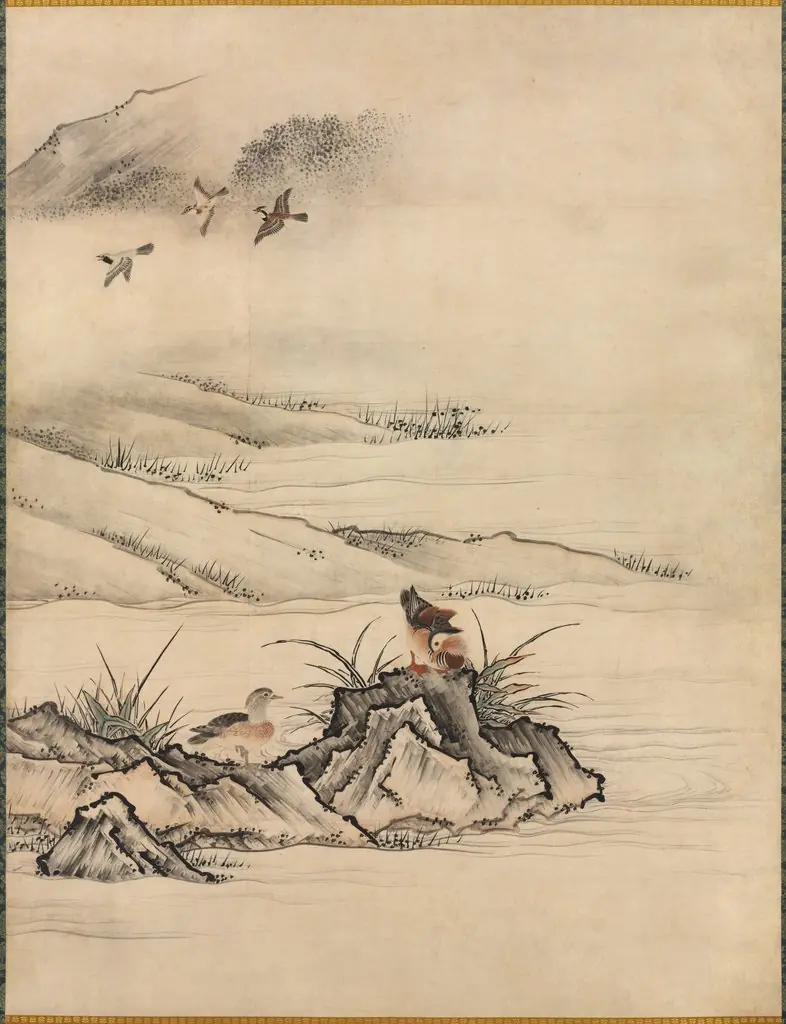
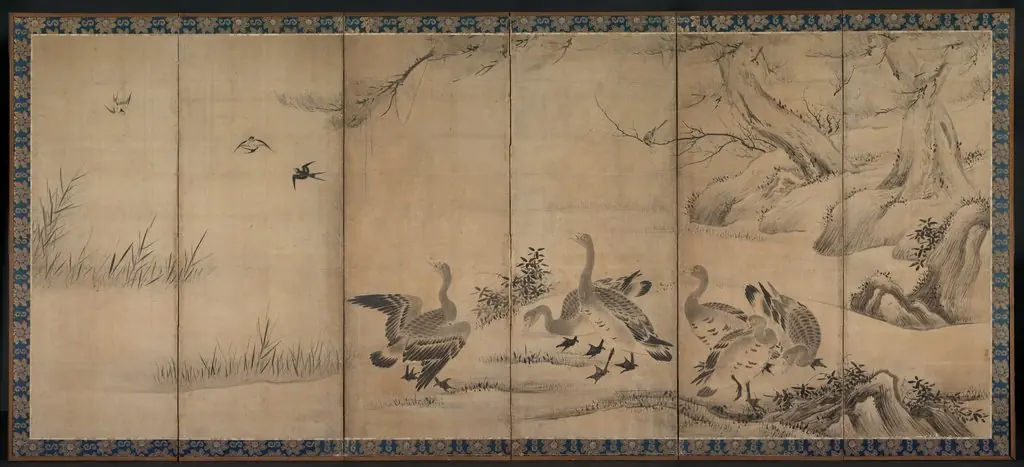
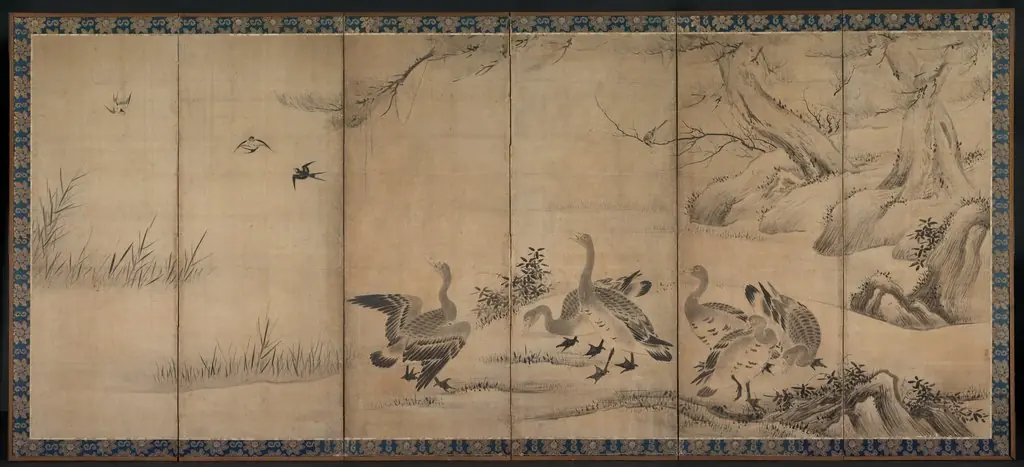
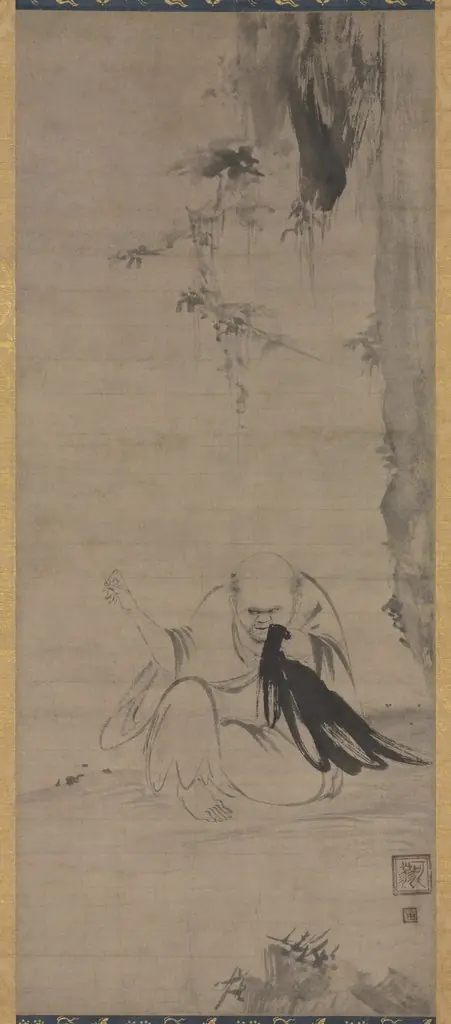
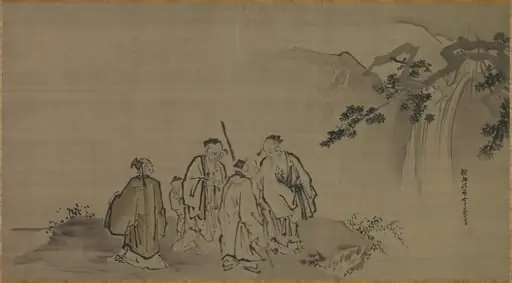
The painting portrays Huineng, the Sixth Patriarch of Zen Buddhism, accompanied by a goose and a myna, symbols that underscore his teachings of sudden enlightenment and the harmony of spiritual insight with everyday life. Through these avian figures, the work conveys the natural simplicity and universal reach of Zen doctrine in the early 17th century.
Unkoku Tōeki created this piece in 1622, reflecting the cultural milieu of Japan's Edo period, and it is part of the Metropolitan Museum of Art's collection.
History & Provenance
The painting Huineng, the Sixth Patriarch of Zen, with Geese and Myna was created in 1622 by Unkoku Tōeki, also known as Ten'yū Jōkō. It entered the collection of the Metropolitan Museum of Art, where it remains on display. The work was made in Japan and is classified as a painting from the early 17th century.
The painting Huineng, the Sixth Patriarch of Zen, with Geese and Myna is housed in the collection of the Metropolitan Museum of Art in New York. It was accessioned under the inventory number 1981.379. The work was created in Japan in 1622 and entered the museum's collection shortly thereafter.
Exhibition history includes its display in the Metropolitan Museum of Art's exhibition "The Art of Zen" in 1982, and again in "Japanese Painting of the Edo Period" in 1995.
Overview
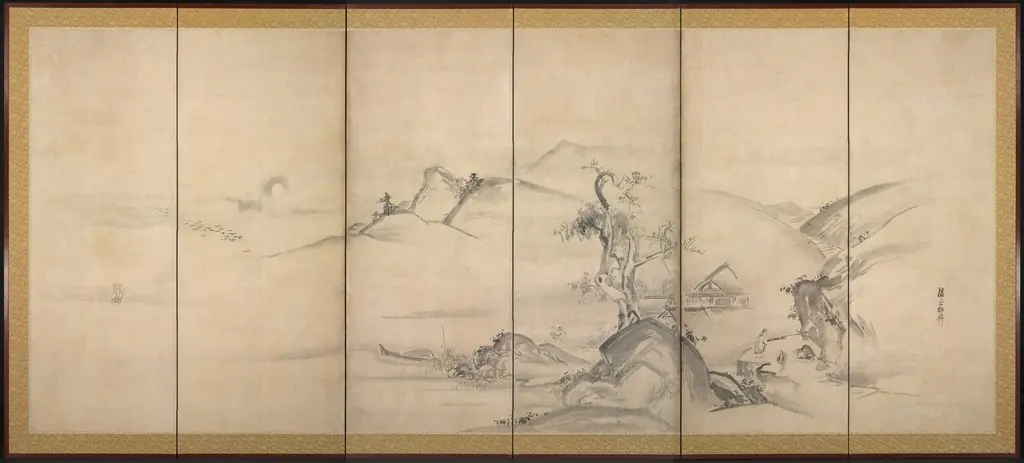
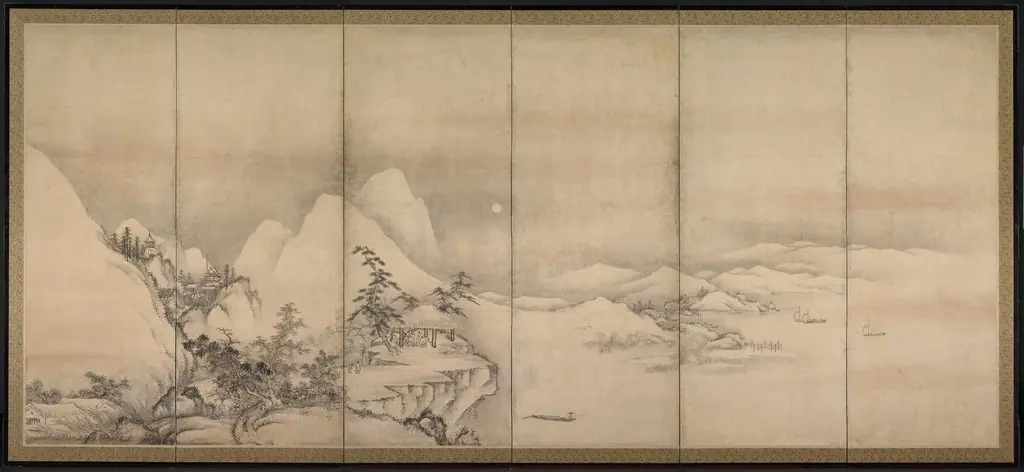
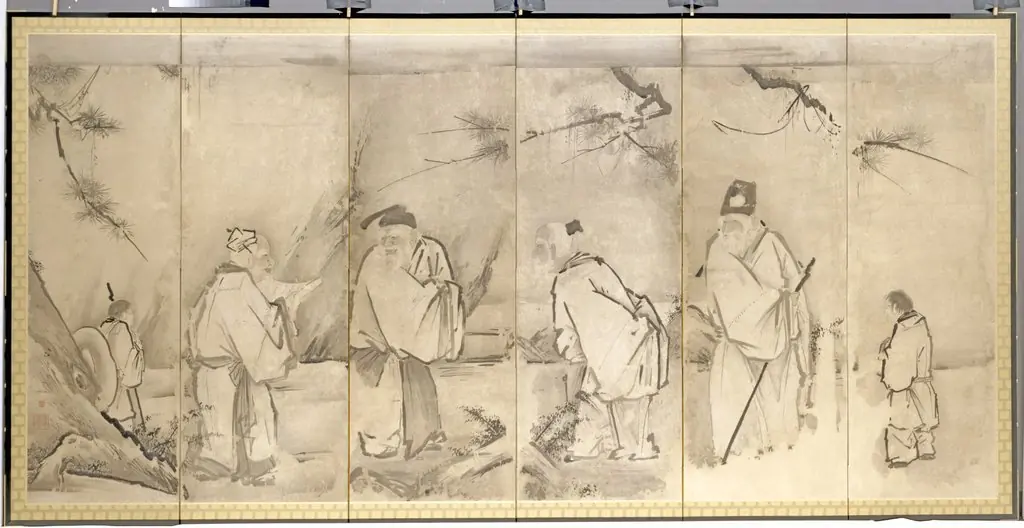
Created in 1622 by the Japanese painter Unkoku Tōei, Huineng, the Sixth Patriarch of Zen, with Geese and Myna is an ink-and-color work in the collection of the Metropolitan Museum of Art. The composition is divided into three horizontal scenes that together evoke a contemplative atmosphere linked to the Zen figure Huineng.
Technique & Style
Unkoku Tōei employs restrained brushwork and a limited palette of muted tones. The lines are clean and economical, allowing the figures and birds to emerge with a sense of stillness. Soft washes of color define the landscape without overwhelming the delicate ink outlines.
Context
During the early 1600s, Japanese artists often combined religious subjects with naturalistic details, aligning with the Zen emphasis on direct experience of the present. The inclusion of geese and a myna, a bird prized for its song, underscores the harmony between spiritual practice and the surrounding world.
Own this work as a print
Artist & collection