Subject
Duck
Duck is a subject in art. The gallery holds 96 works in this subject in art, including works by William Sidney Mount, Lodewijk Tieling and Nicolaes Maes.
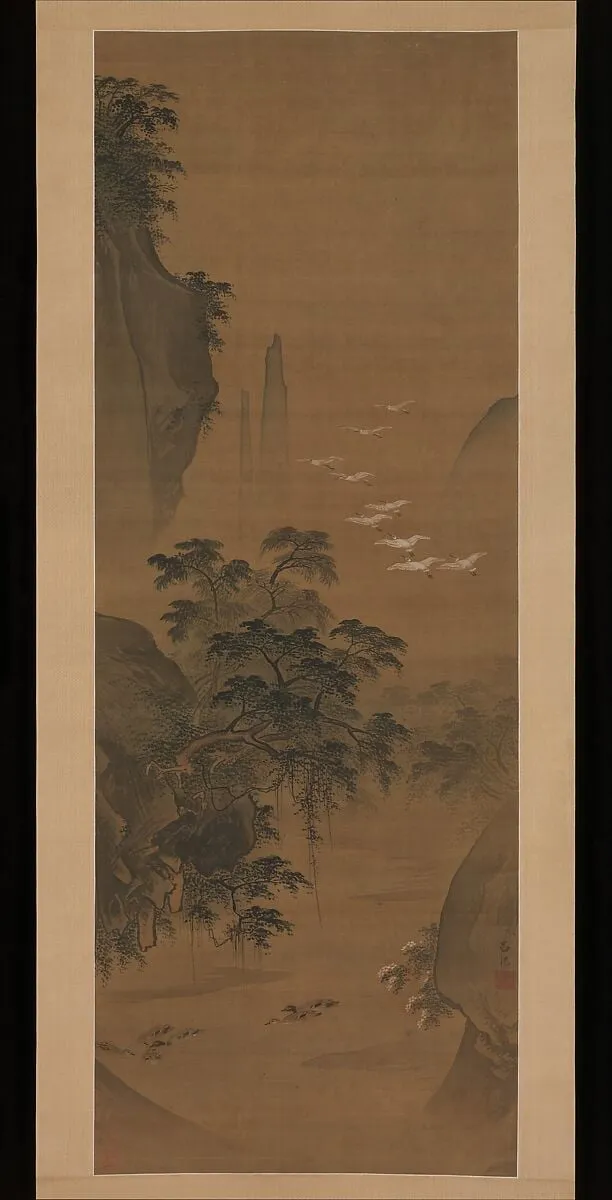
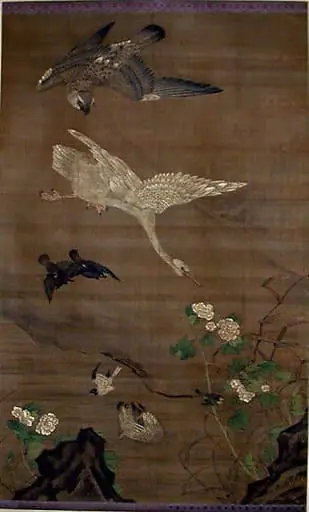
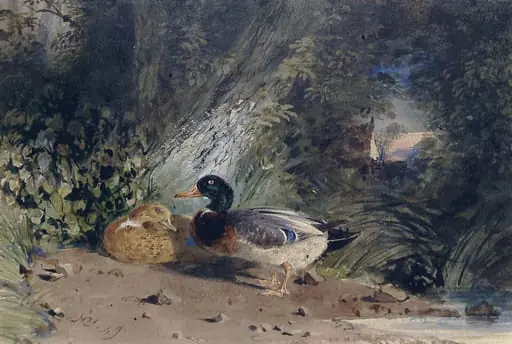
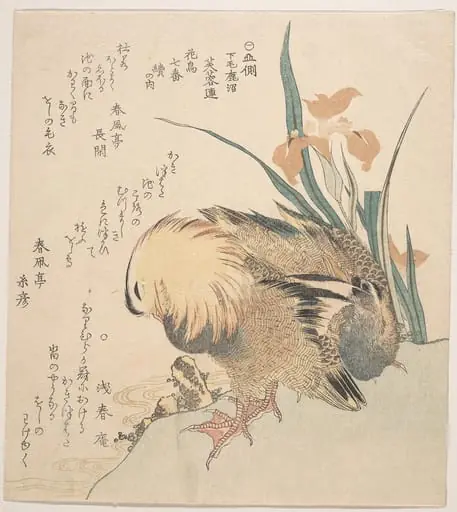
Few birds carry as much symbolic and decorative weight in art as the duck, whose painted history runs deepest in East Asia. In the Chinese bird-and-flower (huaniao) tradition, which emerged in the Tang dynasty (618–907) and reached maturity in the Song, the mandarin duck (yuanyang) became the supreme emblem of conjugal devotion. Because the species was believed to mate for life, a pair in the foreground of a painting signified a happy marriage, while the surrounding plants formed rebuses—visual puns—amplifying the wish. The genre's greatest exponent of waterfowl was Lü Ji (active c. 1475–1503), a native of Ningbo who became the most revered bird-and-flower painter at the court of the Ming Hongzhi emperor, working in the lingering Southern Song ink-wash manner. Surviving silk hanging scrolls such as his *Mandarin Ducks and Cotton Rose Hibiscus* and the *Autumn Landscape with Egrets and Ducks* held in this collection exemplify his blend of naturalist precision and auspicious meaning.
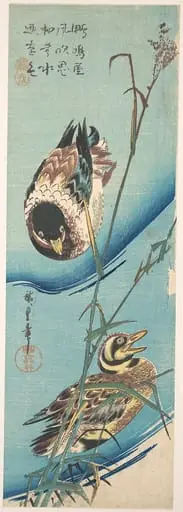
The motif travelled to Japan, where the mandarin duck (oshidori) likewise stood for marital harmony—captured in the still-current phrase oshidori fufu, a devoted couple. In the nineteenth century the kacho-e (bird-and-flower print) became immensely popular through Utagawa Hiroshige (1797–1858), whose woodblock images of ducks huddled in snow are masterpieces of compressed observation; Hokusai, Ohara Koson and Kawase Hasui worked the same winter theme.
In the West, ducks entered painting chiefly through the Dutch seventeenth-century game piece. Jan Weenix (1640–1719), following his father Jan Baptist Weenix, perfected the elaborate hunting still life, arraying dead waterfowl, hares and hunting gear before formal gardens. Each feather is rendered with meticulous precision, the lavish display advertising aristocratic status while echoing vanitas reflections on mortality.
A distinctly American chapter followed in the carved decoy. Devised by hunters to lure birds within range, decoys became collected as folk sculpture after Joel Barber's pioneering *Wild Fowl Decoys* (1934); carvers such as Elmer Crowell (1862–1952) elevated the craft to fine art, now anchored by the Shelburne Museum's collection of some 1,400 examples. From courtly silk scrolls to whittled cedar, the duck endures as a vehicle for both naturalism and meaning.
Key artists

Works
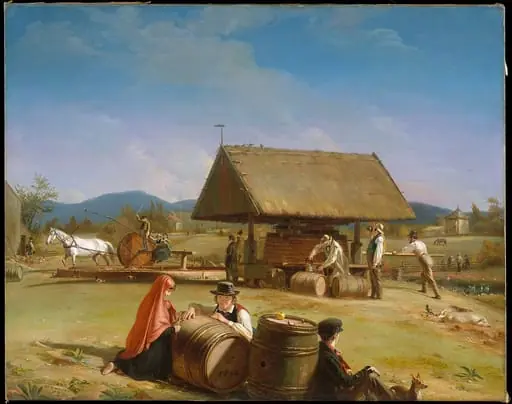 Cider Making
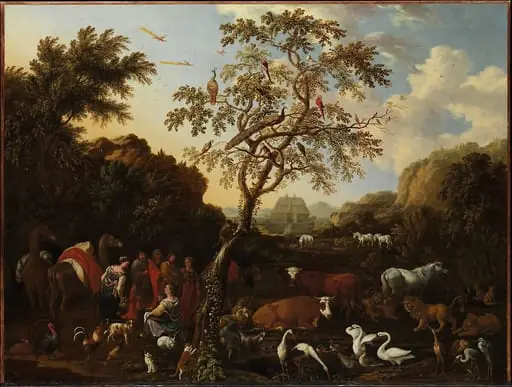 The Ark
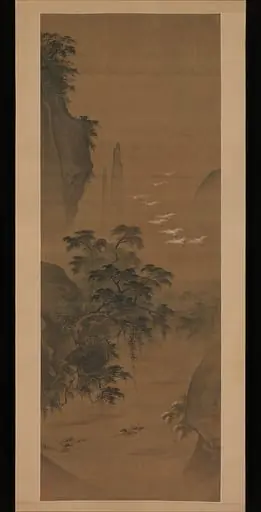 明 呂紀 秋景花鳥圖 軸|Autumn landscape with egrets and ducks
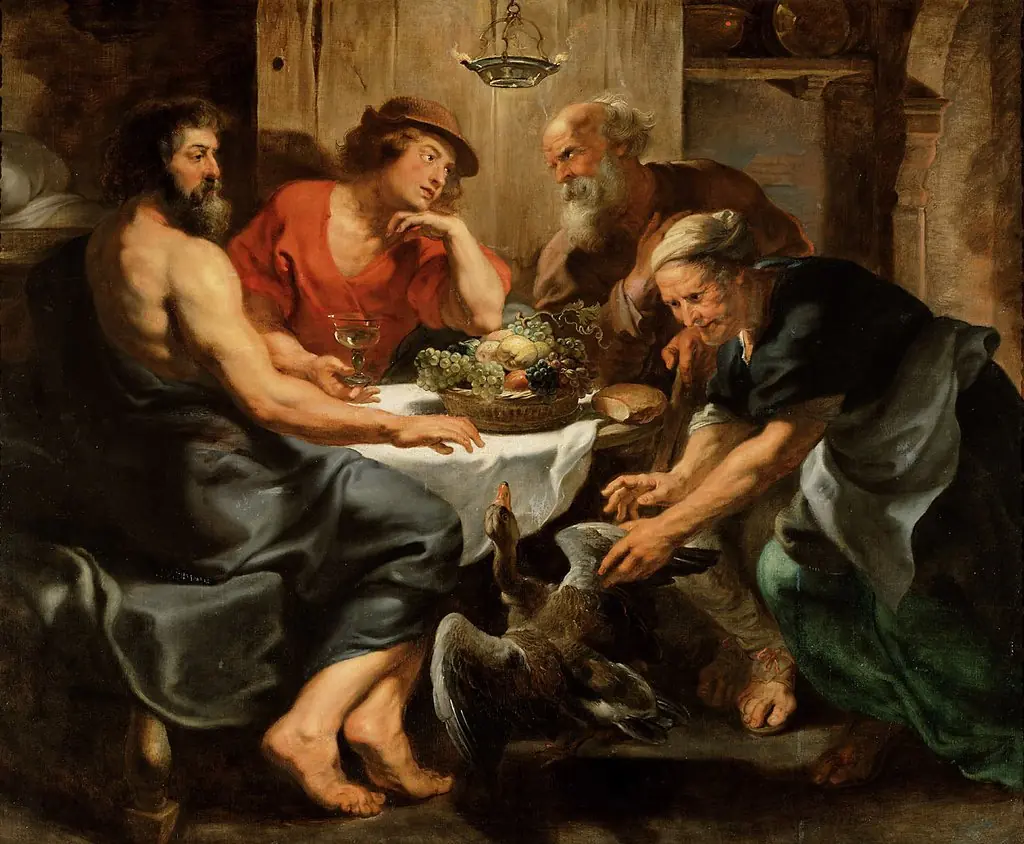 Jupiter and Mercury at Philemon and Baucis
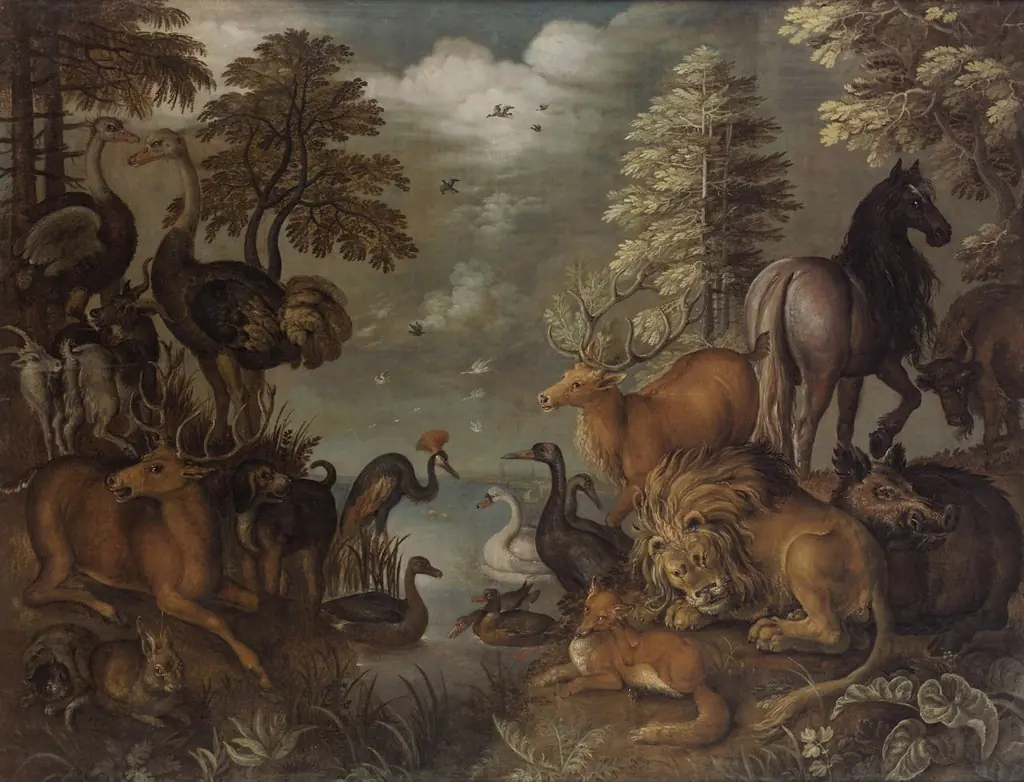 Große Landschaft mit Tieren
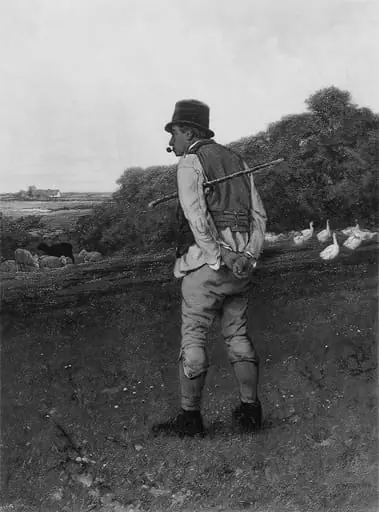 On the Old Sod
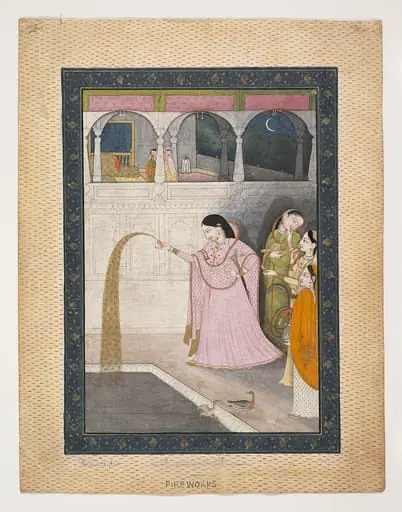 Untitled
 Untitled
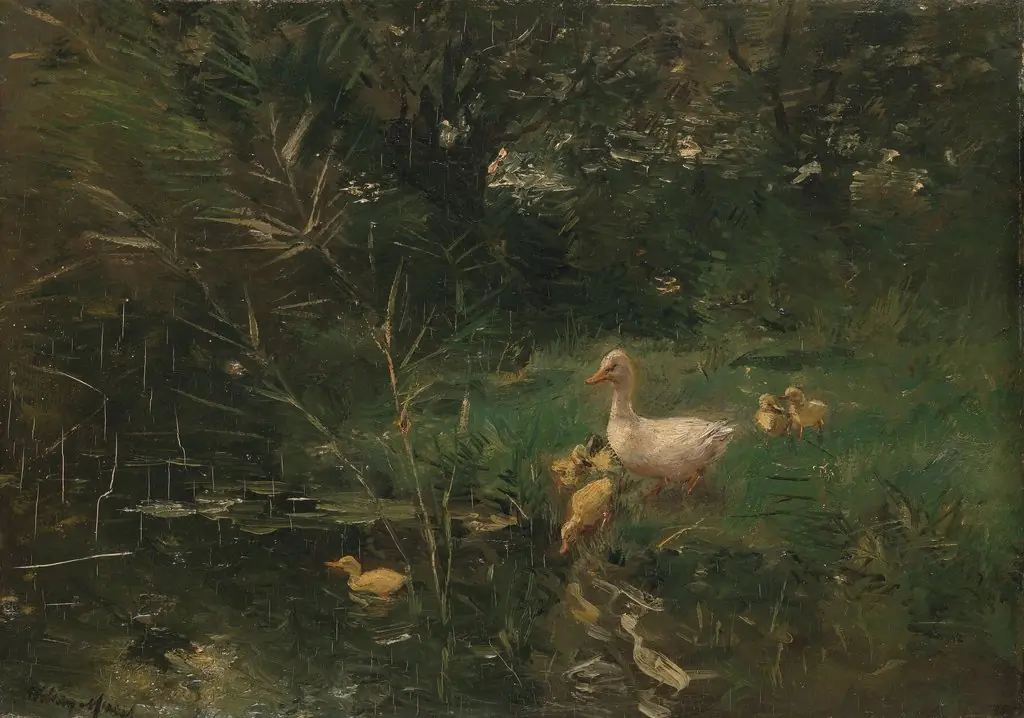 Eendjes
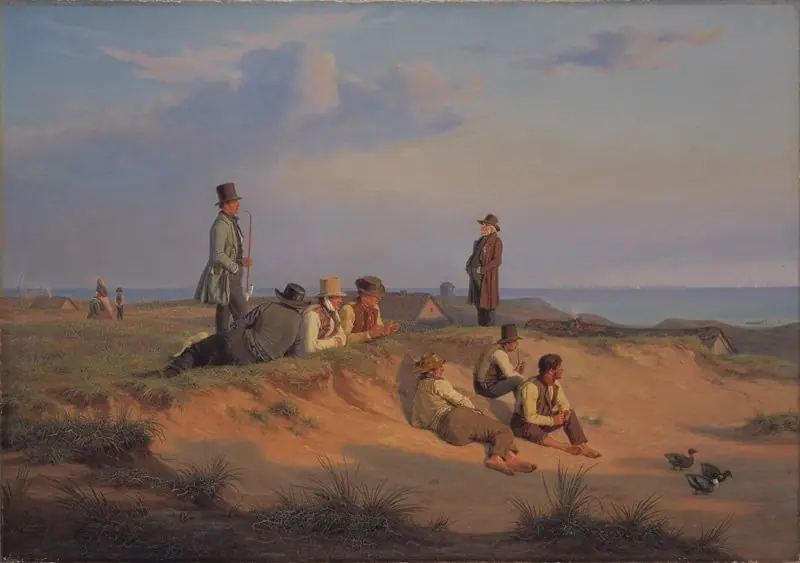 Men of Skagen on a Summer Evening in Fair Weather
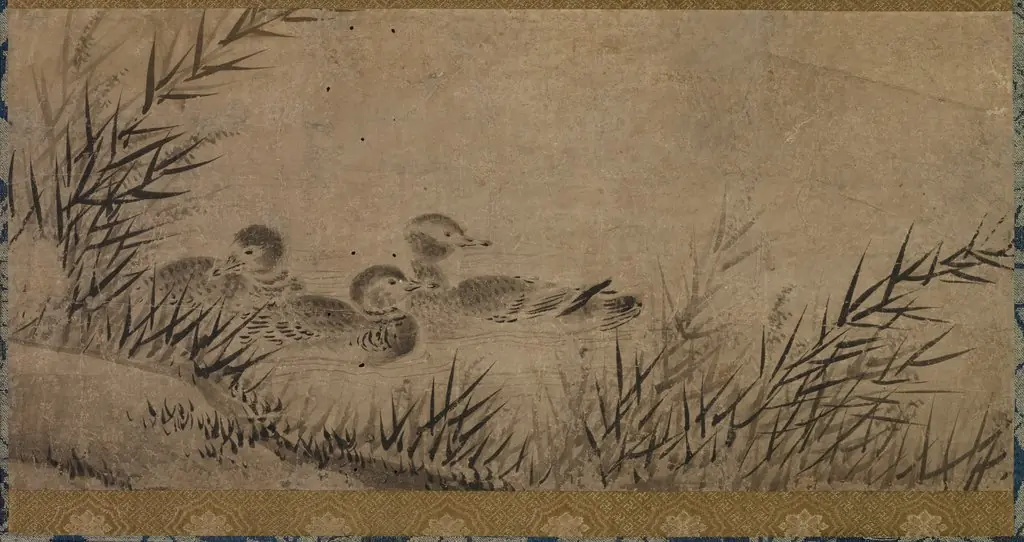 Ducks and Reeds
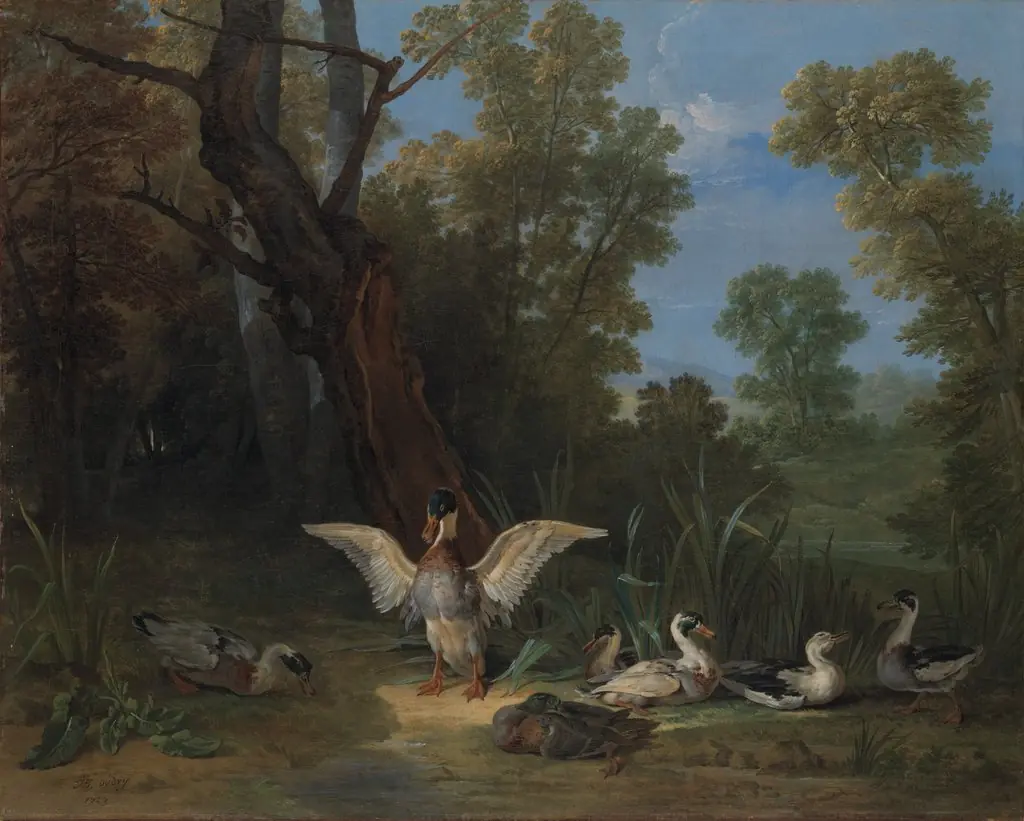 Ducks Resting in Sunshine
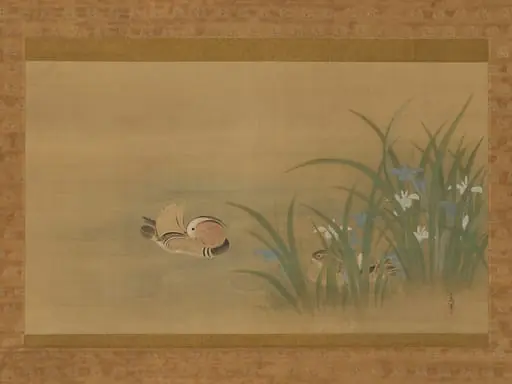 狩野常信筆 燕子花に鴛鴦図|Mandarin Ducks and Iris
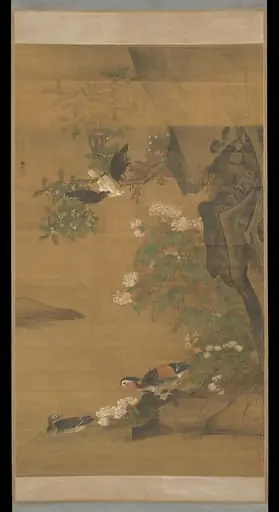 明 呂紀 鴛鴦芙蓉圖 軸|Mandarin ducks and cotton rose hibiscus
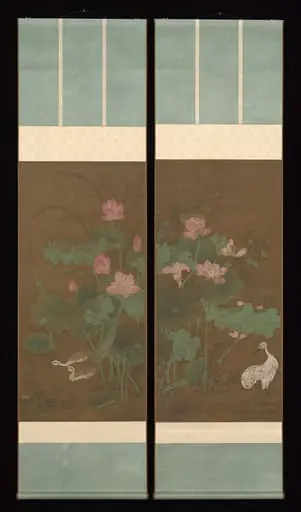 元 佚名 蓮花圖 對軸|Lotus and waterbirds
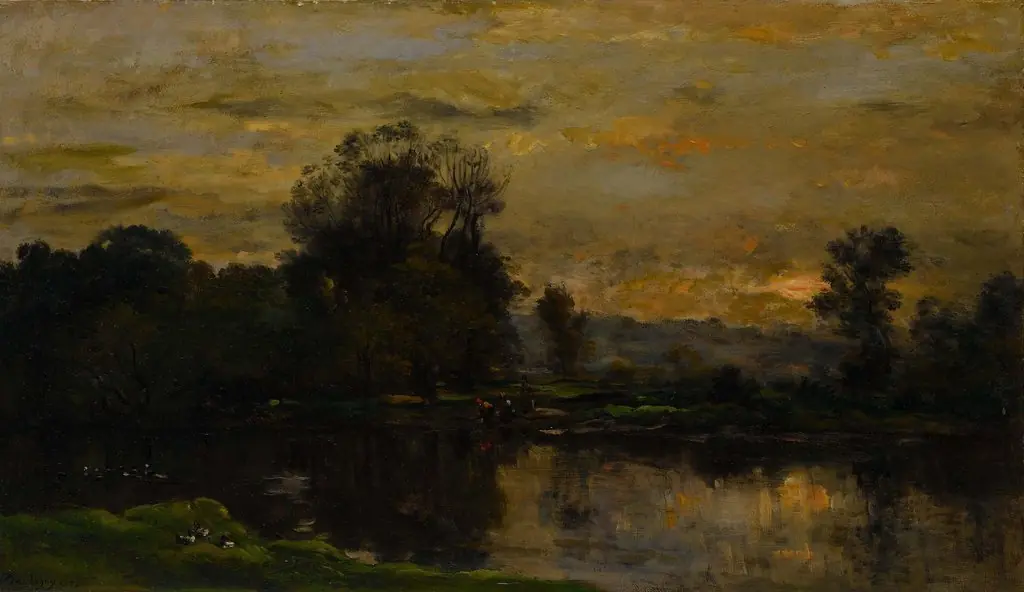 Landscape with Ducks
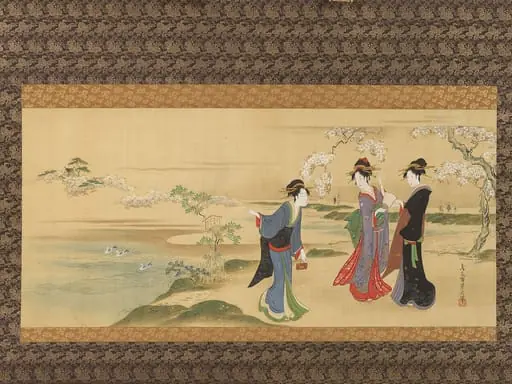 Untitled
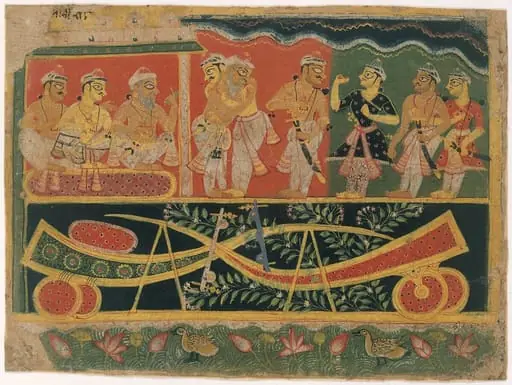 Untitled
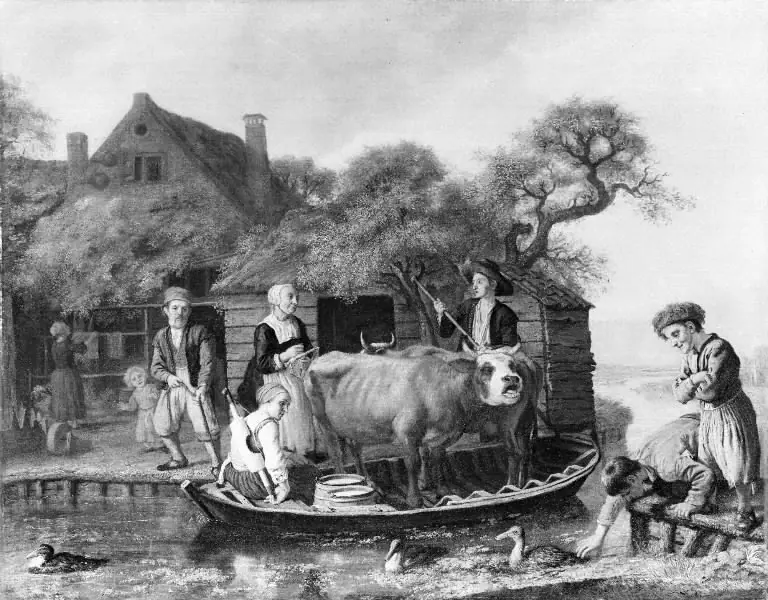 Scene outside a Dutch Farm
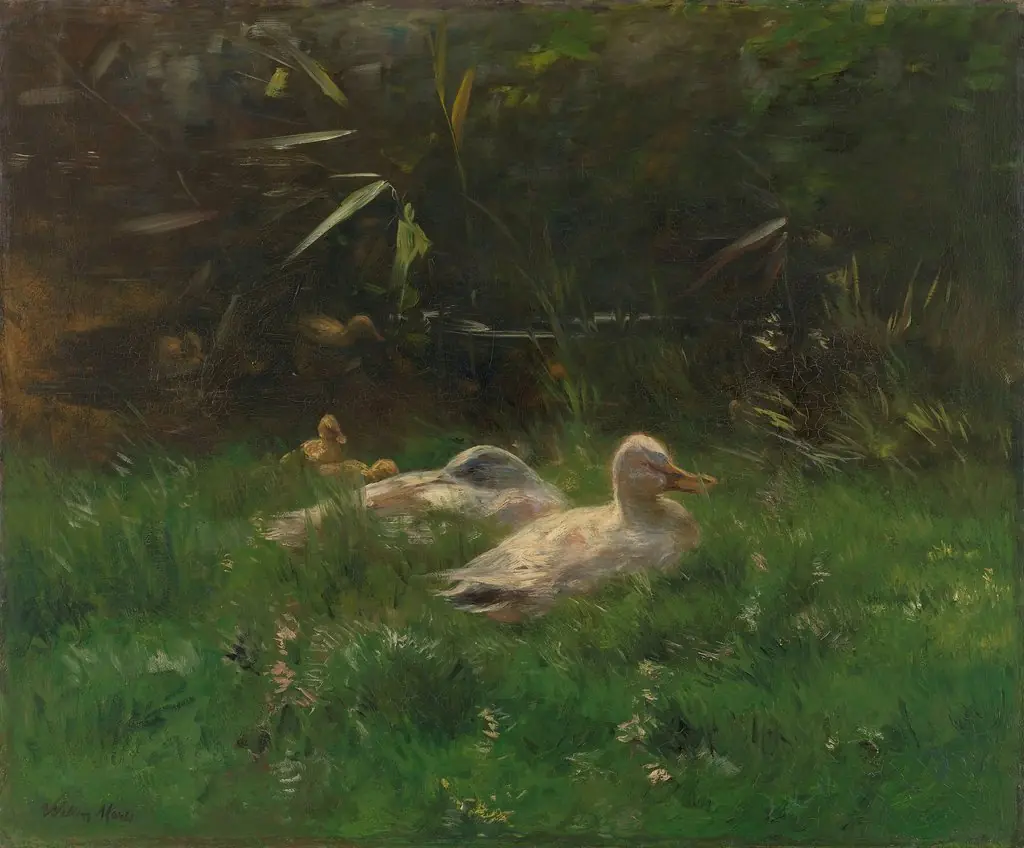 Ducks
Ducks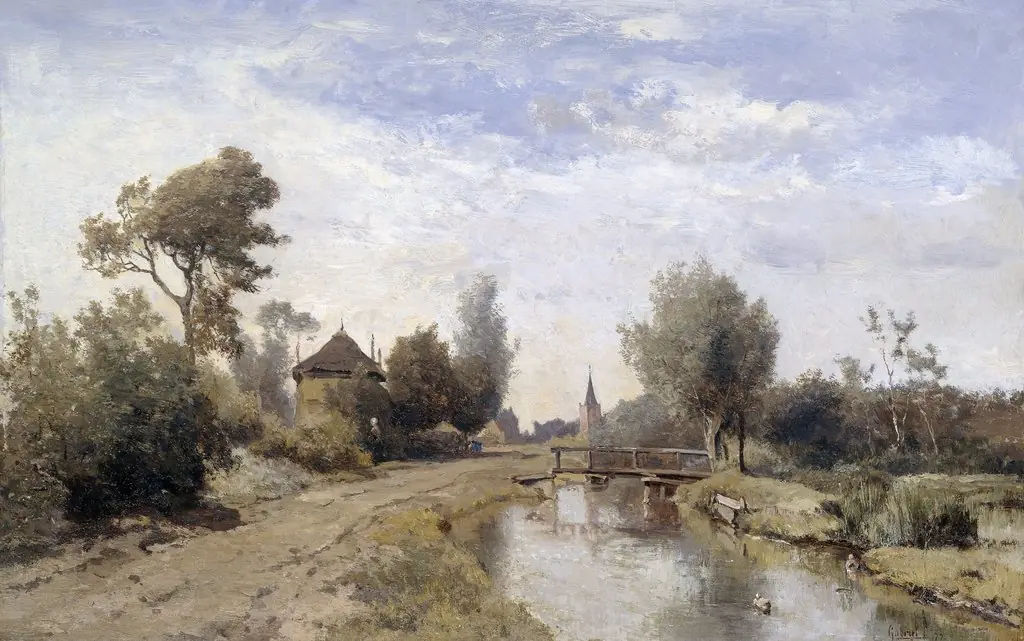 Landscape at Kortenhoef
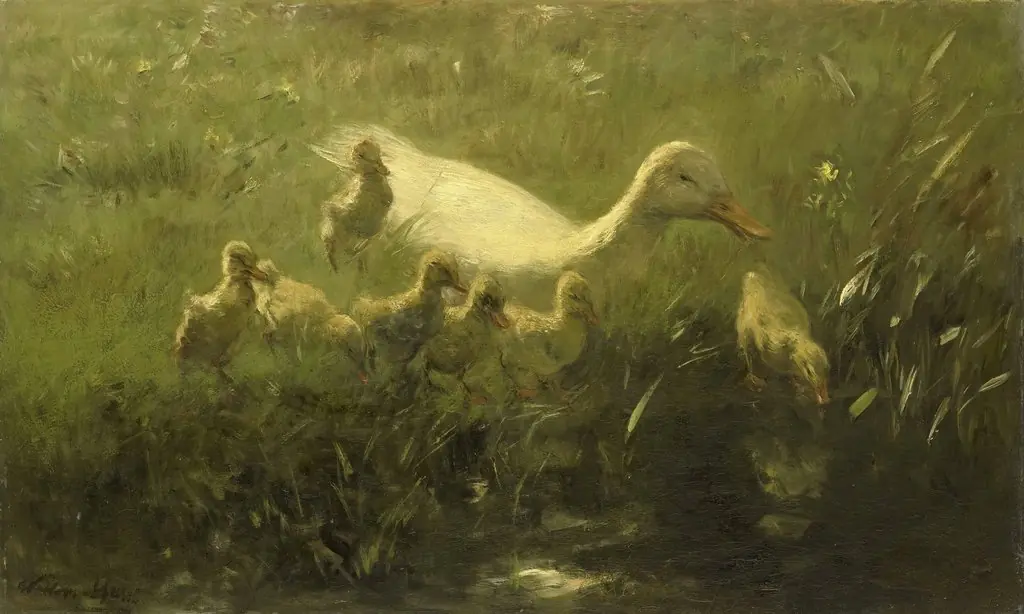 Witte eend met kiekens
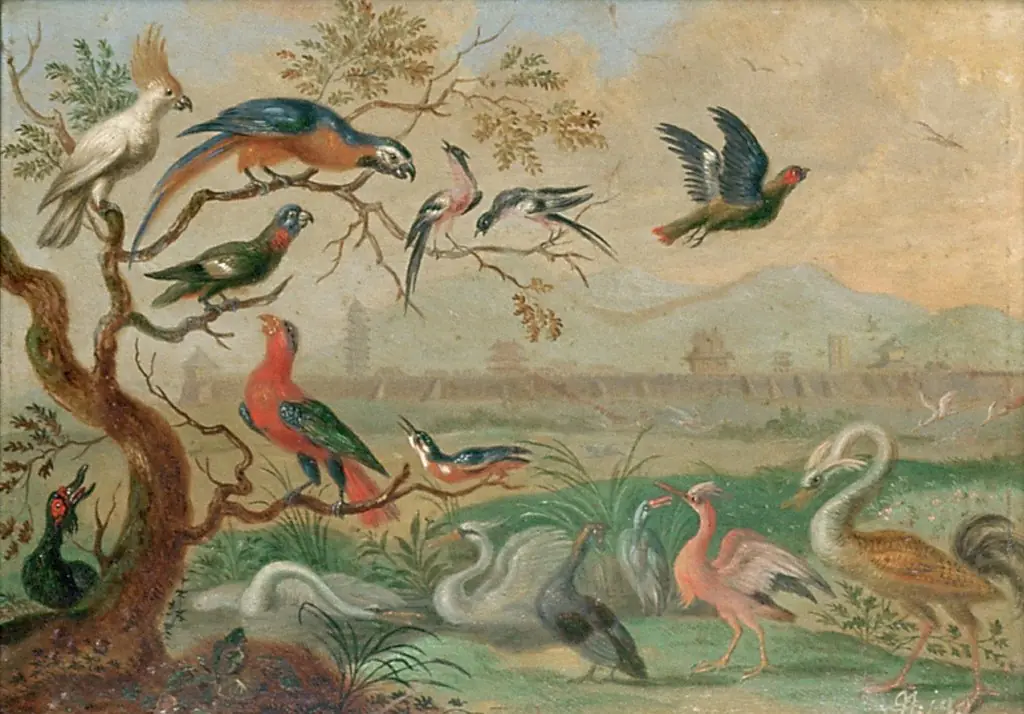 Ansichten aus den vier Weltteilen mit Szenen von Tieren: Peking
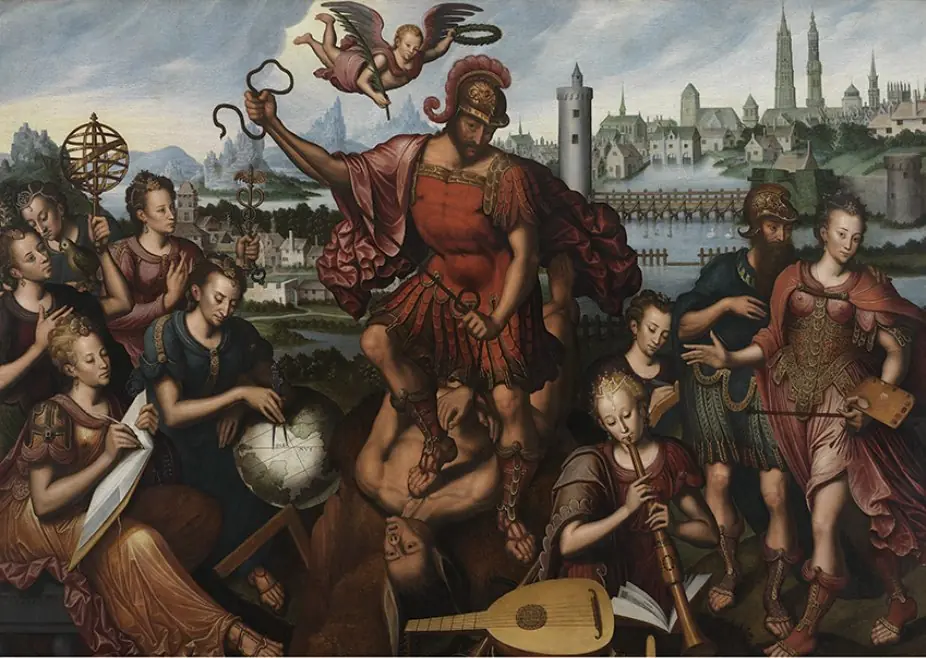 Mars, surrounded by the Arts and Sciences, conquers Ignorance
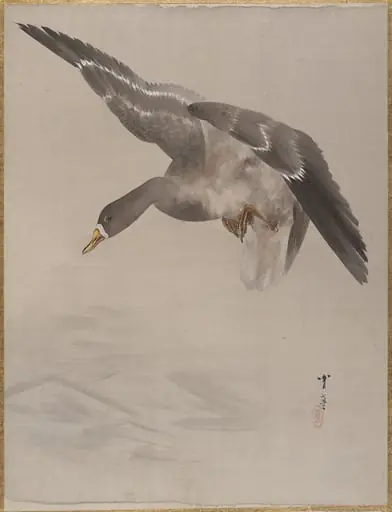 Untitled
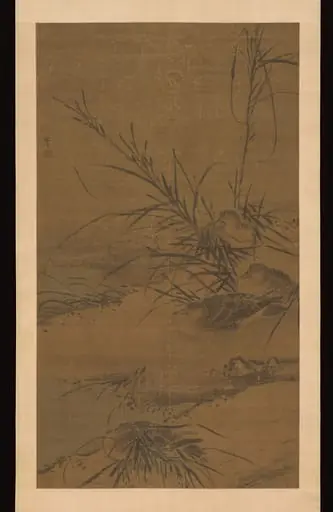 明 倣林良 蘆鴨圖 軸|Ducks and Reeds
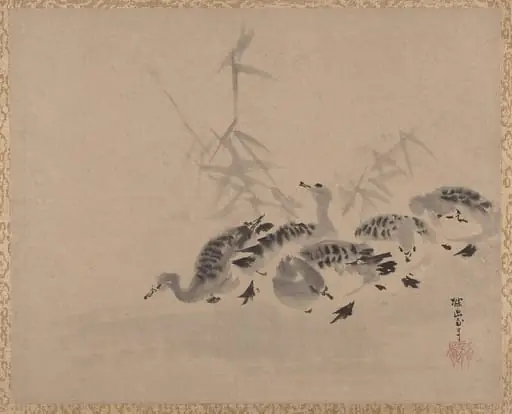 Untitled
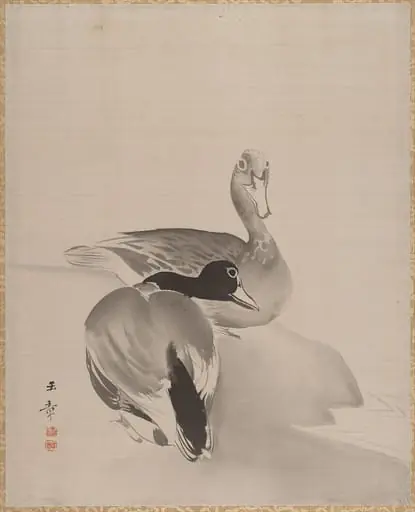 Untitled
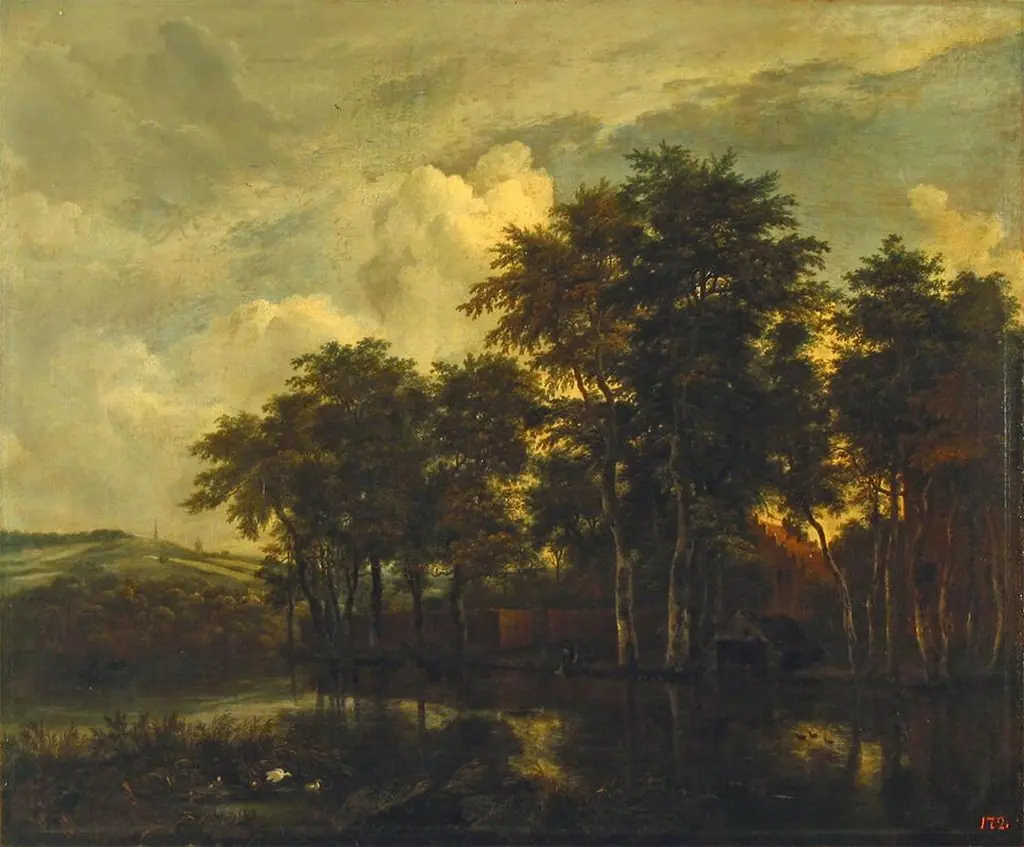 Farm
Farm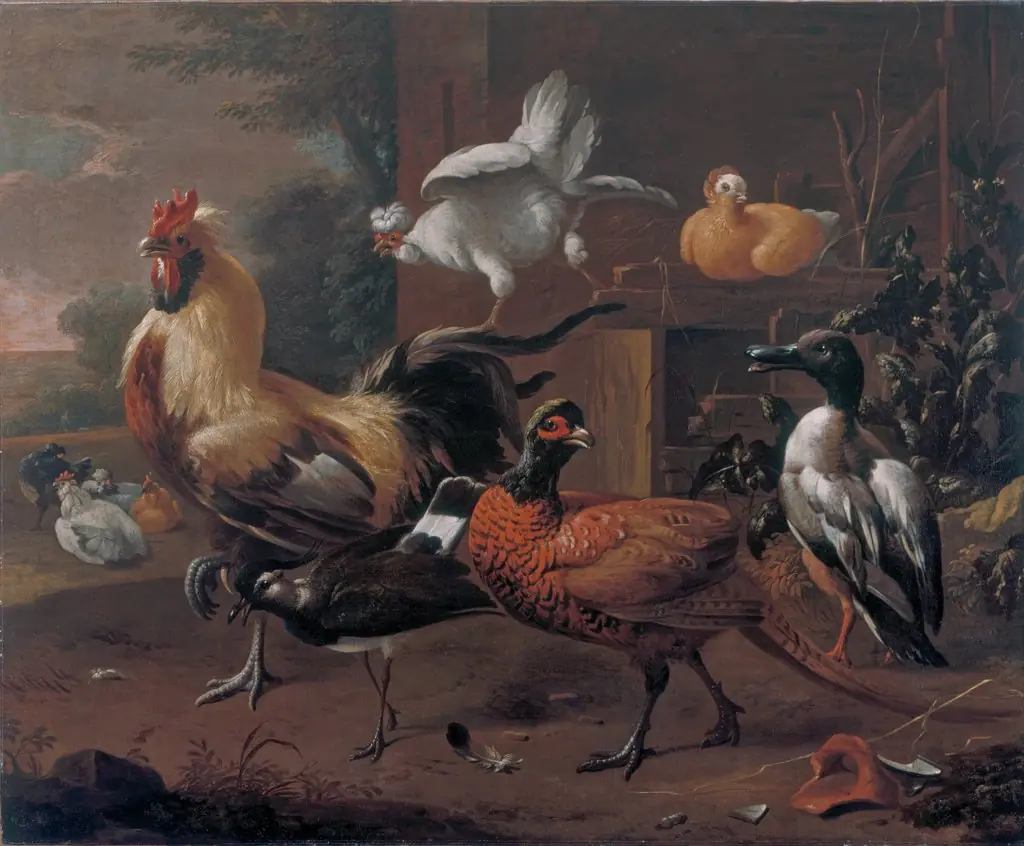 Poultry-yard
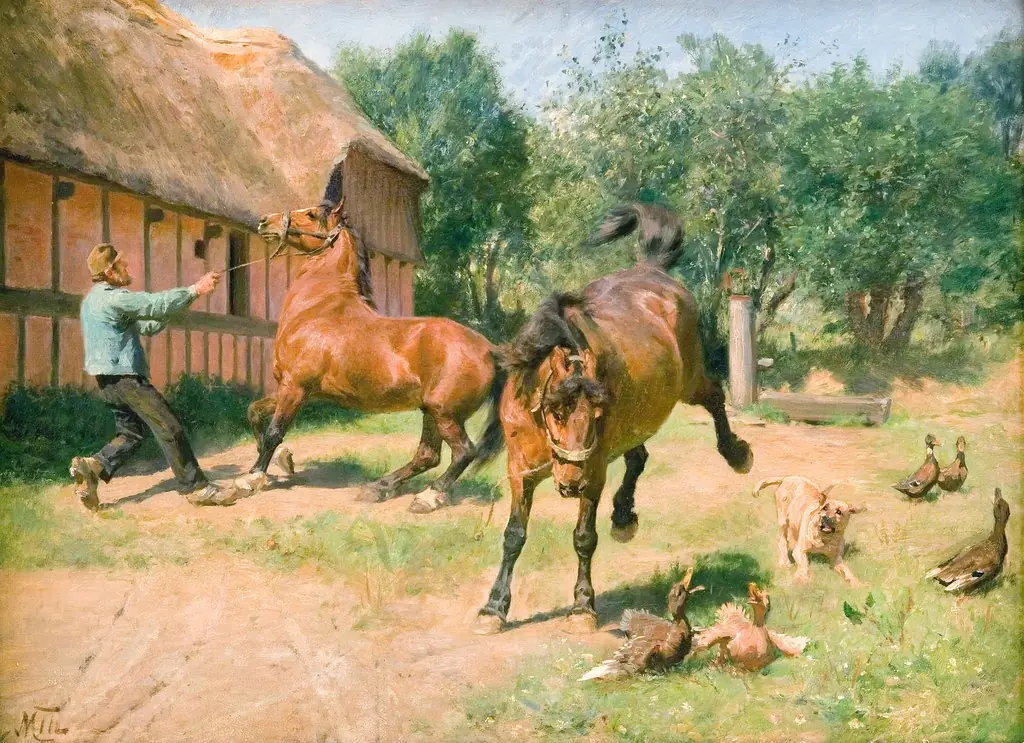 Kåde heste
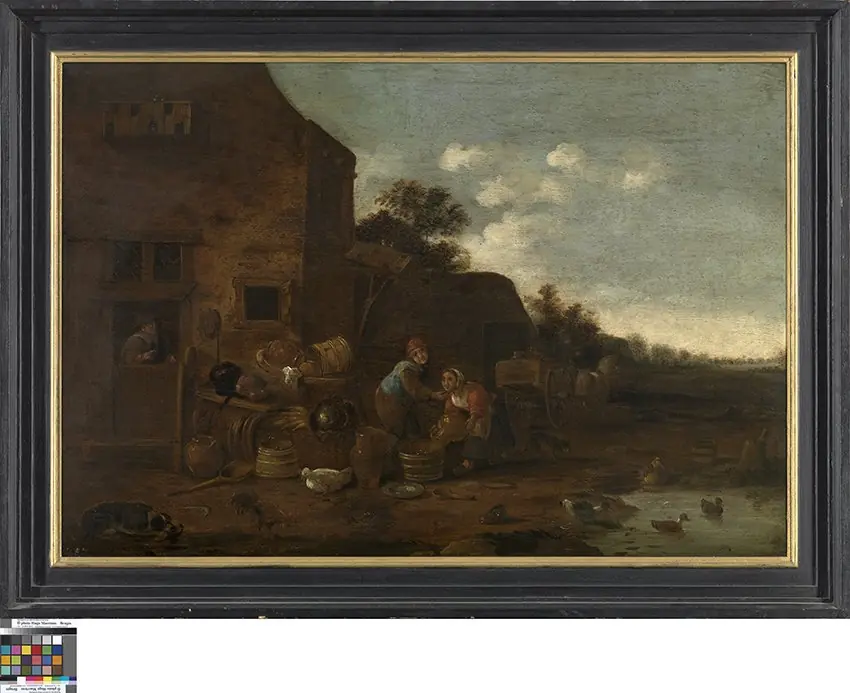 Boerenerf
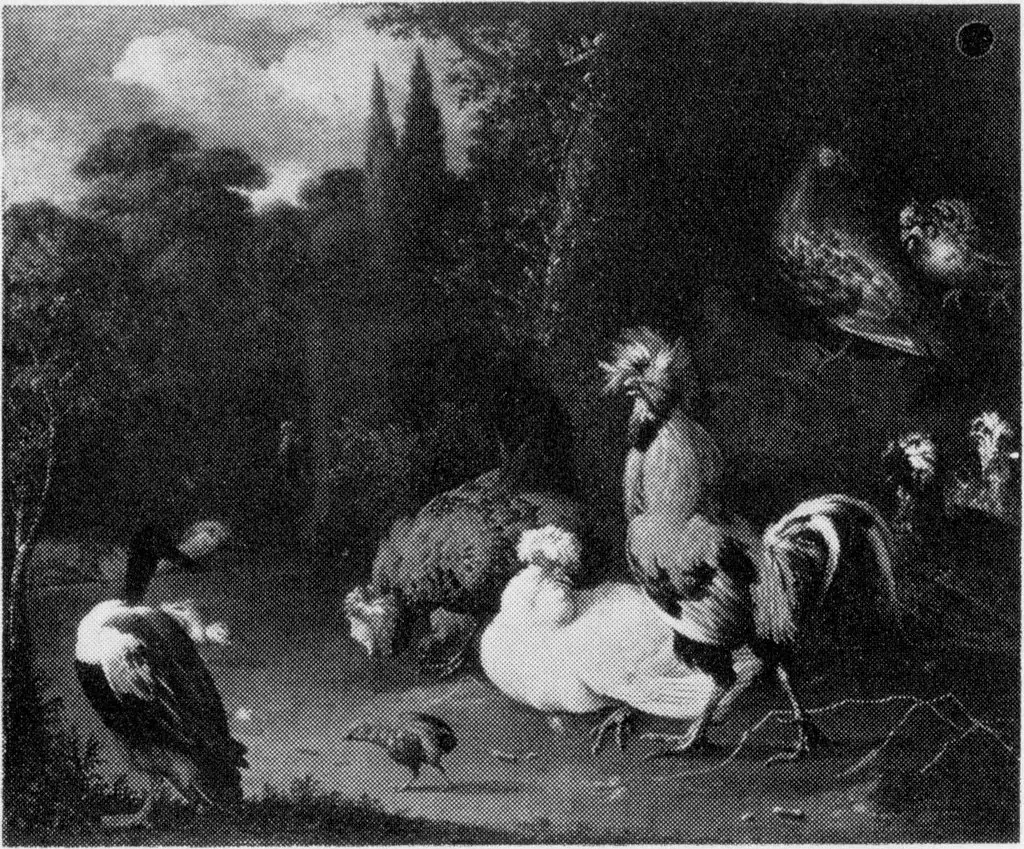 Poultry and ducks in a park
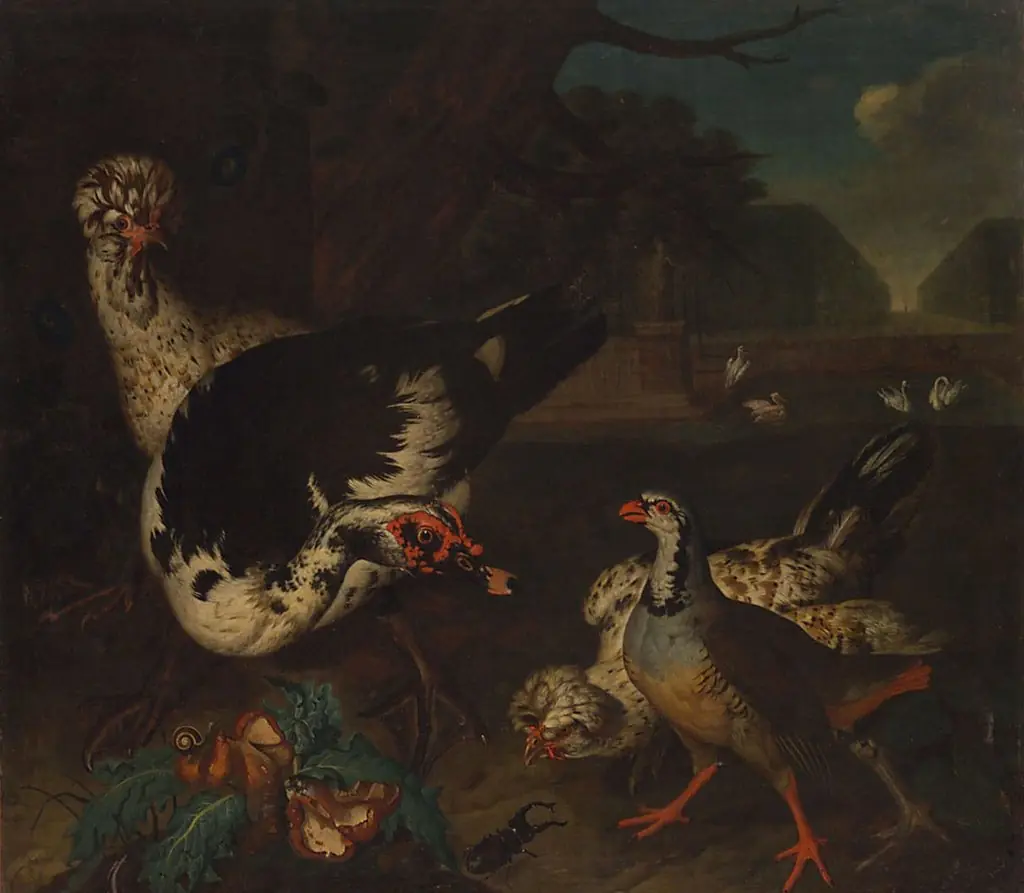 Parklandschaft mit Geflügel
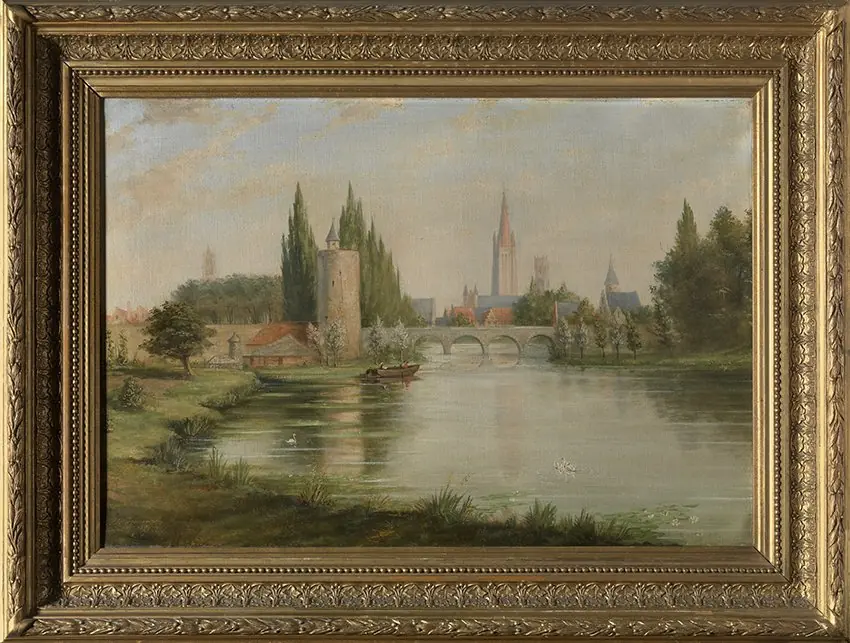 Het Minnewater met zicht op Brugge
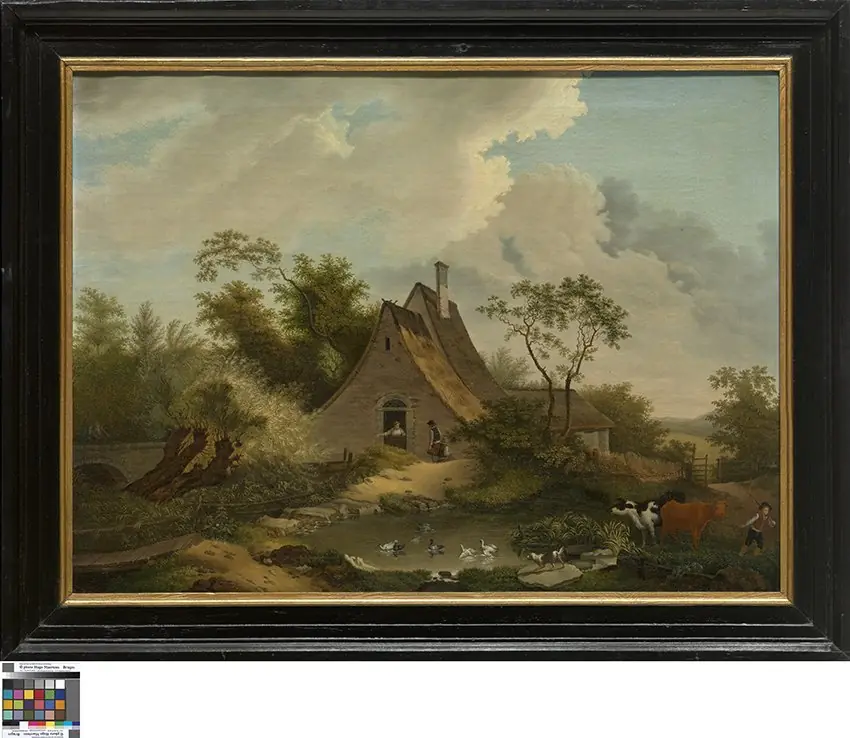 Landschap met hoeve
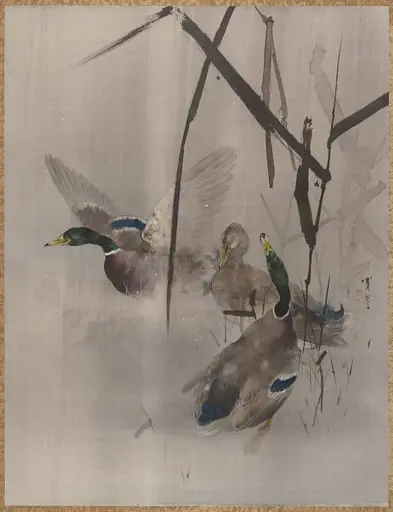 Untitled
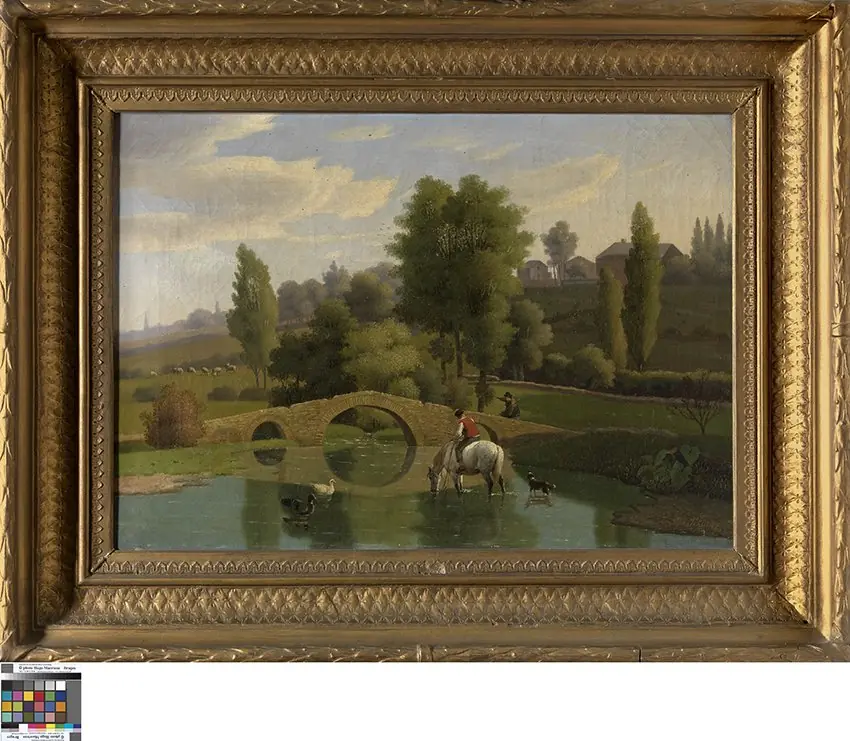 Landschap met brug
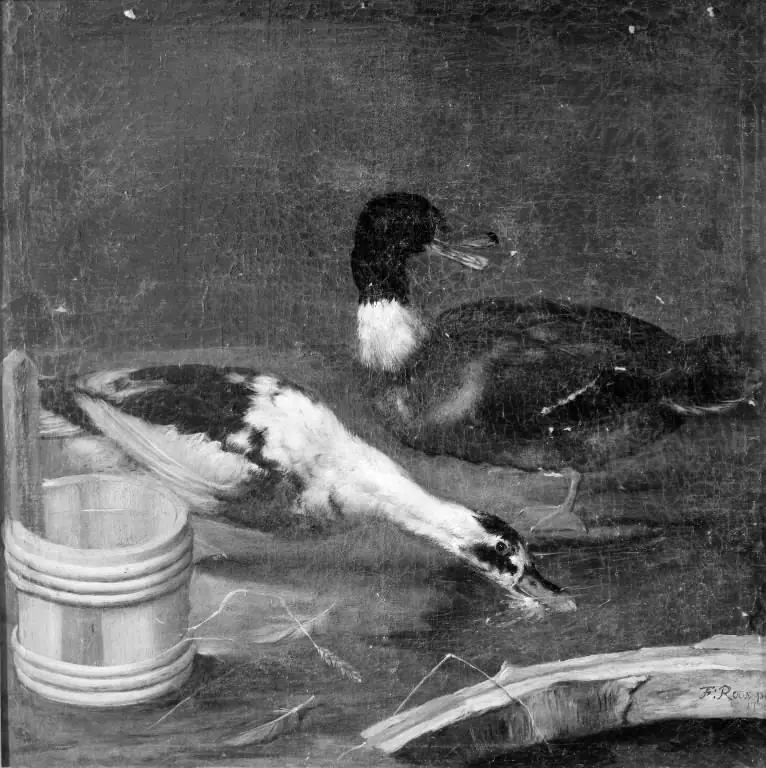 Two Ducks
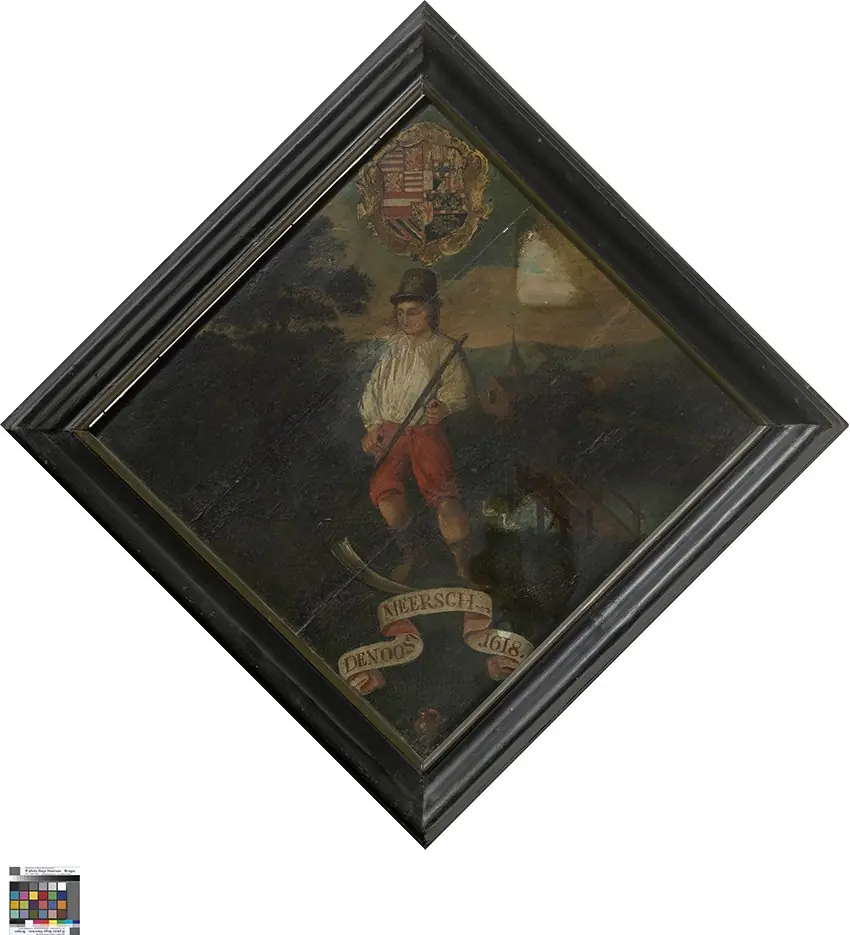 Boer in een landschap
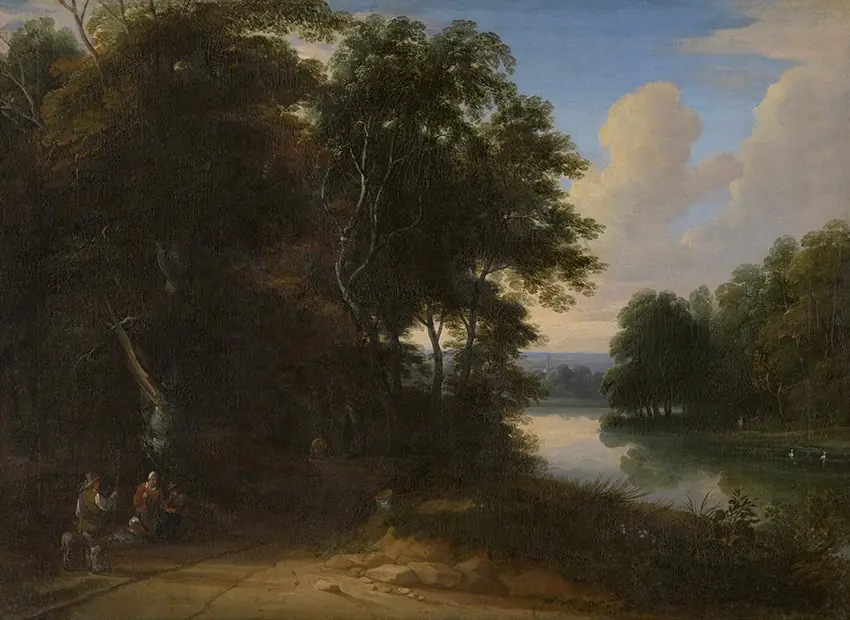 Boslandschap met rivier
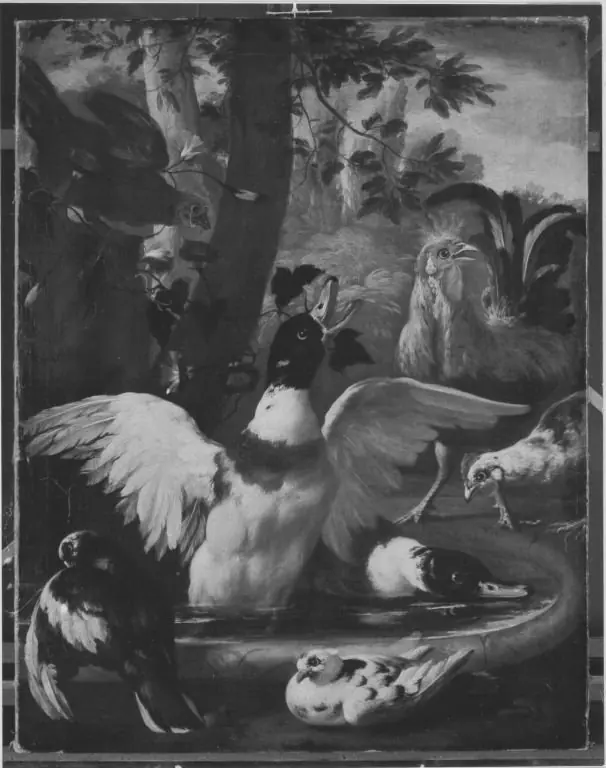 Enten und Hühner
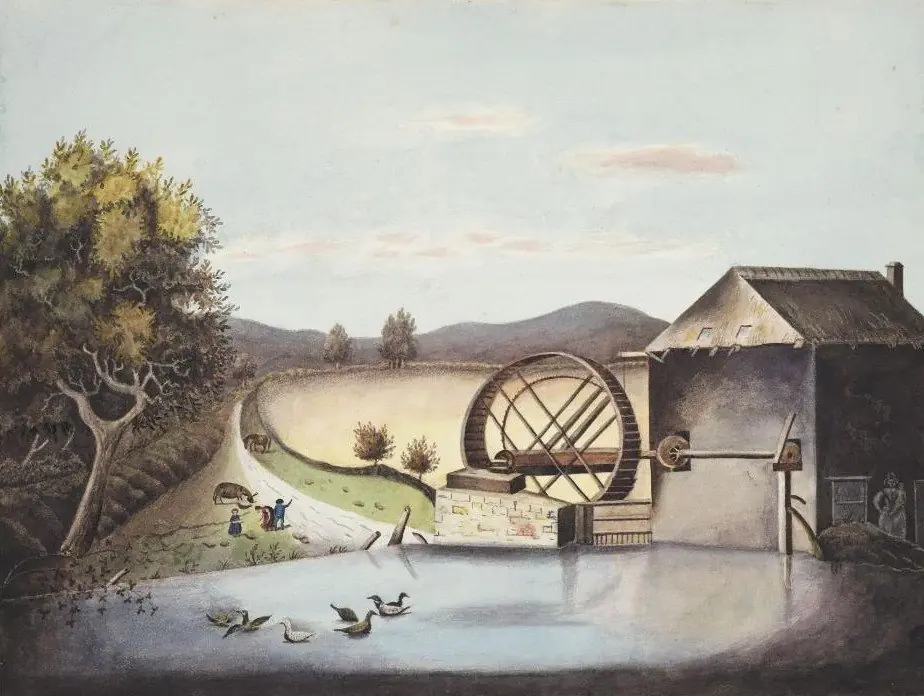 A Factory nigh Aberystwith
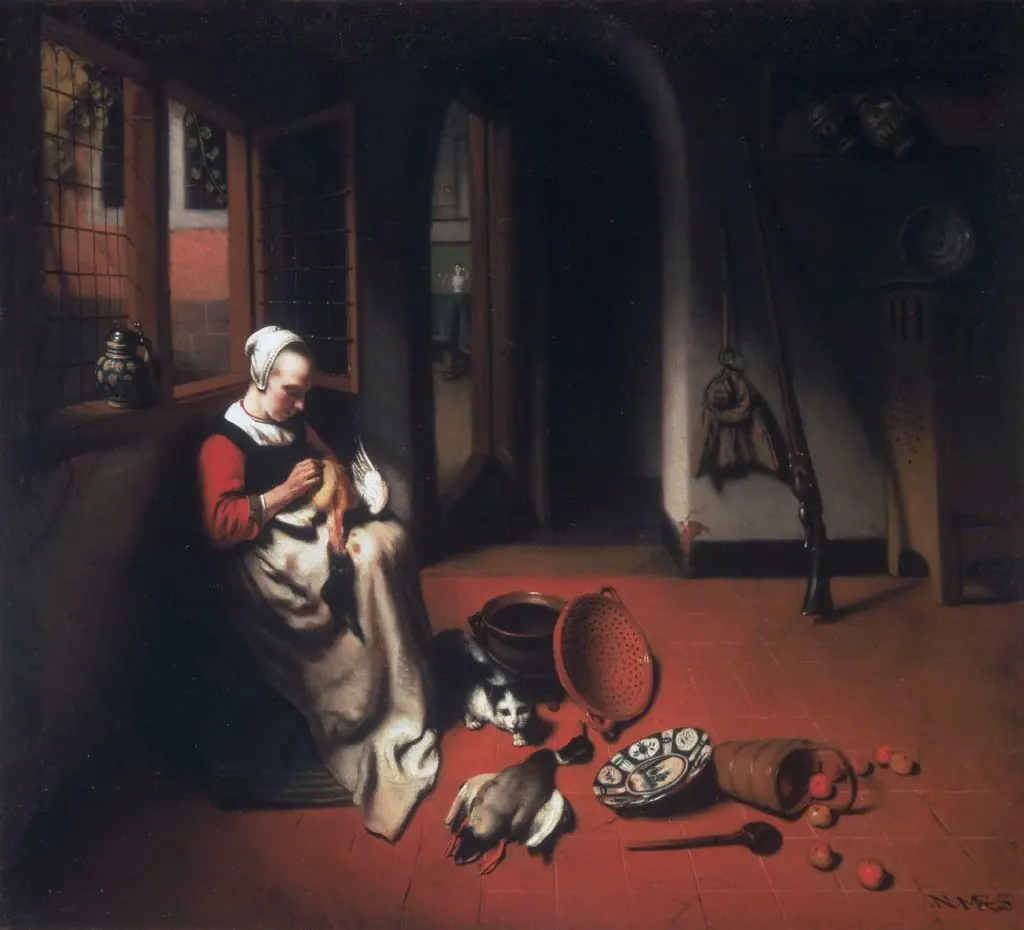 Woman Plucking a Duck
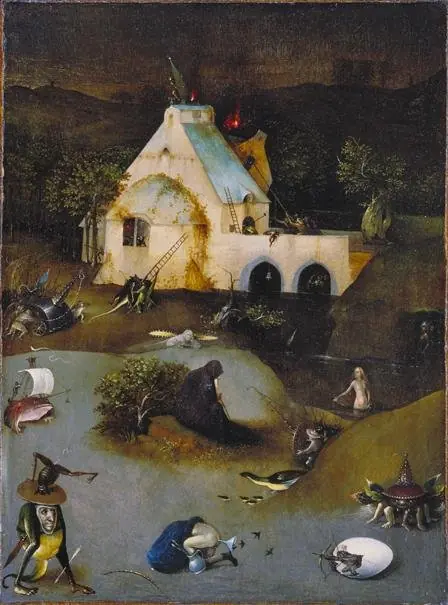 The Temptation of Saint Anthony
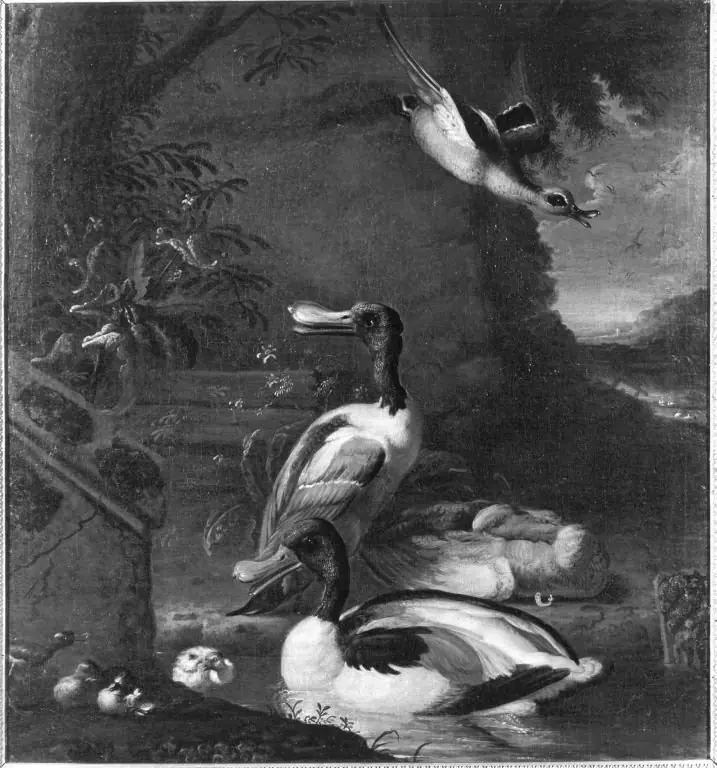 Geflügelstück mit Löffelenten
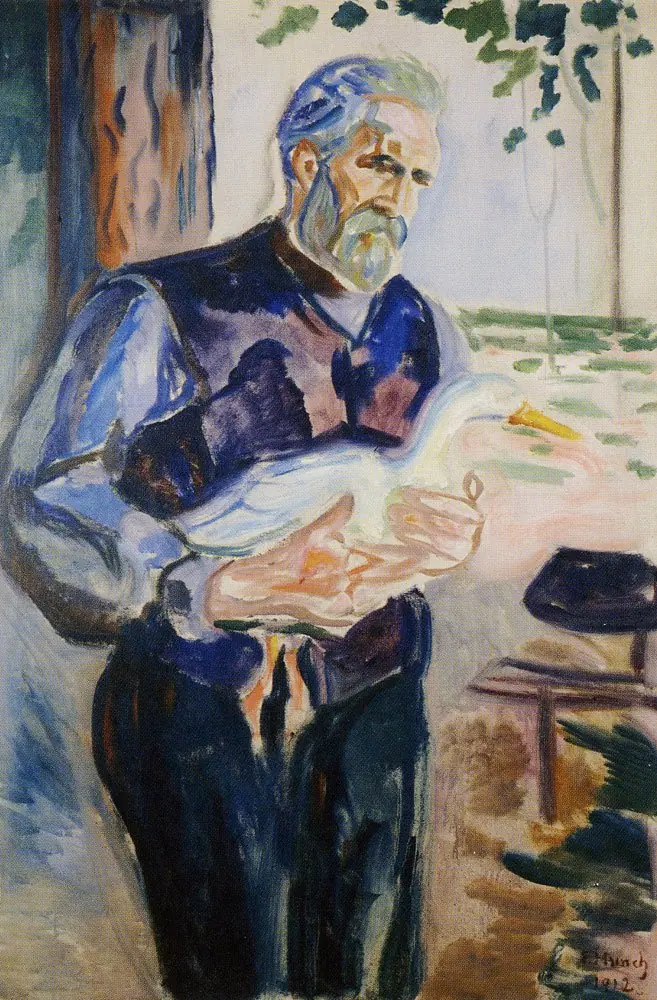 Jensen with a Duck
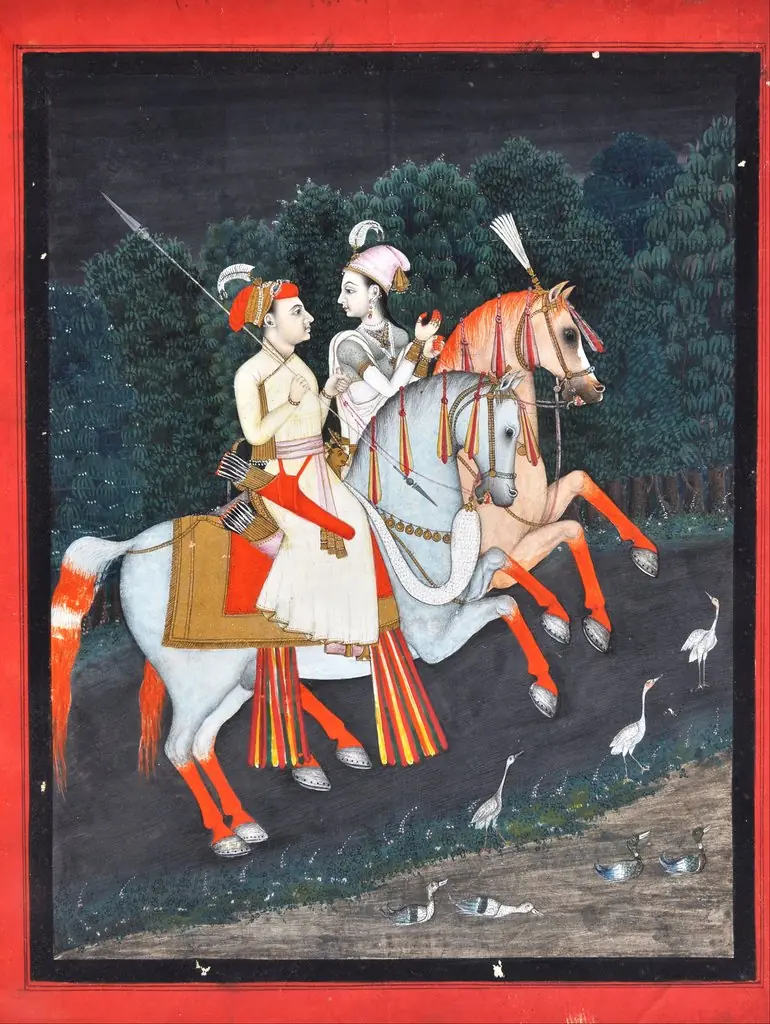 Baz Bahadur and Rani Rupmati
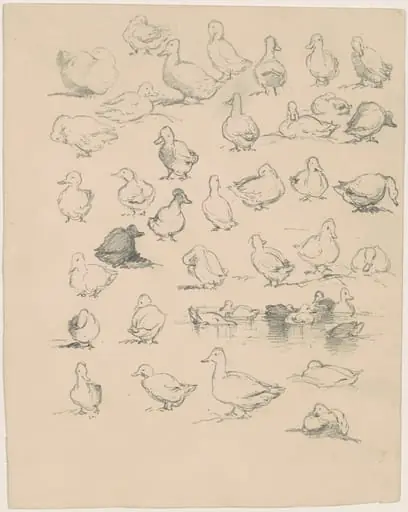 Ducks
Ducks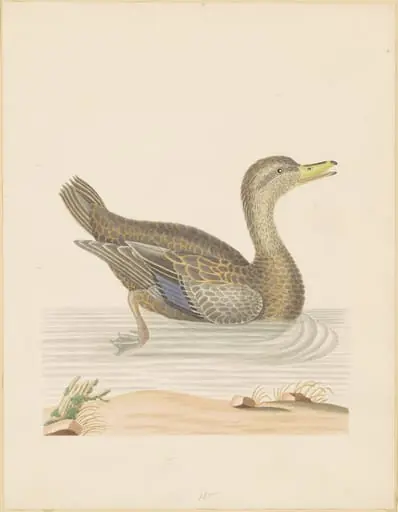 Roan Duck
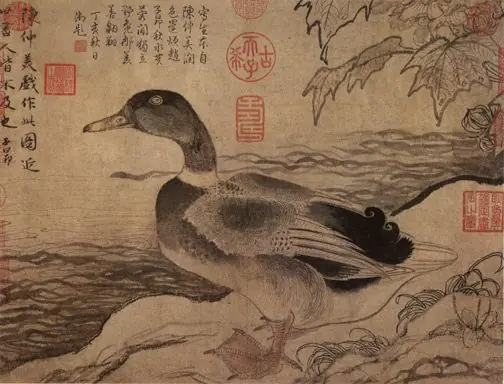 Wild Duck by a River
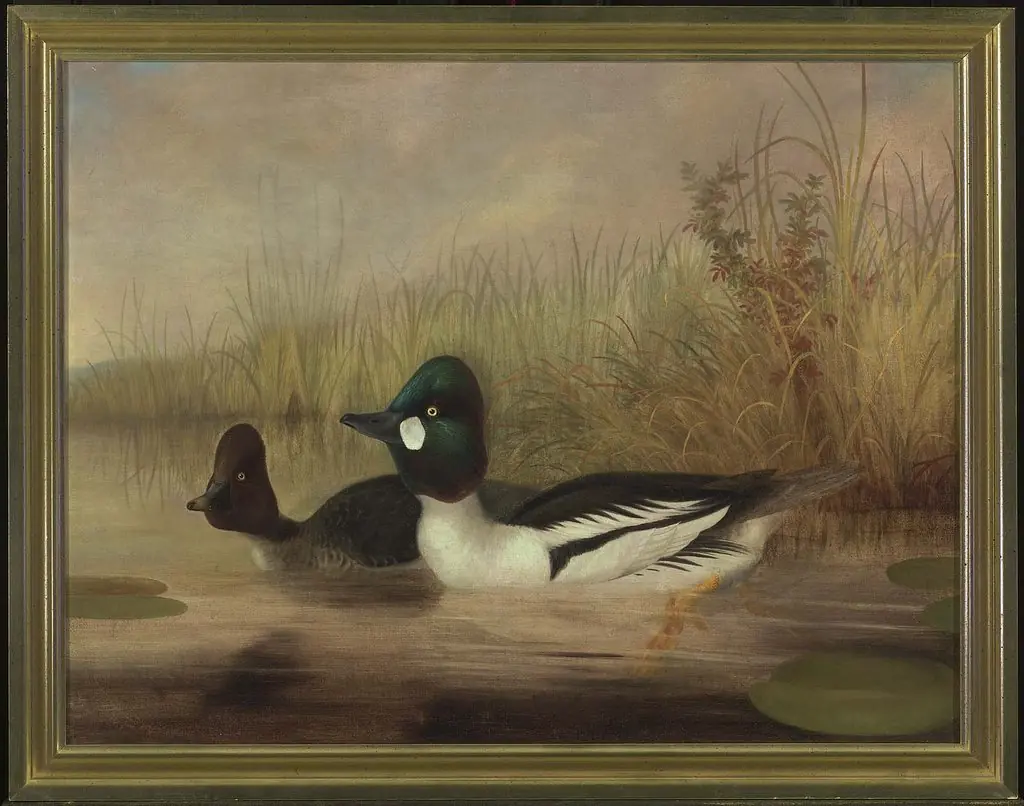 Buffel Head Ducks
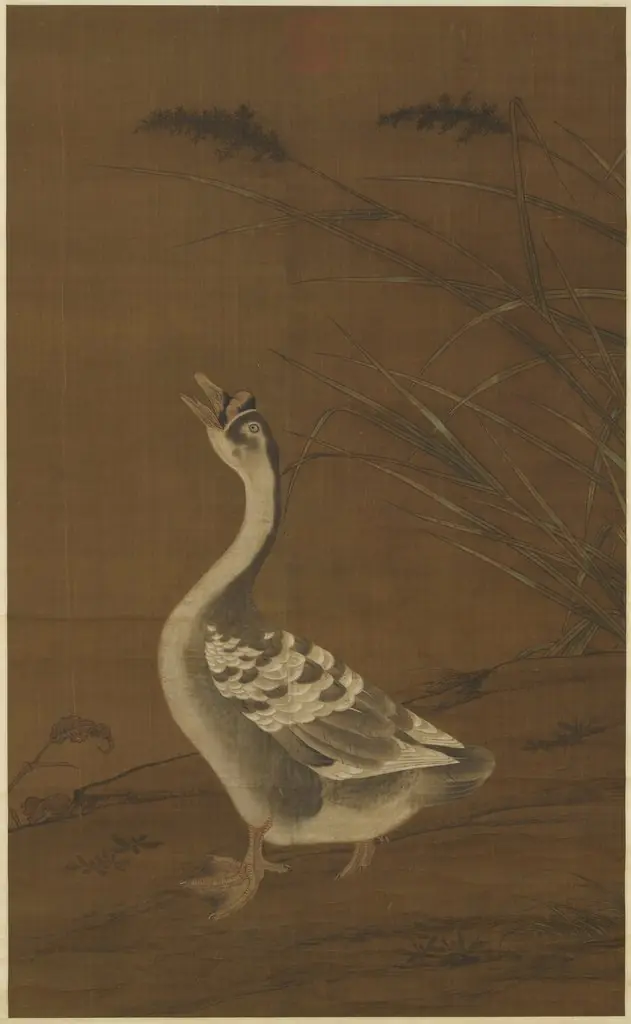 Reeds and Goose
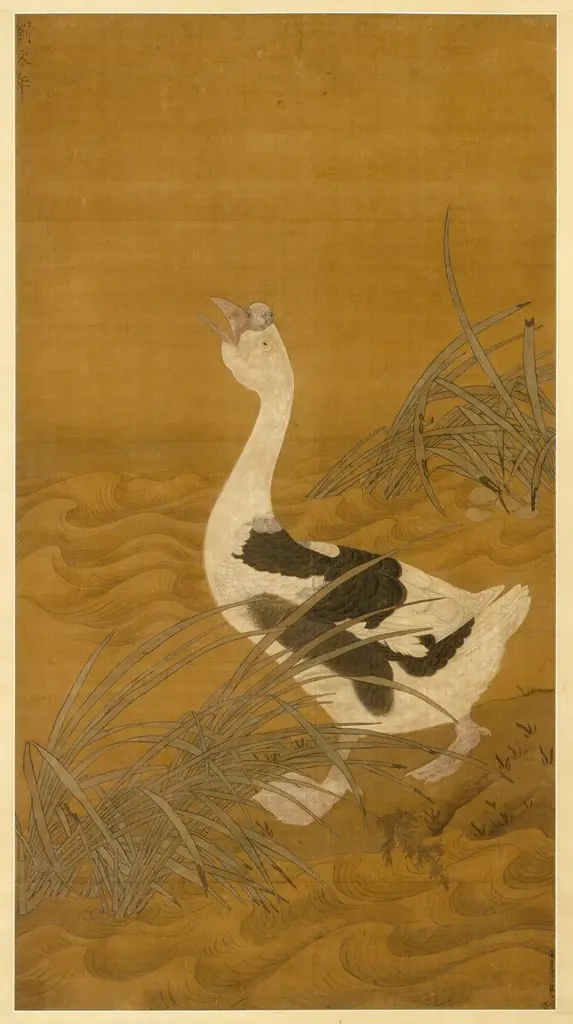 Swan Goose Among Water Reeds
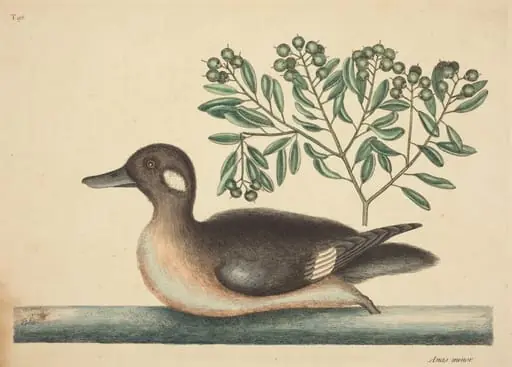 The Little Brown Duck (Anas rustica)
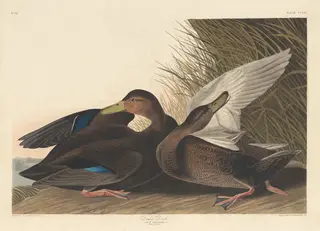 Dusky Duck
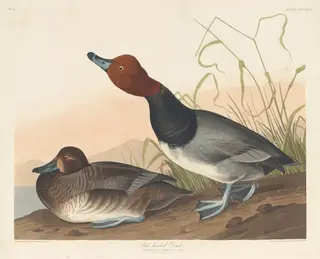 Red-Headed Duck
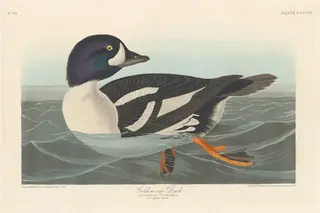 Golden-eye Duck
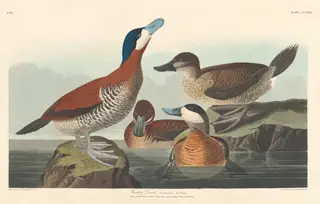 Ruddy Duck
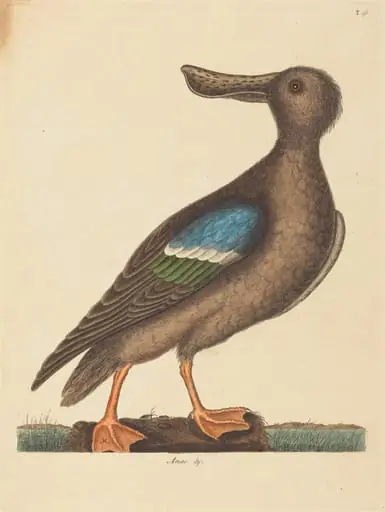 The Blue Winged Shoveler (Anas clypeata foemina)
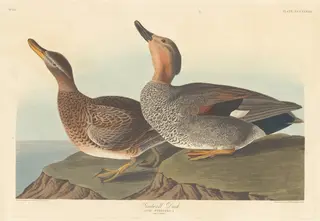 Gadwall Duck
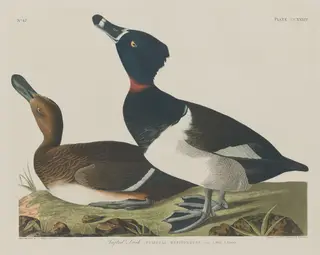 Tufted Duck
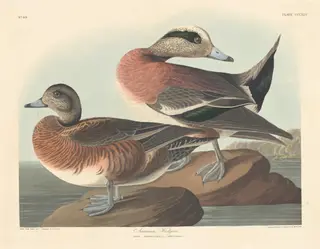 American Widgeon
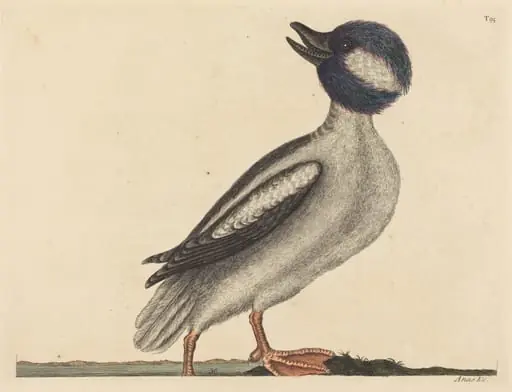 The Buffel's Head Duck (Anas bucephala)
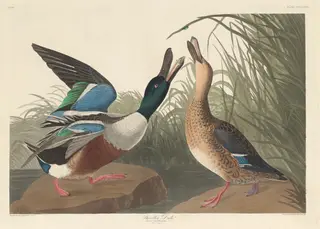 Shoveller Duck
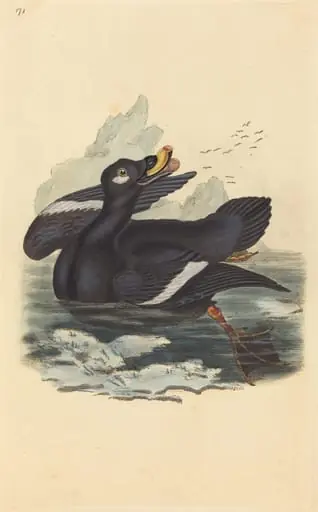 Velvet Duck
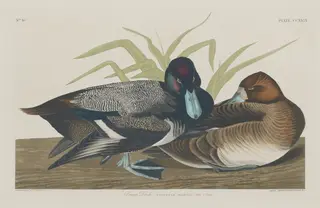 Scaup Duck
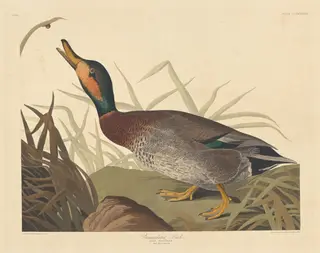 Bemaculated Duck
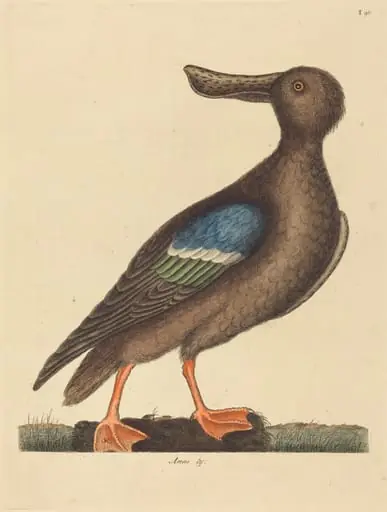 The Blue Winged Shoveler (Anas clypeata foemina)
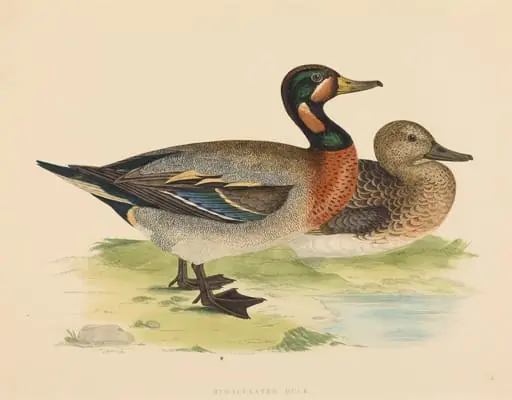 Bimaculated Duck
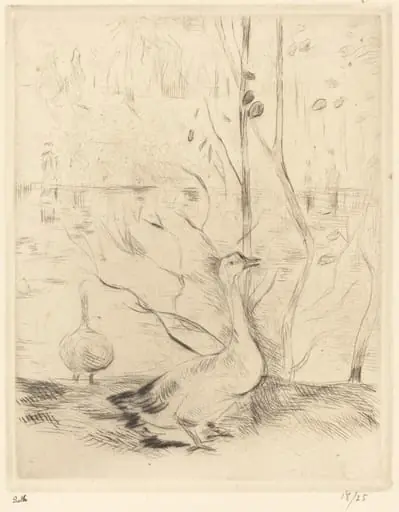 Walk in the Boulogne Wood
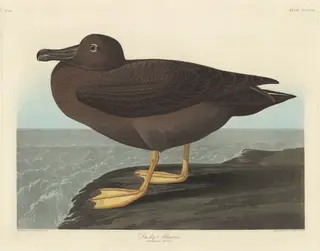 Dusky Albatros
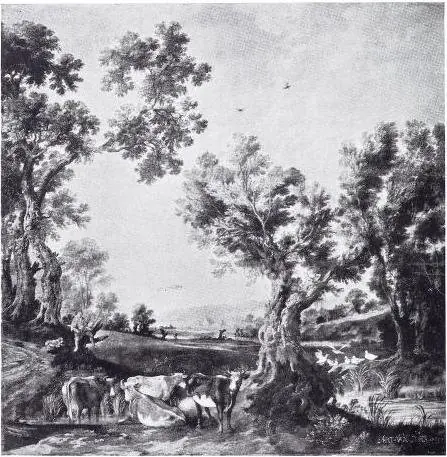 Landscape with Four Cows (Cattle and Ducks)
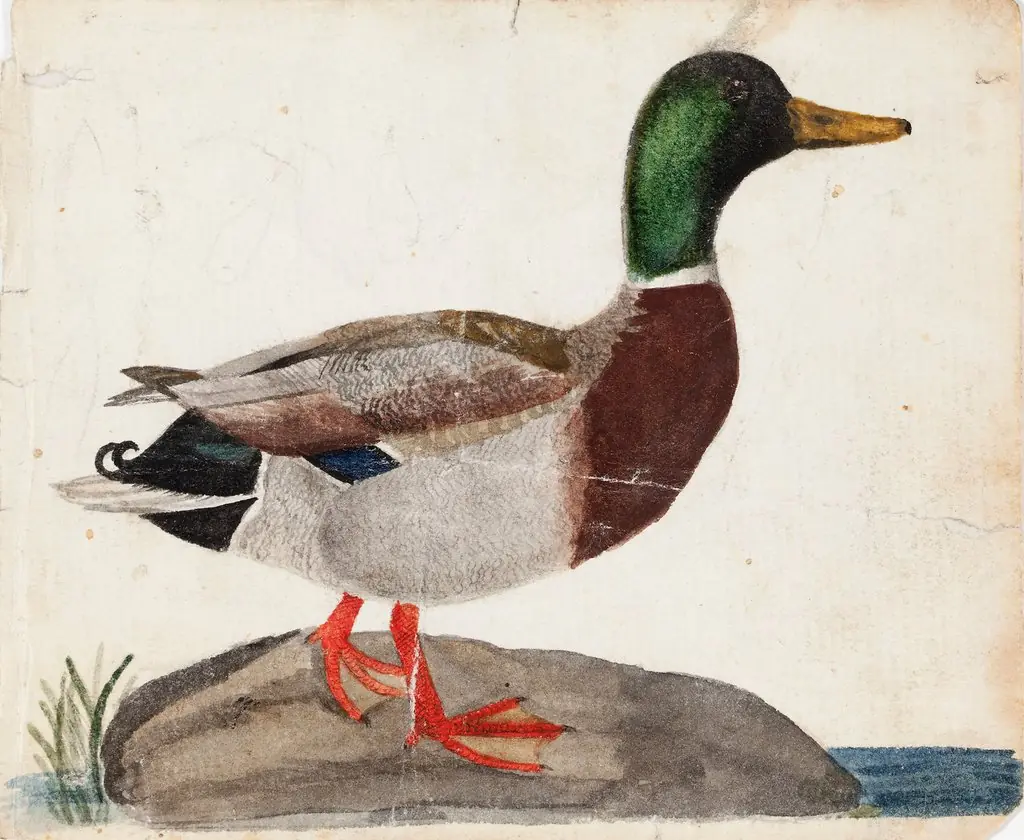 Male Mallard
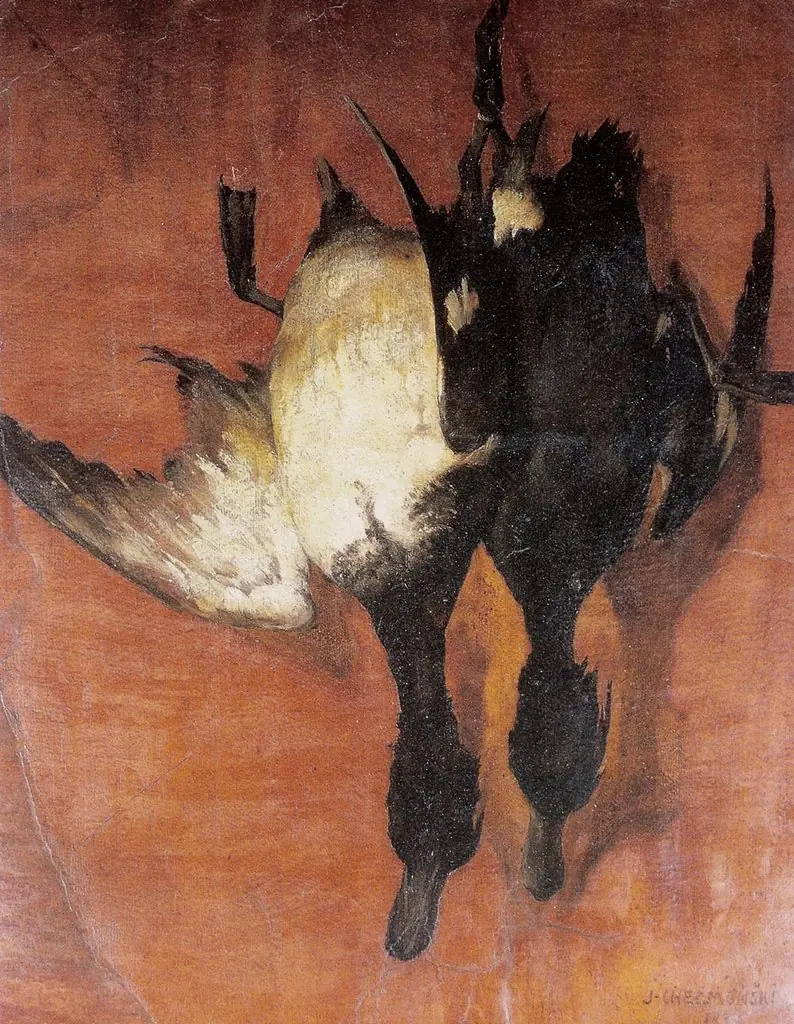 Hanging Ducks
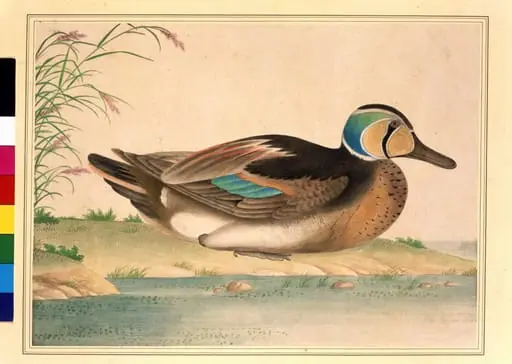 Baikal Teal
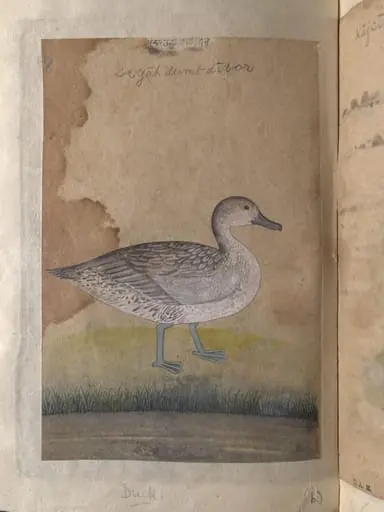 A coot and a duck
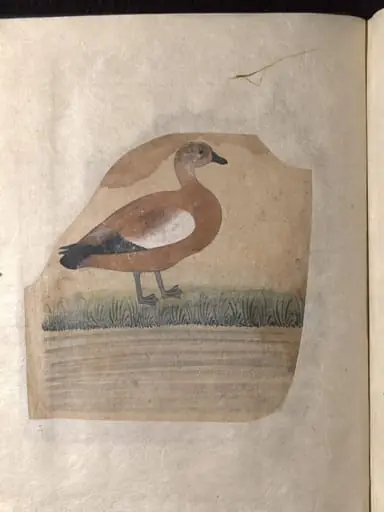 Depictions of a White wagtail and a Brahminy duck of Northern India
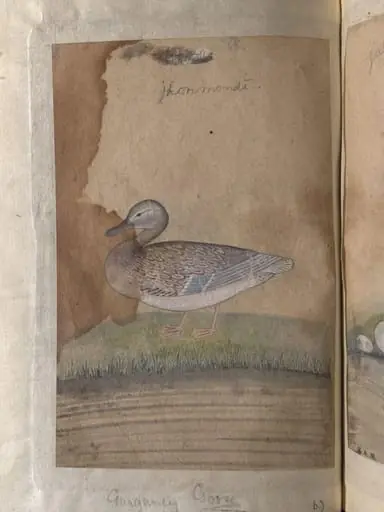 Depictions of a sandpiper and Garganey goose of Northern India
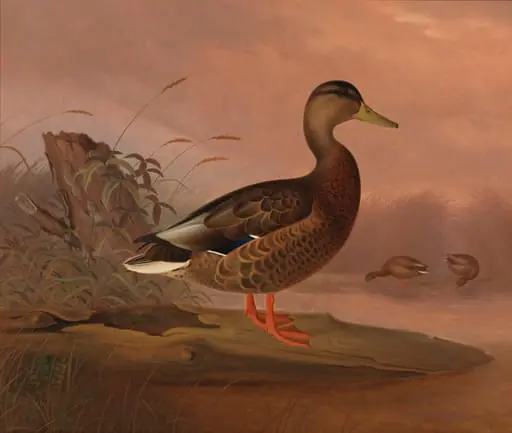 Heinäsorsa
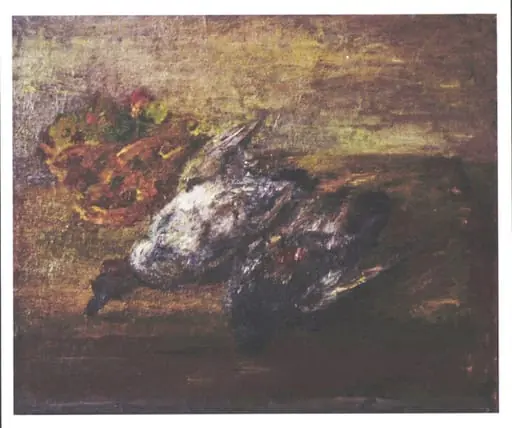 Vânat (Natură moartă cu vânat)
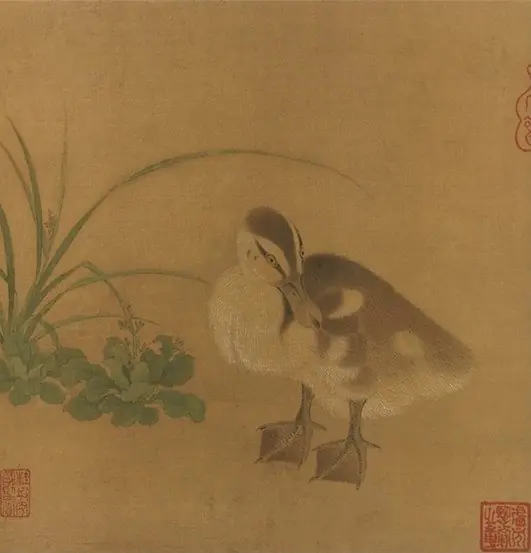 Duckling
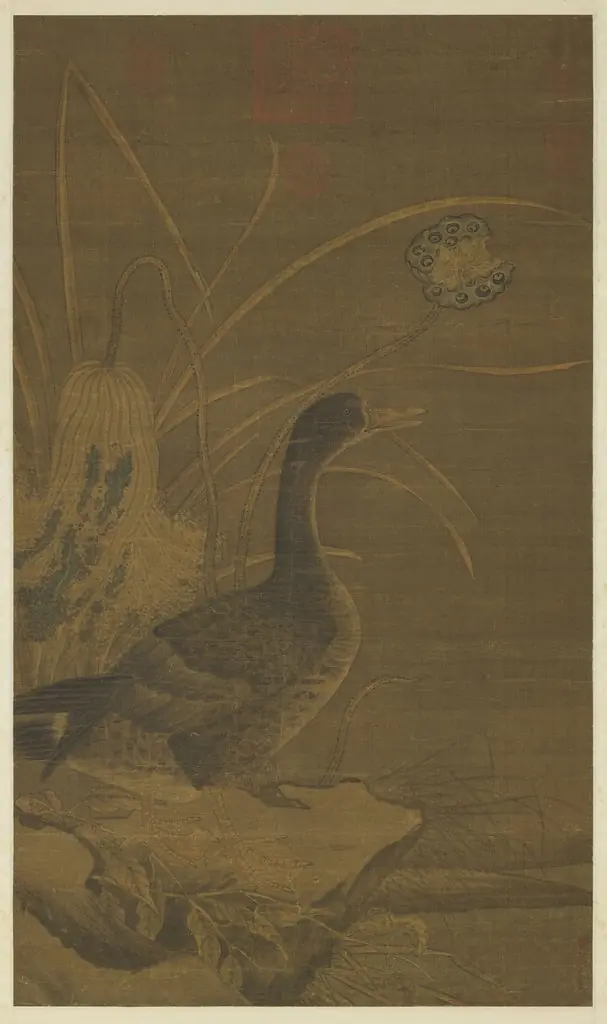 Autumn Lotuses and Wild Goose
 Ducks
Ducks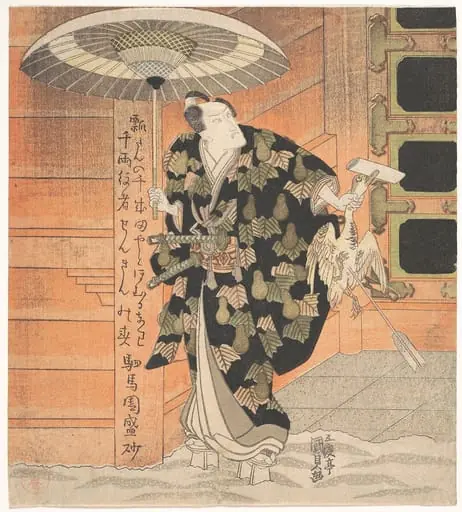 Untitled
 歌川広重画 雪中芦に鴨|Mallard Ducks and Snow-covered Reeds
 Untitled
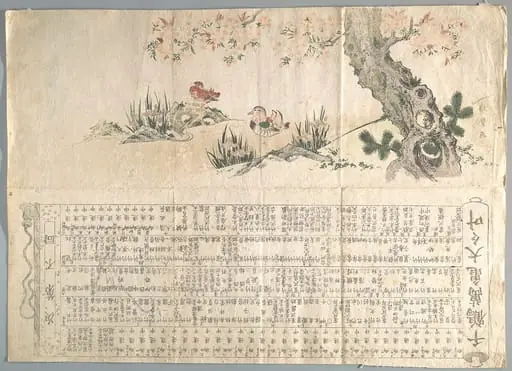 Untitled
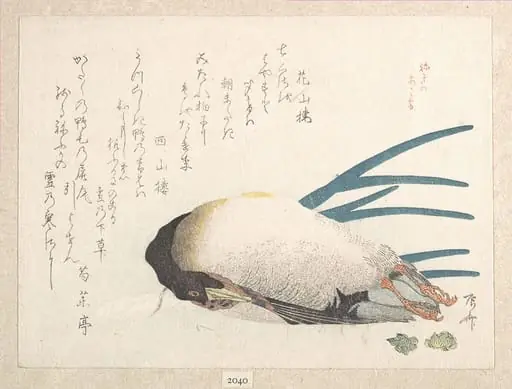 摺物帖 『春雨集』 鴨と葱|Spring Rain Collection (Harusame shū), vol. 1: Duck and Scallions
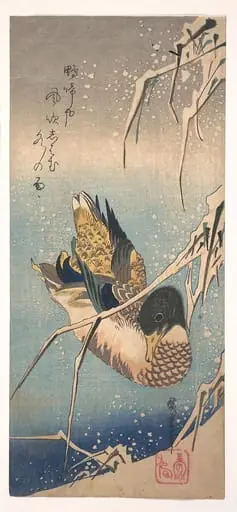 雪中芦に鴨|A Wild Duck near a Snow-laden Shore
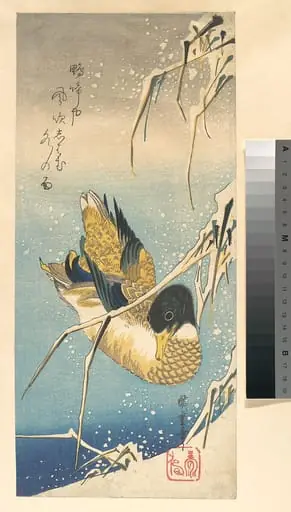 歌川広重画 雪中芦に鴨|Mallard Duck and Snow-covered Reeds
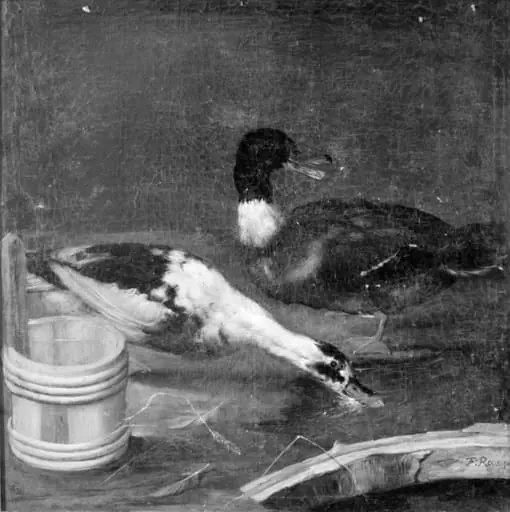 Two Ducks
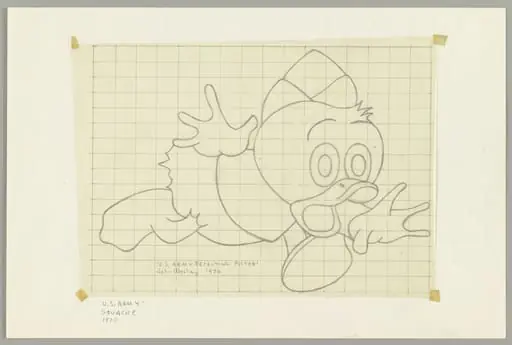 Untitled
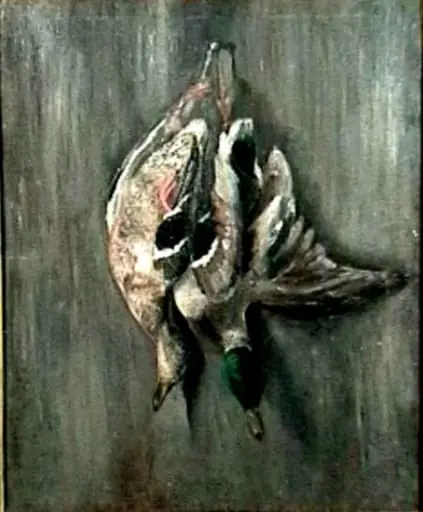 Natură moartă cu vânat
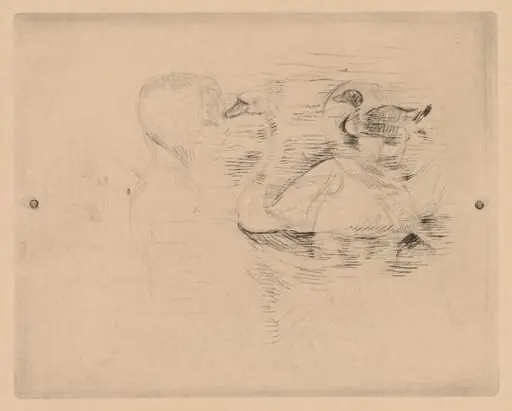 Swan and Duck, with portraits of Julie (Cygne et canard, avec portraits de Julie, or Cygne et canard, essai)
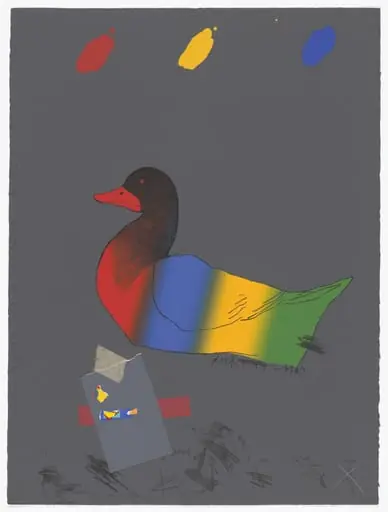 Untitled
Frequently asked questions
What is Duck?
Duck is a surname.
How many Duck works does Artifact World Gallery have?
Artifact World Gallery holds 96 public-domain Duck works, all free to view and download.
Who are the key Duck artists?
Key Duck artists in the collection include William Sidney Mount, Lodewijk Tieling and Nicolaes Maes.
Where can I see Duck works?
Duck works in the collection are held by Metropolitan Museum of Art, National Gallery of Art and Groeningemuseum.