Subject
Broad-Leaved Tree
Broad-Leaved Tree is a subject in art. The gallery holds 150 works in this subject in art, including works by Paolo Veronese, Jean Baptiste Camille Corot and Thomas Cole.
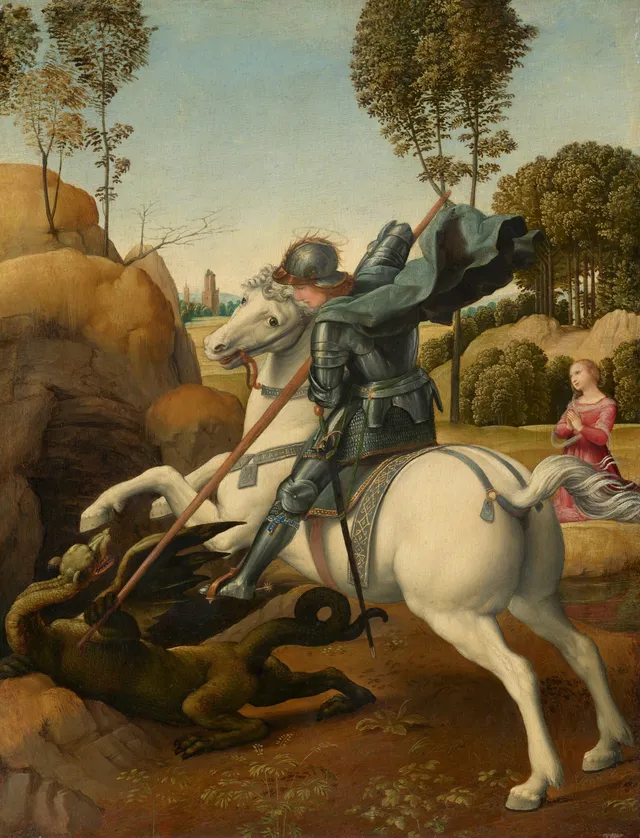
In botanical terms a broad-leaved (or broadleaf) tree is any of the flowering angiosperms bearing flat leaves and seeds enclosed in fruit—oak, elm, ash, beech, lime, walnut, maple, willow and poplar among them—as distinct from the needle- or scale-leaved conifers that bear naked seeds in woody cones. As a subject in art this distinction matters less than the broad-leaved tree's expressive range: its seasonal foliage, sprawling crown and individuated silhouette made it the staple of Western landscape long before landscape became an independent genre. In early Renaissance and mannerist painting such trees furnished the verdant setting for sacred and mythological narrative—the leafy backdrops of Raphael's small panels, of Paolo Veronese's mythologies, and the wooded middle distance of Jan van Scorel's bathing scenes—where foliage signalled fertility, paradise, or pastoral retreat.
The broad-leaved tree came into its own with the Netherlandish landscape tradition. Pieter Bruegel the Elder's The Harvesters (1565) anchors its golden wheat field on a single massive tree, an organising pivot for the whole composition. A century later the Dutch Golden Age master Jacob van Ruisdael made the ancient, storm-battered oak his signature motif, constructing each tree from the anatomy of its branches—leaves rendered individually in the foreground, en masse in the distance, with bark, texture and lichen described in fine detail. Ruisdael's blasted oaks introduced fantasy and theatricality to topographical recording, laying foundations for Romantic landscape.
That legacy passed directly to England. John Constable, drawn through the collector Sir George Beaumont to Ruisdael, Claude and Gainsborough, made unusually systematic oil studies of elms and oaks; he and J.M.W. Turner treated the broad-leaved tree as a near-portrait subject, a practice the National Gallery of Art has described as artists making "portraits of trees." In German Romanticism Caspar David Friedrich charged the bare deciduous tree with metaphysical weight, as in The Oak Tree in the Snow.
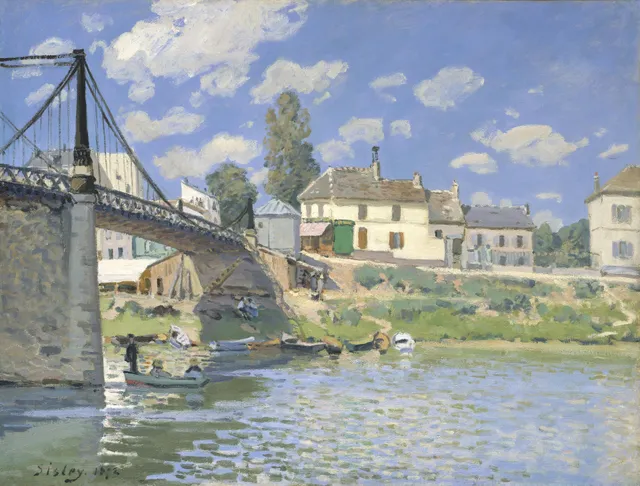
By the nineteenth century the motif fed Barbizon naturalism and Impressionism: Alfred Sisley's riverside views, such as The Bridge at Villeneuve-la-Garenne, dissolve leaf-masses into flickering light. From symbol of national identity and human mortality to a study in optics, the broad-leaved tree remains one of art's most enduring and adaptable subjects.
Key artists


Overview
The broad-leaved tree, known variously as broadleaf, broad-leaf, or hardwood tree, is a recurring motif in art history that denotes any tree within the diverse botanical group of angiosperms characterized by flat leaves and seeds produced inside fruits. Distinguished from conifers, which bear needle-like or scale-like leaves and seeds in woody cones, broad-leaved trees appear in 156 works in the collection under discussion. Their prevalence across paintings ranging from mythological scenes to landscapes and religious narratives reflects both their ubiquity in temperate environments and their adaptability as a compositional and symbolic element. The motif serves functions from providing naturalistic setting to carrying deeper iconographic weight, depending on the period and the artist's intent.
Iconography & meaning
Broad-leaved trees carry layered meanings in visual art. Botanically, most deciduous trees are broad-leaved, and their seasonal leaf loss has made them natural symbols of cyclical change, mortality, and renewal. In gematigd klimaat zones, the autumn defoliation and winter bareness of these trees evoke themes of transience and resurrection, while their summer canopy suggests shelter, fertility, and abundance. The distinction between deciduous broad-leaved trees and evergreen species such as holly or evergreen oak allowed artists to exploit botanical specificity for symbolic contrast, pitting the mutable against the eternal. In religious contexts, broad-leaved trees in landscapes could frame sacred events or provide the locus of revelation, while in mythological scenes they established an Arcadian or pastoral atmosphere. The economic value of hardwood broad-leaved species, noted in forestry studies, occasionally informed their appearance in patronage contexts where landed wealth and timber resources were displayed.
Legacy
The broad-leaved tree has maintained its significance in Western art history as a fundamental landscape element that bridges naturalistic observation and symbolic resonance. Its persistence across 156 works in this collection alone testifies to its indispensability for artists constructing believable environments, whether sacred, mythological, or secular. The motif's legacy extends beyond individual masterpieces to inform broader narratives about humanity's relationship with the natural world, from the managed woodlands of early modern Europe to the picturesque conventions that shaped later landscape painting. In contemporary art historical discourse, the broad-leaved tree serves as a useful index for tracing changing attitudes toward nature, seasonality, and environmental specificity. Its continued presence in museum collections and scholarly attention ensures that this seemingly humble botanical subject retains its place in the study of visual culture.
Works
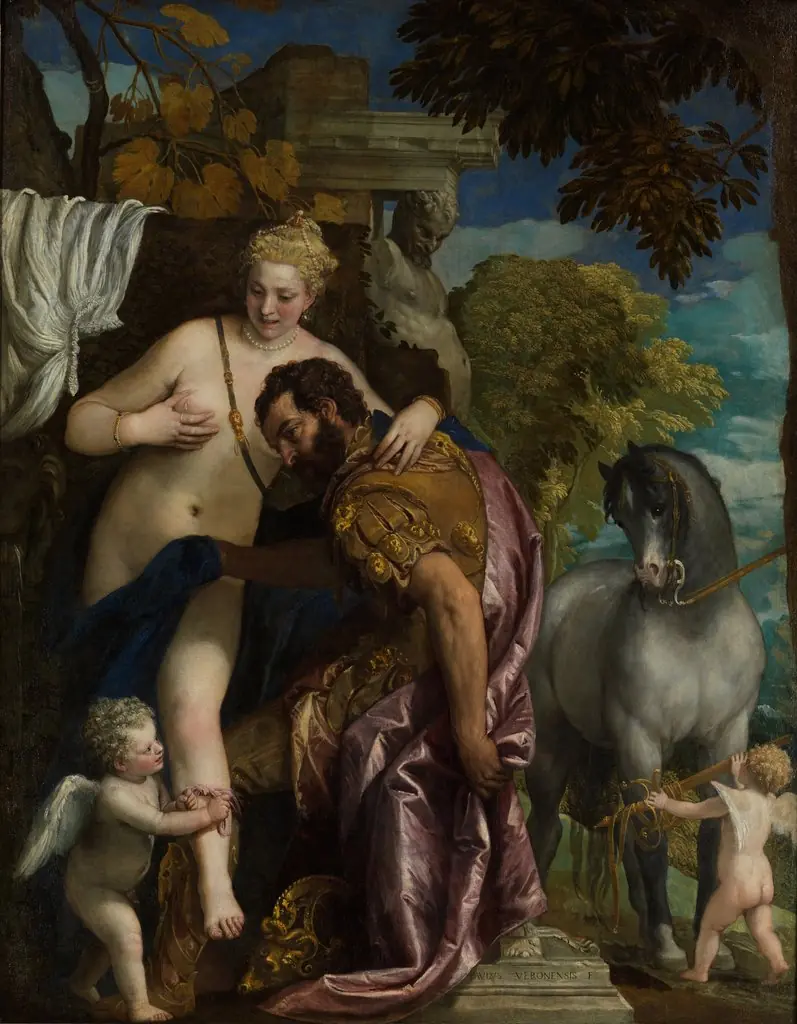 Venus and Mars
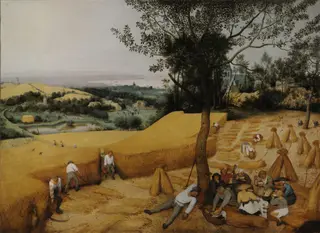 The Harvesters
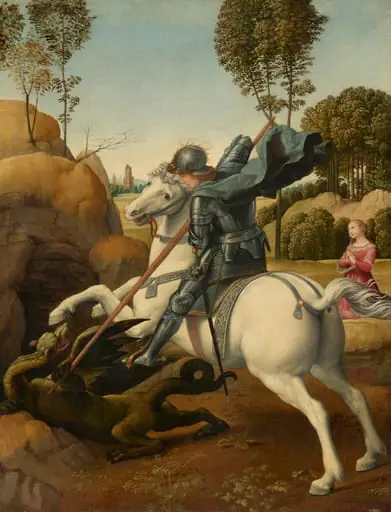 Saint George and the Dragon
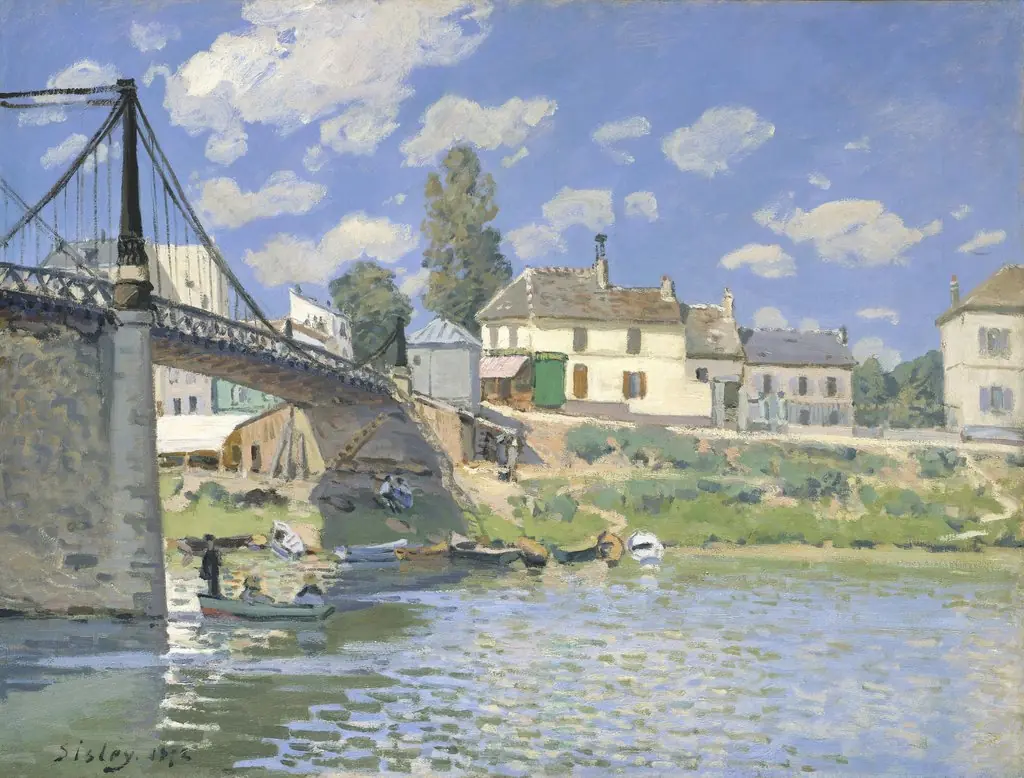 The Bridge at Villeneuve-la-Garenne
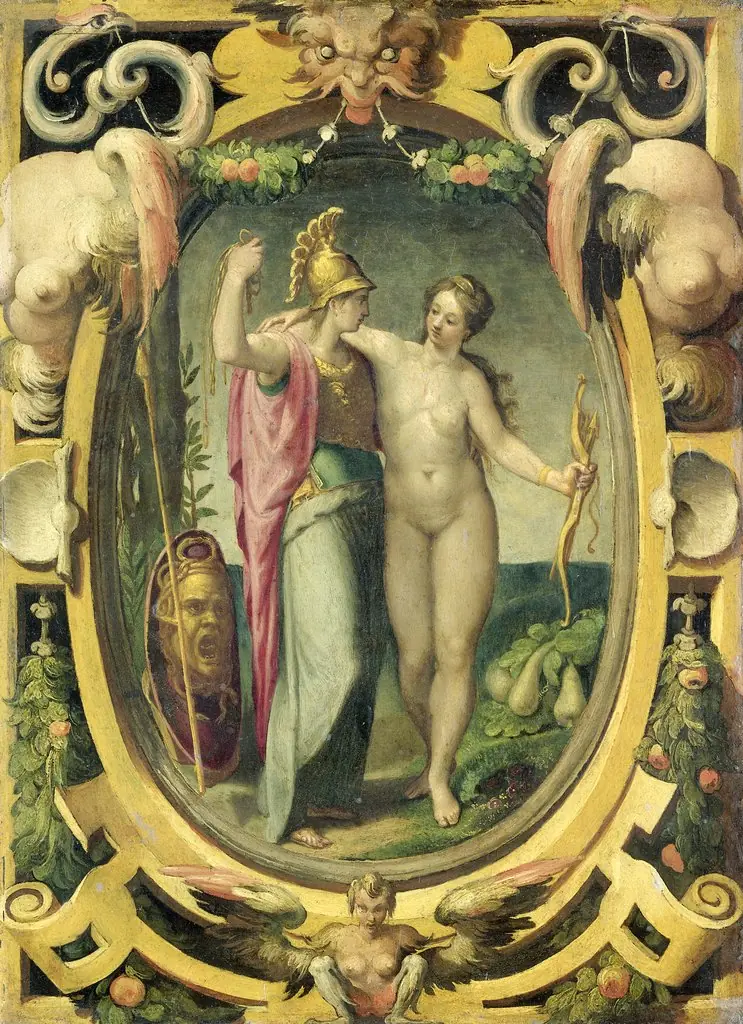 Venus and Minerva
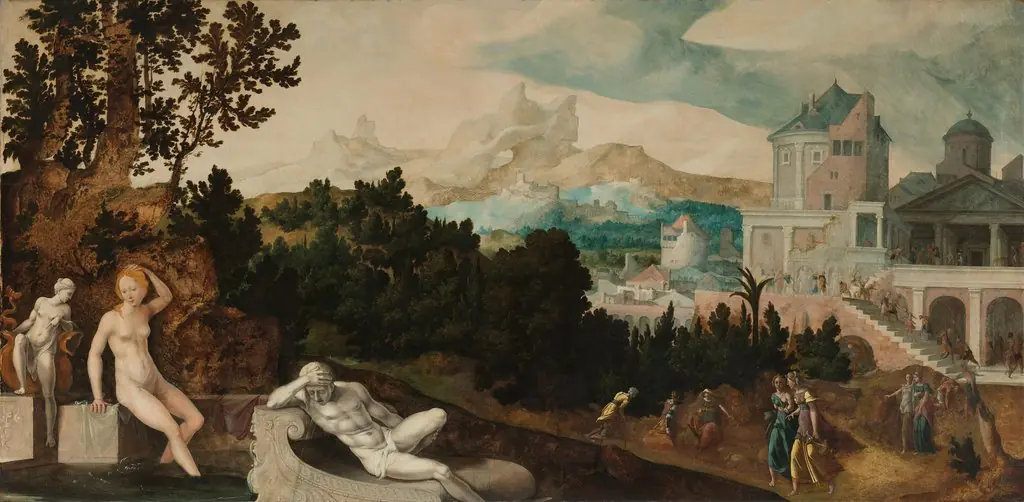 Landscape with Bathsheba
 The Mill
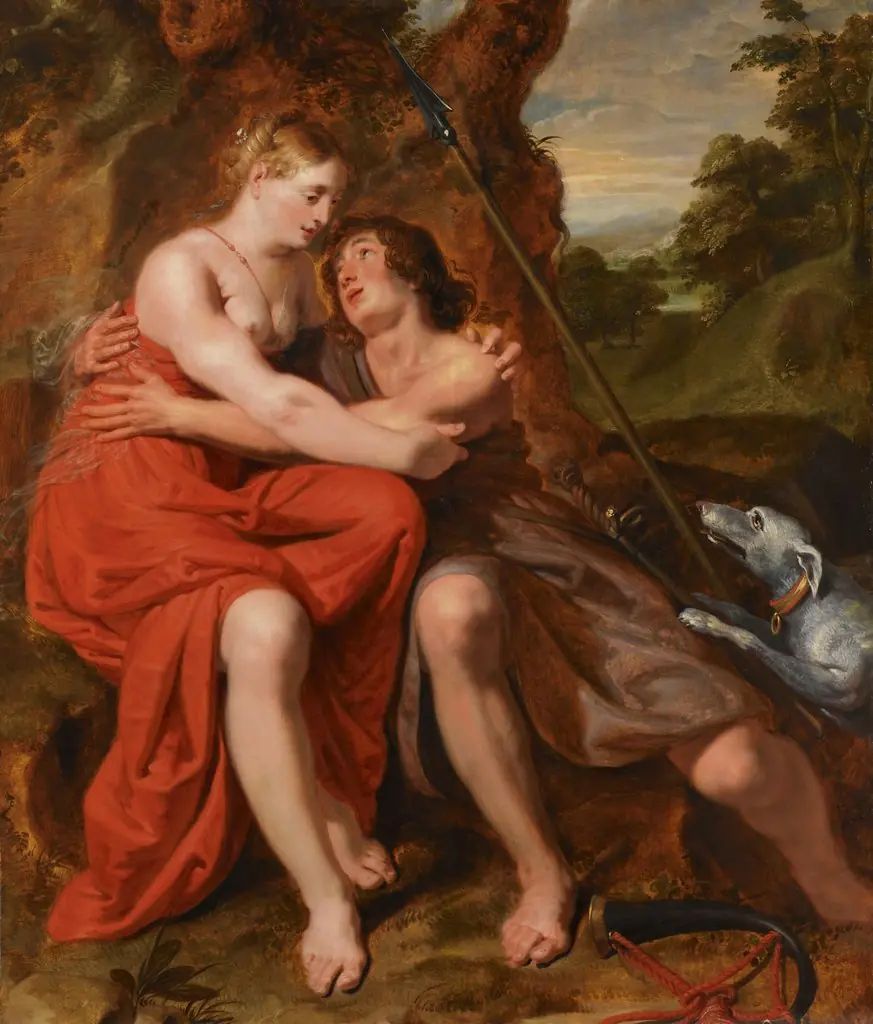 Venus and Adonis
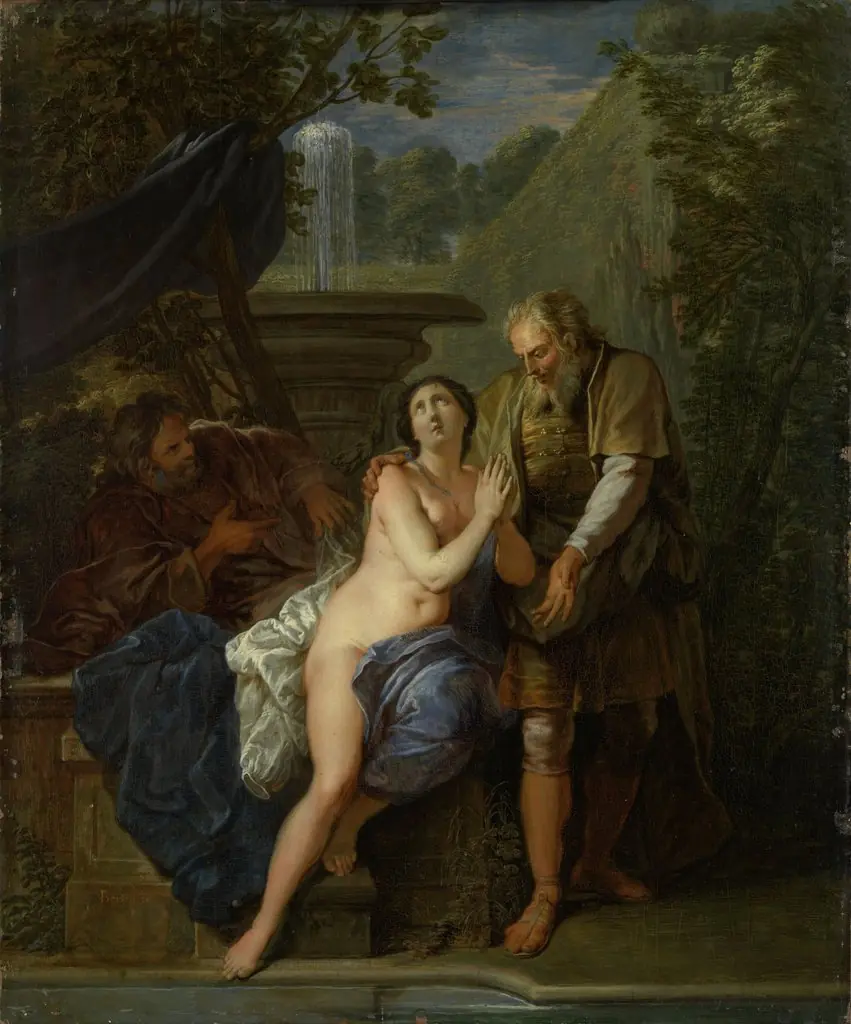 Susanna and the Elders
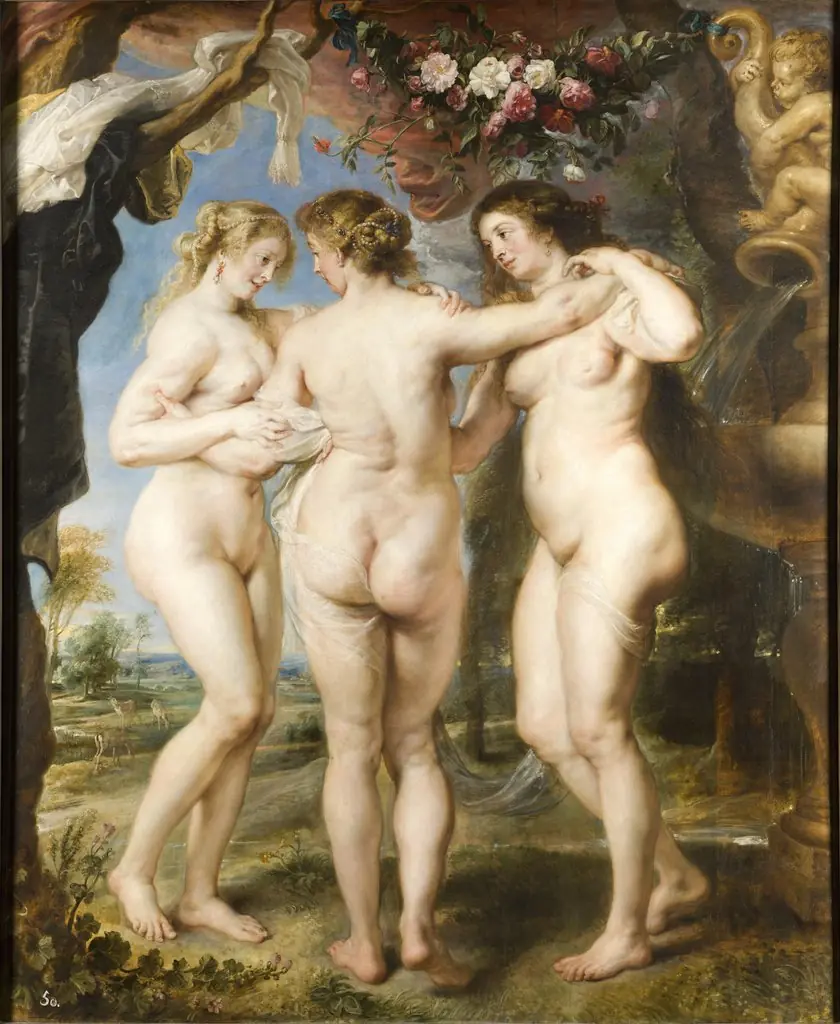 The Three Graces
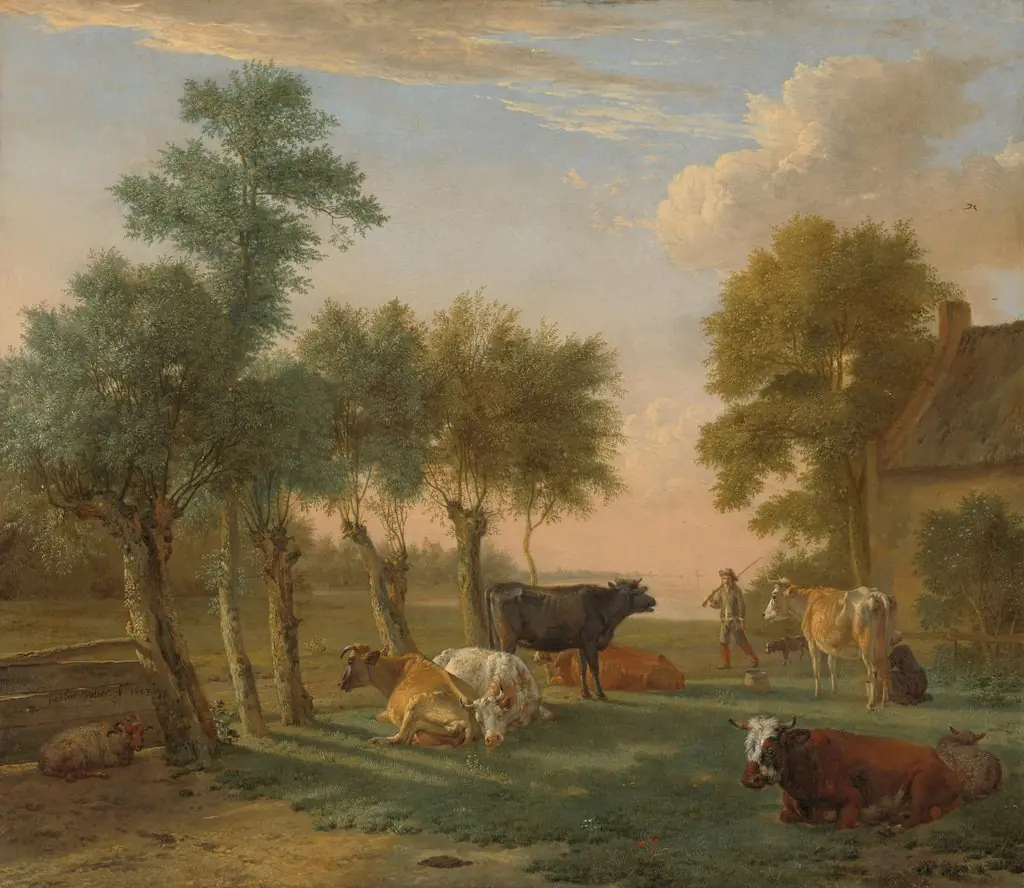 Cows in a Meadow near a Farm
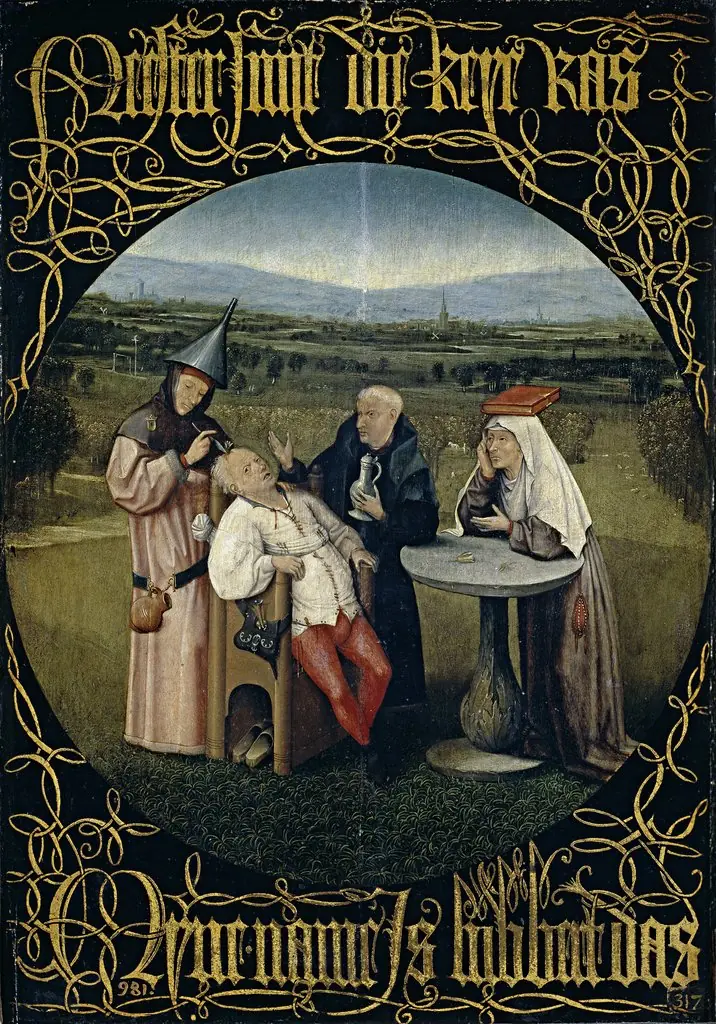 Cutting the Stone
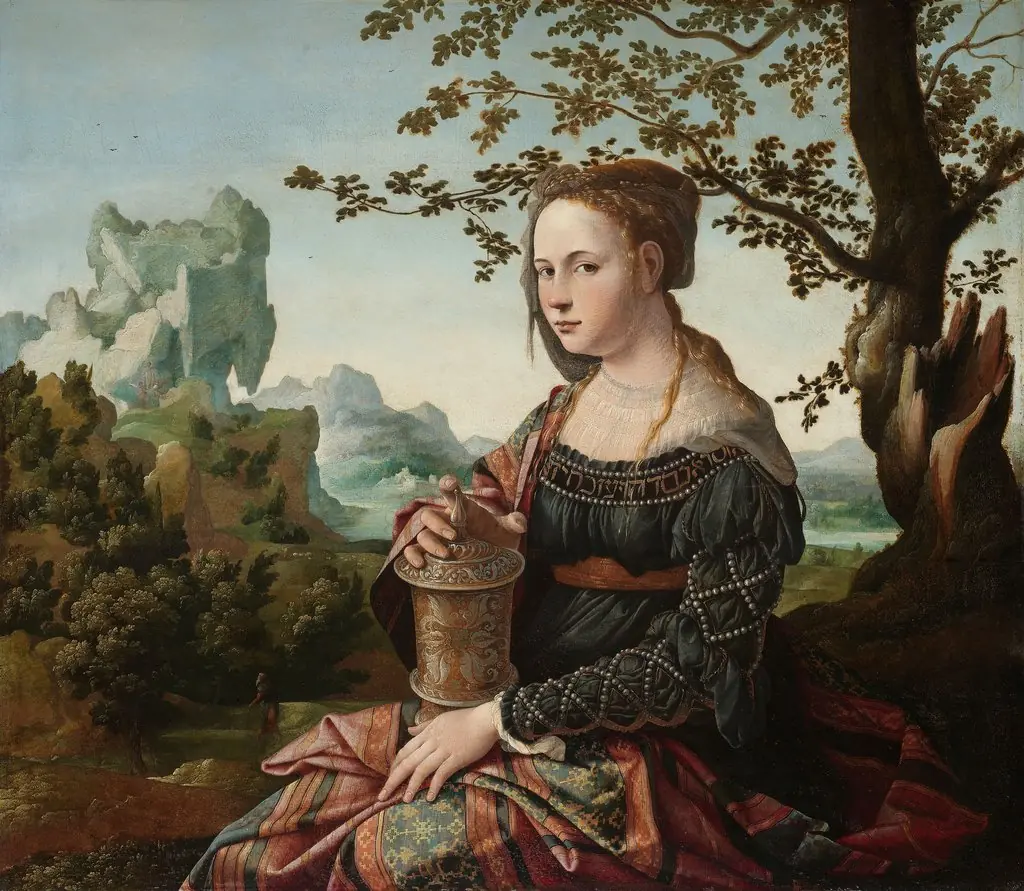 Mary Magdalene
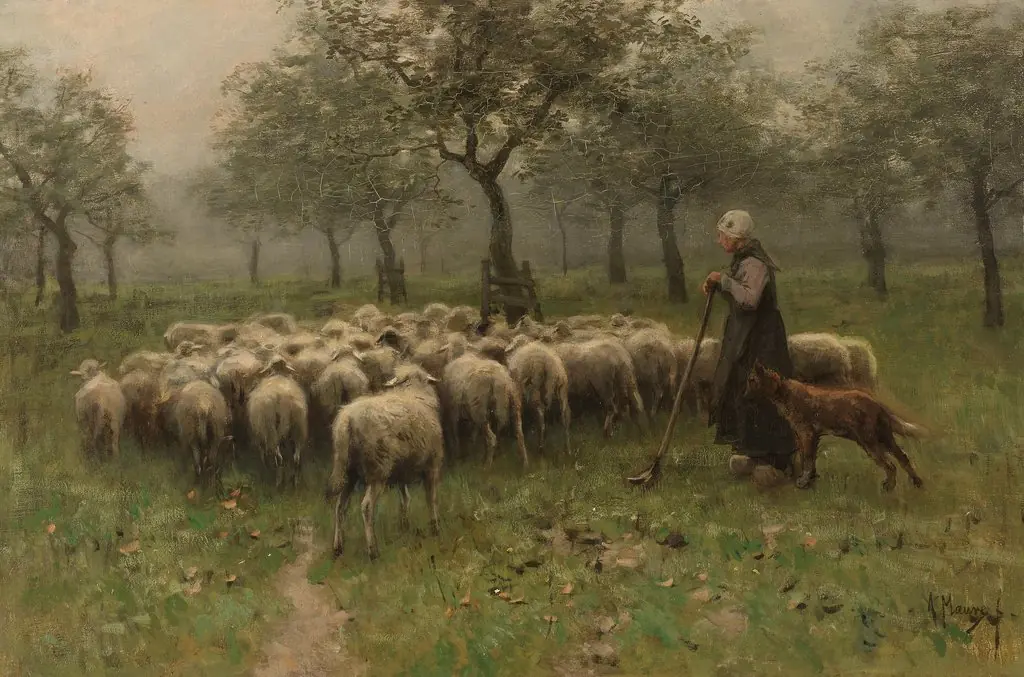 Shepherdess with a Flock of Sheep
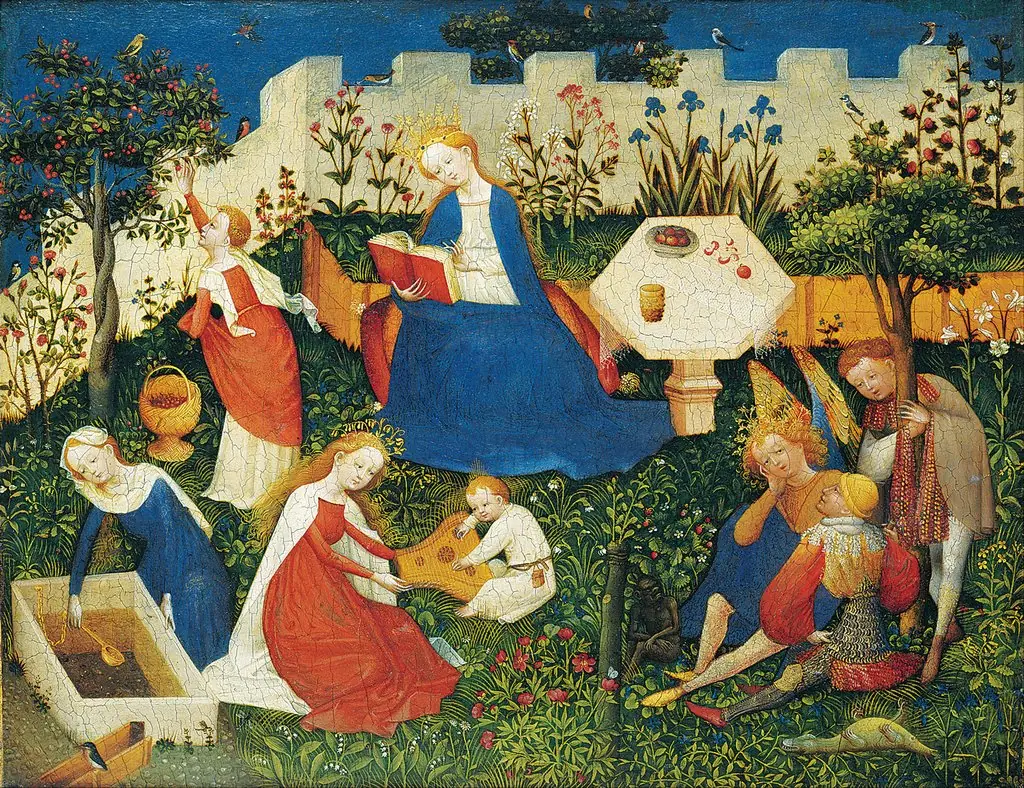 Paradiesgärtlein
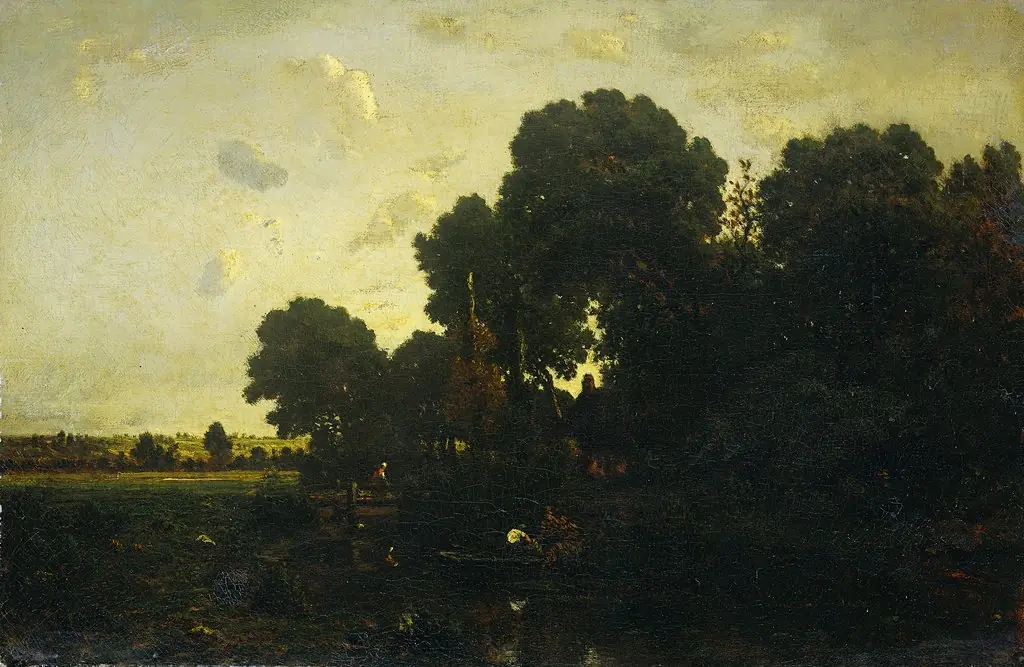 Twilight
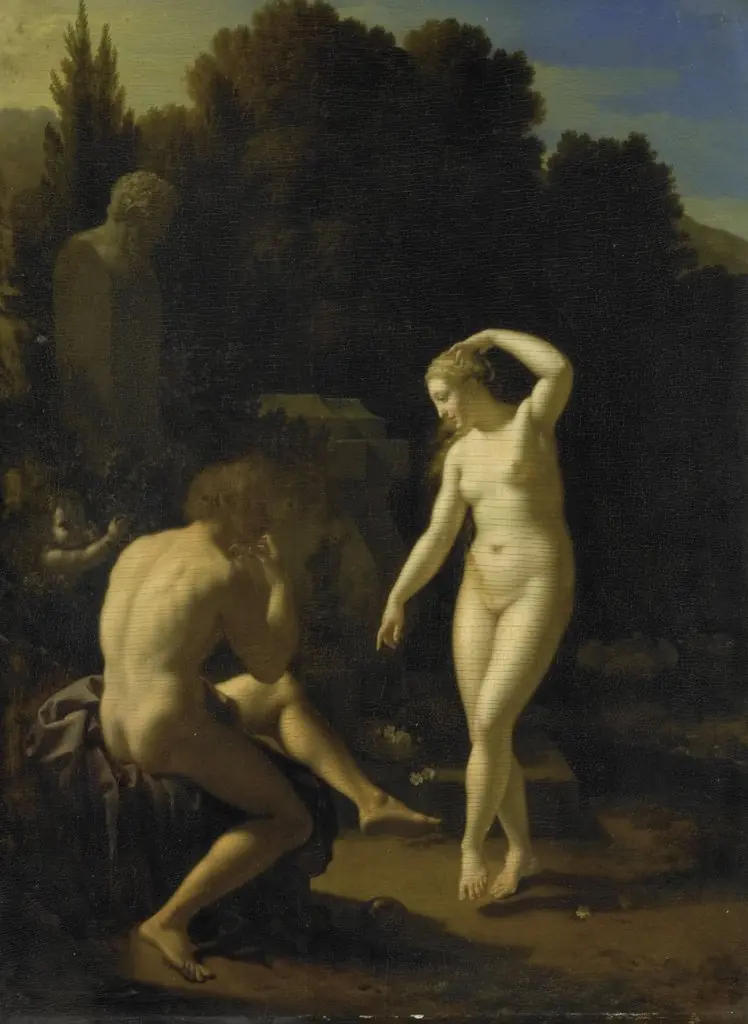 A Nymph Dancing to a Shepherd's Flute-Playing
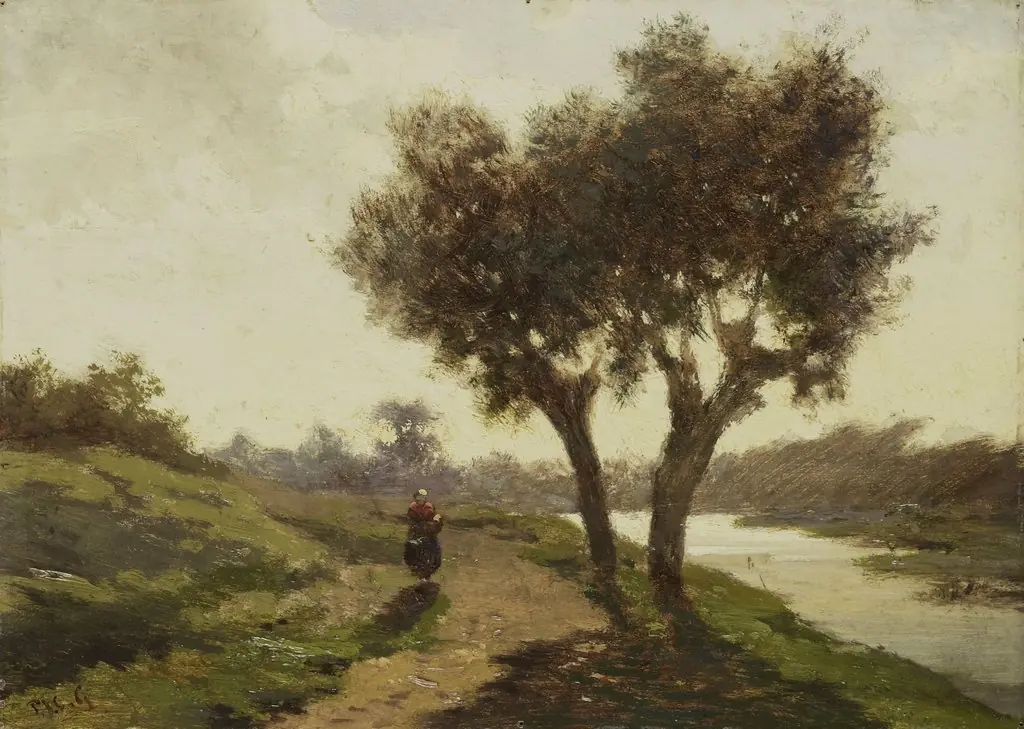 Landscape with two Trees
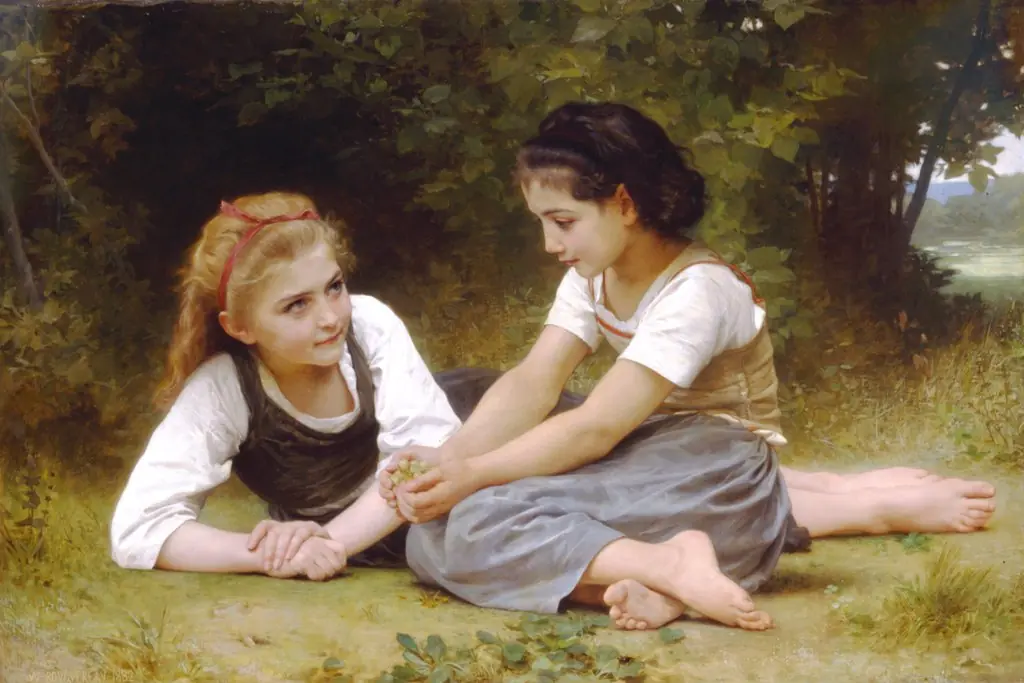 The Nut Gatherers
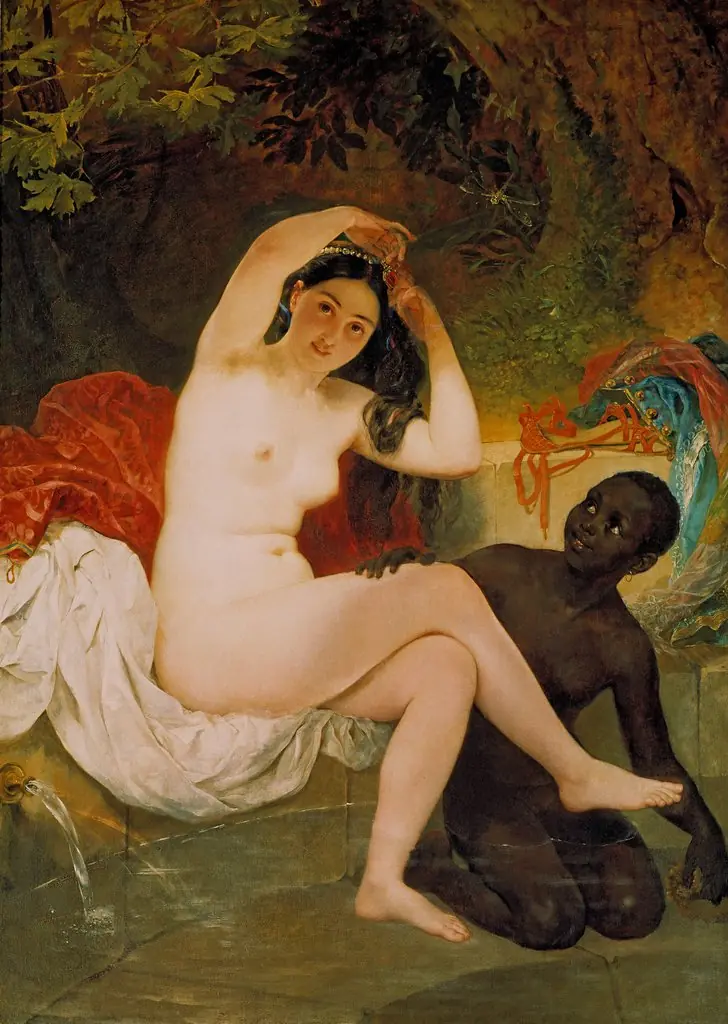 Bathsheba
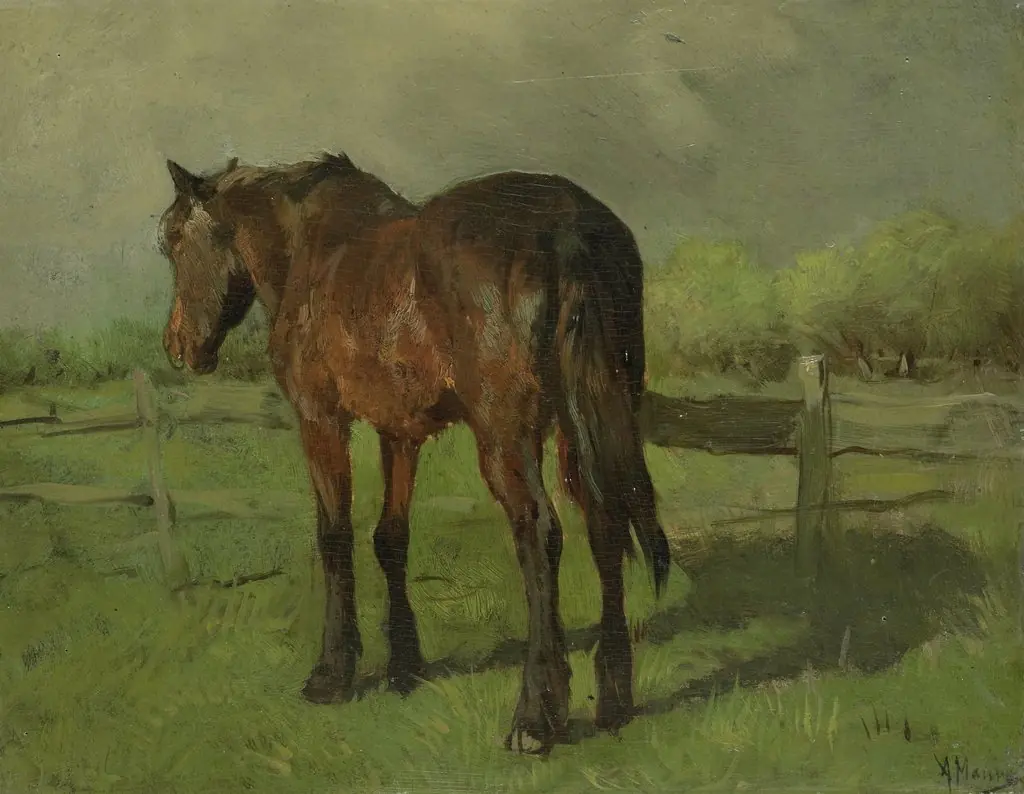 Horse
Horse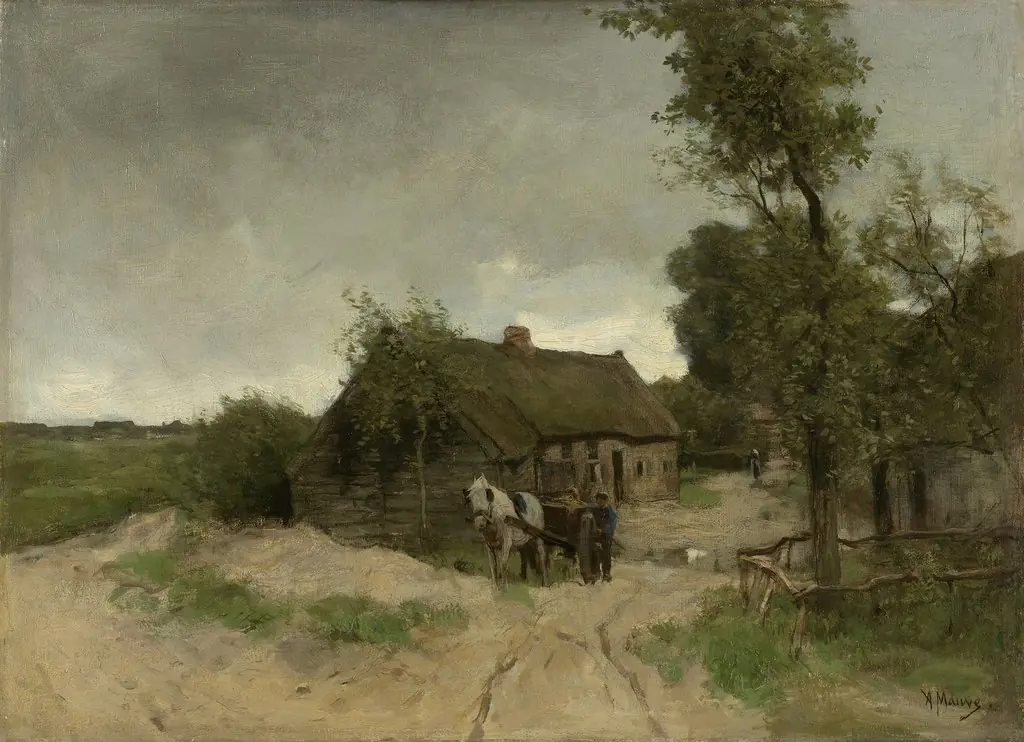 Cottage on the dirt road
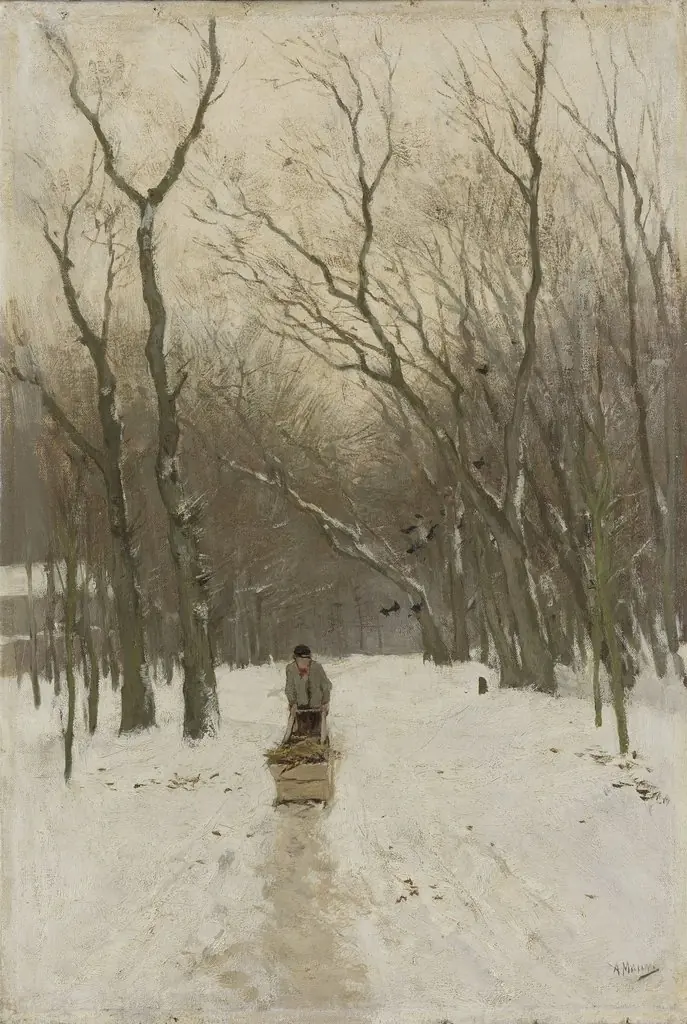 Winter in the Scheveningse bosjes.
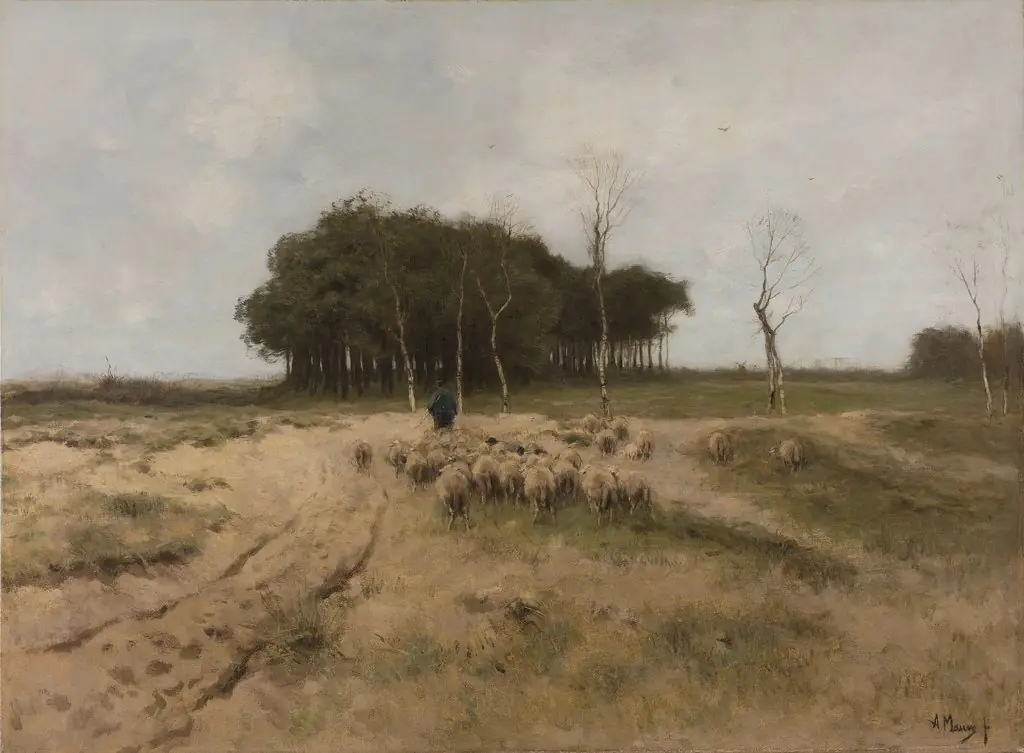 On the Heath near Laren
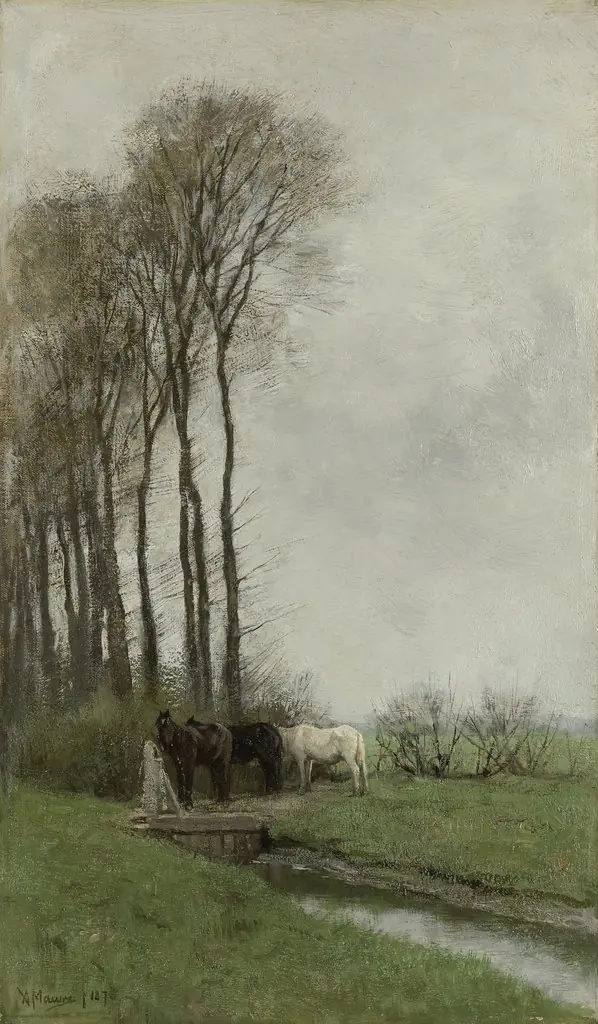 Horses near the fence.
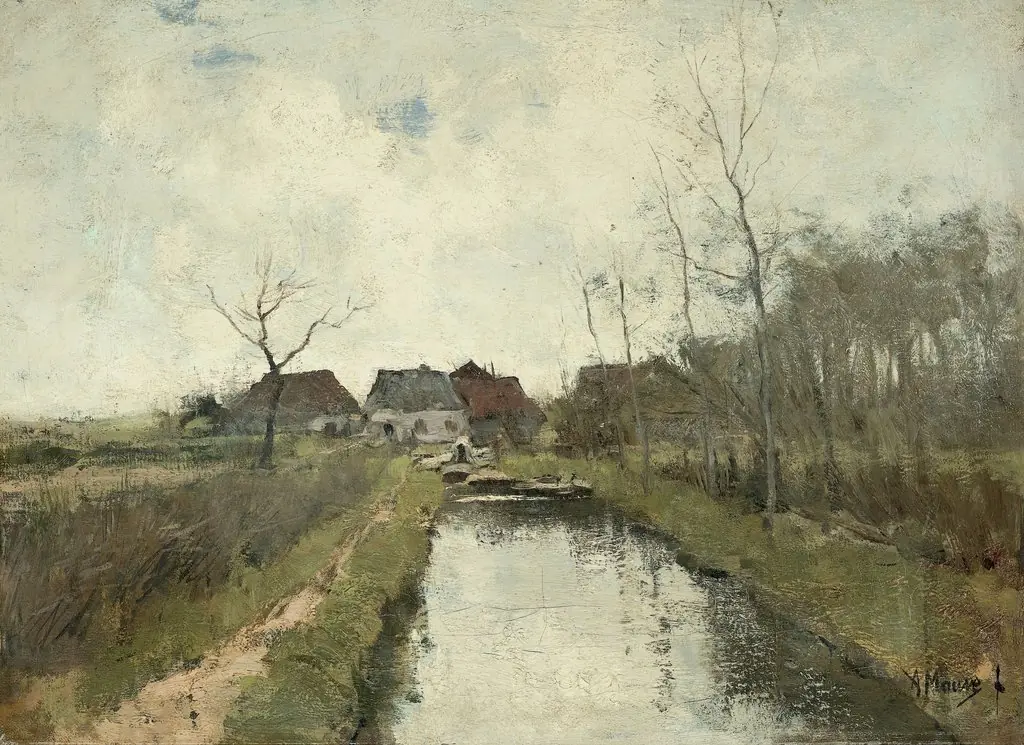 Cottages by a ditch
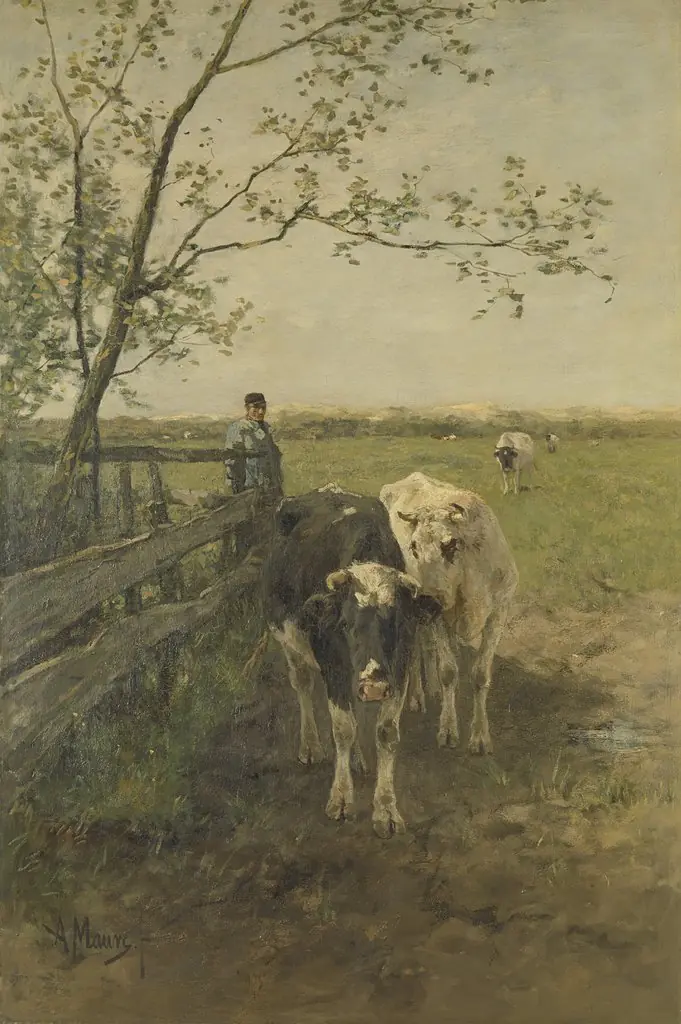 The milking corner.
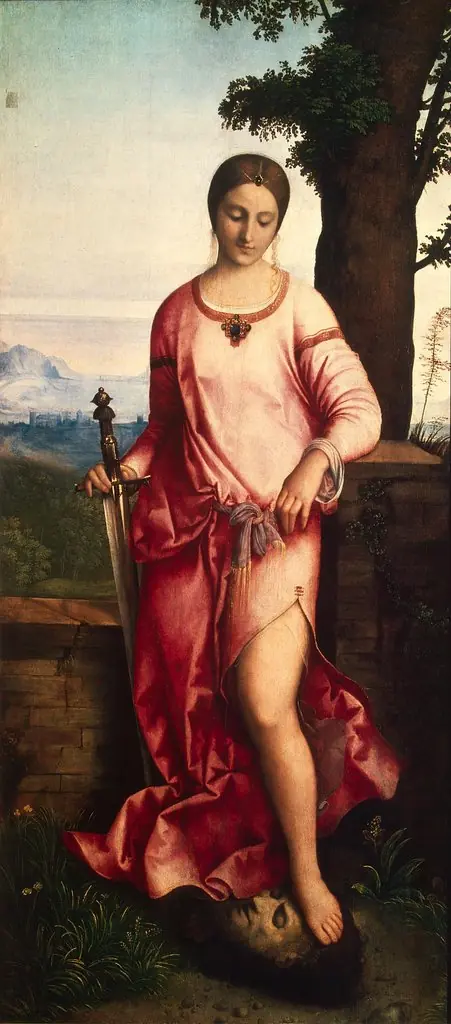 Judith
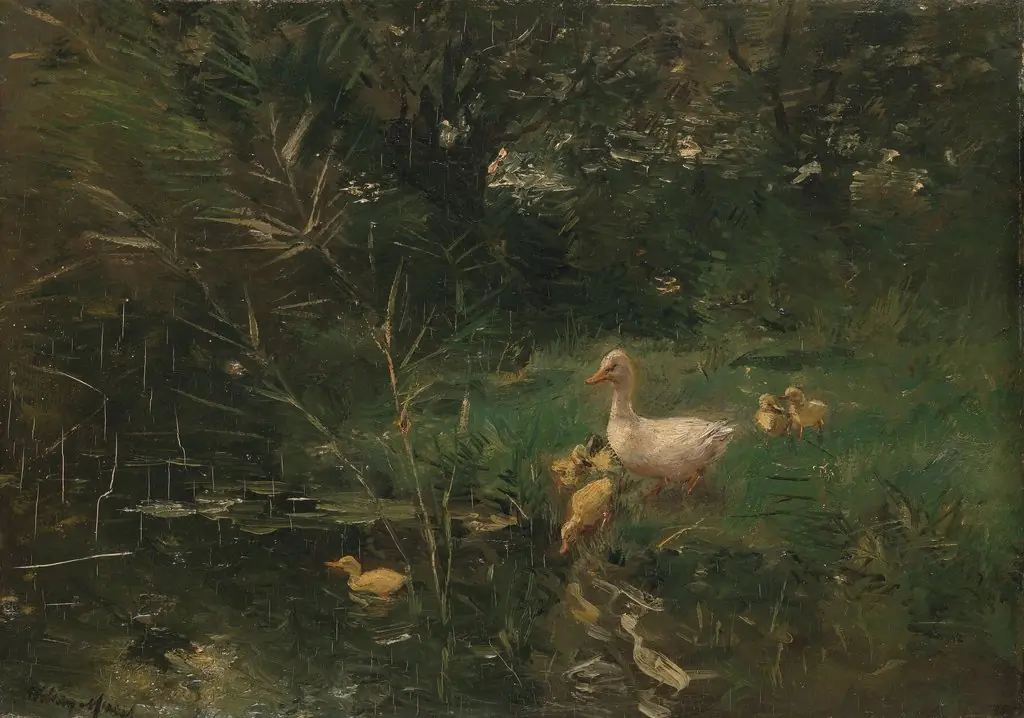 Eendjes
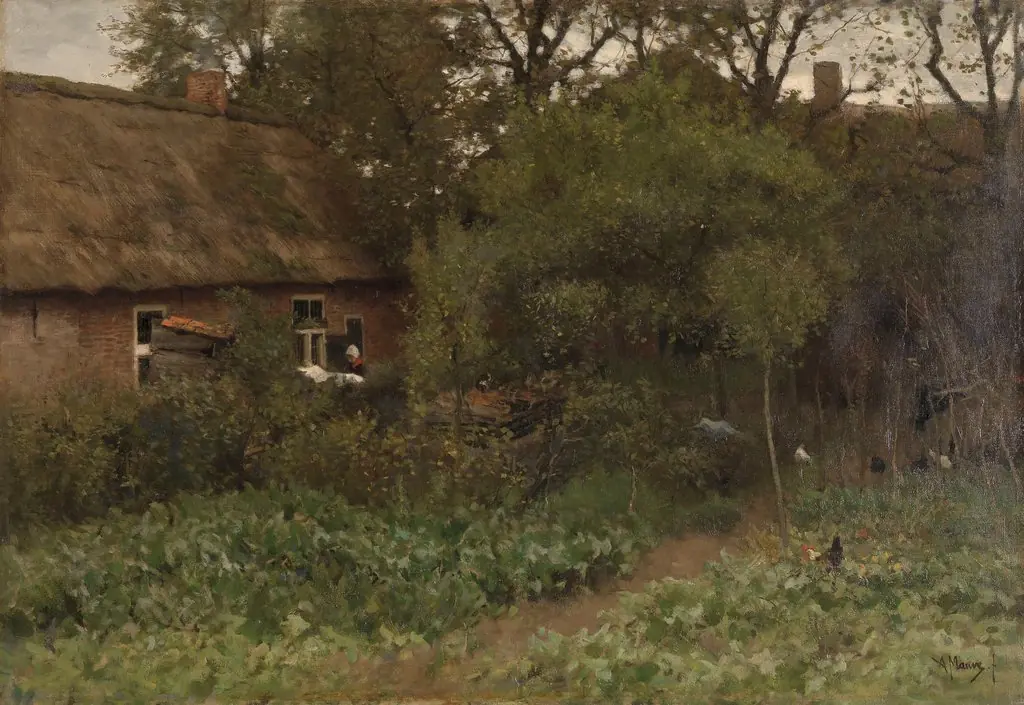 The Vegetable Garden
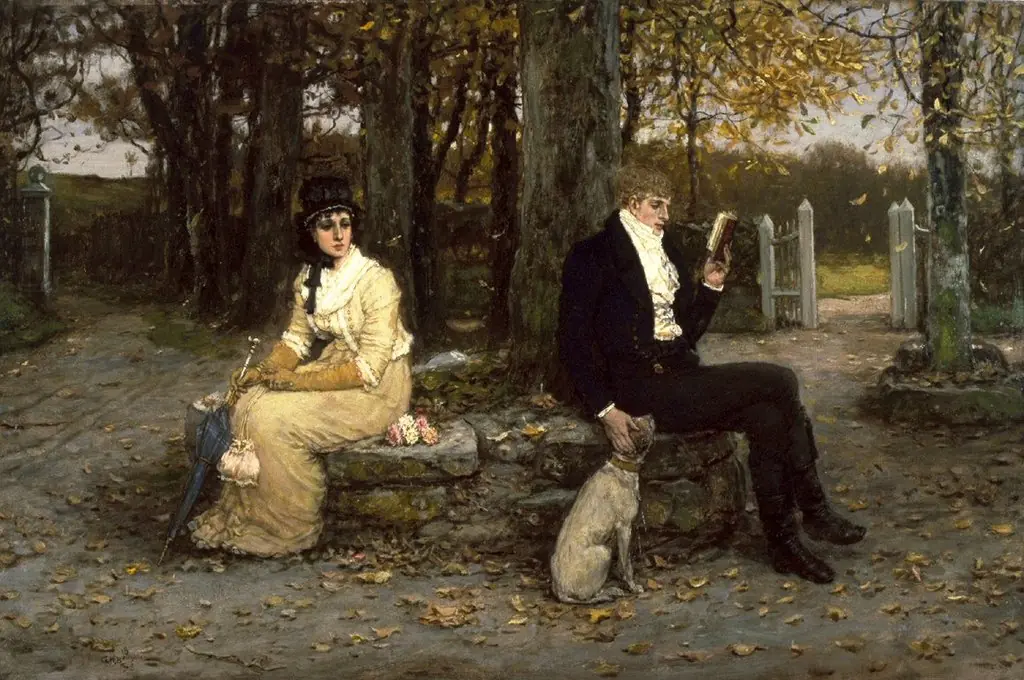 The Waning Honeymoon
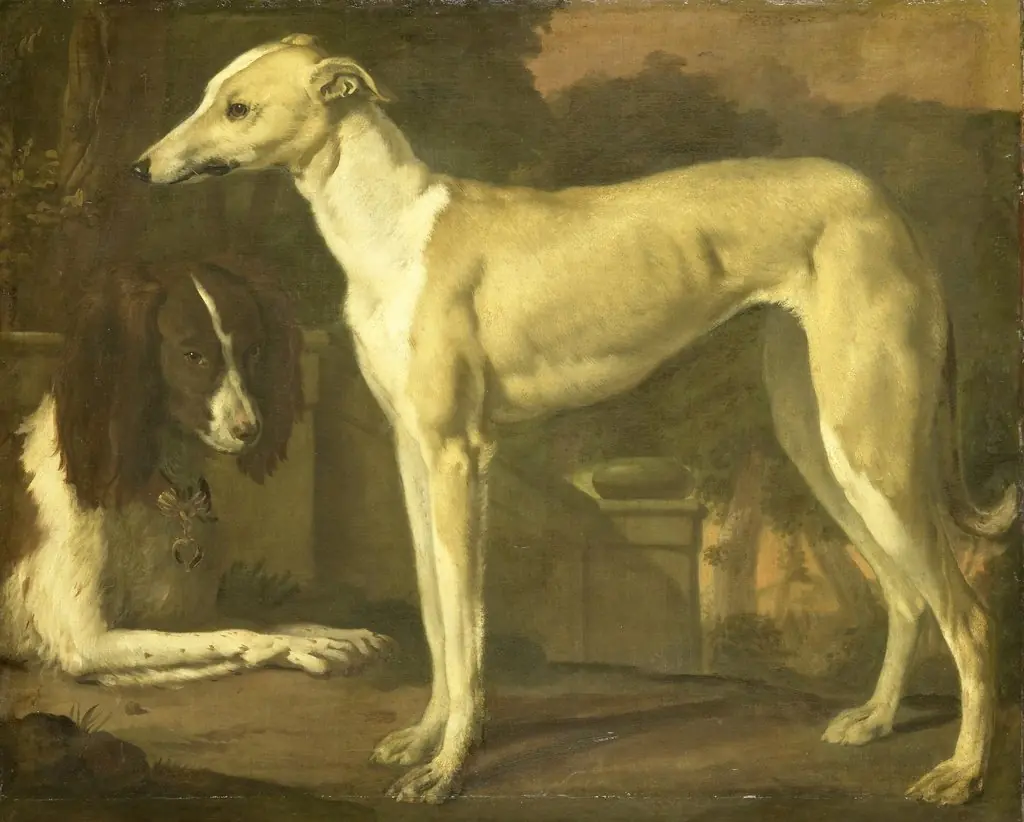 Portrait of a greyhound and a spaniel
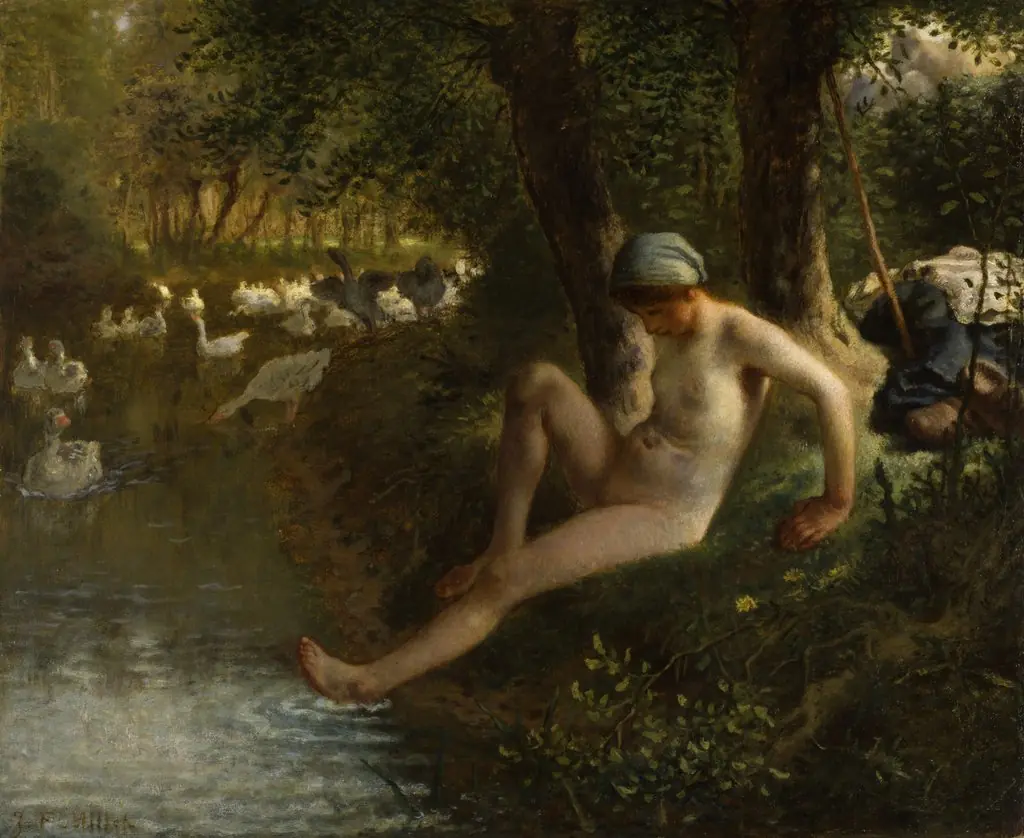 The Goose Girl
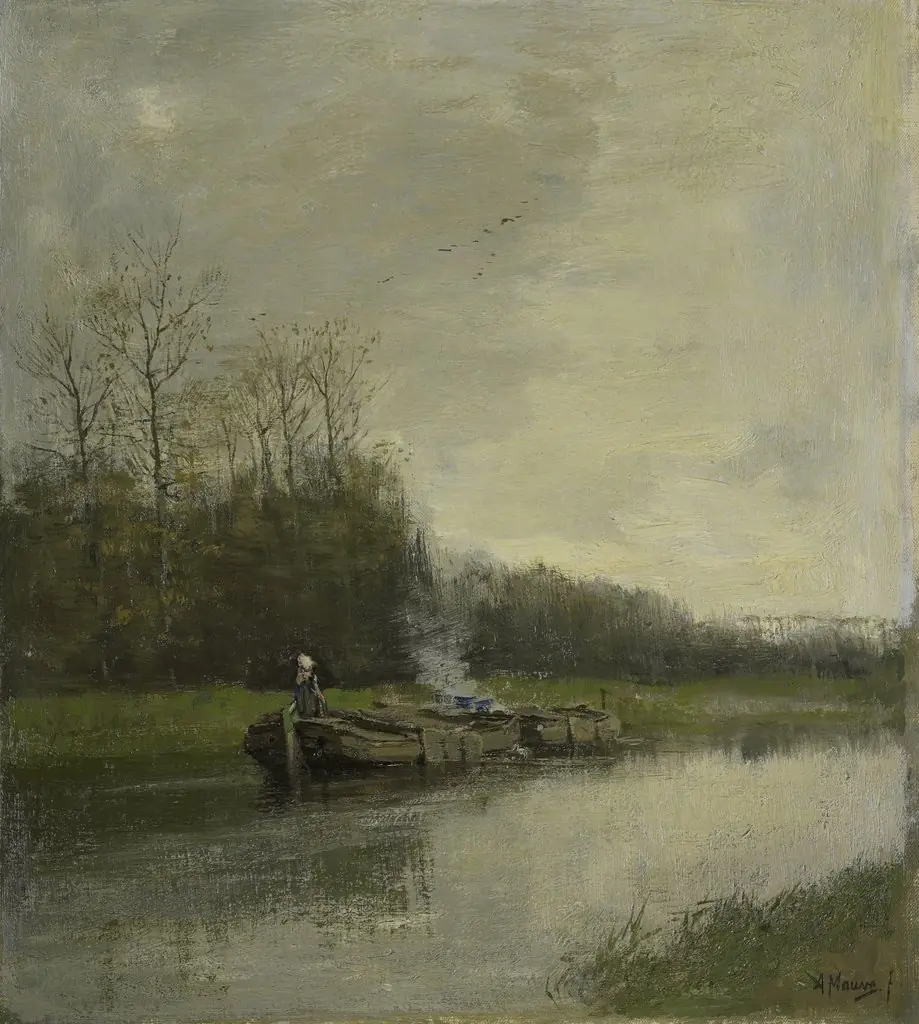 Towing canal.
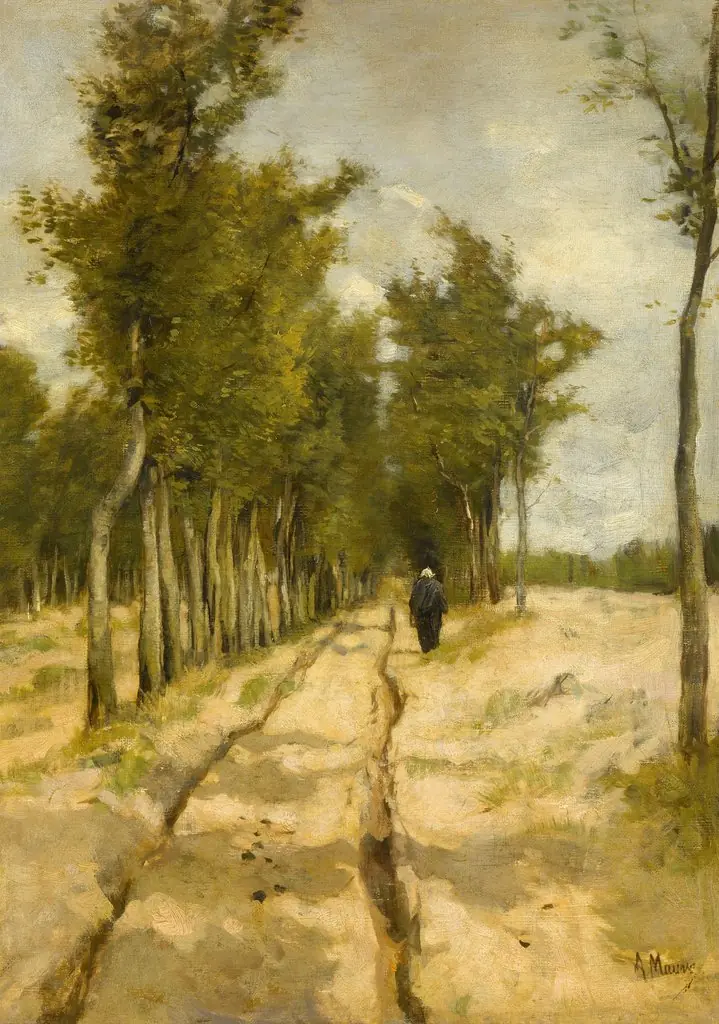 The Torenlaan at Laren.
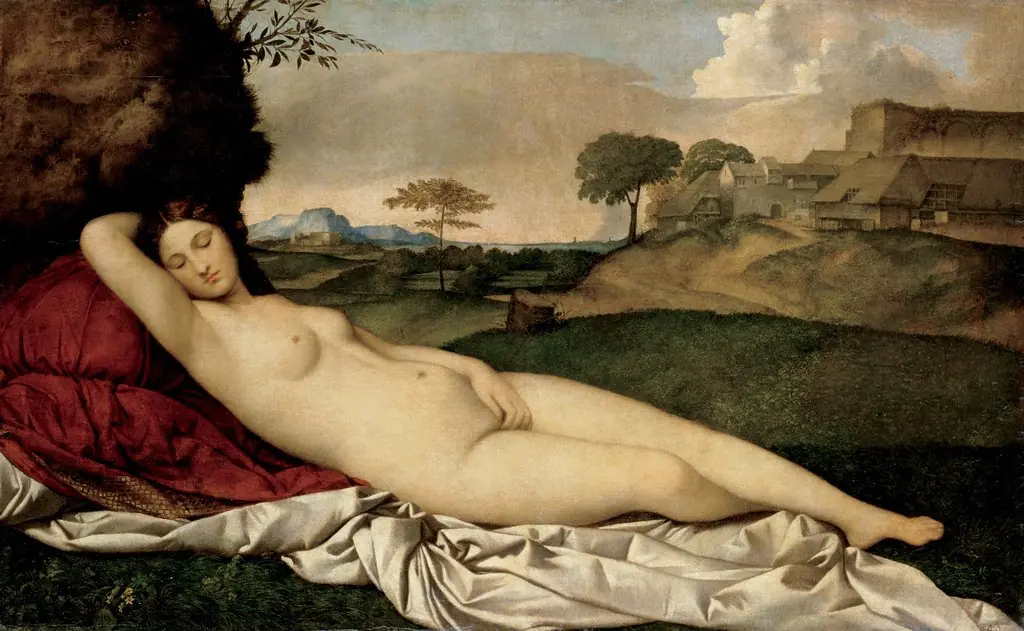 Sleeping Venus
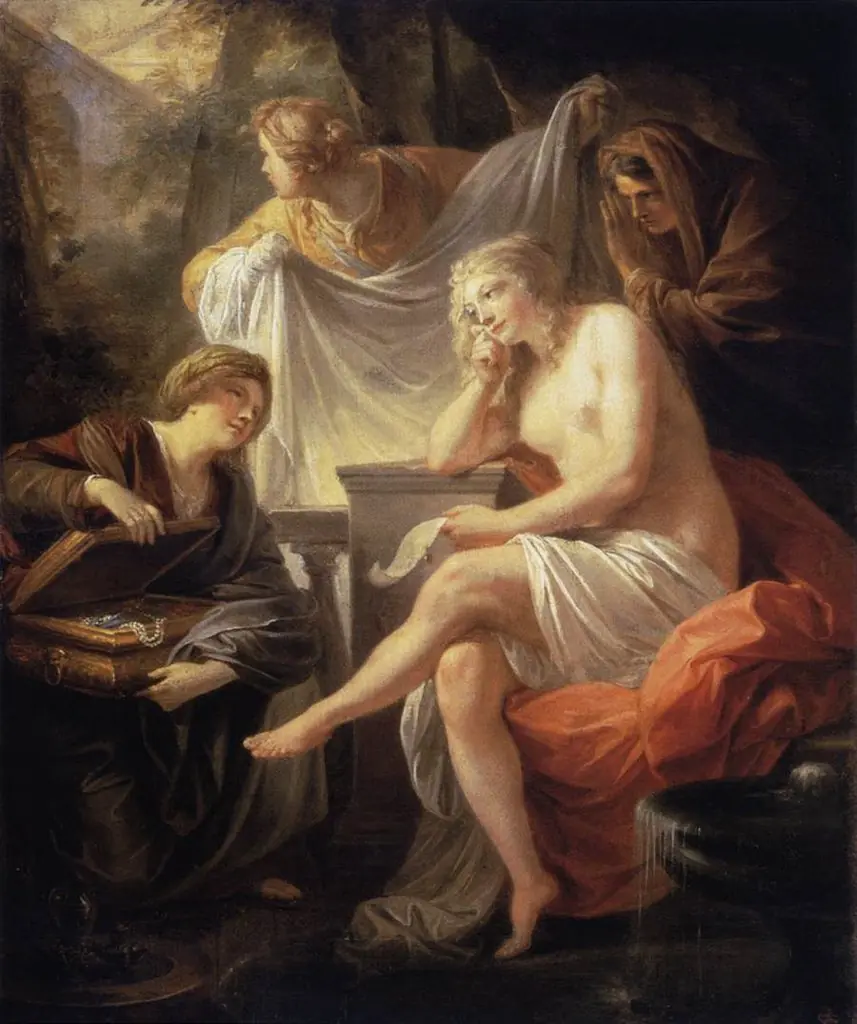 Bathsheba at her bath
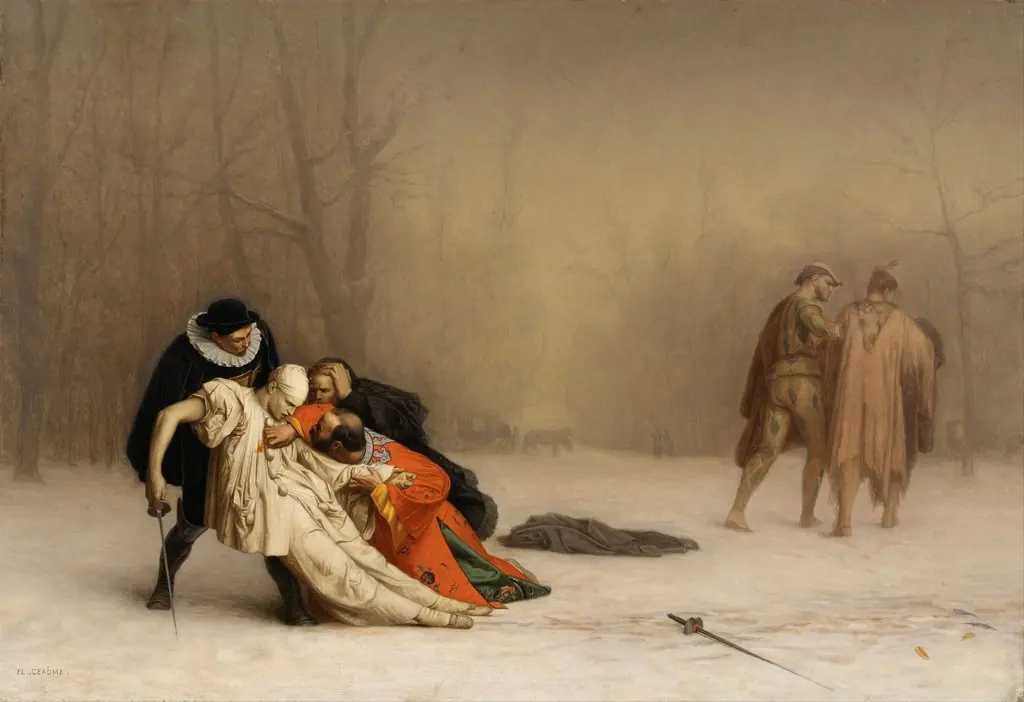 The Duel After the Masquerade
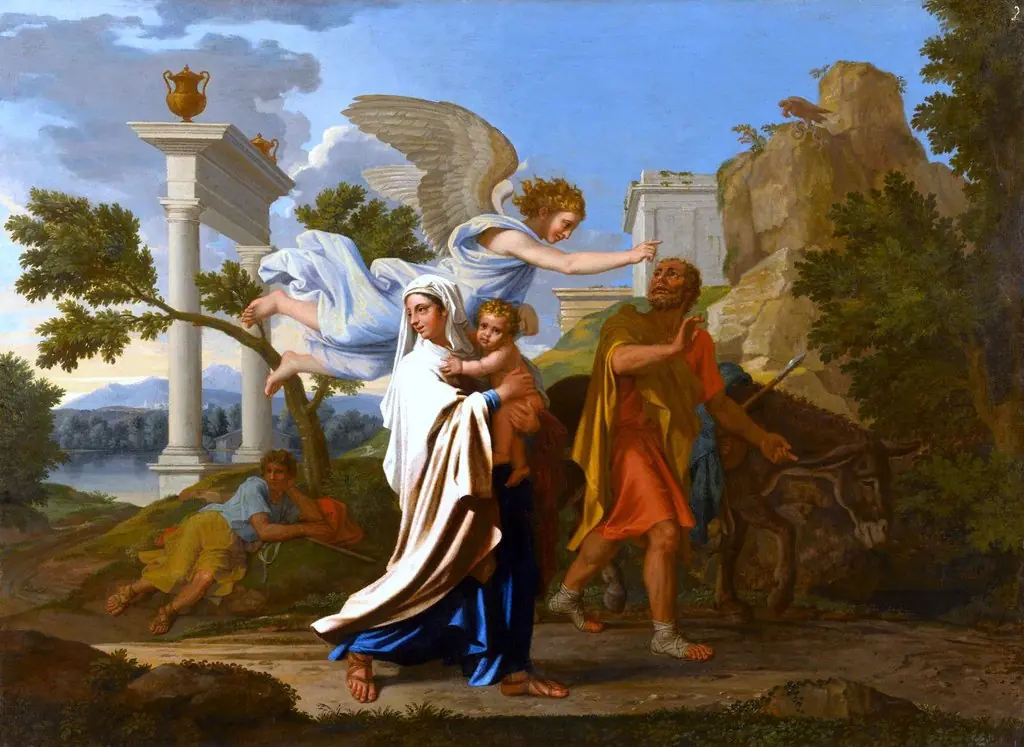 The Flight into Egypt
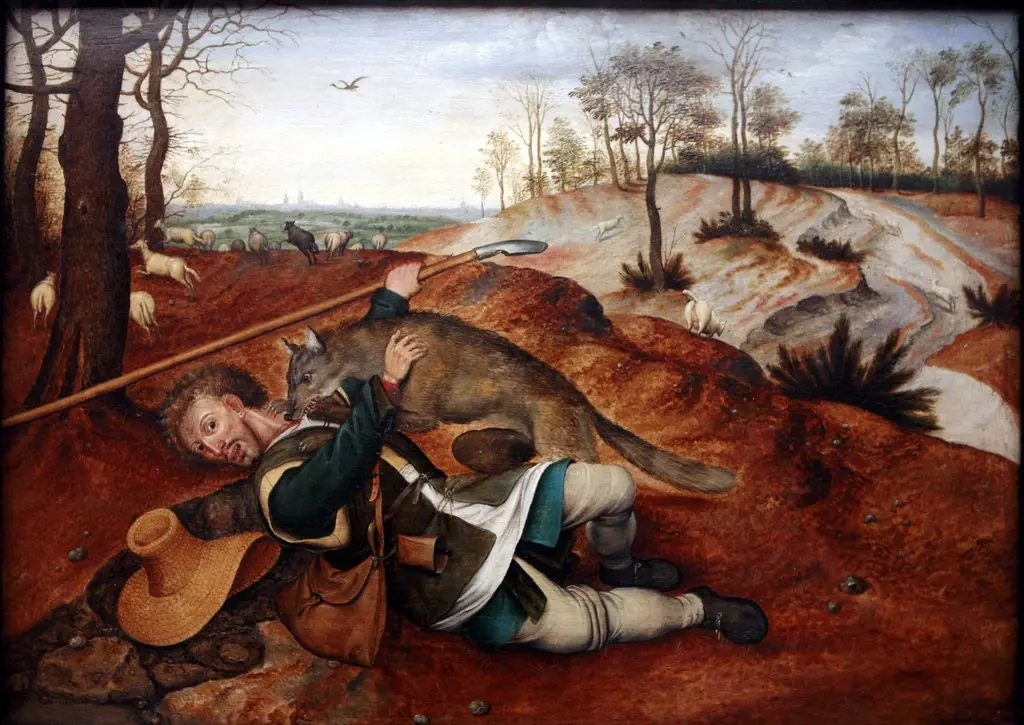 The Good Shepherd
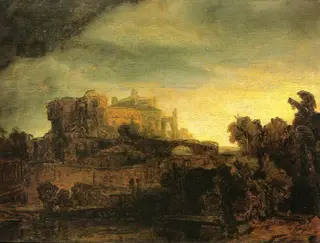 Landscape with Castle
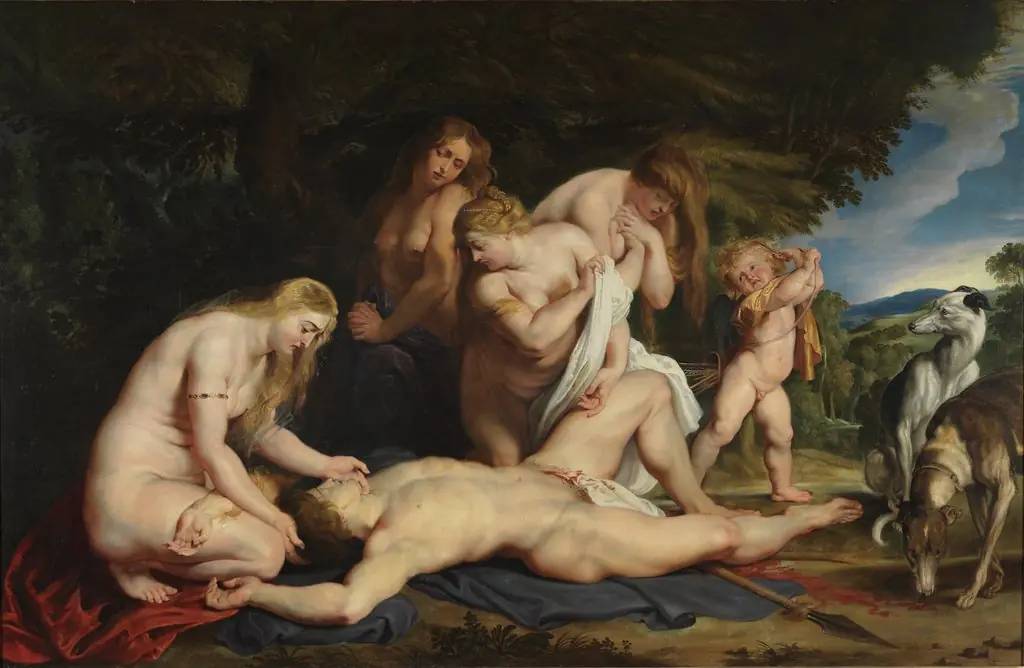 The Death of Adonis
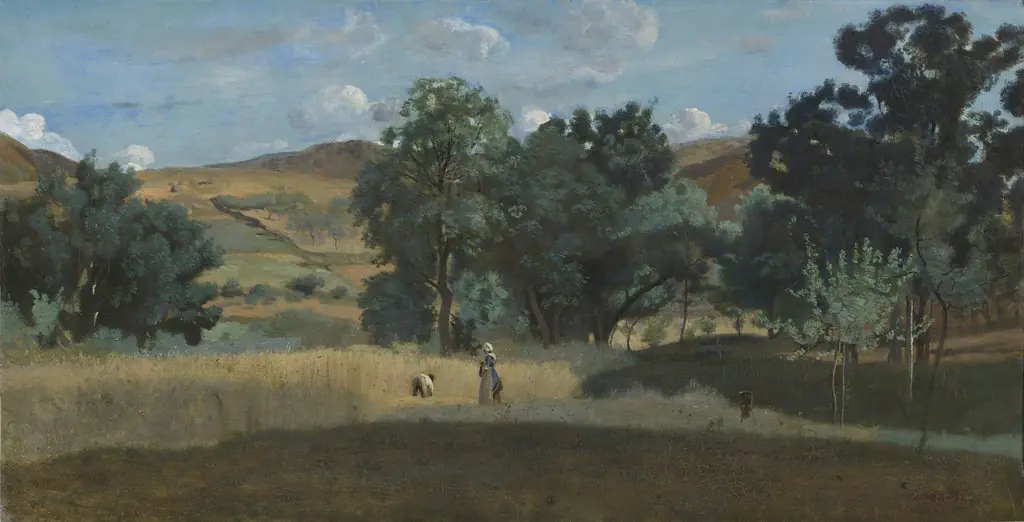 Champ de blé dans le Morvan
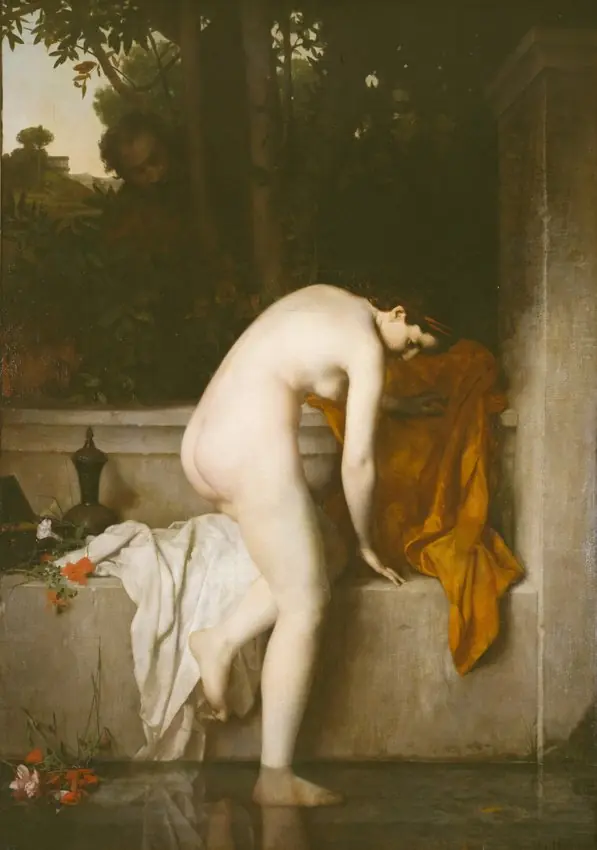 The Chaste Susannah
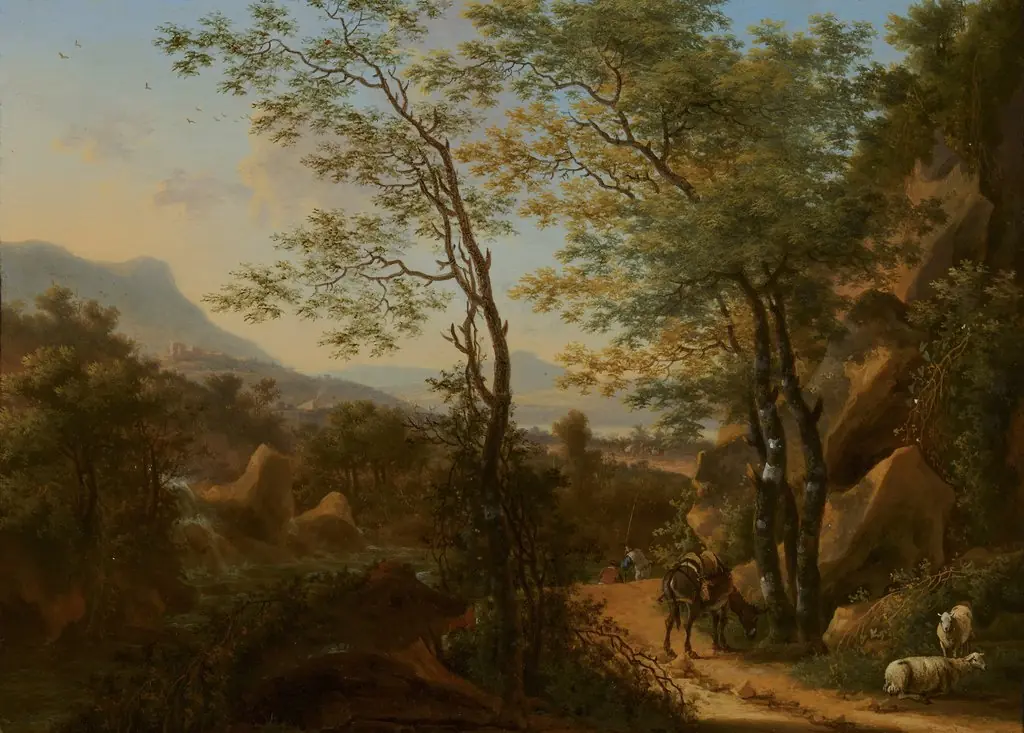 Mountainous Landscape in Italy
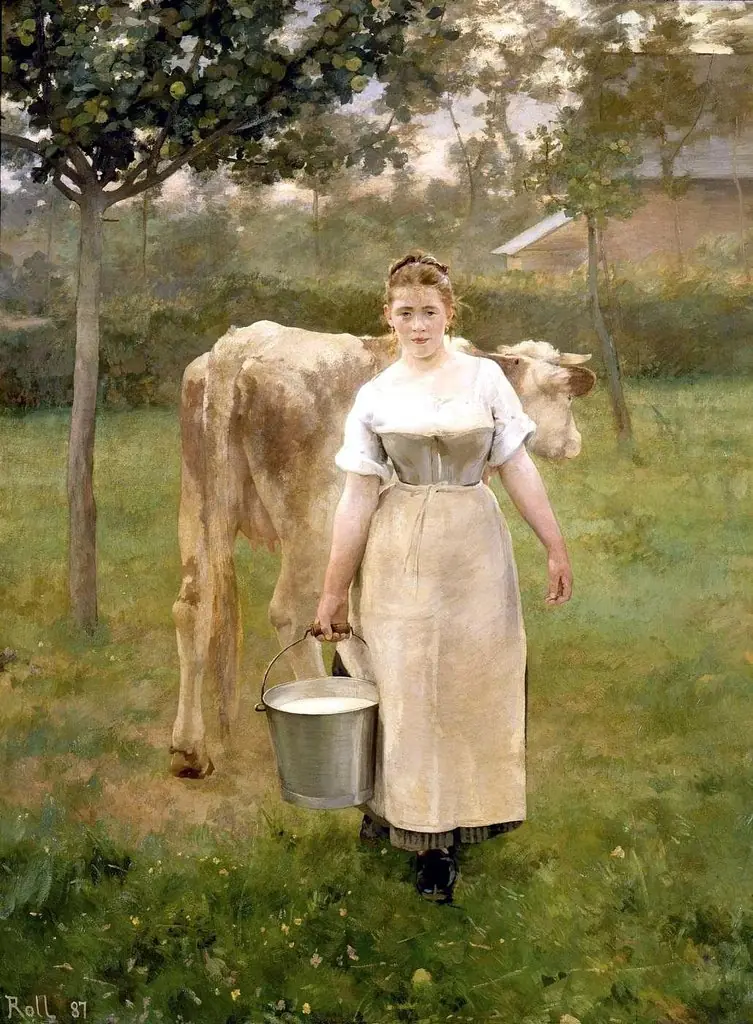 Manda Lamétrie, fermière
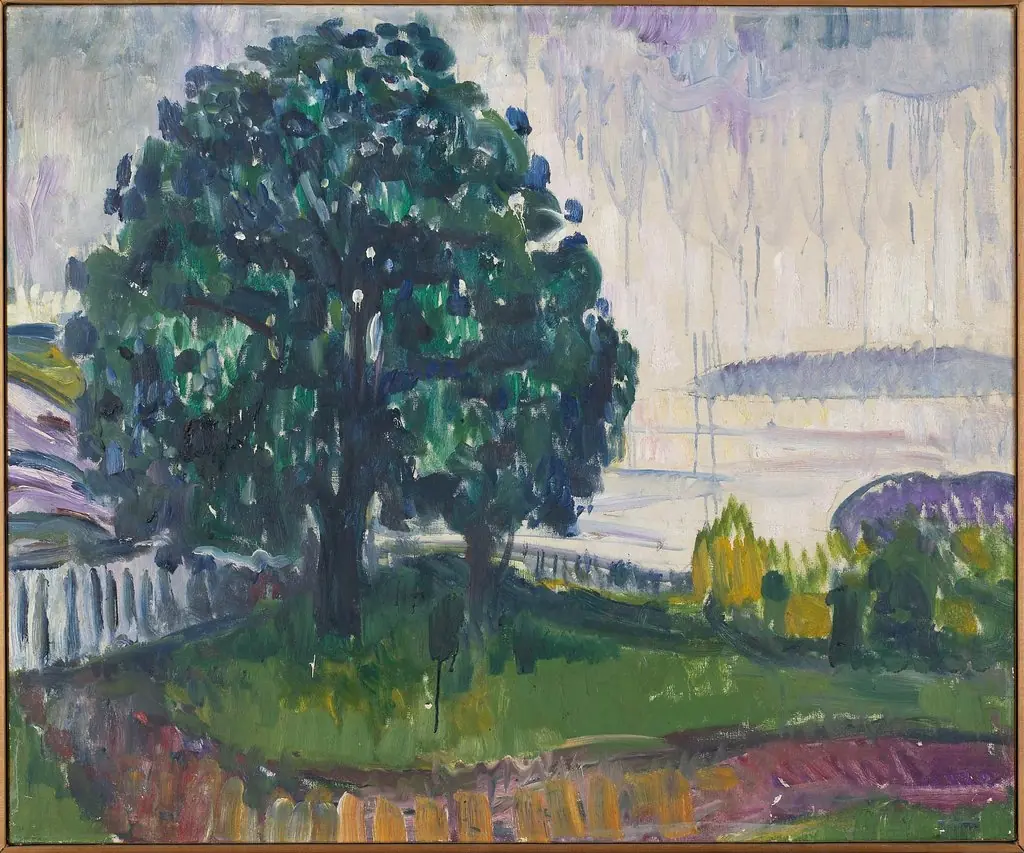 Trees by the Sea
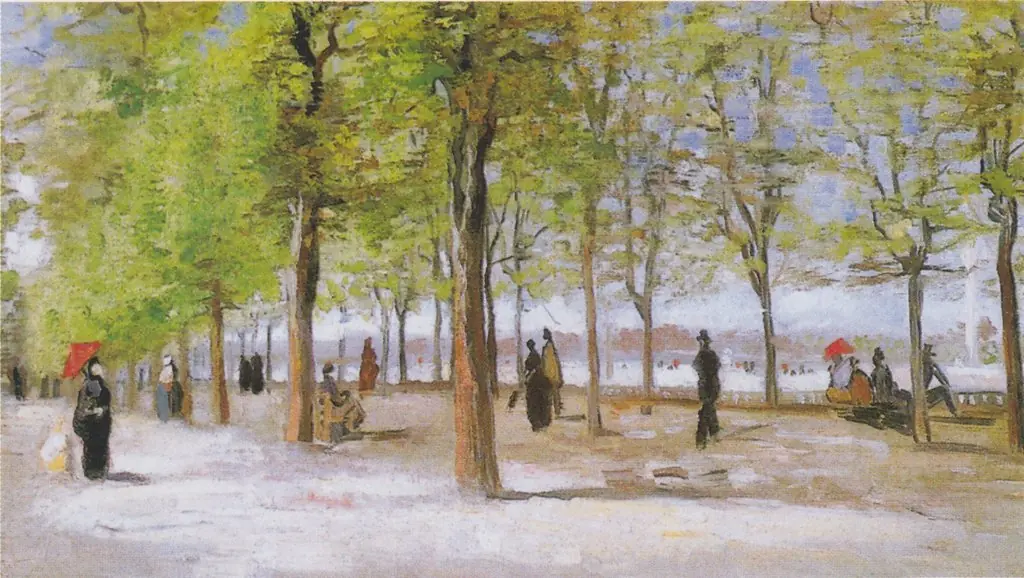 Terrace in the Luxembourg Gardens
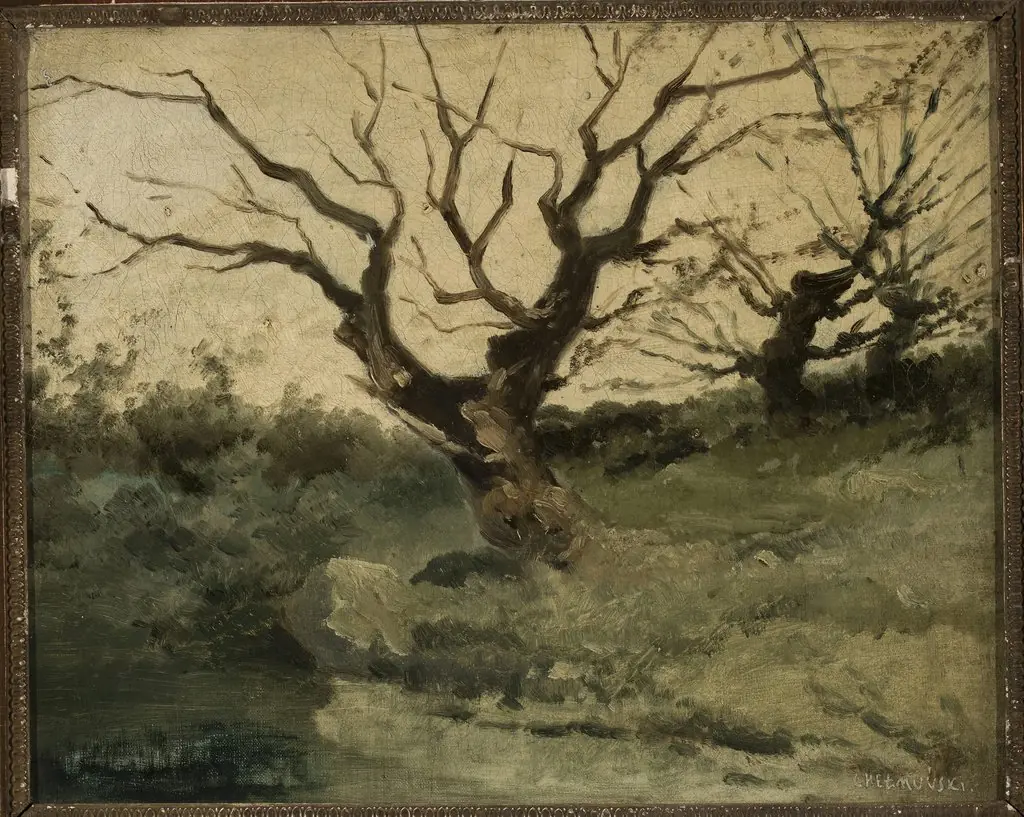 Autumn landscape
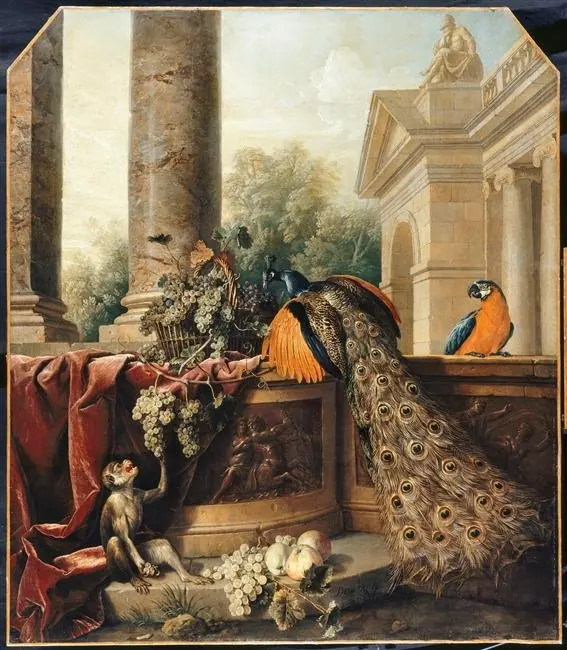 Still Life with a Peacock
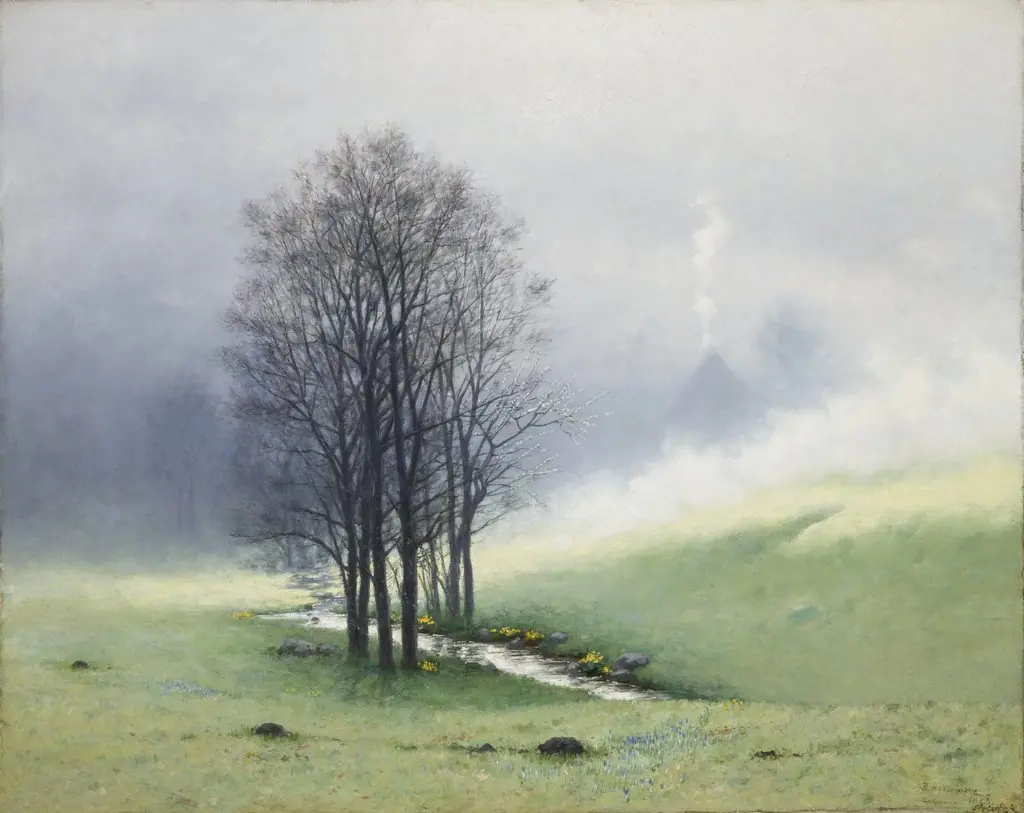 Spring Mist
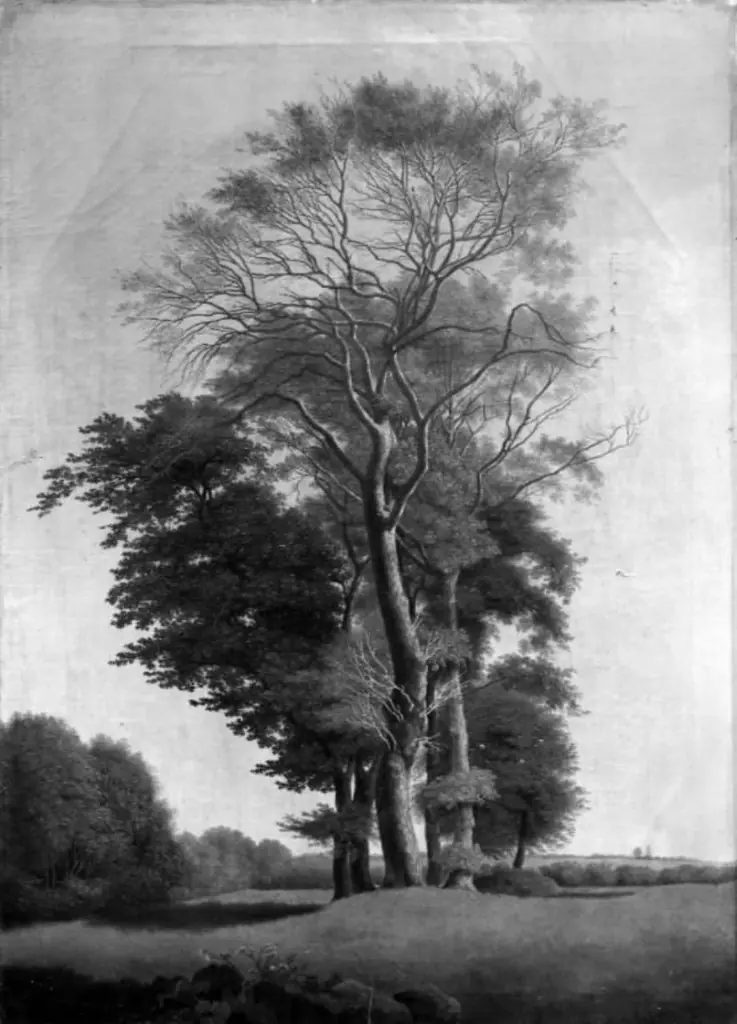 Landscape with Trees
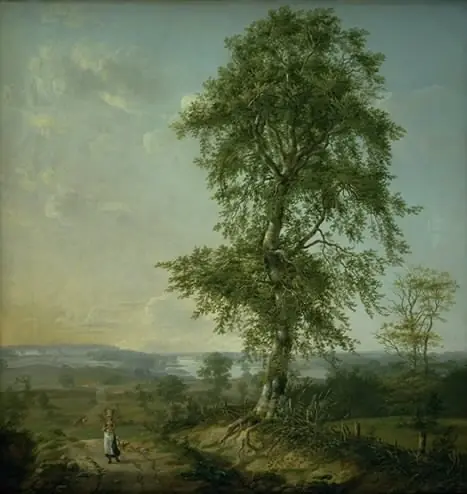 Landscape with a Big Tree
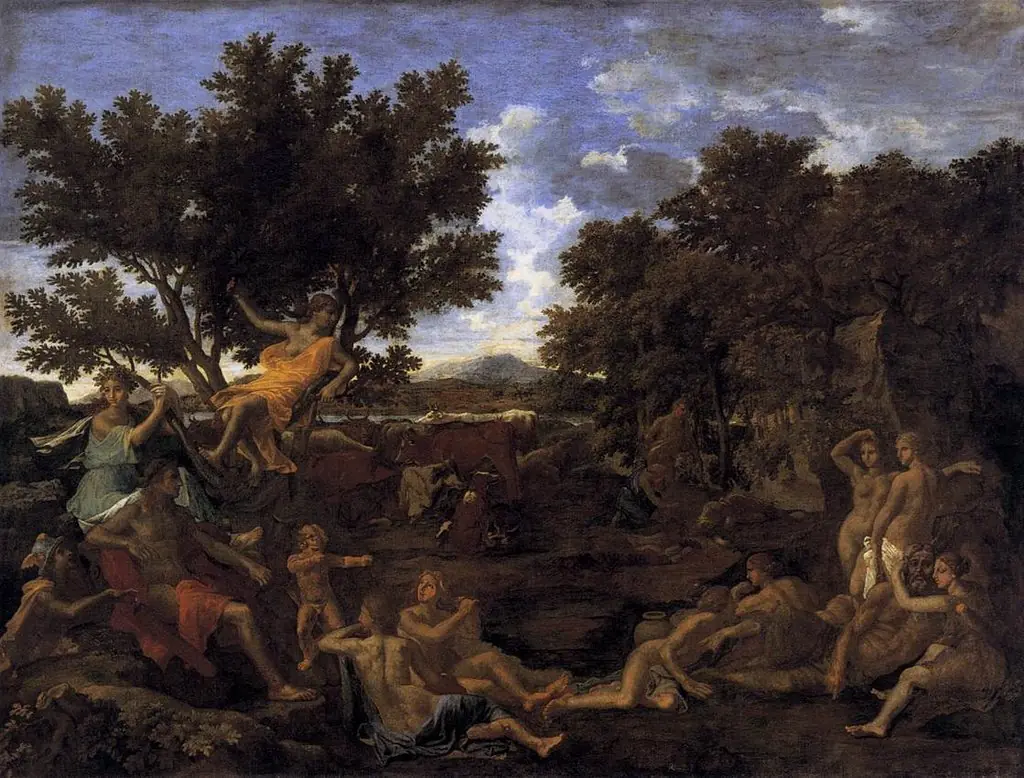 Apollo in Love with Daphne
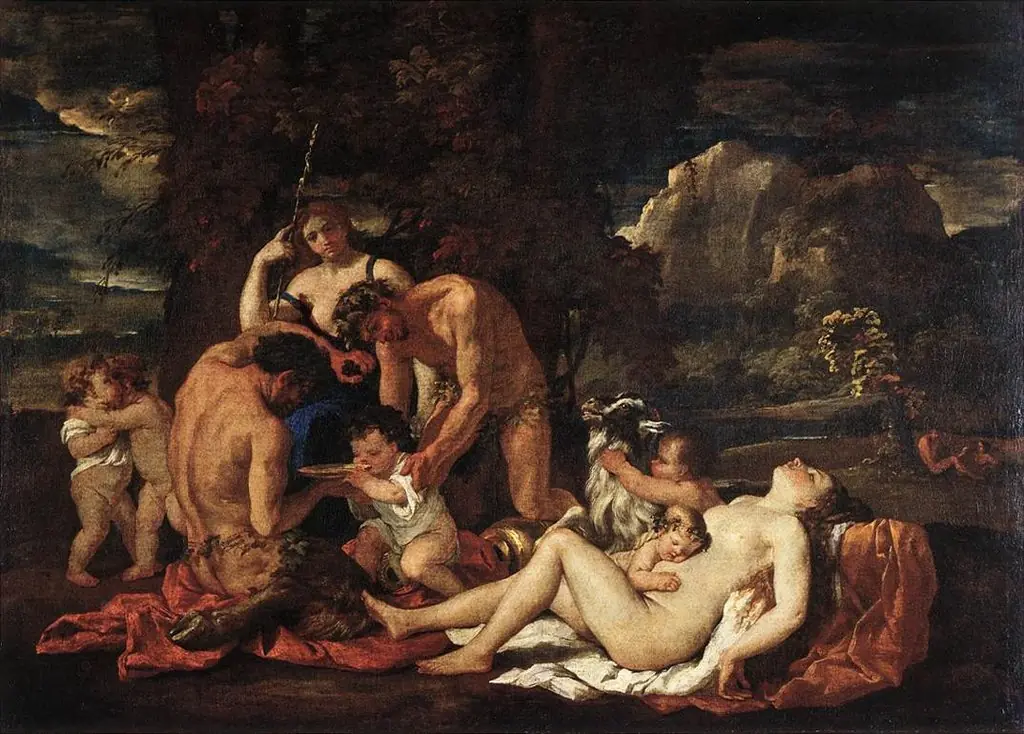 The Nurture of Bacchus
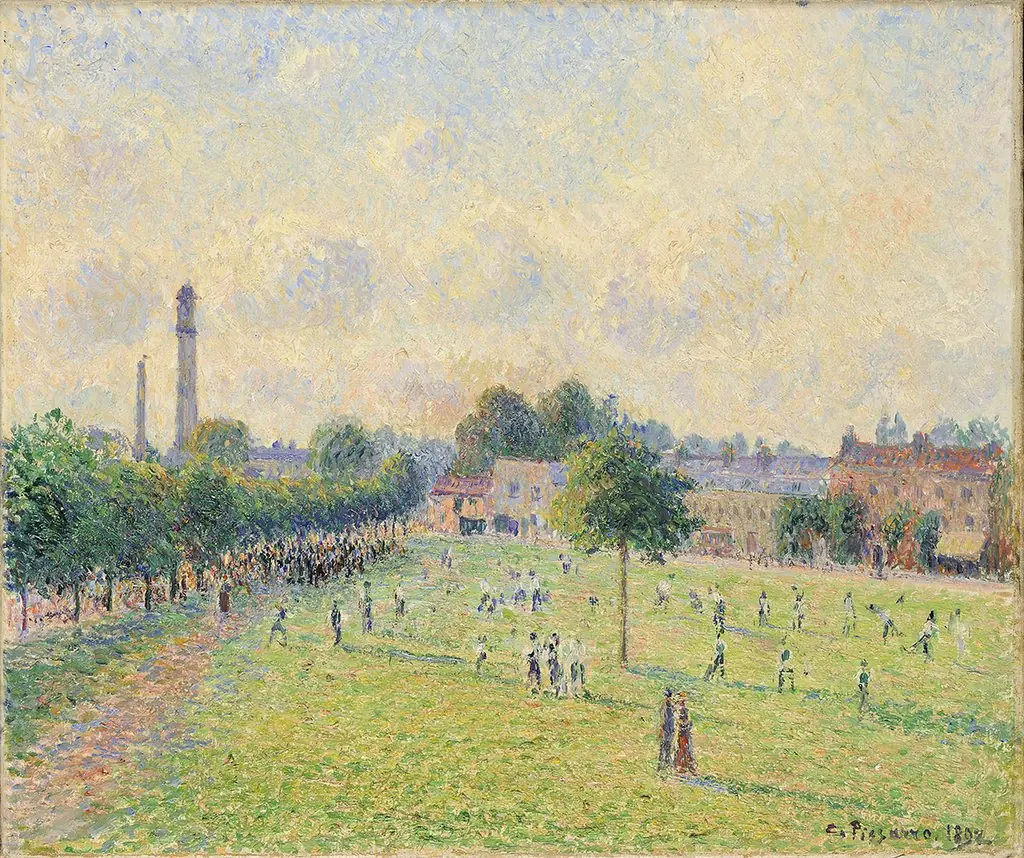 Kew Greens
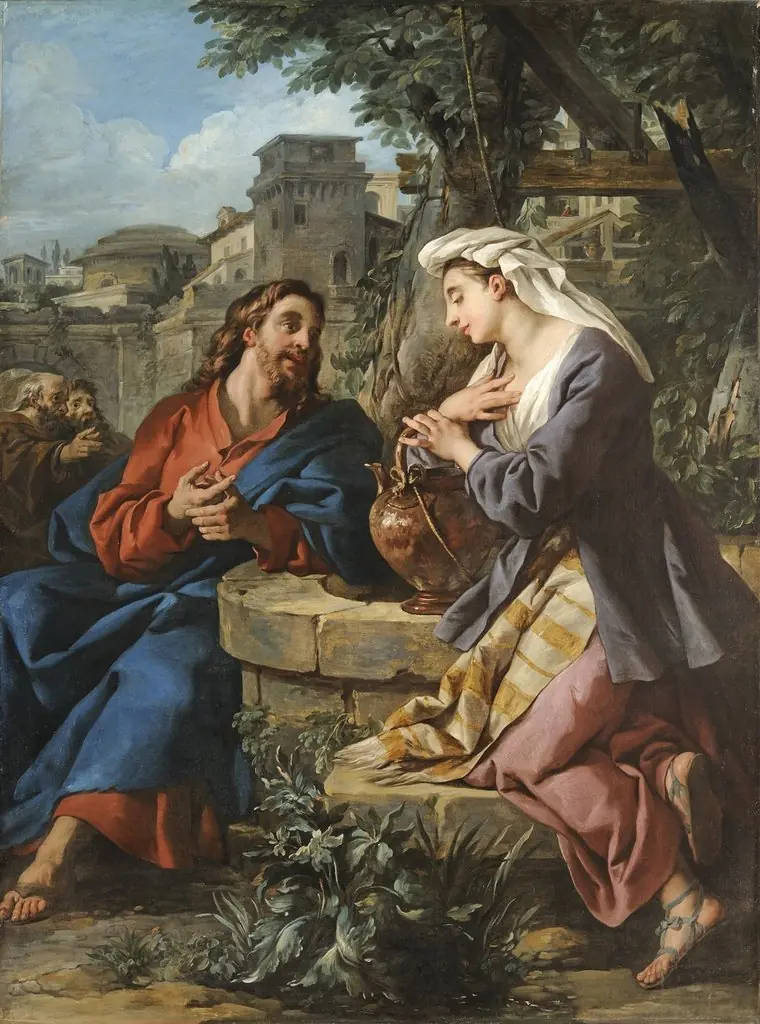 Christ and the Samaritan Woman
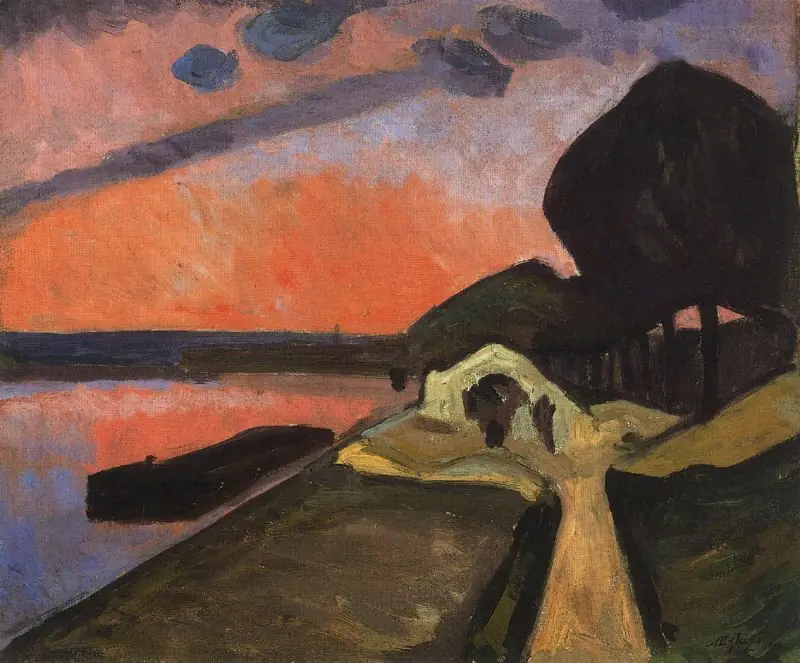 The Banks of the Marne
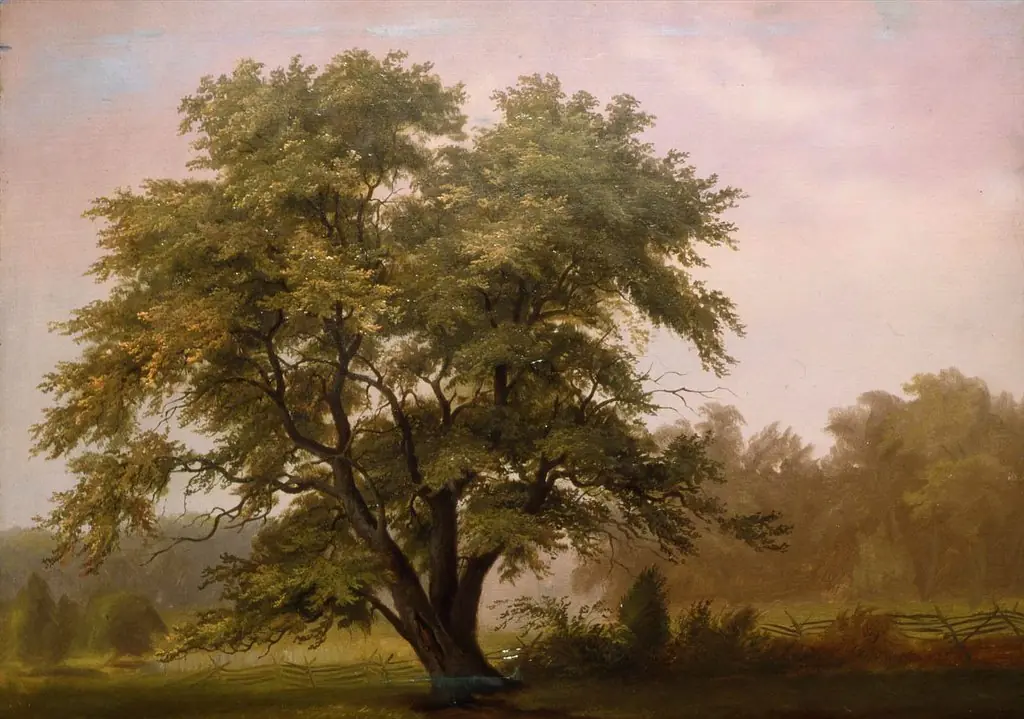 Landscape with Large Tree
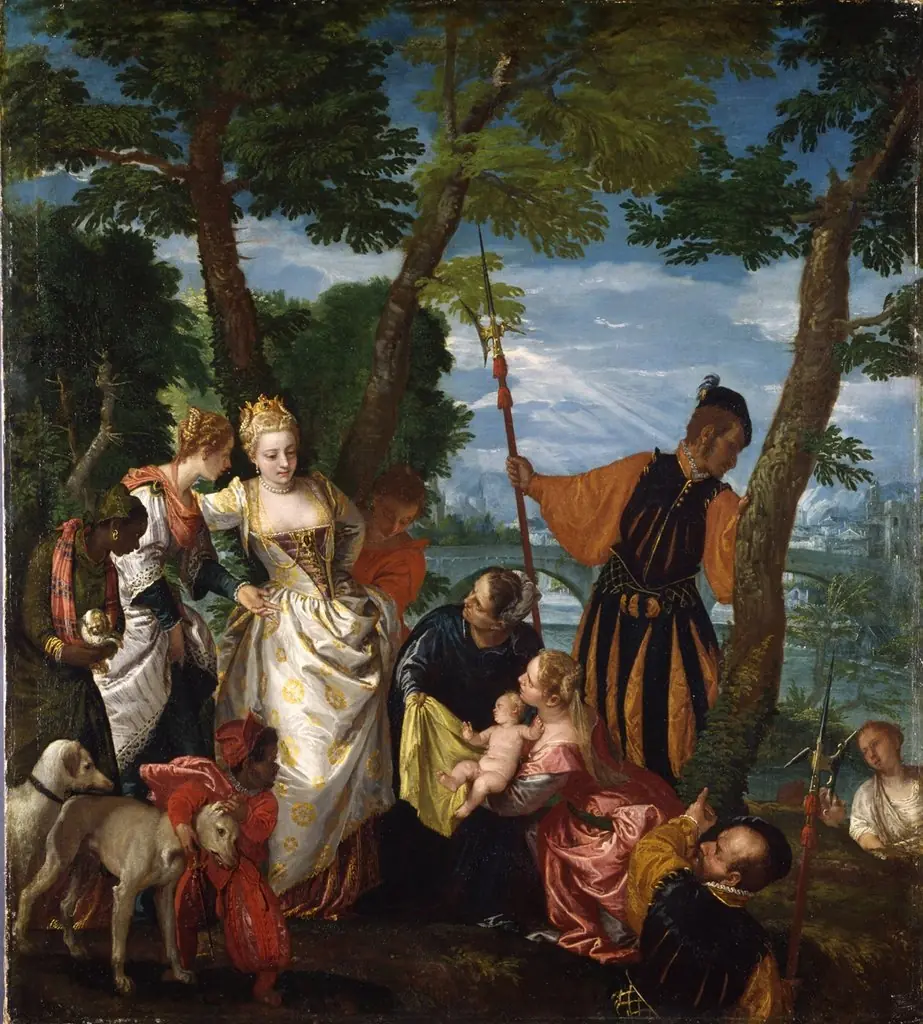 The Finding of Moses
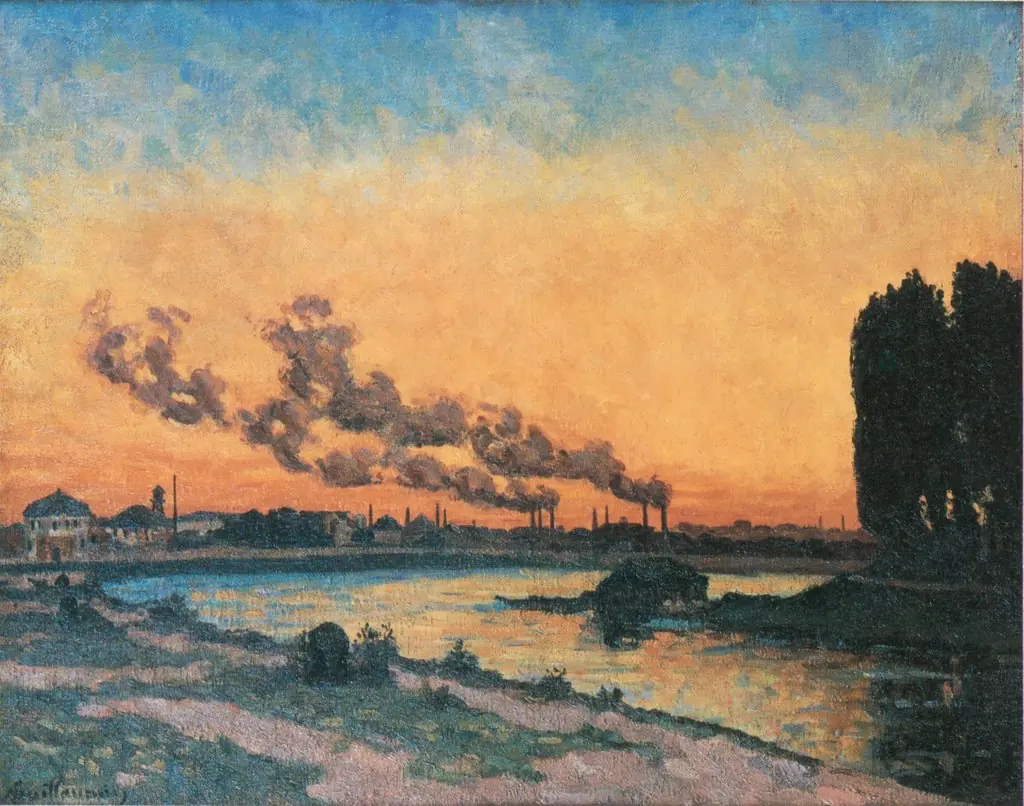 Soleil couchant à Ivry
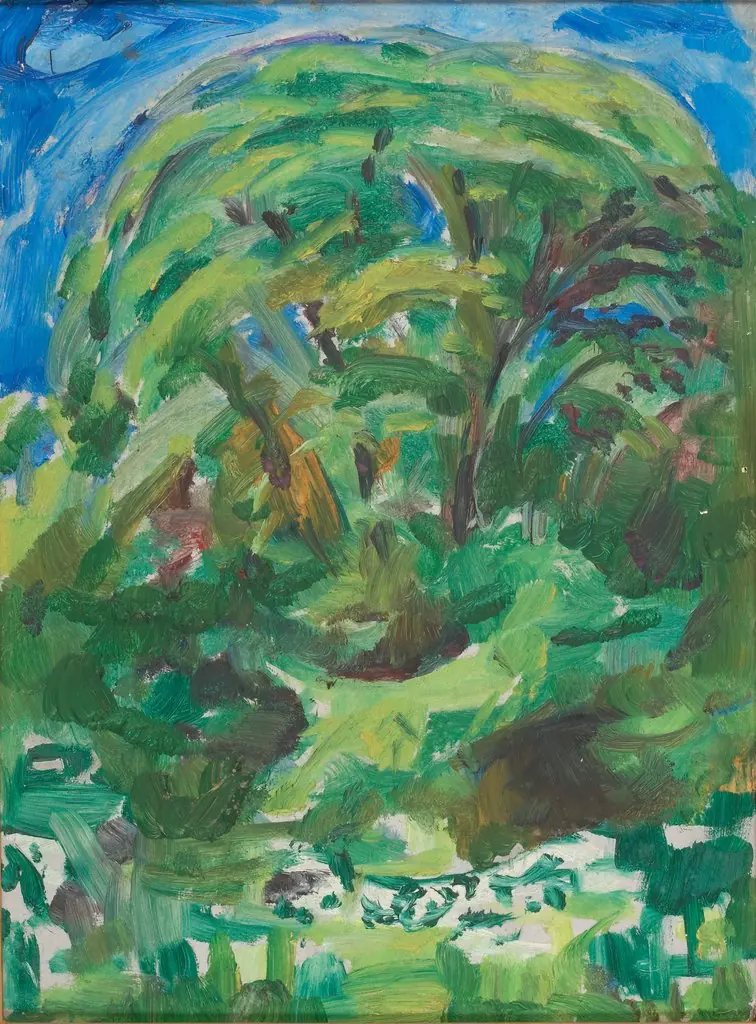 Large Deciduous Tree
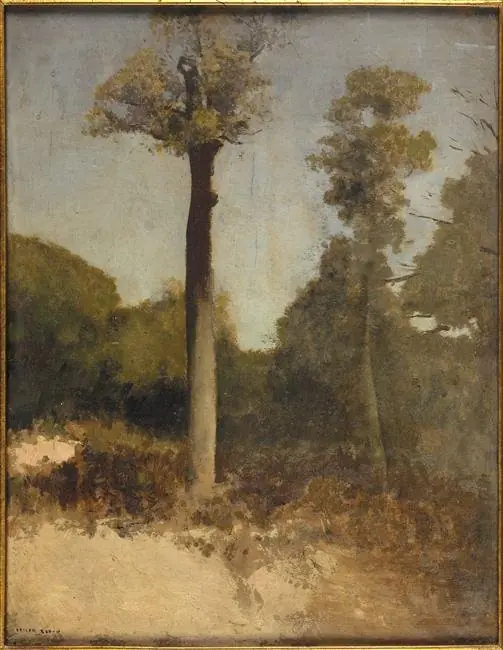 L'Arbre
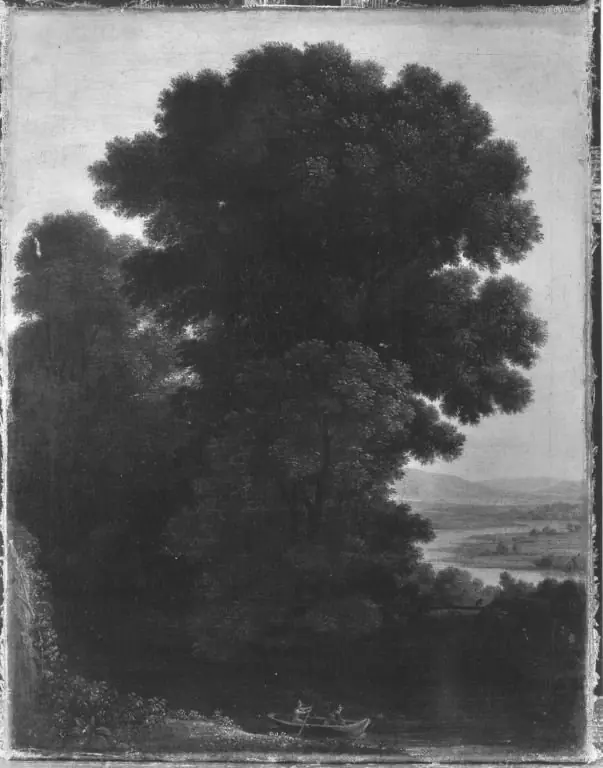 Abendlandschaft mit dichter Baumgruppe (Kopie nach)
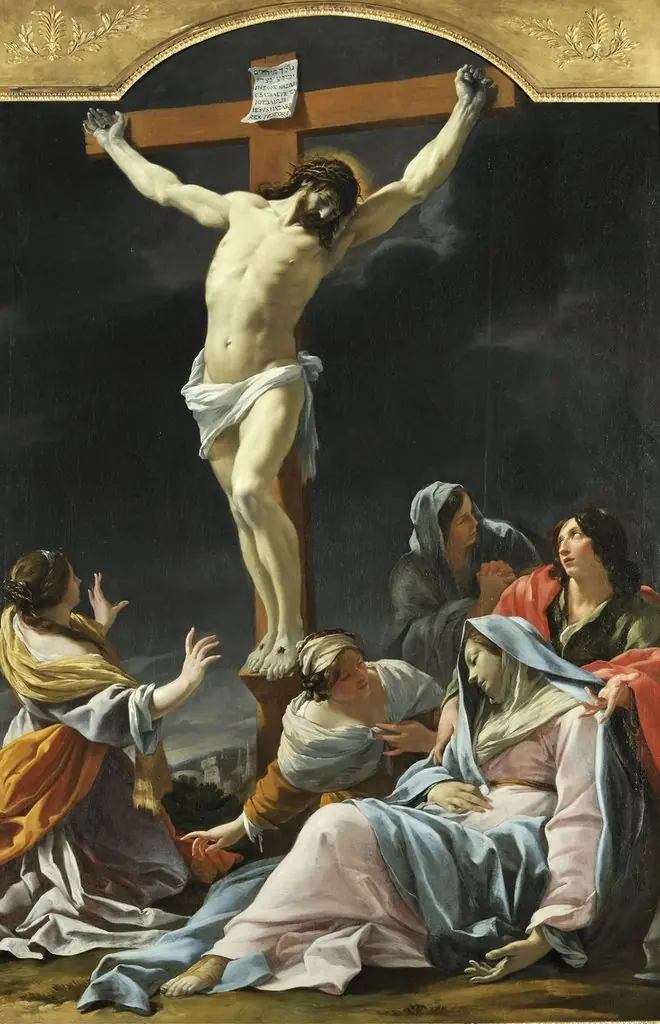 Crucifixion
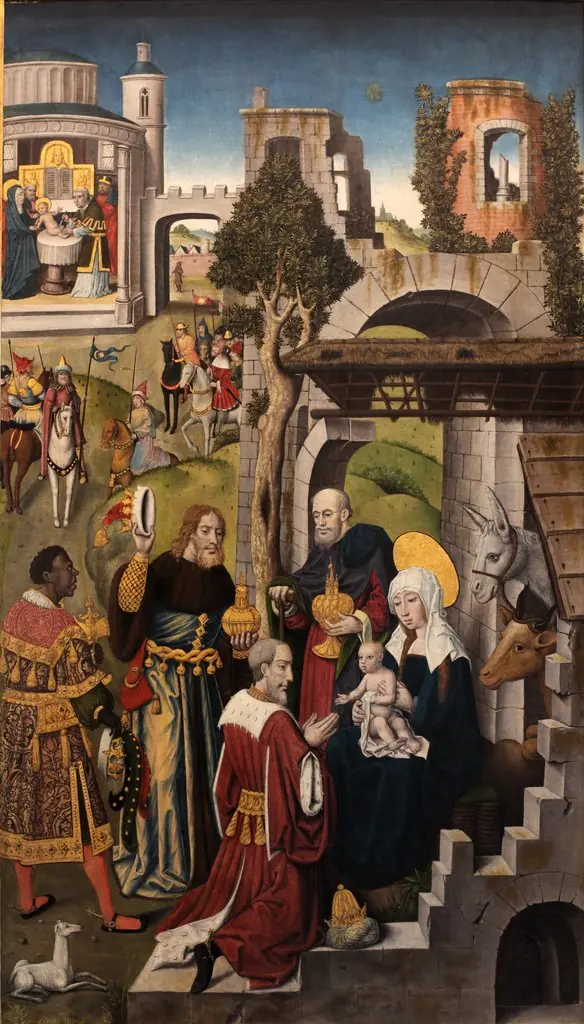 L’adoration des mages
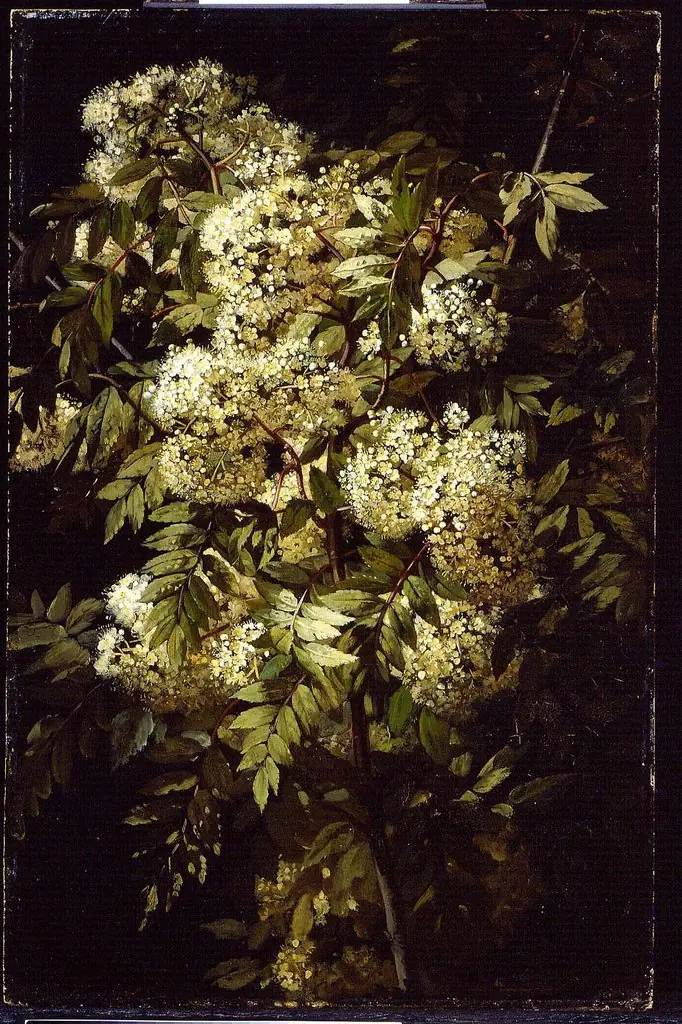 Study of a Flowering Branch
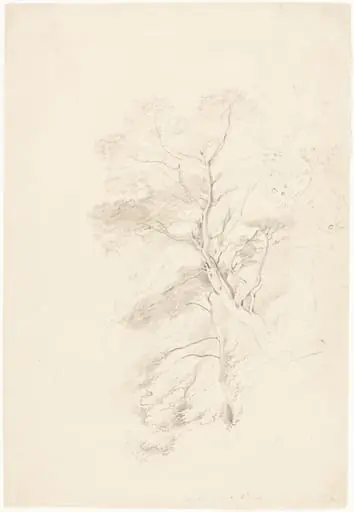 A Beech Wood
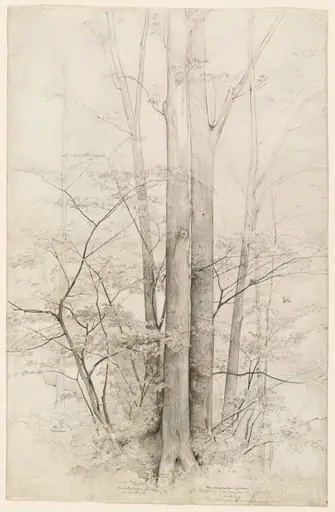 A Stand of Trees
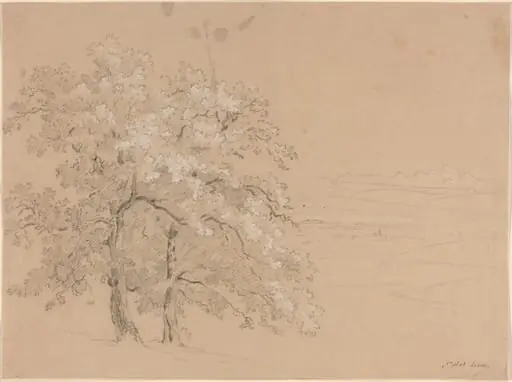 Sunlit Trees Before a Panoramic Landscape
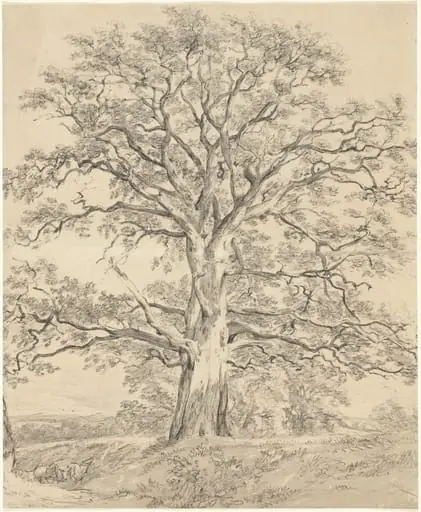 A Great Oak Tree
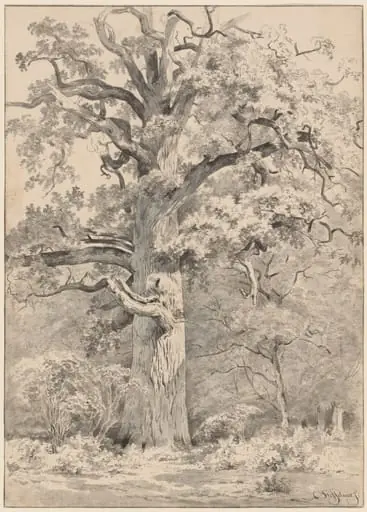 A Giant Oak at the Edge of a Forest
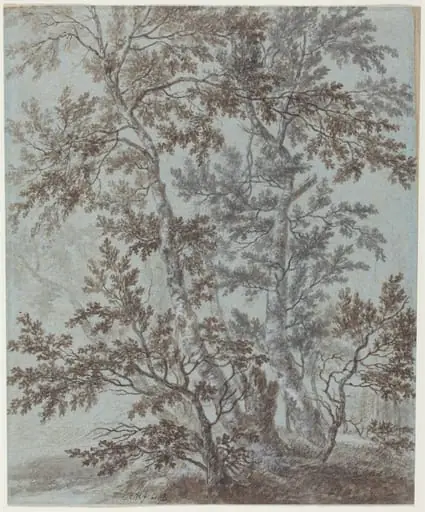 A Stand of Birch Trees
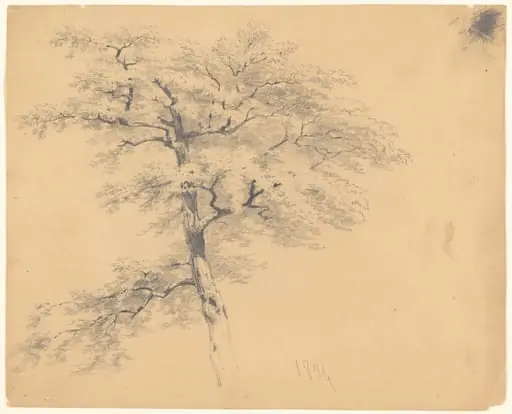 Tree
Tree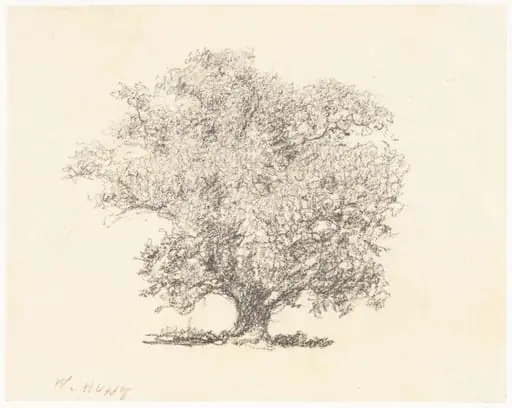 A Tree in Full-Leaf
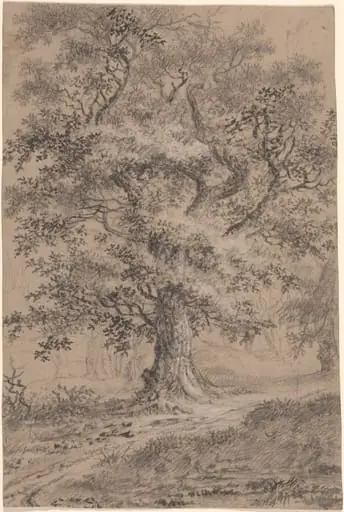 A Leafy Oak by a Woodland Path
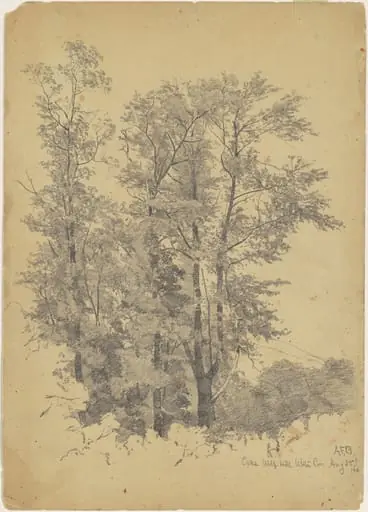 Oaks, Wolf Hill, Ulster County
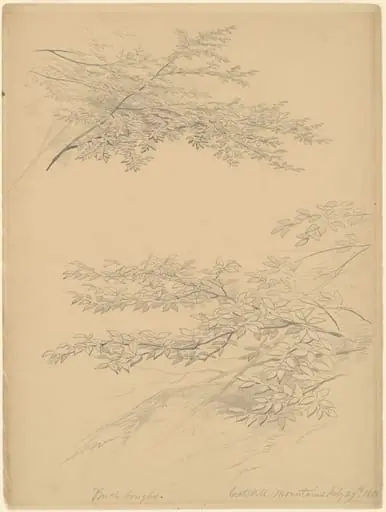 Birch Boughs, Catskill Mountains
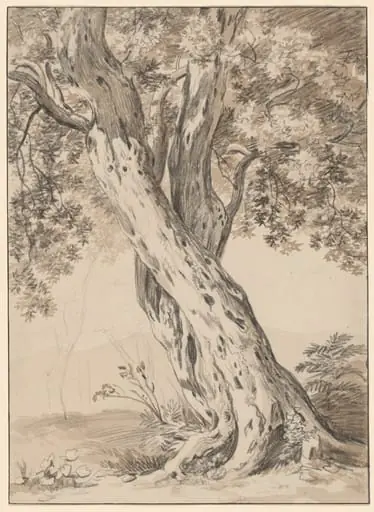 Two Intertwined Oak Trees
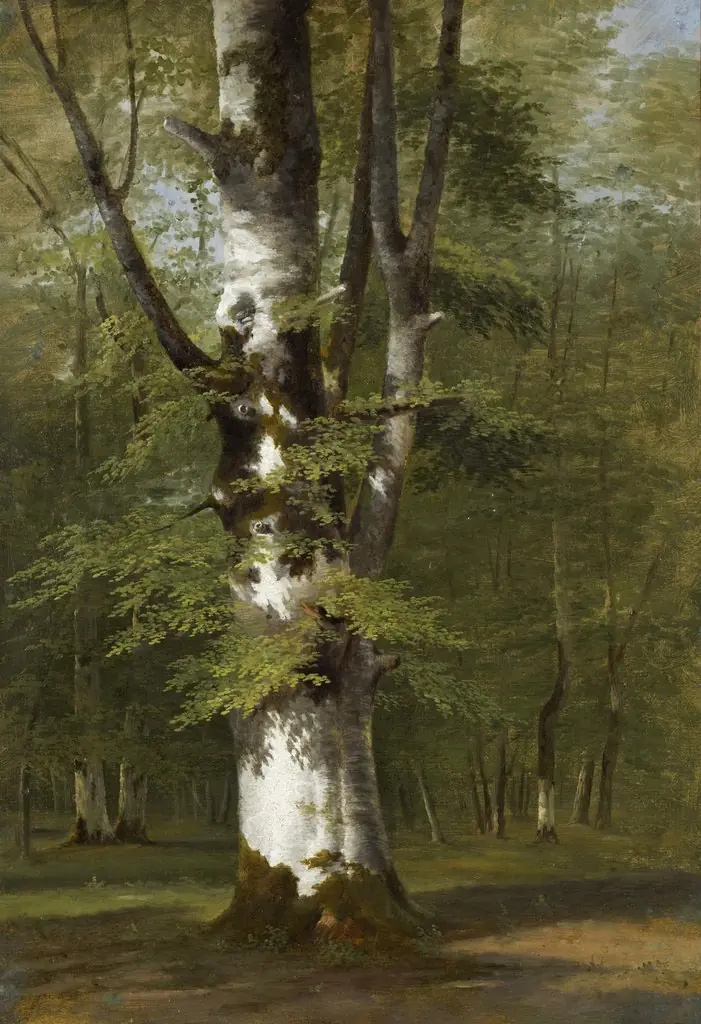 A Study of a Tree
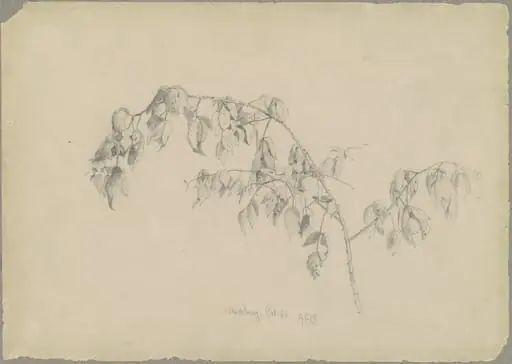 Blackberry
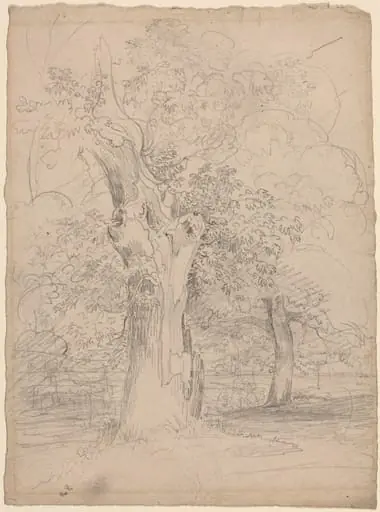 An Ancient Tree with Figures in a Landscape
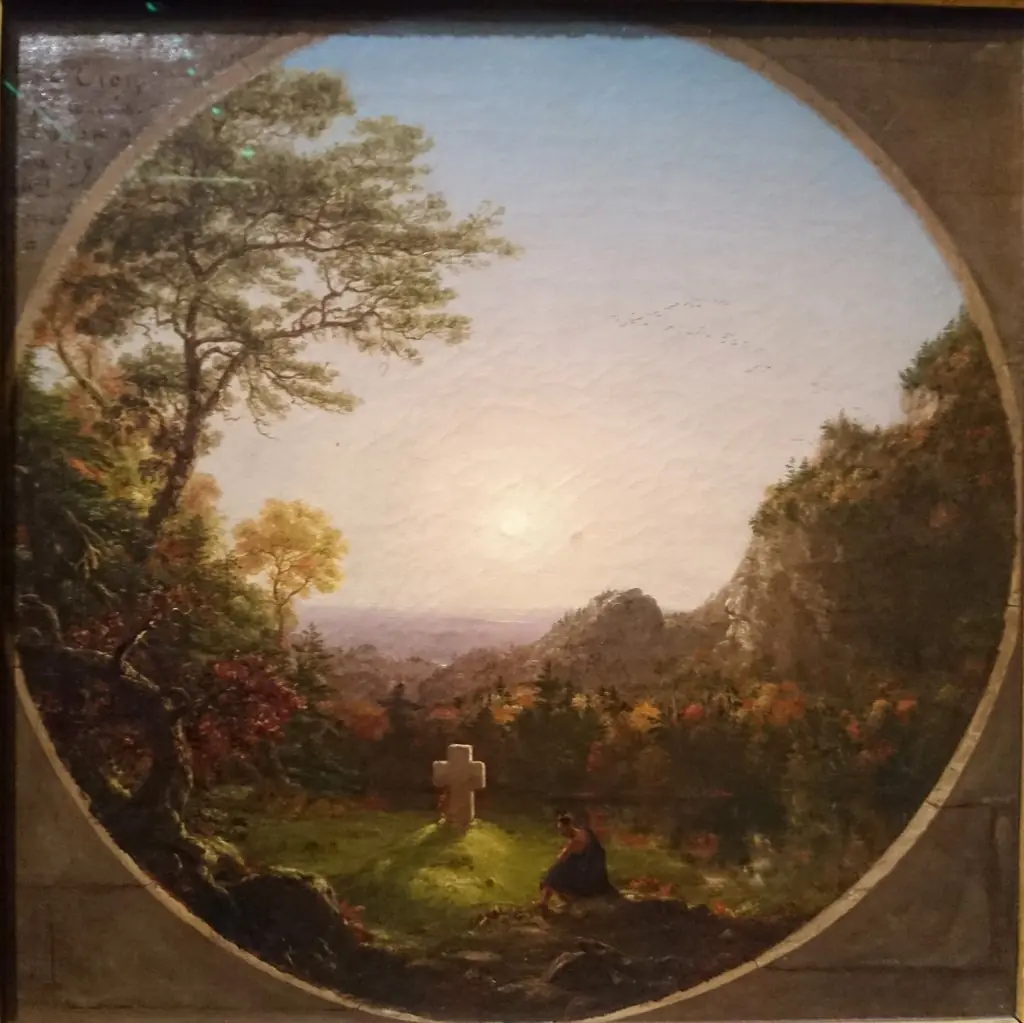 The Cross in the Wilderness
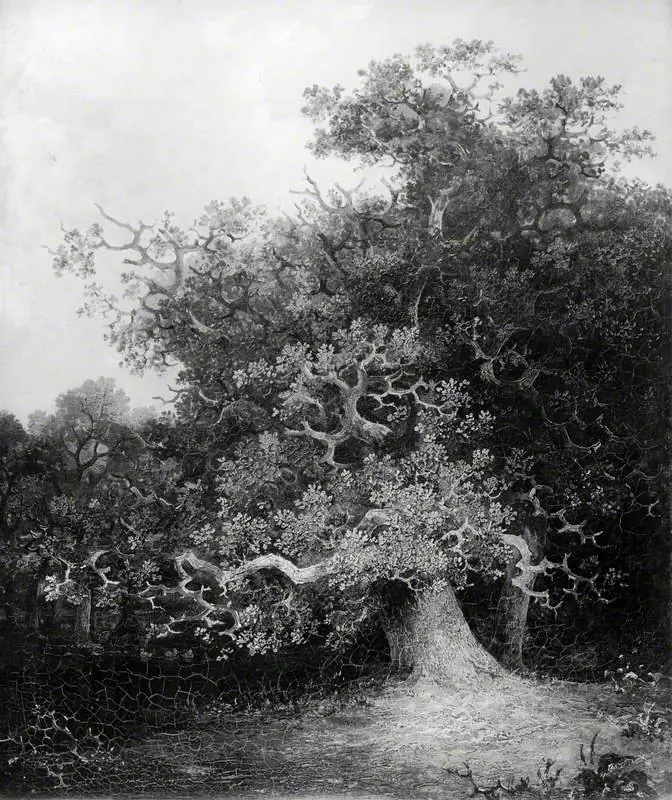 Forest Scene with Oak Trees
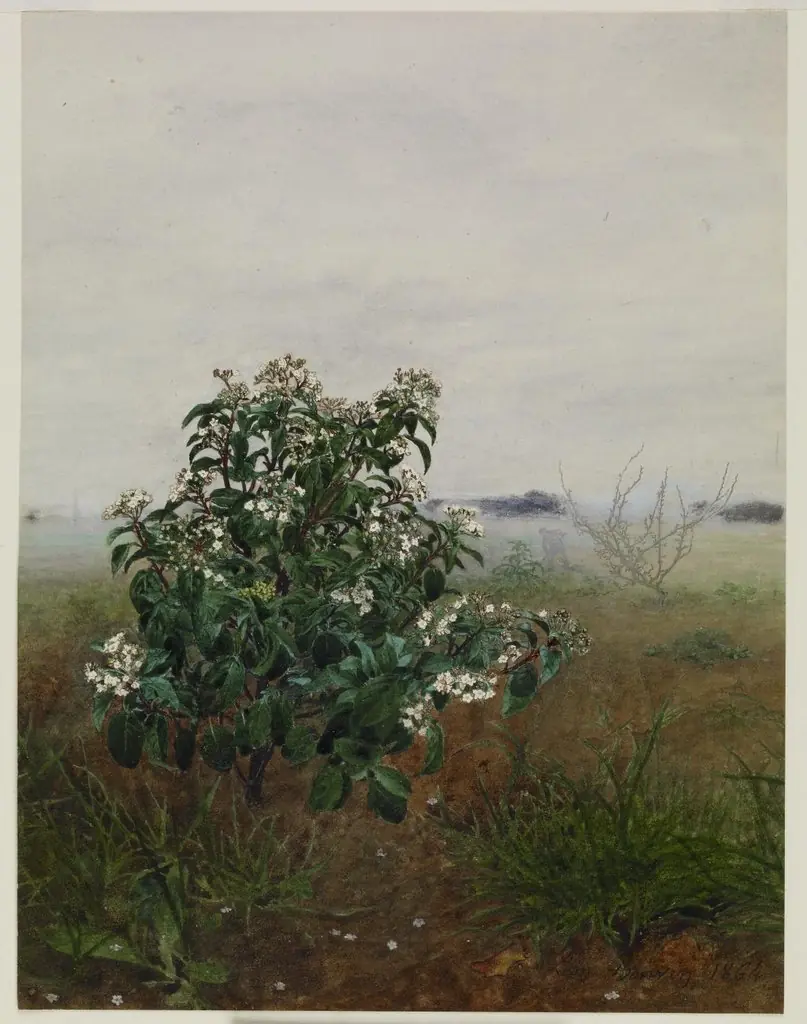 The Flowering Shrub
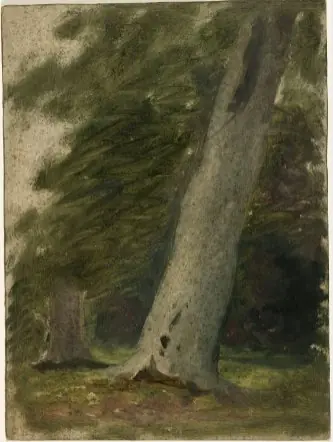 Leaning Tree
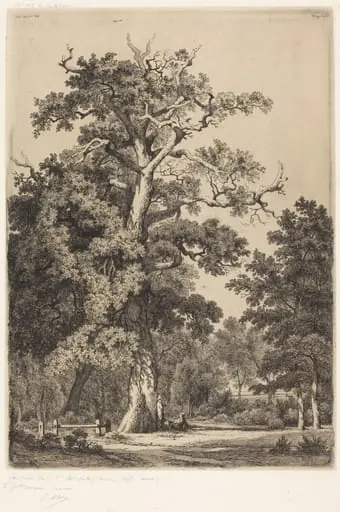 Ancient Oak in the Bois de Boulougne
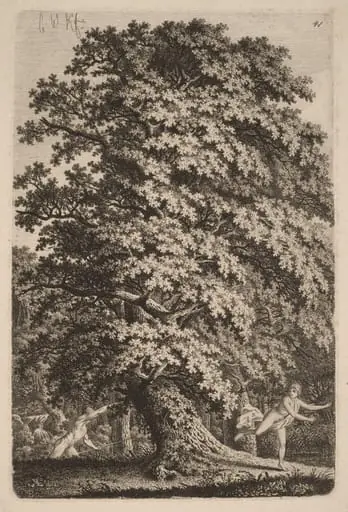 A Large Oak Tree in Gehölz. A Young Man with a Spear Follows a Young Girl.
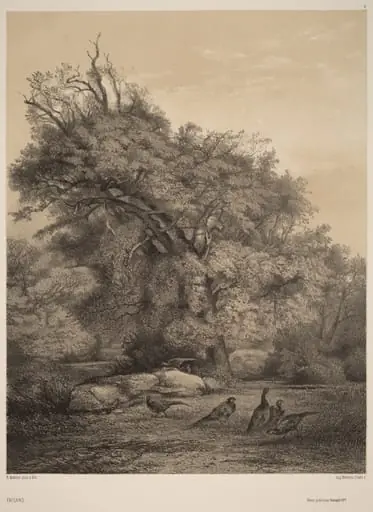 Faisans
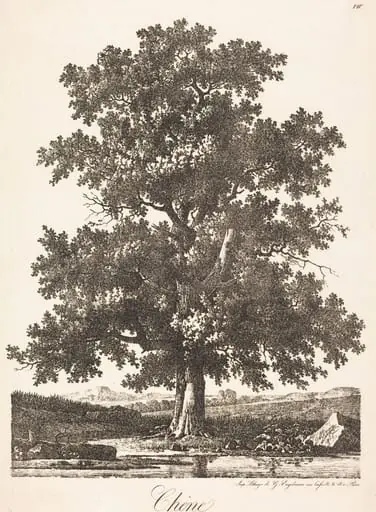 Chene (Oak Tree)
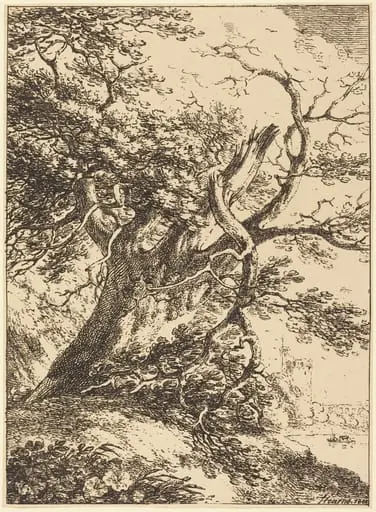 Old Tree
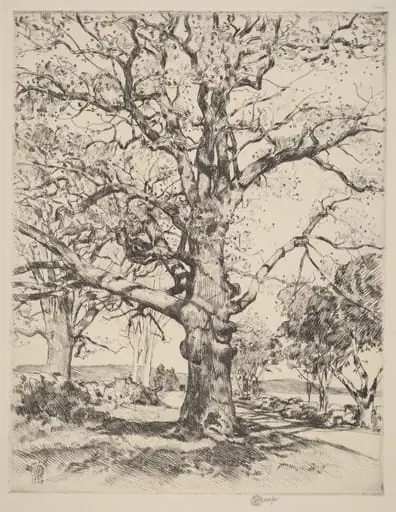 Wayside Inn—Oaks in Spring
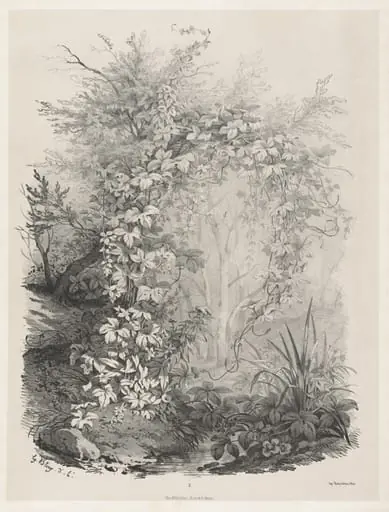 Plants and Ivies by a Stream
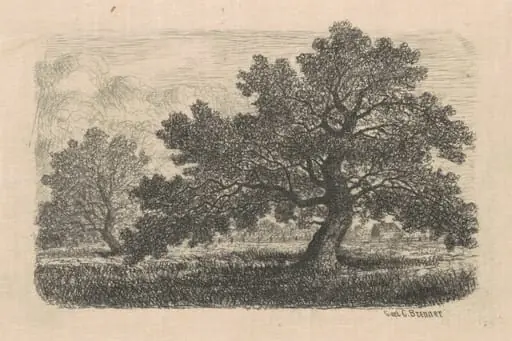 Apple Trees
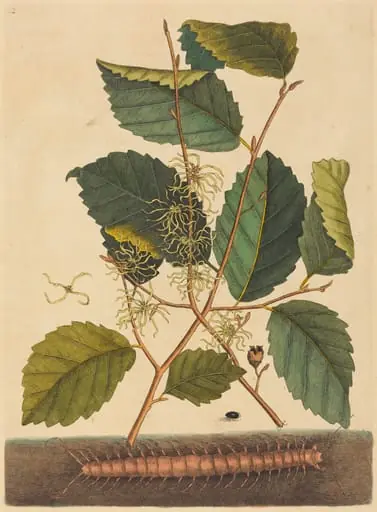 Centipede (Scolopendra morsitans)
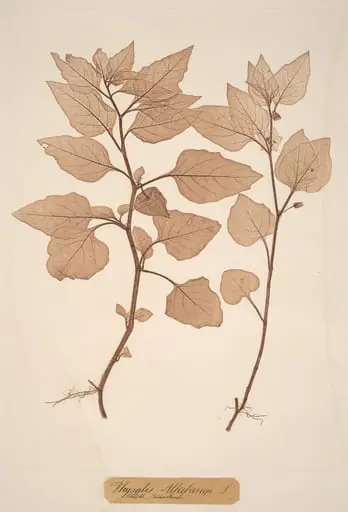 Physalis Alkekengi
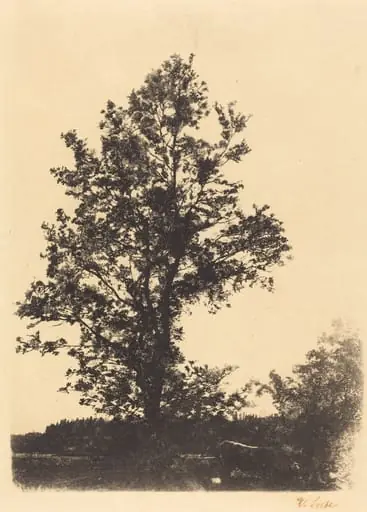 The Large Tree
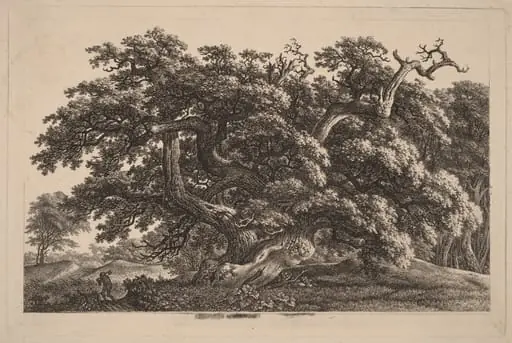 A Widely Expanding Oak Tree
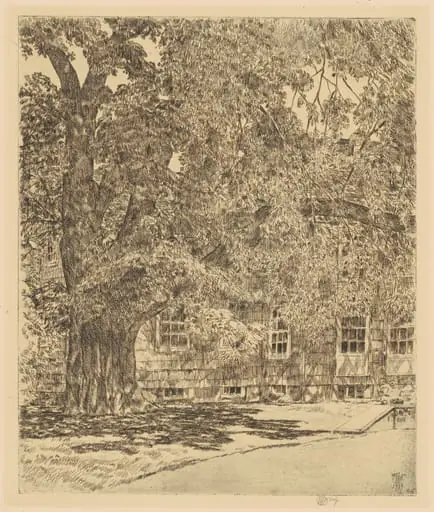 Giant Elm, Easthampton
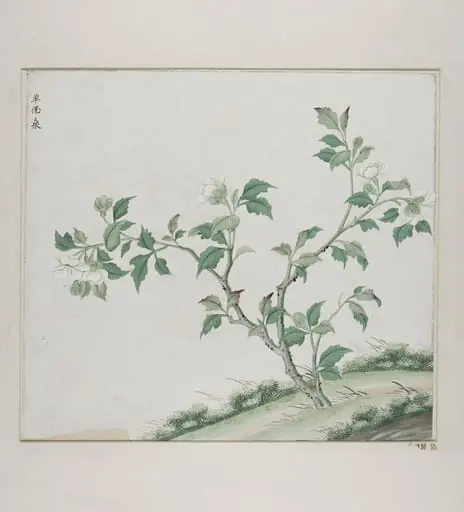 Dan fo sang
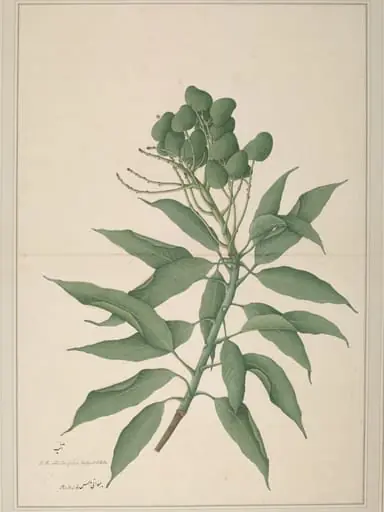 A branch of a mango tree ('Mangifera Indica') bearing unripe fruits
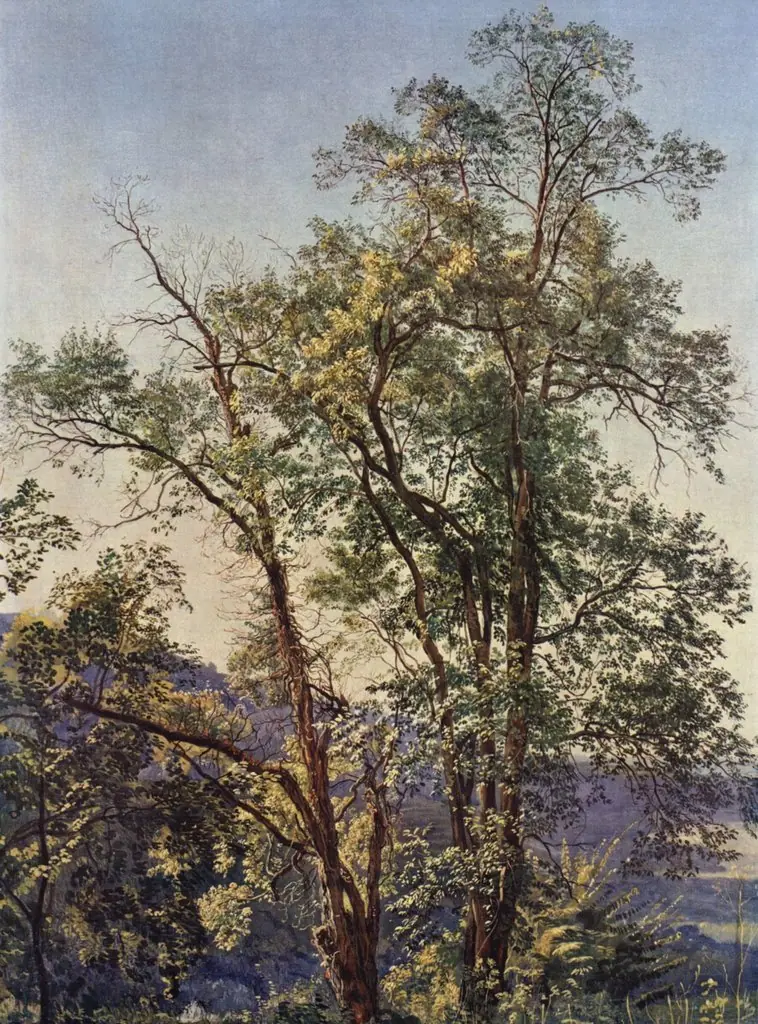 Olive Tree
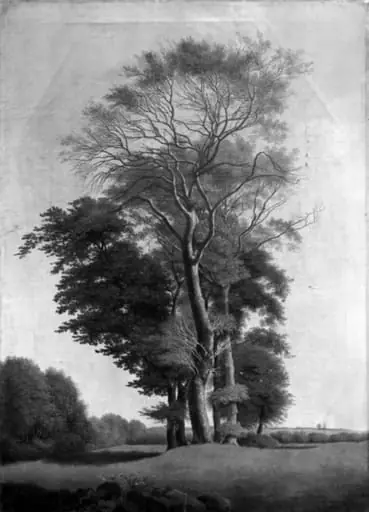 Landscape with Trees
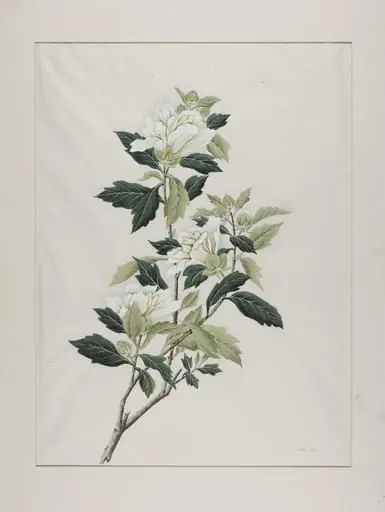 White hibiscus (hibiscus syriacus), mu jin
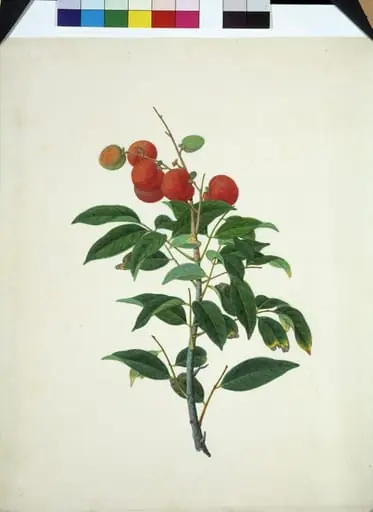 Lychee
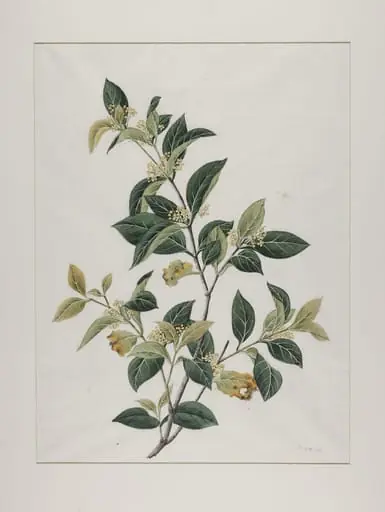 Mock lime (aglaia odorata), zhen zhu lan or mi zi lan
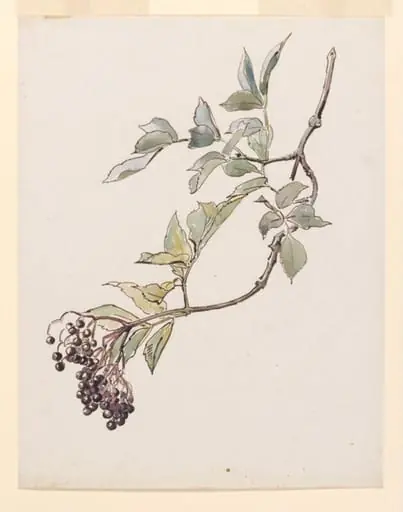 Study of a spray of elderberries
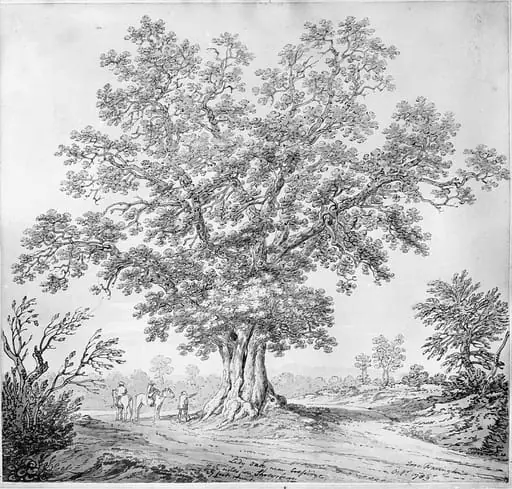 Lady Oak, near Cressidge
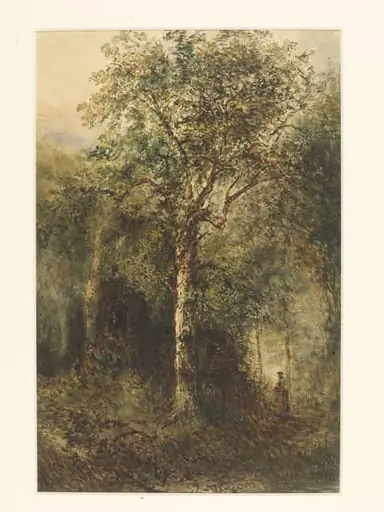 Woman walking in the Valkhof Park, Nijmegen
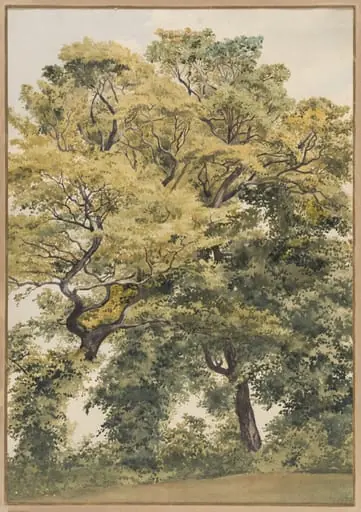 Study of Trees
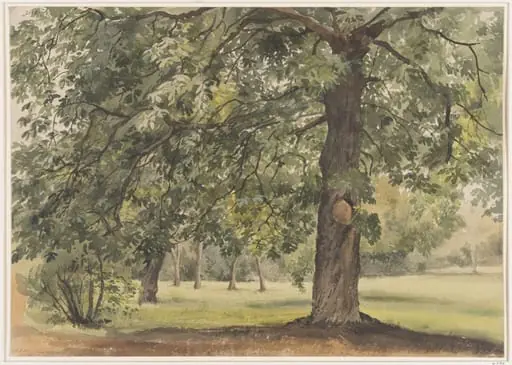 Landscape with Chestnut Tree in the foreground
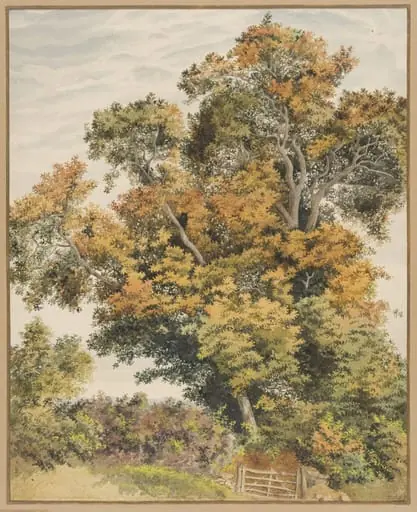 Study of an Oak Tree
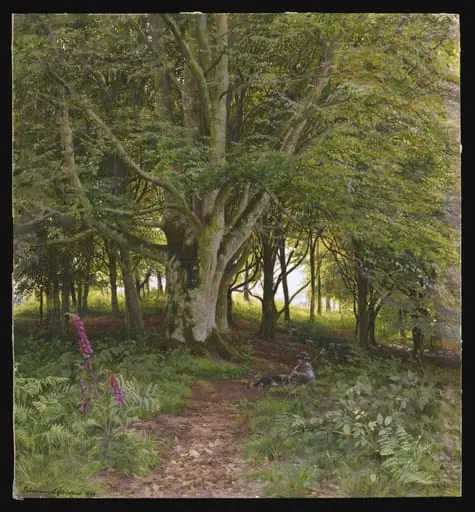 In the Wood
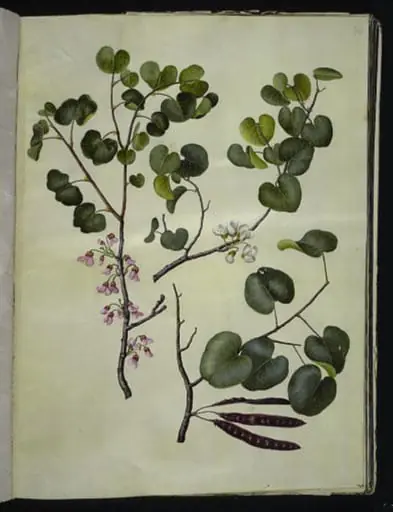 Cercis siliquastrum (almindelig judastræ)
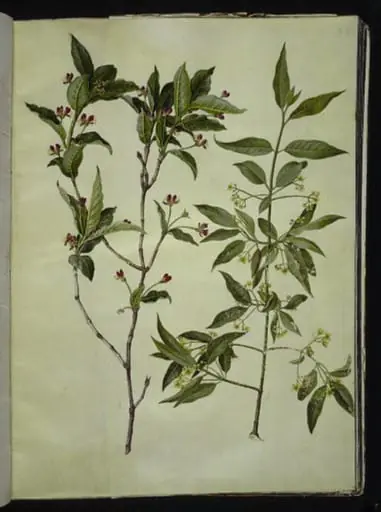 Lonicera alpigena (alpe-gedeblad); Euonymus europaeus (almindelig benved)
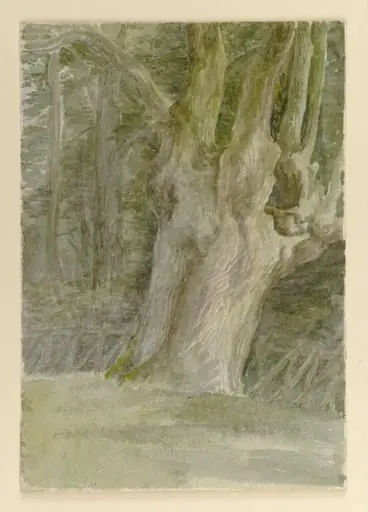 A tree trunk in a field at the edge of a wood
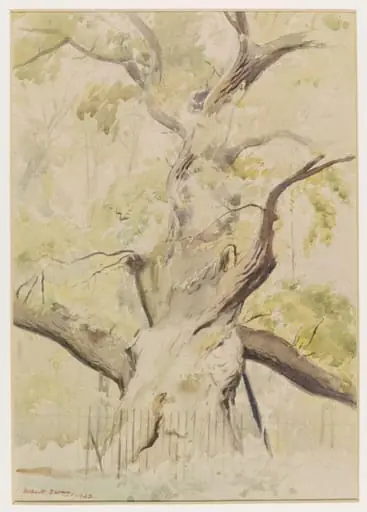 Lassington Oak
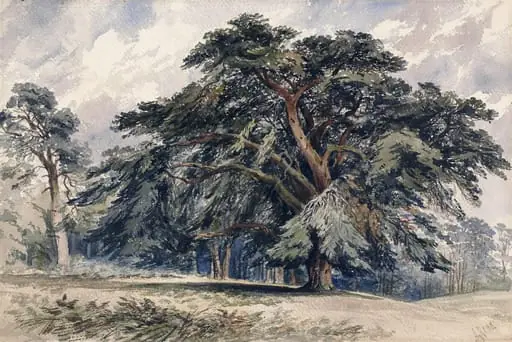 A Cedar Tree
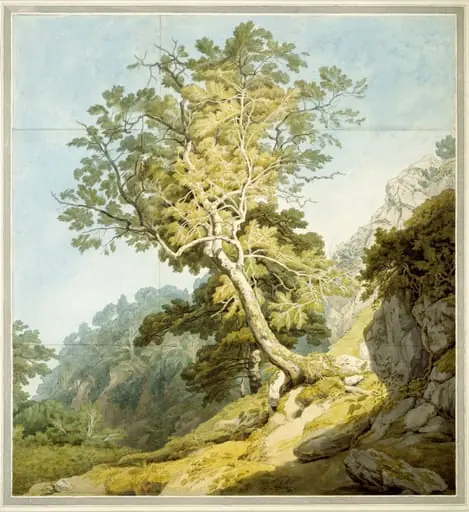 View near Canonteign, Devon
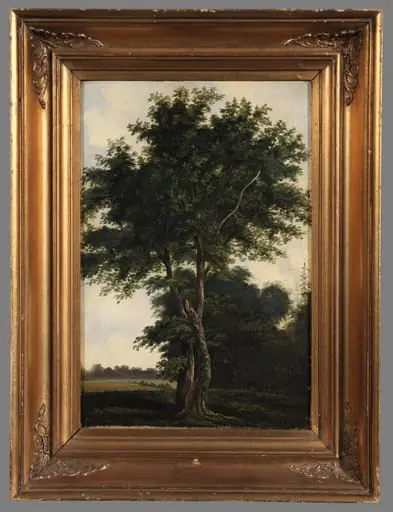 Tammi
Tammi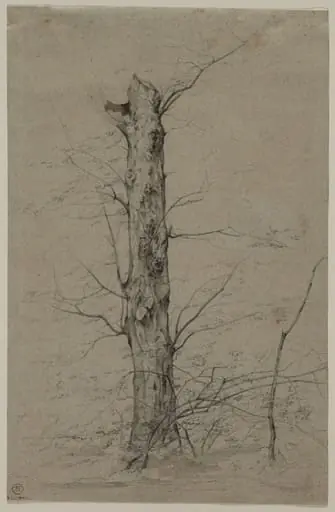 Tree
Tree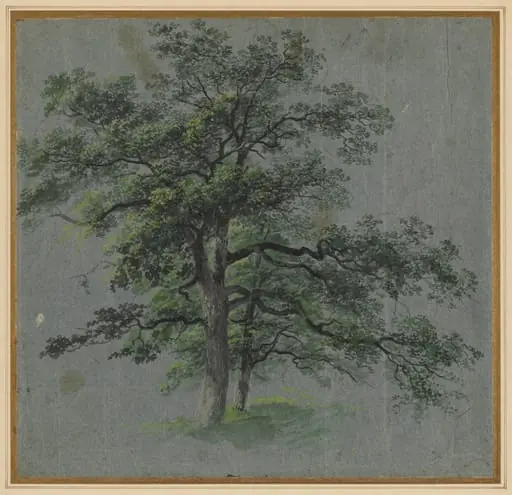 Two Trees (recto)
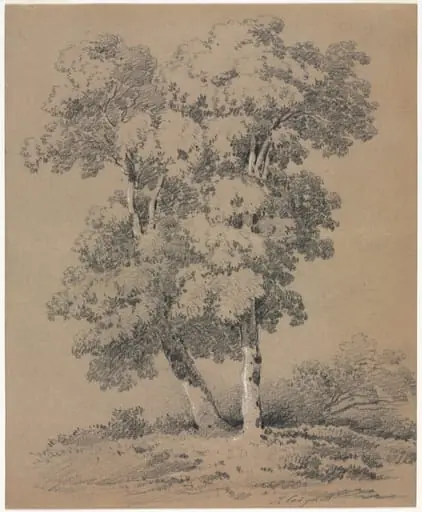 Tree Study
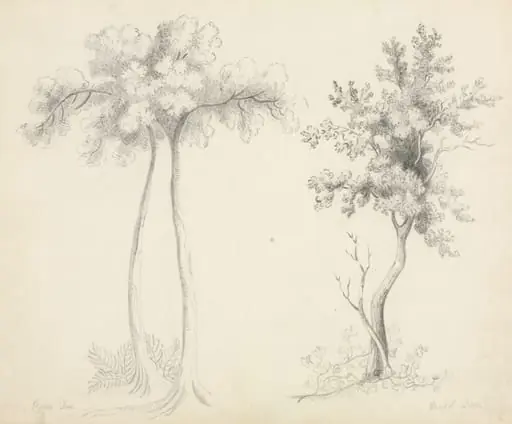 Studies of Upas and Maple Trees
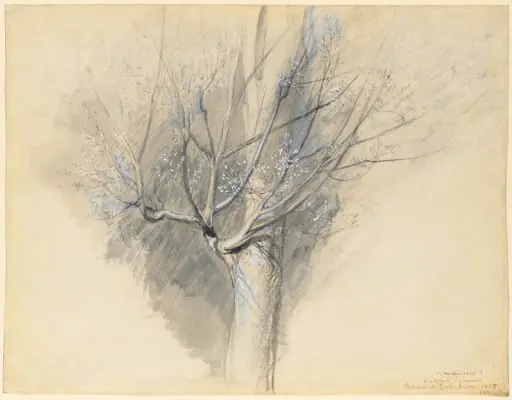 Budding Sycamore
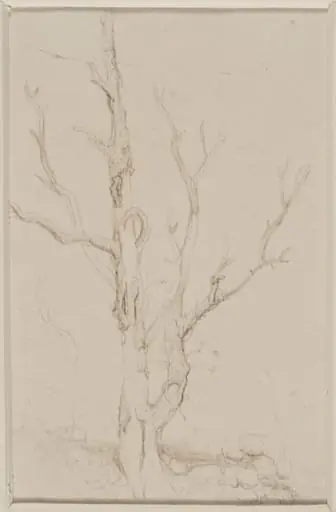 Untitled
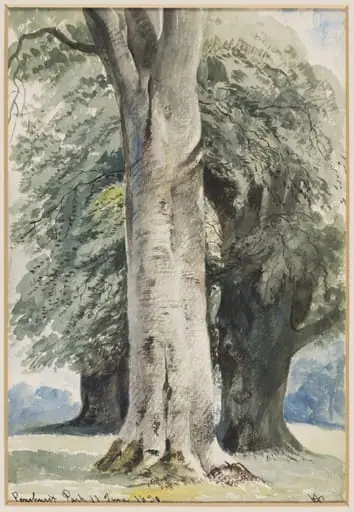 Penshurst Park
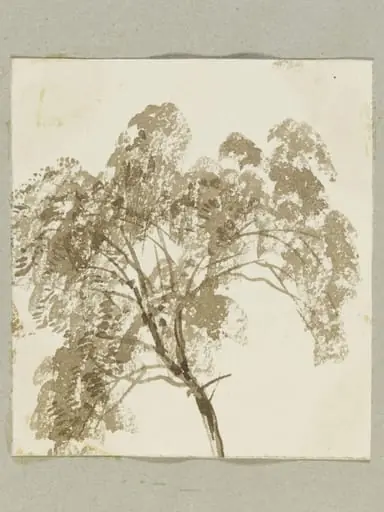 Drawing in album of 51 drawings and watercolours by James Duffield Harding
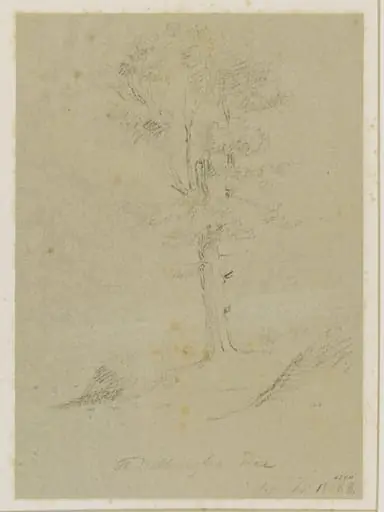 The Wellington Tree
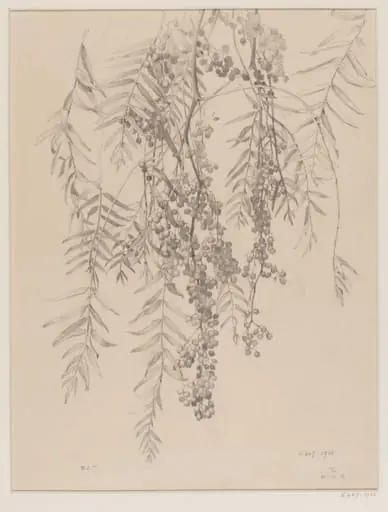 Untitled
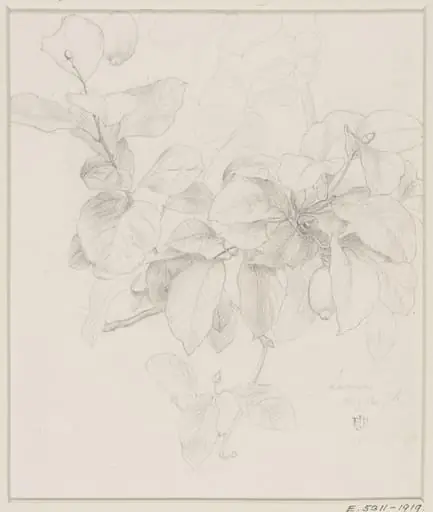 Studies of Flowers and Plants, 1876-1898
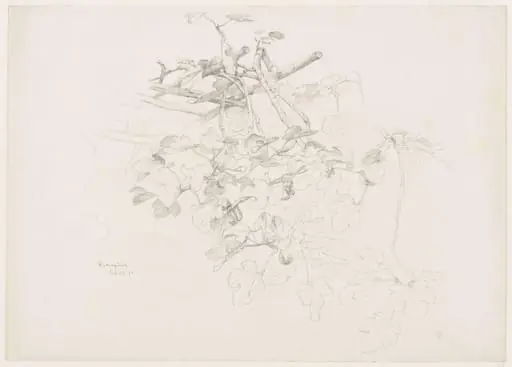 Studies of Flowers and Plants, 1876-1898
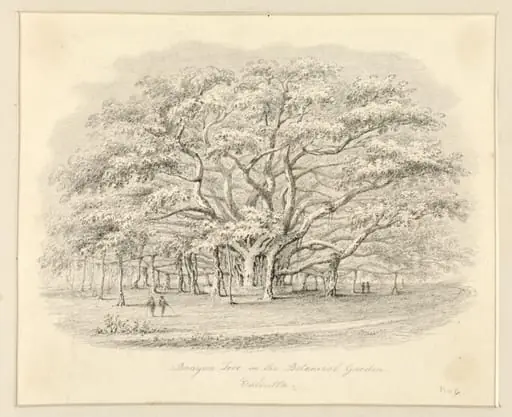 Banyan Tree in the Botanical Garden, Calcutta
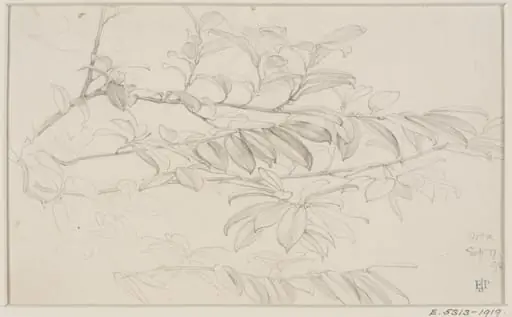 Studies of Flowers and Plants, 1876-1898
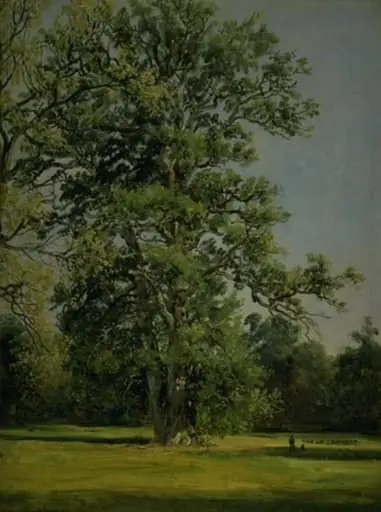 An Oak. View of the Garden at Wörlitz near Dessau
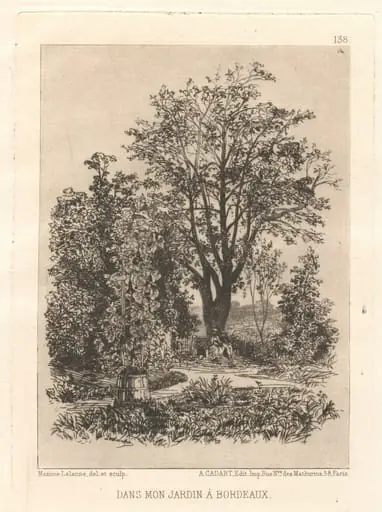 Dans Mon Jardin à Bordeaux
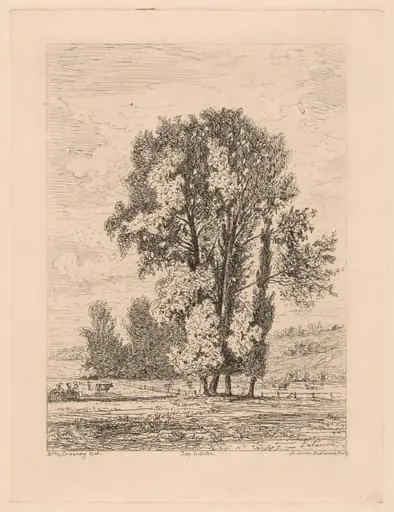 Landscape with Clump of Four Trees
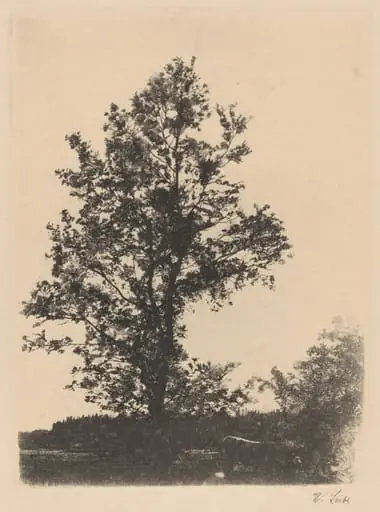 The Large Tree
![Photographic Study [Woodcock Grove, Dundrum]](https://artifactworldgallery.com/img/clementina-hawarden--photographic-study-woodcock-grove-dundrum--0d235f21d55179ce-w320.webp) Photographic Study [Woodcock Grove, Dundrum]
Photographic Study [Woodcock Grove, Dundrum]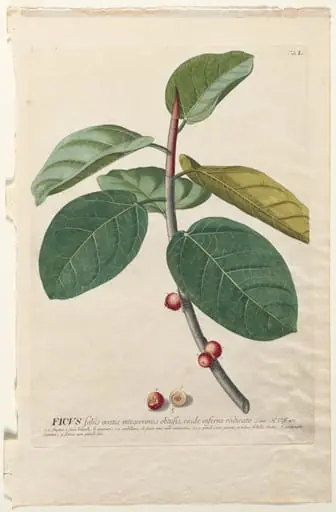 Plantae Selectae: No. 50 - Ficus
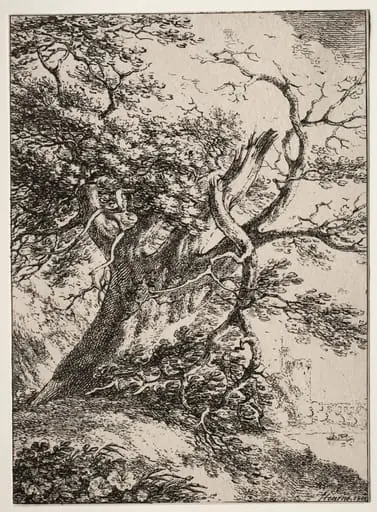 Specimens of Polyautography: Landscape with an Oak Tree
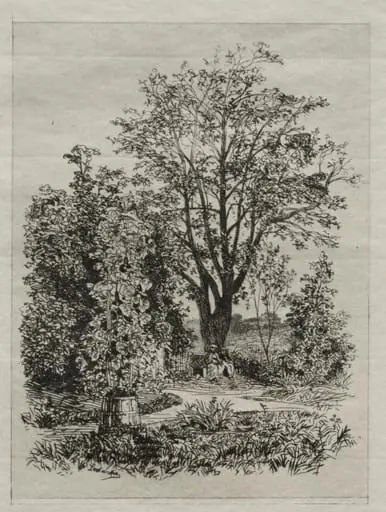 In my Bordeaux Garden
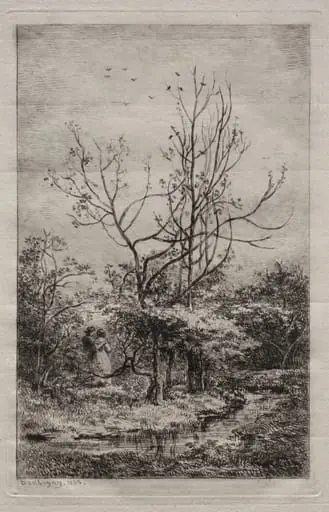 The Orchard
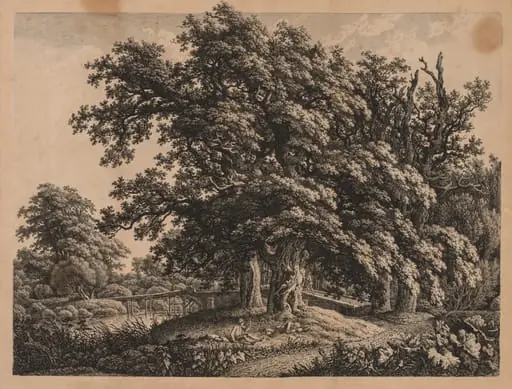 Landscape and Bridge with Three Figures
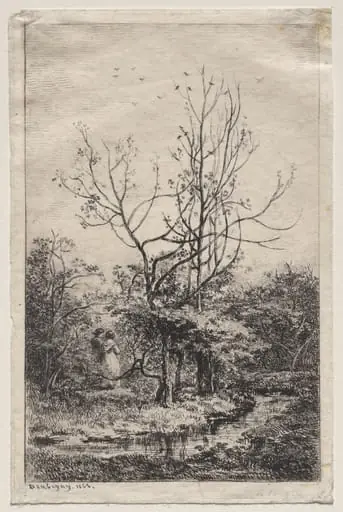 Le Verger
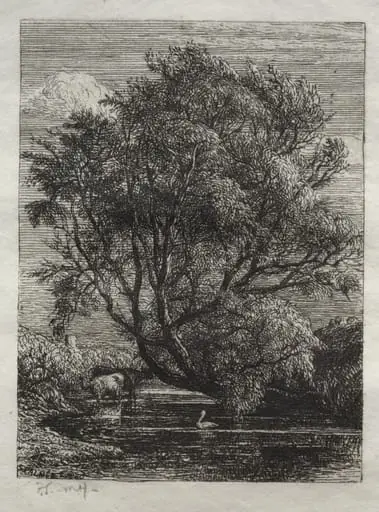 The Willow
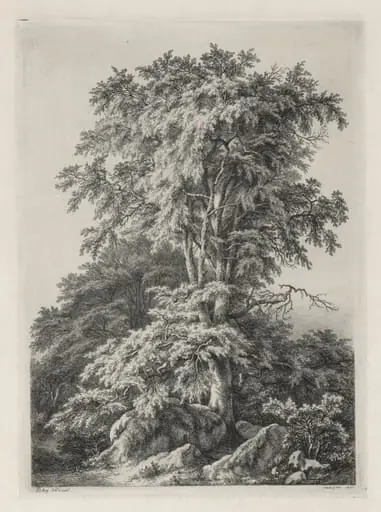 Studies Drawn and Engraved after Nature: The Beach, Fontainebleau (Études dessinées et Gravées D'après nature: Le hêtre, Fontainebleau)
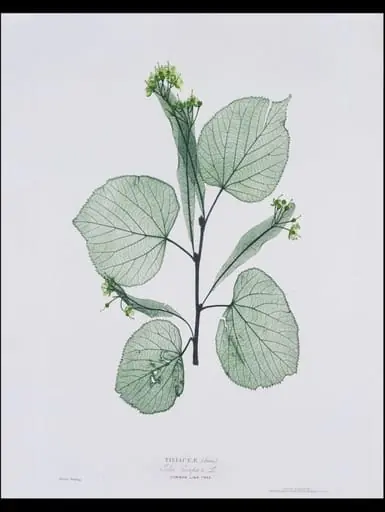 A Few Leaves from the Newly-Invented Process of "Nature-Printing"
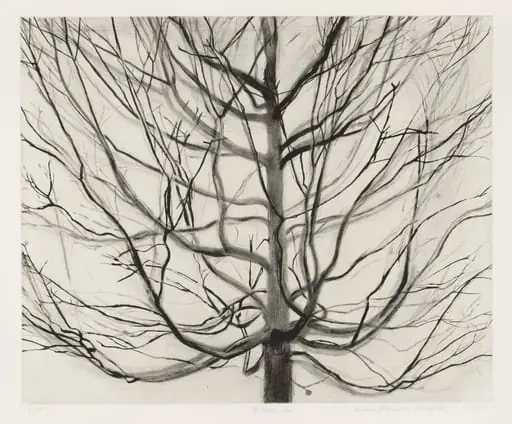 Untitled
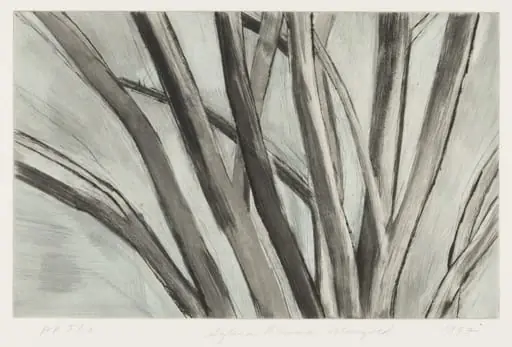 Untitled
Frequently asked questions
What is Broad-Leaved Tree?
Broad-Leaved Tree is a subject in art. A broad-leaved, broad-leaf, or broadleaf tree is any tree within the diverse botanical group of angiosperms that has flat leaves and produces seeds inside of fruits.
How many Broad-Leaved Tree works does Artifact World Gallery have?
Artifact World Gallery holds 150 public-domain Broad-Leaved Tree works, all free to view and download.
Who are the key Broad-Leaved Tree artists?
Key Broad-Leaved Tree artists in the collection include Paolo Veronese, Jean Baptiste Camille Corot and Thomas Cole.
Where can I see Broad-Leaved Tree works?
Broad-Leaved Tree works in the collection are held by National Gallery of Art, Victoria and Albert Museum and Rijksmuseum.