Artist
Subject
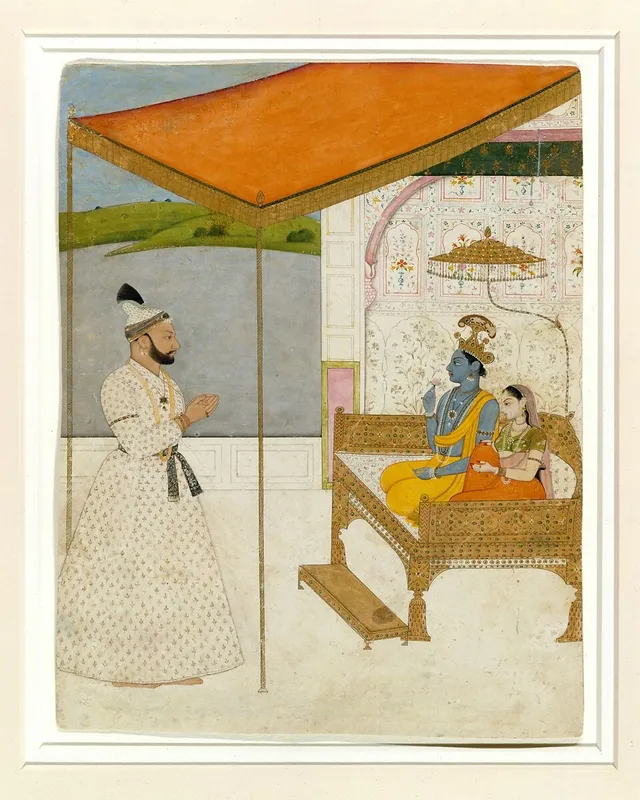
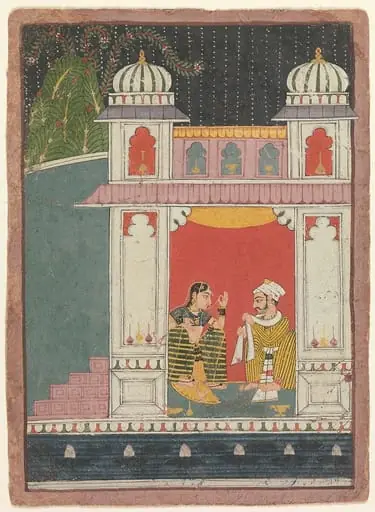
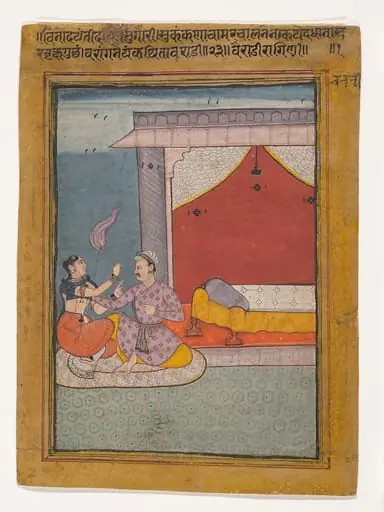
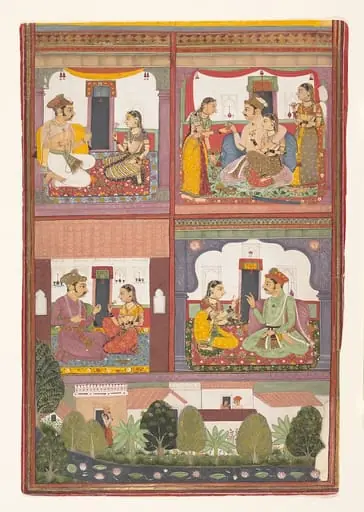
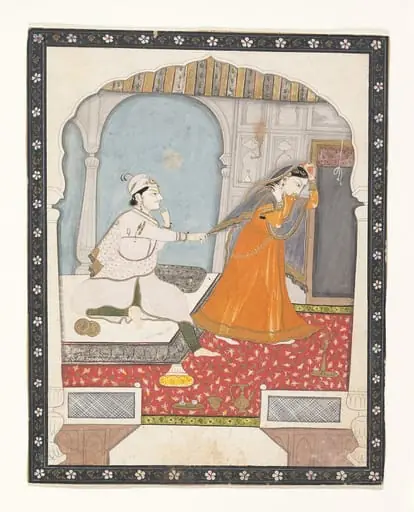
Coupl is a subject in art. The gallery holds 35 works in this subject in art, including works by The Kota Master, John George Brown and Nainsukh.
An intimate relationship is an interpersonal relationship that involves emotional or physical closeness between people and can include feelings of romantic or platonic love and sexual intimacy. Intimate relationships are interdependent, and the members of the relationship mutually influence each other.
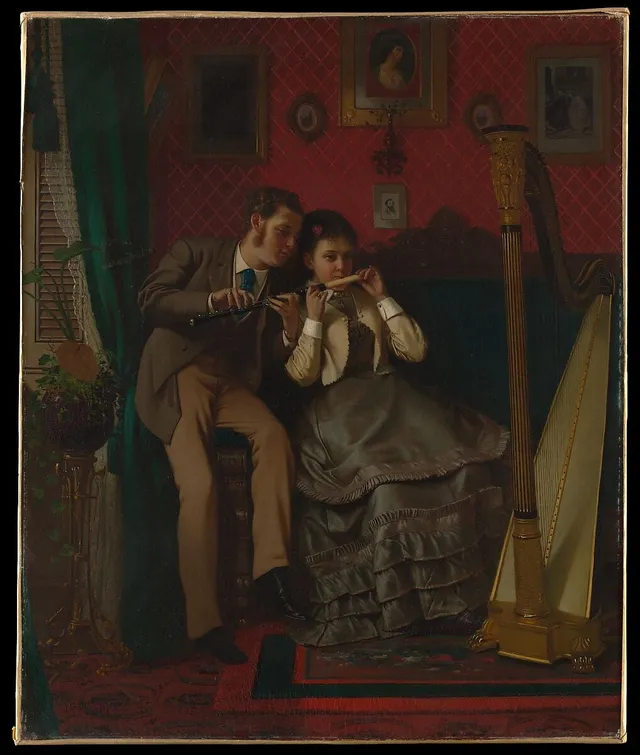
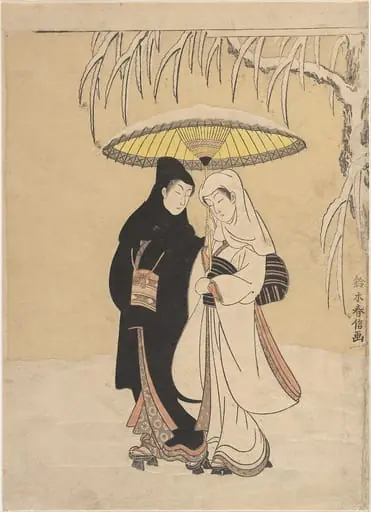
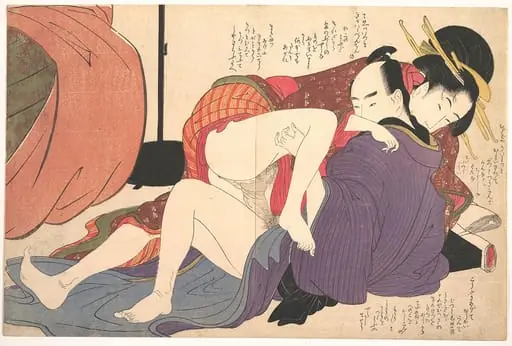
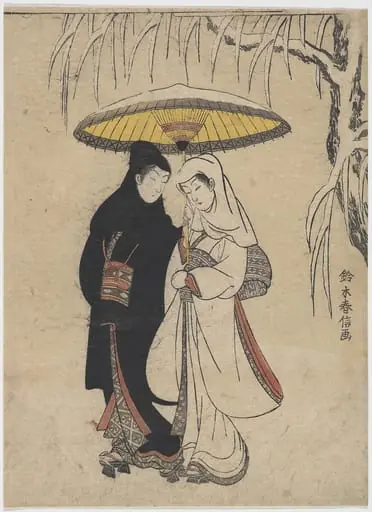
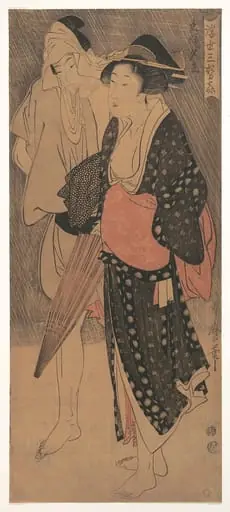
A couple, in the context of art and human experience, is a dyad formed by the interpersonal relationship between two people. This relationship involves emotional or physical closeness, which can manifest as romantic or platonic love and sexual intimacy. The concept is fundamentally interdependent, meaning the members mutually influence each other, and the quality of the bond depends on their unique shared history and context. While social and legal institutions like marriage acknowledge such unions, intimate relationships are not inherently monogamous or sexual, and norms surrounding them vary widely across cultures. The motif recurs in art because it reflects a foundational human need for attachment, closeness, and reciprocal support, capturing the psychological and physical dynamics that define human connection.
In visual art, the iconography of the couple centers on the depiction of intimacy, which is built through emotional and physical closeness. Emotional intimacy is symbolized through attributes of reciprocal trust, vulnerability, and self-disclosure, often rendered through focused gazes, shared conversations, or responsive physical orientation toward one another. Physical intimacy, including gestures like holding hands, embracing, and kissing, promotes connection and is a key component of romantic depictions. However, the potential for a sexual component is not a strict requirement for the iconography of a couple; representations can also signify non-romantic, committed closeness, such as queerplatonic relationships or profound friendships. The visual meaning of a coupled dyad thus spans a spectrum from passionate, tactile engagement to quiet, mutual validation and psychological closeness.
The treatment of the couple in visual culture has evolved alongside shifting social and cultural norms. In early academic study, analysis of dyads was restricted to public behaviors like cooperation, negotiation, and competition within small groups. Over time, artistic and scholarly focus shifted toward the private, emotional dimensions of the relationship. Historically, the depiction of couples was often tied to institutional frameworks like marriage, reflecting exogamous or endogamous social determinisms such as homogamy, shared profession, religious confession, and spatial proximity. As social definitions expanded, artistic representations moved beyond the traditional, indissoluble married pair to include informal unions, civil partnerships, and non-monogamous arrangements, reflecting the wide cultural variability in how intimate bonds are formed and maintained.
Historical couples have provided potent subject matter for artists, particularly when personal bonds intersect with political power. The alliance of Mark Antony and Cleopatra, which ended in dramatic suicide in 30 BCE, later inspired Shakespeare's celebrated tragedy and numerous visual adaptations. The 12th-century intellectual and romantic affair of Abelard and Heloise, which defied social norms and ended in castration and religious retreat, left behind preserved letters that offer rare insight into medieval passion. In the 20th century, Frida Kahlo and Diego Rivera captured their volatile, deep connection through surrealist self-portraits, while the political and personal union of Nefertiti and Akhenaten produced distinct ancient artwork featuring elongated forms and intimate royal scenes.
The cultural afterlife of the couple as a motif persists because it addresses a core human drive for attachment and proximity. The systematic study of couple relationships is a relatively recent field in social psychology, yet philosophical and artistic inquiry into the dyad traces back to early Greek thinkers. Today, the legacy of the motif extends beyond fine art into popular culture and everyday objects, from coloring pages illustrating shared activities like cooking or walking, to museum souvenirs collected by partners to commemorate shared experiences. These modern artifacts reflect the enduring psychological benefits of the bond, reinforcing that the depiction of couples remains a vital framework for understanding interpersonal support, shared values, and the human pursuit of happiness.
 Untitled
 Untitled
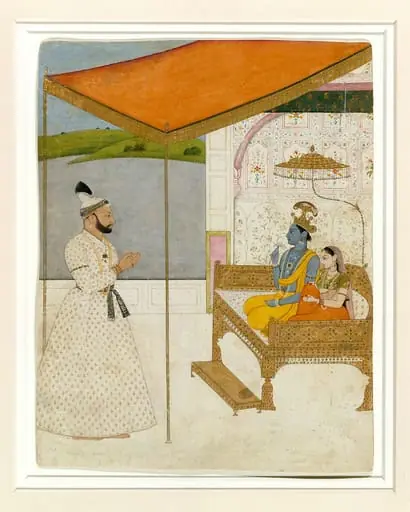 Untitled
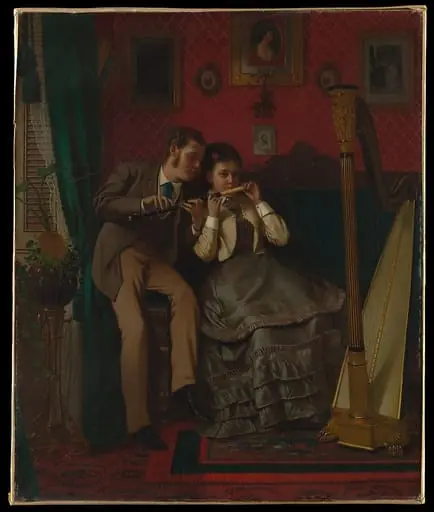 The Music Lesson
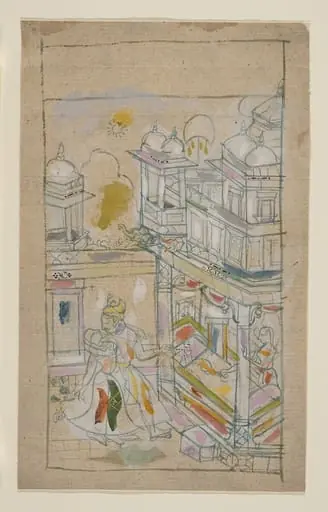 Untitled
 Untitled
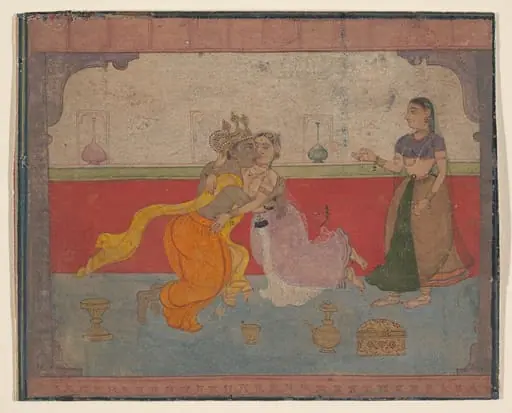 Untitled
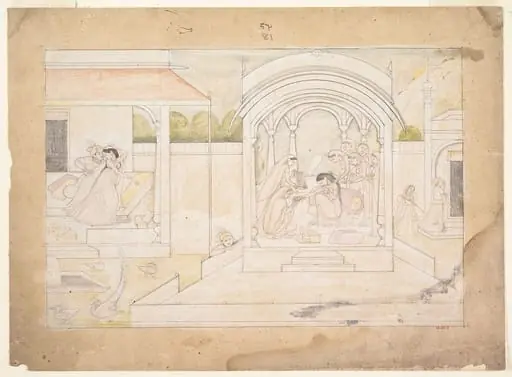 Untitled
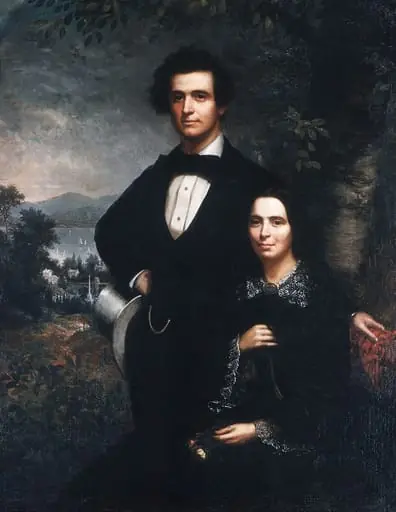 Mr. and Mrs. Daniel T. MacFarlan
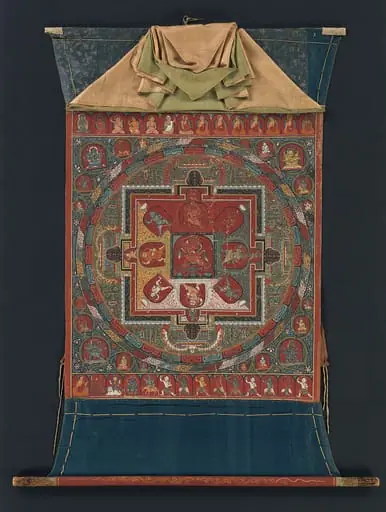 Untitled
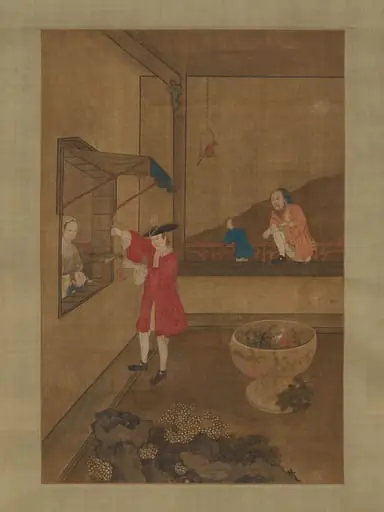 Untitled
 Untitled
 Untitled
 Untitled
 Untitled
 Untitled
 Untitled
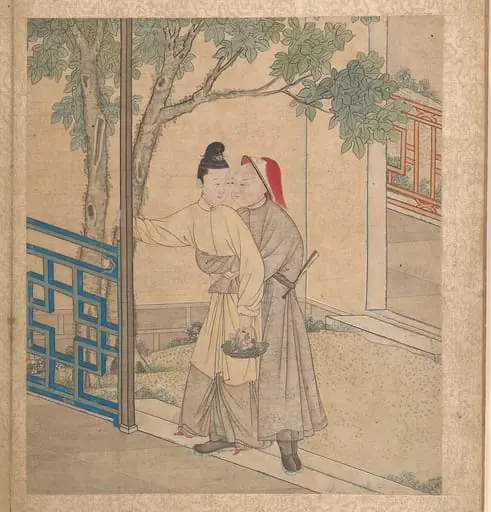 Untitled
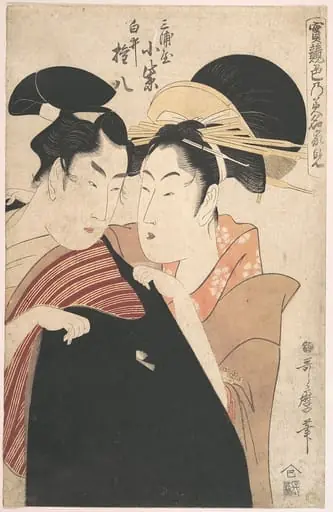 実競色乃美名家見 三浦屋小紫 白井権八|The Lovers Miura-ya Komurasaki and Shirai Gonpachi.
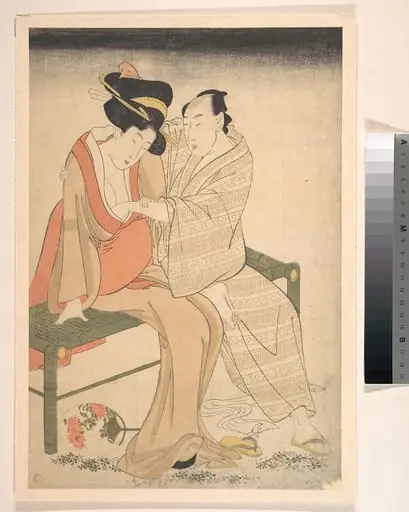 Untitled
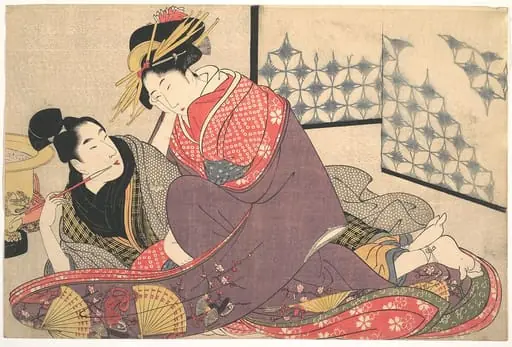 Untitled
 Untitled
 Untitled
 Untitled
 Untitled
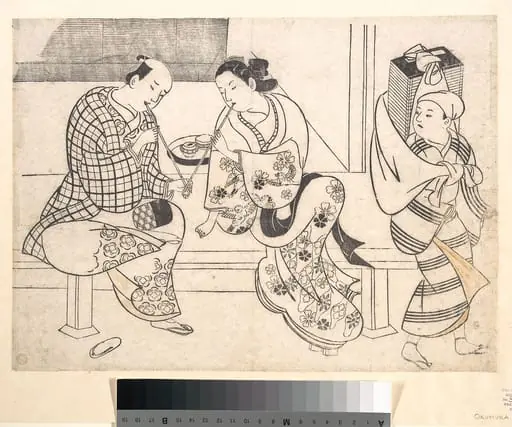 Untitled
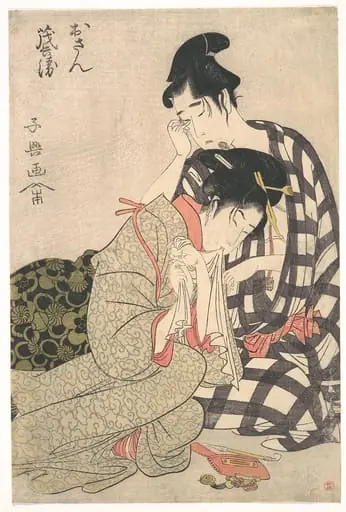 Untitled
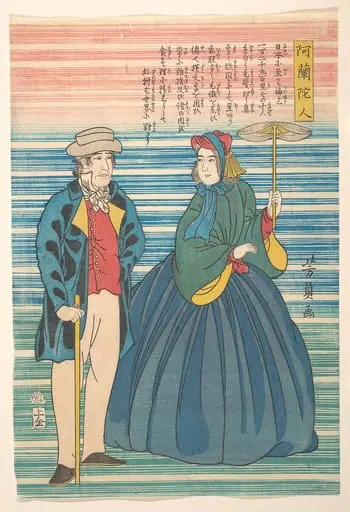 Orandajin|Dutch Couple
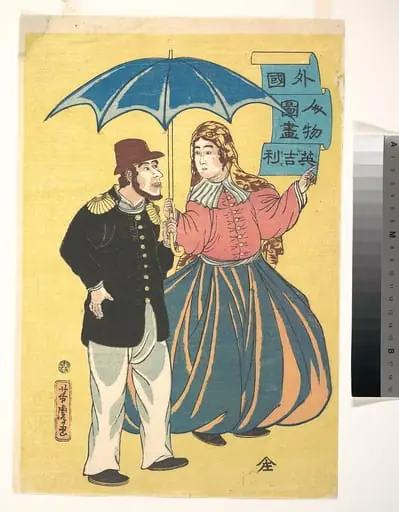 Untitled
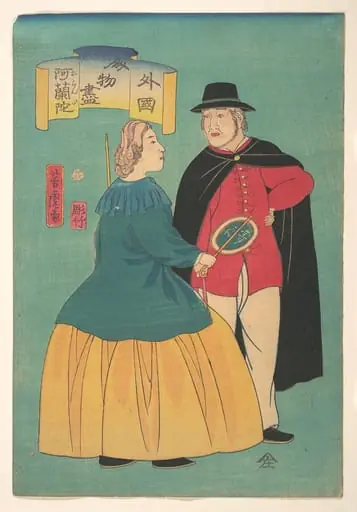 Oranda|Dutch Couple
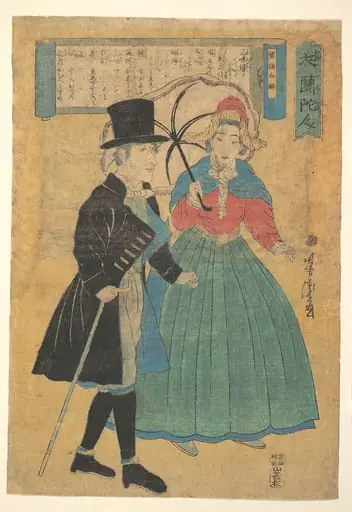 Orandajin|A Dutch Couple
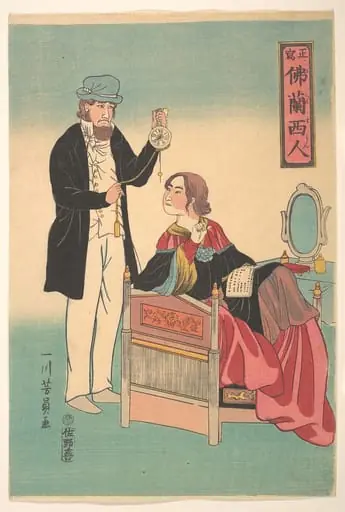 Furansujin|French Couple
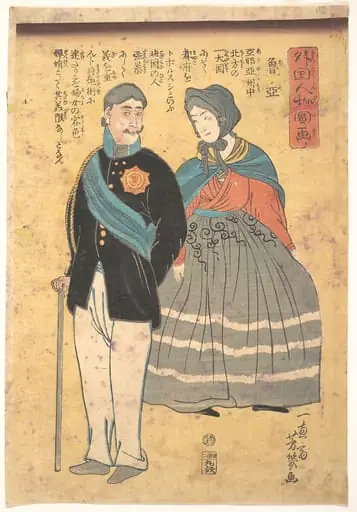 Untitled
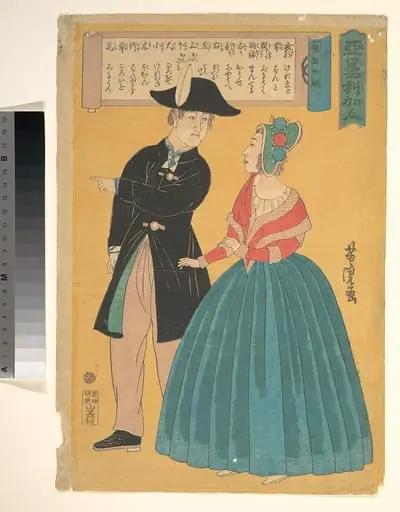 Untitled
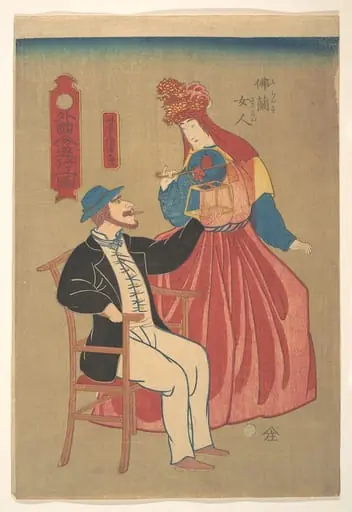 Furansu nyōjin|French Housewife and Her Husband
Coupl is a subject in art. An intimate relationship is an interpersonal relationship that involves emotional or physical closeness between people and can include feelings of romantic or platonic love and sexual intimacy.
Artifact World Gallery holds 35 public-domain Coupl works, all free to view and download.
Key Coupl artists in the collection include The Kota Master, John George Brown and Nainsukh.
Coupl works in the collection are held by Metropolitan Museum of Art.
Your cart is empty
Browse artworks →