
Artist
Subject
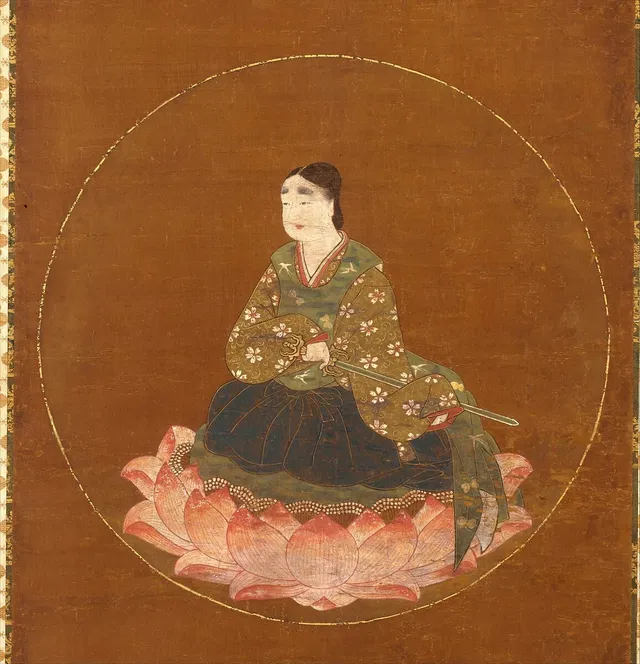
Deiti is a subject in art. The gallery holds 76 works in this subject in art, including works by Ryūshū Shūtaku, Katsushika Hokusai and Mikyo Dorje.
Across virtually every civilization, the deity—a supernatural being holding authority over the cosmos or human life, and held sacred and worthy of worship—has been among art's oldest and most persistent subjects. In ancient Mesopotamia gods were imagined as almost wholly anthropomorphic, and their cult statues, built on a wooden core sheathed in gold or silver, were treated as the literal embodiment of the god, washed, dressed, and fed in daily temple ritual. Egyptian religion permitted gods to manifest in human, animal, or composite form, while Greek practice favored the temple cult image in marble or bronze—or, in its most prestigious guise, the chryselephantine statue of ivory and gold, as in the lost colossal Zeus at Olympia and Athena Parthenos by Phidias. From these beginnings the divine image became the central problem of sacred art: how to make the invisible visible.
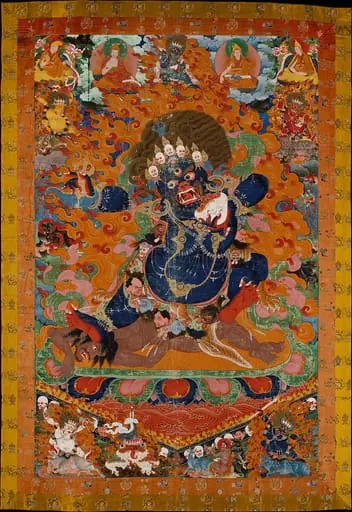
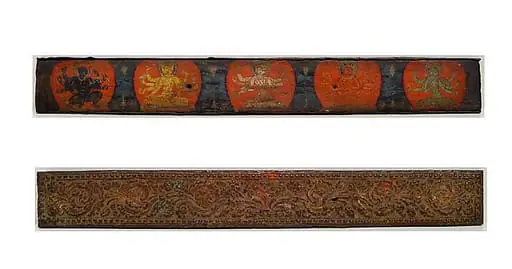
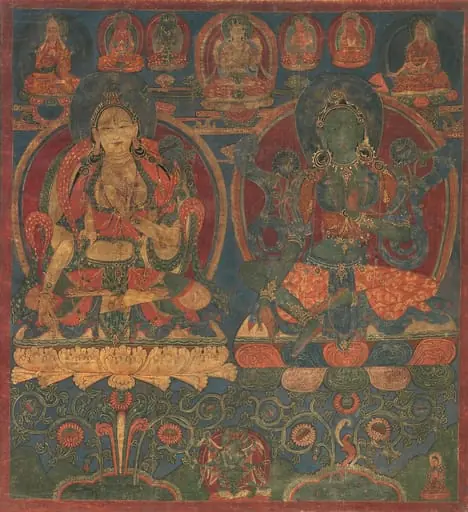
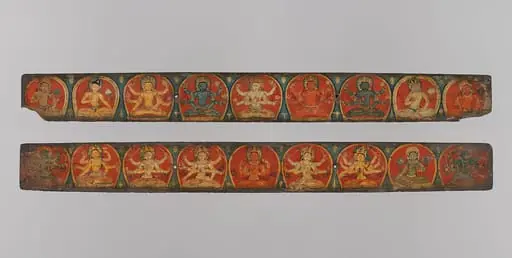
Deity imagery is governed less by individual invention than by iconography—a codified vocabulary of attribute, posture, and gesture by which a figure is recognized and venerated. Hindu and Buddhist traditions are especially systematic: multiple arms, hand-positions (mudras), vehicles, and emblems identify each god and signal its powers, while serene proportion conveys transcendence. East Asian Buddhist painters refined dazzling techniques to register divinity, above all kirikane, the application of cut gold leaf in fine strips to model radiant flesh and robes.
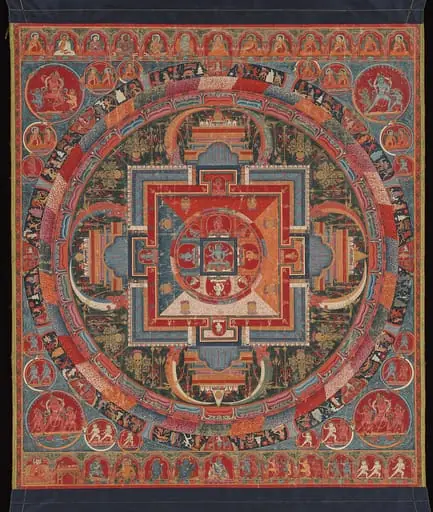
The collection's East Asian holdings exemplify this. The Diamond World Mandala (Kongōkai), introduced to Japan by the monk Kūkai after his study of esoteric Buddhism in China, arranges enlightened deities in nine assemblies around the cosmic Buddha Dainichi (Mahavairocana). Devotional icons such as Shaka with Two Attendant Bodhisattvas and the Sixteen Benevolent Deities depict the historical Buddha flanked by Monju and Fugen and ringed by sixteen guardian spirits who protect the Great Perfection of Wisdom Sutra—a type produced widely between about 1200 and 1500.
In medieval Japan, the deity image fused with native belief in the shrine mandala (miya mandara). Works like the Mandala of Wakamiya of Kasuga Shrine and the Mandala of Kumano Shrine render sacred precincts in bird's-eye view, placing the Buddhist avatars of resident Shinto gods above the landscape—a vivid expression of shinbutsu-shūgō, the syncretism of Buddhism and Shinto that shaped Kamakura- and Muromachi-period sacred art and its enduring legacy.
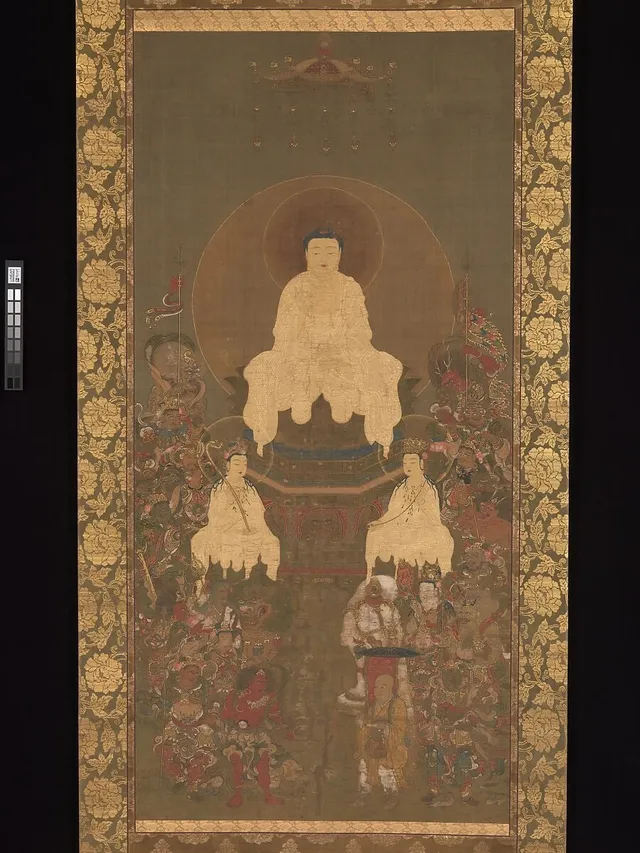
Artist


Artist
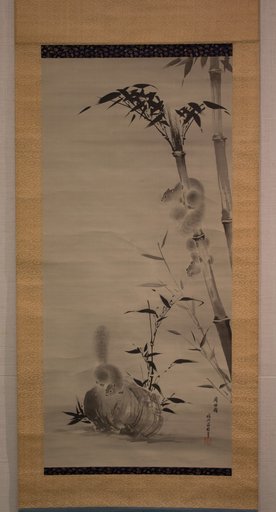
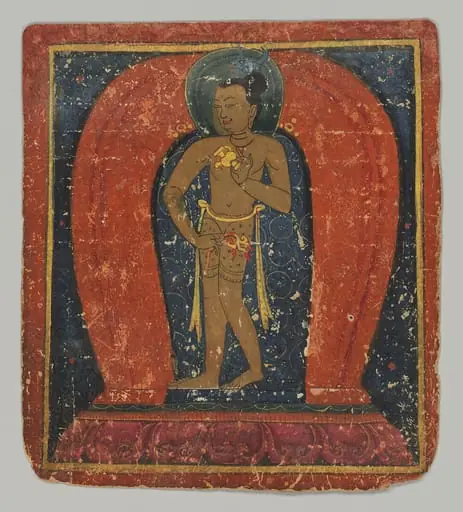
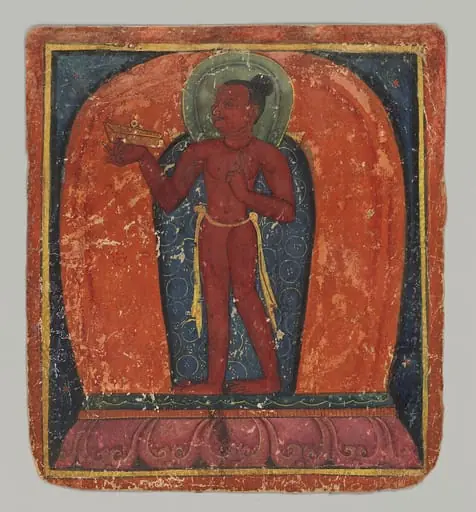
A deity is a supernatural being considered to hold authority over some aspect of the universe or life, often regarded as sacred and worthy of worship. The concept encompasses a vast range of meanings, from an infinite, transcendent creator of the universe to finite entities with special significance. Deities recur throughout global art because they embody the fundamental forces, ethical concepts, and natural phenomena that human cultures seek to understand and visually codify. Their depiction provides a tangible form to the abstract, allowing devotees and viewers to focus their reverence, while also serving as a visual record of theological and philosophical systems.
The iconography of deities is highly variable, reflecting their diverse conceptualizations across cultures. They are frequently represented in human or animal forms and are assigned personalities, desires, and emotions. Attributes often signify their specific domains, such as natural phenomena like storms or floods, or primordial concepts like time, destiny, and morality. While monotheistic traditions typically envision their sole deity in masculine terms and as omnipotent and omnipresent, other traditions represent deities as male, female, hermaphroditic, or genderless. In Indian religions, iconography extends inward, envisioning deities as manifesting within the body itself as sensory organs and the mind. Etymologically, the concept links to shining or celestial origins, with the Sanskrit deva and Latin deus both tracing to the Proto-Indo-European root meaning to shine, linking the visual brilliance of the divine to its artistic representation.
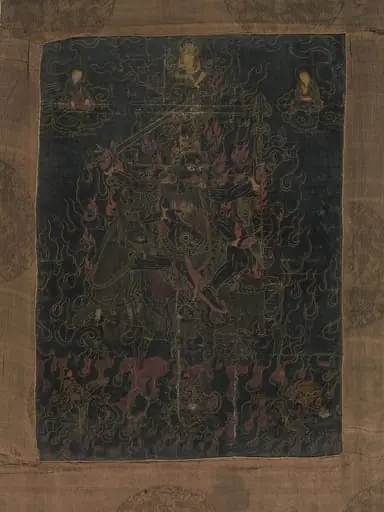
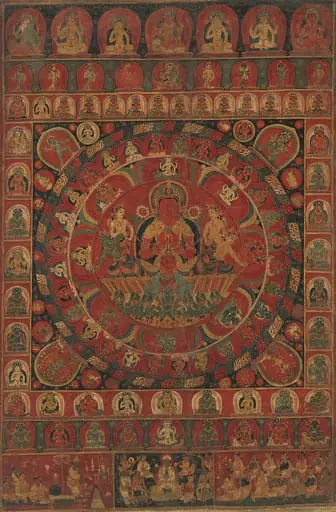
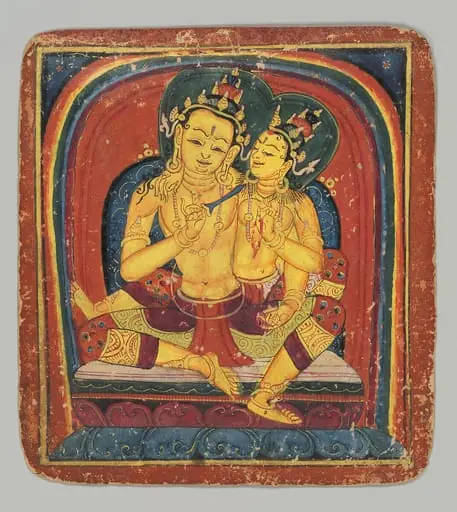
The motif of the deity appears across 120 works in the collection, spanning a variety of media and formats rooted primarily in Asian artistic traditions. The collection includes painted scrolls, mandalas, and iconographic drawings. Specific examples feature Shaka, the Historical Buddha, attended by two bodhisattvas and sixteen benevolent deities, as well as a scroll detailing the deities of the Diamond World Mandala. Shrine mandalas are also prominent, such as the Mandala of Wakamiya of Kasuga Shrine and the Mandala of Kumano Shrine. Additionally, the collection holds iconographic drawings of the Five Kings of Wisdom and depictions of the four deities of Mount Koya. Beyond these, the broader museum holdings include three-dimensional representations, such as a Precolumbian Maya two-part deity vessel made of ceramic with red slip, dating between 300 and 600.
The treatment of deities in art shifts dramatically depending on the theological framework of the culture producing the work. In polytheistic systems, such as those of ancient Mesopotamia, Egypt, Greece, and Rome, art often personified natural phenomena as distinct, autonomous figures assembled into a pantheon. Henotheistic and monistic theologies, conversely, used art to depict multiple deities as aspects or emanations of a single transcendental absolute principle. In Buddhism, artistic representations reflect the religion's nuanced view of deities as powerful but mortal beings within the cycle of rebirth, depicting them as guardians or converts who have achieved bodhisattva status. Neoplatonic philosophy introduced complex hierarchical systems, with art and text delineating specific orders from intelligible gods to encosmic deities and universal souls. Later movements, such as the 20th-century neopagan religion of Wicca, reinterpreted deity iconography through a dualistic lens, emphasizing a Great Goddess and a Horned God as complementary polarities of nature.
Notable depictions of deities are as diverse as the cultures that produced them, ranging from the Sumerian god Enlil and the Greek figure of Athena to the Egyptian Horus and the Norse Freya. In the context of the collection's Asian art, specific named depictions include the scroll of deities of the Diamond World Mandala and the iconographic drawings of the Five Kings of Wisdom. The Precolumbian Maya two-part deity vessel represents another distinct canonical form, utilizing ceramic and red slip to embody divine forms between 300 and 600. In Western art history, the Detroit Institute of Arts holds notable religious depictions of the monotheistic deity, including Giovanni Bellini's Madonna and Child and Jan van Eyck's St. Jerome in his Study, which embed the divine within narrative Christian iconography.
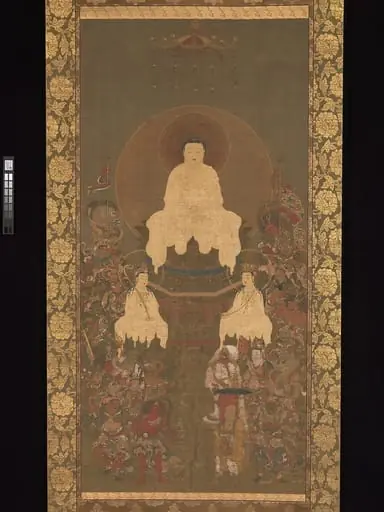 釈迦三尊十六善神像|Shaka (Shakyamuni), the Historical Buddha, with Two Attendant Bodhisattvas and Sixteen Benevolent Deities
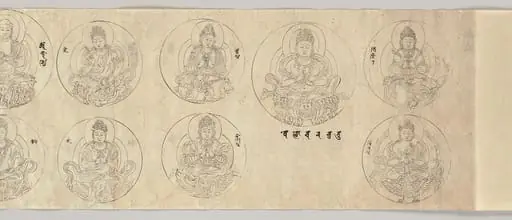 金剛界曼荼羅諸尊図像|Scroll of Deities of the Diamond World Mandala
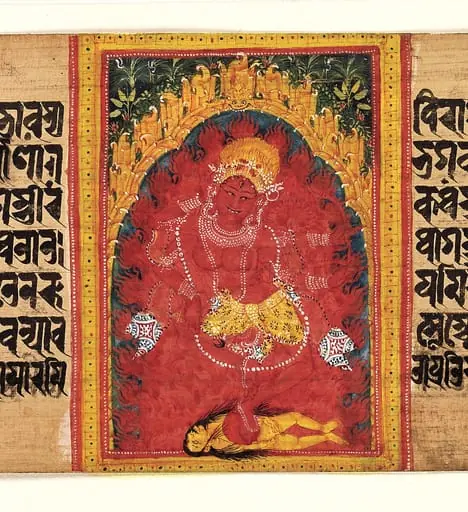 Untitled
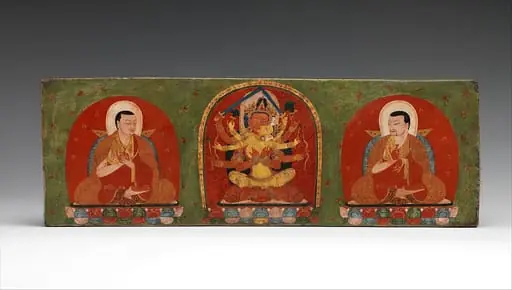 Untitled
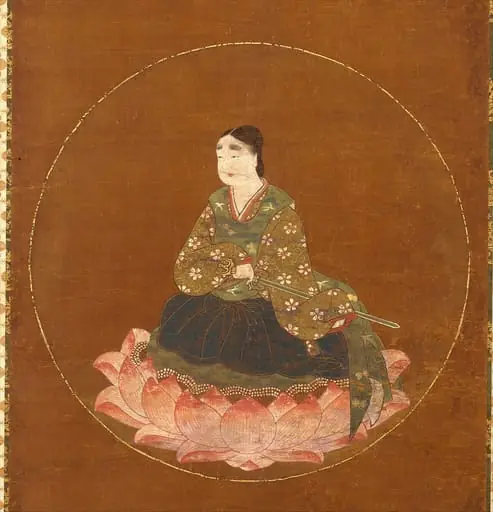 春日若宮曼荼羅|Mandala of Wakamiya of Kasuga Shrine (Kasuga wakamiya mandara)
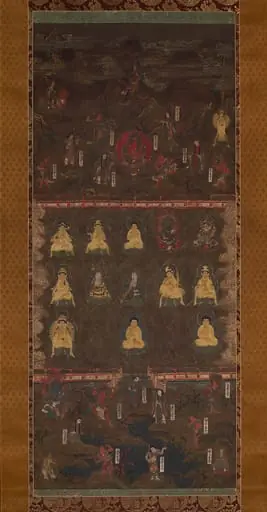 熊野曼茶羅図|Mandala of Kumano Shrine
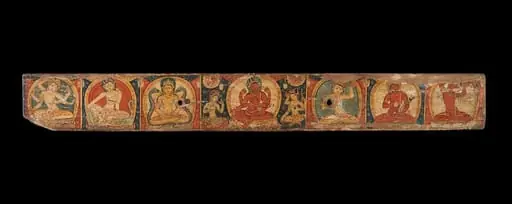 Untitled
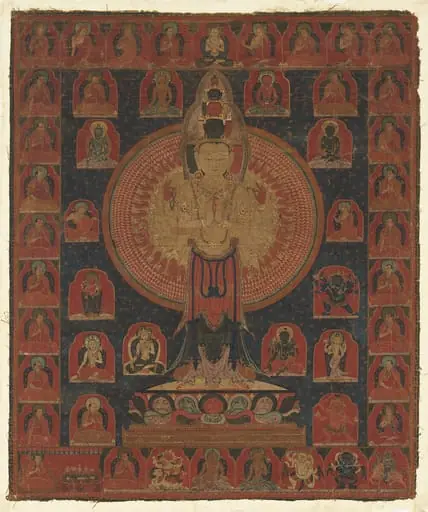 Untitled
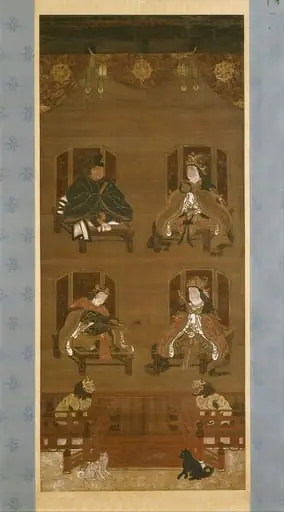 高野四所明神像|The Four Deities of Mount Kōya
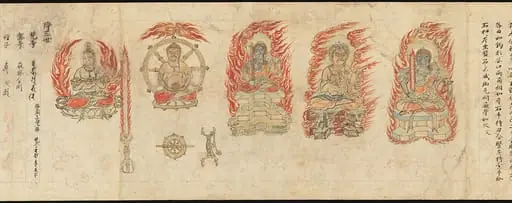 『図像抄』〈十巻抄〉明王部諸尊|Iconographic Drawings of the Five Kings of Wisdom (Myōō-bu shoson)
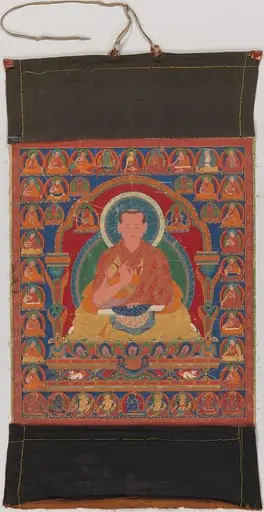 Untitled
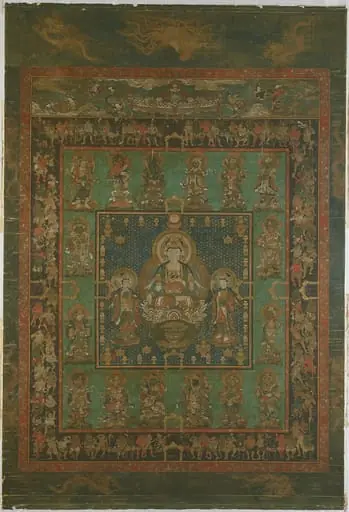 般若菩薩曼荼羅図|Mandala of the Bodhisattva Hannya (Prajnaparamita)
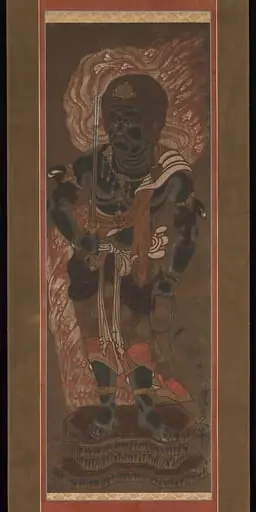 龍湫周沢写 不動明王二童子像|Fudō Myōō and Two Attendants
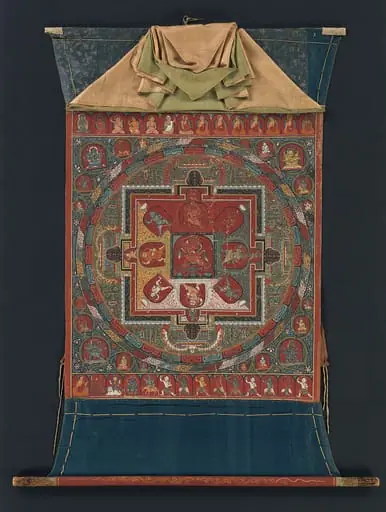 Untitled
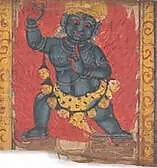 Untitled
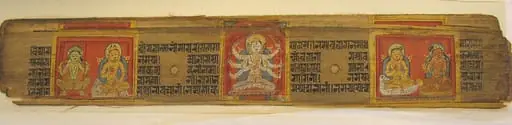 Untitled
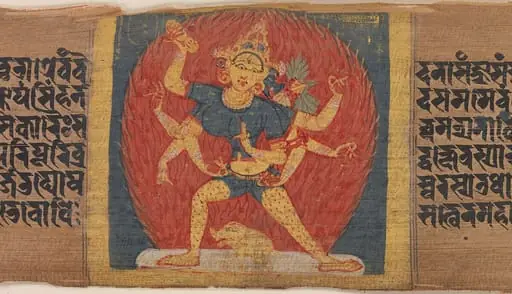 Untitled
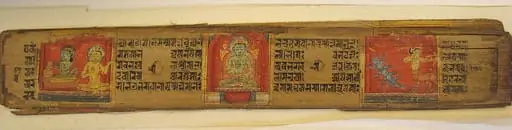 Untitled
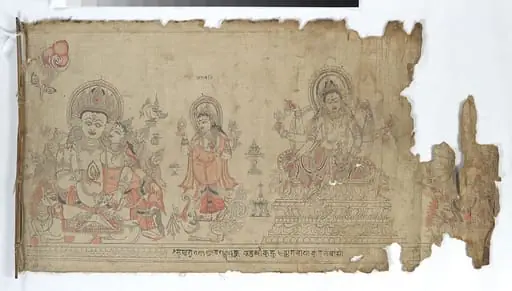 Untitled
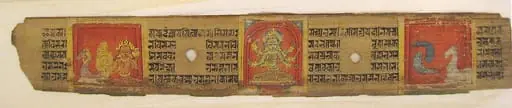 Untitled
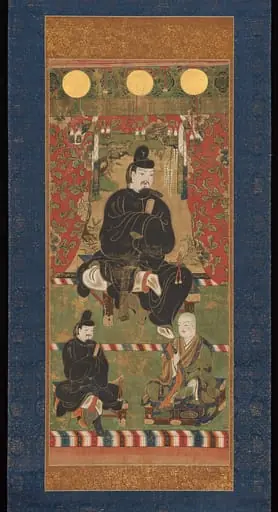 藤原鎌足像|Fujiwara no Kamatari as a Shinto Deity
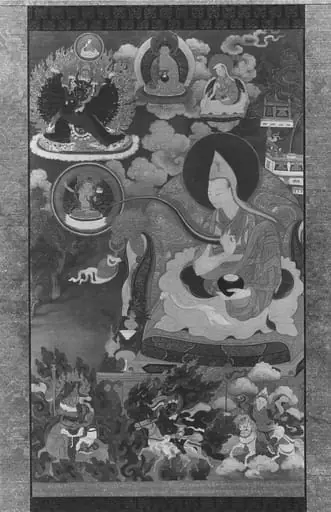 Untitled
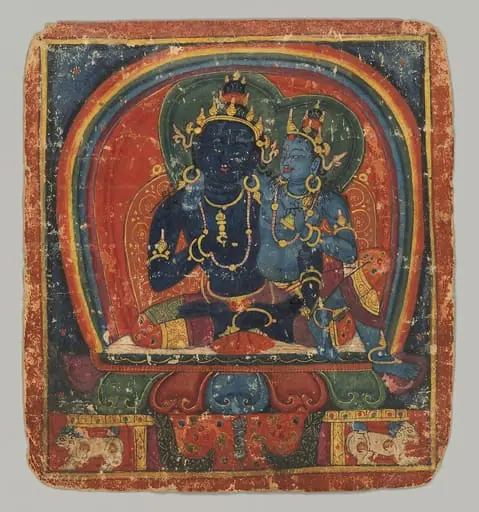 Untitled
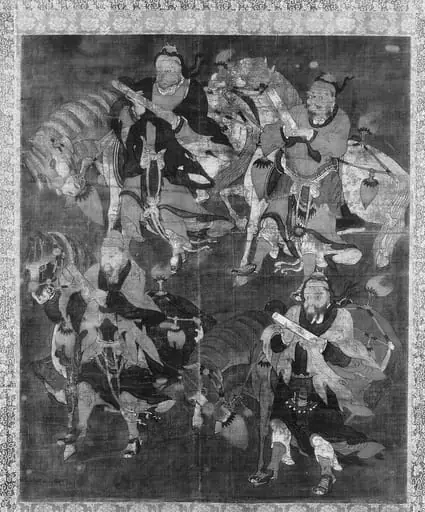
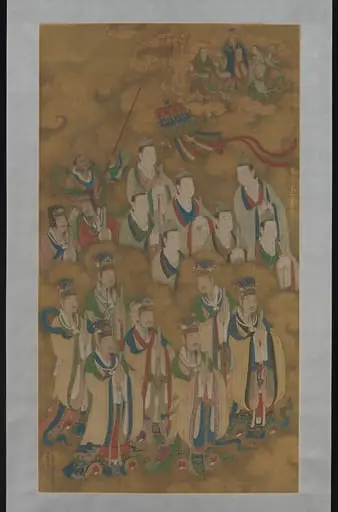 明景泰 佚名 北斗中斗本命星君圖 軸|Star deities of the northern and central dippers
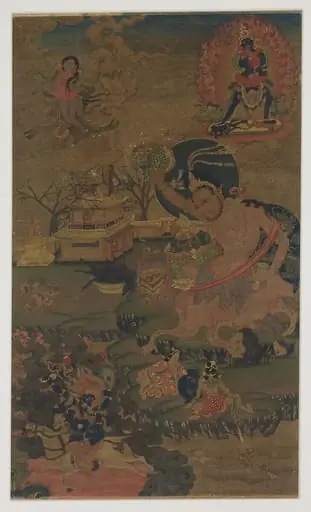 Untitled
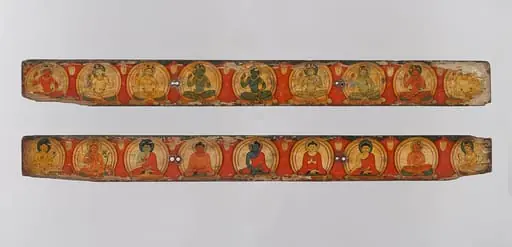 Untitled
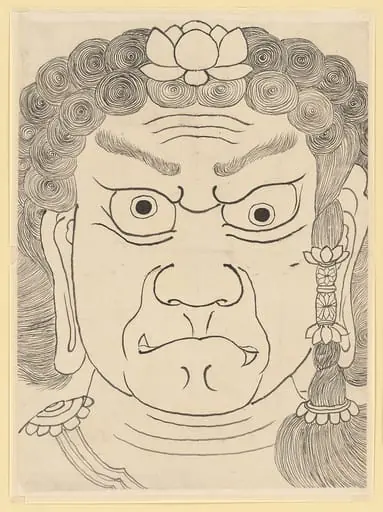 Untitled
 Untitled
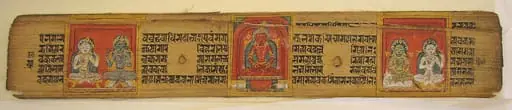 Untitled
 Untitled
 Untitled
 Untitled
 Untitled
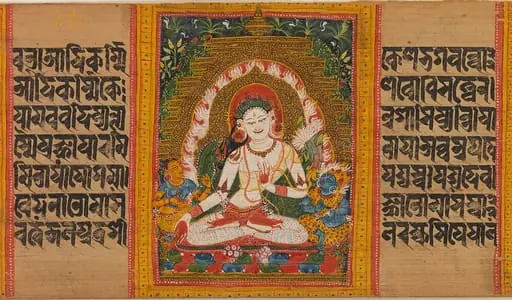 Untitled
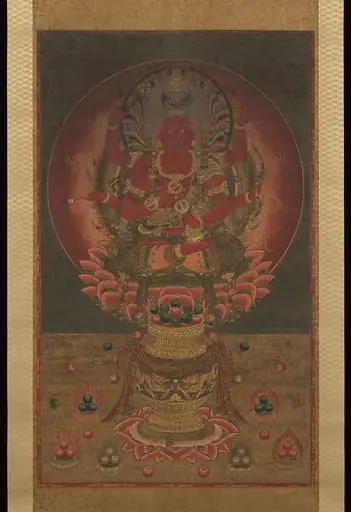 愛染明王像|Aizen Myōō
 Untitled
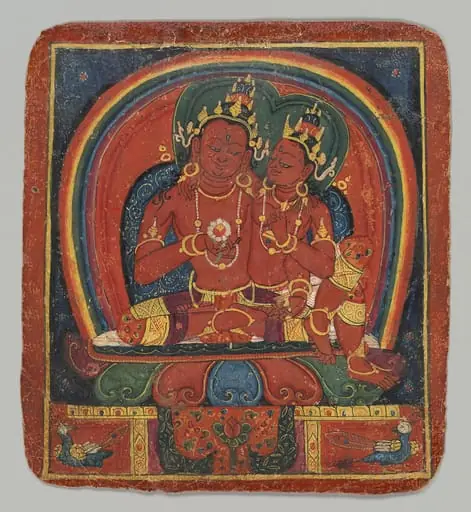 Untitled
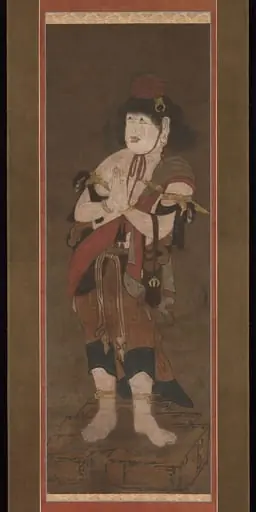 龍湫周沢写 不動明王二童子像|Fudō Myōō and Two Attendants
 Untitled
 Untitled
 Untitled
 Untitled
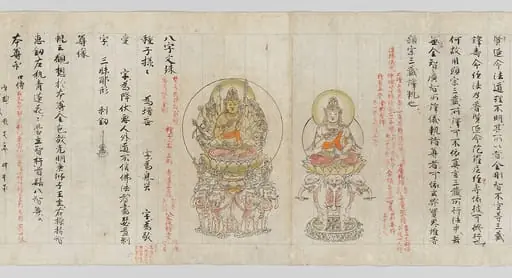 真言諸尊図像抄|Scroll from the Compendium of Iconographic Drawings (Zuzōshō)
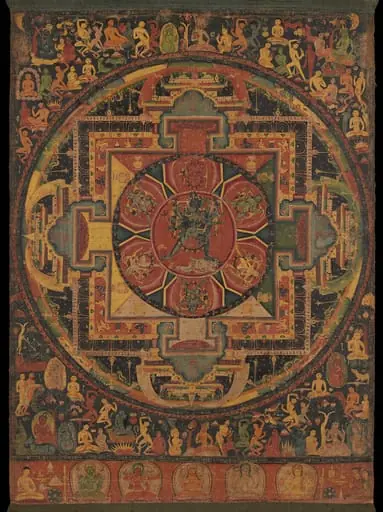 Untitled
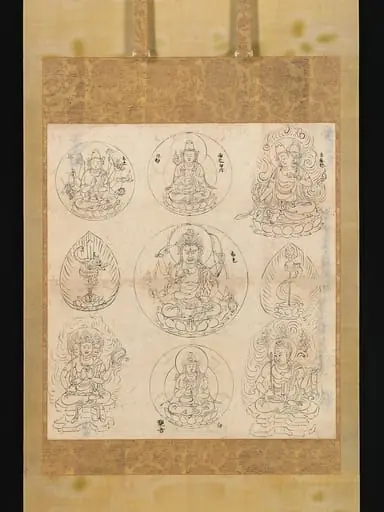 愛染曼荼羅図像 (Aizen mandara zuzō)|Iconographical Drawing of the Mandala of the Wisdom King Aizen
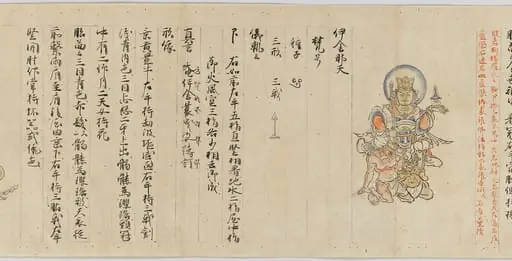 天部諸尊図像抄|Scroll 9 of Collected Iconography (Zuzōshō): Ten (Devas)
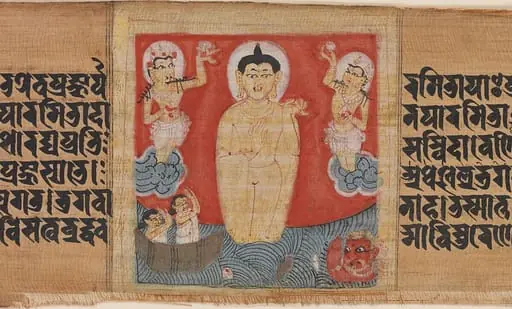 Untitled
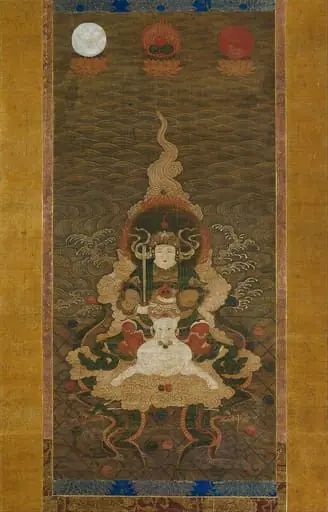 荼枳尼天像|Dakini
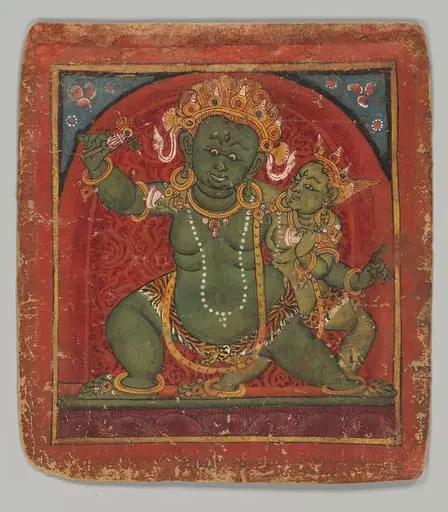 Untitled
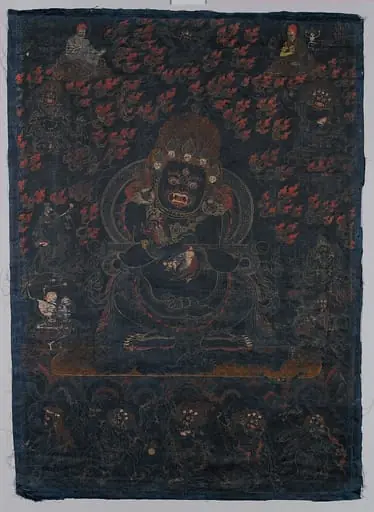 Untitled
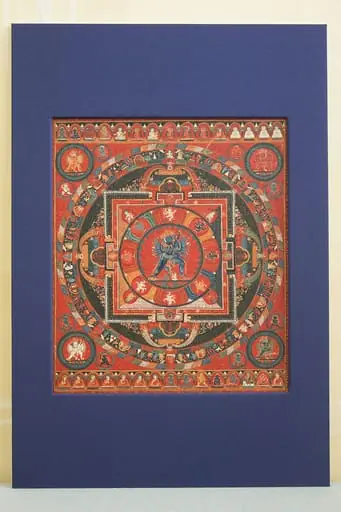 Untitled
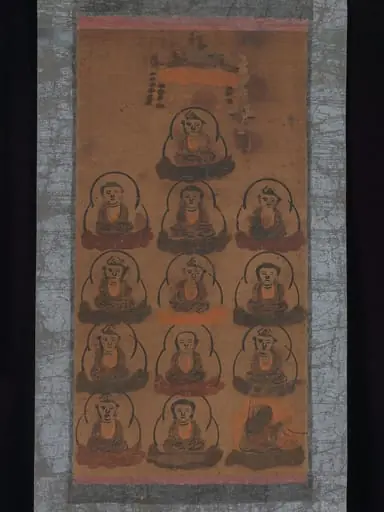 十三仏図大津絵|Ōtsu-e of Thirteen Buddhist Deities
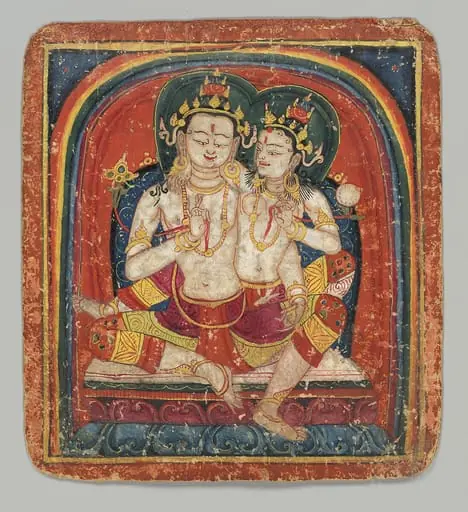 Untitled
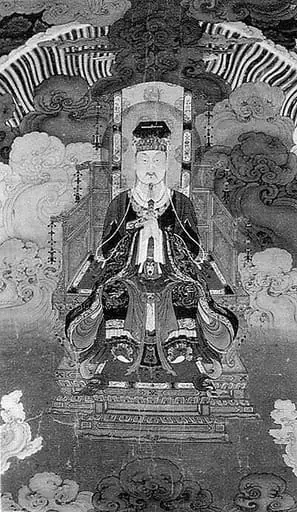 Untitled
 Untitled
 Untitled
 Untitled
 Untitled
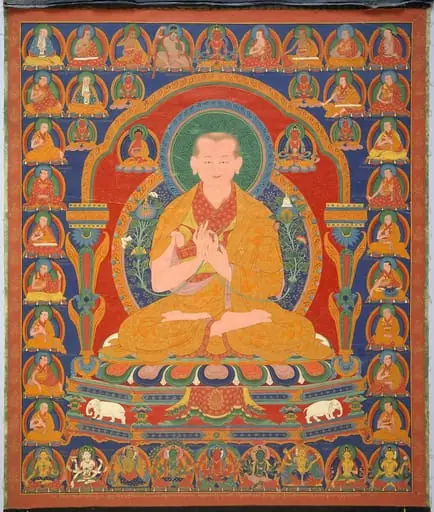 Untitled
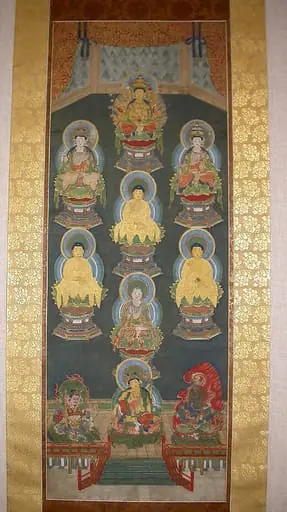 山王本地仏曼荼羅|Mandala of the Sannō Shrine Deities
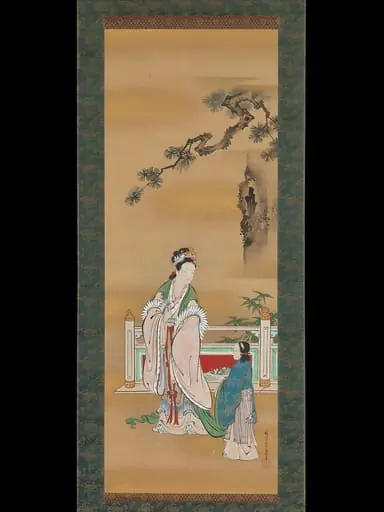 西王母図|Queen Mother of the West
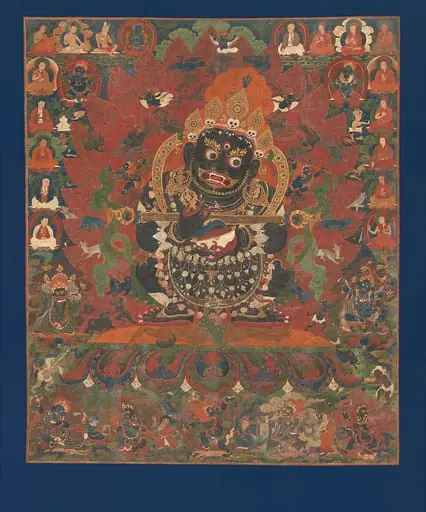 Untitled
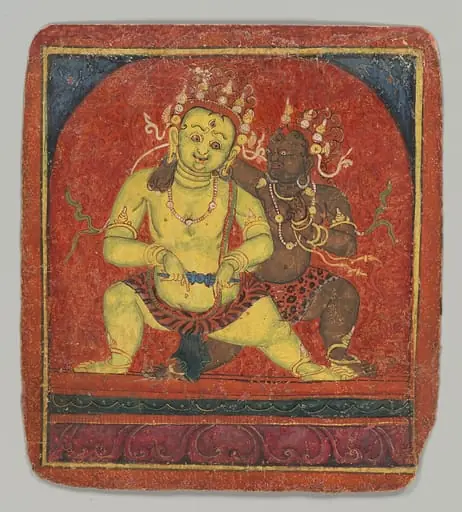 Untitled
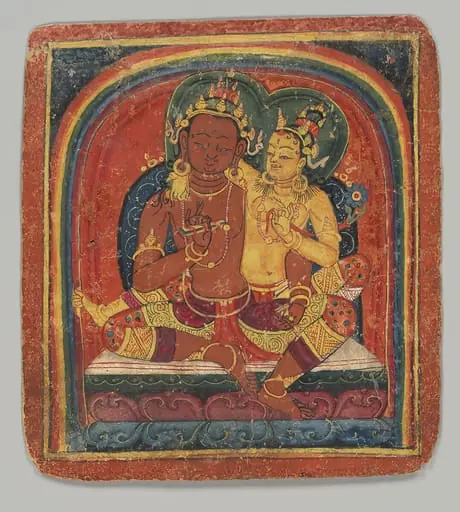 Untitled
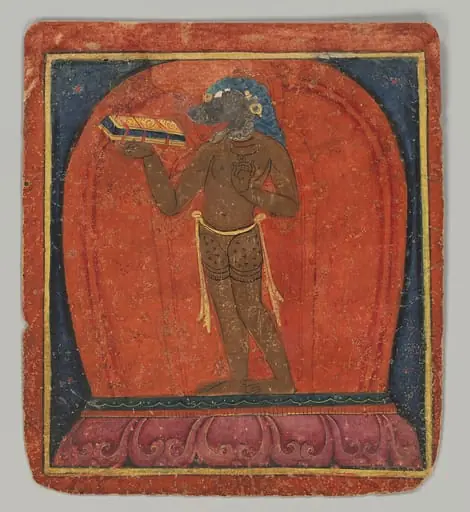 Untitled
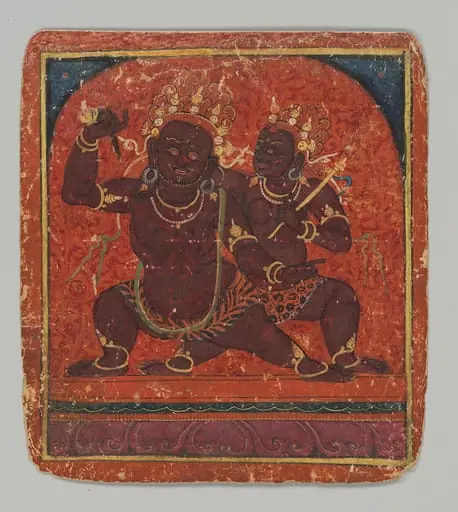 Untitled
 Untitled
 Untitled
 Untitled
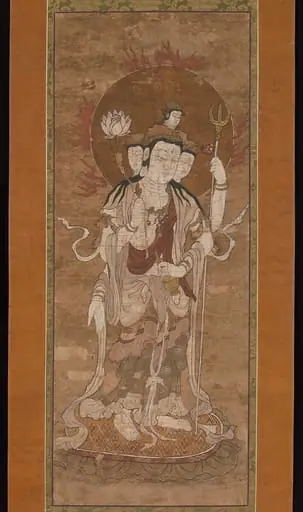 十二天像(梵天)|One of the Twelve Devas: Bonten
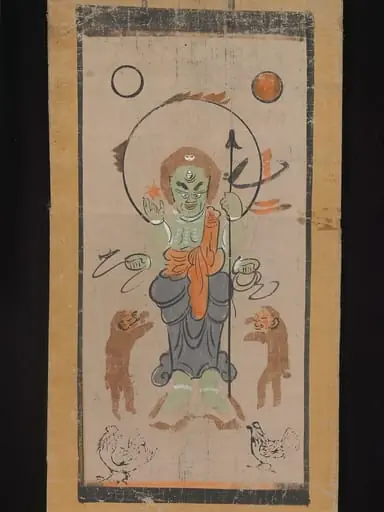 金剛夜叉図大津絵|Ōtsu-e of Shōmen Kongōyasha (Vajrayaksha)
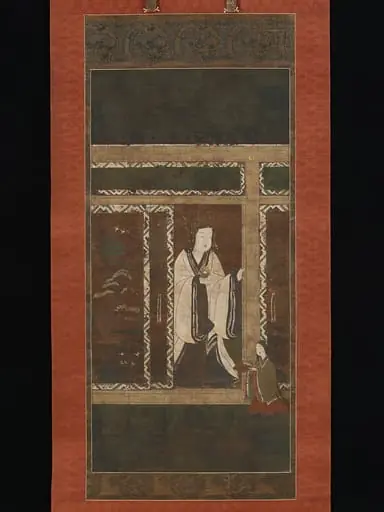 清滝権現像|Seiryū Gongen
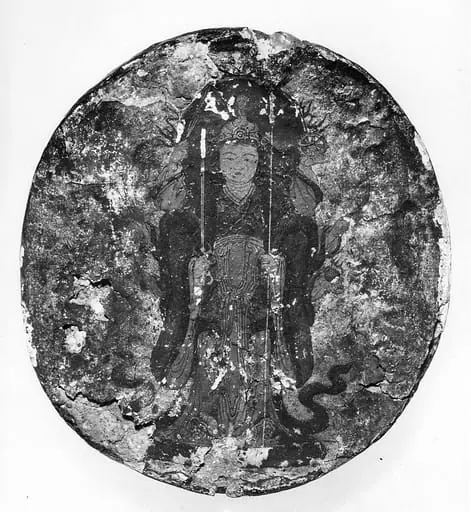 Untitled
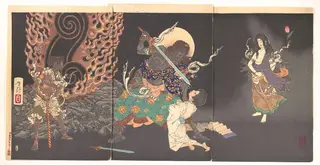 月岡芳年筆 不動明王∙祐天上人図|Fudō Myōō Threatening a Novice
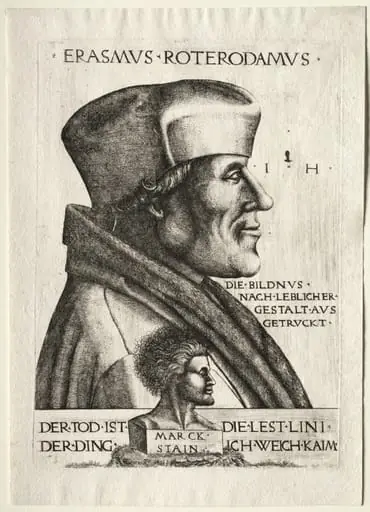 Erasmus of Rotterdam
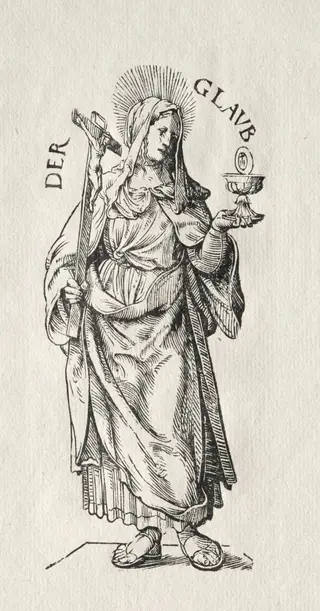 The Seven Virtues: Faith
Deiti is a subject in art. A deity or god is a supernatural being considered to have authority over some aspect of the universe and/or life, with many also being considered as sacred and worthy of worship.
Artifact World Gallery holds 76 public-domain Deiti works, all free to view and download.
Key Deiti artists in the collection include Ryūshū Shūtaku, Katsushika Hokusai and Mikyo Dorje.
Deiti works in the collection are held by Metropolitan Museum of Art and Cleveland Museum of Art.
Your cart is empty
Browse artworks →