Subject
Cravat
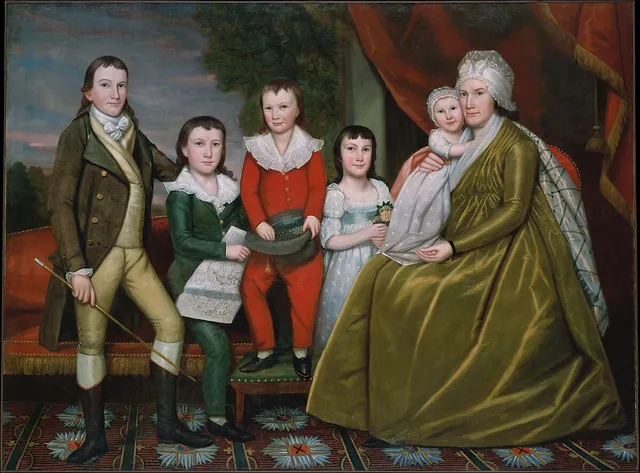
Cravat is a subject in art. The gallery holds 27 works in this subject in art, including works by Ralph Earl, Nicolaes Maes and Ferdinand Bol.
A necktie (American English) – also called a long tie or, more usually, simply a tie (Commonwealth English) – is a cloth article of formal neckwear or office attire worn for decorative or symbolic purposes, knotted at the throat, resting under a folded shirt collar, and usually draped down the chest. On rare occasions, neckties are worn above a winged shirt collar.
Key artists
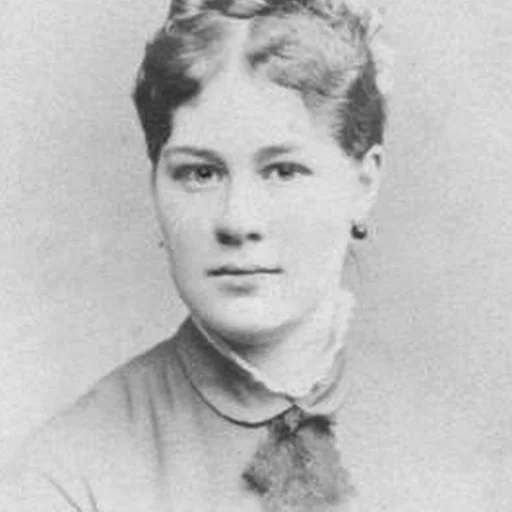
Overview
The cravat is a cloth article of neckwear, typically a long piece of fabric worn around the neck and tied at the throat, serving as the direct precursor to the modern necktie. Originating in the 17th century from the traditional knotted neckerchiefs worn by Croatian mercenaries, the garment quickly captured the attention of the French, who called it the cravat, derived from the French word for Croats. Unlike the modern necktie, which is tapered and designed to be knotted tightly under a folded shirt collar, the historical cravat was often a wide band of cotton, linen, or muslin, sometimes adorned with lace, and tied in loose or elaborate arrangements. It evolved from a practical military accessory into a highly decorative symbol of aristocratic fashion, establishing a global standard for formal neckwear that has persisted for centuries.
Iconography & meaning
In art and history, the cravat has functioned as a potent symbol of social rank, refinement, and identity. Because of its association with the French court and European aristocracy, wearing a cravat, particularly one trimmed with expensive Venetian point lace, indicated high social status. A nobleman riding onto a battlefield would wear a lace cravat over his armor to demonstrate his rank. The accessory also carried romantic and patriotic meanings in its Croatian origin, where women gave neckerchiefs to men departing for war as tokens of luck and a safe return. Later, the manner of tying the cravat became a mark of a man's elegance and wealth, with the skill required to arrange complex styles becoming a hallmark of the dandy. Conversely, the term also acquired a darker slang meaning in the United States, where a wooden cravat referred to a hangman's noose or the stocks used for criminals awaiting execution.
Across movements & periods
The treatment of the cravat in fashion and art shifted dramatically from the 17th to the 19th century. In the 1660s, under Louis XIV, the lace cravat dominated, with Venetian needle lace setting the standard for aristocratic dress. By the 1690s, muslin imported by East India Companies became hugely fashionable for plainer neckcloths, a change accelerated by the practical needs of military dress during the French war of 1689 to 1697. In the early 18th century, the rigid leather stock gained popularity among soldiers for keeping the head high and protecting the neck from saber attacks. The late 18th century saw a resurgence of extravagant cravats worn by English macaronis and French incroyables, followed by a counterreaction led by dandy Beau Brummell, who favored subtle, perfectly knotted white cravats. By the mid 19th century, the industrial revolution demanded practical neckwear, leading to the four-in-hand and eventually the modern long tie, which New York tailor Jesse Langsdorf revolutionized in the 1920s by cutting the fabric diagonally in three parts for better elasticity.
Notable depictions
Notable historical and artistic depictions of the cravat highlight its cultural prominence. The earliest known usage is attributed to the Croatian poet Ivan Gundulic in 1622. The French king Louis XIV began wearing a lace cravat around 1646, establishing the fashion for European nobility, and even maintained a royal cravatier du roi to select his daily neckwear. In the visual arts, Gianlorenzo Bernini prominently featured a lace trimmed collar in his bust portrait of Thomas Baker. The carver Grinling Gibbons famously carved a limewood cravat in the 1680s, simulating Venetian point lace to demonstrate his artistic ambition and technical skill. This carved cravat was later owned by Horace Walpole, who occasionally wore it as a playful frolic to surprise foreign visitors. Surviving physical examples include a 1690s muslin cravat with flat Venetian needle lace ends, now in the Victoria and Albert Museum, which illustrates the transition from bold three dimensional baroque lace to flatter styles.
Legacy
The cravat's legacy endures in both modern fashion and cultural memory. It evolved directly into the modern necktie and bow tie, shaping standard menswear for the 20th and 21st centuries. Croatia celebrates International Necktie Day on October 18, commemorating the garment's Croatian origins, a history preserved at the Cravaticum boutique museum in Zagreb. In contemporary fashion, the cravat persists in specific formal contexts, such as the ascot worn for daytime weddings, the plastron worn with morning dress, and the stock tie retained in equestrian sport. The formal evening cravat, typically made of pique, remains a requirement for white tie dress codes. Beyond formalwear, the day cravat has experienced a resurgence as a smart casual accessory, offering an alternative to the standard necktie for modern expressions of personal style.
Works
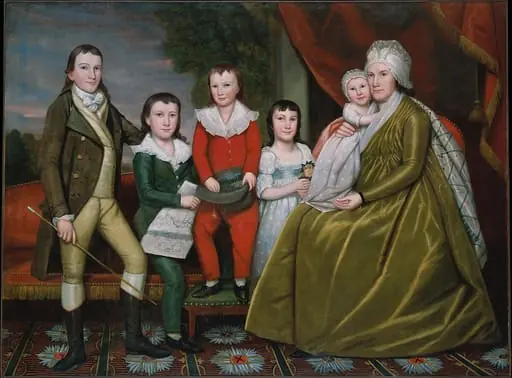 Mrs. Noah Smith and Her Children
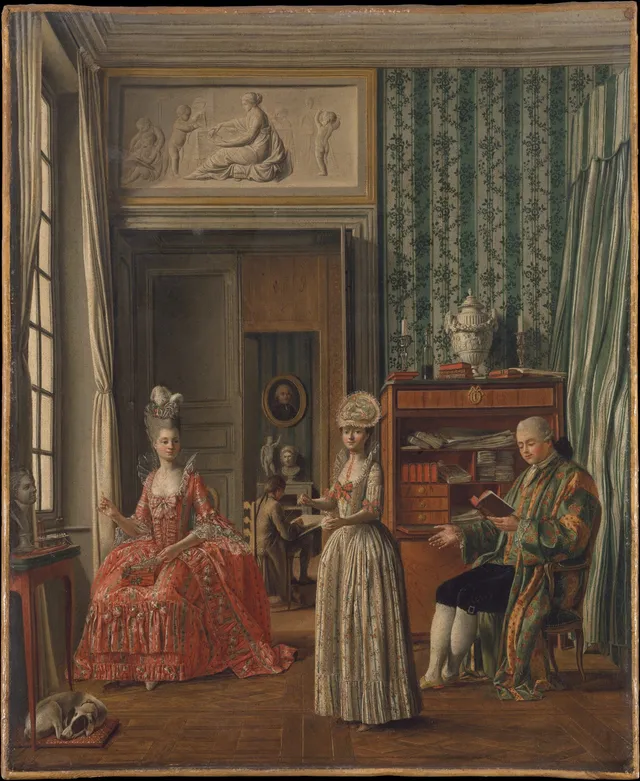
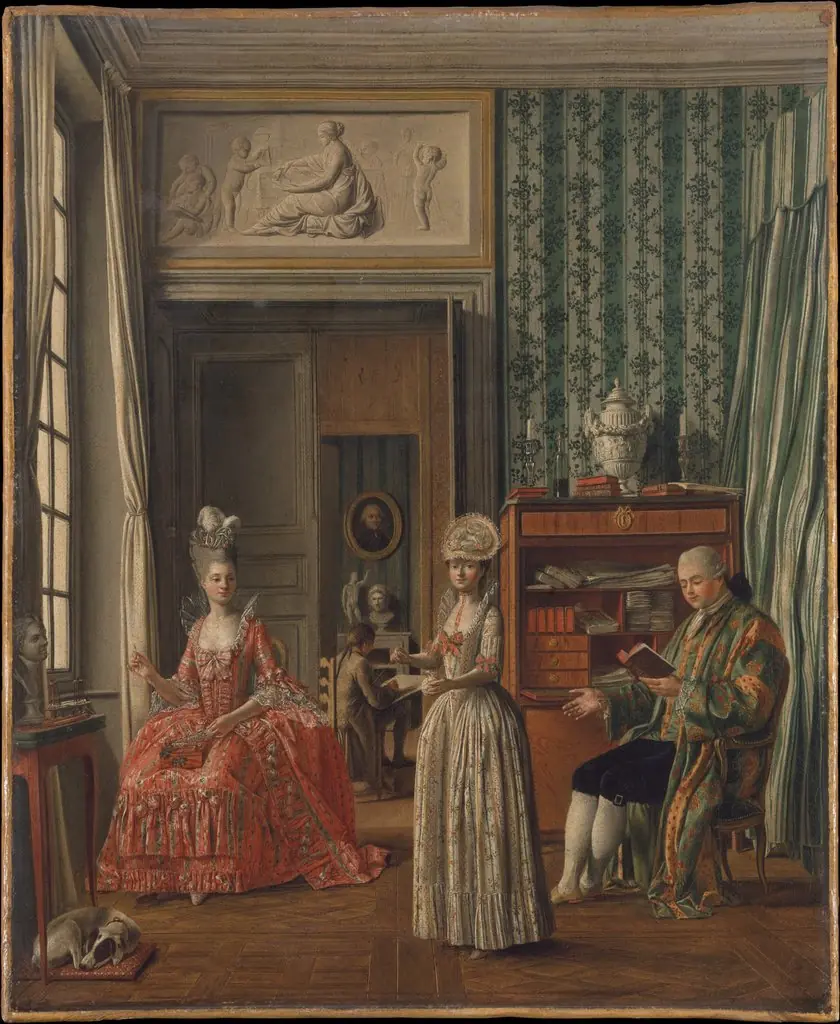 Domestic Scene
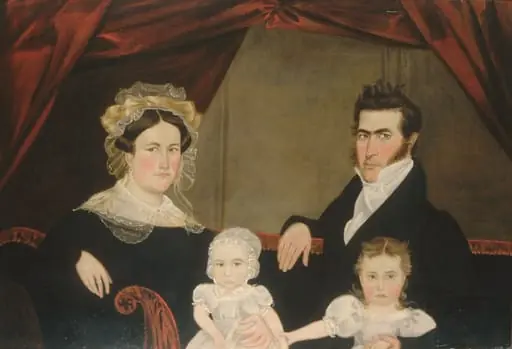 Family Group of Four on Sofa
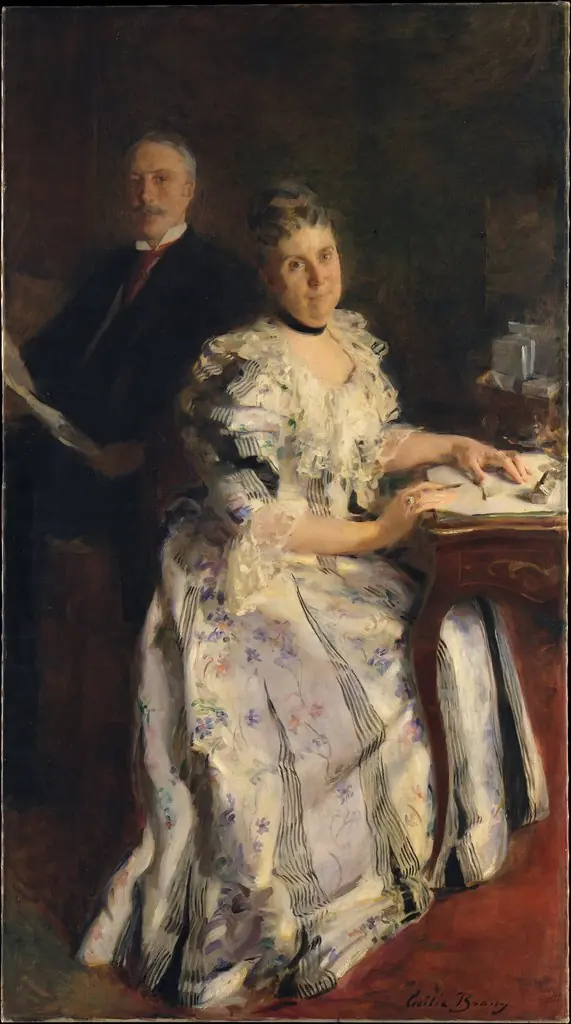 Mr. and Mrs. Anson Phelps Stokes
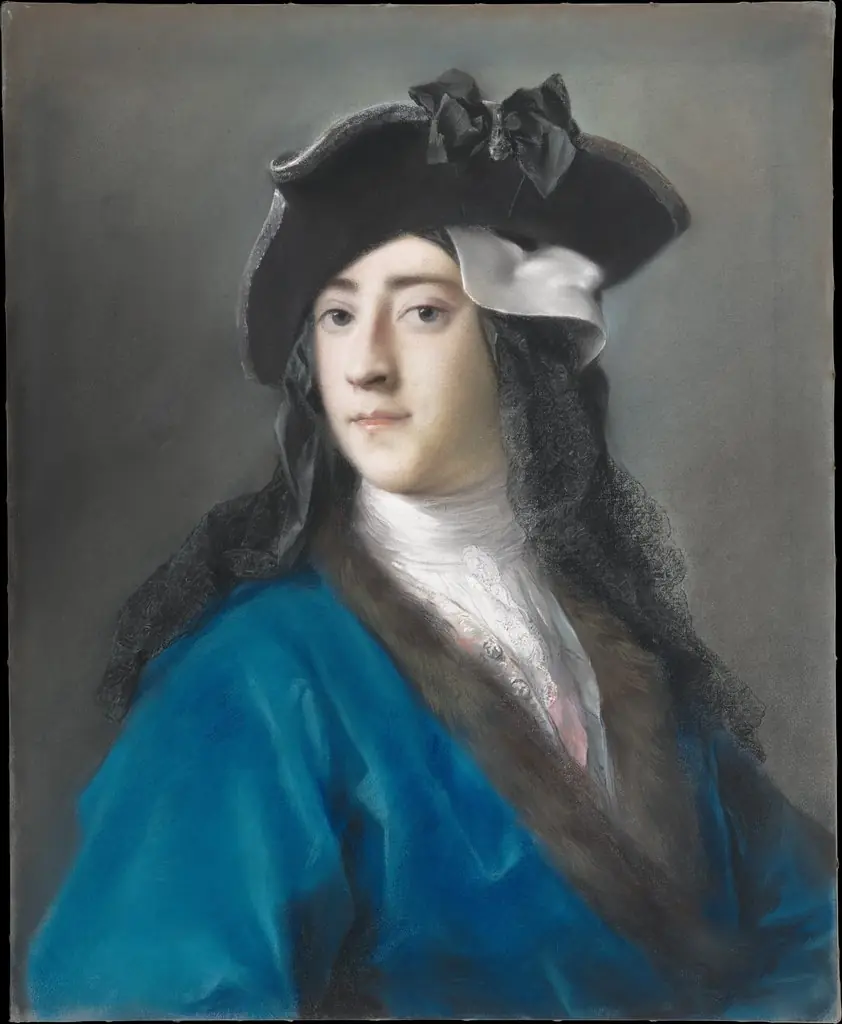 Gustavus Hamilton (1710–1746), Second Viscount Boyne, in Masquerade Costume
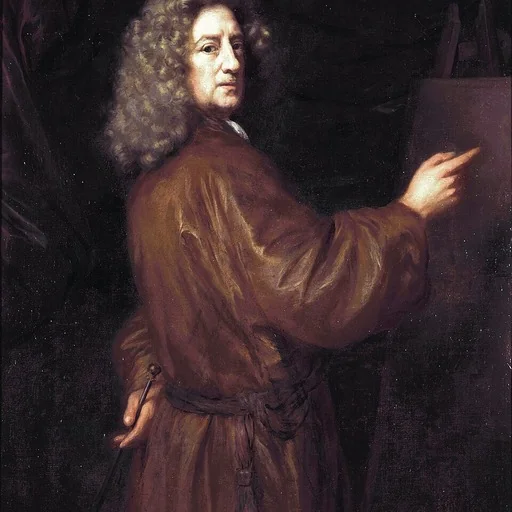
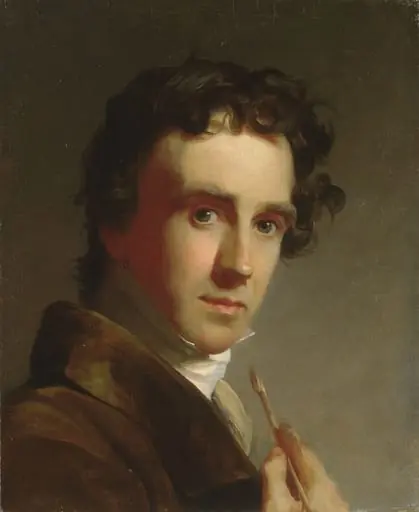 Portrait of the Artist
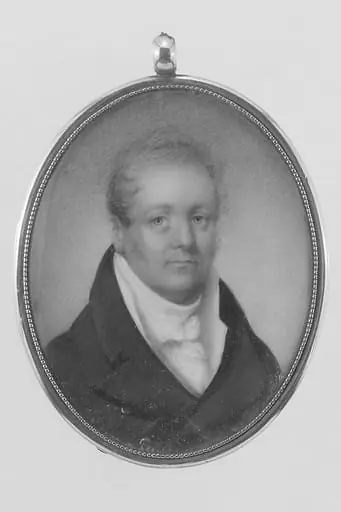 Charles Henry Hall
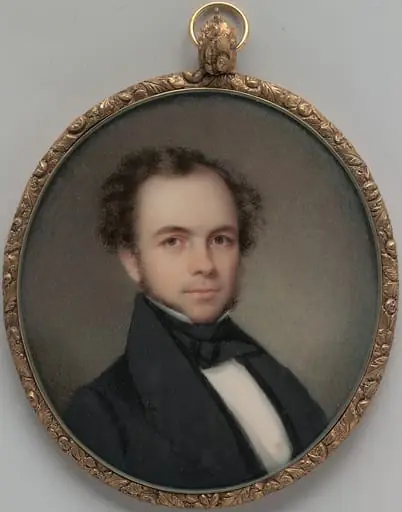 Mr. Boardman
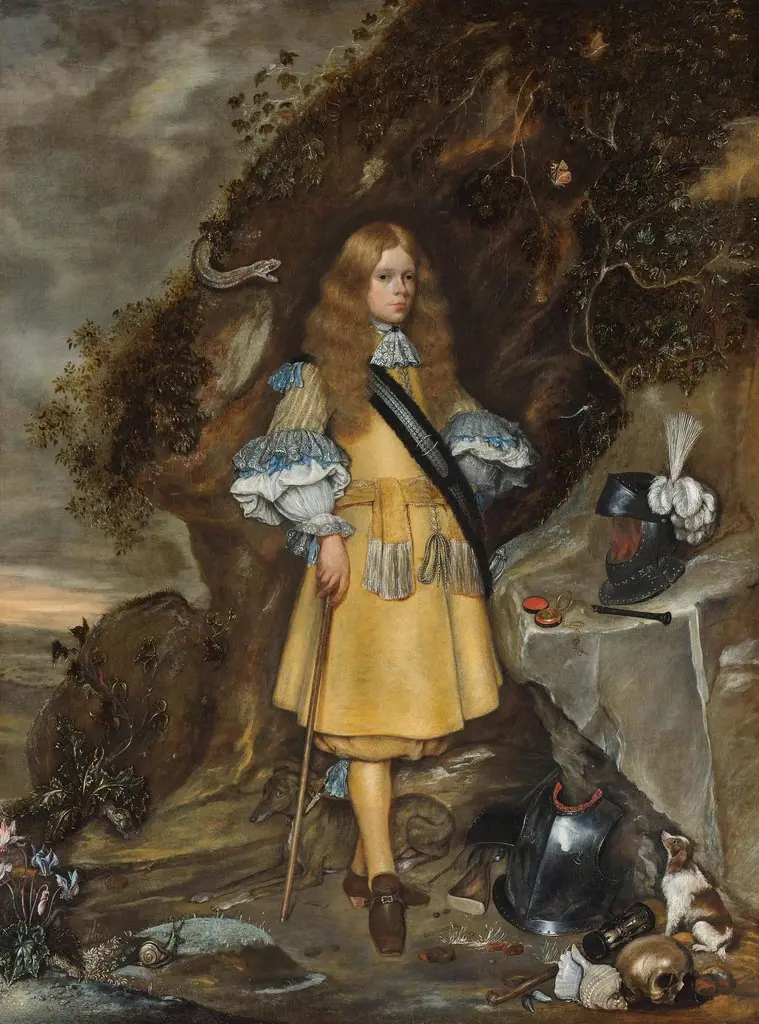 Memorial Portrait of Moses ter Borch
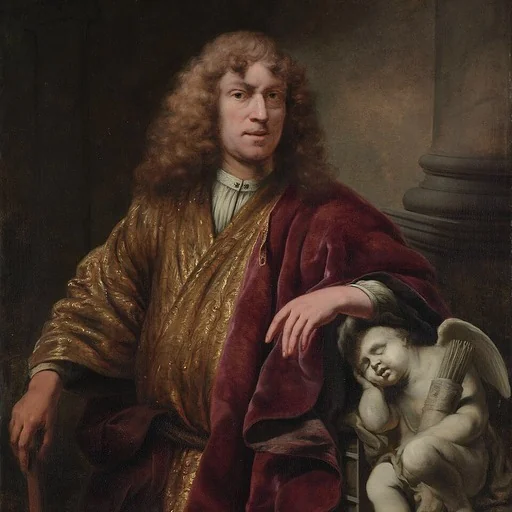
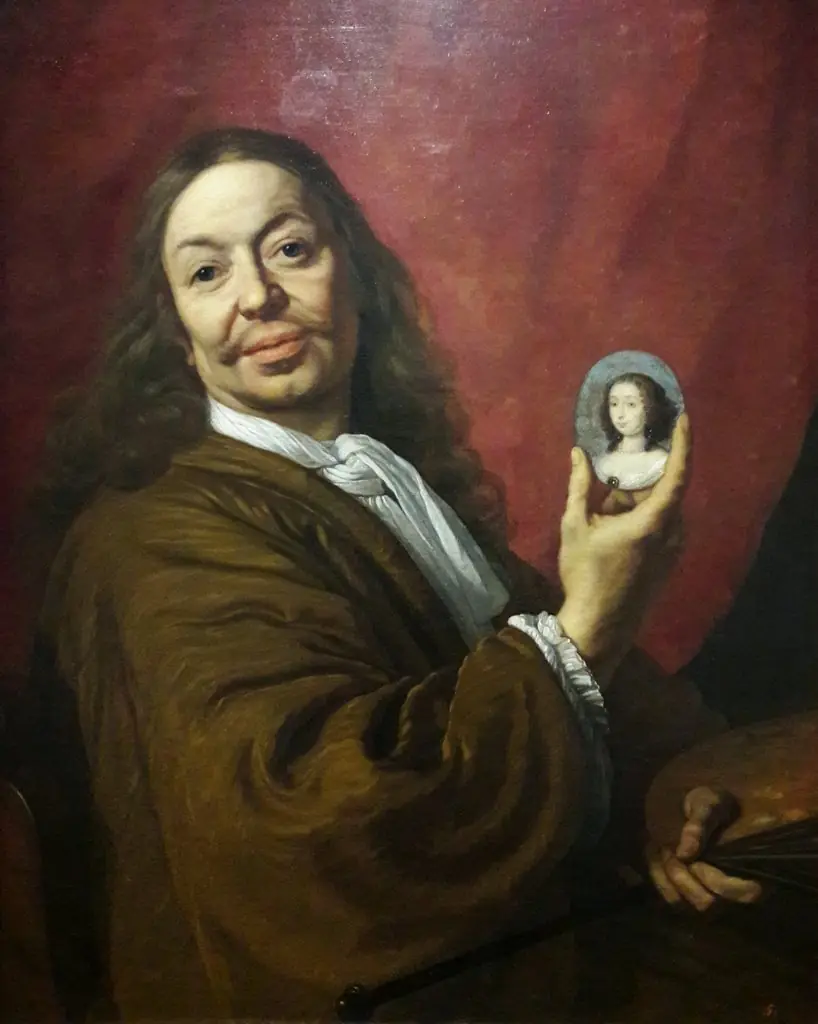 Self-portrait
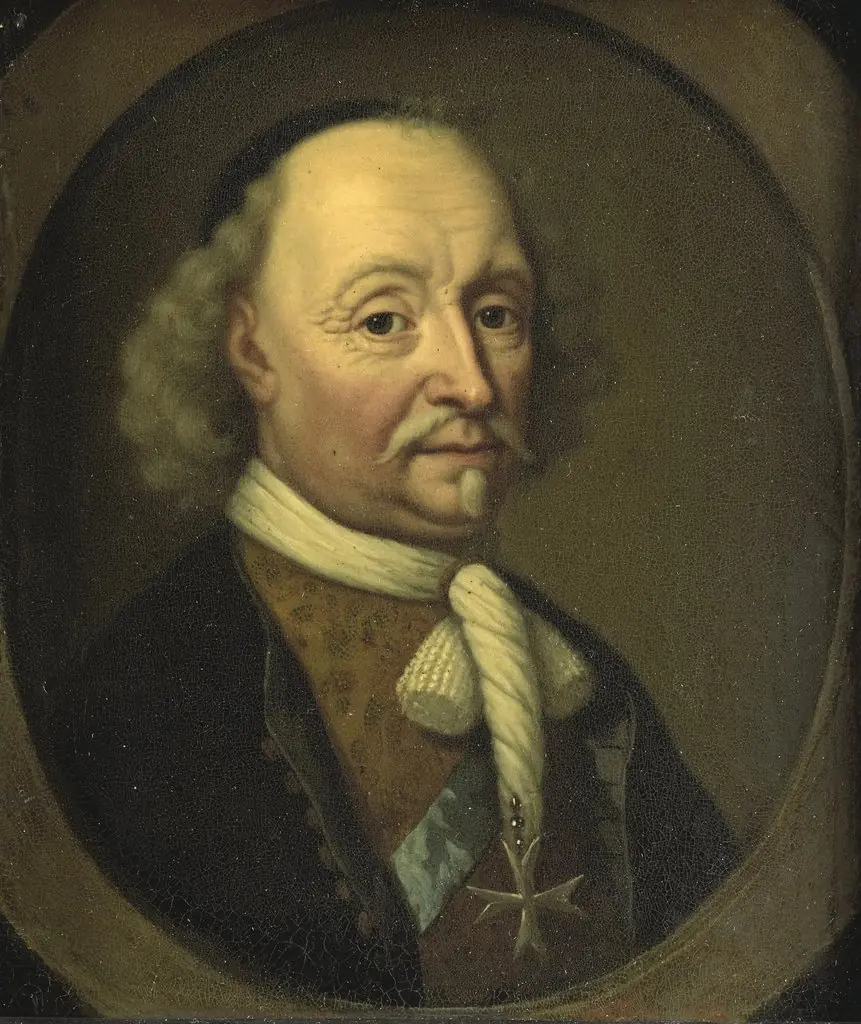 Portrait of Johan Maurits (1604-79), count of Nassau-Siegen and governor of Brazil
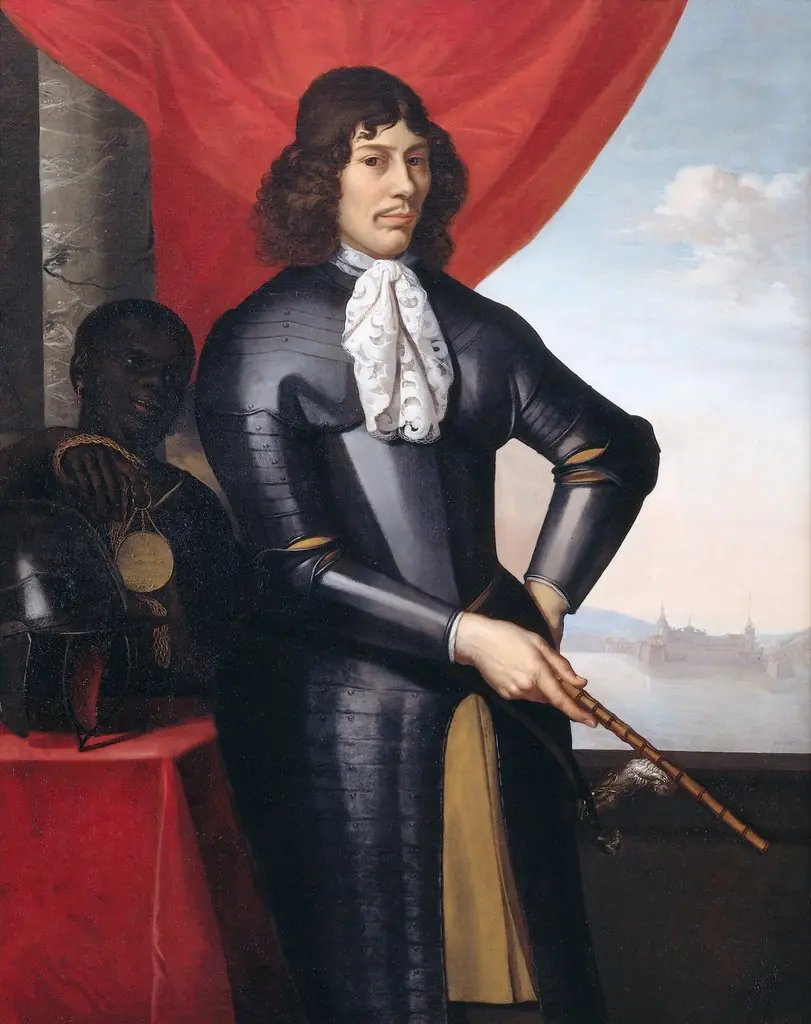 Portrait of Jan Valckenburgh
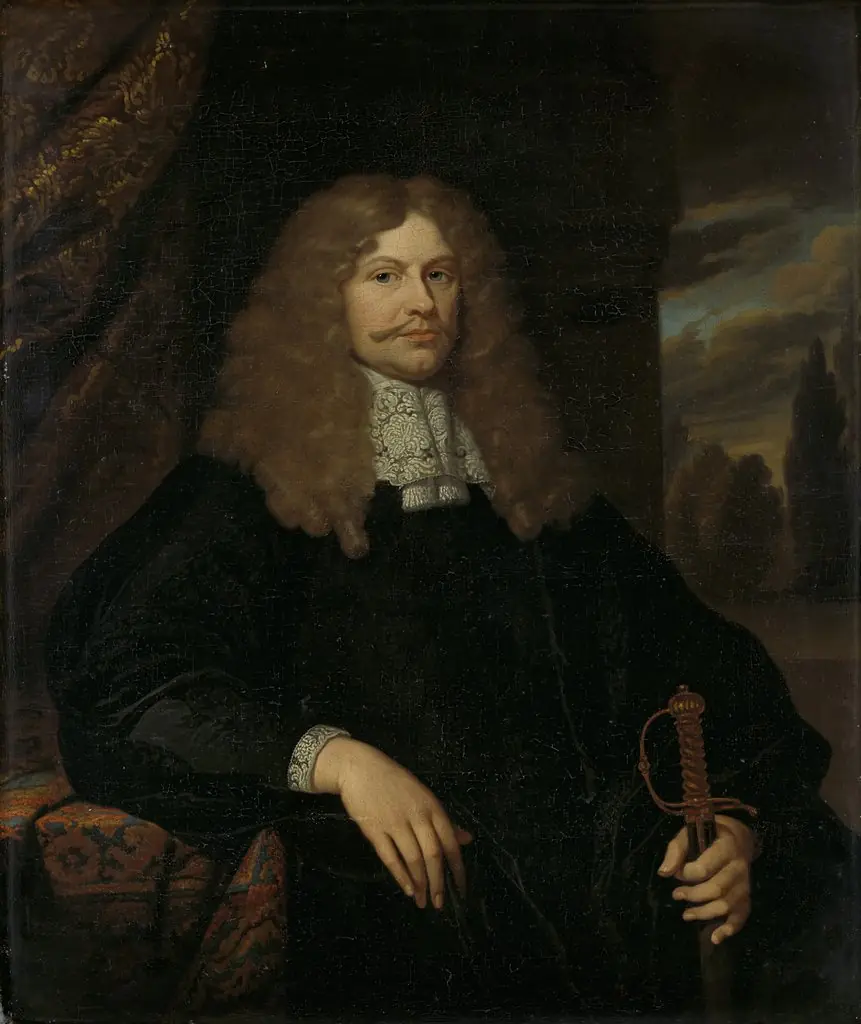 Portrait of Cornelis Backer (1633-81), councillor, alderman, and colonel of the Amsterdam militia
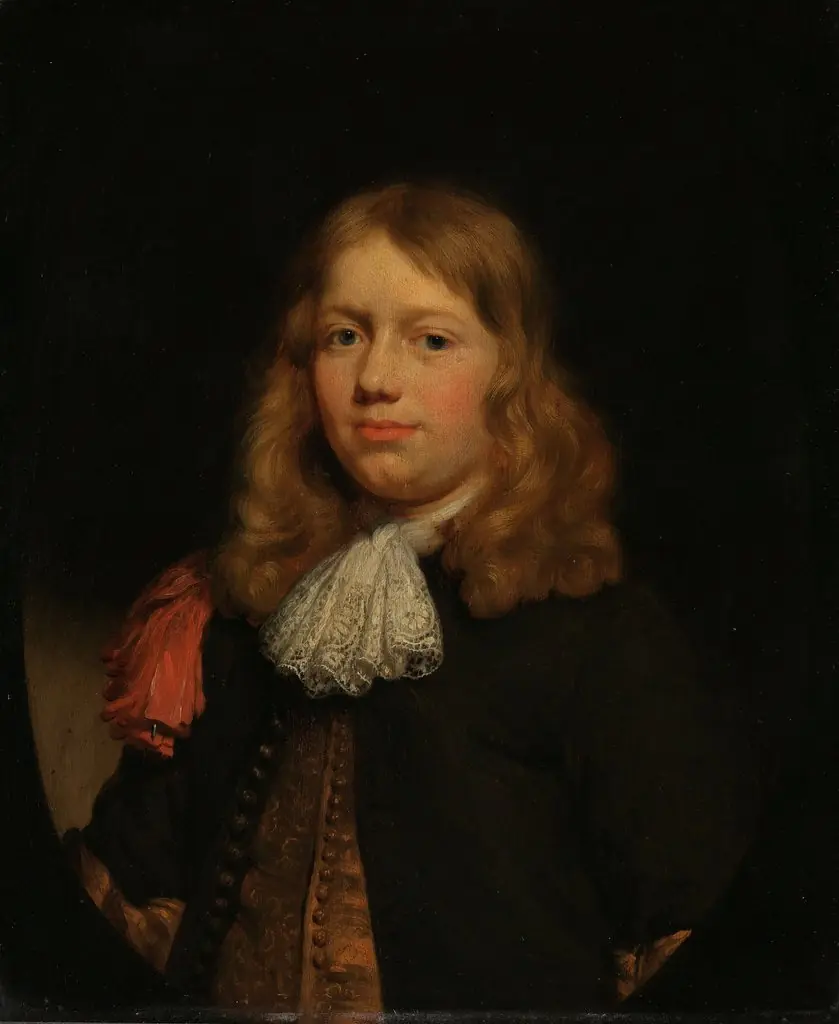 Portrait of a young man
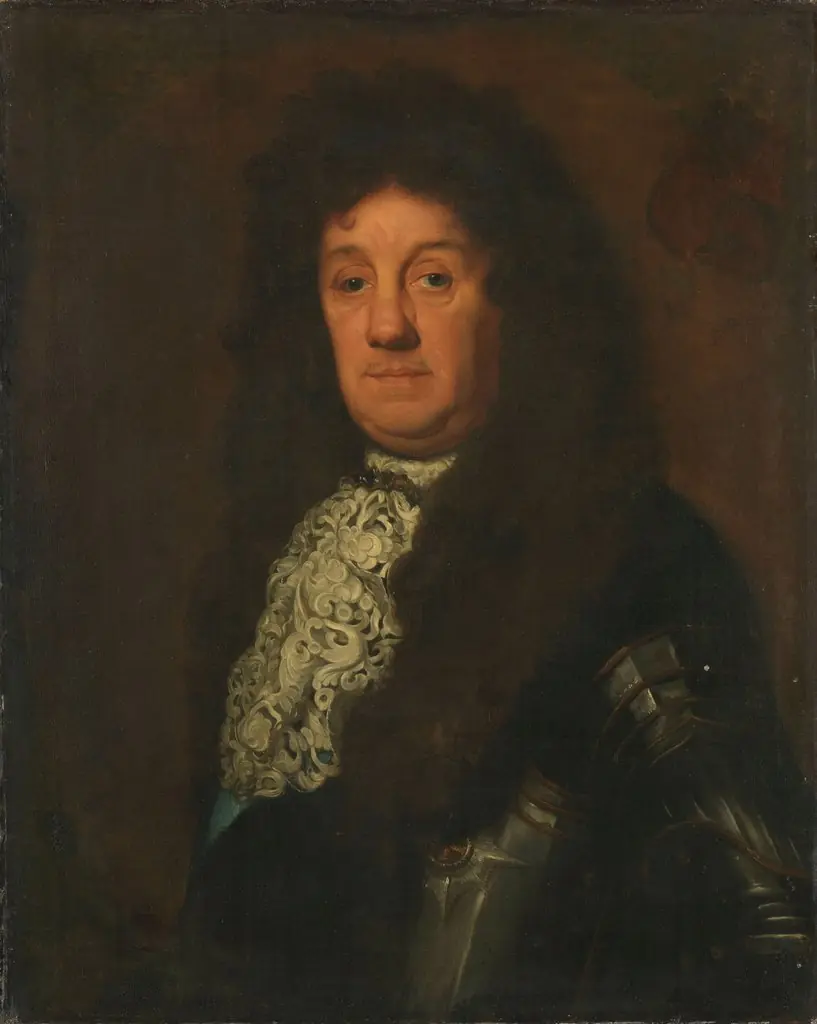 Portrait of Cornelis Tromp (1629-91), vice-admiral of Holland and West Friesland
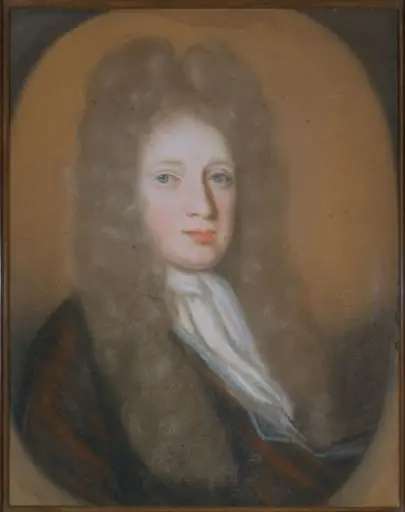 Pierre Bacot
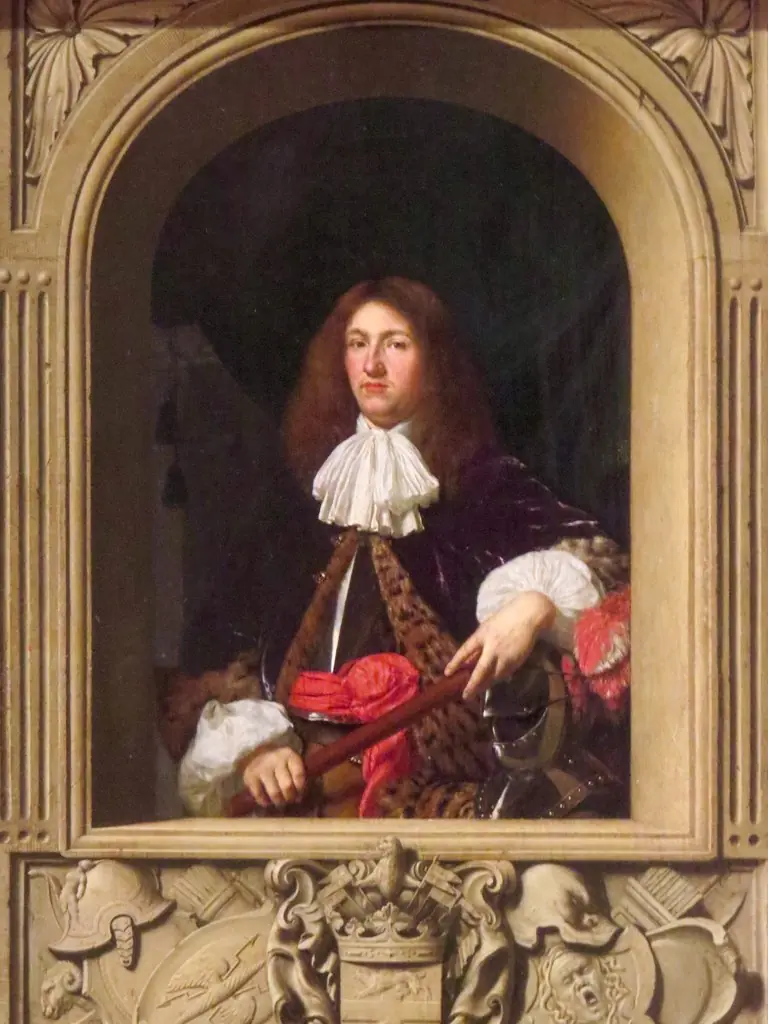 Portrait of Count Ulrik Frederik Gyldenløve
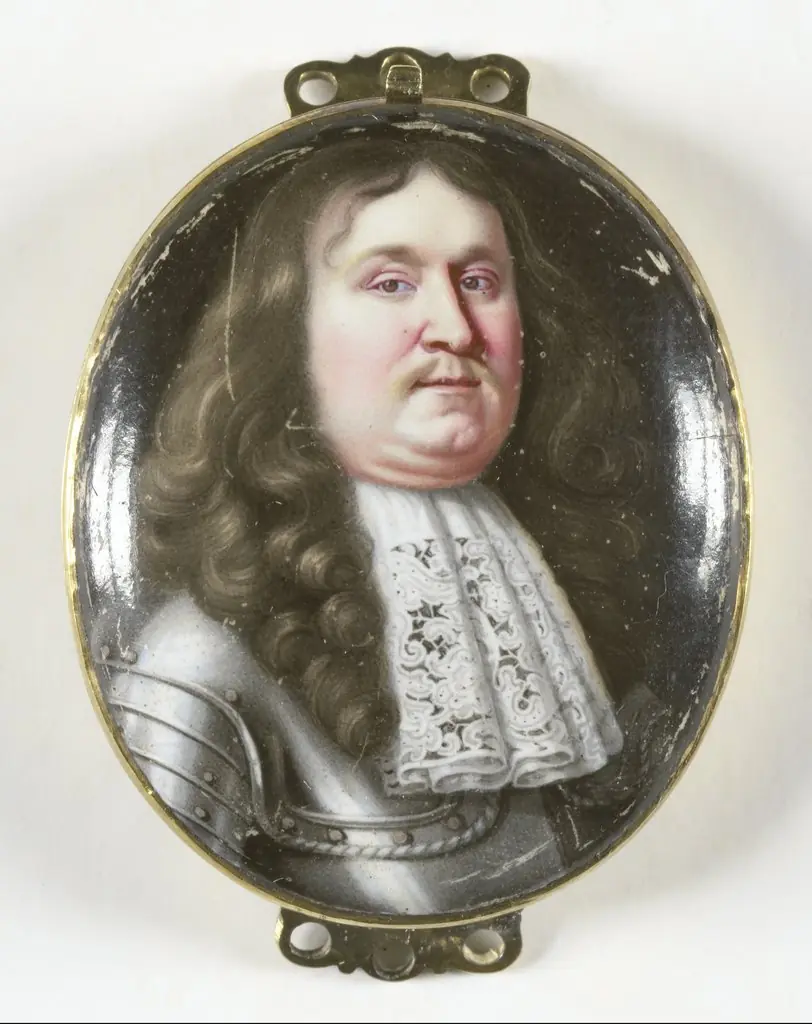 Adolf, Count of Nassau-Dillenburg-Schaumburg (1629-76)
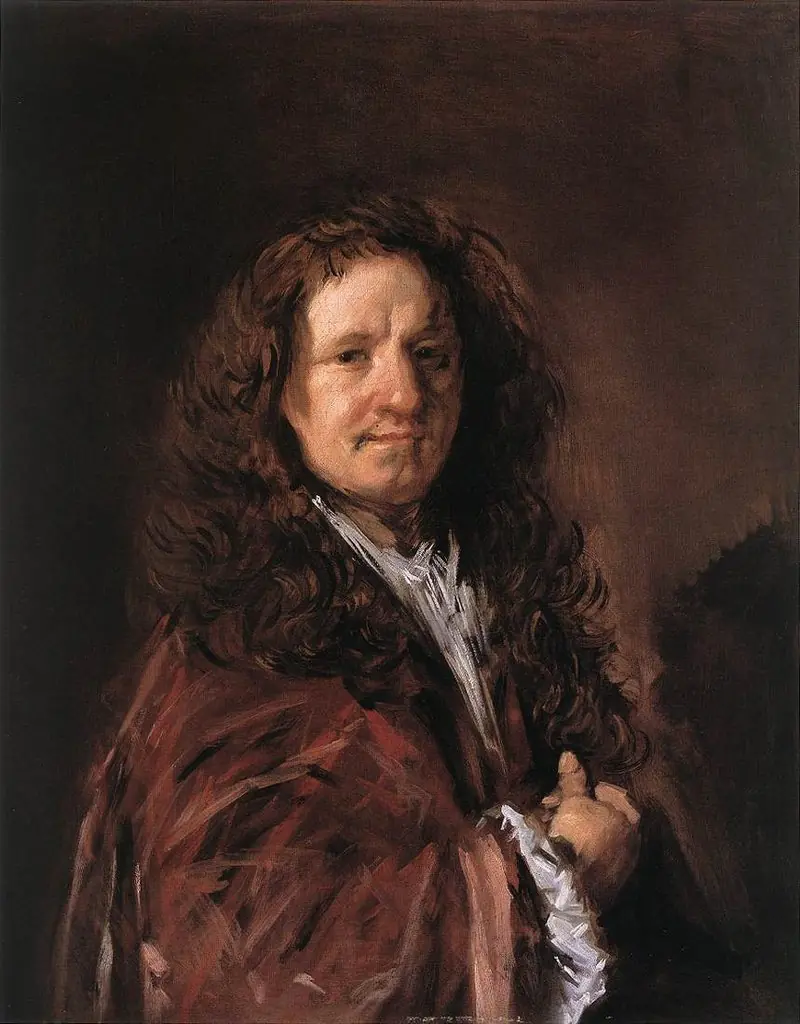 Portrait of a man
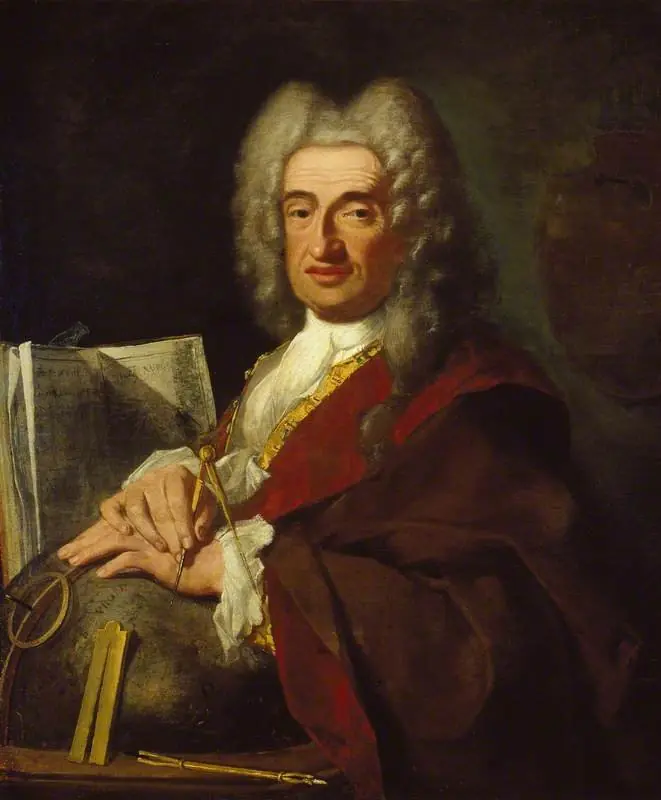 Portrait of Luca Carlevarijs
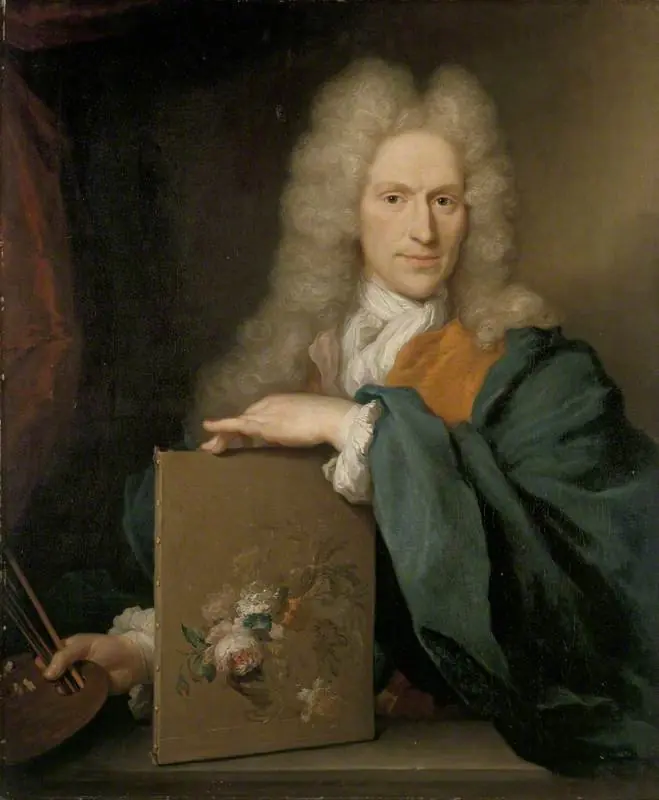 Portrait of Jan van Huysum
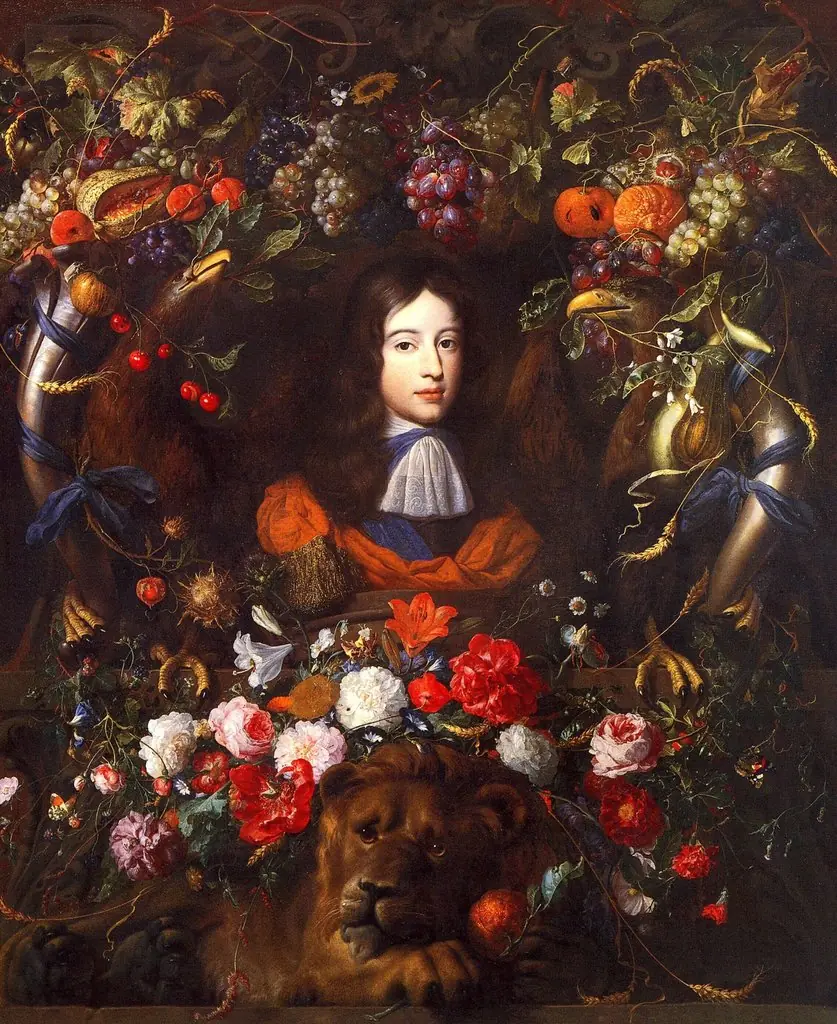 Flower garland with portrait of William III of Orange, aged 10
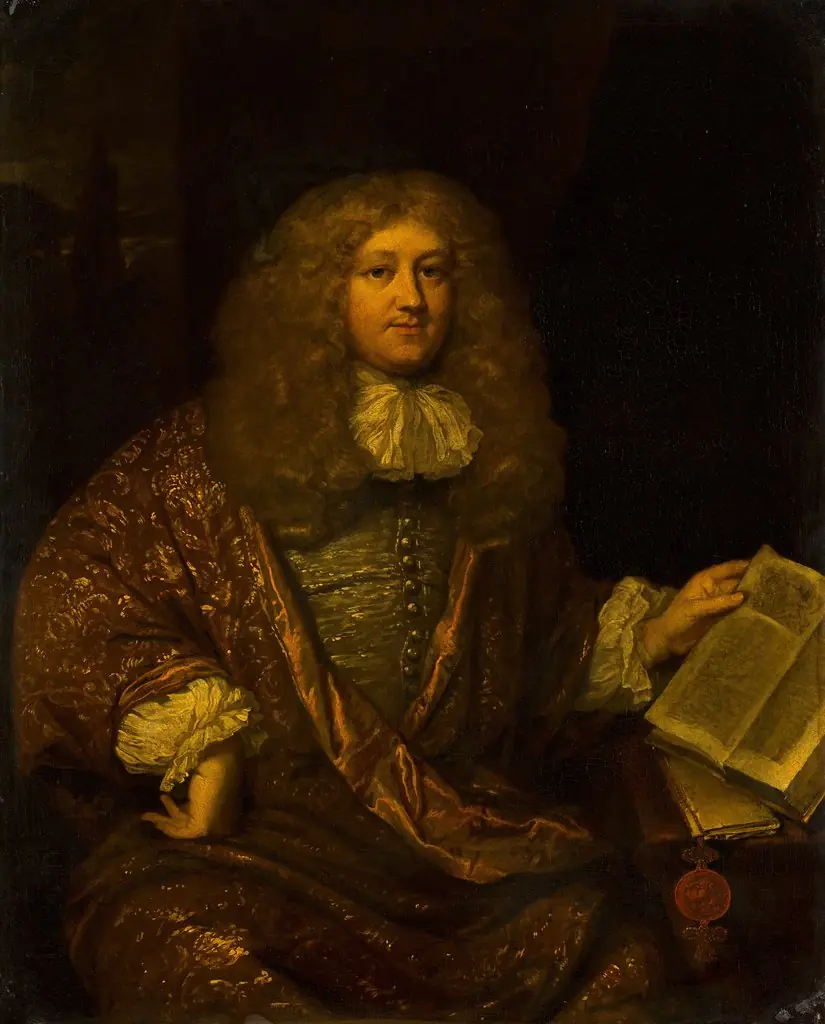 Portrait of Michiel ten Hove (1640-1689)
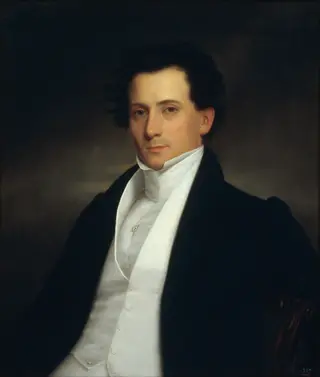 Portrait of a Gentleman
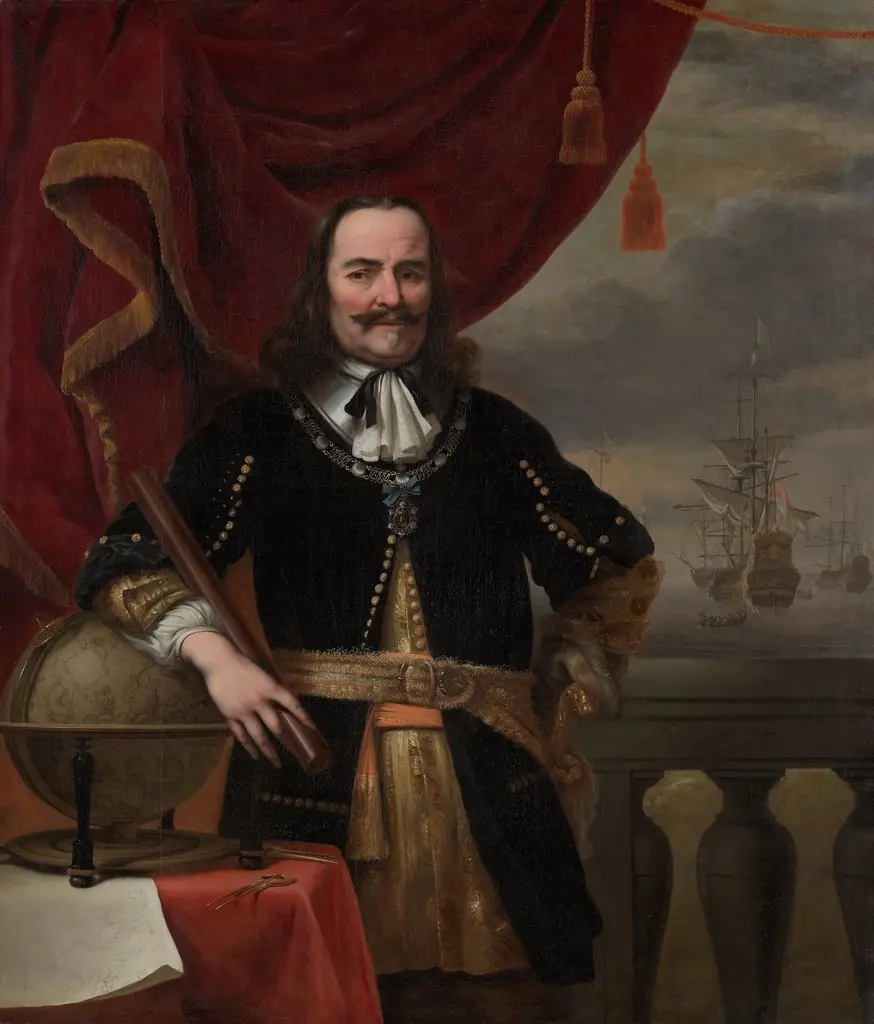 Portrait of Michiel de Ruyter (1607-1676)
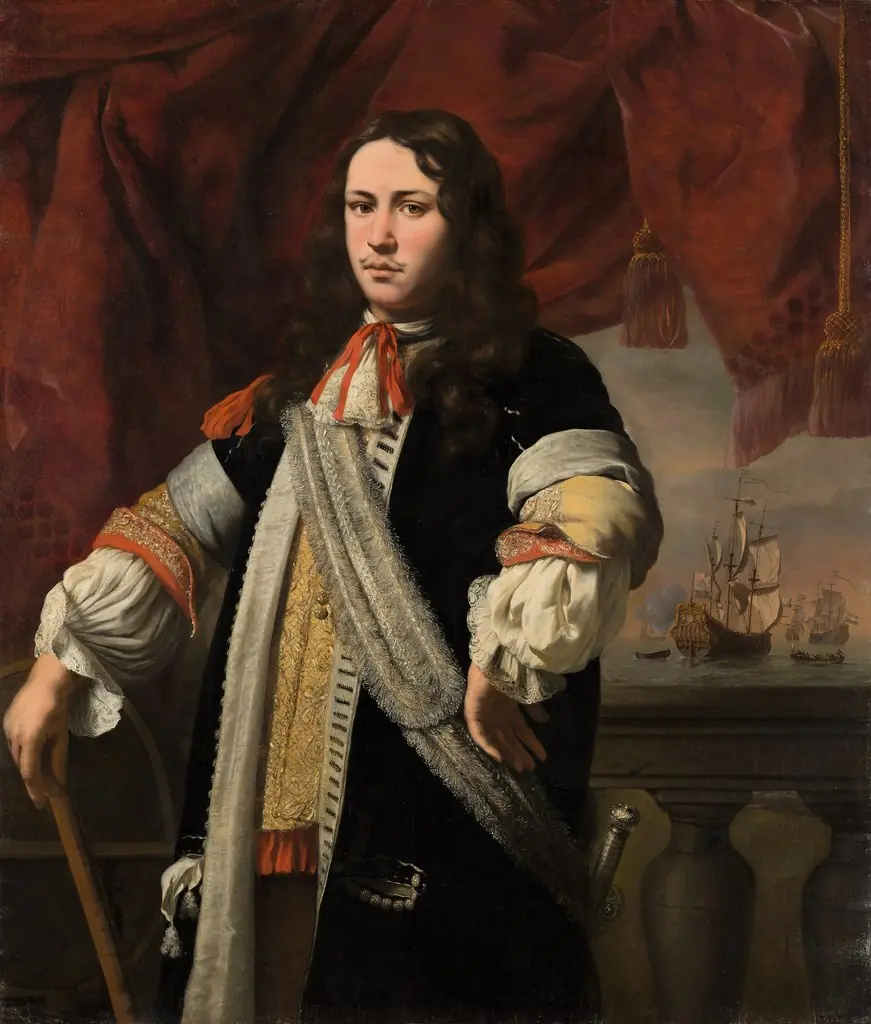 Portrait of Engel de Ruyter
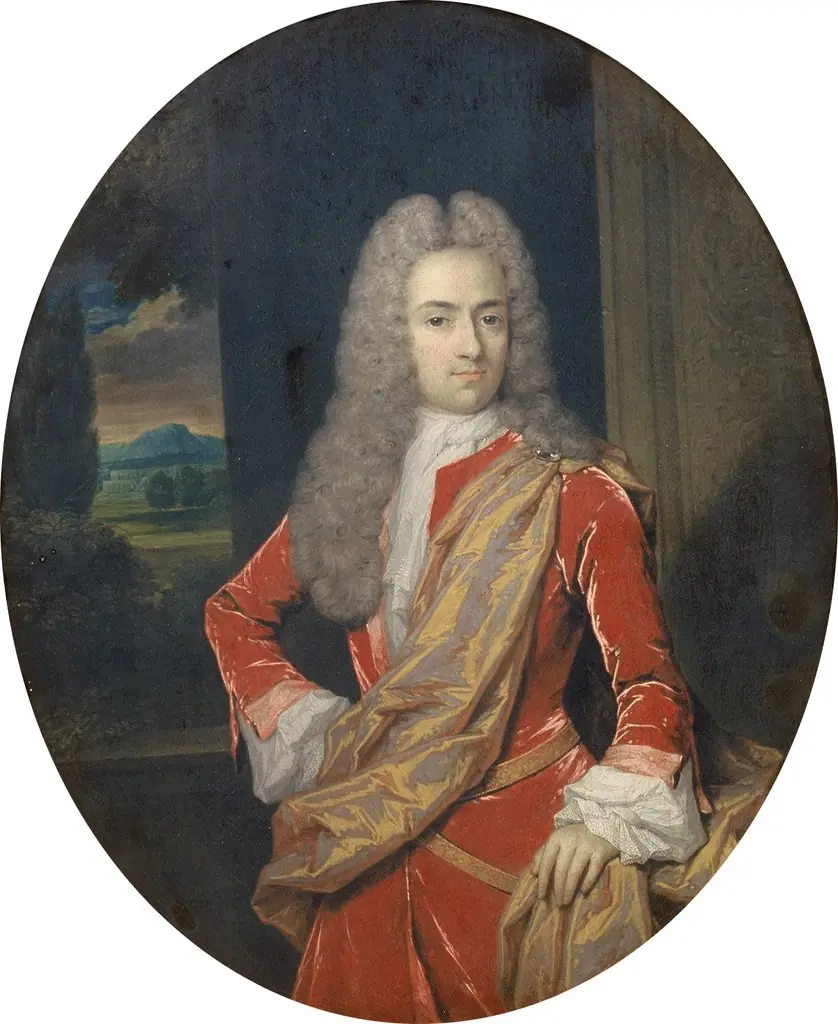 Portrait of a Man
Frequently asked questions
What is Cravat?
Cravat is a subject in art. A necktie (American English) – also called a long tie or, more usually, simply a tie (Commonwealth English) – is a cloth article of formal neckwear or office attire worn for decorative or symbolic purposes, knotted at the throat, resting under a folded shirt collar, and usually…
How many Cravat works does Artifact World Gallery have?
Artifact World Gallery holds 27 public-domain Cravat works, all free to view and download.
Who are the key Cravat artists?
Key Cravat artists in the collection include Ralph Earl, Nicolaes Maes and Ferdinand Bol.
Where can I see Cravat works?
Cravat works in the collection are held by Metropolitan Museum of Art, Rijksmuseum and Mauritshuis.