
Subject
Eagl
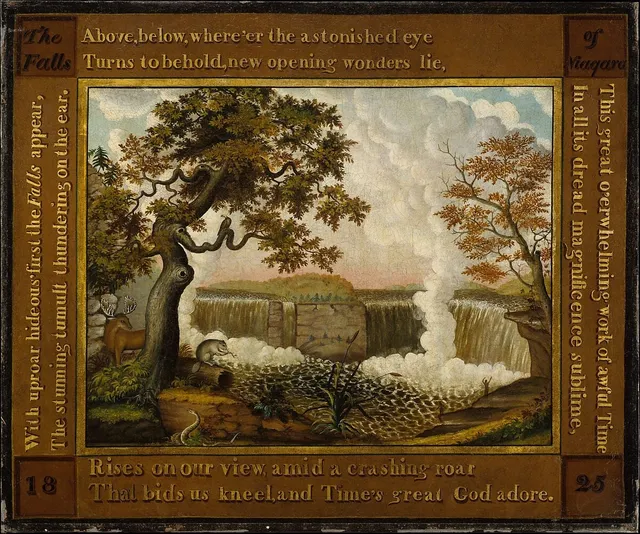
Eagl is a subject in art. The gallery holds 27 works in this subject in art, including works by James Peale, Benjamin West and Edward Hicks.
Few creatures have carried as much symbolic weight in Western art as the eagle. In the ancient Mediterranean it was the bird of the sky-father: sacred to Zeus and his Roman counterpart Jupiter, it served as the god's messenger and as the herald of victory, the only bird believed immune to lightning. Greek and Roman artists rendered Zeus himself transformed into an eagle to abduct the youth Ganymede, a subject later painted by Correggio and others. Most consequentially, after the military reforms of the consul Gaius Marius around 104 BCE, the eagle — the *aquila* — became the consolidated standard of the Roman legions, a cult object whose loss in battle was a collective disgrace.
Early Christianity absorbed rather than discarded this pagan vocabulary. The eagle became the emblem of John the Evangelist; as Augustine put it, John "flies like an eagle above the clouds and gazes into the eternal light." A belief that the eagle renewed its plumage by flying toward the sun and plunging into water linked it to baptism and resurrection, which is why eagles adorn medieval baptismal fonts and why scripture is so often read from brass eagle lecterns, their outspread wings bearing the open book.
From these twin roots — imperial Rome and Christian iconography — the eagle migrated into heraldry. The Holy Roman Empire took it as its device, the Byzantine East developed the double-headed eagle signifying dominion over two realms, and in 1804 Napoleon revived the Roman aquila for the standards of his Grande Armée. Across these traditions the visual type is consistent: a frontal or displayed bird, wings spread, talons gripping attributes of power, head sharply in profile.
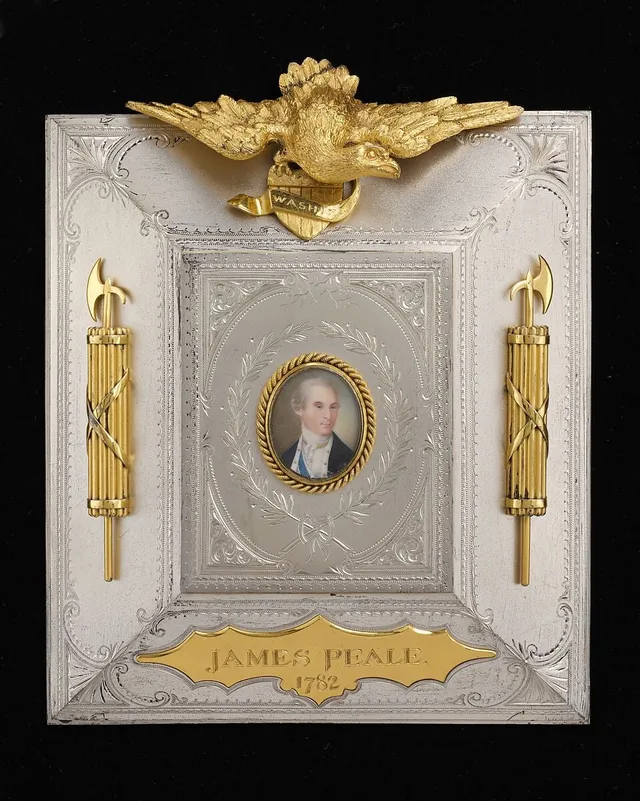
In the United States the motif was reinvented as the bald eagle, adopted for the Great Seal on 20 June 1782 under Secretary Charles Thomson, clutching an olive branch and arrows beneath the motto *E Pluribus Unum*. It saturated American fine and folk art — appearing in patriotic allegories, ship carvings, coins and painted views. This catalogue's holdings reflect that current, from the Federal-era portraiture of James Peale to Edward Hicks's *The Falls of Niagara*, John Rasmussen's *Berks County Almshouse* and the anonymous figure of *Liberty*.
Key artists


Overview
The eagle is the common name for various large, powerfully built diurnal birds of prey within the family Accipitridae. Genetically, only the subfamily Aquilinae comprises true eagles, but the term is broadly applied to many other large raptor species, such as the bald eagle, and carries no strict taxonomic weight. Most of the 68 species of eagles originate in Eurasia and Africa, with only 14 species found elsewhere across North America, Central and South America, and Australia. Because they are not a natural monophyletic group, the designation essentially describes any bird of prey substantial enough to hunt vertebrates measuring roughly 50 centimeters or more. Due to their formidable size and power, eagles sit at the top of the avian food chain as apex predators, a biological dominance that has made the bird a recurring motif in art across centuries and cultures.
Iconography & meaning
In visual culture, the eagle functions as a universal symbol of power, divine authority, and sovereignty. In ancient high cultures, the bird represented the divine and the ruling class, serving as the attribute of Zeus in Greek mythology and Jupiter in Roman tradition. The Romans further adopted the eagle as the emblem of imperial power and the apotheosis of the emperor, placing it on legionary standards, helmets, and coins. In Christian iconography, the eagle represents the Evangelist John, often called the Eagle of Patmos. Beyond Western traditions, the eagle holds profound religious significance elsewhere, such as in the ancient Indian Rigveda, where the Garuda eagle acts as a serpent-slaying messenger for the gods, particularly Vishnu. The creature also features in foundational myths, as seen in the Sumerian legend where an eagle rescues King Gilgamesh. These symbolic associations were visually reinforced through composite creatures like griffins and harpies, which amplified the eagle's traits of strength and dominance.
Across movements & periods
The artistic treatment of the eagle has shifted significantly across historical periods, reflecting evolving cultural and political priorities. In ancient Mesopotamia around 3000 BCE, the bird appeared as the lion-eagle composite creature, with the double eagle emerging in Babylonian art by the 23rd century BCE. Classical antiquity saw widespread, naturalistic depictions on vases, jewelry, and architectural reliefs. During the 5th century CE, Germanic Goths created large eagle fibulae and buckles, translating the motif into portable, martial metalwork. The Romanesque period of the Middle Ages integrated the eagle into Christian ecclesiastical art, carving the birds into capital decorations and crafting eagle lecterns for altar spaces. In the modern era, the eagle transitioned from a primarily religious and imperial symbol to a secular emblem of the nation-state, most prominently adopted as the bald eagle on the Great Seal of the United States and integrated into the national heraldry of numerous modern republics.
Notable depictions
Notable historical depictions of the eagle are deeply tied to heraldry and statecraft. Alongside the lion, the eagle is the most widespread heraldic image in the world. It appeared on the seals and standards of ancient states, including Babylonia, Ptolemaic Egypt, and the Persian Empire. Following the coronation of Charlemagne as Roman Emperor, the Roman eagle was introduced to Germany as a symbol of imperial authority, eventually becoming the Reichsadler, or imperial coat of arms. This heraldic tradition continued through the Holy Roman Empire via the double-headed eagle, and was later adopted by the Austrian Empire and the Russian Empire, the latter placing an image of Saint George on the eagle's breast shield. In the Napoleonic era, the eagle served as the principal emblem of French imperial power. Today, the single-headed eagle remains a central feature in the state coats of arms of Germany, Mexico, Austria, Poland, and the United States, while the Mexican flag notably depicts an eagle devouring a snake atop a cactus, referencing the founding myth of Tenochtitlan.
Legacy
The eagle's legacy as a cultural and artistic symbol persists due to its enduring associations with might, beauty, and independence. Beyond traditional heraldry and state iconography, the bird's image has been adapted into the material culture of indigenous peoples, such as the feathered warbonnets of North American tribes, which became a stereotypical visual shorthand for indigenous identity despite not originally signifying chieftainship. In a more unconventional modern legacy, the eagle's predatory instincts have even been tested for contemporary security purposes, with the French army training golden eagles to combat unauthorized drones at Mont-de-Marsan, though similar efforts with sea eagles in the Netherlands were abandoned in 2017. The eagle remains a potent, adaptable symbol, bridging ancient mythological traditions and modern national identities.
Works
 Martha Washington
 Omnia Vincit Amor, or The Power of Love in the Three Elements
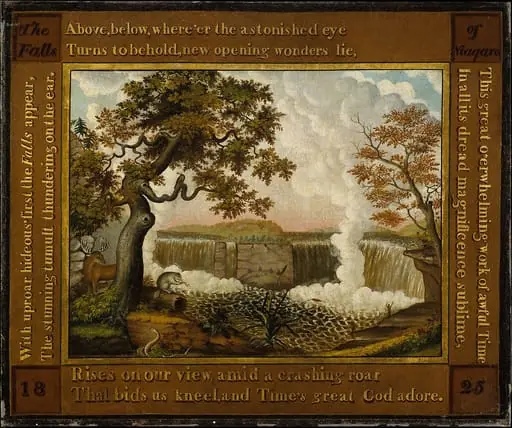 The Falls of Niagara
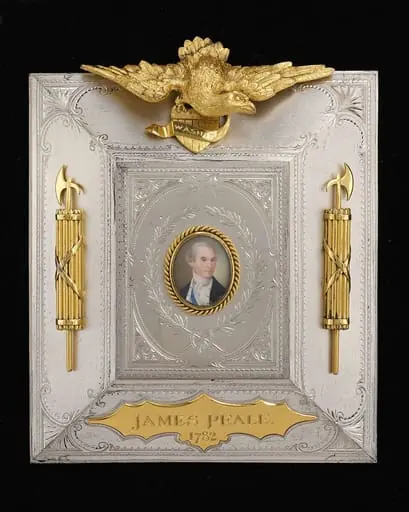 George Washington
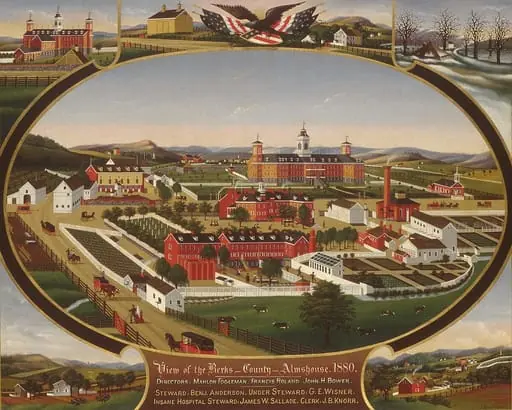 Berks County Almshouse, 1880
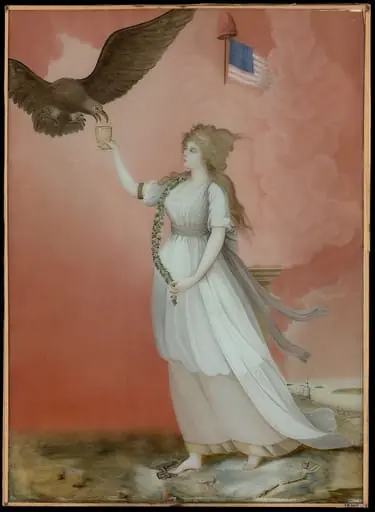 Liberty
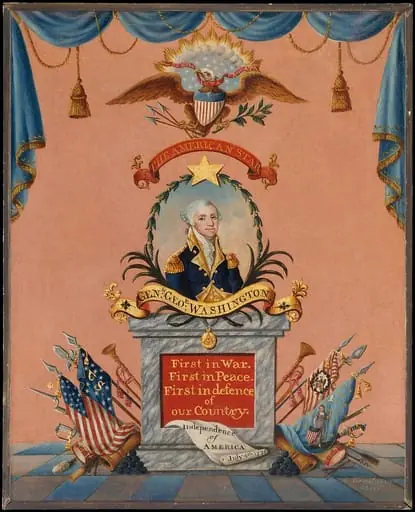 The American Star (George Washington)
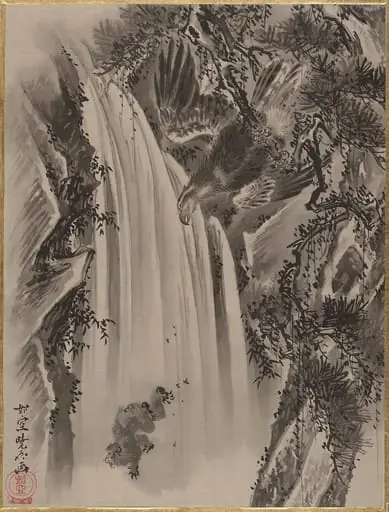 Untitled
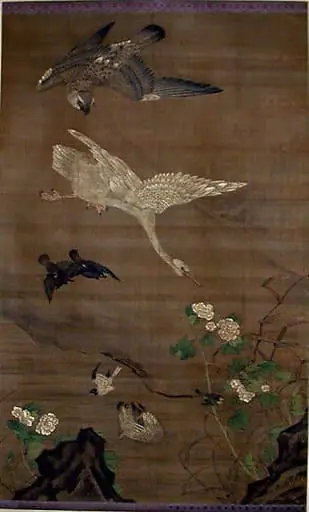 Untitled
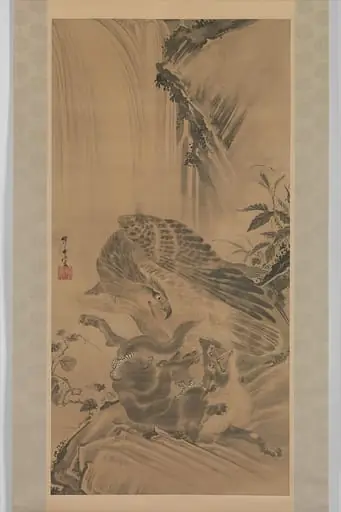 Untitled
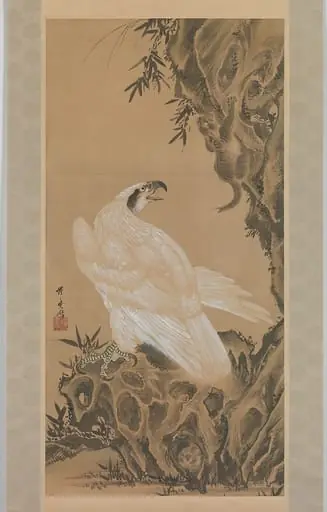 Untitled
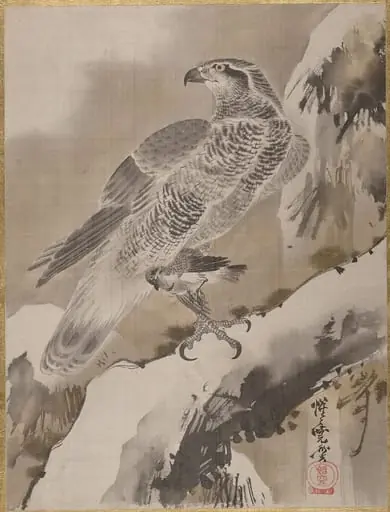 Untitled
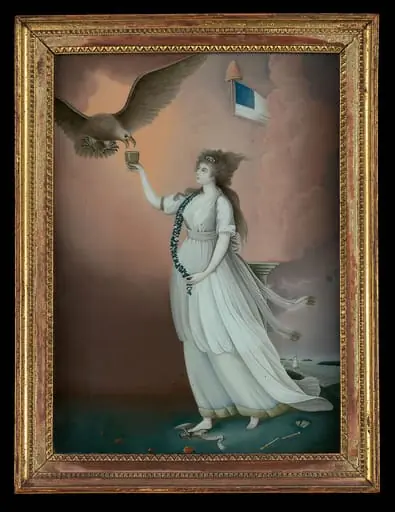 Liberty
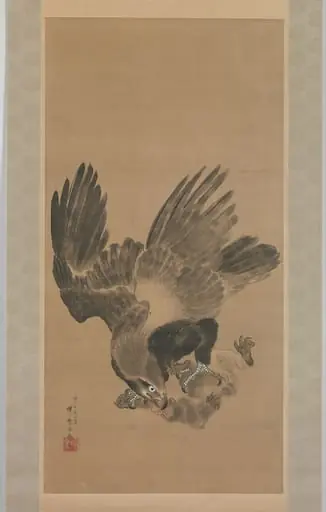 猿を襲う鷲図|Eagle Attacking a Monkey
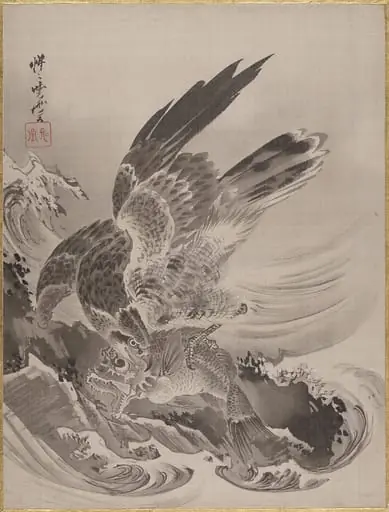 Untitled
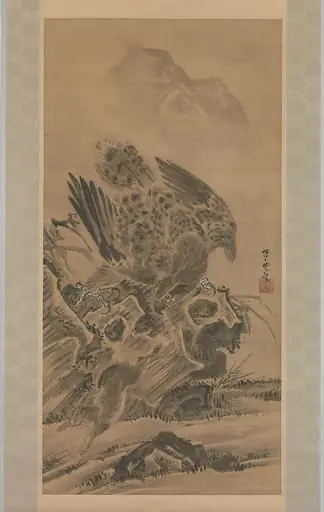 兎を追う鷲図|Eagle Pursuing Rabbit
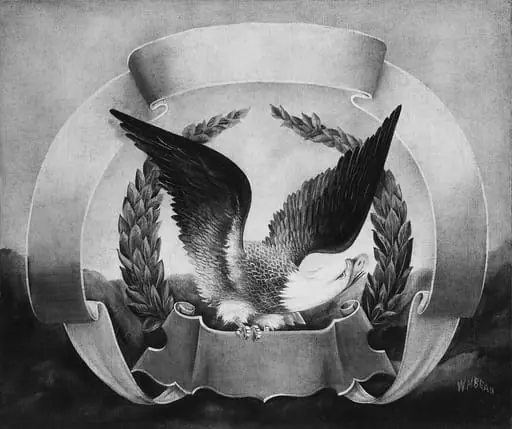 American Eagle on Red Scroll
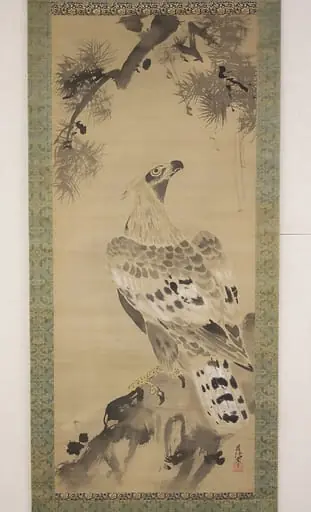 Untitled
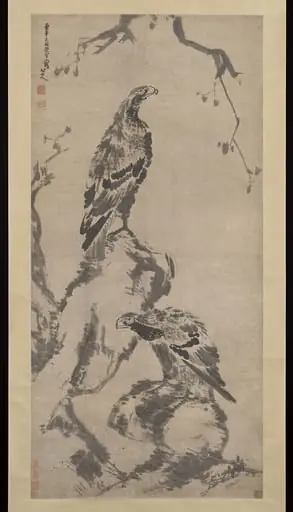 清 朱耷 (八大山人) 二鷹圖 軸|Two eagles
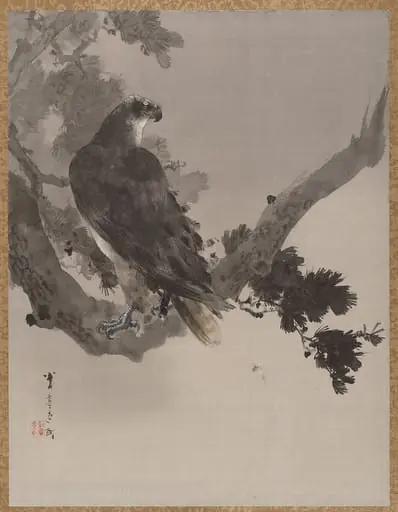 Untitled
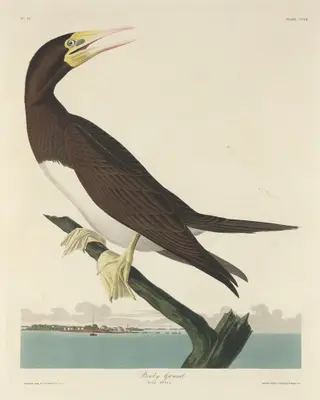 Booby Gannet
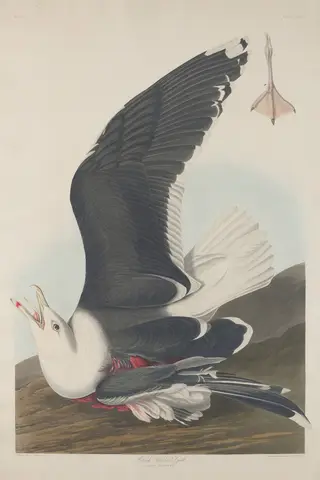 Black-Backed Gull
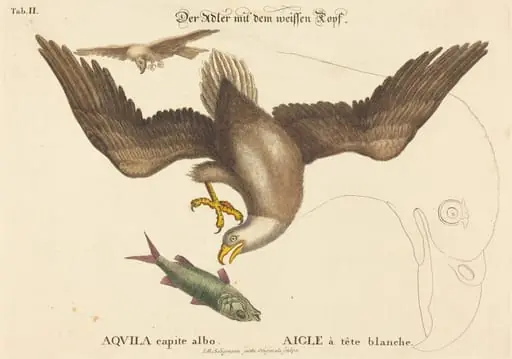 The Bald Eagle (Falco leucocephalus)
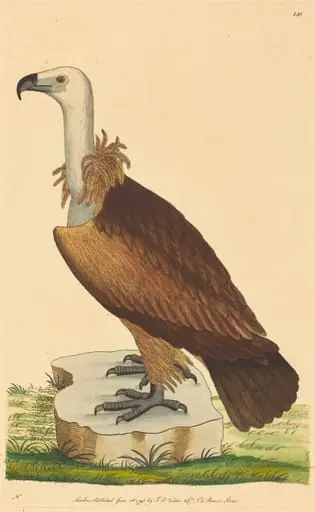 The Alpine Vulture
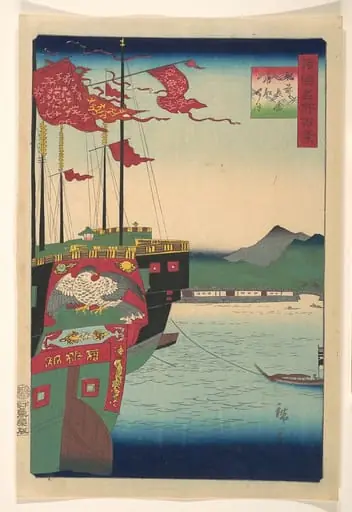 諸国名所百景 肥前長崎唐船の津|Dutch and Chinese Ships in the Harbor at Nagasaki in Hizen Province
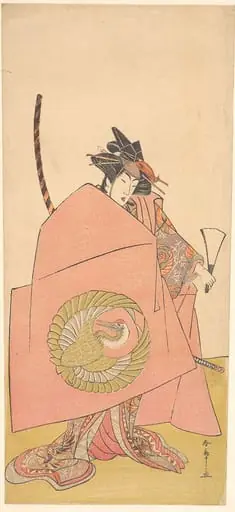 三代目瀬川菊之丞のわっぱ菊王にて女朝比奈の草摺引|The Actor Segawa Kikunojō III as Wappa no Kikuō in a Woman’s “Asahina Armor Pulling” (Asahina no kusazuri-biki) Scene
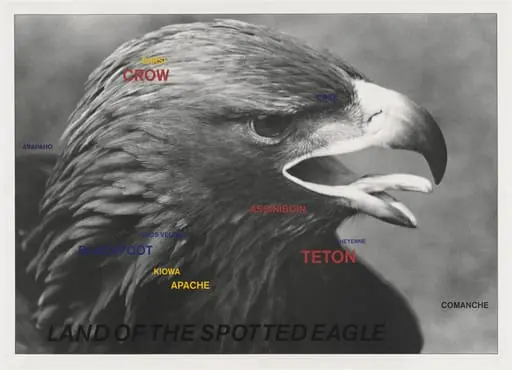 Untitled
Frequently asked questions
What is Eagl?
Eagle is the common name for certain large birds of prey within the family of the Accipitridae.
How many Eagl works does Artifact World Gallery have?
Artifact World Gallery holds 27 public-domain Eagl works, all free to view and download.
Who are the key Eagl artists?
Key Eagl artists in the collection include James Peale, Benjamin West and Edward Hicks.
Where can I see Eagl works?
Eagl works in the collection are held by Metropolitan Museum of Art, National Gallery of Art and Museum of Modern Art.