Subject
Cap
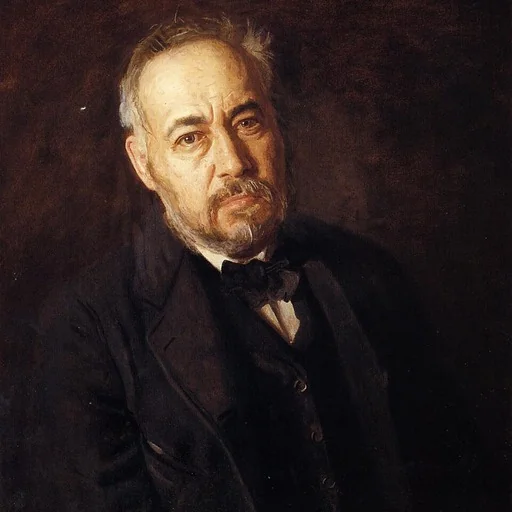
Cap is a subject in art. The gallery holds 70 works in this subject in art, including works by Thomas Eakins, Jean Honoré Fragonard and Francis William Edmonds.
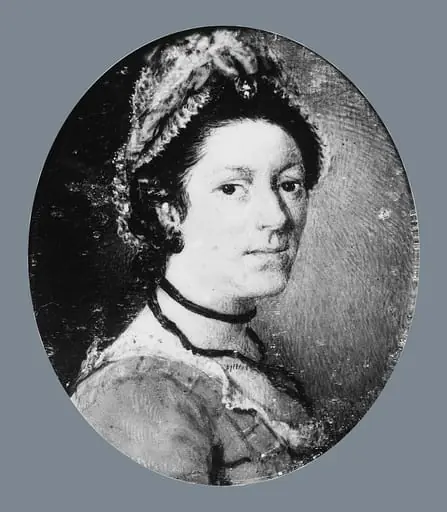
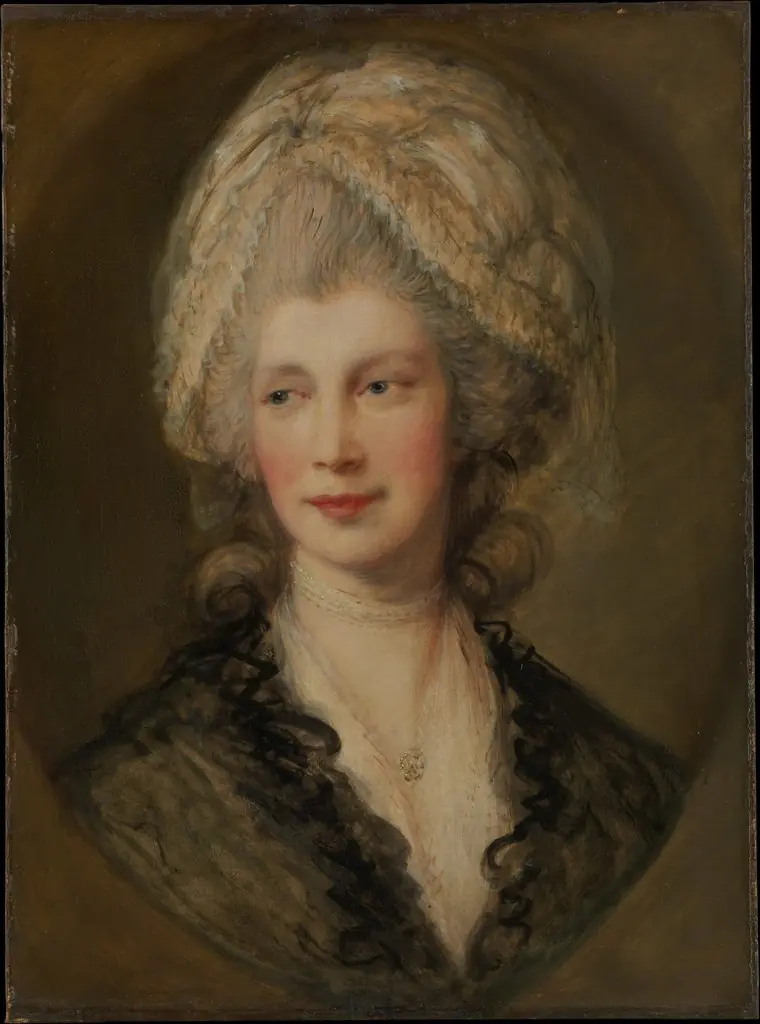
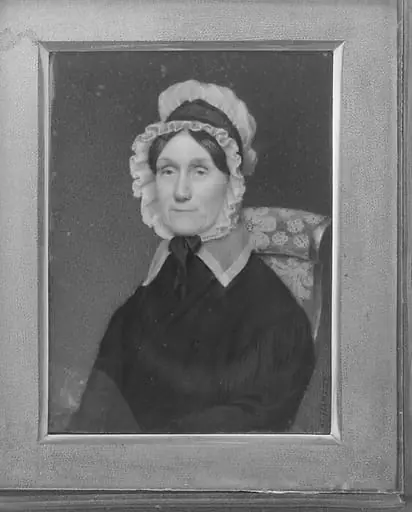
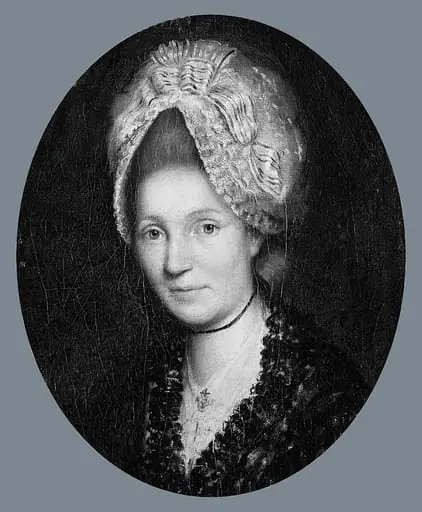
In the vocabulary of art, the cap denotes a soft, close-fitting head covering—usually brimless or only lightly framed—that artists have recorded across portraiture and genre painting for more than four centuries. Distinct from the structured hat, the cap of early modern Europe was most often a white linen or muslin garment: the caul covering the hair, a frilled or pleated brim around the face, and a ribbon or drawstring at the nape. Worn chiefly by married and working women indoors, it signified modesty, domesticity, and social station, and its near-universal presence in everyday dress made it an indispensable marker of character and class for painters of ordinary life.
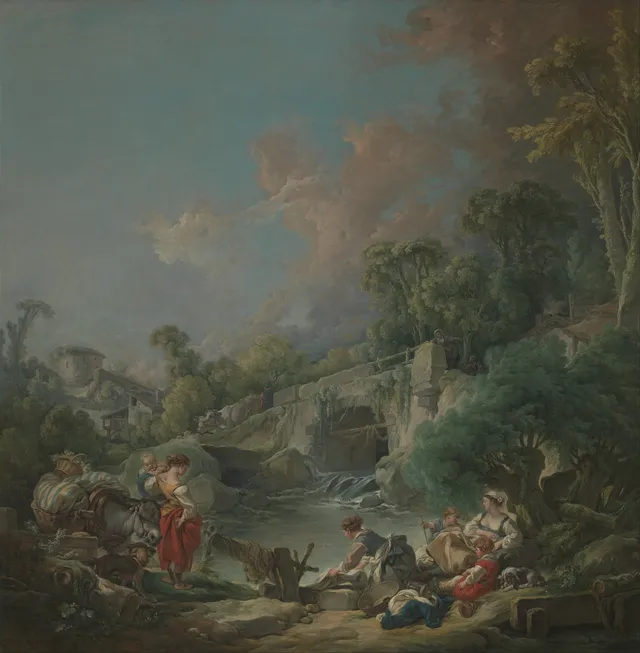
The so-called mobcap came into fashion in the early eighteenth century and persisted into the nineteenth, migrating from informal wear to high fashion as the period's taste for simple "country" dress took hold. Painters prized the cap as a compositional device: its bright linen caught and reflected light, threw the sitter's face into relief, and lent a crisp geometry of folds and frills. In genre scenes it instantly signalled the laundress, nurse, or matron; in portraiture it framed respectability. François Boucher's Washerwomen exemplifies the Rococo delight in such caps among working figures, while in Federal-era America the cap became a badge of sober virtue.
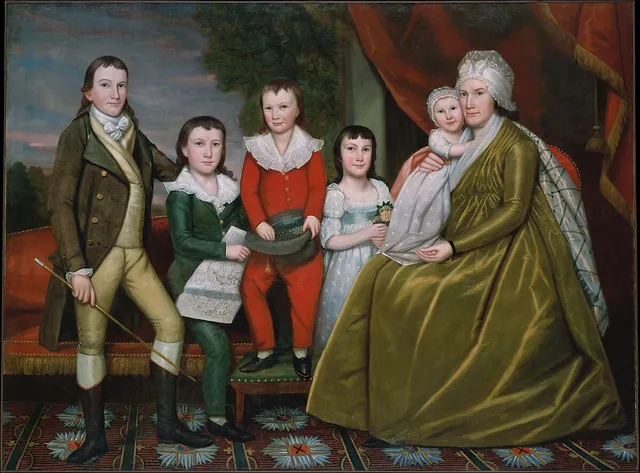
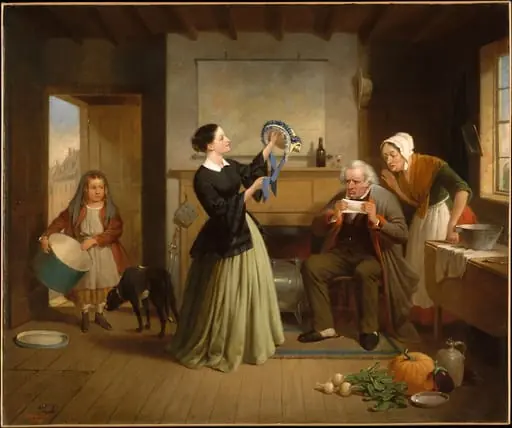
The theme is well represented in canonical works. Francis William Edmonds's The New Bonnet (1858, Metropolitan Museum of Art) turns a woman's millinery purchase into a small moral drama of vanity and thrift. Ralph Earl, the Connecticut portraitist of rural landowners, rendered the lace cap and fichu with documentary precision in Lady Williams and Child and Mrs. Noah Smith and Her Children. Adélaïde Labille-Guiard's grand Self-Portrait with Two Pupils (1785) and John Bradley's folk likeness Emma Homan extend the motif across French academic and American naïve traditions alike.
Running parallel is a wholly symbolic lineage: the Phrygian or liberty cap, derived from the Roman pileus given to freed slaves and adopted as an emblem of freedom in the American and French Revolutions. Painters made it the crown of national personifications—France's Marianne, America's Columbia—most famously atop the figures of Eugène Delacroix's Liberty Leading the People (1830). Thus the cap unites two threads of art history: the intimate social record of dress and the charged iconography of emancipation.
Key artists


Works
 The New Bonnet
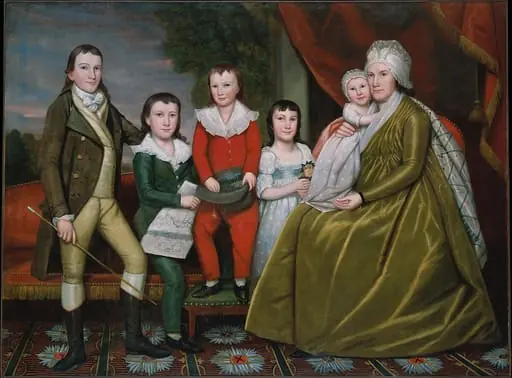 Mrs. Noah Smith and Her Children
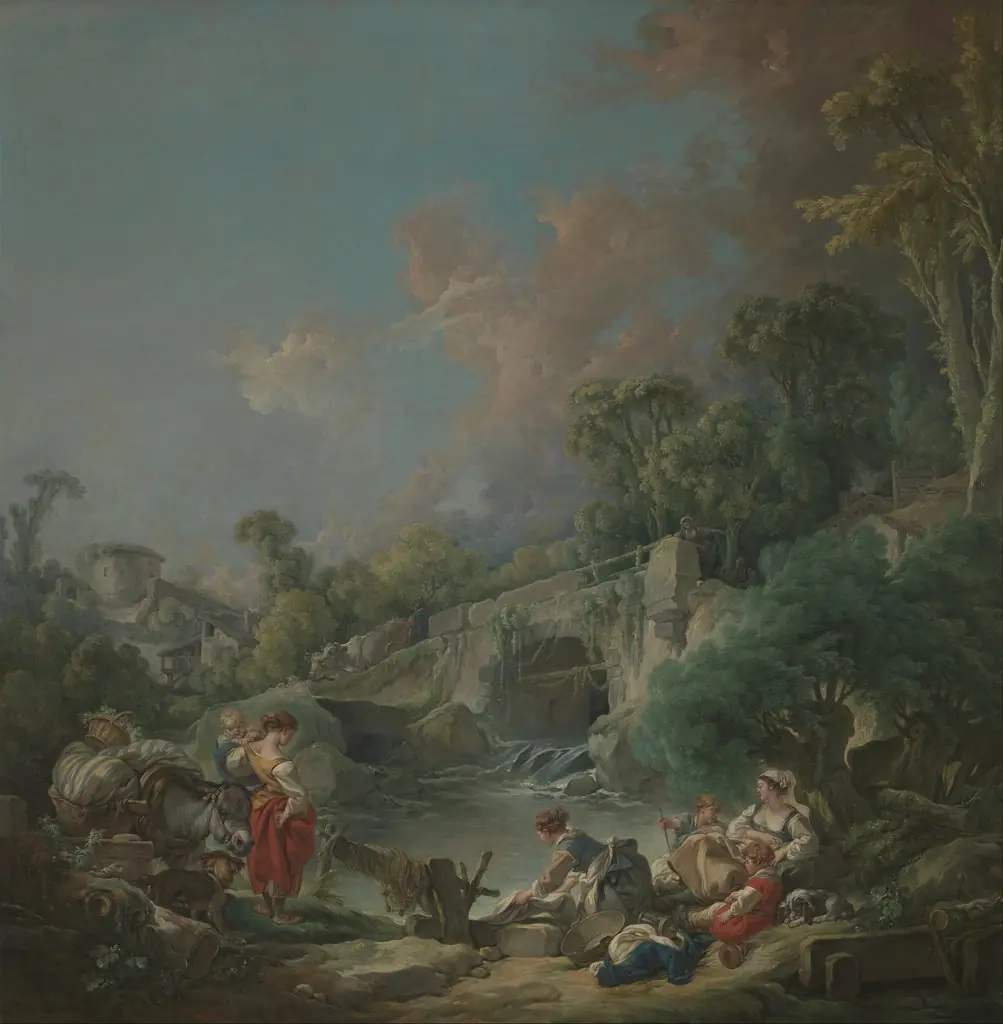 Washerwomen
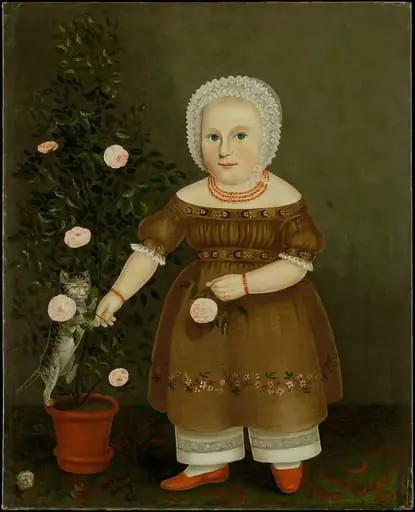 Emma Homan
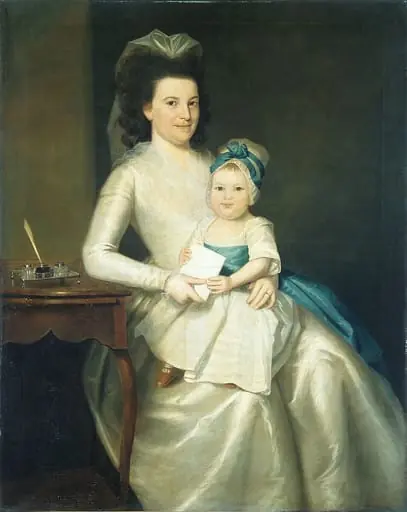 Lady Williams and Child
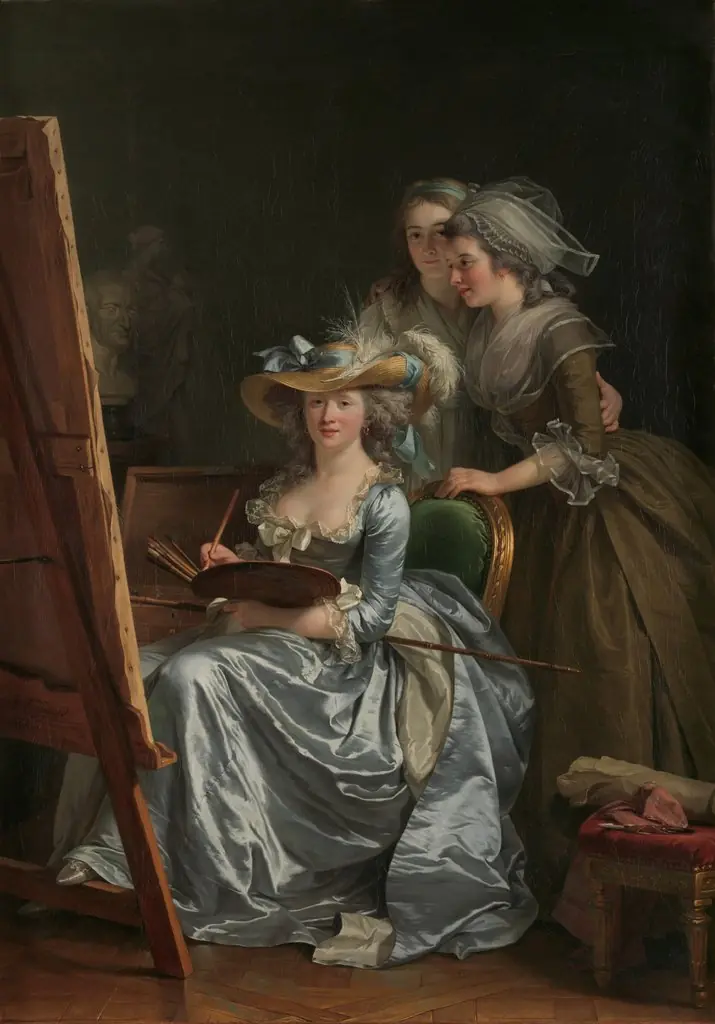 Self-Portrait with Two Pupils
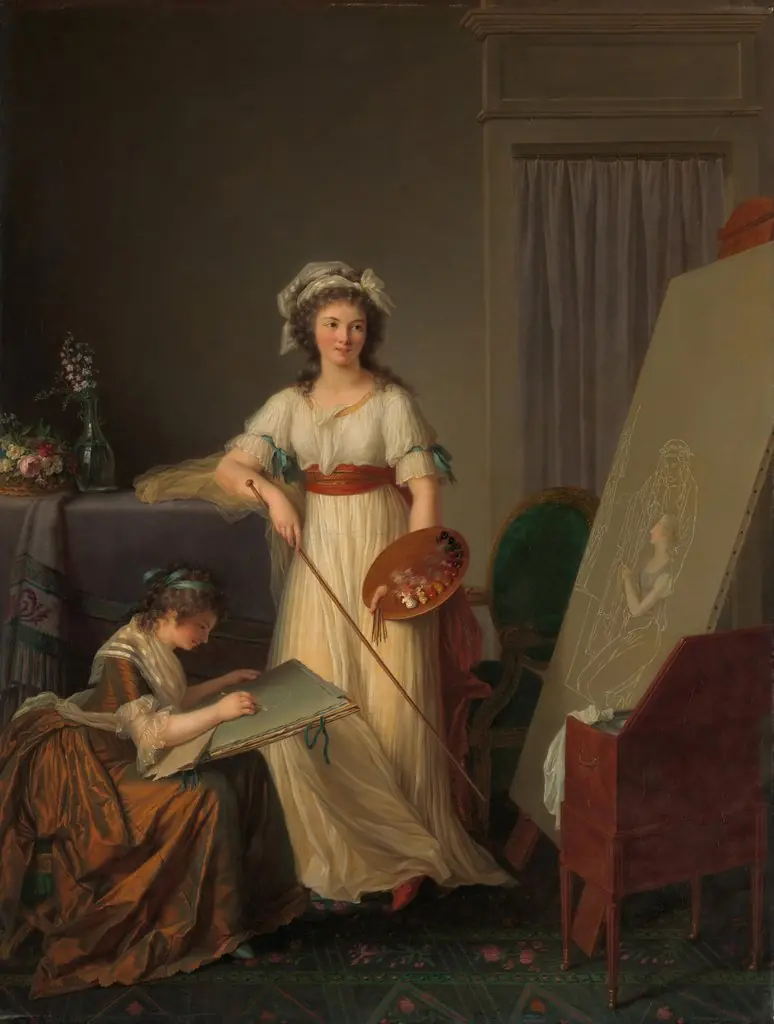 The Interior of an Atelier of a Woman Painter
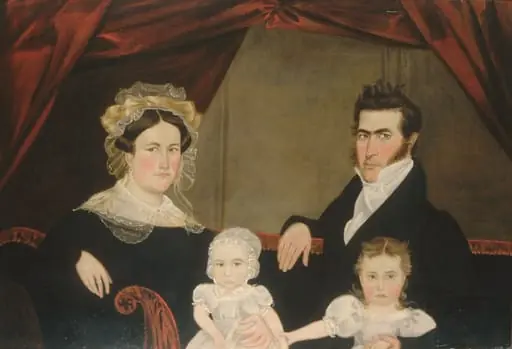 Family Group of Four on Sofa
 A Windmill on a Polder Waterway, Known as ‘In the Month of July’
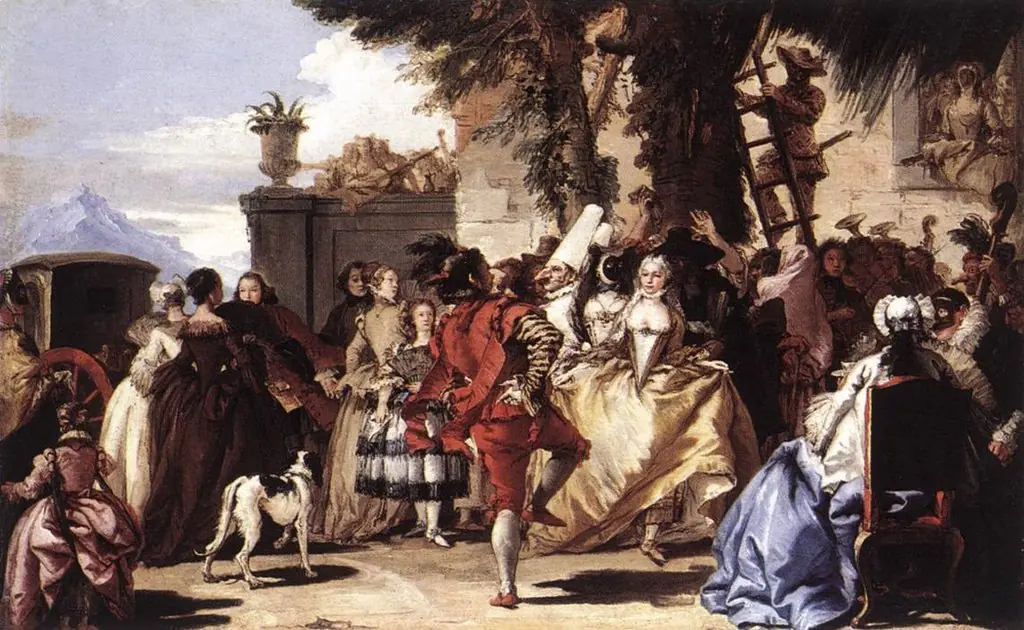 A Dance in the Country
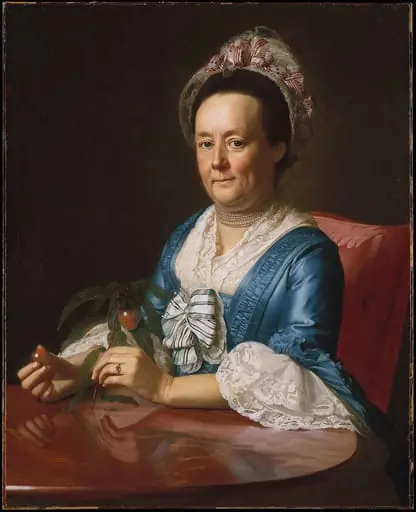 Mrs. John Winthrop
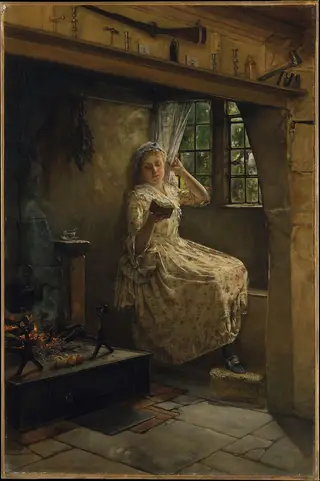 A Cosey Corner
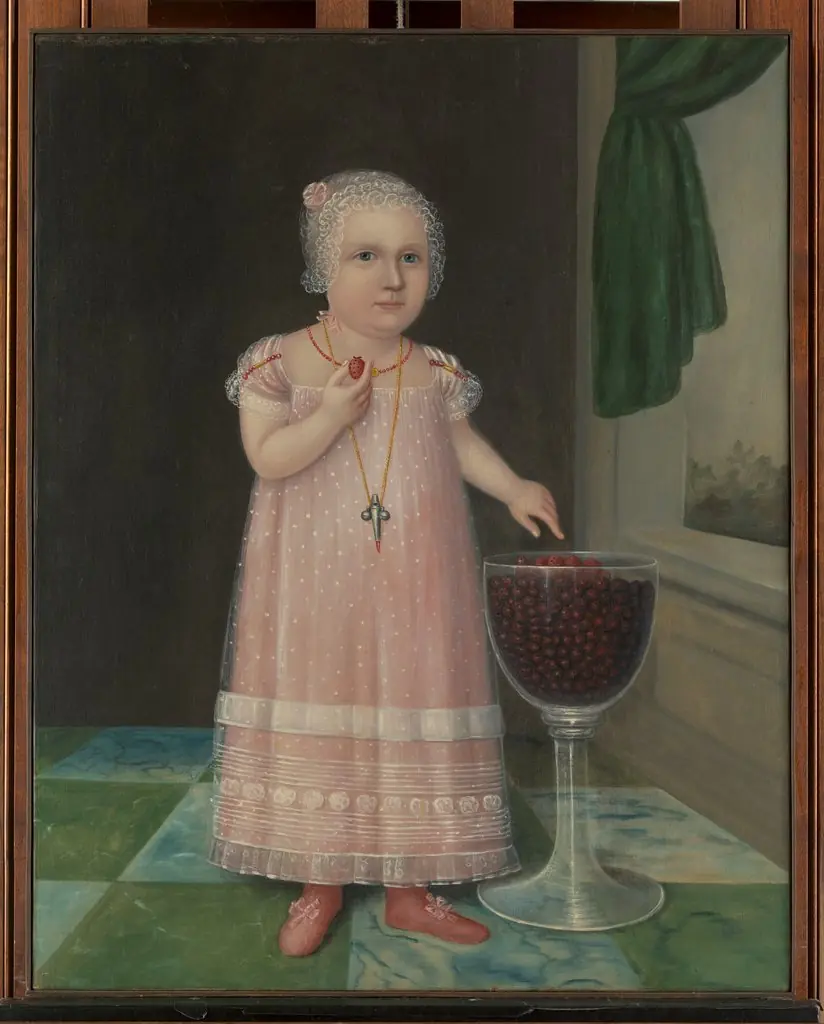 Emma Van Name
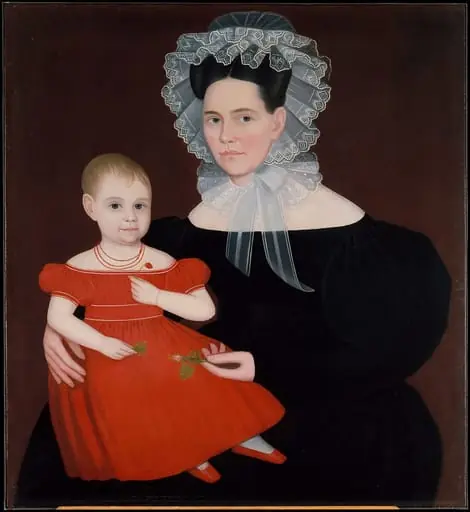 Mrs. Mayer and Daughter
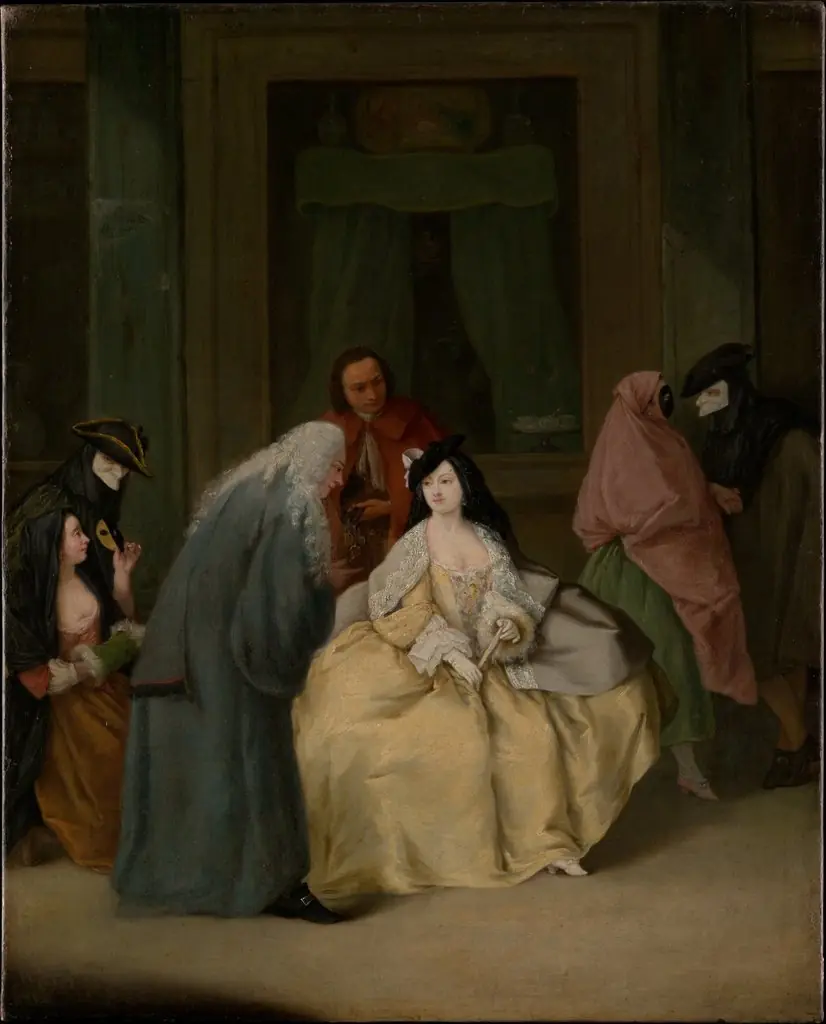 The Meeting
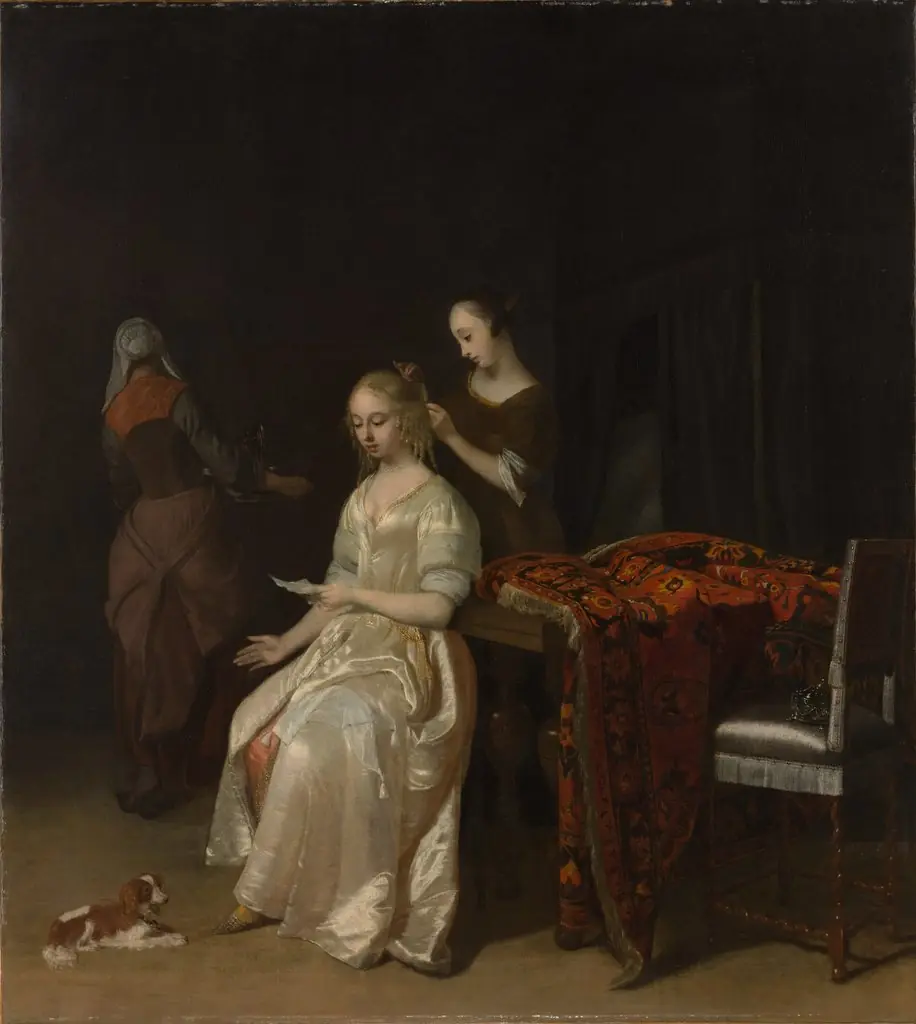 The Love Letter
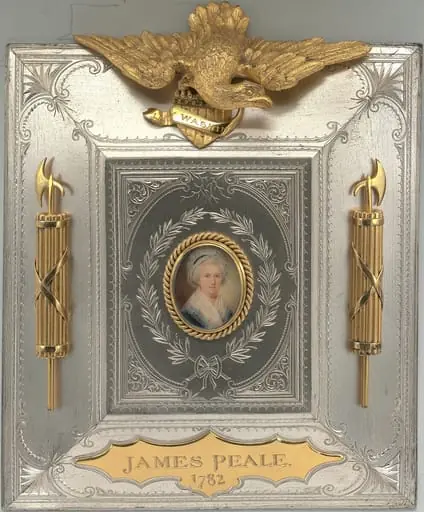 Martha Washington
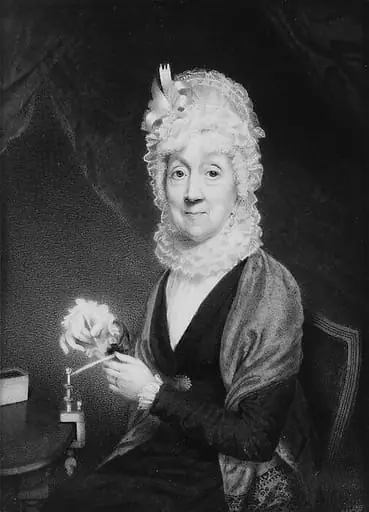 Portrait of a Lady
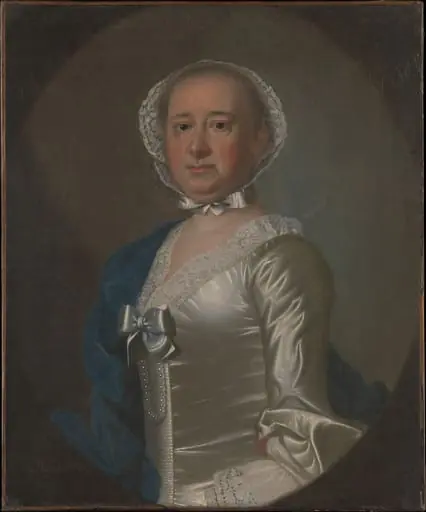 Mrs. Gabriel Manigault
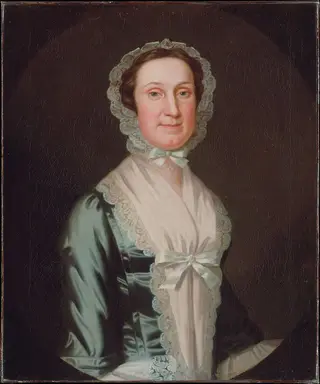 Mrs. Joseph Reade
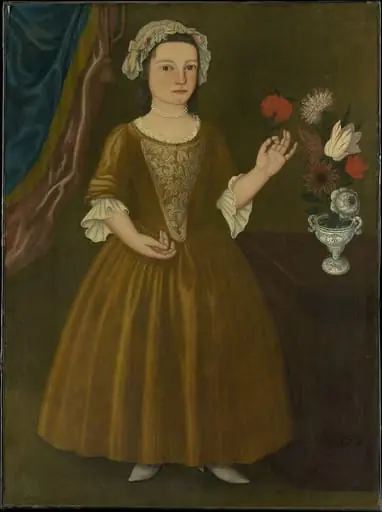 Catherina Elmendorf
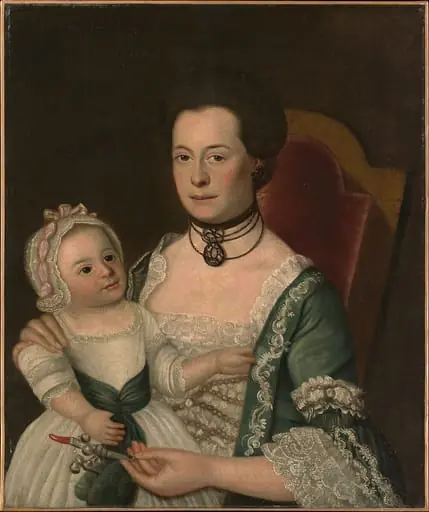 Mrs. Jacob Hurd and Child
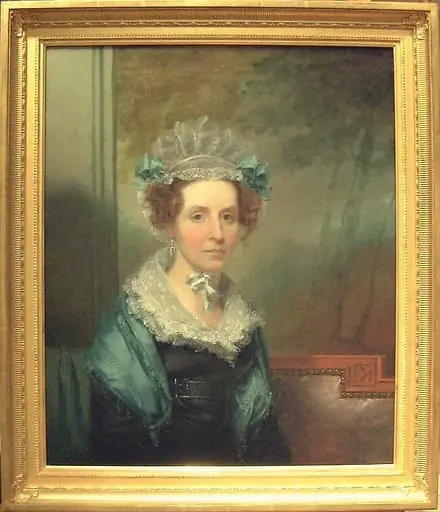 Mrs. Charles Cummings (Rebecca Pittard)
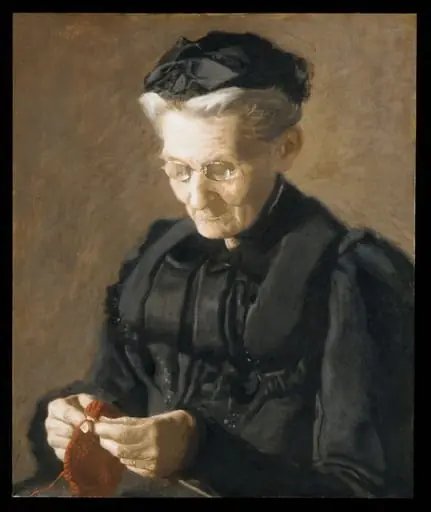 Mrs. Mary Arthur
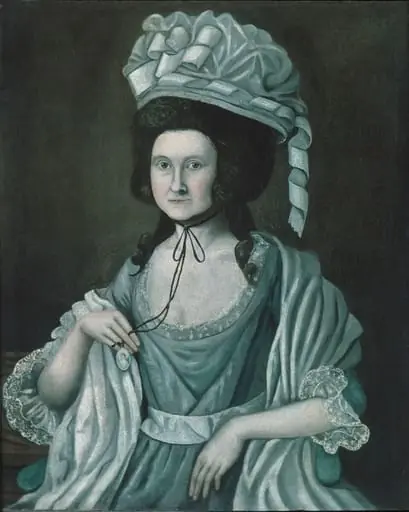 Sally Sanford Perit
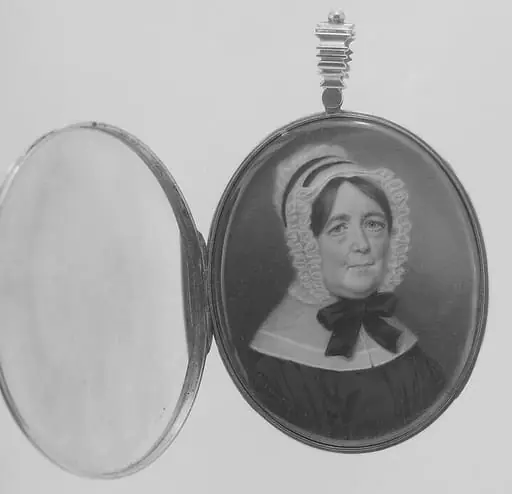 Mrs. A. Otis
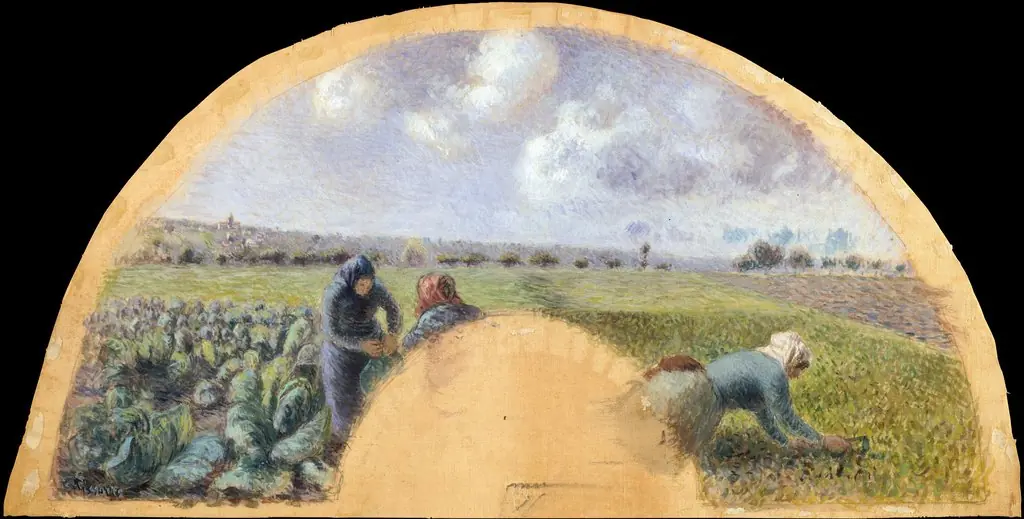 Fan Mount: The Cabbage Gatherers
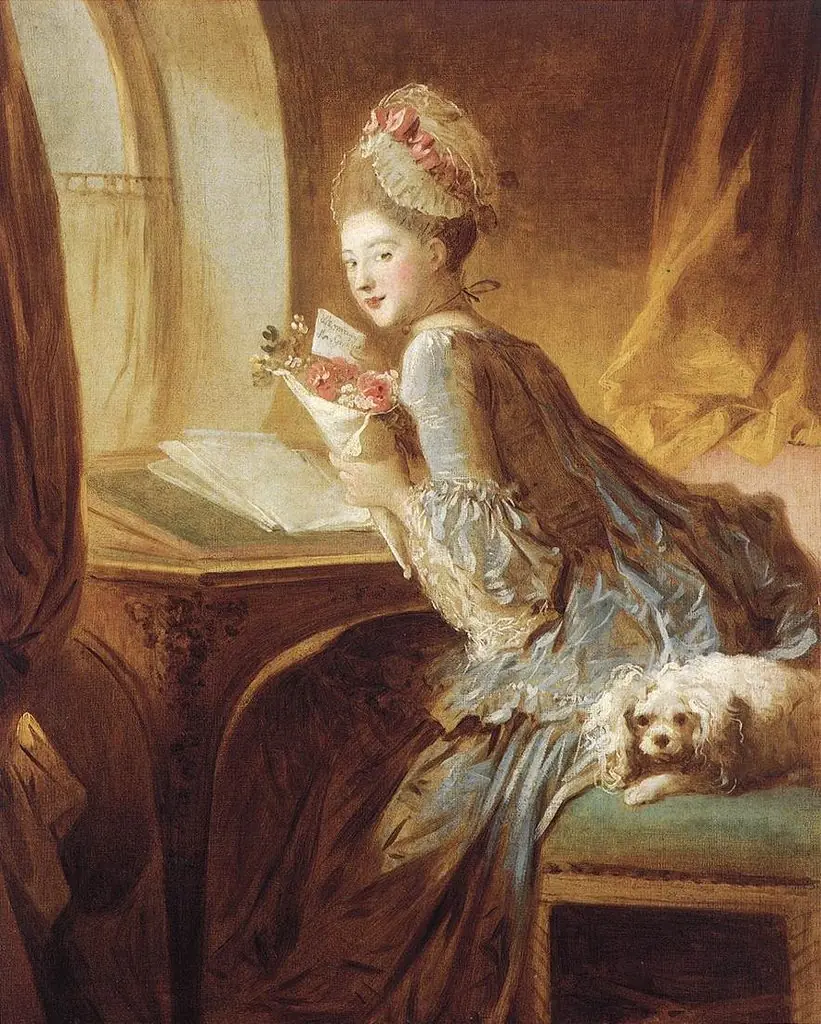 The Love Letter
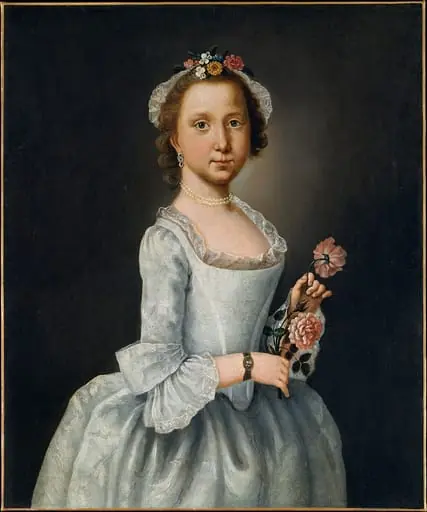 Portrait of a Lady
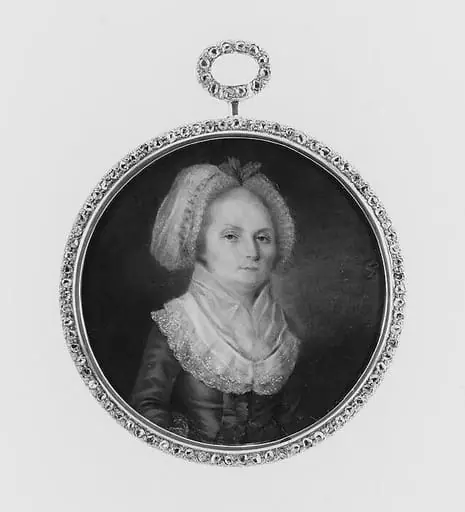 Portrait of a Lady
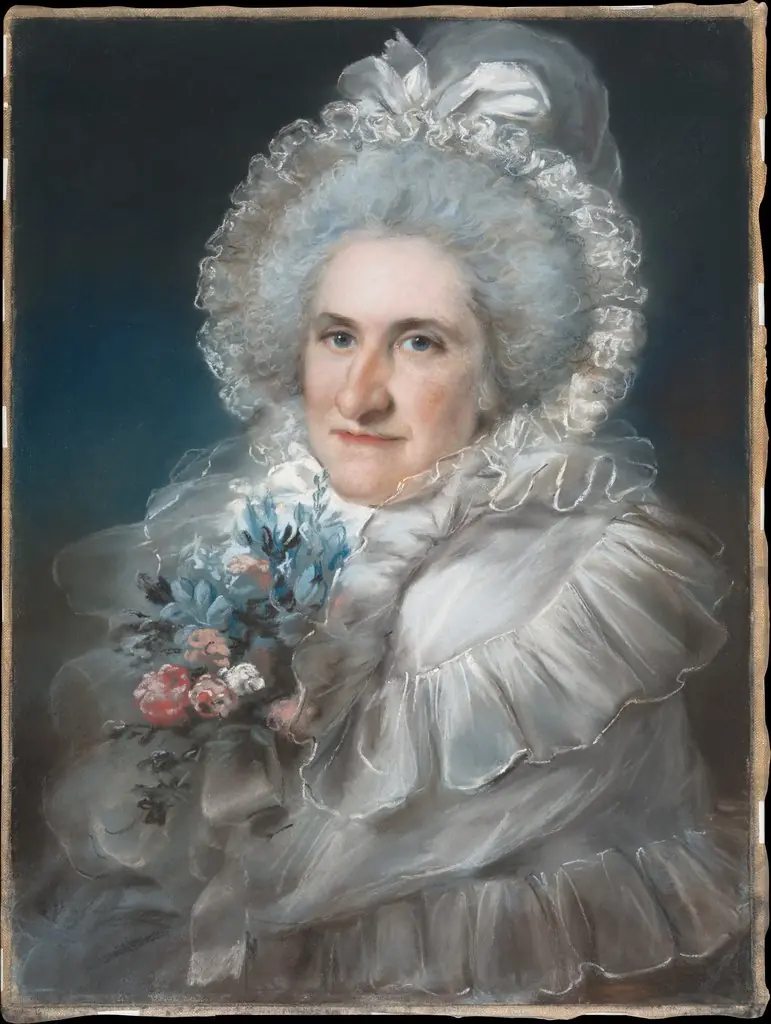 Mrs. William Man Godschall (Sarah Godschall, 1730–1795)
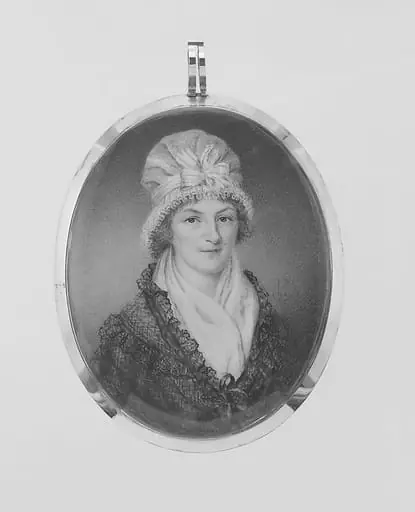 Mrs. Joseph Cooper (Mary Justice)
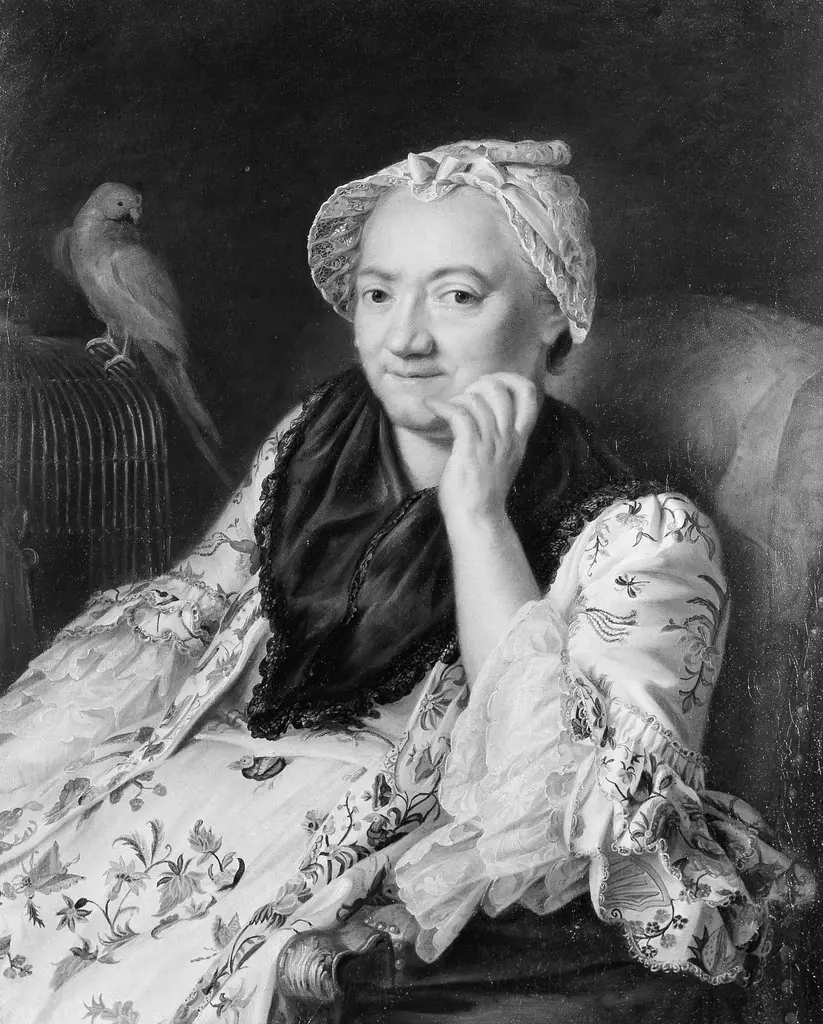 Portrait of a Woman
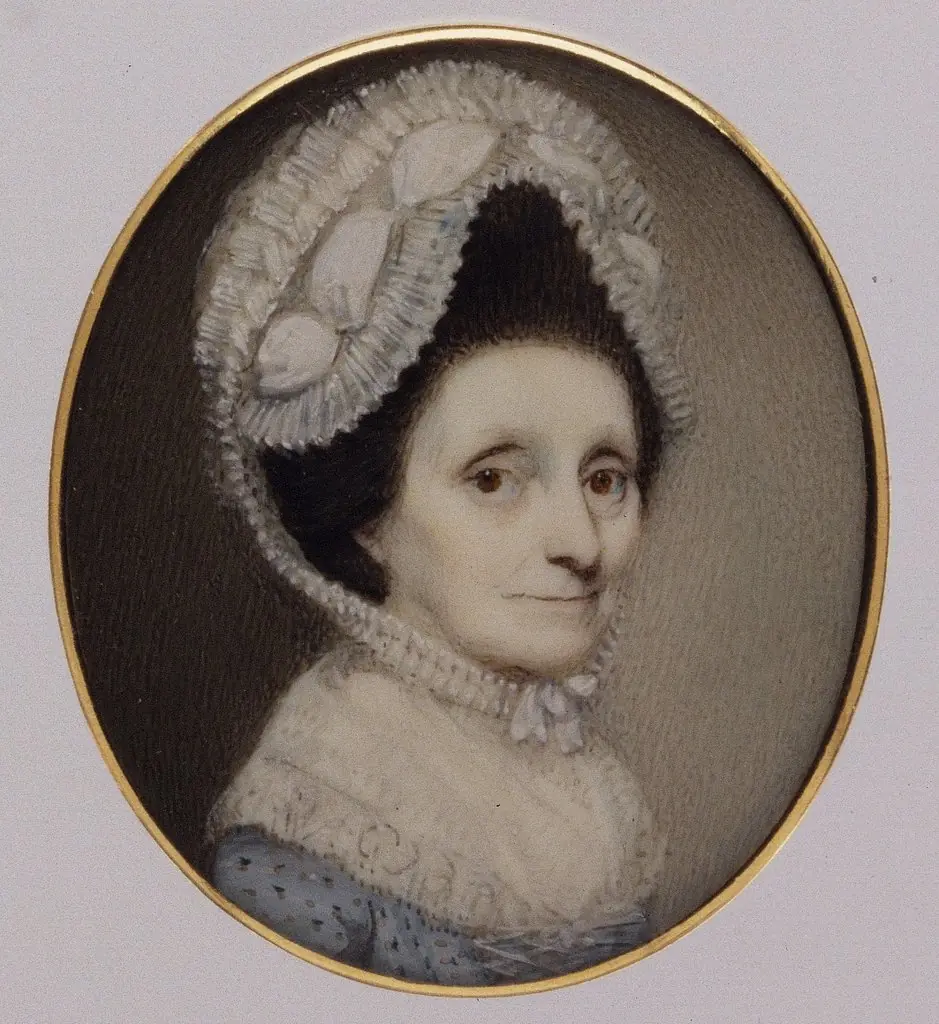 Mrs. Peter De Lancey (Elizabeth Colden, 1720–1784)
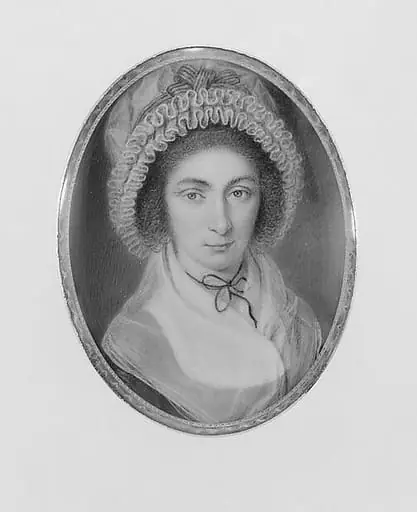 Mrs. John McAllister (Frances Wardale)
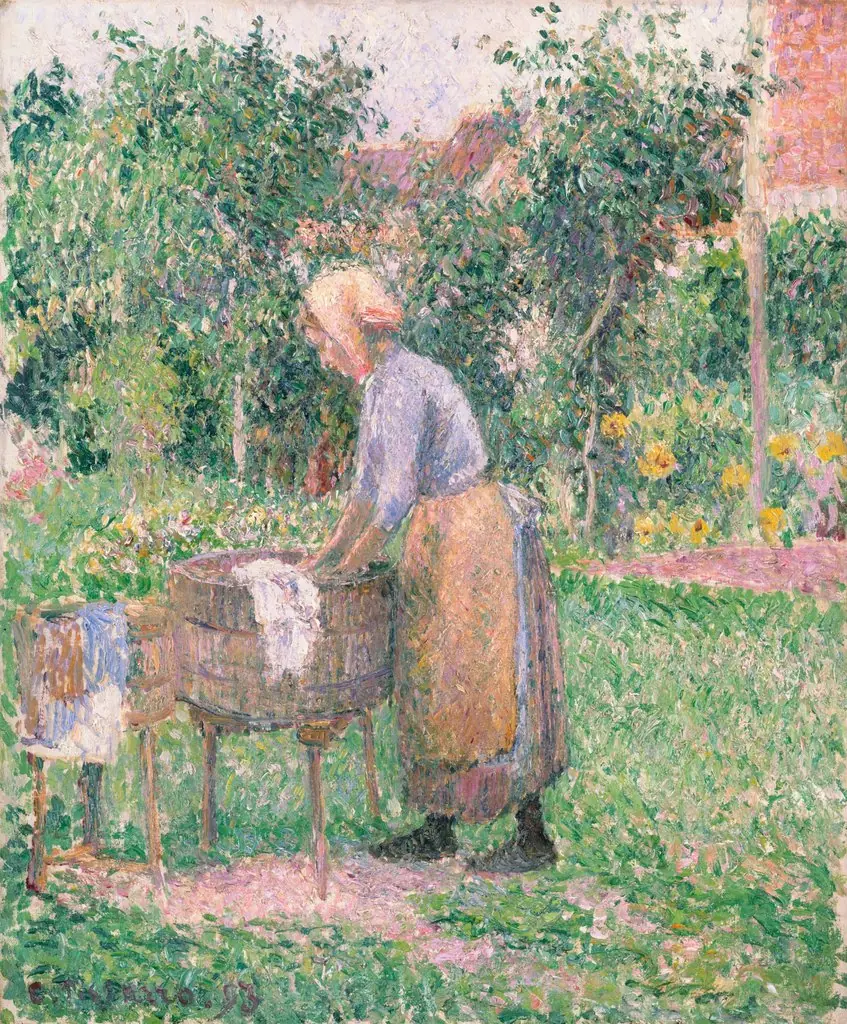 A Washerwoman at Éragny
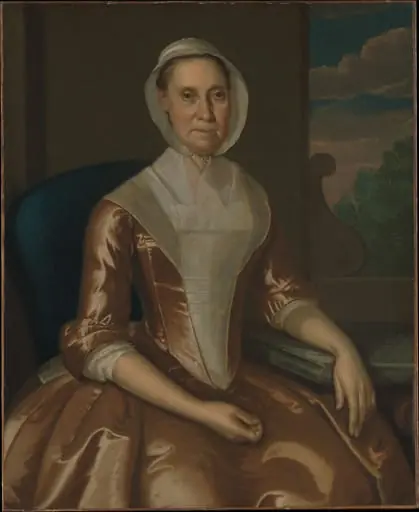 Mrs. Richard Galloway
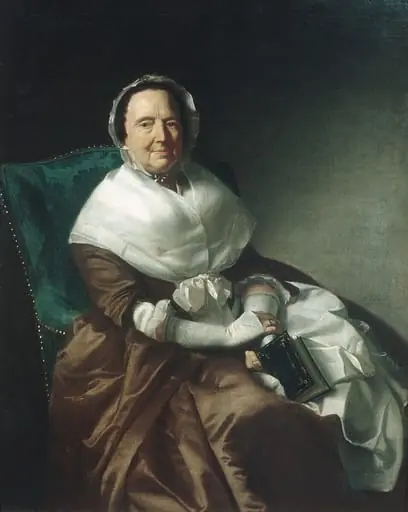 Mrs. Sylvanus Bourne
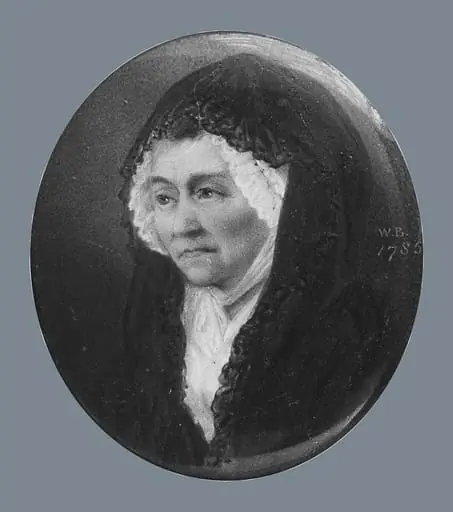 Mary Birch
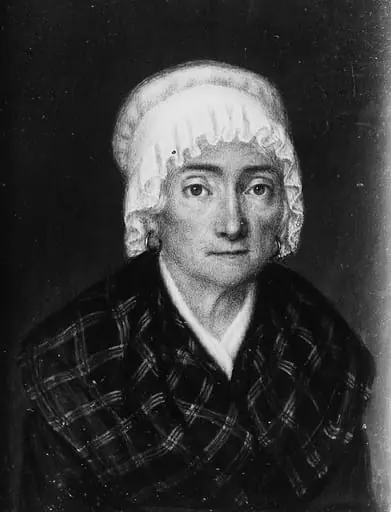 Mrs. Daniel Strobel Jr. (Anna Church)
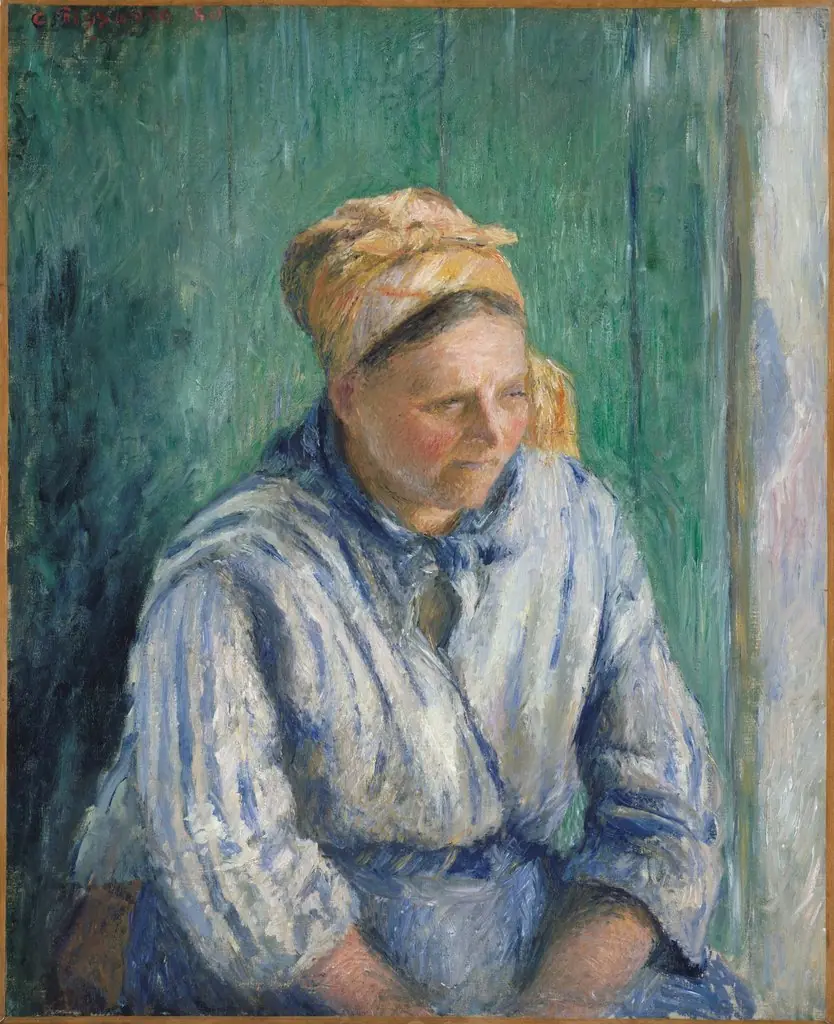 Washerwoman, Study
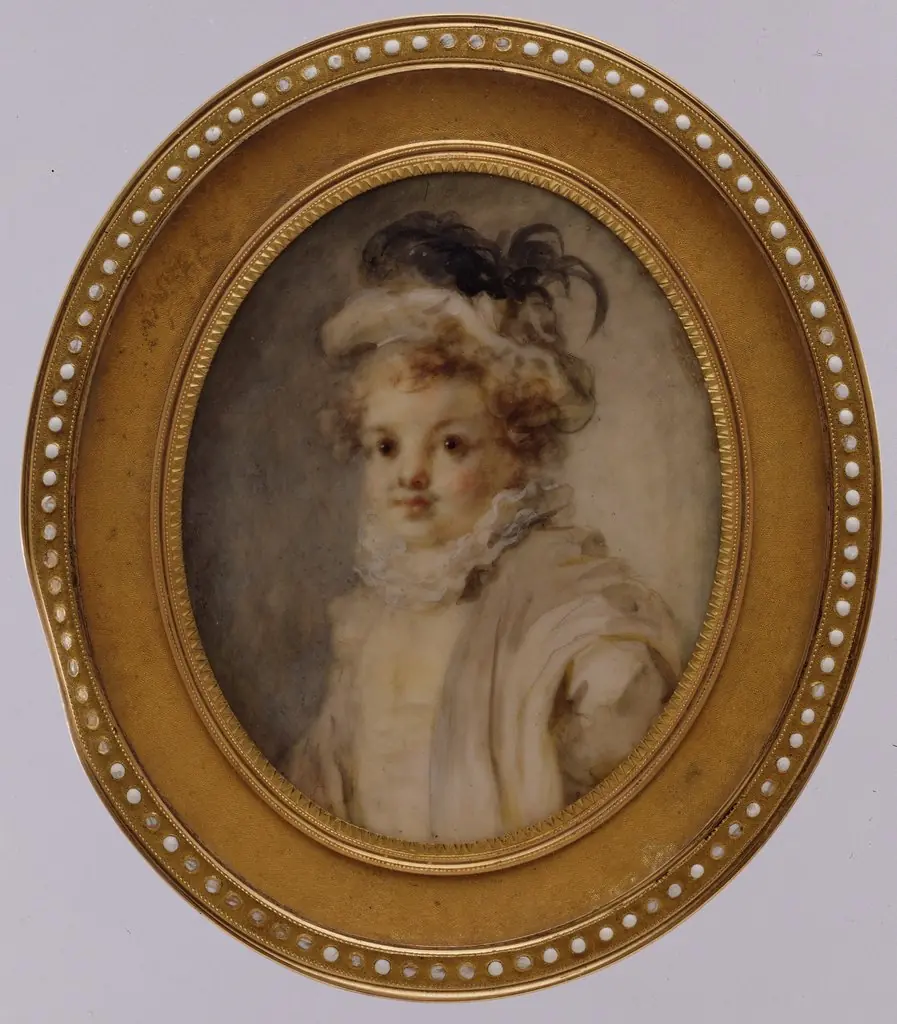 Portrait of a Boy
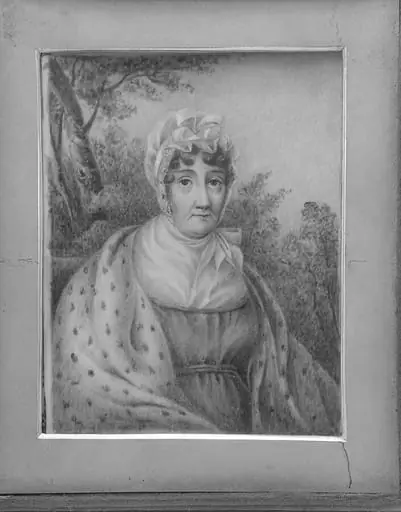 Mrs. Teakes
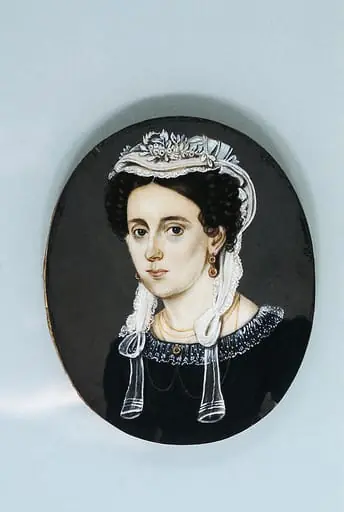 Portrait of a Lady
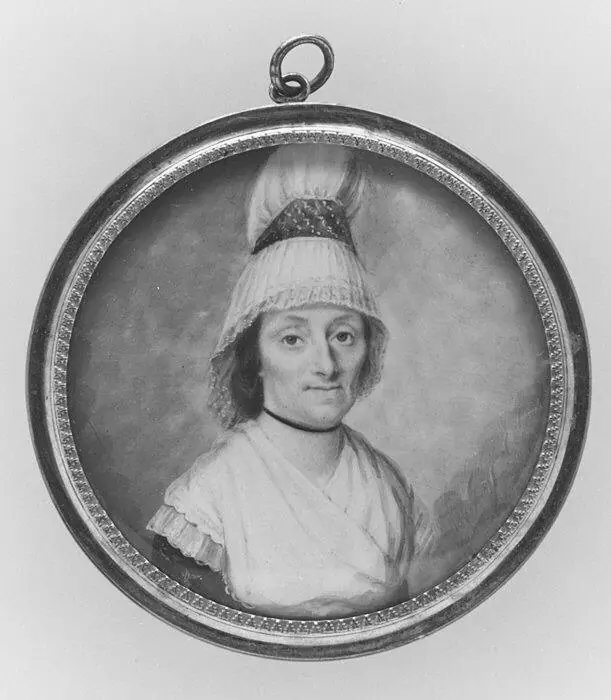 Portrait of a Woman
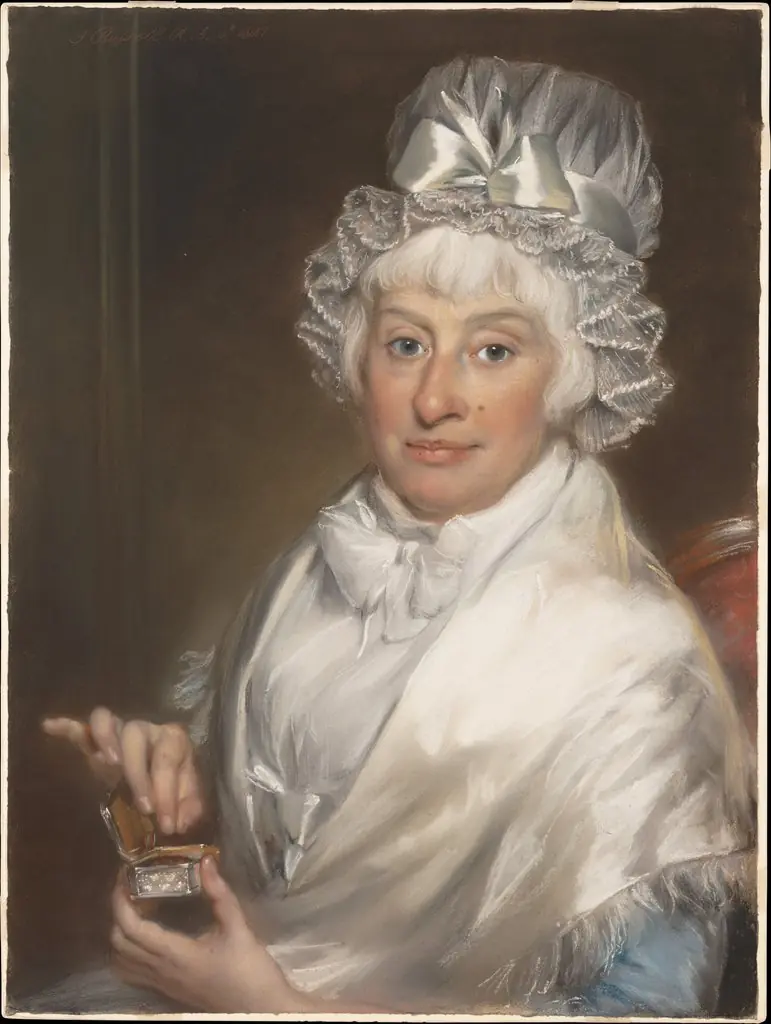 Mrs. Robert Shurlock Sr. (Ann Manwaring)
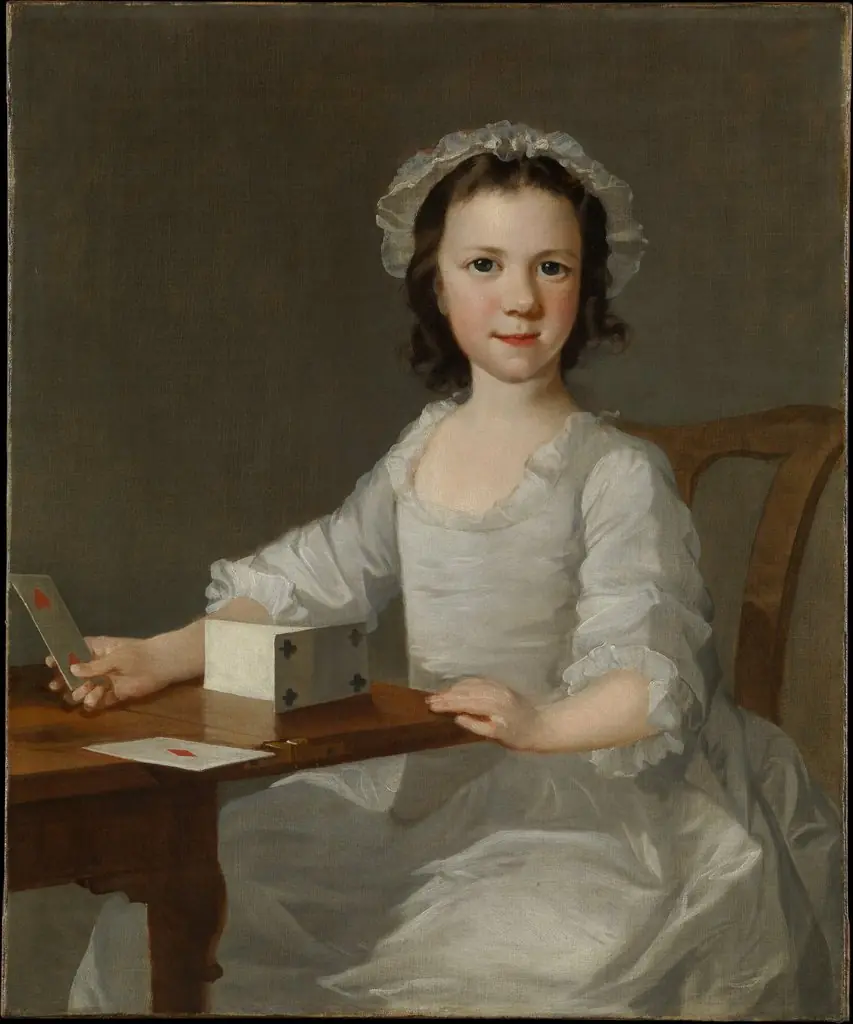 Girl Building a House of Cards
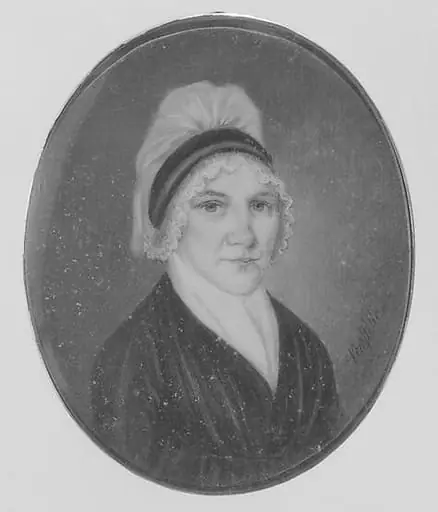 Mrs. Anstis Stone
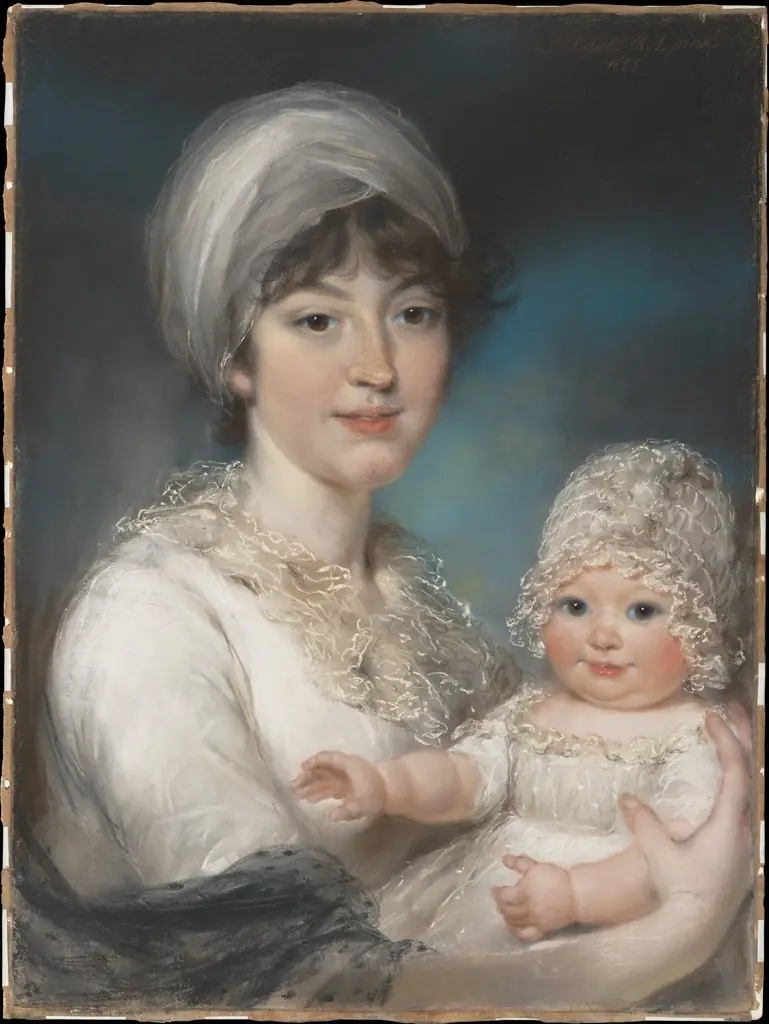 Mrs. Robert Shurlock (Henrietta Ann Jane Russell, 1775–1849) and Her Daughter Ann
 Mrs. Clark
 Queen Charlotte
 Sarah May Holland
 Portrait of a Woman
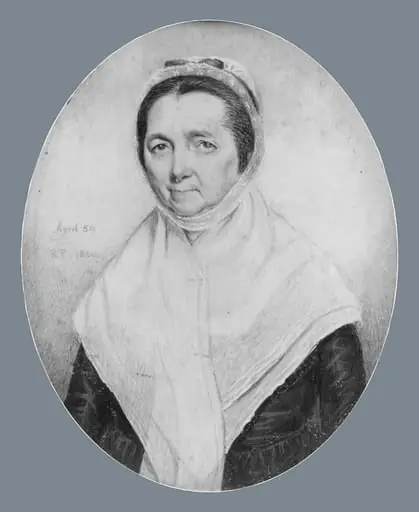 Mrs. John Montgomery (Sarah Diemer)
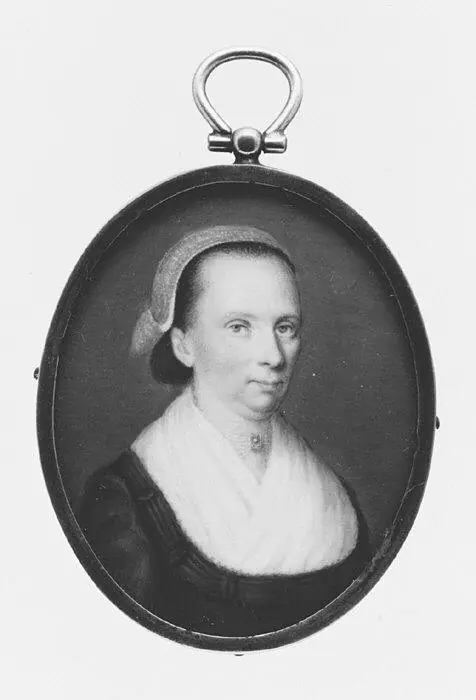 Portrait of a Woman
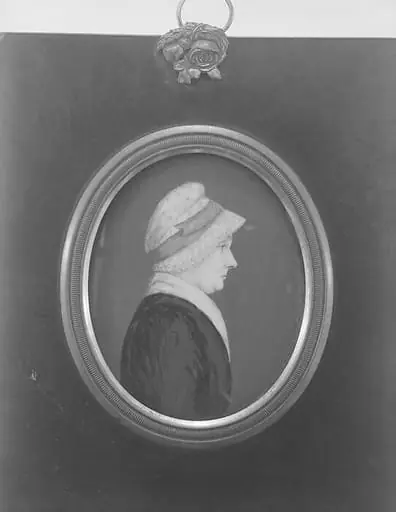 Mrs. David Howe (Sarah Whitney)
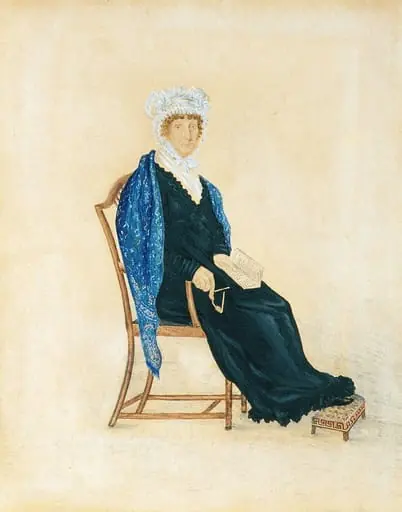 Portrait of Mrs. Crofts
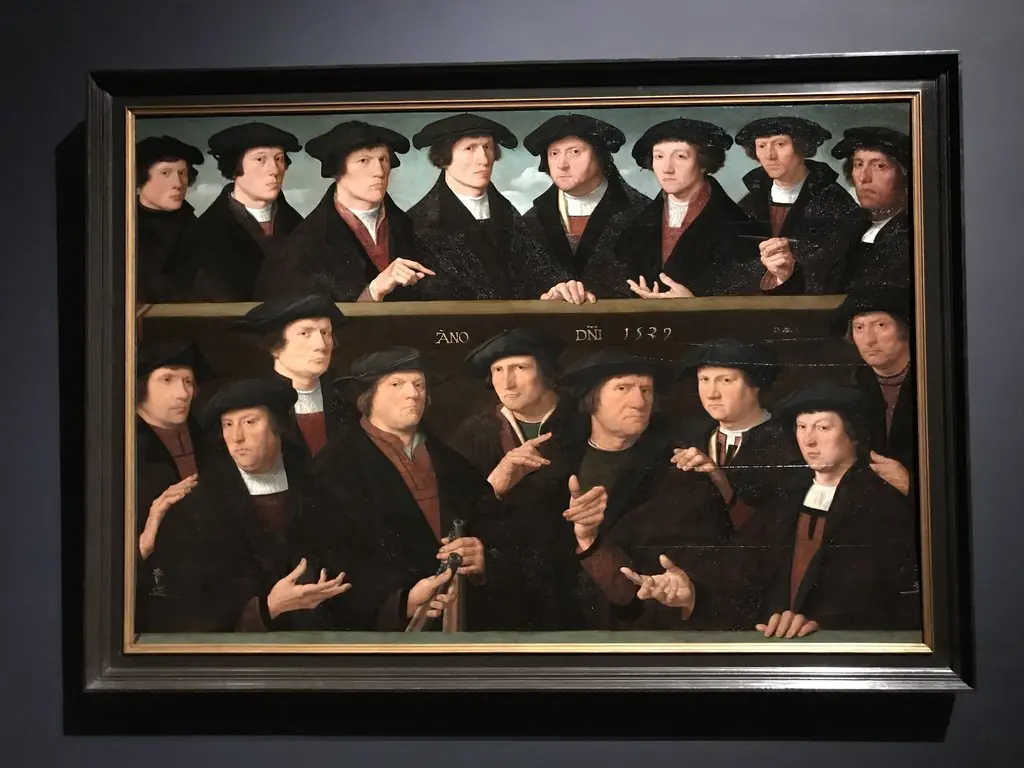 A group of militia men (schutters), 1529 (middle panel)
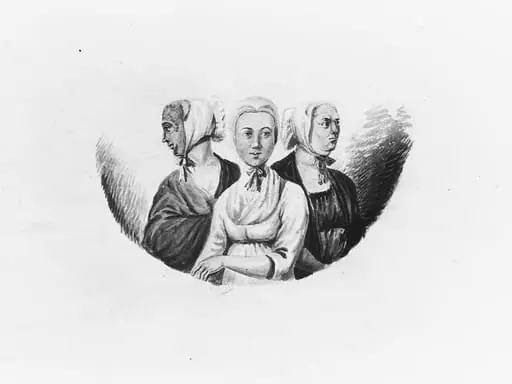 Moravian Sisters
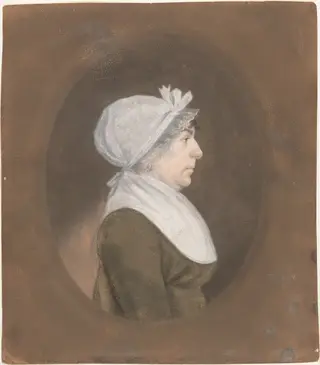 Dorothea Hart
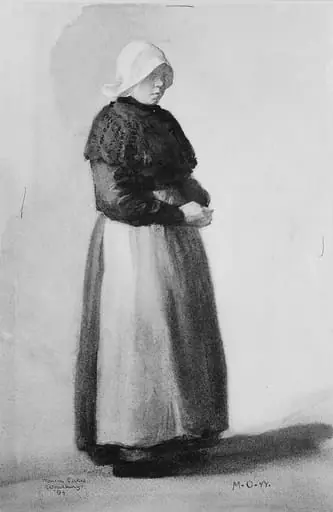 Dutch Woman
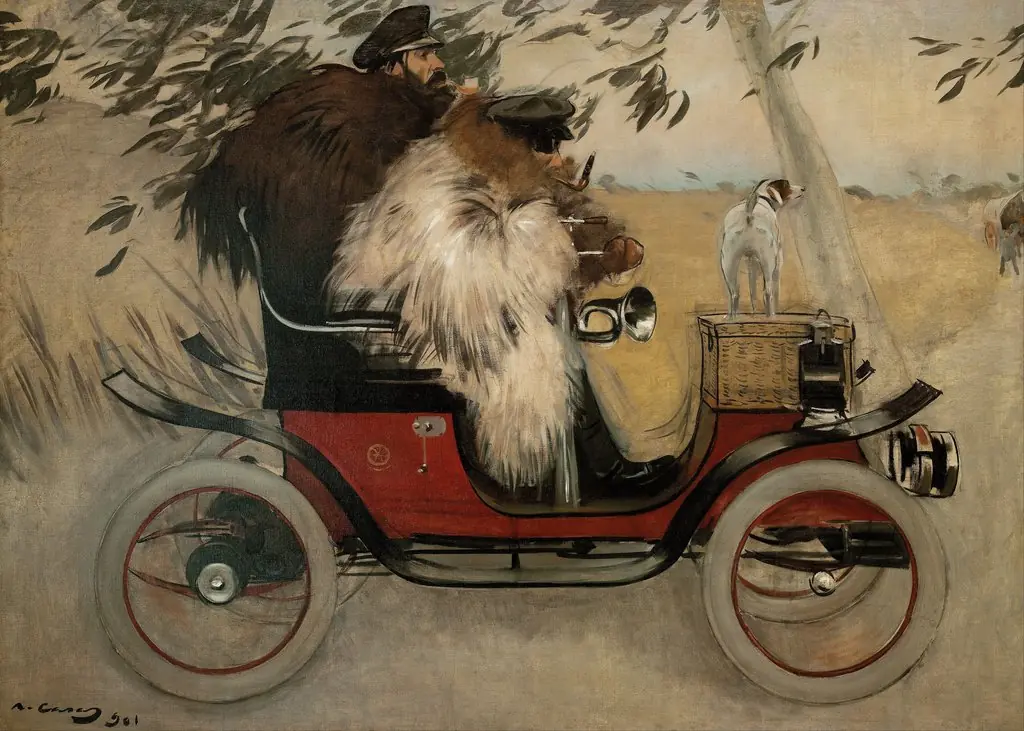 Ramon Casas and Pere Romeu in an Automobile
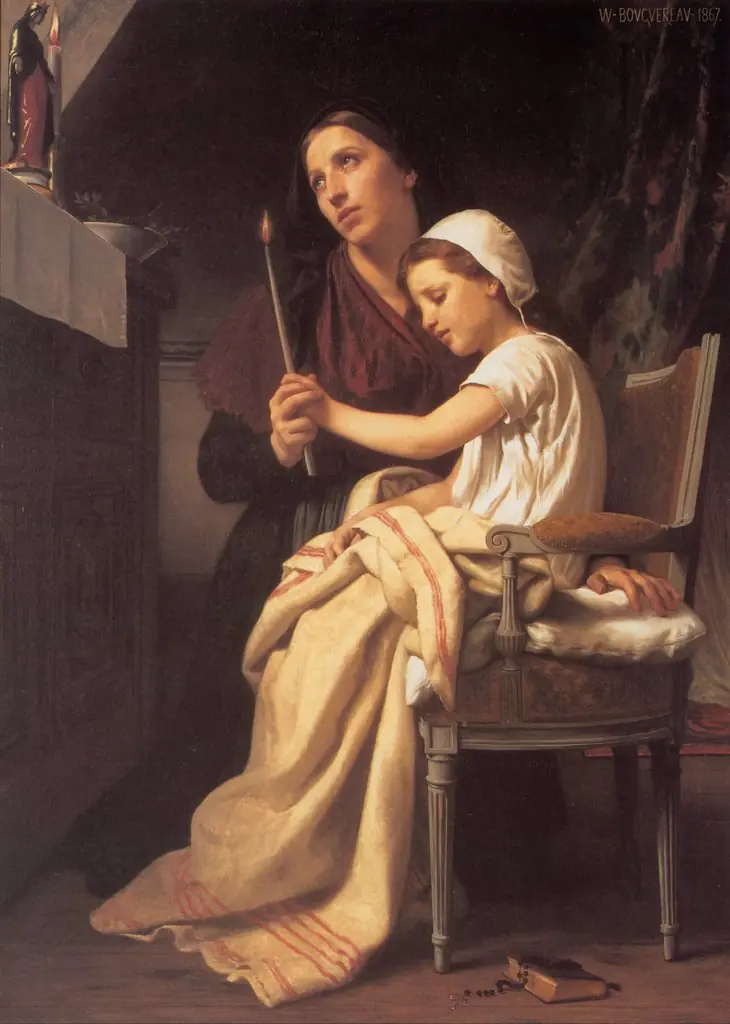 The Thank Offering
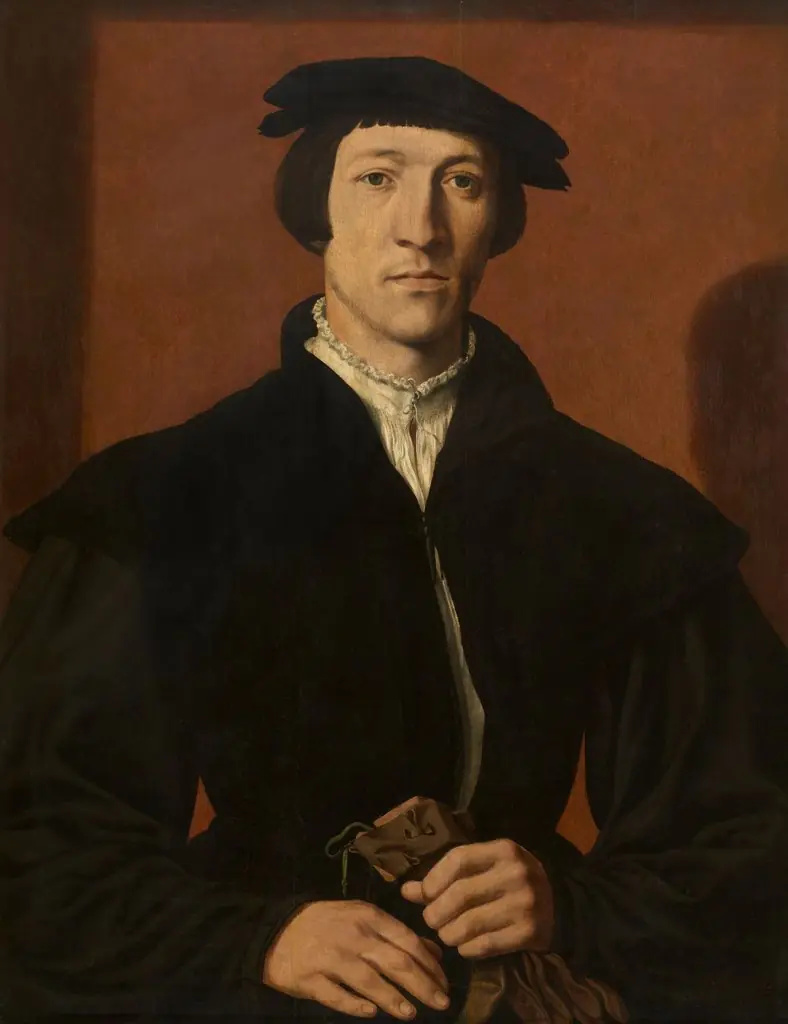 Portrait of a Man
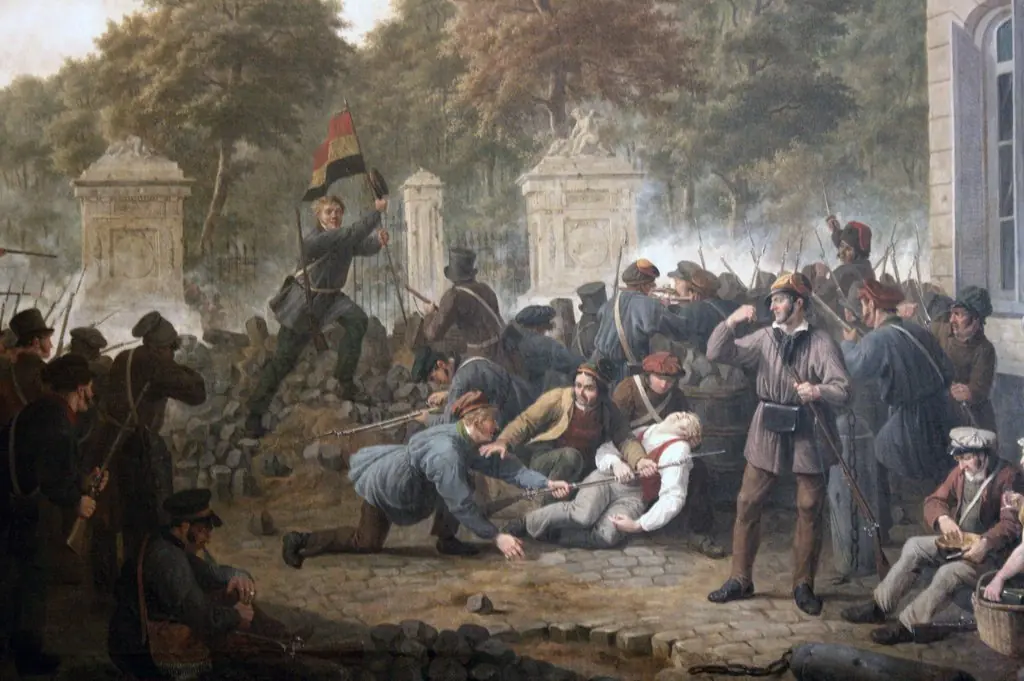 Scene of the Belgian Revolution
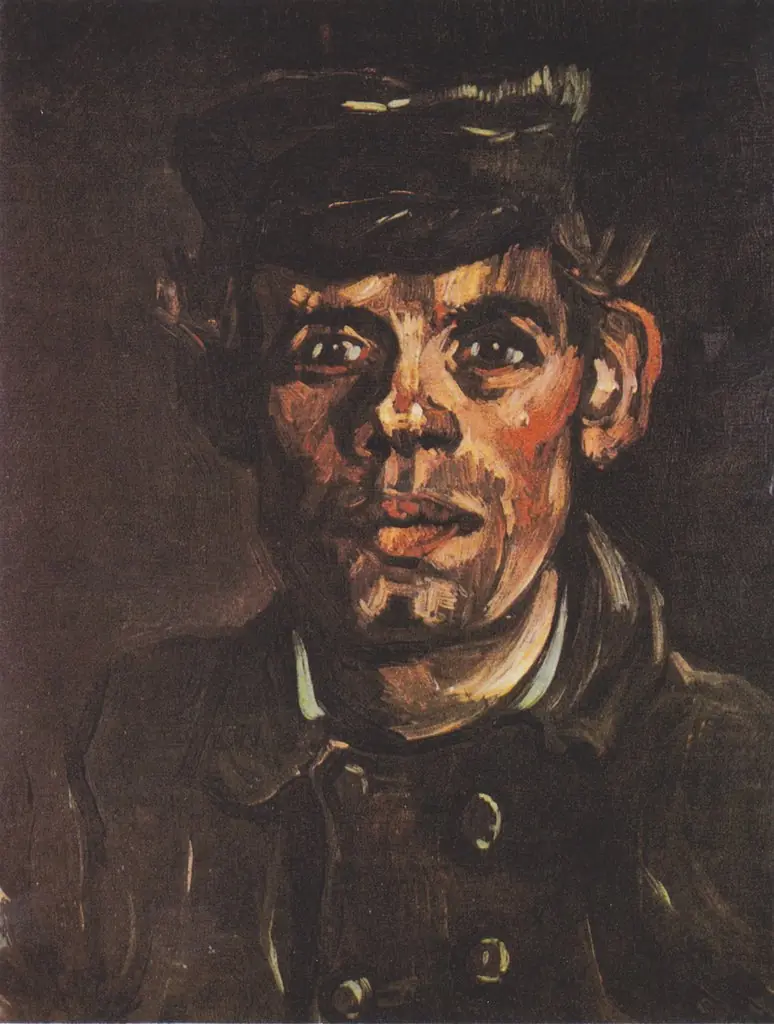 Head of a Young Peasant in a Peaked Cap
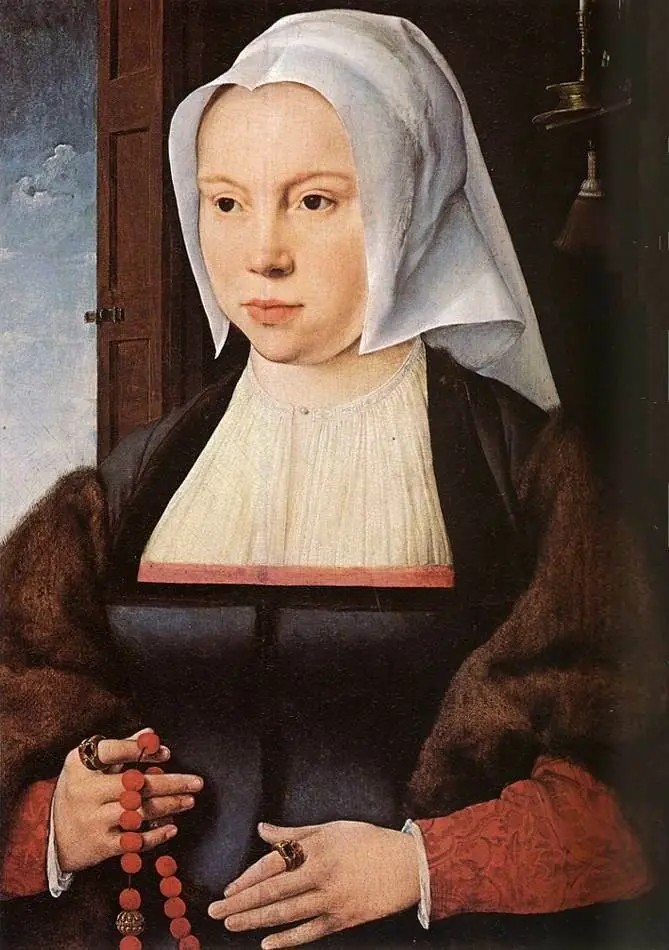 Portrait of a woman with a rosary
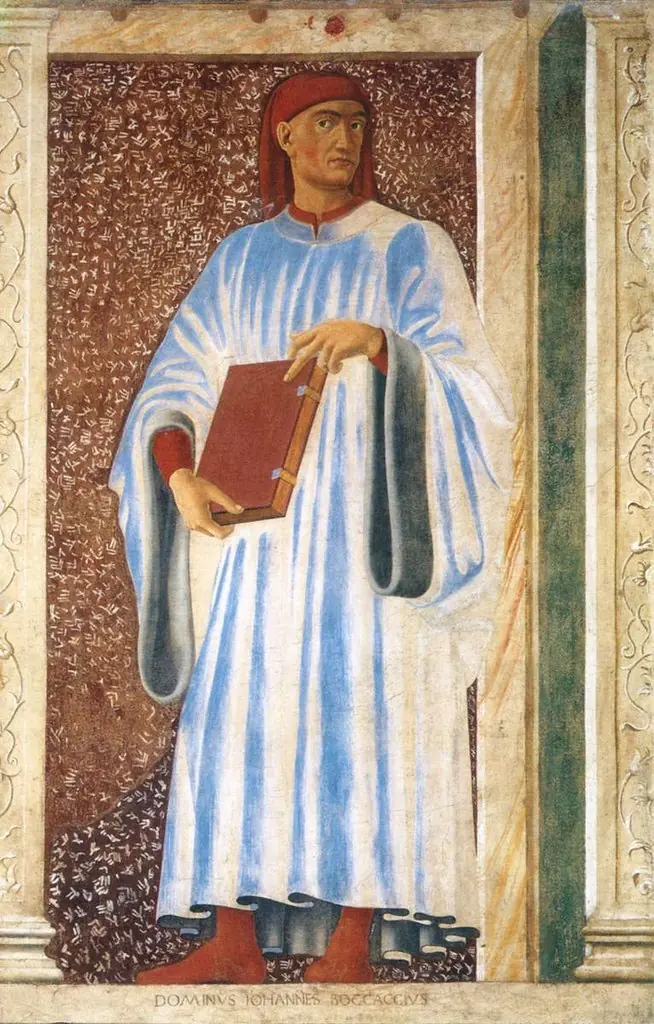 Giovanni Boccaccio from the cycle Famous People
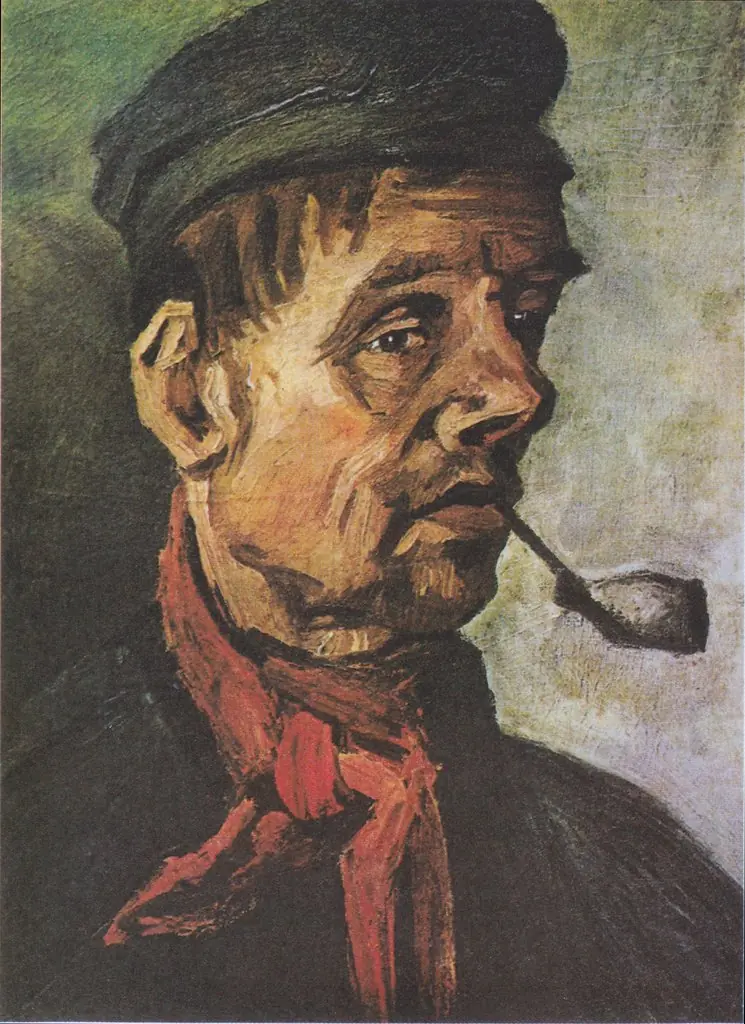 Head of a Man with a Pipe
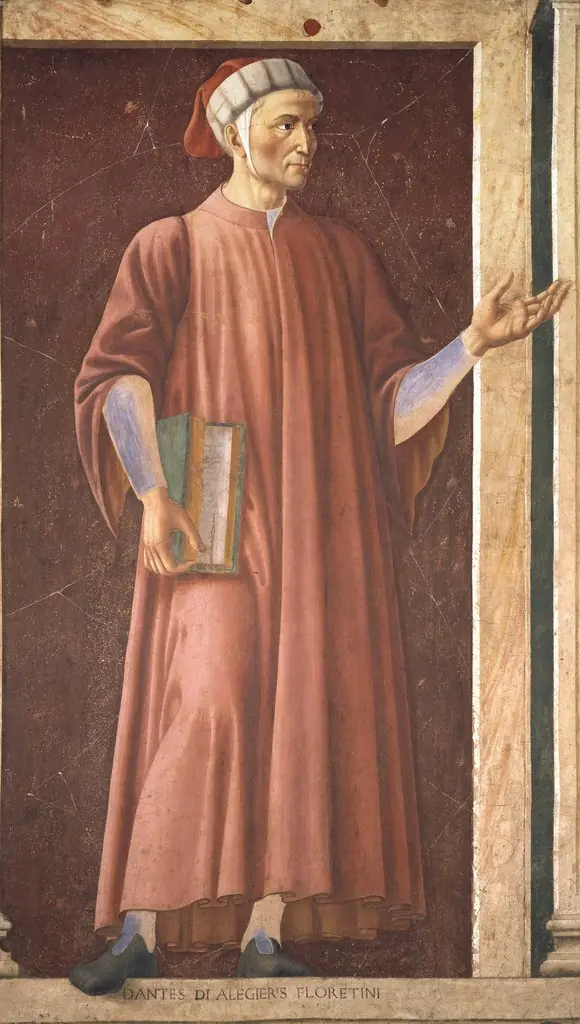 Dante Alighieri
Frequently asked questions
What is Cap?
Cap is a subject in art. Čáp (feminine: Čápová) is a Czech surname, literally meaning 'stork'.
How many Cap works does Artifact World Gallery have?
Artifact World Gallery holds 70 public-domain Cap works, all free to view and download.
Who are the key Cap artists?
Key Cap artists in the collection include Thomas Eakins, Jean Honoré Fragonard and Francis William Edmonds.
Where can I see Cap works?
Cap works in the collection are held by Metropolitan Museum of Art, Uffizi Gallery and Royal Museums of Fine Arts of Belgium.